Natural products derived from herbal medicines have become a major focus of anti-cancer drug discovery studies. Acetyl-macrocalin B (A-macB) is an ent-diterpenoid isolated from Isodon silvatica. This study aimed to examine the effect and molecular action of A-macB in esophageal squamous cell carcinoma (ESCC) and explore possible drug synergistic modalities. A-macB induced cellular reactive oxygen species (ROS) generation, initiated the p38 mitogen-activated protein kinase (MAPK) signaling pathway, and triggered the caspase-9-dependent apoptosis cascade in ESCC cells. The ROS scavenger N-acetylcysteine (NAC) and the specific p38 inhibitor SB203580 reversed the effects of A-macB on the p38 network and thus rescued ESCC cells from apoptosis. The cellular ROS increase was at least partially due to the suppression of glutathione-S-transferase P1 (GSTP1) by A-macB. A-macB also upregulated the Chk1/Chk2-Cdc25C/Cdc2/Cyclin B1 axis to induce G2/M phase arrest. The cell growth inhibition induced by A-macB was further enhanced by AZD7762, a specific Chk1/Chk2 inhibitor, with a combination index (CI) of <1. Moreover, A-macB efficiently suppressed xenograft growth without inducing significant toxicity, and AZD7762 potentiated the effects of A-macB in the suppression of tumor growth in vivo. Taken together, A-macB is a promising lead compound for ESCC and exerts synergistic anti-cancer effects with AZD7762.
PURPOSE:Esophageal squamous cell carcinoma (ESCC) is one of the most aggressive squamous cell carcinomas and is generally resistant to chemotherapy. In the present study, the cytotoxic activity of Rabdocoestin B (Rabd-B) against ESCC and the underlying mechanisms were investigated.METHODS:The inhibitory effect of Rabd-B on KYSE30 and KYSE450 was evaluated by Cell Counting Kit-8 (CCK8) and colony formation assays in vitro. The cell cycle distribution and apoptosis of cells treated with Rabd-B were determined by flow cytometry. The mechanisms underlying the effects of Rabd-B were systematically examined by Western blot. The in vivo anti-tumor ability of Rabd-B was measured in mouse xenograft models and cisplatin (DDP) was used as positive control.RESULTS:Rabd-B efficiently induced G2/M phase arrest in ESCC cells by upregulating the Chk1/Chk2-Cdc25C axis to inhibit the G2→M transition facilitated by Cdc2/Cyclin B1. Furthermore, Rabd-B suppressed ATM/ATR phosphorylation, thereby inhibiting BRCA1-mediated DNA repair, which resulted in mitotic catastrophe and induced cell apoptosis. Rabd-B also decreased the activity of the Akt and NF-κB survival signaling pathways and ultimately initiated the caspase-9-dependent intrinsic apoptotic pathway in ESCC cells. The apoptosis induced by Rabd-B could be partially reversed by a caspase-9-specific inhibitor (Z-LEHD-FMK) and a pan-caspase inhibitor (Z-VAD-FMK). Moreover, Rabd-B effectively suppressed tumor growth in mouse xenografts which was comparable to that of DDP without significant injuries to the mice.CONCLUSION:Taken together, these findings indicate that Rabd-B is a promising precursor compound that may be useful as a treatment for ESCC and thus warrants further investigation.
Non-small cell lung cancer (NSCLC) is the leading cause of cancer-related death worldwide, and novel effective drugs against NSCLC are urgently needed. Isodon species are rich in ent-kaurane diterpenoids that have been reported to have antitumor bioactivity. Acetyl-macrocalin B (A-macB) is a novel ent-kaurane diterpenoid isolated from Isodon silvatica, and its antitumor efficacy against NSCLC and the underlying mechanisms were scrutinized in depth. The viability of cells treated with A-macB was detected by CCK-8 and colony formation assays. Apoptosis and cell cycle distribution were analyzed by flow cytometry. The mechanisms were investigated by detecting ROS and performing western blotting and verification experiments with specific inhibitors. The in vivo effect of A-macB was explored in a nude mouse xenograft model. A-macB effectively inhibited H1299 and A549 cell viability, triggered apoptosis and delayed cells in the G2/M phase. A-macB induced cellular ROS production and then activated the p38 MAPK-mediated, caspase 9-dependent apoptotic pathway. Both the ROS scavenger NAC and the specific p38 inhibitor SB203580 inactivated the function of p38 induced by A-macB, thus preventing cells from apoptosis. A-macB activated the Chk1/2-Cdc25C-Cdc2/cyclin B1 axis to induce G2/M phase arrest. AZD7762 abrogated the function of Chk1/2, abolished the G2/M delay and enhanced the cytotoxicity of A-macB. Moreover, A-macB efficiently suppressed tumor growth in a mouse xenograft model without noticeable toxicity to normal tissues. Having both efficacy and relative safety, A-macB is a potential lead compound that is worthy of further exploration for development as an anticancer agent.
Four new ent-abietane diterpenoids, along with four known ones were isolated from the aerial parts of Isodon serra, a traditional Chinese folk medicine. The new diterpenoids were named as serrin K (1), xerophilusin XVII (2), and enanderianins Q and R (3 and 4), while the known ones were identified as rubescansin J (5), (3α,14β)-3,18-[(1-methylethane-1,1-diyl)dioxy]-ent-abieta-7,15(17)-diene-14,16-diol (6), xerophilusin XIV (7), and enanderianin P (8), respectively. Their structures were elucidated by extensive spectroscopic analysis and comparison with the literature. Compound 1 showed remarkable inhibitory activity towards NO production in LPS-stimulated RAW264.7 cells (IC50 = 1.8 μM) and weak cytotoxicity towards five human tumor cell lines (HL-60, SMMC-7721, A-549, MCF-7, SW480).
Four new triterpenoids, propindilactone T (1), propindilactone U (2), changnanic acid 3-methyl ester (3) and schipropinic. acid (4), together with five known ones (5-9), were isolated and identified from the stems and leaves of Schisandra propinqua var. propinqua; their structures were determined based on spectroscopic and mass spectrometric analyses. The absolute configuration of 1 was confirmed by X-ray analysis. Compounds 1, 2, and 4-9 were tested for their cytotoxic activities against five human tumor cell lines; all were inactive except for 8, which showed weak activity against some of the cell lines.
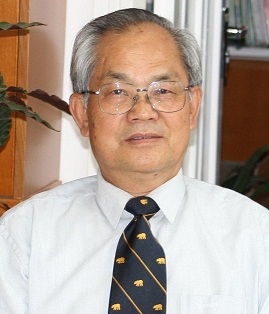 Handong Sun (孙汉董)合作论文数Kunming Institute of Botany, Chinese Academy of Sciences5
 Jingnan Wang合作论文数3
 Zuyang Yuan合作论文数3
 Yuan Li合作论文数3
 Zhi-Liang Lu合作论文数3
 Yun Che合作论文数3
 Jie He (赫捷)合作论文数Chinese Academy of Medical Sciences & Peking Union Medical College;Cancer Hospital, Chinese Academy of Medical Sciences3
 Zhirong Zhang (张志荣)合作论文数West China School of Pharmacy, Sichuan University3
 Jianxin Pu (普建新)合作论文数State Key Laboratory of Phytochemistry and Plant Resources in West China, Kunming Institute of Botany, Chinese Academy of Sciences3
 Pema Tenzin Puno (普诺·白玛丹增)合作论文数University of Chinese Academy of Sciences;Kunming Institute of Botany, Chinese Academy of Sciences2
 Nan Sun (孙楠)合作论文数Cancer Hospital Chinese Academy of Medical Sciences2Xue Du (杜雪)合作论文数2Zhaoli Chen (陈照丽)合作论文数1
 Miao Liu合作论文数1Hua-Yi Jiang合作论文数1Yuan-Qing Luo合作论文数1Renda Li合作论文数Chinese Acad Med Sci & Peking Union Med Coll, Dept Thorac Surg, Natl Canc Ctr, Natl Clin Res Ctr Canc,Canc Hosp, Beijing, Peoples R China1Li Ning合作论文数1
 Ning Li (李宁)合作论文数Cancer Hospital, Chinese Academy of Medical Sciences1
 Jianwei Tang (唐建维)合作论文数Xishuangbanna Tropical Botanical Garden, Chinese Academy of Sciences;University of Chinese Academy of Sciences1
 Xiaonian Li (李小年)合作论文数Wenzhou-Kean University1
 Yan Li合作论文数GlaxoSmithKline1
 Xing-Ren Li合作论文数1




