Background: Growing evidence suggests that urinary β-amyloid precursor protein (AβPP) fragments can serve as an early screening biomarker for mild cognitive impairment and dementia. However, in reality, older adults, regardless of the presence of cognitive decline, often suffer from multiple age-related conditions and are on multiple medications. How these comorbidities and treatments affect the performance of early diagnostic biomarkers remains unclear. Methods : This study further validated the sensitivity, specificity, and clinical value of the Qankorey ® urinary β-amyloid protein detection kit in early dementia screening through a randomized community screening (n=51187) conducted in Changsha, and a multicenter case-control study conducted at Yuquan Hospital (Tsinghua University), Tiantan Hospital (Capital Medical University), Beijing Friendship Hospital, Zibo 148 Hospital (Shandong), and the Third People's Hospital of Yunnan Province. The multicenter case-control study included 898 participants, comprising 266 healthy, age-matched controls without any comorbidities, 167 patients with mild cognitive impairment/Alzheimer's disease (MCI/AD), and 465 non-AD patients with various comorbidities and age-related diseases. Results: The kit showed a significant age-dependent positive rate in both men and women in Changsha, increasing from 6.29% to 15.40%. The number of weakly positive/positive/negative individuals in the healthy group, non-AD group, and MCI/AD group were 8/12/246 (positive rate 7.52%), 41/16/409 (12.23%), and 77/44/46 (72.46%), respectively, with a Kappa value of 0.669, indicating that the method performed well in the clinical diagnosis of MCI/AD, consistent with previously published results. Among the 8 weakly positive healthy subjects, 6 were found to have brain abnormalities by MRI/CT examination. Comorbidity analysis showed that memory decline was the most significant risk factor (P=9.6 × 10^-23, Fisher's exact test), followed by dizziness (P=1.3 × 10^-14;) , hyperlipidemia (P=3.2 × 10^-12) , history of stroke (P=0.0011), and hypertension (P=0.0058). Treatment analysis showed that cardiovascular drugs and antithrombotic drugs significantly reduced the risk of dementia (P values were 0.0061 and 0.0081, respectively), followed by hypoglycemic drugs (P=0.0358). For AD patients, those receiving only memantine showed a slightly lower positive test rate (P=0.0532). Conclusion: Our findings confirm the diagnostic value of urinary β-amyloid protein detection in MCI and AD-related dementia. Furthermore, this kit can be used in practical clinical applications to assess the risk of cognitive decline and treatment efficacy across various diseases. ### Competing Interest Statement The authors have declared no competing interest. ### Funding Statement This study did not receive any funding ### Author Declarations I confirm all relevant ethical guidelines have been followed, and any necessary IRB and/or ethics committee approvals have been obtained. Yes The details of the IRB/oversight body that provided approval or exemption for the research described are given below: Ethics Committee of Yuquan Hospital of Tsinghua University gave ethical approval for this work. I confirm that all necessary patient/participant consent has been obtained and the appropriate institutional forms have been archived, and that any patient/participant/sample identifiers included were not known to anyone (e.g., hospital staff, patients or participants themselves) outside the research group so cannot be used to identify individuals. Yes I understand that all clinical trials and any other prospective interventional studies must be registered with an ICMJE-approved registry, such as ClinicalTrials.gov. I confirm that any such study reported in the manuscript has been registered and the trial registration ID is provided (note: if posting a prospective study registered retrospectively, please provide a statement in the trial ID field explaining why the study was not registered in advance). Yes I have followed all appropriate research reporting guidelines, such as any relevant EQUATOR Network research reporting checklist(s) and other pertinent material, if applicable. Yes All data produced in the present study are available upon reasonable request to the authors
Chronic pain represents a major health problem in the health care system. According to the CDC data brief in 2020, 20.4% of adults have chronic pain. There has been no promising therapy for chronic pain. Currently available treatments include medications such as nonsteroidal anti-inflammatory drugs, antiepileptic drugs, tricyclic antidepressants, corticosteroids, opioids, and cannabinoids, all of which may cause various negative side effects. Thus, there is an urgent need to develop novel, efficacious, and safe interventions for treating pain. Studies have shown that proinflammatory cytokines and chemokines make important contributions to the initiation and persistence of pain. We have found that C-C motif chemokine ligand 5 levels increased at day 14 post-spared nerve injury (SNI). This study was designed to investigate the effect of maraviroc (MVC), an FDA-approved CCR5 antagonist, on neuropathic pain in a mouse model of SNI. We found that MVC alleviated SNI-induced mechanical allodynia at 3, 7, and 14 days postinjury. MVC treatment also prevented SNI-mediated thermal hypersensitivity at 7 and 14 days postinjury in both male and female cohorts. SNI resulted in weight-bearing deficits, which were corrected by MVC administration in male mice. RNA sequencing analysis revealed that MVC rescued SNI-induced dysregulation of sex-specific canonical pathways in the spinal cord. Collectively, our findings showed that MVC could reduce neuropathic pain following peripheral nerve injury, providing a base for the repurposing of this FDA-approved human immunodeficiency virus drug as a pain reducer in clinical applications. SIGNIFICANCE STATEMENT: Spared nerve injury-induced neuropathic pain is associated with upregulation of the C-C motif chemokine ligand 5. Targeting the C-C motif chemokine ligand 5-CCR5 axis with FDA-approved maraviroc alleviated pain phenotype through modulating different pathways in male and female mice.
Parkinson's disease (PD) remains a neurodegenerative disorder without effective disease-modifying therapies, largely due to its multifactorial pathogenesis. We report that the natural flavonoid Astragalin (AST) concurrently addresses three core pathological processes in PD, namely dopaminergic neuron degeneration, α-synucleinopathy, and neuroinflammation, through coordinated modulation of interconnected molecular pathways. In both subacute MPTP- and chronic rotenone-induced murine PD models, AST preserved 85% of nigral tyrosine hydroxylase-positive neurons, fully prevented motor deficits, and suppressed phosphorylated α-synuclein (α-Syn) accumulation and Lewy body-like inclusion formation. Mechanistically, AST activated the BDNF-TrkB/AKT pro-survival pathway, enhanced NRF2-mediated antioxidant defense, and suppressed neuroinflammatory cascades by dual inhibition of Notch1/HES-1 and COP1-C/EBPβ signaling, leading to attenuated microglial and astrocytic activation. These findings position AST as a promising multi-target therapeutic neuroprotective candidate with disease-modifying potential, providing a structural scaffold for developing combination-inspired anti-PD strategies.
Alzheimer's disease (AD) is a common central nervous system neurodegenerative disorder, with its diagnosis and treatment posing significant challenges in the field of neurodegenerative diseases. With the rising global incidence of AD, there is growing interest in nanomaterials that enable precise and efficient diagnosis and treatment of the disease. In particular, the early diagnosis and targeted therapy of AD have long been hindered by issues such as low sensitivity in biomarker detection, poor blood-brain barrier (BBB) penetration, and the complexity of pathological mechanisms, making effective diagnosis and treatment difficult. Consequently, novel approaches are needed to address these challenges. Metal-organic frameworks (MOFs) and covalent organic frameworks (COFs), owing to their high surface area, customizable structures, and excellent biocompatibility, demonstrate outstanding potential in ultra-sensitive biomarker detection, targeted drug delivery and controlled release, and AI-enhanced synergistic diagnosis and treatment for AD. This review focuses on the urgent needs in AD diagnosis and therapy, summarizing its pathogenesis, current diagnostic methods, and treatment status. It highlights the innovative roles of two porous nanomaterials, MOFs and COFs, across the entire process of “early diagnosis-targeted therapy-intelligent optimization” and elucidates their practical efficacy in AD management. Additionally, it explores the integration strategies of these materials with artificial intelligence (AI) and machine learning (ML) technologies. Finally, the review concludes by discussing the challenges and future prospects of MOFs and COFs as potential diagnostic and therapeutic systems for AD.
Major Depressive Disorder (MDD) is a devastating, multifactorial disease with limited pharmacological treatment options. Patients with MDD exhibit alterations in their dopamine (DA) signaling pathways through the midbrain ventral tegmental area (VTA). A similar observation is also detected in preclinical models of stress - mice exhibit behavioral and physiological impairments following chronic social defeat stress (CSDS). Prior studies demonstrate that CSDS-susceptible mice have increased VTA DA neuronal excitability, in part driven by an upregulation in hyperpolarization-activated, cyclic nucleotide-gated (HCN) channels. Inhibiting HCN channels with known inhibitors such as Cilobradine alleviates the negative behavioral effects of CSDS. Here, we aimed to identify Cilobradine analogs with improved neural tropism and inhibitory efficacy. Two compounds, MS7710 and MS7712, differing by their left-hand side moieties, have a similar, potent inhibitory effect on VTA DA Ih currents as compared to Cilobradine, and a greater inhibitory effect than Cilobradine on VTA DA firing rate. We demonstrate that MS7710 and MS7712 have superior brain/plasma concentration ratios as compared to Cilobradine. They were efficacious at inhibiting VTA DA neuron firing rate and bursting activity in CSDS-susceptible male mice at lower doses than Cilobradine, which was recapitulated in female CSDS-susceptible mice with MS7710. Finally, we define that a single intraperitoneal injection of MS7710 ameliorates CSDS-induced social interaction deficits and reward-associated cognitive inflexibility for at least two weeks in male and female mice. These findings yield a novel HCN channel inhibitor with improved neural tropism and stress-alleviating effects that could provide a basis for future antidepressant drug discovery.
Chronic exposure to cadmium (Cd) poses serious risks to neural health, yet effective interventions against Cd-induced neurotoxicity remain limited. Emerging evidence suggests that metabolic dysregulation and neuroinflammation are critical drivers of Cd-related cognitive impairment. Here, we investigated whether Astragalin (AST), a natural flavonoid with anti-inflammatory properties, protects against Cd-induced neurological damage by modulating cerebral energy metabolism. In a mouse model of Cd exposure, AST significantly alleviated cognitive deficits and anxiety-like behaviors, while also mitigating multi-organ damage. Mechanistically, AST normalized Cd-induced hyper-glycolysis in the hippocampus, restoring ATP production and reducing lactate accumulation. This metabolic restoration was accompanied by suppressed activation of microglia and astrocytes, along with a shifted cytokine profile from pro- to anti-inflammatory. We further identified that AST inhibits the mTOR/HIF-1α signaling pathway, a key regulator of glycolytic metabolism and inflammation, leading to preserved expression of synaptic proteins and functional recovery of spatial memory. Our findings reveal a previously unrecognized role of AST in counteracting Cd-driven metabolic reprogramming and glia-mediated neuroinflammation, positioning it as a promising therapeutic candidate for Cd-induced neurodegenerative conditions.
Alzheimer's disease (AD) is characterized by progressive cognitive decline driven by complex pathological processes, including tau hyperphosphorylation (p-Tau), amyloid-beta (Aβ) accumulation, and neuroinflammation. In this study, we investigated the effects of two bioactive compounds, dihydrocaffeic acid (DHCA) and malvidin-glucoside (Mal-gluc), targeting inflammation and neuronal activity, respectively, on cognitive function and AD pathology in a mouse model of AD. Our results demonstrate that chronic DHCA/Mal-gluc treatment significantly improves recognition memory in 3xTg-AD mice without reducing p-Tau or Aβ burden. Employing a newly developed whole-brain cFOS and IBA-1 mapping technique, we found that this combination treatment enhances neuronal activity and promotes microglial homeostasis across multiple brain regions in 3xTg-AD mice. These findings underscore the potential of restoring neuronal function and immune homeostasis as a therapeutic approach for AD. Future study will explore the underlying mechanisms and evaluate whether DHCA/Mal-gluc, combined with currently approved Aβ monoclonal therapy, can synergistically prevent or delay AD onset and progression.
Astragalin (AST) is a flavonoid glycoside commonly found in edible plants and medicinal herbs with a variety of therapeutic effects. This study aimed to investigate whether AST protects the integrity of the blood-brain barrier (BBB) and inhibits neuroinflammation, thereby alleviating depressive-like behaviors. LPS-stimulated cultured cells and LPS-induced BBB disruption and depressive-like behavior mice models were employed. We founded that AST inhibited LPS-induced inflammatory responses in microglial BV2 cells and protected SH-SY5Y cells from inflammatory injury. In mice, AST effectively ameliorated LPS-induced depressive-like behaviors, which was attributed to its ability to maintain BBB integrity and inhibit inflammatory damage caused by LPS invasion. Furthermore, AST suppressed LPS-induced activation of glial cells, protecting neuronal dendritic spines, synapses, and mitochondria from inflammatory damage. It also reduced the elevation of pro-inflammatory factors such as TNF-α, IL-1β, and IL-6, and normalized the aberrant activation of inflammatory signaling pathways, including RIPK1/RIPK3/MLKL and mTOR/NF-κB. In conclusion, AST protects BBB integrity and brain tissue from inflammatory damage, offering new insights for drug development and clinical interventions in systemic inflammatory responses, such as sepsis-induced encephalitis.
Multimorbidity is common in older adults. However, whether multimorbidity accelerates brain beta-amyloid (Aβ) deposition, the molecular driver of Alzheimer's disease (AD), in humans remains largely unknown. In this study, we selected 435 brain Aβ-positive participants with available longitudinal Aβ-PET data (mean duration 3.9 years) from the Alzheimer's Disease Neuroimaging Initiative (ADNI) cohort. Twenty-two self-reported chronic disorders were considered as a measure of the severity of multimorbidity. After adjustment for age, sex, education level, APOE-ε4 status and baseline cognitive state, individuals with a high or medium multimorbidity burden had faster rates of brain Aβ accumulation than individuals with a low multimorbidity burden. Moreover, both the central nervous system and peripheral system multimorbidity burdens were associated with longitudinal brain Aβ deposition. These results indicate that peripheral organ and tissue dysfunctions may contribute to AD pathogenesis, which may help researchers better understand AD pathogenesis and tailor interventions for AD from a systemic view.
Cadmium (Cd), a neurotoxic metal, is associated with the development of neurological disorders. This study investigated the neuroprotective effects of Luteolin against Cd-induced toxicity in cultured cells and mouse models. Our findings demonstrate that Luteolin protects hippocampal neurons from Cd toxicity and mitigates Cd-triggered inflammatory responses in microglial BV2 cells. In Cd-exposed mice, symptoms such as weight loss, motor retardation, multi-organ damage, and cognitive deficits were observed. Remarkably, Luteolin treatment reversed these effects, repaired organ damage, and restored learning and memory abilities. Mechanistically, Cd toxicity induced significant upregulation of pro-inflammatory factors and neuroinflammation in the hippocampus and prefrontal cortex, including elevated glial cell markers (IBA1, GFAP, and CD68) and reduced neuronal marker MAP2. Luteolin counteracted these adverse effects by inhibiting the Notch1/Hes1 inflammatory signaling axis and restoring the BDNF-TrkB/AKT1 signaling axis, thereby promoting neuronal survival. These results highlight the potential of Luteolin as a natural neuroprotective agent against Cd-induced neurotoxicity, offering a promising therapeutic strategy for mitigating Cd-related neurological damage.
ObjectiveCerebrospinal fluid biomarkers are challenging to use for diagnosing mild cognitive impairment (MCI) in large populations, and there is an urgent need for new blood biomarkers. The aim of this study is to investigate whether astrocyte activation is correlated with hippocampal atrophy, and to assess the potential of glial fibrillary acidic protein (GFAP) as a biomarker for diagnosing MCI among community-dwelling older individuals.MethodsThis cross-sectional study included 107 older adults. The levels of GFAP in serum were measured, and the volumetric assessment of gray matter within hippocampal subregions was conducted using Voxel-Based Morphometry (VBM). The relationship between hippocampal subregion volume and blood biomarkers were analyzed using partial correlation. The effectiveness of blood biomarkers in differentiating MCI was assessed using a receiver operating characteristic (ROC) curve.ResultsWe found that serum GFAP levels were significantly elevated in the MCI group compared to the cognitively normal (CN) group. Additionally, individuals with MCI exhibited a reduction gray matter volume in specific hippocampal subregions. Notably, the right dentate gyrus (DG) and right cornu ammonis (CA) subregions were found to be effective for distinguishing MCI patients from CN individuals. Serum levels of GFAP demonstrate a sensitivity of 65.9% and a specificity of 75.6% in differentiating patients with MCI from CN individuals.ConclusionSpecific atrophy within hippocampal subregions has been observed in the brains of community-dwelling elderly individuals. Elevated levels of circulating GFAP may serve as a sensitive peripheral biomarker indicative of hippocampal-specific cognitive alterations in patients with MCI.
Microglia-mediated neuroinflammation and synaptic damage contribute to the pathogenesis of major depressive disorder. Coeloglossum viride var. bracteatum extract (CE) has anti-inflammatory and neuroprotective effects. Therefore, we hypothesized that CE could inhibit the pathogenesis of depression. To test this hypothesis, we evaluated the antidepressant effects of CE in a lipopolysaccharide (LPS)-induced mouse model. We showed that CE ameliorated LPS-induced depressive-like phenotypes such as increased preference for sucrose, decreased immobility, and improved willingness to move in mice. Consistently, CE reduced the levels of pro-inflammatory cytokines TNF-α, IL-1β, and IL-6 in the brain. Mechanistically, CE transformed the phenotypic polarization of microglia by inhibiting the enhancement of aerobic glycolysis and improving oxidative phosphorylation, mediated by the HIF-1α/PKM2 signaling axis. CE reversed the reduction in synaptic proteins, dendritic spines, and neuronal loss. Thus, CE may alleviate LPS-induced depression through anti-inflammation, alteration of microglial energy metabolism and protection of synaptic plasticity, thus highlighting its potential as antidepressant.
Ethnopharmacological relevance: Corydalis hendersonii Hemsl. (CH), is a traditional Tibetan medicine used in highland areas for the treatment of alpine polycythemia, ulcers and various inflammatory diseases. Its antioxidant and anti-inflammatory effects have been demonstrated in experimental mice. Loss of dopaminergic neurons due to oxidative damage is thought to be an important factor in the development of PD, the potential antioxidant, anti-inflammatory effects of CH could potentially be used for PD treatment. Aim of the study: To identify potential targets of CH using network pharmacology and to investigate the neuroprotective effects in cultured cell models and in MPTP-intoxicated mice. Materials and methods: The main chemical components of CH were analyzed by UPLC-MS/MS and their potential targets of action or signaling pathways were analyzed using network pharmacology. MPP + or LPS was added to SH-SY5Y or BV2 cells, respectively, to establish cellular models. MPTP was administered to C57BL/6J mice to induce inflammation and dopaminergic neuron loss as well as dyskinesia, followed by behavioral analysis to determine the role of CH in eliminating inflammation, avoiding neuron loss, and improving dyskinesia. Results: CH contains 241 alkaloids, 213 flavonoids, 177 terpenoids and 114 phenolic compounds. The targets crossover between CH and PD yielded 210 potential therapeutic targets, especially growth factors and inflammatory pathway-related genes, such as BDNF, NF-kappa B, as potential key targets. In cultured cells, CHE eliminated MPP + -induced impairment of cell viability as well as LPS-induced inflammation, respectively. In mice, CHE ameliorated MPTP-induced dyskinesia and rescued the loss of dopaminergic neurons in the substantia nigra and striatum. Mechanistically, CHE effectively maintained the activity of the BDNF-TrkB/Akt signaling pathway, accordingly, inhibited inflammatory signaling pathways such as HIF-1 alpha/PKM2 and Notch/NF-kB. Conclusions: CH performed well in eliminating inflammation and improving locomotor deficits in mice, and its potent active ingredients are worthy of subsequent research and development.
Increased levels of matrix metalloproteinase 8, expressed by circulating myeloid cells, may have a role in stress-induced changes in social behaviour in mice.
 Giulio M. Pasinetti合作论文数103Lap Ho合作论文数71Wei Zhao合作论文数Mt Sinai Sch Med, Dept Neurol, New York, NY 10029 USA36Lin Hsiao-Yun合作论文数Institute of Medical Science, China Medical University19Kenjiro Ono合作论文数19
 Mario Ferruzzi合作论文数Department of Food Science & Technology, College of Agriculture and Life Sciences, Virginia Tech16
 Scott J Russo合作论文数Center for Affective Neuroscience, School of Medicine at Mount Sinai;Brain Body Research Center, School of Medicine at Mount Sinai15Prashant Vempati合作论文数13Alice Cheng合作论文数12
 Rongfeng Lan (蓝荣峰)合作论文数School of Basic Medical Sciences, Shenzhen University Medical School12
 Xiaoyan Qin (覃筱燕)合作论文数College of Life and Environmental Sciences, Minzu University of China12
 Alison M Goate合作论文数Ronald M. Loeb Center for Alzheimer’s disease, Icahn School of Medicine at Mount Sinai;Department of Genetics & Genomic Sciences, Icahn School of Medicine at Mount Sinai;Icahn Genomics Institute, Icahn School of Medicine at Mount Sinai12
 Lyonna Francesca Parise合作论文数Friedman Brain Institute, Icahn School of Medicine at Mount Sinai11Flurin Cathomas合作论文数Friedman Brain Institute, Icahn School of Medicine at Mount Sinai11Bing Gong合作论文数11
 Yang Hu (胡杨)合作论文数College of Life and Environmental Sciences, Minzu University of China11
 Merina Varghese合作论文数Division of Clinical and Experimental Neuroscience, Indian Institute of Chemical Biology11Hanna Ksiezak-Reding合作论文数11
 Long Li合作论文数10
 David B. Teplow合作论文数Brain Research Institute, University of California, Los Angeles;Biopolymer Laboratory, David Geffen School of Medicine, University of California, Los Angeles9
 Chan Kenny L合作论文数The Hospital for Sick Children, University of Toronto9Shrishailam Yemul合作论文数8
 Antonio V Aubry合作论文数Friedman Brain Institute, Icahn School of Medicine at Mount Sinai7Samara Levine合作论文数7
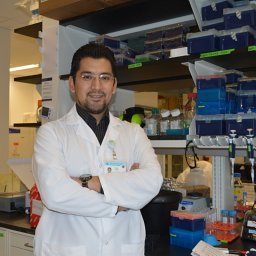 Nelson Humala合作论文数Columbia Univ, Med Ctr, New York, NY USA7
 Elsa M Janle合作论文数7Xianjuan Qian合作论文数7
 Ismael Santa-María合作论文数Centro de Biología Molecular “Severo Ochoa” CSIC/UAM, Universidad Autónoma de Madrid7
 James E. Simon合作论文数6
 Carole Morel合作论文数Icahn Sch Med Mt Sinai, New York, NY 10029 USA6Linghong Chen合作论文数6
 Romain Durand-de Cuttoli合作论文数UPMC Univ Paris 066
 Mazzola Paolo合作论文数6Freire Daniel合作论文数6Bi Weina合作论文数6
 Weiping Qin (秦伟平)合作论文数College of Electronic Science and Engineering, Jilin University6Qingli Wu合作论文数6Yusuke Shimo合作论文数6Chongzhen Yuan合作论文数5Amanda Bilski合作论文数5David Land合作论文数5Kalena Liu合作论文数Icahn Sch Med Mt Sinai, Dept Genet & Genom Sci, New York, NY 10029 USA5
 Ke Hao (郝柯)合作论文数College of Environmental Science and Engineering, Tongji University5
 Miriam Merad合作论文数Precision Immunology Institute, Icahn School of Medicine at Mount Sinai5
 Patrick R Hof合作论文数Nash Family Department of Neuroscience, Icahn School of Medicine at Mount Sinai5Chen Tzu-Ying合作论文数5Gálvez Jorge合作论文数5
 Ying Zhang (张莹)合作论文数School of Science, Beijing Jiaotong University5
 Yanpeng Zheng (郑妍鹏)合作论文数School of Science, Beijing Jiaotong University5




