Supplemental Tables S1-S4 and S6-S13. Supplemental Table S1: Summary of Patient Characteristics. Supplemental Table S2: Patient Characteristics and Key Mutations. Supplemental Table S3: Tumor purity and ploidy calculations. Supplemental Table S4: Sequencing Coverages. Supplemental Table S6: Allele fraction analysis. Supplemental Table S7: MutSig analysis. Supplemental Table S8: IntOGen mutational significance analysis. Supplemental Table S9: Chi-square mutational significance analysis. Supplemental Table S10: Multinomial mutational significance analysis. Supplemental Table S11: Kappa analysis for gene-gene associations. Supplemental Table S12: ABSOLUTE copy number analysis segmentation data. Supplemental Table S13: Clinical and mutation associations.
Follicular dendritic cell sarcoma (FDCS) can be divided into the conventional type, and the inflammatory pseudotumor (IPT)-like variant type. Epstein-Barr virus (EBV) infection is considered to be closely associated with the pathogenesis of IPT-like variant of FDCS. Hepatic FDCS has an exceedingly low incidence of only 29 cases reported, with most of these tumors being classified as the IPT-like type. We report a case of an IPT-like variant of FDCS of the liver in a 61-year old man who presented with no marked symptoms. The patient underwent laparoscopic surgery for the mass and was well during a 13-month follow-up periods. The postoperative pathological examination found a proliferation of spindle cells and a diffuse infiltration of inflammatory cells within the tumor. Immunohistochemistry revealed that neoplastic cells were positive for CD23, clusterin, fascin, and PD-L1, and weakly positive for CD35, SMA, and D2-40. The infiltrating lymphocytes were strongly positive for PD1, and IgG4-positive plasma cells were less than 10 cells/high-power field. In situ hybridization for Epstein-Barr virus encoded RNA (EBER) was negative. To our knowledge, the present case is the second case of hepatic IPT-like variant of FDCS without EBV involvement, indicating that EBV infection is not an absolute prerequisite for a diagnosis of the IPT-like variant of FDCS.
Dendritic cell sarcomas are rare tumours of antigen presenting cells. Data regarding their biology, management and outcomes are sparse. We analysed 66 patients with follicular dendritic cell sarcoma (FDCS). Six patients also had Castleman disease, 9 had another malignancy and 13 had an autoimmune disease. Fifty-four per cent of patients presented with localized disease and 46% with systemic involvement. The median progression-free (PFS) and overall survival (OS) following frontline therapy was 21 and 50 months, respectively. Survival outcomes were significantly inferior in patients with extranodal, bulky or intra-abdominal disease at presentation. Stage was not associated with survival. Management approaches were heterogeneous. Patients who underwent an upfront gross total resection (GTR) experienced better PFS and OS (both P < 0·0001). In patients who underwent a GTR, consolidative radiotherapy was associated with improved local control (P = 0·03), PFS (P = 0·04) and OS (P = 0·05). In patients with measureable disease, gemcitabine with a taxane yielded an overall response rate of 80%. The pattern of relapse was predominantly locoregional. Salvage rates after recurrence were poor. Studies are underway at our institution to define the genomic profile in FDCS and identify potential novel therapeutic targets.
Abstract Purpose: Aggressive cutaneous squamous cell carcinoma (cSCC) is often a disfiguring and lethal disease. Very little is currently known about the mutations that drive aggressive cSCC. Experimental Design: Whole-exome sequencing was performed on 39 cases of aggressive cSCC to identify driver genes and novel therapeutic targets. Significantly, mutated genes were identified with MutSig or complementary methods developed to specifically identify candidate tumor suppressors based upon their inactivating mutation bias. Results: Despite the very high-mutational background caused by UV exposure, 23 candidate drivers were identified, including the well-known cancer-associated genes TP53, CDKN2A, NOTCH1, AJUBA, HRAS, CASP8, FAT1, and KMT2C (MLL3). Three novel candidate tumor suppressors with putative links to cancer or differentiation, NOTCH2, PARD3, and RASA1, were also identified as possible drivers in cSCC. KMT2C mutations were associated with poor outcome and increased bone invasion. Conclusions: The mutational spectrum of cSCC is similar to that of head and neck squamous cell carcinoma and dominated by tumor-suppressor genes. These results improve the foundation for understanding this disease and should aid in identifying and treating aggressive cSCC. Clin Cancer Res; 20(24); 6582–92. ©2014 AACR.
 Eve Shinbrot合作论文数NeoGenom Labs, Aliso Viejo, CA USA3
 David A. Wheeler合作论文数St. Jude Children's Research Hospital3Sahil Seth合作论文数Applied Cancer Science Institute, The University of Texas MD Anderson Cancer Center3Jianhua Zhang合作论文数3
 Jeffrey N. Myers合作论文数Department of Head and Neck Surgery, Division of Surgery, The University of Texas MD Anderson Cancer Center;Department of Cancer Biology, The University of Texas MD Anderson Cancer Center3
 Adel K. El-Naggar合作论文数Department of Pathology, Division of Pathology, MD Anderson Cancer Center, The University of Texas3
 Richard A Gibbs合作论文数Human Genome Sequencing Center, Baylor College of Medicine;Dan L Duncan Comprehensive Cancer Center, Baylor College of Medicine3Carlos Caulin合作论文数3
 Stephen Y. Lai合作论文数Department of Head and Neck Surgery, Division of Surgery, The University of Texas MD Anderson Cancer Center;Department of Radiation Oncology, Division of Radiation Oncology, The University of Texas MD Anderson Cancer Center;Department of Molecular and Cellular Oncology, Division of Basic Science Research, The University of Texas MD Anderson Cancer Center2Jonathan L. Curry合作论文数1
 Kenneth Y Tsai合作论文数1Jane H Zhou合作论文数1S Andrew Peng合作论文数1Xi Liu合作论文数1Mitchell J Frederick合作论文数1Wenjie Chin合作论文数1
 Shimin hu合作论文数Univ Texas MD Anderson Canc Ctr, Dept Hematopathol, Houston, TX 77030 USA1
 Yuanxing Liu (刘原兴)合作论文数The First Affiliated Hospital, Zhejiang University School of Medicine1
 Keyur P. Patel合作论文数Department of Hematopathology, Division of Pathology/Lab Medicine, The University of Texas MD Anderson Cancer Center;Department of Molecular Diagnostics Laboratory, Division of Pathology/Lab Medicine, The University of Texas MD Anderson Cancer Center1Clayman Gary L合作论文数1Doddapaneni Harshavardhan合作论文数1Covington Kyle R合作论文数Baylor Coll Med1
 Jain Preetesh合作论文数Dept Leukemia, Univ Texas MD Anderson Canc Ctr1
 Rashmi Kanagal Shamanna合作论文数Molecular Diagnostic Laboratory, Department of Hematopathology, Division of Pathology and Laboratory Medicine, The University of Texas MD Anderson Cancer Center;Leukemia Planning Clinic, Department of Hematopathology, Division of Pathology and Laboratory Medicine, The University of Texas MD Anderson Cancer Center1
 Loretta Nastoupil合作论文数The University of Texas MD Anderson Cancer Center1
 Jennifer Ann Drummond合作论文数Human Genome Sequencing Center, Baylor College of Medicine1
 Randal S. Weber合作论文数Department of Individual Giving, Division of Philanthropy, The University of Texas MD Anderson Cancer Center;Department of Head and Neck Surgery, Division of Surgery, The University of Texas MD Anderson Cancer Center1
 Sarah Milgrom合作论文数Department of Radiation Oncology, School of Medicine, University of Colorado1
 Michael T. Tetzlaff合作论文数Dermatopathology and Oral Pathology Unit, The University of California, San Francisco1Saade Rami E合作论文数1
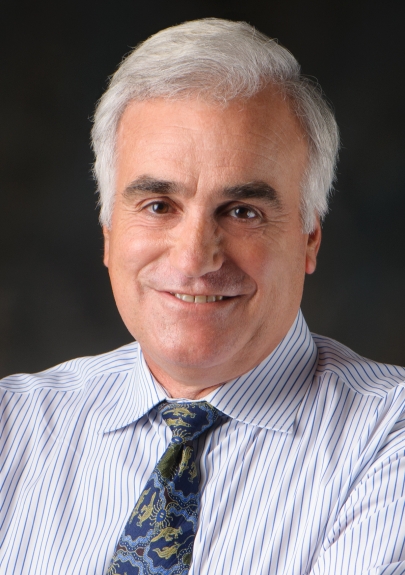 L. Jeffrey Medeiros合作论文数Department of Hematopathology, Division of Pathology/Lab Medicine, The University of Texas MD Anderson Cancer Center1
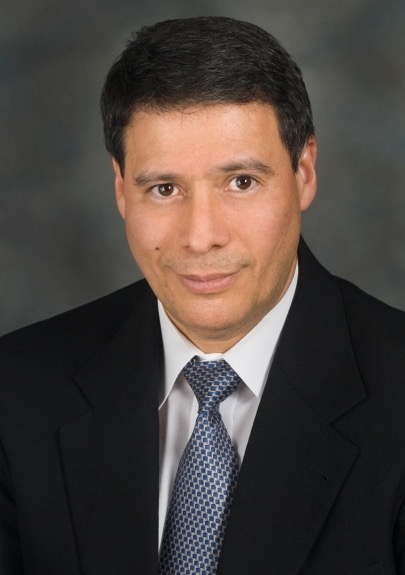 Carlos E. Bueso-Ramos合作论文数Bone Marrow Laboratory, Department of Hematopathology, The University of Texas MD Anderson Cancer Center;Division of Pathology/Lab Medicine, The University of Texas MD Anderson Cancer Center1
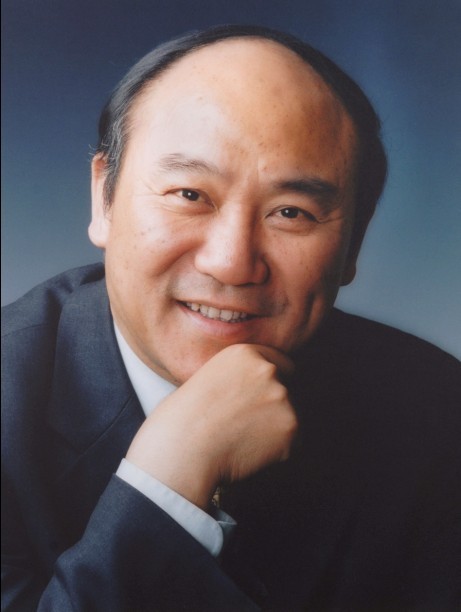 Shusen Zheng (郑树森)合作论文数The First Affiliated Hospital, Zhejiang University School of Medicine1
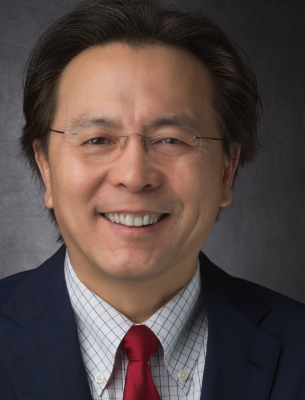 Luhua Wang(Michael)合作论文数The University of Texas MD Anderson Cancer1
 Nathan Fowler合作论文数BostonGene Corporation1
 Donna Marie Muzny合作论文数Human Genome Sequencing Center, Baylor College of Medicine1
 Chelsea C. Pinnix合作论文数Division of Radiation Oncology, Department of Radiation Oncology, MD Anderson Cancer Center, The University of Texas;Howard University1Yasuhiro Oki合作论文数1
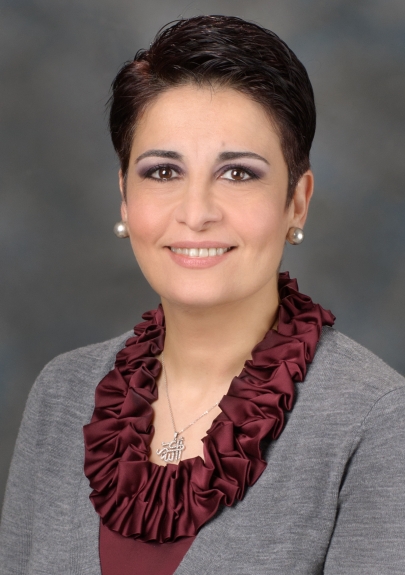 Bouthaina S. Dabaja合作论文数Department of Radiation Oncology, Division of Radiation Oncology, The University of Texas MD Anderson Cancer Center;Department of Leukemia, Division of Cancer Medicine, The University of Texas MD Anderson Cancer Center1
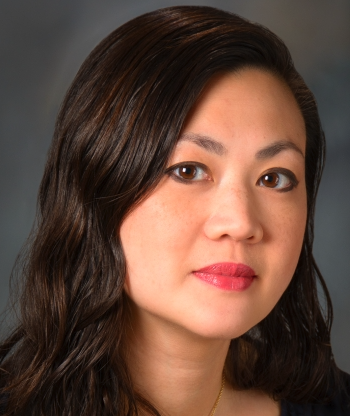 Grace Li Smith合作论文数Division of Radiation Oncology, Department of GI Radiation Oncology, MD Anderson Cancer Center, The University of Texas1
 Curtis Reid Pickering合作论文数1
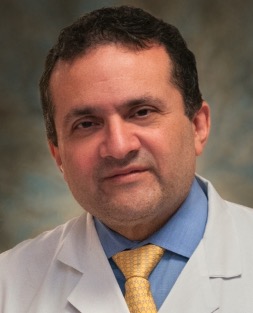 Luis E. Fayad合作论文数Department of Lymphoma/Myeloma, Division of Cancer Medicine, The University of Texas MD Anderson Cancer Center1




