Abstract Alloreactive natural killer (NK) cells are an important influence on hematopoietic stem cell transplantation (HSCT) outcome. In HLA-mismatched HSCT, alloreactivity occurs when licensed donor NK cells expressing inhibitory killer Ig-like receptors (KIR) for donor MHC class I ligands recognize the lack of the class I ligands in the mismatched recipient (“missing self”). Studies in HLA-matched HSCT, however, have also demonstrated improved outcome in patients lacking class I ligands for donor inhibitory KIR (“missing ligand”), indicating that classically nonlicensed donor NK cells expressing KIR for non-self MHC class I ligands may exhibit functional competence in HSCT. We examined NK function in 16 recipients of T cell–depleted allografts from HLA-identical or KIR-ligand matched donors after myeloablative therapy. After HSCT, nonlicensed NK cells expressing inhibitory KIR for non-self class I exhibit robust intracellular IFN-γ and cytotoxic response to target cells lacking cognate ligand, gradually becoming tolerized to self by day 100. These findings could not be correlated with cytokine environment or phenotypic markers of NK development, nor could they be attributed to non-KIR receptors such as CD94/NKG2A. These findings confirm that NK alloreactivity can occur in HLA-matched HSCT, where tolerance to self is either acquired by the stem cell–derived NK cell after exiting the bone marrow or where tolerance to self can be temporarily overcome.
Paclitaxel (Taxol®) conjugated to muramyl dipeptide (MDP) is described. Biological testing showed that the conjugation of MDP at 2′-O-paclitaxel (2′- O -MTC-01) not only has antitumor activity, but also have immunoenhancement capacity. Compared with paclitaxel or MDP alone or with a mixture of paclitaxel + MDP, 2′- O -MTC-01 significantly increases the production and expression of TNF-α and IL-12 from mouse peritoneal macrophages, which demonstrates a synergism of MDP and paclitaxel in one conjugated molecule.
Since 1998 astronomers have known that the spacecraft Pioneer 10 and Pioneer 11 are following trajectories that cannot be explained by conventional physics. The most likely cause of the anomalous acceleration of the Pioneer spacecraft is on-board systematics. One of the alternate sources, however, may be the Biefeld-Brown effect. Furthermore, the sun as a rotation star with the fierce activities in the sunglow could be a source with torsion emission to create the active force on the spacecraft.
The interaction of NK inhibitory killer Ig-like receptors (KIRs) with self-MHC class I molecules mediates NK tolerance to self while conferring functional competence. Through single-cell analysis of intracellular IFN-γ production and NK clone cytotoxicity we evaluated the resting NK repertoire, analyzing the responsiveness of NK subgroups expressing discrete combinations of non-KIR and KIR class I-specific receptors. CD94:NKG2A and Ig-like transcript 2 (ILT2)-expressing cells have a modest response to class I-negative target cells, but NK cells expressing inhibitory KIRs to self-MHC class I ligands, both HLA-B and HLA-C ligands, achieve significantly higher effector capacity. There is a dose effect of KIR for self-MHC on effector capacity, but even in the most highly responsive NK cells expressing more than one inhibitory KIR for self-MHC the presentation of only one cognate MHC ligand is sufficient to abolish response. Among KIR+ cells there is preferential expression for inhibitory KIR for self-MHC. The likelihood of KIR expression is influenced by whether other KIRs are already expressed on the same cell, supporting a model of serial acquisition of KIR expression. These findings define how inhibitory receptor and autologous HLA interactions impact single-cell function and demonstrate that the resting human NK repertoire is highly attuned but variegated in response. These findings have important implications for the resting NK response to viral pathogens and malignancy, for donor selection in allogeneic hemopoietic cell transplantation, and for models of NK tolerance.
Natural killer (NK) cells are capable of cytotoxic targeting of virally infected cells and some tumor cells. It has been well-demonstrated that NK cells recognize target cells that have down-regulated MHC class I antigen expression (i.e. “missing self recognition”), and that it is the lack of class I engagement of inhibitory receptors such as the killer Ig-like receptors (KIR) that thereby allows NK activation and effector function. How these same inhibitory receptors achieve self-tolerance and simultaneously avoid autoimmunity in humans has not been clear, as more than 60% of individuals have inhibitory KIR for which they lack the HLA ligand. We demonstrate that mature NK cells achieve self-tolerance by preferentially endowing functional competence to the inhibitory KIRs for which they exhibit the cognate HLA ligands. To allow evaluation of inhibitory KIR and avoid interference from potentially class-I recognizing activating KIR, we analyzed NK cells from 10 individuals with various HLA backgrounds, but who were all homozygous for KIR haplotype-A. KIR haplotype-A contains the inhibitory KIR receptors 2DL3, 2DL1, and 3DL1, specific for HLA-Cw3, -Cw4, and -Bw4 ligands respectively, in addition to at most one other activating KIR whose ligand is unknown. Using 6-color staining and flow cytometric analysis of intracellular IFN-γ production, we evaluated the responsiveness of 30 inhibitory KIR-expressing NK subsets following activation with 721.221, a target cell line deficient in class I expression, with 721.221 transfectants expressing HLA-Cw3, -Cw4, or -Bw4 ligands, and with B-lymphocyte cell lines with diverse HLA phenotypes. NK cells exclusively expressing an inhibitory KIR for self-HLA demonstrated increased IFN-γ when coincubated with target cells lacking the cognate HLA ligand, whereas NK cells exclusively expressing an inhibitory KIR for non-self HLA were hyporesponsive to all targets. In all individuals, NK cells expressing inhibitory KIR specific for self-HLA were significantly more responsive than NK cells expressing inhibitory KIR for non-self HLA (p<0.001). All 3 inhibitory KIR (KIR2DL3, 2DL1, and 3DL1) demonstrated capacity for tolerance, with predictable response patterns based on the HLA background of the individual. NK cells lacking all inhibitory NK receptors (KIR−CD94/NKG2A−ILT2−) were identifiable and were markedly hyporesponsive. KIR−CD94/NKG2A+ILT2+ NK cells were also minimally responsive, comparable to the NK subset expressing inhibitory KIR for non-self HLA. These results demonstrate NK tolerance in humans, consistent with the licensing model proposed in mice: NK cells expressing inhibitory KIR to self-HLA are significantly more responsive than NK cells expressing inhibitory KIR for non-self HLA, and are rendered tolerant to self through inhibition upon binding to self-HLA ligands. NK cells expressing inhibitory KIR for non-self HLA are hyporesponsive and therefore rendered tolerant and incapable of autoreactivity when ligand is not engaged.
Seven protopanaxatriol-type ginsenosides and their aglycones including PPT, PT, -Re, -Rg(1), -F-1, -Rh-1, 20(R)-Rh-1 which are closely related in structure were studied for their effects on type 1 and type 2 cytokines production from murine splenocytes and their related mechanisms were examined. The results indicate that PPT, PT and ginsenoside-Re show hardly any or weak effects on concanavalin A (Con A)-induced production of IFN-gamma and IL-4. Ginsenoside-Rh-1 and 20(R)-Rh-1 induce a Con A-induced type 1 cytokine pattern by increasing the production of interleukin-12 (IL-12), the expression of IFN-gamma, T-bet and enhancing NF-kappa b DNA binding activity. In contrast ginsenosides-Rg(1) and -F-1 cause a Con A-induced type 2 cytokines response by increasing the expression of IL-4 GATA-3 and enhancing NF-kappa B DNA binding activity. Thus, these protopanaxatriol-type ginsenosides have different immunomodulatory effects, which might explain the complex immunomodulatory effect of Panax ginseng.
AIM:To study the effects of ginsenoside-Ro on cell proliferation and cytokine production in murine splenocytes.METHODS:The effect of ginsenoside-Ro on murine splenocytes proliferation was studied using [3H] thymidine incorporation assay. Effects of ginsenoside-Ro on the production of cytokines interleukin-2 (IL-2), interferon-gamma (IFN-gamma) and interleukin-4 (IL-4) from murine splenocytes were detected by ELISA method. Effects of ginsenoside-Ro on mRNA level of Th1 cytokine IFN-gamma and Th2 cytokine IL-4 were evaluated by reverse transcription polymerase chain reaction (RT-PCR) analysis.RESULTS:Ginsenoside-Ro showed no mitogenic effect on unstimulated murine splenocytes. It enhanced the proliferation of Con A-induced murine splenocytes and the production of IL-2 at concentrations of 1-10 micromol x L(-1). Moreover, ginsenoside-Ro increased the production and expression of Th2 cytokine IL-4 and decreased the production and expression of Th1 cytokine IFN-gamma in Con A-induced murine splenocytes at concentrations of 2-10 micromol x L(-1).CONCLUSION:Ginsenoside-Ro showed immunomodulatory effects by regulating the production and expression of Th1/Th2 cytokines in murine splenocytes.
A parallel solution-phase synthesis of 2-quinoxalinol analogues is described. The key step-simultaneous reductions of m-Ar(NO2)(2) to m-Ar(NH2)(2) was investigated extensively. We obtained preliminary pharmacological activity of those analogues for the inhibition of LPS-induced TNF-alpha release on mouse macrophage in vitro. Two compounds revealed inhibitory activity, with IC50 values of 0.40 muM (7-amino-6-[(3-methoxypropyl)amino]-3-methyl-2-quinoxalinol) and 2.2 muM (7-amino-6-[(3-butoxypropyl)amino]-3-methyl-2-quinoxalinol), respectively.
AIM:To investigate the immunoenhancing activity of ginsenoside-F3 in murine spleen cells and explore its mechanism.METHODS:The enhancing effect of ginsenoside-F3 on murine spleen cell proliferation was studied using [3H]thymidine incorporation assay. Effects of ginsenoside-F3 on the production of type 1 cytokines IL-2, IFN-gamma, and type 2 cytokines IL-4 and IL-10 from murine spleen cells were detected by ELISA method. Effects of ginsenoside-F3 on mRNA level of cytokines IL-4, IFN-gamma, and transcription factors T-bet and GATA-3 were evaluated by RT-PCR analysis. Effect of ginsenoside-F3 on NF-kappaB DNA binding activity in murine spleen cells was investigated by electrophoretic mobility shift assays (EMSA).RESULTS:Ginsenoside-F3 at 0.1-100 micromol/L not only promoted the murine spleen cell proliferation, but also increased the production of IL-2 and IFN-gamma, while decreased the production of IL-4 and IL-10 from murine spleen cells with the maximal effect at 10 micromol/L. RT-PCR analysis displayed that ginsenoside-F3 enhanced the IFN-gamma and T-bet gene expression and decreased IL-4 and GATA-3 gene expression. EMSA experiment showed that ginsenoside-F3 10 micromol/L enhanced the NF-kappaB DNA binding activity induced by ConA in murine spleen cells.CONCLUSION:Ginsenoside-F3 has immunoenhancing activity by regulating production and gene expression of type 1 cytokines and type 2 cytokines in murine spleen cells.
 GuiFang Cheng (程桂芳)合作论文数6Katharine C. Hsu合作论文数Bone Marrow Transplant Service, Memorial Sloan-Kettering Cancer Center4ZhengHua Yang (杨正华)合作论文数3
 Deqiang Dou (窦德强)合作论文数辽宁中医药大学药学院3Joseph H. Chewning合作论文数3
 Hongzhen Yang合作论文数3Sungjin Kim合作论文数howard hughes medical institute2Xianghong Chen合作论文数2XiangHong Wu (武向红)合作论文数2
 Glenn Heller合作论文数Memorial Sloan Kettering Cancer Center2
 Gang Liu (刘刚)合作论文数School of Pharmaceutical Sciences, Tsinghua University2
 Wayne M. Yokoyama合作论文数Roy and Diana Vagelos Division of Biology & Biomedical Sciences, School of Medicine, Washington University in St. Louis;Division of Rheumatology, Department of Medicine, School of Medicine, Washington University in St. Louis;Howard Hughes Medical Institute2Binbin Kou合作论文数2Suode Zhang合作论文数University of Melbourne Howard Florey Institute2Clara Pinto-Agnello合作论文数1James Pring合作论文数1Reenat S Hasan合作论文数1Jeffrey M Venstrom合作论文数1GC Sun合作论文数1Xuqin Li (李旭琴)合作论文数1Xiao-yan Hu合作论文数1
 Gang-Chun Sun合作论文数1Xiao-Rong Liu合作论文数1Liying Wang合作论文数1
 jianchuan tan合作论文数Lighting Research Center, Rensselaer Polytechnic Institute1
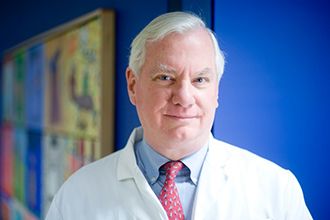 Richard O'Reilly合作论文数Immunology & Microbial Pathoge, Weill Cornell Graduate School of Medical Sciences, Cornell University1
 Xiaoping Zhou (周小平)合作论文数College of Chemistry and Materials Science, Jinan University1
 Na Guo (郭娜)合作论文数中国中医科学院医学实验中心 北京 1007001
 Yafei Ji (冀亚飞)合作论文数School of Pharmacy, East China University of Science and Technology1
 Xiaohong Chen (陈晓宏)合作论文数中山大学地理科学与规划学院1
 Nan Wang (王楠)合作论文数Department of Pharmacology, Institute of Materia Medica, Peking Union Medical College;Beijing Key Laboratory of New Drug Mechanisms and Pharmacological Evaluation Study, Institute of Materia Medica, Peking Union Medical College1Jing Li (李晶)合作论文数1Liang Zhang合作论文数1Zheng Yan合作论文数1
 Xingliu Jiang (江兴流)合作论文数School of Management, Lanzhou University1Ya-Fei Ji (汲亚飞)合作论文数1Song Xu合作论文数1




