Under dual pressures of energy scarcity and environmental pollution, the biobased polyester poly(ethylene furanoate) (PEF) is poised to dominate the industry in the future, overtaking conventional petroleum-based polyesters. Nonetheless, PEF discoloration is a critical impediment to its commercial success. Esterification reaction of 2,5-furandicarboxylic acid (FDCA) and ethylene glycol (EG) was developed at varying temperatures, yielding esterified products exhibiting varying degrees of discoloration. The main compounds and minor impurities in all esterified samples were accurately separated and identified using ultrahigh-performance liquid chromatography/high-definition mass spectrometry (UPLC-HDMS) techniques. The chemical structure of the yellowing component was determined by secondary mass spectrometry (MS/MS), Fourier transform infrared (FTIR) spectrometry, and a nuclear magnetic resonance (NMR) spectrometer. It can be concluded that different forms of decarboxylated byproducts were produced during esterification and polycondensation, which resulted in the discoloration of PEF. At the same time, decarboxylated byproducts were also present in alcoholysis products of commercial brown PEF chips but absent in alcoholysis products of commercial white PET chips. These results clearly demonstrate a direct relationship between PEF discoloration and decarboxylation. Overall, this work offers theoretical support and insights for future research into PEF discoloration, establishing a solid foundation for further development and application.
The oligomers found in polybutylene succinate (PBS) have a significant impact on its properties. It is crucial to qualitative and quantitative analyze oligomers in PBS and remove them effectively. Three kinds of solvent dissolution/precipitation methods were used to extract oligomers from PBS. Ten oligomer components were identified in the molecular weight in a range of 200-1400g/mol for each extraction method, and the component with molecular weight of 236g/mol in PBS could be effectively extracted by hexafluoroisopropanol/tetrahydrofuran (HFIP/THF) method, accounting for 51.4%. Oligomers have almost the same chemical structure as PBS, mainly cyclic structure with 2-6 repeating units. The thermal stability of the three oligomers is weaker than that of PBS, showing two-step decomposition. The recrystallization temperature of PBS is increased from 92.1 °C to 95.6-97.8 °C after purification. The findings in this study will significantly contribute to the purification and subsequent commercial application of PBS.
Polycondensation and ring‐formation reactions are the main factors that cause instability in the molecular structure of commercial polyamide 6 (PA6) during melting. In this study, the mechanisms and interactions of the ring‐formation and polycondensation reactions induced by various factors were thoroughly investigated. The findings suggest that the average molecular weight of PA6 increased by 20.4% during melting. The total monomer and oligomer content increased by 79.2%, and the ring‐forming reaction was promoted with an increase in temperature. Moreover, a high concentration of the end‐amino in PA6 promoted the ring‐forming reaction, whereas similar concentrations of the end‐amino and end‐carboxyl groups were more conducive to the polycondensation reaction. In short, the nitrogen atoms in the end‐amino group on the PA6 molecular chain attack the carbonyl carbon at different sites, including the carbonyl carbon in the amide bond and the carbonyl carbon in the end‐carboxyl group, which is the key to the strength of the ring‐formation and polycondensation reactions.
A polymer-type flame retardant (PFR) based on a 9,10-dihydro-9-oxa-10-phosphaphenanthrene-10-oxide (DOPO) derivative was synthesised here to improve the flame retardancy of polyamide 6 (PA6). The chemical structure and thermal property of the PFR were characterised by Fourier-transform infrared (FTIR) spectroscopy, nuclear magnetic resonance spectroscopy, gel permeation chromatography (GPC), thermogravimetric analysis (TGA) and differential scanning calorimetry (DSC). The PFR and PA6 were melt-blended to obtain a flame-retardant polyamide 6 (FRPA6). Its thermal property, mechanical property and flame retardancy were characterised via TGA, DSC and tensile, impact, vertical burning and limiting oxygen index (LOI) tests. Its flame-retardant mode of action was analysed by scanning electron microscopy, FTIR spectroscopy, cone calorimetry and pyrolysis-gas chromatography-mass spectrometry. The FRPA6 with a phosphorus content of 3000 ppm passed the UL-94 V-0 rating, and the LOI of the FRPA6 with a phosphorous content of 5000 ppm reached 28.8%. Compared with pure PA6, the peak heat release rate, total heat release and effective heat of FRPA6-5000 were reduced by 35.4%, 21.9% and 26.5%, respectively. These results indicate that the flame-retardant mode of action of PFR mainly involved the quenching effect of phosphorus-containing radicals in the gas phase.
Direct spinning of polyamide 6 (PA 6) fibers, traditionally impeded by the presence of approximately 10% residual monomer and oligomers in the polymerized form, has been made feasible through our innovative approach. Current extraction methods predominantly employ hot water to extract monomer and oligomers. However, this approach is characterized by time-consuming procedures, high energy consumption, and substantial water usage. Therefore, in this study, a straightforward falling-film devolatilization method is proposed to synchronize the liquid-phase viscosity enhancement and oligomer removal of PA 6. PA 6 industrial yarns were successfully produced using devolatilized PA 6 (D-PA 6) obtained by this method. The viscosities of D-PA 6 samples were increased from 2.5 and 2.8 to 2.8 and 3.4, their monomer contents were reduced to 0.26%, and their dimer and residual oligomer contents were reduced to 0.54 and 2.54%, respectively, with a lower removal of dimer and trimer. The process led to a wider molecular weight distribution, consistent with that typical of PA 6 spinning. The obtained PA 6 industrial yarn exhibited a high degree of crystallinity, and its orientation, thermal properties, and mechanical properties were comparable to those of conventional yarn. Although its dyeing ability was slightly compromised, this did not hinder the practical application of the PA 6 industrial yarn. The falling-film devolatilization process enables simultaneous viscosity enhancement and devolatilization without the need for hot-water extraction (24 h) and drying (24 h), drastically shortening the production time from more than 48 h to less than 10 h, thereby greatly reducing energy consumption and wastewater discharge. This study provides technical guidance for the sustainable industrial production of PA 6 industrial yarn by direct melt-spinning, which significantly reduces energy and environmental impacts while improving production efficiency.
 Wangyang Lu合作论文数5
 Wenxing Chen (陈文星)合作论文数School of Materials Science and Engineering, Beijing Institute of Technology4
 Ke Liu合作论文数2Bona Ding合作论文数1Feng Gao合作论文数1Lulu Dong合作论文数1XuZhen Zhang (张须臻)合作论文数1
 Xiuhua Wang (王秀华)合作论文数Zhejiang Sci-Tech University;Tongkun Group Co., Ltd.1
 Yong Wang合作论文数Institute for Integrated Catalysis, Pacific Northwest National Laboratory;Gene and Linda Voiland School of Chemical Engineering and Bioengineering, Voiland College of Engineering and Architecture, Washington State University1
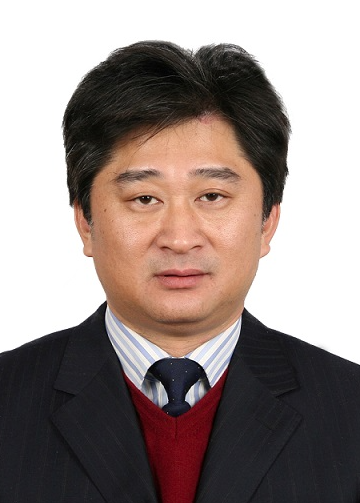 Tiefeng Xu (徐铁峰)合作论文数Laboratory of Infrared Material and Devices, Ningbo University;Ningbo College of Materials Technology & Engineering, University of Chinese Academy of Sciences1




