Deep hashing has garnered significant attention in recent years and has been successfully applied to a wide range of computer vision tasks, such as image retrieval. Despite its advantages, deep hashing methods are inherently vulnerable to adversarial attacks, which can easily manipulate the learned hash codes with imperceptible perturbations. To defend against the attacks, a key challenge lies in ensuring the stability of all hash bits to avoid global distortions in retrieval ranking. Although some defense strategies have been proposed to mitigate such vulnerabilities, they rely heavily on empirical robustness and lack provable or certifiable guarantees. In this paper, we propose a novel Certified Hashing based on randomized smoothing, which is a provably robust hashing model for adversarial perturbations. First, for each local bit, Certified Hashing applies Gaussian noise to the image and performs majority voting to obtain the most probable hash value. Within an ℓ2 ball of computable radius, each bit of the smoothed binary code can be theoretically proven to be consistent with the original one. Second, for the global hash code, we find that a few unstable bits can easily lead to the failure of the entire certification process, which limits the performance of Certified Hashing. Consequently, a bit selection and enhancement scheme is proposed to select stable bits based on the probability distribution estimated from Monte Carlo sampling. Comprehensive experiments on ImageNet, MS-COCO and NUS-WIDE datasets show the effectiveness of Certified Hashing in image retrieval application.
This paper provides a review of the NTIRE 2026 challenge on mobile real-world image super-resolution, highlighting the proposed solutions and the resulting outcomes. The challenge aims to recover high-resolution (HR) images from low-resolution (LR) counterparts generated through unknown degradations with a x4 scaling factor while ensuring the models remain executable on mobile devices. The objective is to develop effective and efficient network designs or solutions that achieve state-of-the-art real-world image super-resolution performance. The track of the challenge evaluates performance using a weighted combination of image quality assessment (IQA) score and speedup ratios. The competition attracted 108 registrants, with 16 teams achieving a valid score in the final ranking. This collaborative effort advances the performance of mobile real-world image super-resolution while offering an in-depth overview of the latest trends in the field.
Recent diffusion-based one-step methods have shown remarkable progress in the field of image super-resolution, yet they remain constrained by three critical limitations: (1) inferior fidelity performance caused by the information loss from compression encoding of low-quality (LQ) inputs; (2) insufficient region-discriminative activation of generative priors; (3) misalignment between text prompts and their corresponding semantic regions. To address these limitations, we propose CODSR, a controllable one-step diffusion network for image super-resolution. First, we propose an LQ-guided feature modulation module that leverages original uncompressed information from LQ inputs to provide high-fidelity conditioning for the diffusion process. We then develop a region-adaptive generative prior activation method to effectively enhance perceptual richness without sacrificing local structural fidelity. Finally, we employ a text-matching guidance strategy to fully harness the conditioning potential of text prompts. Extensive experiments demonstrate that CODSR achieves superior perceptual quality and competitive fidelity compared with state-of-the-art methods while maintaining efficient one-step inference.
The increasing global prevalence of adolescent mental health challenges demands proactive early warning systems. Although such systems have attracted growing research interest, most prior work emphasizes algorithmic performance, while the surrounding service infrastructure remains underexplored. To address key limitations in current practice, including data silos, insufficient multimodal data integration, and inadequate privacy protection during continuous model evolution, this paper presents a service-oriented, end-to-end framework for adolescent mental health early warning, in which data governance, modeling, and feedback are organized as interoperable microservices. The framework adopts a lakehouse architecture as a governed data layer that unifies multimodal schemas, data lineage, access control, and reusable analytics to facilitate cross-institution collaboration. Built upon this layer, we develop multimodal feature representations that integrate textual, visual, auditory, and physiological signals, together with a modular early warning service engine. To support continual refinement without exposing sensitive data, we further propose Dynamic Federated Co-Evolution (DFCE), a paradigm that couples cross-institutional federated learning with an expert-in-the-loop feedback mechanism, allowing models to co-evolve with expert feedback across institutions. As a proof of concept for the DFCE component, experiments on multimodal sentiment benchmarks show that DFCE maintains competitive predictive performance while enabling privacy-preserving collaboration under continual updates. We position these results as evidence of algorithmic and systems-level feasibility for privacy-preserving, cross-institutional collaboration, without claiming clinical diagnostic validity.
This paper presents a robust single-image-to-video face replacement framework that integrates facial expression generation with identity transfer. Traditional approaches often suffer from facial distortion and limited generalization under data scarcity. To overcome these challenges, we propose an emoticon-aware autoencoder with a co-training mechanism that jointly learns expression synthesis and face replacement. A StarGAN-based expression generator expands a single image into eight basic emotion classes, supplemented by geometric augmentations to create about 1,000 samples, enhancing model robustness. The framework adopts a three-stage architecture: (1) pre-processing via MTCNN and a VGG-11–enhanced encoder for precise mask generation; (2) a dual-branch autoencoder with a shared encoder and independent decoders for feature extraction and reconstruction; and (3) inference through source–target feature decoupling and dynamic fusion for seamless identity transfer. Experimental results show that the proposed method effectively reduces facial distortion and improves temporal consistency, offering a reliable solution for single-sample video face replacement.
In medical image analysis, accurately diagnosing complex lesions remains a formidable challenge, especially for thyroid disorders, which exhibit high incidence and intricate pathology. To enhance diagnostic precision and robustness, we assembled ThyM3, a large-scale multimodal dataset comprising thyroid computed tomography and ultrasound images. Building on this resource, we introduce ThyFusionNet, a novel deep-learning architecture that combines convolutional backbones with transformer modules and performs feature-level fusion to exploit complementary cues across modalities. To improve semantic alignment and spatial modeling, we incorporate head-wise positional encodings and an adaptive sparse attention scheme that suppresses redundant activations while highlighting key features. Skip connections are used to retain low-level details, and a gated-attention fusion block further enriches cross-modal interaction. We also propose an adaptive contrastive-entropy loss that preserves feature consistency and simultaneously enhances prediction discriminability and stability. Extensive experiments demonstrate that ThyFusionNet surpasses current leading methods in accuracy, robustness, and generalization, underscoring its strong potential for clinical deployment.
Attributed graph clustering partitions nodes by jointly exploiting node attributes and graph topology. It remains challenging due to attribute heterogeneity and representation degradation during graph learning. Real-world datasets often contain heterogeneous attributes, i.e., numerical and categorical attributes, complicating unified representation learning. This challenge becomes more complex in attributed graphs, where constructing a clustering-friendly graph structure from attributes and topology remains difficult. Under deep graph architectures, repeated graph propagation causes node embeddings to become overly similar, leading to the over-smoothing (OS) effect. Meanwhile, graph representation learning amplifies topological influence, making discriminative attribute information harder to exploit for clustering, an effect we refer to as over-dominating (OD). To bridge these gaps, an end-to-end framework, Any-type attributed Graph REpresentation lEarning (AGREE), is proposed. It unifies attributed graphs and any-type attributed data through multi-level alignment and similarity-based graph construction. Quaternion-based graph convolution strengthens attribute interaction to alleviate OD, while shallow graph architectures help relieve OS. The learned embeddings are jointly optimized for graph reconstruction and clustering, without requiring a predefined number of clusters during training. Experiments on diverse benchmarks show that AGREE achieves strong overall performance in accuracy, robustness, and adaptability.
In modern database systems, a large portion of data naturally exists in the form of attributed graphs, such as knowledge graphs, social networks, and recommender systems. Although common, these data types remain underexplored, particularly in learning expressive representations that support effective clustering. However, Graph Convolutional Networks (GCNs) often suffer from the Over-Smoothing (OS) effect, which homogenizes node embeddings, while existing OS solutions mainly focus on topology information rather than attribute learning, which is inconsistent with the objective of attributed graph clustering. To address this limitation, we propose Hyper-complex space Representation Learning (HyReaL), a generalized framework that introduces hyper-complex (quaternion) feature transformation to enhance attribute representation. The HyReaL bridges arbitrary-dimensional attributes to quaternion algebra and connects the learned embeddings to a generalized clustering objective without being restricted to a specific number of clusters k. By strengthening attribute coupling and reducing the need for deep graph convolution layers, HyReaL alleviates the OS problem and produces more discriminative node representations. Extensive experiments, including significance tests and ablation studies, demonstrate that HyReaL achieves superior and scalable performance for attributed graph clustering in modern database systems. The source code is here https://github.com/Juny-Chen/HyReaL.git .
Clustering mixed tabular data requires a unified metric space to bridge the inherent heterogeneity between continuous numerical measurements and discrete categorical symbols. Traditionally, algorithms rely entirely on dataset-internal statistics to estimate categorical relationships, which confines the learned metric to empirical co-occurrences and ignores conceptually obvious yet statistically unobserved affinities. Although LLMs offer external world knowledge, applying their text-centric reasoning to highly abstract tabular concepts presents significant challenges. Bridging this modality gap to construct a semantically complete metric typically requires embedding LLMs into iterative metric learning loops to dynamically optimize cross-modality representations. This incurs intractable computational overhead, forcing a compromise between semantic enrichment and scalability. Therefore, we propose GRACE, an LLM-grounded framework for scalable mixed-data clustering. GRACE shifts semantic acquisition to the attribute-value level via a multi-perspective LLM querying strategy, mapping heterogeneous values into knowledge-informed descriptions. Crucially, this one-shot grounding extracts general-purpose semantic representations that embed heterogeneous attributes into a unified space, decoupling expensive LLM invocation from iterative optimization. Furthermore, GRACE cross-validates these external semantics against dataset-internal statistical evidence to ensure alignment with the dataset-specific cluster structure. Ultimately, GRACE matches the scalability of conventional statistics-driven baselines while achieving superior clustering accuracy and conceptual interpretability over 11 competing methods. The source code is available at https://github.com/develop-yang/GRACE-GRACE-A
Text embedding has emerged as a pivotal technique in natural language processing, facilitating the effective understanding and processing of textual information by machines. With the continuous advancement of data-driven methods like large language models (LLMs), text embeddings have become richer and of higher quality. However, researchers have identified limitations in purely data-driven methods, which may lack interpretability and logical consistency. Conversely, purely knowledge-driven methods require extensive manual effort from experts to design rules, leading to low efficiency. To overcome these challenges, researchers have explored integrating data-driven and knowledge-driven methods, termed Data and Knowledge Dual-driven Text Embedding (DKDTE). In this paper, we introduce a novel taxonomy categorizing existing text embedding methods into three primary categories, namely, knowledge-driven approaches, data-driven approaches, and dual-driven approaches. We provide formal definitions of text embeddings with distinctions in input granularity, a dedicated overview of application tasks, evaluation benchmarks (including MTEB, BEIR, and AIR-Bench), and real-world applications. We offer a comprehensive comparison of representative methods across categories and discuss the latest advances including LLM-based embedding methods, instruction-tuned embedding paradigms, and multimodal knowledge integration. We also identify promising future research directions, including debiasing, exploring diverse knowledge sources, and data contamination mitigation.
We present STCDiT, a video super-resolution framework built upon a pre-trained video diffusion model, aiming to restore structurally faithful and temporally stable videos from degraded inputs, even under complex camera motions. The main challenges lie in maintaining temporal stability during reconstruction and preserving structural fidelity during generation. To address these challenges, we first develop a motion-aware VAE reconstruction method that performs segment-wise reconstruction, with each segment clip exhibiting uniform motion characteristic, thereby effectively handling videos with complex camera motions. Moreover, we observe that the first-frame latent extracted by the VAE encoder in each clip, termed the anchor-frame latent, remains unaffected by temporal compression and retains richer spatial structural information than subsequent frame latents. We further develop an anchor-frame guidance approach that leverages structural information from anchor frames to constrain the generation process and improve structural fidelity of video features. Coupling these two designs enables the video diffusion model to achieve high-quality video super-resolution. Extensive experiments show that STCDiT outperforms state-of-the-art methods in terms of structural fidelity and temporal consistency.
This paper presents the NTIRE 2026 image super-resolution (×4) challenge, one of the associated competitions of the NTIRE 2026 Workshop at CVPR 2026. The challenge aims to reconstruct high-resolution (HR) images from low-resolution (LR) inputs generated through bicubic downsampling with a ×4 scaling factor. The objective is to develop effective super-resolution solutions and analyze recent advances in the field. To reflect the evolving objectives of image super-resolution, the challenge includes two tracks: (1) a restoration track, which emphasizes pixel-wise fidelity and ranks submissions based on PSNR; and (2) a perceptual track, which focuses on visual realism and evaluates results using a perceptual score. A total of 194 participants registered for the challenge, with 31 teams submitting valid entries. This report summarizes the challenge design, datasets, evaluation protocol, main results, and methods of participating teams. The challenge provides a unified benchmark and offers insights into current progress and future directions in image super-resolution.
This paper presents an overview of the NTIRE 2026 Challenge on Short-form UGC Video Restoration in the Wild with Generative Models. This challenge utilizes a new short-form UGC (S-UGC) video restoration benchmark, termed KwaiVIR, which is contributed by USTC and Kuaishou Technology. It contains both synthetically distorted videos and real-world short-form UGC videos in the wild. For this edition, the released data include 200 synthetic training videos, 48 wild training videos, 11 validation videos, and 20 testing videos. The primary goal of this challenge is to establish a strong and practical benchmark for restoring short-form UGC videos under complex real-world degradations, especially in the emerging paradigm of generative-model-based S-UGC video restoration. This challenge has two tracks: (i) the primary track is a subjective track, where the evaluation is based on a user study; (ii) the second track is an objective track. These two tracks enable a comprehensive assessment of restoration quality. In total, 95 teams have registered for this competition. And 12 teams submitted valid final solutions and fact sheets for the testing phase. The submitted methods achieved strong performance on the KwaiVIR benchmark, demonstrating encouraging progress in short-form UGC video restoration in the wild.
Generative Recommendation (GR) has emerged as a new paradigm for sequential recommendation, in which a representative line of work encodes items into hierarchical semantic IDs via residual quantization and predicts the IDs token by token. However, this generative formulation still exhibits structural gaps with respect to the recommendation task: flattening multi-token IDs into a single sequence destroys item-level structure, and the inconsistency between training and inference over a hierarchical codebook gives rise to semantic drift. To bridge these two gaps, we propose BARGE, which employs Item Context-Aware Attention (ICA) to restore item-level structure during encoding, and Hierarchical Path Reranking (HPR) together with Dual-Path Decoding (DPD) to suppress semantic drift from two complementary angles during decoding. Extensive experiments and analytical studies on public benchmarks and a large-scale offline test demonstrate that BARGE achieves superior recommendation performance. An online A/B test on a Tencent platform yields improvements of 0.60
To reduce doctors' workload, deep-learning-based automatic medical report generation has recently attracted more and more research efforts, where deep convolutional neural networks (CNNs) are employed to encode the input images, and recurrent neural networks (RNNs) are used to decode the visual features into medical reports automatically. However, these state-of-the-art methods mainly suffer from three shortcomings: 1) incomprehensive optimization; 2) low-order and unidimensional attention; and 3) repeated generation. In this article, we propose a hybrid reinforced medical report generation method with m-linear attention and repetition penalty mechanism (HReMRG-MR) to overcome these problems. Specifically, a hybrid reward with different weights is employed to remedy the limitations of single-metric-based rewards, and a local optimal weight search algorithm is proposed to significantly reduce the complexity of searching the weights of the rewards from exponential to linear. Furthermore, we use m-linear attention modules to learn multidimensional high-order feature interactions and to achieve multimodal reasoning, while a new repetition penalty is proposed to apply penalties to repeated terms adaptively during the model's training process. Extensive experimental studies on two public benchmark datasets show that HReMRG-MR greatly outperforms the state-of-the-art baselines in terms of all metrics. The effectiveness and necessity of all components in HReMRG-MR are also proved by ablation studies. Additional experiments are further conducted and the results demonstrate that our proposed local optimal weight search algorithm can significantly reduce the search time while maintaining superior medical report generation performances.
This paper presents the AIM 2025 Challenge on Robust Offline Video Super-Resolution, the first challenge focusing on 4x upscaling of heavily degraded 270p videos to high-quality 1080p sequences. The challenge addresses the practical problem of enhancing low-quality video content while suppressing noise, blur, and compression artifacts under realistic hardware constraints. We introduce a comprehensive benchmark consisting of 30 diverse video clips spanning camera-shot and animated content, along with a novel synthetic degradation pipeline that ensures reproducible results. Our evaluation methodology employs subjective pairwise comparisons conducted through crowdsourcing. The challenge attracted significant participation and established new baselines for robust video super-resolution in challenging real-world scenarios.
Text-guided image retrieval is to incorporate conditional text to better capture users' intent. Traditionally, the existing methods focus on minimizing the embedding distances between the source inputs and the targeted image, using the provided triplets $\langle$source image, source text, target image$\rangle$. However, such triplet optimization may limit the learned retrieval model to capture more detailed ranking information, e.g., the triplets are one-to-one correspondences and they fail to account for many-to-many correspondences arising from semantic diversity in feedback languages and images. To capture more ranking information, we propose a novel ranking-aware uncertainty approach to model many-to-many correspondences by only using the provided triplets. We introduce uncertainty learning to learn the stochastic ranking list of features. Specifically, our approach mainly comprises three components: (1) In-sample uncertainty, which aims to capture semantic diversity using a Gaussian distribution derived from both combined and target features; (2) Cross-sample uncertainty, which further mines the ranking information from other samples' distributions; and (3) Distribution regularization, which aligns the distributional representations of source inputs and targeted image. Compared to the existing state-of-the-art methods, our proposed method achieves significant results on two public datasets for composed image retrieval.
Detecting anomalous nodes in dynamic graphs is challenging due to sample imbalance, which arises from the rarity of anomalous samples and biases in feature representation. Existing approaches, typically based on unsupervised or semi-supervised learning, attempt to identify anomalies from unlabeled data but often fail to collect sufficient anomalous instances because of their infrequent occurrence. Additionally, GNN-based methods tend to focus on abundant normal samples, further overlooking rare anomalies. To overcome these limitations, we introduce the Anomaly Balance Network (ABNet), a framework specifically designed to mitigate sample imbalance and improve anomaly detection. ABNet comprises three main components: a feature extractor that compares node features across temporal snapshots to reduce bias, an anomaly augmenter that enhances anomaly characteristics and generates diverse anomalous samples, and an anomaly detector that leverages metalearning to adapt to evolving graph structures. Experiments on three real-world datasets demonstrate that ABNet consistently outperforms existing methods and effectively addresses the sample imbalance problem.
Faithful image super-resolution (SR) not only needs to recover images that appear realistic, similar to image generation tasks, but also requires that the restored images maintain fidelity and structural consistency with the input. To this end, we propose a simple and effective method, named FaithDiff, to fully harness the impressive power of latent diffusion models (LDMs) for faithful image SR. In contrast to existing diffusion-based SR methods that freeze the diffusion model pre-trained on high-quality images, we propose to unleash the diffusion prior to identify useful information and recover faithful structures. As there exists a significant gap between the features of degraded inputs and the noisy latent from the diffusion model, we then develop an effective alignment module to explore useful features from degraded inputs to align well with the diffusion process. Considering the indispensable roles and interplay of the encoder and diffusion model in LDMs, we jointly fine-tune them in a unified optimization framework, facilitating the encoder to extract useful features that coincide with the diffusion process. Extensive experimental results demonstrate that FaithDiff outperforms state-of-the-art methods, providing high-quality and faithful SR results.
The quality of images shared on social media platforms often degrades significantly, leading to diminished visual perception. Although existing real-world super-resolution methods offer satisfactory restoration results, they struggle to strike an optimal balance between restoration performance and inference efficiency. We develop a lightweight dual-branch frequency and spatial fusion network to effectively explore both frequency and spatial features for better image restoration. In addition, we propose a lightweight frequency discriminator network to stabilize the training dynamics. Moreover, we design a synthetic degradation pipeline that simulates the degradation effects commonly existing in social media images, enhancing our ability to tackle real-world challenges. Furthermore, considering the popularity of sharing selfies on social media, we collected a high-quality selfie dataset to support our research efforts. Extensive experimental results demonstrate that our method achieves a better balance between restoration performance and inference efficiency.
 Jinshan Pan (潘金山)合作论文数School of Computer Science and Engineering, Nanjing University of Science and Technology11
 Jiangxin Dong (董姜鑫)合作论文数Intelligent Media Analysis Group, School of Computer Science and Engineering, Nanjing University of Science and Technology9
 Radu Timofte合作论文数Computer Vision Laboratory, Institute of Computer Science, Faculty of Mathematics and Computer Science, Julius Maximilians University of Würzburg;ETH Zurich7
 Mengzhu Wang (汪梦竹)合作论文数School of Artificial Intelligence, Hebei University of Technology;People's Liberation Army Academy of Military Sciences6
 Zhijing Yang (杨志景)合作论文数School of Information Engineering, Guangdong University of Technology6
 Yiqun Zhang合作论文数Department of Computer Science, Hong Kong Baptist University;School of Computers, Guangdong University of Technology5
 Yuxuan Jiang合作论文数Visual Information Laboratory, University of Bristol;School of Electrical, Electronic and Mechanical Engineering, Faculty of Engineering, University of Bristol4
 Fan Zhang (张帆)合作论文数School of Navigation, Wuhan University of Technology4
 Hao Li (李昊)合作论文数Artificial Intelligence Innovation and Incubation (AI³) Institute, Fudan University4
 David Bull合作论文数Visual Information Laboratory, School of Computer Science, Faculty of Engineering, University of Bristol;Bristol Vision Institute, University of Bristol4
 Nan Yin合作论文数Mohamed Bin Zayed University of Artificial Intelligence3
 Lei Sun (孙磊)合作论文数Institute for Computer Science, Artificial Intelligence and Technology, Sofia University;Tempsense3
 Long Sun (孙龙)合作论文数Intelligent Media Analysis Group, School of Computer Science, Nanjing University of Science and Technology3
 Yukai Shi (石瑜恺)合作论文数Tsinghua University;International Digital Economy Academy3
 Ye Wang (王也)合作论文数School of Data Science and Intelligent Media, Communication University of China3
 Zhenghua Xu (许铮铧)合作论文数State Key Laboratory of Reliability and Intelligence of Electrical Equipment, Hebei University of Technology;School of Electrical Engineering, Hebei University of Technology3
 Mengke Li (李梦柯)合作论文数Visual Computing Research Center, College of Computer Science and Software Engineering, Shenzhen University3
 Huan Wang (王欢)合作论文数College of Informatics, Huazhong Agricultural University3
 Yang Lu (卢杨)合作论文数Department of Computer Science and Technology, School of Informatics, Xiamen University3
 Tianshui Chen (陈添水)合作论文数Guangdong University of Technology3
 Hanjiang Lai (赖韩江)合作论文数School of Computer Science and Engineering, Sun Yat-Sen University3
 Thomas Lukasiewicz合作论文数Institute of Logic and Computation, Vienna University of Technology3
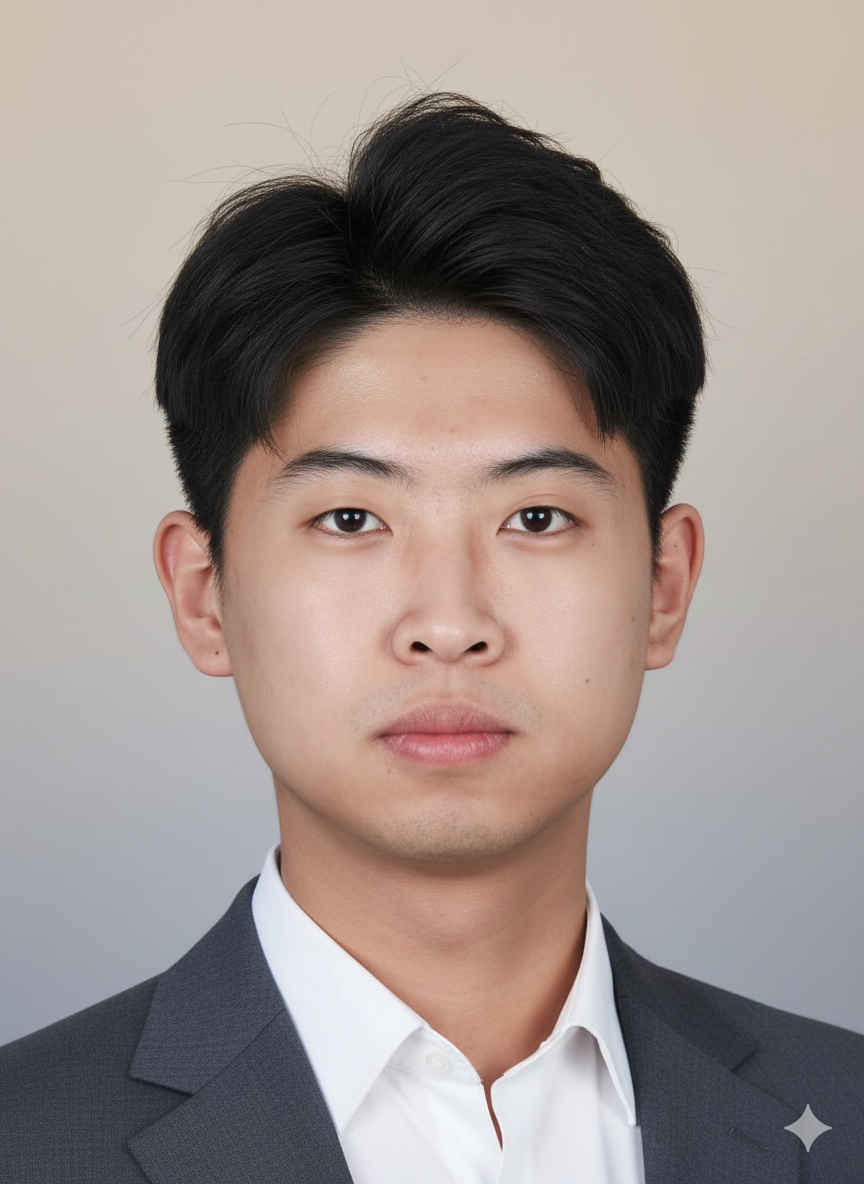 Weilun Feng (冯伟伦)合作论文数Institute of Computing Technology, Chinese Academy of Sciences2
 Zheng Chen (陈铮)合作论文数Department of Computer Science and Engineering, Shanghai Jiao Tong University2
 Zhikai Huang合作论文数2
 Gen Li (李根)合作论文数School of Mechanical and Aerospace Engineering, Nanyang Technological University2Pu Cao合作论文数2Wei Deng合作论文数2
 Wang Bo合作论文数2
 Aijin Li合作论文数2
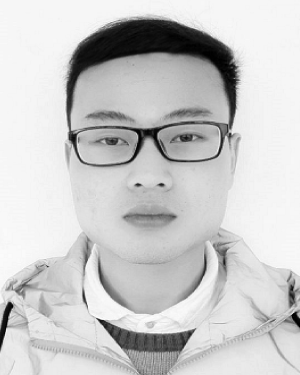 Yuanbo Zhou合作论文数Fuzhou University2Zhigang Fu合作论文数2
 Xingyi Yang合作论文数Department of Data Science and Artificial Intelligence, Faculty of Computer and Mathematical Sciences, The Hong Kong Polytechnic University2
 Juncheng Li (李俊诚)合作论文数School of Computer Science and Technology, East China Normal University2
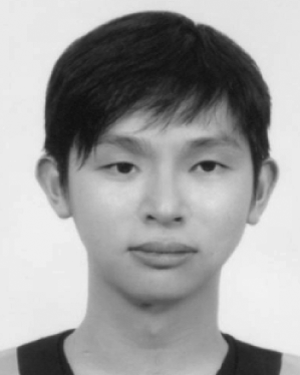 Hao-Hsiang Yang合作论文数Nat. Taiwan Univ.;c;Nat. Taiwan Univ.2
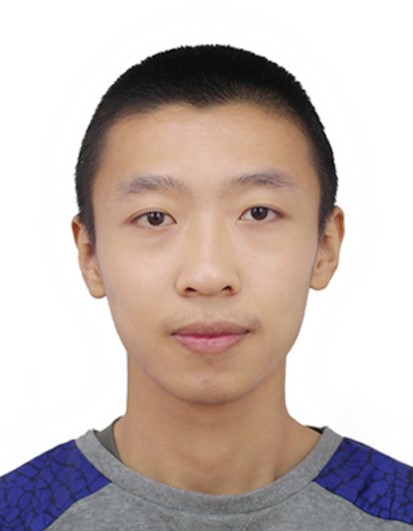 Longguang Wang (王龙光)合作论文数Aviation University of Air Force2
 Wei Zhou (周玮)合作论文数School of Computer Science and Informatics, Cardiff University2
 Qin Zhang (章秦)合作论文数Big Data Institute, College of Computer Science and Software Engineering, Shenzhen University2
 Jun Li (李军)合作论文数College Of Information Engineering, Sichuan Agricultural University2
 Haoran Bai合作论文数School of Computer Science and Engineering, Nanjing University of Science and Technology2
 Liang Lin (林倞)合作论文数School of Computer Science and Engineering, Sun Yat-sen University2
 Yingli Tian (田英利)合作论文数Department of Electrical Engineering, The City College, City University of New York2
 Yingqian Wang (王应谦)合作论文数College of Electronic Science and Technology, National University of Defense Technology2
 Yiu-ming Cheung (張曉明)合作论文数Department of Computer Science, Hong Kong Baptist University;Institute of Computational and Theoretical Studies, Hong Kong Baptist University;Institute for Research and Continuing Education, Hong Kong Baptist University2
 Zhan Li (李展)合作论文数College of Information Science and Technology, Jinan University2
 Yulun Zhang (张宇伦)合作论文数Department of Computer Science and Engineering, Shanghai Jiao Tong University2
 Yulan Guo (郭裕兰)合作论文数School of Electronics and Communication Engineering, Sun Yat-sen University2
 Qing Song (宋晴)合作论文数School of Intelligent Engineering and Automation, Beijing University of Posts and Telecommunications2
 Sy-Yen Kuo (郭斯彥)合作论文数Department of Electrical Engineering, National Taiwan University2




