Background Several studies have shown that diabetes confers a higher relative risk of vascular mortality among women than among men, but whether this increased relative risk in women exists across age groups and within defined levels of other risk factors is uncertain. We aimed to determine whether differences in established risk factors, such as blood pressure, BMI, smoking, and cholesterol, explain the higher relative risks of vascular mortality among women than among men. Methods In our meta-analysis, we obtained individual participant-level data from studies included in the Prospective Studies Collaboration and the Asia Pacific Cohort Studies Collaboration that had obtained baseline information on age, sex, diabetes, total cholesterol, blood pressure, tobacco use, height, and weight. Data on causes of death were obtained from medical death certificates. We used Cox regression models to assess the relevance of diabetes (any type) to occlusive vascular mortality (ischaemic heart disease, ischaemic stroke, or other atherosclerotic deaths) by age, sex, and other major vascular risk factors, and to assess whether the associations of blood pressure, total cholesterol, and body-mass index (BMI) to occlusive vascular mortality are modified by diabetes. Findings Individual participant-level data were analysed from 980793 adults. During 9 center dot 8 million person-years of follow-up, among participants aged between 35 and 89 years, 19686 (25 center dot 6%) of 76965 deaths were attributed to occlusive vascular disease. After controlling for major vascular risk factors, diabetes roughly doubled occlusive vascular mortality risk among men (death rate ratio [RR] 2 center dot 10, 95% CI 1 center dot 97-2 center dot 24) and tripled risk among women (3 center dot 00, 2 center dot 71-3 center dot 33; x(2) test for heterogeneity p<0 center dot 0001). For both sexes combined, the occlusive vascular death RRs were higher in younger individuals (aged 35-59 years: 2 center dot 60, 2 center dot 30-2 center dot 94) than in older individuals (aged 70-89 years: 2 center dot 01, 1 center dot 85-2 center dot 19; p=0 center dot 0001 for trend across age groups), and, across age groups, the death RRs were higher among women than among men. Therefore, women aged 35-59 years had the highest death RR across all age and sex groups (5 center dot 55, 4 center dot 15-7 center dot 44). However, since underlying confounder-adjusted occlusive vascular mortality rates at any age were higher in men than in women, the adjusted absolute excess occlusive vascular mortality associated with diabetes was similar for men and women. At ages 35-59 years, the excess absolute risk was 0 center dot 05% (95% CI 0 center dot 03-0 center dot 07) per year in women compared with 0 center dot 08% (0 center dot 05-0 center dot 10) per year in men; the corresponding excess at ages 70-89 years was 1 center dot 08% (0 center dot 84-1 center dot 3 2) per year in women and 0 center dot 91% (0 center dot 77-1 center dot 05) per year in men. Total cholesterol, blood pressure, and BMI each showed continuous log-linear associations with occlusive vascular mortality that were similar among individuals with and without diabetes across both sexes. Interpretation Independent of other major vascular risk factors, diabetes substantially increased vascular risk in both men and women. Lifestyle changes to reduce smoking and obesity and use of cost-effective drugs that target major vascular risks (eg, statins and antihypertensive drugs) are important in both men and women with diabetes, but might not reduce the relative excess risk of occlusive vascular disease in women with diabetes, which remains unexplained. Copyright (C) 2018 The Author(s). Published by Elsevier Ltd.
Patterns of smoking in families and social pressure from peers have been considered as the principal determinants of the uptake of smoking by teenagers. Thus the chief focus of much of the health promotion effort to produce a new, smoke-free generation has been to equip adolescents with detailed knowledge about the dangers of smoking and skills to resist cigarettes offered by other teenagers. However, there is mounting evidence from Australia and parts of North America that systematic, sophisticated, and sustained tobacco control policies not only succeed in reducing the prevalence of smoking among adults, they also change norms and decrease the uptake of smoking in adolescence.
BACKGROUND:This study investigated the prevalence of cognitive impairment in elderly noncardiac surgery patients and any association between preoperative cognitive impairment and postoperative cognitive dysfunction (POCD). Additionally, the incidence of cognitive decline at 12 months after surgery was identified. METHODS:Three hundred patients for hip joint replacement and 51 nonsurgical controls aged 60 yr or older were studied in a prospective observational clinical trial. All study participants and controls completed a battery of eight neuropsychological tests before surgery and at 7 days, 3 months, and 12 months afterwards. Preoperative cognitive status was assessed using preexisting cognitive impairment (PreCI) defined as a decline of at least 2 SD on two or more of seven neuropsychological tests compared to population norms. POCD and cognitive decline were assessed using the reliable change index utilizing the results of the control group. RESULTS:PreCI was classified in 96 of 300 (32%) patients (95% CI, 23 to 43%). After surgery, 49 of 286 (17%) patients (95% CI, 13 to 22%) and 27 of 284 (10%) patients (95% CI, 6 to 13%) demonstrated POCD at 7 days and 3 months, respectively, while 7 of 271 (3%) patients (95% CI, 1 to 4%) demonstrated cognitive decline at 12 months. Patients with PreCI had a significantly increased incidence of POCD at 7 days and 3 months and cognitive decline at 12 months. CONCLUSIONS:Patients with PreCI have an increased incidence of POCD and cognitive decline. PreCI is a good predictor of subsequent POCD and cognitive decline. The incidence of cognitive decline after 12 months in this group of patients is low.
In the next decade, program analysis will be facing substantial and unsurmountable issues. Analysis of third-party programs will be hard to impossible, as programmers can deliberately make their programs unanalyzable, posing major risks for security assessment. The issues are due to fundamental limitations of code analysis (e.g., the halting problem) and execution analysis (i.e., incompleteness), which cannot be overcome by better methods. In real-world settings, this effectively disables our ability to predict program properties. On top, all techniques need detailed formal specifications of expected and unexpected properties, which hardly exist. To overcome these problems, we suggest a strong research focus in the following areas, which so far are not part of the program analysis portfolio: Specification mining to infer what a program “normally” does; Test generation to systematically explore behavior for specification mining; and Sandboxing to prohibit abnormal behavior at runtime. In early experiments, the combination of the three has shown promising results: Sandbox mining constrains a program to the behavior found during testing, thwarting common malware, attack, and backdoor strategies.
Das Organisieren von Softwaretechnik-Projekten ist für neue Dozenten stets eine Herausforderung: Man muss Kunden finden, Projekte definieren, Tutoren schulen, Anforderungen definieren, Terminpläne machen, Regeln aufstellen. . . und zum Schluss das Projektergebnis bewerten. Eine ungenügende Planung und Umsetzung kann schnell das gesamte Projekt gefährden. Daher empfiehlt es sich, für die häufigsten Fragen und Probleme Lösungen explizit aufzuschreiben. Dies können zunächst immer wiederkehrende Dinge sein, wie die Frage, wann welche Vorlesungsinhalte benötigt werden, oder wie die Begutachtung von Praktikums-Dokumenten organisiert werden muss. Andere Fragen mögen zunächst banal erscheinen, machen aber schnell deutlich, warum es sich empfiehlt, Wissen explizit zu dokumentieren:
BACKGROUND AND PURPOSE:Differences in risk factor profiles between lacunar and other ischemic stroke subtypes may provide evidence for a distinct lacunar arteriopathy, but existing studies have limitations. We overcame these by pooling individual data on 2875 patients with first-ever ischemic stroke from 5 collaborating prospective stroke registers that used similar, unbiased methods to define risk factors and classify stroke subtypes.METHODS:We compared risk factors between lacunar and nonlacunar ischemic strokes, altering the comparison groups in sensitivity analyses, and incorporated these data into a meta-analysis of published studies.RESULTS:Unadjusted and adjusted analyses gave similar results. We found a lower prevalence of cardioembolic source (adjusted odds ratio, 0.33; 95% CI, 0.24 to 0.46), ipsilateral carotid stenosis (odds ratio, 0.21; 95% CI, 0.14 to 0.30), and ischemic heart disease (odds ratio, 0.75; 95% CI, 0.58 to 0.97) in lacunar compared with nonlacunar patients but no difference for hypertension, diabetes, or any other risk factor studied. Results were robust to sensitivity analyses and largely confirmed in our meta-analysis.CONCLUSIONS:Hypertension and diabetes appear equally common in lacunar and nonlacunar ischemic stroke, but lacunar stroke is less likely to be caused by embolism from the heart or proximal arteries, and the lower prevalence of ischemic heart disease in lacunar stroke provides additional support for a nonatherosclerotic arteriopathy causing many lacunar ischemic strokes. Our findings have implications for how clinicians classify ischemic stroke subtypes and highlight the need for additional research into the specific causes of and treatments for lacunar stroke.
Introduction: Emergency prehospital medical care providers are frontline health workers during emergencies. However, little is known about their attitudes, perceptions, and likely behaviors during emergency conditions. Understanding these attitudes and behaviors is crucial to mitigating the psychological and operational effects of biohazard events such as pandemic influenza, and will support the business continuity of essential prehospital services.Problem: This study was designed to investigate the association between knowledge and attitudes regarding avian influenza on likely behavioral responses of Australian emergency prehospital medical care providers in pandemic conditions.Methods: Using a reply-paid postal questionnaire, the knowledge and attitudes of a national, stratified, random sample of the Australian emergency prehospital medical care workforce in relation to pandemic influenza were investigated. In addition to knowledge and attitudes, there were five measures of anticipated behavior during pandemic conditions: (1) preparedness to wear personal protective equipment (PPE); (2) preparedness to change role; (3) willingness to work; and likely refusal to work with colleagues who were exposed to (4) known and (5) suspected influenza. Multiple logistic regression models were constructed to determine the independent predictors of each of the anticipated behaviors, while controlling for other relevant variables. Results: Almost half (43%) of the 725 emergency prehospital medical care personnel who responded to the survey indicated that they would be unwilling to work during pandemic conditions; one-quarter indicated that they would not be prepared to work in PPE; and one-third would refuse to work with a colleague exposed to a known case of pandemic human influenza.Willingness to work during a pandemic (OR = 1.41; 95% CI = 1.0-1.9), and willingness to change roles (OR = 1.44; 95% CI = 1.04-2.0) significantly increased with adequate knowledge about infectious agents generally. Generally, refusal to work with exposed (OR = 0.48; 95% CI = 0.3-0.7) or potentially exposed (OR = 0.43; 95% CI = 0.3-0.6) colleagues significantly decreased with adequate knowledge about infectious agents. Confidence in the employer's capacity to respond appropriately to a pandemic significantly increased employee willingness to work (OR = 2.83; 95% CI = 1.9-4.1); willingness to change roles during a pandemic (OR = 1.52; 95% CI = 1.1-2.1); preparedness to wear PPE (OR = 1.68; 95% CI = 1.1-2.5); and significandy decreased the likelihood of refusing to work with colleagues exposed to (suspected) influenza (OR = 0.59; 95% CI = 0.4-0.9).Conclusions: These findings indicate that education and training alone will not adequately prepare the emergency prehospital medical workforce for a pandemic. It is crucial to address the concerns of ambulance personnel and the perceived concerns of their relationship widi partners in order to maintain an effective prehospital emergency medical care service during pandemic conditions.
Background Globally there are >200 million major surgical procedures undertaken annually, and about 20% of these involve patients who have coronary artery disease. Many receive nitrous oxide, which impairs methionine synthase, thus inhibiting folate synthesis and increasing postoperative homocysteine levels. Nitrous oxide anesthesia leads to postoperative endothelial dysfunction, and there is some evidence that it increases myocardial ischemia and, possibly, myocardial infarction. We have initiated the Nitrous oxide and perioperative cardiac morbidity (ENIGMA-II) Trial to test the hypothesis that in inpatients undergoing anesthesia for major noncardiac surgery, avoidance of nitrous oxide will reduce the incidence of death and major cardiovascular events.Methods ENIGMA-II is a 7,000-patient, international randomized trial involving patients at risk of coronary artery disease undergoing noncardiac surgery. The patients, health care providers (except for the anesthesiologists), data collectors, and outcome adjudicators are blinded to whether patients receive nitrous oxide-containing or nitrous oxide-free anesthetic. The primary outcome is a composite of death and major nonfatal events lie, myocardial infarction, cardiac arrest, pulmonary embolism, and stroke) at 30 days after surgery.Results At present, ENIGMA-II has randomized >1,000 patients in 22 hospitals in 5 countries. To date, patients' mean age is 70 years, 66% are men, 38% have a history of coronary artery disease, 19% have a history of cerebrovascular disease, and 84% have a history of hypertension. Most patients have undergone intra-abdominal 28%, vascular 32%, and orthopedic 16% surgery.Conclusions The ENIGMA-II Trial will be the largest study yet conducted to ascertain the benefits and risks of removing nitrous. oxide from the gas mixture in anesthesia. The results of this large international trial will guide the clinical care of the hundreds of millions of adults undergoing noncardiac surgery annually. (Am Heart J 2009; 157:488-94.)
Background and Objectives: Peripheral nerve blockade is associated with excellent patient outcomes after surgery; however, neurologic and other complications can be devastating for the patient. This article reports the development and preliminary results of a multicenter audit describing the quality and safety of peripheral nerve blockade.Methods: From January 2006 to May 2008, patients who received peripheral nerve blockade had data relating to efficacy and complications entered into databases. All patients who received nerve blocks performed by all anesthetists during each hospital's contributing period were included. Patients were followed up by phone to detect potential neurologic complications. The timing of follow-up was either at 7 to 10 days or 6 weeks postoperatively, depending on practice location and time period. Late neurologic deficits were defined as a new onset of sensory and/or motor deficit consistent with a nerve/plexus distribution without other identifiable cause, and one of the following: electrophysiologic evidence of nerve damage, new neurologic signs, new onset of neuropathic pain in a nerve distribution area, paresthesia in relevant nerve/plexus distribution area.Results: A total of 6950 patients received 8189 peripheral nerve or plexus blocks. Of the 6950 patients, 6069 patients were successfully followed up. In these 6069 patients, there were a total of 7156 blocks forming the denominator for late neurologic complications. Thirty patients (0.5%) had clinical features requiring referral for neurologic assessment. Three of the 30 patients had a block-related nerve injury, giving an incidence of 0.4 per 1000 blocks (95% confidence interval, 0.08-1.1:1000). The incidence of systemic local anesthetic toxicity was 0.98 per 1000 blocks (95% confidence interval, 0.42-1.9:1000).Conclusions: These results indicate that the incidence of serious complications after peripheral nerve blockade is uncommon and that the origin of neurologic symptoms/signs in the postoperative period is most likely to be unrelated to nerve blockade.
Although smoking is an established causal factor for upper aero digestive tract cancer (UADTC), most of the evidence originates from the West. Thus, we analysed data from 455,409 subjects in the Asia Pacific Cohort Studies Collaboration. Over a median of around six years follow-up, 371 deaths from UADTC were observed. The hazard ratio (95% confidence interval) for current smokers, compared with those who had never smoked, was 2.36 (1.76 - 3.16), adjusted for age and alcohol drinking. Tobacco control policies are urgently required in Asia to prevent millions of deaths from UADTC that smoking will otherwise cause.
 Richard Parsons合作论文数School of Occupational Therapy and Social Work, Curtin University;School of Pharmacy, Curtin University;Curtin University, Curtin University26
 Paul E Norman合作论文数24
 Graeme J Hankey合作论文数Perron Institute for Neurological and Translational Science;Centre for Neuromuscular and Neurological Disorders, The University of Western Australia Medical School21
 Matthew Knuiman合作论文数Cardiovascular Epidemiology Research Centre, School of Population and Global Health, University of Western Australia16
 Mark Woodward合作论文数Professorial Advisory Unit, The George Institute for Global Health;Faculty of Medicine, University of New South Wales, Sydney;Medical Sciences Division, University of Oxford14
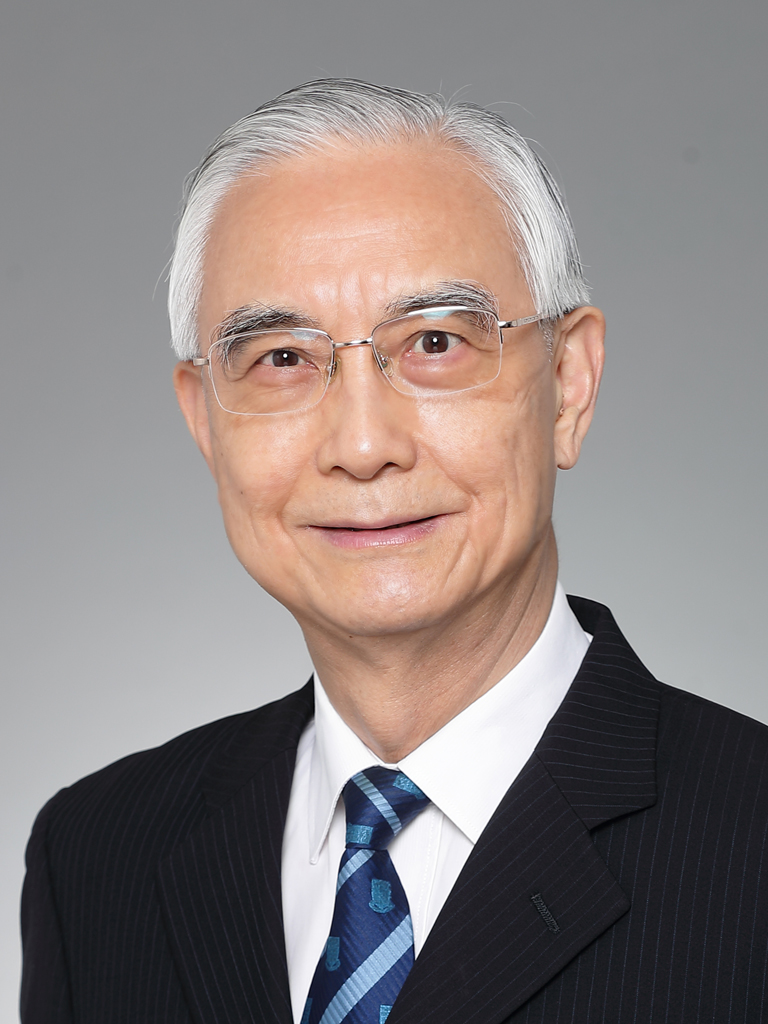 Tai Hing Lam (林大慶)合作论文数School of Public Health, Li Ka Shing Faculty of Medicine, The University of Hong Kong13Craig S. Anderson合作论文数13
 Leon Flicker合作论文数Medical School, University of Western Australia;Western Australian Centre for Health and Ageing, University of Western Australia12
 Paul Myles合作论文数Department of Anaesthesia and Perioperative Medicine, Monash University;School of Translational Medicine, Faculty of Medicine, Nursing and Health Sciences, Monash University;Alfred Hospital12Brendan S. Silbert合作论文数Centre for Anaesthesia and Cognitive Function, St. Vincent's Hospital12
 Hirotsugu Ueshima (上島弘嗣)合作论文数Department of Health Science, Shiga University of Medical Science11
 Osvaldo Almeida合作论文数Institute for Health Research, The University of Notre Dame Australia;Medical School, University of Western Australia11
 Peter Thompson合作论文数Harry Perkins Institute of Medical Research;University of Western Australia;Sir Charles Gairdner Hospital11Michael S.T. Hobbs合作论文数10
 Philip Peyton合作论文数Division of Medicine, Dentistry and Health Sciences, University of Melbourne;Austin Health;Centre for Integrated Critical Care, University of Melbourne10
 David Weller合作论文数Usher Institute, Edinburgh Medical School,The University of Edinburgh9Ohkubo Takayoshi (大久保孝義)合作论文数Department of Hygiene and Public Health, Teikyo University;School of Medicine, Teikyo University9M. Hobbs合作论文数9
 Dongfeng Gu (顾东风)合作论文数School of Medicine, Southern University of Science and Technology8
 Il Hong Suh合作论文数Hanyang University8
 Graham Giles合作论文数Cancer Epidemiology Division, Cancer Council Victoria8Carole a Spencer合作论文数8R Broadhurst合作论文数7M. J. Byrne合作论文数7Hayatbakhsh Mohammad R合作论文数7
 Rod Jackson合作论文数Department of Epidemiology and Biostatistics, School of Population Health, Faculty of Medical and Health Sciences, The University of Auckland7
 Anushka Patel合作论文数University of New South Wales;Royal Prince Alfred Hospital7
 Jake Najman合作论文数School of Public Health, The University of Queensland7
 Stephen Macmahon合作论文数The George Institute for Global Health;Faculty of Medicine, Imperial College London;University of New South Wales7
 Federica Barzi合作论文数University of Sydney, University of Sydney7Imai Yutaka合作论文数7Gary Whitlock合作论文数7RF HELLER合作论文数6
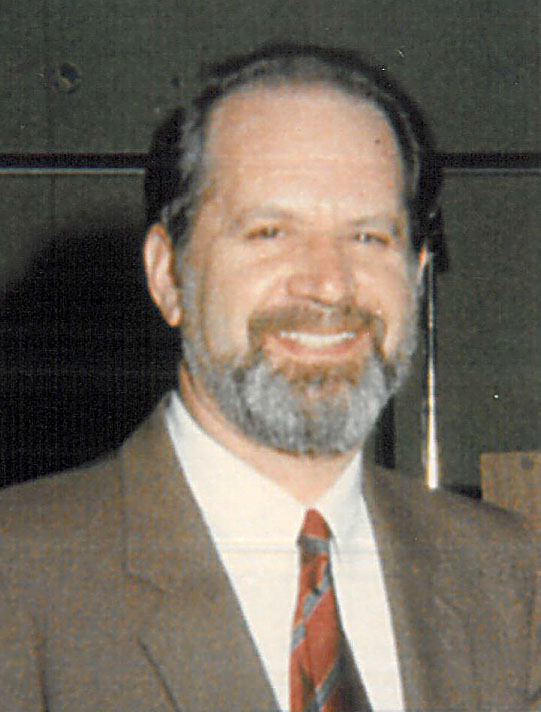 Alessandro Menotti合作论文数Association for Cardiac Research6Rigg John R A合作论文数6
 Annette Dobson合作论文数School of Public Health, Faculty of Medicine, University of Queensland6Annette J. Dobson合作论文数6
 Jaakko Tuomilehto合作论文数Department of Public Health, University of Helsinki;Finnish Institute for Health and Welfare6
 Fiona Bull合作论文数School of Human Sciences, The University of Western Australia6K Nakachi合作论文数5H Horibe合作论文数5R J Broadhurst合作论文数5Y Matsutani合作论文数5M Kagaya合作论文数5Z. L. Wu合作论文数5S. C. Ho合作论文数5John Acres合作论文数5S. X. Yao合作论文数5Dm Ingram合作论文数5




