Informal dementia caregivers are the largest providers of dementia care and it is necessary to provide them with effective support and skills. We describe how much informal dementia family caregivers are willing-to-pay (WTP) for a tailored nondrug support program that provides skills to manage dementia related symptoms before and after participating in a nondrug support program. Caregiver and person with dementia dyads (n=223) were recruited to participate in a randomized controlled trial evaluating a nonpharmacologic intervention that provides caregivers with strategies to minimize behavioral symptoms through the use of meaningful activities compared to attention control. At baseline, 3-months, and 6-months, a contingent valuation payment card method was used to assess how much caregivers would be WTP per session for an 8-session 3-month nonpharmacologic program delivered in-home to address behavioral problems. We calculated unadjusted WTP at each time point and estimated a linear mixed-effects model to evaluate WTP between treatment groups at 3 and 6 months. The model controlled for baseline covariates that predicted attrition from the trial including age, gender, race, and cognition of the person with dementia and the relationship between the caregiver and person with dementia. At baseline, mean WTP was $35.34 (SD=56.29) per session. Mean per session WTP at 3-months ($34.87 SD=61.34) and 6-months ($26.59 SD=37.06) were consistent. At 3-months, caregivers in the intervention group were WTP $2.20 (95% CI: -$-6.7, $2.2) less than caregivers in the control group. At 6-months, caregivers in the intervention group were WTP $4.60 (95% CI: -$8.5, -$0.80) less per session than caregivers in the control group. Informal family caregivers are consistent in their assessment of WTP before and after exposure to a nonpharmacologic intervention. The amount caregivers are WTP for in-home skills interventions is important to informing payment models for these programs.
The purpose of this paper is to examine mental health issues of residents of Assisted Living Facilities (ALFs) using data from key stakeholders including direct care staff, family, facility administrators and members from advocacy and policy groups. Six focus (n=57) groups were held and the four stakeholder groups identified depression, anxiety and many of the neuropsychiatric symptoms of dementia (i.e. aggression, paranoia, agitation) as behaviors of most concern. To address these concerns the groups universally identified several key areas of focus: (1) better communication between ALF staff, treating health care providers, residents and families, (2) person-centered care principles and respect of resident personhood and individuality, (3) improved ALF staff training and training opportunities, (4) judicious use of psychotropic medications, and (5) better management of co-morbid medical problems. Finding ways to act on these five focus areas may improve mental health care quality for residents and improve staff burnout and turnover.
In pragmatic trials, recruited participants should be as similar to those who would eventually utilize the intervention as possible. The purpose of this presentation is to describe recruitment and enrollment of participants into the Adult Day Services (ADS) Plus study. The recruitment process is a collaboration between the study team and the ADS partner sites participating in the study. Adult daycare sites are primarily responsible for advertising the study to caregivers. The research team provides sites with IRB approved recruitment materials (flyers, letters, FAQ, and wording for newsletters) or distribution to caregivers. Prospective participants sign a consent to contact form that is then sent to the research team which then reaches out to complete the consent and baseline data collection by telephone. Caregivers may also contact the research team directly using a toll-free number. Using these methods, we have received 121 inquiries in eight months of active recruitment.
It is necessary to provide informal dementia caregivers, the largest providers of dementia care, with effective support and skills. Tailored nonpharmacologic interventions reduce behavioral symptoms, caregiver stress, and time spent caregiving. To facilitate the translation of a nonpharmacologic intervention, we evaluated how much caregivers were willing to pay (WTP) to learn strategies to manage behavioral symptoms. Caregiver/person with dementia dyads (n=223) were recruited to participate in a randomized controlled trial evaluating a nonpharmacologic intervention to minimize behavioral symptoms through the use of meaningful activities compared to attention control. At baseline, 3-months, and 6-months, a contingent valuation payment card method was used to assess how much caregivers would be WTP per session for an 8-session 3-month nonpharmacologic program delivered in-home to address behavioral problems. We calculated unadjusted WTP at each time point. A linear mixed-effects model was used to evaluate WTP within and between treatment groups WTP over time. The model controlled for key baseline covariates including age, gender, race, and cognition of the person with dementia and the relationship between the caregiver and person with dementia. At baseline, mean WTP was $35.34 (SD=56.29) per session. Mean per session WTP at 3-months ($34.87 SD=61.34) and 6-months ($26.59 SD=37.06) were consistent. In the linear mixed-effects model, no significant within or between group differences were observed. Informal family caregivers are consistent in their assessment of WTP before and after exposure to a nonpharmacologic intervention. The monetary value that caregivers place on in-home skills interventions is important to informing payment models for these programs.
Recruitment of family caregivers of persons with dementia into randomized controlled trials is often difficult, expensive, and time consuming. This presentation will look at the methods used to recruit 250 caregiver/person with dementia dyads into a randomized controlled trial, The Dementia Behavior Study, testing a non-pharmacologic intervention for neuropsychiatric behaviors in the home setting. Recruitment methods utilized over a four-year period included collaborating with partner organizations, print & digital media advertisements, sponsored tables and speaking engagements at community events, referrals from other research studies and on-line sites. Use of these methods resulted in 765 inquiries about study participation. Collaborating with another study that had cognitive impairment as an exclusion criteria yielded the most inquiries (n=73). Print media (newspapers & placemats) yielded the largest percent randomized (n=42, 16.8%). Successful recruitment of hard to reach participants, such as dementia caregivers, takes multiple methods from traditional to more creative.
Consideration of factors associated with obtaining informed consent from persons with dementia are critical to enrolling them into research. Using baseline data from the Dementia Behavior Study, the aim of the study was to provide a descriptive analysis of characteristics associated with the ability to provide inform consent among 239 PWD. The PWD’s ability to provide informed consent was determined by a series of questions inserted at critical points in the written consent form (purpose, randomization, risks, benefits, voluntary participation). Interviewers marked if the response was correct or incorrect. The PWD was deemed unable to provide informed consent if they had any incorrect response after two attempts. Thirty-four percent (n = 82) of the PWD were able to provide consent. Among those who provided consent, 72% were White (p<0.05). Of those persons able to provide consent, 2.5% had a MMSE from 0–9, 41.2% of had a MMSE from 10–18, 40% had a MMSE from 19–24, and 16.2% had a MMSE>24 (p<0.001). On average, persons who provided consent had 2 hours a day for assistance with activities of daily living, 5 hours for assistance with instrumental activities of daily living and 6 IADLs. Interestingly, Neuropsychiatric Inventory Behaviors were not a characteristics associated with the ability of being able to provide informed consent. Results from this study show that individuals with a diagnosis of dementia may be able to provide informed consents for their participation in a research study and should be provided with the opportunity when possible.
The purpose of this study is to examine the utility of an innovative, web-based tool (WeCareAdvisor) to assist formal caregivers caring for a person with dementia in assisted living (ALF). Four ALFs (n=20) participated in the study. Participants were provided with access to the tool for one month. Afterwards, a focus group (n=6) was completed to elicit participant feedback about the tool. Staff found that the program reinforced prior knowledge and provided some new ideas. They also saw it as a potential bridge for communicating with families and other staff (day/night shift). Main recommendations to increase utility to formal caregivers were: 1) add an option for tracking behaviors; 2) allow multiple staff to coordinate data on a person with dementia to provide better continuity of care; 3) have it available across multiple devices (phone, tablet, PC/laptop); and 4) integrate WeCare into existing ALF technologies already in use.
 Laura N. Gitlin合作论文数Psychiatry and Behavioral Sciences, School of Medicine, Johns Hopkins University8
 D Scerpella合作论文数3Quincy M. Samus合作论文数Department of Psychiatry, Johns Hopkins University3
 Laura Pizzi合作论文数School of Pharmacy, Thomas Jefferson University3
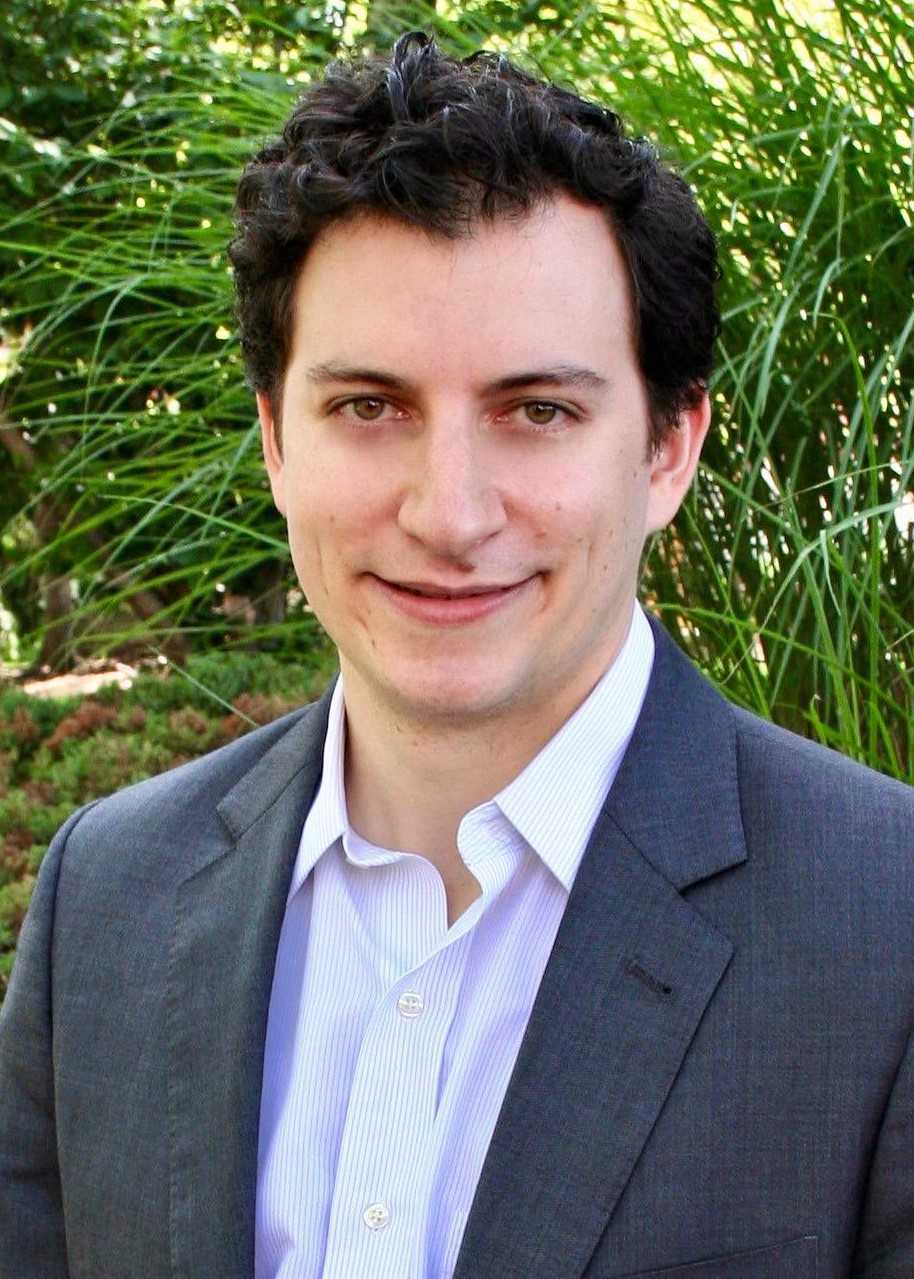 Eric Jutkowitz合作论文数Department of Health Services, Policy and Practice, Brown University3
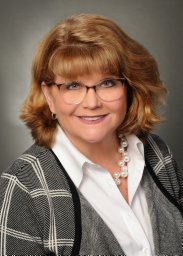 Piersol Catherine Verrier合作论文数2Daniel L Scerpella合作论文数1
 Lauren L. Mitchell合作论文数Department of Psychology and Neuroscience, Emmanuel College1
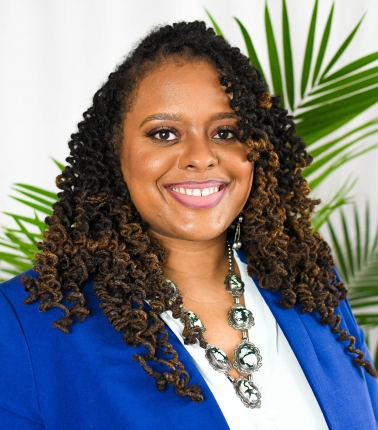 Lauren J. Parker合作论文数Health, Behavior and Society, Bloomberg School of Public Health, Johns Hopkins University1
 Nancy A. Hodgson合作论文数Department of Biobehavioral Health Sciences, School of Nursing, University of Pennsylvania1
 Joseph E. Gaugler合作论文数Division of Health Policy and Management, School of Public Health, University of Minnesota1
 Jonah Popp合作论文数Center for Evidence Synthesis in Health, School of Public Health, Brown University;Department of Health Services, Policy and Practice, Brown University1




