cGVHD, defined as GVHD after day 100, is common, with an impact on morbidity and survival. The limited/extensive cGVHD classification is not reproducible or prognostic for late non-relapse mortality (NRM). Recently the NIH consensus criteria were proposed, but the ability of these criteria to predict outcome of various types of cGVHD is unknown. Pts undergoing their 1st SCT from 1/01 to 12/03 were studied. 110 pts alive beyond day 100 met criteria for the study. GVHD after day 100 was classified using NIH criteria into: persistent acute GVHD (aGVHD) (assigned at day 100), recurrent aGVHD, delayed aGVHD, classic cGVHD, overlap GVHD (all assigned at time of onset). Severity scores were assigned to pts with classic and overlap GVHD at onset and clinical worsening. Overall survival (OS) both from time of transplant and time of GVHD onset were measured. 37 (34%) had no GVHD and 73 (66%) pts had GVHD. OS was 44% vs. 66% (no GVHD vs.GVHD, P=0.026). Of 73 pts with GVHD, 14 (19%) had limited and 59 (80%) had extensive cGVHD. Pts with limited GVHD were reclassified as persistent aGVHD (7%), recurrent aGVHD (29%), and classic CGVHD (64%). Pts with extensive cGVHD were reclassified as persistent (3%), delayed (3%), recurrent (31%), classic chronic (37%), and overlap GVHD (26%). 31 (42%) had no subsequent clinical worsening and 42 (58%) had subsequent clinical worsening of GVHD. 65% of pts with classic cGVHD (22/31) had worsening compared to other types (20/42, 47%) (P=0.046). Severity scores increased in 12/31 pts (39%) at time of subsequent clinical worsening. OS of pts with various types of GVHD were significantly different (P<0.0001). This was more apparent when pts with any acute features of GVHD were compared with classic cGVHD (3-yr OS 47% vs. 66%, P=0.0015). This effect persisted when survival was measured from onset of GVHD (P=0.0336). Severity at onset or clinical worsening in pts with classic or overlap GVHD did not impact survival. The 3-yr NRM (with relapse as a competing risk) for the cohort was 21% and was not affected by the presence or absence of GVHD, or subtypes of GVHD. Significant variables using Cox model with time dependent covariates were any aGVHD feature after day 100 (HHR 5.27, P=0.0004), and extensive cGVHD (HR 0.28, P=0.0041). The OS with different NIH subtypes after day 100 from SCT varies and is superior for pts with classic cGVHD. Global severity score, within the limits of our study had no prognostic value with respect to survival.
AlloPBSCT utilizing NM conditioning is hypothesized to minimize the toxicity of myeloablative regimens while harnessing a potent graft vs malignancy effect. We sought to identify factors predicting survival in a retrospective analysis of 60 patients (pts) undergoing alloPBSCT from HLA-matched related donors between 8/00 and 8/05 at our program. All pts received 90 mg/m2 fludarabine and 200 cGy TBI. GVHD prophylaxis consisted of CSA/MMF. The median age was 55 years (range 41-66). Male: female was 51:9. All transplants were performed for hematologic malignancies. The median number of treatments prior to transplant was 4 (range 0-8). The mean cell doses infused were 8.0 (range 3.5-16.3) x 106 CD34+/kg and 28.4 (range 0.9-65.9) x 107 CD3+/kg. Among 33 (55%) pts who became neutropenic, the median time to ANC > 500 was 21 days (range 14-49). Primary graft failure occurred in 2 patients. Of evaluable pts with chimerism data, median time to 100% donor chimerism was day +28 for CD33+ and day +180 for CD3+. AGVHD occurred in 42/60 (70%) pts (grade I in 14 and grades II-IV in 28), and cGVHD occurred in 28/52 (54%); 12 pts developed extensive cGVHD. 14 pts required donor lymphocyte infusion for disease progression. 100-day NRM was 10% (all from aGVHD); another 2 patients died of disease progression. After day +100, most pts died from disease progression or infection related to cGVHD. Kaplan-Meier probabilities for overall survival (OS) and progression free survival (PFS) at one year were 61% and 48%, respectively with median follow up of 505 days (range 31-2029). OS at 2 and 3 years was 45% and 36%. In univariate analysis, the development of cGVHD significantly correlated with improved OS (p = 0.02) and PFS (p = 0.01). Although CD34+ and CD3+ doses showed no significant association with development of cGVHD, higher doses of both were associated with development of aGVHD (p = 0.01 and 0.04 respectively) and higher CD34+ doses (6.8 vs 9.4×10⁶/kg) were associated with development of higher grades of aGVHD (grades II-IV versus grades 0-I) (p < 0.01). Incremental increases in CD34 dose were associated with an increased hazard ratio for death; however, a dose above 8 ×10⁶ CD34+/kg was associated with lower probability of relapse (p = 0.04). NM conditioning has a role in alloPBSCT and further investigation to optimize disease indications and CD34+ dosing is needed.
Introduction: MCL, accounts for 5% of non-Hodgkin lymphoma and is characterized by t(11;14) translocation leading to Cyclin D1 over expression. It is currently considered incurable, with a median overall survival (OS) of 3 to 4 years from diagnosis. Results of hematopoietic stem cell transplant (HSCT) are mixed, with earlier studies showing no survival advantage over conventional chemotherapy, but more recent studies, suggesting better outcome. The optimal timing of HSCT for patients (pts) with MCL is not known. Methods: Between 2/1994 and 5/2006, 70 consecutive pts with MCL underwent an autologous (auto) (n = 56) or allogeneic (allo) [n = 14 (11-myeloablative; 3-reduced intensity regimens-RIC)]. Most pts had stage IV disease 50/70 (71%). 46/70 (66%) pts had bone marrow (BM) involvement. Conditioning regimen for auto HSCT consisted mainly of CBV (cyclophosphamide, BCNU and etoposide). Allo HSCT regimens included ablative (cyclophosphamide/VP16 ± TBI); or RIC (fludarabine/busulfan or fludarabine/TBI). GVHD prophylaxis consisted of cyclosporine (CSA) and methotrexate or CSA/mycophenolate mofetil. 56 pts received BM, 10-peripheral blood (PB) and 4 (BM/PB). Results: Median age at transplant was 56 years (yrs) (range 35-67). Median follow up was 2.1 yrs (range, 0.01-9.1). 50% of the pts had at least 2 prior therapies prior to transplant. 55/70 pts had a response after transplant (52-complete remission, and 3 partial responses). 4/70 pts had no response and progressed. 35 pts are alive (27-autologous; 8-allogeneic), of which 17 pts relapsed. 35 patients are dead: progressive disease, 23; sepsis/infection, 5; secondary malignancy, 2; pulmonary embolism, 1; and other causes, 4. Median OS was 3.5 yrs (95% CI 2.4 to 4.6) with no significant difference between auto and allo (median not reached) pts (P = 0.78). Median progression free survival (PFS) was 3.5 yrs (95% CI 0.6 to 6.3), and was not different for auto or allo (median not reached) HSCT (P=0.82). 25/70 (36%) patients underwent HSCT (auto-24, allo-1) in CR1. OS of these patients was superior compared to pts transplanted later in their disease course (not reached vs. 2.5 yrs, P=0.023). Conclusion: Patients transplanted in CR1 have a better overall survival compared to being transplanted later in the disease course. Pts not achieving CR1 or presenting with recurrence of disease should be considered for early transplant. The optimal type of transplant in these patients needs to be further validated.
From 1/00 to 4/05, 93 patients (pts) with AML underwent allo HSCT at the VU/VA SCT program. Variables including donor type, stem cell source, regimen intensity, and degree of HLA matching were analyzed for their effect on OS and TTP. Median age at transplant was 47 (19–66). 85 pts (91%) had poor risk disease, defined as prior MDS or MPD (n = 17), poor-risk cytogenetics (n = 6), refractory disease (n = 4), relapsed disease (n = 15), history of chemotherapy and/or radiotherapy for a prior malignancy (n = 4), CR2 (n = 35), or requiring >1 cycle of induction to achieve CR1 (n = 4). Regimens were either full-dose (BuCy and CyTBI) or reduced-dose (FluBu, FluBuTBI, or FluTBI). Of the 93 pts, 62 (67%) had matched related donors (MRD) and 31 (33%) had unrelated donors (URD). Both groups (MRD vs URD) were similar in disease risk (87% vs 100% high risk), degree of HLA matching (98% vs 77% fully matched), and regimen intensity (79% vs 77% full-dose) but differed significantly in stem cell source with MRD 95% PBSC and URD 71% BM, P < .001. Day 100 mortality was 11% for MRD versus 29% for URD, and all pts surviving to day 30 engrafted (ANC >500). Median OS was 10.8 months and was not significantly affected by donor type, regimen intensity, or pt age. OS was significantly higher in pts with fully-matched donors (median 12.9 months vs 2.4 mos, P = .027) and in pts without high-risk disease (median not reached vs 8.0 months, P = .040). There was also a trend towards improved survival of pts receiving PBSC versus BM (median 13.4 mos vs 6.7, P = .062). Interestingly, pts receiving full-dose regimens were more likely to die of relapse than transplant-related mortality (TRM) (30 relapse vs 16 TRM), while pts receiving reduced-dose regimens had more TRM than relapse deaths (3 relapse vs 9 TRM, P = .02), which may be accounted for by the higher median age of the reduced-dose group (56 vs 43). Of the 93 pts, 35 (38%) are alive with a median follow-up of 18.0 mos (5.5–61.8), 35 (38%) have died of relapse, and 23 (25%) TRM. TTP was 31.4 months with censorship of pts with TRM. OS at 36 months was 33%. Using a Cox-proportional multivariate model, only disease risk approached significance with a hazard ratio of 3.6 (P = .079). These results highlight the need for better anti-leukemic regimens and indicate that allo HSCT is most beneficial to pts who have chemotherapy-responsive disease and few risk factors for TRM, but can still salvage approximately 1/3 of patients with poor risk disease.
AlloSCT utilizing NM conditioning is hypothesized to minimize the toxicity of myeloablative regimens while harnessing a potent graft vs malignancy effect. We sought to identify factors related to survival in a retrospective analysis of 37 male patients (pts) who underwent alloPBSCT from HLA-matched related donors between 8/00 and 5/05 at the Nashville VAMC. All pts received NM conditioning with 90 mg/m2 fludarabine and 200 cGy TBI. GVHD prophylaxis consisted of cyclosporine and mycophenolate mofetil. The median age was 55 years (range 41-66), and the diseases transplanted included: MM (12); AML (6); CML (2); CLL (7); NHL (8); and HD (1). The mean cell doses infused were 7.7 (range 3.4-15.4) × 106 CD34+/kg and 29.1 (range 10.1-64.1) × 107 CD3+/kg. Most pts did not become neutropenic; among 17 (46%) who did, the median time to ANC >500 was 19 days (range 14-29). Primary graft failure occurred in 1 patient. Of evaluable pts with chimerism data, median time to 100% donor chimerism was day +28 for CD33+ and day +180 for CD3+. AGVHD occurred in 26/37 (70%) pts (grade I in 10 and grades II-IV in 16), and cGVHD occurred in 16/31 (52%); 5 pts developed extensive cGVHD. 9 pts required donor lymphocyte infusion for disease progression. 100-day non-relapse mortality was 14% (all from aGVHD); 1 death prior to day +100 was from disease progression. Beyond day +100, 10 pts died from disease progression, 2 from infection and 3 from unknown causes. Kaplan-Meier probabilities for overall survival (OS) and progression free survival (PFS) at one year were 56% and 50%, respectively. OS at 3 years was 31%. In univariate analysis, the development of cGVHD significantly correlated with OS (P = .05) and PFS (P = .04). Pts with grades 0-I aGVHD experienced significantly longer OS and PFS compared to pts with grades II-IV aGVHD (P < .03). Although CD34+ and CD3+ doses showed no significant association with development of cGVHD, higher doses of both cell types were associated with all grades of aGVHD (P < .05) and showed a trend toward development of higher grades of aGVHD (grades II-IV versus grades 0-I) (P = .06). Survival after NM alloSCT in this population is encouraging, although disease progression remains an area for future study. Our results suggest CD34+ and CD3+ cell doses should be optimized to minimize aGVHD as a cause of early death. The correlation between cGVHD and survival likely reflects a graft vs. malignancy effect.
In an attempt to improve outcomes for patients with acute myeloid leukemia (AML) after allogeneic hematopoietic cell transplantation (HCT), we conducted a phase 1/2 study in which targeted irradiation delivered by 131I-anti-CD45 antibody was combined with targeted busulfan (BU; area-under-curve, 600-900 ng/mL) and cyclophosphamide (CY; 120 mg/kg). Fifty-two (88%) of 59 patients receiving a trace 131I-labeled dose of 0.5 mg/kg anti-CD45 murine antibody had higher estimated absorbed radiation in bone marrow and spleen than in any other organ. Forty-six patients were treated with 102 to 298 mCi (3774-11 026 MBq) 131I, delivering an estimated 5.3 to 19 (mean, 11.3) Gy to marrow, 17-72 (mean, 29.7) Gy to spleen, and 3.5 Gy (n = 4) to 5.25 Gy (n = 42) to the liver. The estimated 3-year nonrelapse mortality and disease-free survival (DFS) were 21% and 61%, respectively. These results were compared with those from 509 similar International Bone Marrow Transplant Registry patients who underwent transplantation using BU/CY alone. After adjusting for differences in age and cytogenetics risk, the hazard of mortality among all antibody-treated patients was 0.65 times that of the Registry patients (95% CI 0.39-1.08; P = .09). The addition of targeted hematopoietic irradiation to conventional BU/CY is feasible and well tolerated, and phase 2 results are sufficiently encouraging to warrant further study.
INTRODUCTION: An adequate dose of CD34+ cells is necessary for autologous or allogeneic transplants of peripheral blood stem cells (PBSC), to ensure early and sustained hematopoietic engraftment and favorable clinical outcome. CD34+ cell dose was predictive of survival, posttransplant morbidity and rate of hematologic recovery following allogeneic T-cell-depleted BMT [Mavroudis et al. Blood, 1996]. High TNC doses have been found to influence the outcome of autologous and allogeneic BMT favorably. A low CD34+ cell dose results in higher mortality and poorer survival after blood and marrow stem cell transplantation from an HLA-identical sibling, and 2 x 10⁶ CD34+ cells/kg has been suggested as minimum cell dose [S Singhal et al, BMT 2000]. There are no comparative data on the relationship of TNC dose and CD34+cell dose of unmanipulated marrow on transplant outcome.
The poor survival of elderly patients with advanced AML or high-risk MDS following conventional chemotherapy, as well as their poor tolerance for high-dose regimens used in conventional myeloablative hematopoietic cell transplantation (HCT) demands innovative therapeutic approaches. Recent success achieving stable donor chimerism following infusion of allogeneic peripheral blood stem cells (PBSC) after reduced intensity (non-myeloablative) conditioning regimens affords an opportunity to safely induce a graft-vs-leukemia (GVL) effect with minimal acute morbidity. GVL effects, however, appear to be most potent in patients with low tumor burdens at the time of transplantation. We have therefore conducted a Phase I clinical trial of targeted hematopoietic irradiation delivered by an 131I-labeled anti-CD45 antibody (BC8) to determine the feasibility, safety and efficacy of this approach toward reducing the burden of disease before an established non-myeloablative regimen. In this dose escalation study designed to estimate the maximum tolerated dose of 131I-BC8 antibody that can be combined with fludarabine (FLU) and low dose total body irradiation (TBI), 33 patients over 50 years of age with advanced AML or high-risk MDS (> 5% blasts) were treated with 246 to 932 mCi 131I delivering an estimated 5.2 to 45.9 (mean 27.5) Gy to bone marrow, 17.3 to 155 (mean 81.2) Gy to spleen, and 12–24 Gy to the liver (dose-limiting organ). Patients then received FLU (30 mg/m2 daily for 3 days), 2 Gy TBI, and HLA-matched related (n = 10) or unrelated (n = 23) PBSC grafts with graft-vs-host disease prophylaxis provided by cyclosporine and mycophenolate mofetil. The median age of patients was 61 (50–71) years. Twenty-four patients had AML, with 6 (13%) patients in second or third complete remission, 2 (4%) with primary refractory disease, and 16 (35%) in relapse. Nine (20%) patients had MDS with >5% blasts. Treatment with the 131I-BC8 Ab/FLU/TBI regimen produced a remission in all patients, and all had 100% donor CD3+ and CD33+ cell engraftment by day 28 post-transplant. The absolute neutrophil count surpassed 500/uL at a median of 14 (range, 10–19) days, and the self-sustained platelet count surpassed 20,000/uL at a median of 17 days (range, 15–43). Eighteen patients (55%) are surviving disease-free 2 to 16 months (median 9.5 months) post-transplant. In 9 (27%) patients, the disease relapsed 3 to 38 months after HCT. The day-100 non-relapse mortality was 12%. This study demonstrates that at least an average of 27 Gy of targeted radiotherapy can be delivered to bone marrow and an average of 81 Gy to the spleen, in addition to a standard reduced intensity transplant regimen, without a marked increase in day 100 mortality. Whether this approach will reduce post-transplant relapse rates for older patients with high-risk AML/MDS remains to be determined.
6656 Background: 166Ho-DOTMP is a radiotherapeutic that localizes specifically to the skeleton and can deliver high dose radiation to the bone and marrow for skeletal targeted radiotherapy (STR). Follow-up data from 3 clinical trials of patients with multiple myeloma are presented. Methods: In 2 Phase I/II dose-escalation trials, 82 patients received a dose of 166Ho–DOTMP calculated to deliver 20, 30, or 40 Gy to the red marrow, plus melphalan (mel; 140 or 200 mg/m2) +/- 8 Gy TBI, followed by autologous stem cell transplant (PBSCT). As of 12/1/03, subjects have been followed for at least 38 months. In a separate Phase II dosimetry trial, 12 patients received 2 tracer doses of 166Ho-DOTMP to determine the reproducibility of biodistribution and pharmacokinetics (PK), followed by a 25 Gy therapy dose with continuous bladder irrigation, followed by 200 mg/m2 mel and PBSCT. These patients have been followed for at least 12 months. Results: Up to 2.3 Ci/m2 166Ho-DOTMP was given in the Phase I/II trials. 29/82 (35%) patients achieved complete response (CR) and ORR (CR + PR + SD) was 91% (7 pts not evaluable). Median duration of CR was > 24 months, and the Kaplan-Meyer estimate of 3 year survival was 60% for all 82 patients. Of 10 patients who received 750 mCi/m2 +/-10%, the CR rate was 40% and the 3-year survival was 90%. However, dose-related radiation-induced bladder and kidney toxicity appeared between 3 and 13 months post-therapy at high doses. Currently, 12 months of follow-up from the Phase II dosimetry trial shows no occurrence of hemorrhagic cystitis or elevated creatinine > Grade 2. The dose of 166Ho-DOTMP in this study was 550 to 860 mCi/m2. A CR rate of 17% was seen, and the biodistribution and PK of 166Ho-DOTMP were reproducible. Monitoring for safety and duration of response is ongoing for both trials. Conclusions: Follow-up from the Phase II dosimetry trial confirms that 750 mCi/m2 +/- 10% of 166Ho–DOTMP provides favorable efficacy and safety as part of the conditioning regimen for patients with multiple myeloma undergoing autologous PBSCT. A Phase III, multicenter, randomized trial with 750 mCi/m2 166Ho-DOTMP is planned to begin enrollment in Q1 of 2004. Author Disclosure Employment or Leadership Consultant or Advisory Stock Ownership Honoraria Research Funding Expert Testimony Other Remuneration NeoRx NeoRx; PPD NeoRx NeoRx NeoRx, Inc.
6639 Background: PF (6 mg fixed dose) is equivalent to daily filgrastim (F) (5 mcg/kg/day for 14 days) after chemotherapy in decreasing the duration of neutropenia. Daily F (5 mcg/kg) started after HDC and ASCT leads to significant decrease in time to neutrophil engraftment (NE). The role of PF after HDC and ASCT is not known. We propose to study the role of PF given as a single fixed dose (6 mg) SQ on day +1 after stem cell (SC) infusion. Methods: Fifteen patients (pts.) undergoing HDC and ASCT using peripheral blood SC for multiple myeloma or lymphoma have been enrolled in an ongoing study. SC were collected with peripheral blood pheresis after cyclophosphamide (3 g/sq.m) and daily F (10 mcg/kg). All pts. were eligible for HDC and ASCT as per institutional criteria and consented. The conditioning regimens were high dose melphalan (200 mg/sq.m) for myeloma, and cyclophosphamide (7200 mg/sq.m), BCNU (400 mg/sq.m) and infusional etoposide (2400 mg/sq.m) for lymphoma. Pts. received antiinfective prophylaxis with acyclovir, levofloxacin and flucanozole starting day -1. Packed red blood cells (PRBC) and platelets were administered for a hematocrit and platelet count of less than 25% and 20,000 thousand/micro.L, repsectively. Results: There were no adverse events attributable to PF. All pts. engrafted neutrophils and platelets. The median time to NE was 10 days (range, 8–11). Incidence of febrile neutropenia was 67%, with a median duration of 2 days (range, 1–4). Twenty-three bacterial blood cultures were obtained in 10 pts. for febrile episodes or a suspected line infection, with only 5 (in 5 pts.) being positive, all for coagulase negative staphylococcus. Antibacterials other than for prophylaxis was required in 60% (9/15) of patients. Antifungals other than for prophylaxis were not required. The median time to platelet engraftment was 17 days (range, 14–19). The median number of transfusions was 3 units of PRBC and 12 units of platelets. The median numbers of days with mucositis and total parentral nutrition were 3 (range, 0–9) and 3 (range, 0–12), respectively. Conclusions: PF at a fixed dose of 6 mg SQ administered on day +1 after HDC and ASCT appears to be equivalent to daily F. Author Disclosure Employment or Leadership Consultant or Advisory Stock Ownership Honoraria Research Funding Expert Testimony Other Remuneration Amgen
Introduction: Histological transformation of low-grade follicular NHL to a higher grade occurs in greater than 50% of patients during the course of their disease. Historically, prognosis of these patients is poor following conventional chemotherapy with median survival of less than a year. SCT following dose intensification has been shown in few studies to improve the survival in such patients. Methods: We performed a retrospective review of the pathology of 367 adult NHL patients who underwent high-dose chemotherapy and SCT at our institution between 1992 and 2002. We identified 34 patients with follicular low-grade NHL who had transformed to intermediate grade disease (diffuse large cell or transformed large cell-REAL grade III). Patients with transformation to high grade or immunoblastic NHL were excluded. Results: Thirty-one patients underwent autologous and 3 underwent allogeneic SCT. Median age at transplant was 53 years (35–69). 70% of patients were male. 26% (9/34) patients had transformed disease at diagnosis (had concurrent low-grade histology) and 74% (25/34) had transformation at first relapse. The median time to transformation from low to intermediate grade was 930 days (630–5430 days). 85% of the patients had advanced disease (stage III–IV) at transformation. Median number of treatments for transformed disease prior to SCT was 2 (1–6). 24 patients were in a partial remission (PR), 6 in a complete remission (CR) and 4 had stable disease at time of SCT. 76% (26/34) patients received a non-TBI based conditioning regimen; 85% received peripheral blood stem cells with a median CD34 dose of 3.45 × 10⁶/kg. All patients showed normal engraftment. Survival at 100 days was 97% (95%CI 91%–100%), the only peri-SCT death occurred in the allogeneic group. Median overall survival (OS) from SCT was 48 months (95%CI 38 mo-not reached) and 4-year OS was 49%. Median disease free survival (DFS) from SCT was 20 months (95%CI of 10–57months) with a 4-year DFS of 18%. The number of prior therapies and time to transformation had no impact on the survival. Subgroup of patients with stable disease (no response to chemotherapy) prior to SCT had the worst outcome. Conclusion: Our survival data indicates that one-half of patients with transformed NHL will survive 4 years and one third of the survivors will be disease free. SCT should be considered for eligible patients with chemosensitive histologically transformed NHL.
INTRODUCTION: Compared with standard chemotherapy, treatment of patients with relapsed aggressive lymphoma with high-dose chemotherapy and stem cell transplantation (HDC/ASCT) increases progression-free survival (PFS) and overall survival (OS). [18F]FDG-PET (PET) has been demonstrated to be more precise than conventional radiologic imaging techniques for restaging after chemotherapy [Kostakogu et. al. Euro J Nucl Med. 2000]. However, the value of PET, particularly posttransplant PET to predict clinical outcome after HDC/ASCT has yet to be established.
Patients with AML in first remission undergoing conventional matched related hematopoietic cell transplantation (HCT) have a significant risk of both relapse and non-relapse mortality following transplant. In an attempt to improve outcome by decreasing relapse, we conducted a Phase I/II study in which targeted hematopoietic irradiation delivered by 131I-labeled anti-CD45 antibody is combined with busulfan (BU) and cyclophosphamide (CY). Patients (median age 41) received a trace (~5mCi) 131I-labeled dose of 0.5 mg/kg anti-CD45 (BC8) murine monoclonal antibody followed by serial quantitative gamma camera imaging and a bone marrow biopsy for estimation of radiation absorbed doses to target organs (marrow and spleen) and non-target organs (liver, lung, and kidney). Fifty-two of 59 patients (88%) had a higher estimated radiation absorbed dose to marrow and spleen than to any normal organ. Forty-six of these were treated with 102 to 298 mCi 131I delivering an estimated 5.3 to 19 (mean 11.3) Gy to bone marrow, 17 to 72 (mean 29.7) Gy to spleen, and 3.5 Gy (n = 4) to 5.25 Gy (n = 42) to the liver. Patients then received targeted BU (AUC 600–900 ng/ml), CY (120 mg/kg), and infusion of HLA-matched related marrow (n = 40) or peripheral blood stem cells (n = 6). The non-relapse mortality (NRM) was 17%, as eight patients died of transplant-related causes (sepsis-2, idiopathic pneumonia syndrome-1, viral pneumonia-3, and fungal pneumonia-2). Nine patients (20%) relapsed 3 to 38 months post-transplant, and 28 patients (61%) are surviving disease-free 7 to 124 months (median 49 months) post-transplant. For 26 patients (62%) with intermediate risk cytogenetics, 18 (69%) are surviving disease-free, with only 3 (12%) relapsing. Fifteen patients (33%) were considered high risk based on unfavorable cytogenetics or secondary AML; 7 of these 15 (46%) are surviving disease-free and 5 (33%) have relapsed. Because of the known impact of features such as age and cytogenetic risk group on post-HCT outcome, we compared our data to data from the International Bone Marrow Transplant Registry (IBMTR) on first remission AML patient conditioned with BU/CY alone prior to HCT. Over a 10-year period, 980 IBMTR patients (median age 28) were transplanted using a median BU dose of 16 mg/kg (range 8–21 mg/kg) and a median CY dose of 120 (range 62–232). Of the 509 IBMTR patients with known cytogenetics at diagnosis, 466 (92%) had intermediate-risk cytogenetics. Using a Cox regression model for overall mortality and adjusting for age and cytogenetics risk differences, the hazard for mortality among 131I-BC8 Ab/BU/CY patients is 0.65 times that of registry patients receiving BU/CY only (95% CI 0.35 to 1.08, p = 0.09). The addition of targeted hematopoietic irradiation to conventional BU/CY is both feasible and well tolerated, and has the potential to improve survival for patients undergoing HCT for AML in first remission.
Introduction: Following allogeneic HSCT, a major cause of obstruction is OB (frequency, 8–33%). Diagnosis is histologic, but often presumptive, based on clinical features, radiographic and PFT changes showing obstruction, hyperinflation and gas trapping. OB is associated with chronic, but not acute graft-versus-host disease (cGVHD/aGVHD). A 5% decline in percent predicted forced expiratory volume in 1 second (FEV1), FEV1/FVC (forced vital capacity) < 0.7 or 10% fractional drop from previous best PFT was suggestive of OB in previous studies. It is yet to be defined which spirometric measurement is most suggestive for the presence of OB. Forced expiratory flow rates (FEF25–75%), with >30% decline from baseline was found to be more sensitive than FEV1 in diagnosing OB following single lung transplant [Nathan, et al, 2003 J Heart and Lung Transplantation 22(4): 427]. FEF25–75% has never been evaluated following allogeneic HSCT. Methods: We retrospectively reviewed PFT data on 48 adult patients undergoing HSCT from 1998–2003, who survived for at least 12 months and had pre and post-transplant PFT within 1-year of HSCT. Median age was 42 years (range, 20–57), and 54% were male. Forty-seven patients had malignant hematologic disorders. The conditioning regimen was TBI-based in 34 (73%) patients, and 13 received chemotherapy only. Marrow and peripheral blood stem cells were used in 22 and 26 patients respectively. Results: Incidence of aGVHD was 52%, (gradeI-II/III–IV: 88%/12%), 12% of patients had cGVHD (limited/extensive: 69%/13%). Ten patients (21%) had a diagnosis of OB (8-histologicaly, 2-based on signs and symptoms). Spirometric measurements considered as predictor variables included diffusion capacity for carbon monoxide (DLCO), FEV1, total lung capacity (TLC), FEF 25–75%. There was no significant association between diagnosis of OB and age, GVHD, stem cell source, preparatory regimen, TLC or DLCO. A backward elimination model building procedure for a logistic regression identified FEF25–75% as the sole significant explanatory variable. This model suggests that with a 40% decrease or more in FEF 25–75% compared to pre-transplant value, the estimated probability of the diagnosis of OB would be 50% or higher. Conclusion: A decrease in FEF 25–75% of ≥ of 40%, in the absence of other non-infectious pulmonary complications, was highly suggestive in allogeneic HSCT patients for the diagnosis of OB. We plan to evaluate our findings in a prospective study.
 Madan Jagasia合作论文数Department of Medicine, Vanderbilt University Medical Center10Adetola Kassim合作论文数10Wichai Chinratanalab合作论文数8Friedrich Schuening合作论文数6S Goodman合作论文数6M Vusirikala合作论文数6J. Greer合作论文数5S. Brandt合作论文数5S Mineishi合作论文数4DS Morgan合作论文数4JP GREER合作论文数4David S. Morgan合作论文数4Roland Stein合作论文数4Dc Matthews合作论文数3Dr Fisher合作论文数3Rs Stein合作论文数3D Salzman合作论文数3
 Sergio A. Giralt合作论文数Division of Hematologic Malignancies, Memorial Sloan Kettering Cancer Center;Weill Cornell Medical College, Memorial Sloan Kettering Cancer Center3
 Paul J. Martin合作论文数Clinical Research Division, Fred Hutchinson Cancer Center;Division of Medical Oncology, University of Washington3
 Yu Shyr合作论文数Department of Biostatistics, Vanderbilt University Medical Center;Vanderbilt Center for Quantitative Sciences, Vanderbilt University Medical Center;School of Medicine, Vanderbilt University;Taipei Medical University3Eneida R Nemecek合作论文数3Joseph G. Rajendran合作论文数3
 John M. Pagel合作论文数Loxo@Lilly3Ajay K. Gopal合作论文数Fred Hutchinson Cancer Research Center3Hazel B. Breitz合作论文数3T. Koyama合作论文数2L Durack合作论文数2FG SCHUENING合作论文数2W Bensinger合作论文数2B. Engelhardt合作论文数2
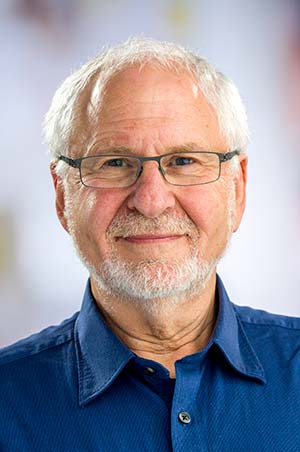 Irwin Bernstein合作论文数Translational Science and Therapeutics Division, Fred Hutchinson Cancer Center;Division of Hematology and Oncology, Department of Pediatrics, School of Medicine, University of Washington2
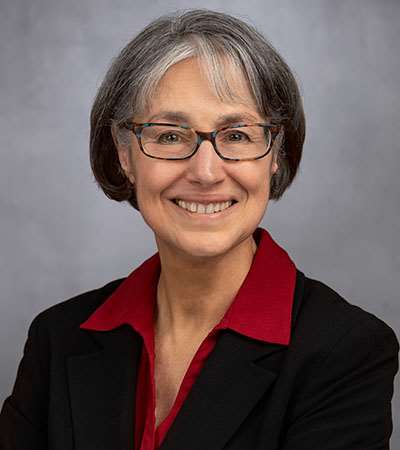 Mary M. Horowitz合作论文数Center for International Blood and Marrow Transplant Research, Medical College of Wisconsin;Division of Hematology and Oncology, Medical College of Wisconsin;Cancer Center, Froedtert Hospital2
 Oliver W. Press合作论文数Department of Medicine, University of Washington;Fred Hutchinson Cancer Research Center2S. Dixon合作论文数2Janet F. Eary合作论文数2Ted Gooley合作论文数2
 Frederick R. Appelbaum合作论文数Fred Hutchinson Cancer Research Center2Jeanette Carreras合作论文数2Jennifer Giglia合作论文数2Mb Maris合作论文数1Natalie McVay合作论文数1Fei Ye合作论文数1M Goodman合作论文数1Sa Goodman合作论文数1Bm Sandmaier合作论文数1R Wendt合作论文数1David Morgan合作论文数1Frangoul Haydar合作论文数1
 David G. Maloney合作论文数Translational Science and Therapeutics Division, Fred Hutch;Immunotherapy Integrated Research Center, Fred Hutch1




