695 Background: Adequate nutrition is essential to post-operative recovery in reducing complications and hospital length of stay after oncologic pancreatectomy. Dietitians are included in many pancreatic cancer multidisciplinary teams; however, few studies have investigated the impact of dietitian-led nutritional care following pancreatectomy. Methods: We conducted a retrospective chart review to evaluate outcomes related to nutritional care after pancreatectomy. The cohort was comprised of patients treated with oncologic pancreaticoduodenectomy or pancreatectomy at a single center between Jan-2015 and Jun-2025. Data collection included demographic data, use of enteral nutritional support, use of pancreatic enzyme replacement therapy (PERT), 90-day post-operative hospital readmissions, and longitudinal weight and micronutrient levels. Patients were categorized by whether or not they received dietitian-led nutrition care in the post-operative period (DC+ vs. DC-). Lack of dietitian-led care was principally driven by dietitian staffing schedules. Dietitian-led care focused on reducing post-operative weight loss, management of enteral feedings, surveillance of micronutrient deficiencies and ongoing reinforcement of and education about PERT. We compared weight change from the pre-operative baseline at 3, 6 and 12 months in the DC+ and DC- groups; the comparison at 3 months used a t-test and comparisons at 6 and 12 months used a linear mixed model for longitudinal data. Results: We identified 188 patients treated with oncologic pancreatectomy during the study period. The median age was 67 years, and 46.3% were female. The most common cancer diagnosis was pancreatic cancer (59.0%) and 151 of 188 patients (80.3%) received post-operative dietitian-led nutrition care (DC+ group). Mean weight change at 3 months after surgery was -6.5 kg in DC+ patients and -11.2 kg in DC- patients. Weight loss at 3 months was significantly less in DC+ patients (difference = 4.8 kg [95%CI 3.0, 6.5, p<0.001]). Mean weight loss at 6 and 12 months after pancreatectomy was numerically less in DC+ patients, but between-group differences were not statistically significant (estimated difference at 6 months = 1.2 kg [95%CI -2.0, 4.5], estimated difference at 12 months = 1.7 kg [95%CI -1.9, 5.4]). Conclusions: Patients who received dietitian-led nutrition care had less weight loss at three months after pancreatectomy than patients who did not receive dietitian-led care. This finding suggests a potentially meaningful benefit of dietitian-led post-operative nutrition care following oncologic pancreatectomy.
OBJECTIVES:To investigate the thrombosis risk and adverse bleeding events in patients who received purified vs. non-purified islet cell autotransplants (IAT). METHODS:We performed a retrospective cohort study evaluating the rate of portal vein thrombosis (PVT), adverse bleeding events, and premature heparin discontinuation in purified and non-purified IAT patients at our center between 2013 and 2022. RESULTS:The incidence of PVT formation was 0 % in the purified group (23 patients) and 4.2 % in the non-purified group (48 patients). Patients in the purified islet group received lower intra-operative heparin dosing compared to patients in the non-purified group (3157units vs 2657units, p = 0.03), but both groups received similar post-operative heparin dosing (505units vs. 437units, p = 0.55). Non-purified patients were on heparin for significantly fewer days than purified patients (1.6 days vs. 3.2 days, p < 0.01). There was no difference in adverse bleeding events that resulted in premature heparin discontinuation (39.1 % vs. 62.5 %, p = 0.08) nor blood transfusion requirements (34.8 % vs. 41.7 %, p = 0.58) between the purified and non-purified groups. However, patients in the purified group had higher rates of reoperation due to rebleeding compared with the non-purified group (17.4 % vs 0 %, p < 0.01). CONCLUSIONS:While PVT is a relatively rare event in both purified and non-purified IAT when peri-operative and post-operative full-dose heparinization is administered, there remains a clinical difference in PVT formation between purified and non-purified IATs. Although bleeding risk may potentially be mitigated by a reduction in the duration of full dose heparinization without a corresponding risk in PVT rate, further investigation is warranted.
ObjectivesTotal pancreatectomy with islet autotransplantation (TPIAT) is performed to improve the quality of life (QOL) of patients with chronic pancreatitis. Few reports have documented QOL following TPIAT, with none using the pancreatitis-specific Pancreatitis Quality of Life Instrument (PANQOLI). We surveyed patients at our center who underwent TPIAT to document postoperative QOL.Materials and MethodsWe collected survey data from 18 adult patients who underwent TPIAT at our medical center from 2012 to 2020. Patients were asked questions assessing QOL following TPIAT and completed the Short-Form Health Survey and PANQOLI instruments.ResultsForty-three patients who underwent TPIAT were mailed surveys, and 18 were returned. The mean age was 45 years, and 67% of respondents were female. Almost half (44%) had hereditary pancreatitis. Sixty-seven percent believed that their overall QOL had improved after surgery. The mean postoperative Short-Form Health Survey physical score was 38.9 and mean mental score was 44. The mean PANQOLI score was 66 (physical function 20, role function 16, emotional function 14, self-worth 15). Following surgery, 33% were using opiate medications and 67% were using antihyperglycemic medications.ConclusionsTPIAT resulted in improved self-reported QOL in most patients, although postoperative physical and mental QOL are less compared to the average healthy United States adult.
Objectives: Most patients receiving curative-intent surgery for pancreatic cancer will experience cancer recurrence. However, evidence that postoperative surveillance testing improves survival or quality of life is lacking. We evaluated the use and characteristics of surveillance with serial imaging and CA 19-9 tumor marker testing at an NCI-designated comprehensive cancer center. Methods: We conducted a retrospective cohort study of patients who entered surveillance after curative-intent resection of pancreatic adenocarcinoma. We abstracted information from the electronic medical record about oncology office visits, surveillance testing (cross-sectional imaging and CA 19-9 tumor marker testing), and pancreatic cancer recurrence, with follow-up through 2 years after pancreatectomy. We conducted analyses to describe the use of surveillance testing and to characterize the sensitivity and specificity of CA 19-9 tumor marker testing for the identification of cancer recurrence. Results: We identified 90 patients entering surveillance after pancreatectomy. CA 19-9 was the most frequently used surveillance test, followed by CT imaging. Forty-seven patients (52.2%) experienced recurrence within two years of pancreatectomy. Recurrence risk was 58.8% versus 31.8% in patients with elevated versus normal CA 19-9 at diagnosis ( P =0.03). Elevated CA 19-9 at any point during surveillance was significantly associated with 2-year recurrence risk ( P <0.001). Elevated CA 19-9 had a sensitivity of 83% (95% CI 0.72–0.95) and specificity of 87% (0.76–0.98) for identification of recurrence within 2 years of pancreatectomy. Conclusions: CA 19-9 demonstrates clinical validity for identifying recurrence of pancreatic cancer during surveillance. Surveillance approaches with reduced reliance on imaging should be prospectively evaluated.
Purpose: Retractor related liver injuries (RRLI) are reported after upper gastrointestinal tract surgeries; most commonly laparoscopic cholecystectomy and gastric surgeries. The aim of this study was to characterize the incidence, identification, type, severity, clinical features and risk factors for RRLI after open and robotic pancreaticoduodenectomy. Methods: A 6-year retrospective study of 230 patients was performed. Clinical data was extracted from the electronic medical record. Post-operative imaging was reviewed and graded using the American Association for the Surgery of Trauma (AAST) liver injury scale. Results: 109 patients met eligibility criteria. RRLI occurred in 23/109 (21.1%), with a higher incidence in the robotic/combinedapproach (4/9) compared with open (19/100). Most common injury was an intraparenchymal hematoma (56.5%), grade II (78.3%), located in segments II/III (77%). 39.1% of injuries were not reported on the CT interpretation. There was a statistically significant elevation of postoperative AST/ALT in the RRLI group [median AST 219.5 vs. 72.0 (p < 0.001), ALT 203.0 vs. 69.0 (p < 0.001)]. Trends toward lower preoperative platelet counts and longer operations were observed in the RRLI group. No significant difference in hospital length of stay or post-operative pain scores were noted. Conclusion: RRLI occurred frequently after pancreaticoduodenectomy, however most injuries were low grade and the only clinical significance was a transient increase in transaminases. A trend toward higher injury rates was observed in robotic cases. In this population, RRLI was often unrecognized on postoperative imaging.
Supplementary Table 1S from Progression of Barrett's Metaplasia to Adenocarcinoma Is Associated with the Suppression of the Transcriptional Programs of Epidermal Differentiation
Supplementary Table 1S from Progression of Barrett's Metaplasia to Adenocarcinoma Is Associated with the Suppression of the Transcriptional Programs of Epidermal Differentiation
Supplementary Table 2S from Progression of Barrett's Metaplasia to Adenocarcinoma Is Associated with the Suppression of the Transcriptional Programs of Epidermal Differentiation
718 Background: Acute grade 3+ toxicity was rare in the multi-institutional phase 2 stereotactic MR-guided on-table adaptive radiation therapy (SMART) trial (NCT03621644) for locally advanced and borderline resectable pancreatic cancer (LAPC/BRPC). Surgery may be considered after ablative SMART although the feasibility and safety of this is not well understood. Postoperative outcomes of the subset of patients in the SMART trial are examined here. Methods: Trial eligibility included BRPC or LAPC without metastases after a minimum of 3 months of induction chemotherapy. All patients received SMART prescribed to 50 Gy in 5 fractions using an integrated 0.35T MR-radiation therapy device equipped with cutting edge soft tissue tracking, automatic beam gating, and on-table adaptive replanning. Surgery was permitted after SMART, often after multi-disciplinary review. Perioperative details and postoperative outcomes, including morbidity, mortality, and overall survival (OS), were analyzed. Results: 136 patients across 13 sites were enrolled between 2019-2022. 44 patients (32.4%) had surgery after SMART (33 BRPC, 11 LAPC). Surgical procedures included pancreaticoduodenectomy (81.8%), distal pancreatectomy with splenectomy (9.1%), total pancreatectomy (6.8%), and distal pancreatectomy with celiac axis resection (2.3%). 52.3% required vascular resection/reconstruction, a majority of which were venous resections (65.2%), with a smaller proportion needing both venous/arterial (21.7%), or arterial (13%). Surgery was performed after a mean 51.4 ± 52.8 days from SMART. Postoperative hospitalization was 10.5 ± 8.9 days. Nine patients (20.5%) had Clavien-Dindo complications of grade III or higher; 3 deaths resulted from post-pancreatectomy hemorrhage in patients who had portal vein resection. One-year OS in patients who had surgery versus no surgery after SMART was 66% vs. 43%, respectively. Conclusions: These are the first prospectively evaluated surgical outcomes after 5-fraction ablative SMART for BRPC/LAPC. The rate of surgery for BRPC compares favorably to radiated patients on the Alliance A021501 trial. Despite the use of ablative radiation dose and frequent need for vascular resection, the incidence of serious surgical complications was similar to what is reported after non-ablative radiation therapy. However, several deaths occurred after surgery and we therefore we urge caution when considering surgery after ablative radiation therapy. Further analysis of other variables such as the time between SMART and surgery, approaches to vascular resections, and discrete events such as delayed gastric emptying, operative duration, and post-operative pancreatic fistula are needed to better understand the surgical morbidity seen in these patients. Clinical trial information: NCT03621644 .
Background. Total pancreatectomy with islet autotransplantation (TPIAT) requires a complex islet isolation process of the explanted pancreas. Islet isolation has historically required a specialized laboratory to perform islet isolation. We report our experience with a novel technique of intraoperative islet isolation that does not require a specialized islet laboratory, thereby making the isolation process simpler, more accessible, and less costly. Methods. We performed a retrospective, comparative effectiveness analysis of 50 adult patients who underwent TPIAT from 2012 to 2020 (TPIAT with remote isolation [n = 20] versus intraoperative isolation of islet cells [n = 30]). The primary outcome was islet equivalents per body weight (IEQ/kg) for patients in each group. Results. Mean IEQ/kg‘s (4294 remote group versus 3015 intraoperative group, P = 0.06) and 1-y postoperative C-peptide levels (1.51 ng/mL remote group versus 0.91 ng/mL intraoperative group, P = 0.10) were not different between groups. Mean 1-y HbA1c levels (7.7% in the remote group versus 7.1% intraoperative group, P = 0.67) and 1-y insulin requirements (P = 0.31) were not statistically different. Lower average cost of hospitalization was seen in the intraoperative group, although this was not statistically significant ($104 398 remote versus $78 986 intraoperative, P = 0.81). Conclusions. Intraoperative islet isolation has similar effectiveness in regard to glycemic outcomes compared with the use of a dedicated islet cell isolation laboratory at a lower cost.
Background: Objectives: We performed a randomized, double-blind, placebo-controlled trial to deter-mine if using Secretin intra-operatively to identify leaks and subsequently target operative intervention would decrease the frequency of clinically significant post-operative pancreatic fistula formation. Methods: Patients undergoing pancreaticoduodenectomy or distal pancreatectomy were randomized to receive intra-operative Secretin or placebo intra-operatively following the completed pan-creaticojejunostomy or closure of the cut remnant stump. If a potential leak was identified, targeted therapy with directed suture placement was performed. Results: 170 patients were randomized; 83 receiving placebo and 87 receiving Secretin. The rate of clinically significant fistula formation was 3% (3/87) in the Secretin group and 6% (5/83) in the placebo group (p = 0.489). The rate of biochemical leak was 29% (25/87) in the Secretin group and 19% (16/83) in the placebo group (p = 0.157). There were no Grade C post-operative fistula in either group. Of the 9% of patients in the Secretin group who had a targeted intra-operative intervention, none developed a clin-ically significant fistula. Adverse events were similar between groups. Conclusions: Compared to placebo, intra-operative Secretin administration was not associated with an overall reduction in clinically significant pancreatic fistula formation. However, patients with an intra-operative leak identified by Secretin may benefit from intervention (clinicaltrials.gov: NCT02160808). (C) 2021 IAP and EPC. Published by Elsevier B.V.
 Timothy J. Gardner合作论文数Department of Surgery, Perelman School of Medicine, University of Pennsylvania32
 Ralph R. Weichselbaum合作论文数Department of Radiation and Cellular Oncology, The University of Chicago19
 Stuart R. Gordon合作论文数19
 Timothy B. Gardner合作论文数Department of Medicine, Geisel School of Medicine, Dartmouth College17
 Mitchell C. Posner合作论文数Department of Radiation Oncology, The University of Chicago15Mezhir James J合作论文数14
 Arief A. Suriawinata合作论文数Department of Pathology and Laboratory Medicine, Dartmouth Hitchcock Medical Center;Geisel School of Medicine, Dartmouth College13
 Bernard Roizman合作论文数Department of Microbiology, University of Chicago11Fischer Dawn A合作论文数10
 Martin Freeman合作论文数Department of Medicine, Medical School, University of Minnesota;Division of Gastroenterology, Hepatology & Nutrition, University of Minnesota9Chaidarun Sushela S合作论文数9Pruett Timothy L合作论文数9
 Melena Bellin合作论文数Department of Pediatrics, Medical School, University of Minnesota;Division of Pediatric Endocrinology, University of Minnesota9
 Gregory Beilman合作论文数Department of Surgery, Medical School, University of Minnesota9Gregory H. Ripple合作论文数9Dina C Lev合作论文数8Samuel J Kesseli合作论文数Department of Surgery, Duke University Medical Center8
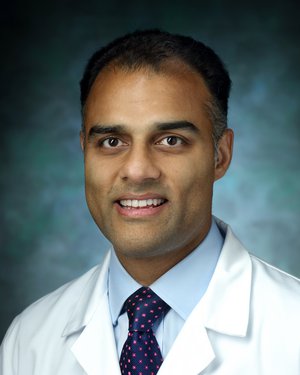 Vikesh Singh合作论文数Comprehensive Transplant Center, Johns Hopkins University;Pancreatitis Center, Johns Hopkins University;School of Medicine, Johns Hopkins University7
 Piotr Witkowski合作论文数Transplantation Institute, University of Chicago7
 Gregory Tsongalis合作论文数7
 Luis F. Lara合作论文数University of Texas Southwestern Medical School7
 Martin Wijkstrom合作论文数Diabetes Institute for Immunology and Transplantation, University of Minnesota7
 Alexander J. Lazar合作论文数Department of Anatomical Pathology, Division of Pathology-Lab Medicine, The University of Texas M.D. Anderson Cancer Center;Department of Genomic Medicine, Division of Basic Science Research, The University of Texas MD Anderson Cancer Center;Department of Translational Molecular Pathology, Division of Pathology/Lab Medicine, The University of Texas MD Anderson Cancer Center7
 Jaimie Nathan合作论文数Department of Surgery, Duke University Medical Center7
 Varvara Kirchner合作论文数Schulze Diabetes Institute, University of Minnesota7Srinath Chinnakotla合作论文数7
 Bashoo Naziruddin合作论文数Med Ctr, Baylor Univ7Bassem Zaki合作论文数6
 Ty B. Dunn合作论文数Surgery Faculty, Perelman School of Medicine, University of Pennsylvania6
 Maisam Abu-El-Haija合作论文数6
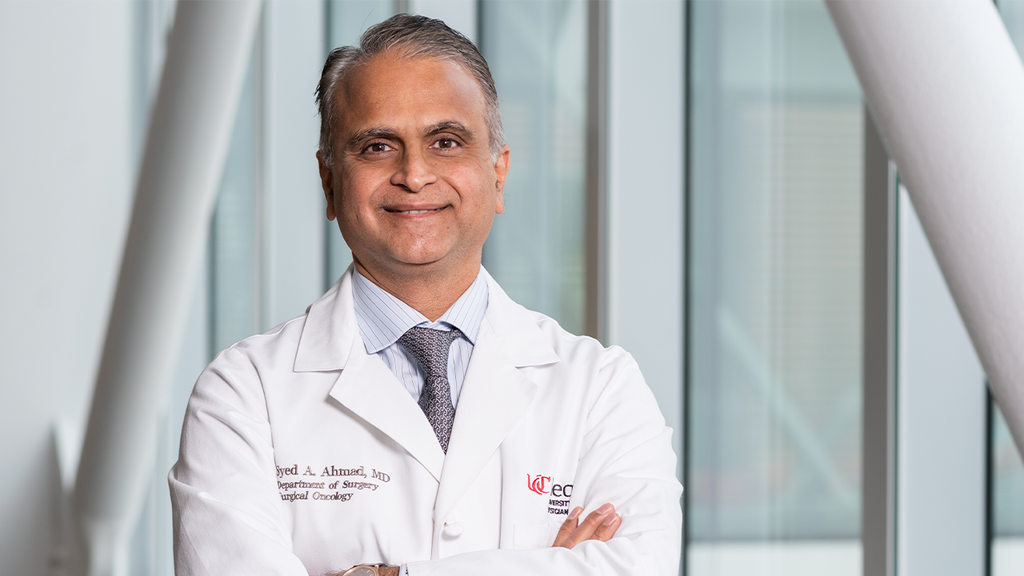 Ahmad Syed A合作论文数6
 Raphael E Pollock合作论文数College of Medicine, The Ohio State University;The Ohio State University Comprehensive Cancer Center6
 J. Marc Pipas合作论文数GeoVax Labs, Inc.6Thomas A. Colacchio合作论文数6K. Morgan合作论文数5
 G. J. Tsongalis合作论文数Audrey & Theodor Geisel Sch Med Dartmouth, Lebanon, NH USA5D. L. Conwell合作论文数5D. Adams合作论文数5Andrew M Posselt合作论文数5Lahat Guy合作论文数5
 Richard J. Barth Jr.合作论文数Department of Surgery, Geisel School of Medicine, Dartmouth College5
 James Hodges合作论文数Division of Biostatistics, School of Public Health, University of Minnesota5Liu Xiaoying合作论文数5Kai Bickenbach合作论文数5
 Sunil Advani合作论文数Department of Radiation and Cellular Oncology, the University of Chicago5John E. Sutton合作论文数5Jula Veerapong合作论文数5Erik T. Kimchi合作论文数4
 Scott Bell合作论文数4




