Relapse is common after hematopoietic stem cell transplantation (HSCT) for acute lymphoblastic leukemia (ALL). Although 1200 cGy total body irradiation (TBI) and cyclophosphamide (Cy) is the standard conditioning regimen, attempts to reduce relapse have led to the addition of a second chemotherapeutic agent and/or higher dose of TBI. We examined HSCT outcomes in patients age <18 years with ALL, in second or subsequent remission or in relapse at transplantation. Most transplantations were performed with the patient in remission. Patients received grafts from an HLA-matched sibling or unrelated donor. Four treatment groups were created: (1) Cy + TBI ≤ 1200 cGy (n = 304), (2) Cy + etoposide + TBI ≤ 1200 cGy (n = 108), (3) Cy + TBI ≥ 1300 cGy (n = 327), and (4) Cy + etoposide + TBI ≥ 1300 cGy (n = 26). Neither TBI > 1200 cGy nor the addition of etoposide resulted in fewer relapses. The 5-year probability of relapse was 30% for group 1, 28% for group 2, 35% for group 3, and 31% for group 4. However, transplantation-related mortality was higher (35% versus 25%, P = .02) and overall survival lower (36% versus 48%, P = .03) in group 4 compared with group 3. Our findings indicate that compared with the standard regimen, neither TBI > 1200 cGy nor the addition of etoposide improves survival after HSCT for ALL.
PURPOSE:Allogeneic hematopoietic cell transplantation (HCT) is curative but is associated with life-threatening complications. Most deaths occur within the first 2 years after transplantation. In this report, we examine long-term survival in 2-year survivors in the largest cohort ever studied.PATIENTS AND METHODS:Records of 10,632 patients worldwide reported to the Center for International Blood and Marrow Transplant Research who were alive and disease free 2 years after receiving a myeloablative allogeneic HCT before 2004 for acute myelogenous or lymphoblastic leukemia, myelodysplastic syndrome, lymphoma, or severe aplastic anemia were reviewed.RESULTS:Median follow-up was 9 years, and 3,788 patients had been observed for 10 or more years. The probability of being alive 10 years after HCT was 85%. The chief risk factors for late death included older age and chronic graft-versus-host disease (GVHD). For patients who underwent transplantation for malignancy, relapse was the most common cause of death. The greatest risk factor for late relapse was advanced disease at transplantation. Principal risk factors for nonrelapse deaths were older age and GVHD. When compared with age, sex, and nationality-matched general population, late deaths remained higher than expected for each disease, with the possible exception of lymphoma, although the relative risk generally receded over time.CONCLUSION:The prospect for long-term survival is excellent for 2-year survivors of allogeneic HCT. However, life expectancy remains lower than expected. Performance of HCT earlier in the course of disease, control of GVHD, enhancement of immune reconstitution, less toxic regimens, and prevention and early treatment of late complications are needed.
Hematopoietic cell transplantation (HCT) is an intensive treatment for hematologic malignancies that has the potential to cure disease or prolong life but also to impair quality of life for survivors Earlier studies have suggested that various factors are associated with physical and mental health after HCT In this study we evaluated demographic and clinical factors before and after HCT and selected psychosocial factors after HCT exploring their association with self-reported physical and mental health We studied a cohort of 662 survivors at a median of 6 6 years after HCT Pre-HCT demographic and clinical factors accounted for only a small amount of the variance in physical and mental health post-HCT (3% and 1% respectively) Adding post HCT clinical variables to the pre-HCT factors accounted for 32% and 7% of physical and mental outcomes respectively When both clinical and psychosocial factors were considered better physical health post-HCT was associated with younger age race other than white higher current family income currently working or being a student less severe transplantation experience (le not experiencing graft-versus-host disease) fewer current comorbidities higher Karnofsky status less social constraint, less social support and less trait anxiety This multivariate model accounted for 36% of the variance in physical health with the psychosocial variables contributing very little When both clinical and psychosocial factors were considered better mental health after HCT was associated with more severe transplantation experience less social constraint greater spiritual well being and less trait anxiety This multivariate model accounted for 56% of the variance in mental health with the psychosocial factors accounting for most of the variance These data suggest that clinical factors are explanatory for much of the post-HCT physical health reported by HCT survivors but very little of self-perceived mental health These observations provide insight into the identification of factors that can allow recognition of at risk patients as well as factors amenable to intervention Biol Blood Marrow Transplant 16 1681-1691 (2010) (C) 2010 American Society for Blood and Marrow Transplantation
PURPOSE Allogeneic hematopoietic cell transplantation (HCT) is curative therapy for chronic myeloid leukemia (CML), but its long-term outcomes are not well described. We studied the long-term outcomes of CML patients in first chronic phase who receive an allogeneic HCT. PATIENTS AND METHODS Our study included 2,444 patients who received myeloablative HCT for CML in first chronic phase between 1978 and 1998 and survived in continuous complete remission for at least 5 years (median follow-up, 11 years; range, 5 to 25 years). Donor sources were human leukocyte antigen-matched siblings in 1,692 patients, unrelated donors in 639 patients, and other related donors in 113 patients. RESULTS Overall survival rates at 15 years were 88% (95% CI, 86% to 90%) for sibling HCT and 87% (95% CI, 83% to 90%) for unrelated donor HCT. Corresponding cumulative incidences of relapse were 8% (95% CI, 7% to 10%) and 2% (95% CI, 1% to 4%), respectively. The latest relapse was reported 18 years post-HCT. In multivariable analyses, history of chronic graft-versus-host disease increased risks of late overall mortality and nonrelapse mortality but reduced risks of relapse. In comparison with age-, race-, and sex-adjusted normal populations, the mortality of HCT recipients was significantly higher until 14 years post-HCT; thereafter, mortality rates were similar to those of the general population (relative mortality ratio at 15 years, 2.3; 95% CI, 0 to 4.9). CONCLUSION Recipients of allogeneic HCT for CML in first chronic phase who remain in remission for at least 5 years have favorable subsequent long-term survival, and their mortality rates eventually approach those of the general population.
Little is known about the health promotion, prevention, and disease screening behaviors of cancer survivors treated with hematopoietic cell transplantation (HCT), who undergo arduous treatment and may be at particular risk for late effects and secondary malignancies. The purposes of this study were to examine the current health and secondary prevention behaviors of long-term HCT survivors compared with matched controls without cancer, and to identify sociodemographic and clinical factors associated with appropriate preventive practices. HCT survivors (n = 662) were drawn from 40 North American transplantation centers. Peer-nominated acquaintances of survivors matched on sex, age, education, and marital status served as controls (n = 158). Data were collected a mean of 6.7 years post-HCT (range, 1.8-22.6 years). Despite a greater frequency of physical exams, the HCT survivors had similar health and screening behaviors as the matched controls. Sociodemographic factors were associated with health prevention behaviors in expected ways. Some differences between disease group and type of transplant were found, with survivors of acute leukemia less likely to report regular exercise, autologous transplant survivors more likely than allogeneic transplant survivors to report screenings for breast and cervical cancer, and allogeneic transplant survivors more likely than autologous transplant survivors to report undergoing a skin exam in the previous year. Despite higher levels of engagement with health care providers, HCT survivors had similar health behaviors as matched controls and comparable to those reported by cancer survivors who did not undergo HCT. There remains considerable room for improvement. These findings support the need for further education of both HCT survivors and health practitioners. Bird Blood Marrow Transplant 16: 207-214 (2010) (C) 2010 American Society for Blood and Marrow Transplantation
Abstract Abstract 3321 Poster Board III-209 Prior to the advent of tyrosine kinase inhibitors, allogeneic HCT was standard therapy for CML. However, very long-term outcomes of allogeneic HCT for CML are not well described. To evaluate the probability and risk factors for late mortality and relapse in this patient population, we conducted a retrospective cohort study that included 2444 patients who received a myeloablative allogeneic HCT for CML in first chronic phase between 1978 and 1998 and had survived in continuous complete remission for at least 5 years. Relapse was considered the earliest reported date of the following: hematologic recurrence, cytogenetic recurrence or initiation of therapy for recurrence. The median followup of our cohort was 11 years (range, 5-25) from HCT; 377 patients had followup >15 years. Donor sources were HLA-matched siblings (MSD) in 1692, unrelated donors (URD) in 639 and other related donors in 113 patients. The median age at HCT was 35 years and patients primarily received bone marrow grafts (96%) and conditioning using either total-body irradiation (TBI, 61%) or BuCy (38%) regimens. Acute and chronic graft-versus-host disease (GVHD) occurred in 43% and 62% of patients, respectively. The probabilities of overall survival at 15 years were 88% (95% CI, 86-90%) for MSD and 87% (83-90%) for URD recipients. Corresponding cumulative incidences of relapse at 15 years were 8% (7-10%) and 2% (1-4%), respectively. The latest reported relapse occurred 18 years post-HCT. In multivariable analyses addressing the importance of patient, disease and transplant related factors for long-term survival, older age at HCT, use of female donor for a male recipient, use of TBI based conditioning, acute GVHD and chronic GVHD all independently increased the risk of late mortality. Chronic GVHD reduced the risk of relapse, but increased the risk of non-relapse mortality. Recipients of MSD and URD had similar risks of long-term mortality, relapse and non-relapse mortality. Compared to an age, gender and race adjusted general population, 5 year survivors of HCT for CML were 2.9 times (95% CI, 1.9-3.9) more likely to die at 6 years and 2.5 times (1.3-3.7) more likely to die at 10 years after HCT. However, by 15 years after HCT, their relatively mortality (2.3 [0-4.9]) was not significantly different than the general population. In summary, recipients of allogeneic HCT for CML in first chronic phase who remain in remission for at least 5 years after HCT have very favorable subsequent long-term survival with mortality rates eventually approaching those of the general population. There is a small but continuing risk of relapse even in these long-term survivors. Chronic GVHD protects against relapse but increases the risks of non-relapse mortality. Disclosures No relevant conflicts of interest to declare.
Using the Center for International Blood and Marrow Transplant Research (CIBMTR) data, we compared the transplant outcomes of patients with chronic myelogenous leukemia (CML) who were nonsmokers (NS) and past or current smokers (PCS). There were 2193 NS and 625 PCS who received matched sibling and unrelated donor allografts for CML in first chronic phase. We looked for dose effects and identified low and high dose smoking groups (>10 pack years, >1 pack per day). Outcomes were adjusted for known prognostic variables including the European Group for Blood and Marrow Transplant (EBMT) risk score. In multivariate analyses of sibling allograft recipients, relapse risk (RR) was higher (RR=1.67, P=.003) in smokers than NS, but the dose effects were not consistent. High-dose smokers experienced a 50% treatment-related mortality (TRM) versus 28% in the NS group at 5 years on univariate analysis, and the RR was 1.57 (P=.005) on multivariate analysis. Overall survival (OS) at 5 years was 68% in NS versus 62% in the low-dose smoking group versus 50% in the high-dose smoking group (P < .001). Smoking did not significantly affect outcomes in unrelated donor recipients, but numbers were smaller. High-dose smoking is associated with a reduction in OS in patients having sibling allografts for CML. A prospective study with detailed demographic, pulmonary function, and quality-of-life data would improve our understanding of this issue.
Myelofibrosis is a myeloproliferative disorder characterized by splenomegaly, bone marrow fibrosis and immature white and red blood cells. Allogeneic transplantation is the only curative therapy. In this study, we analyzed the outcomes of 320 patients receiving allogeneic hematopoietic stem cell transplants for myelofibrosis between 1989 and 2002, using the databases of the Center for International Bone Marrow Transplant Research (CIBMTR), a research affiliation of the International Bone Marrow Transplant Registry (IBMTR) and the National Marrow Donor Program (NMDP). This is the largest report of transplantation for myelofibrosis. Patients received a variety of conditioning and graft versus host disease prophylaxis regimens. Most patients received ablative conditioning with either TBI (n=117) or Busulfan (n=150) and cyclophosphamide. Bone marrow was the graft source in 208 patients. 170 transplants were from an HLA-identical sibling donor, 117 from an unrelated donor (MUD), and 33 from an alternative related donor. Median ages at transplant were 45 (<1–73), 47 (1–69) and 40 (<1–65) years, respectively. Median follow up times for survivors were 41 (3–136), 48 (4–124) and 32 (7–118) months, respectively. Both early and long-term survival rates were higher after HLA-identical sibling transplantation. 100-day mortality was 22% after sibling transplants, 42% after MUD transplants, and 27% after alternative family donor transplants. Corresponding 5 year overall survival rates were 39%, 31% and 31%. In multivariate analysis of 215 adult recipients of myeloablative transplants, having an HLA-identical sibling donor, Karnofsky performance score greater than or equal to 90%, younger age, more recent date of transplantation, and absence of blasts in peripheral blood prior to transplantation correlated with better survival. Among 18 patients with all of these favorable factors, the five-year probability of survival was 81%. In conclusion, 1) allogeneic transplantation cures approximately 1/3 of patients with myelofibrosis; 2) young patients with HLA-matched sibling donors have superior survival; 3) results have improved over the last decade. Future research directions will focus on the use of nonmyeloablative conditioning regimens for myelofibrosis.
Abstract Abstract 520 Allogeneic hematopoietic-cell transplantation (HCT) is potentially curative therapy for a variety of hematologic disorders. Most deaths after HCT occur within the first 2-years, due to relapse, acute or chronic graft-versus-host disease (GVHD) or regimen-related toxicities. Among allogeneic HCT recipients who had survived in complete remission (CR) for at least 2-years following transplantation, we (1) investigated their long-term survival, (2) evaluated risk factors for late mortality, and (3) compared their long-term survival to that of the general population. Our study cohort consisted of 10,632 patients who received a myeloablative allogeneic HCT through 2003, surviving in CR for 2-years after transplant reported to the CIBMTR. The median followup of our cohort was 9 (range, 2-31) years; 37% of survivors were followed for ≥10-years and 12% for ≥15-years. Diagnoses included acute myeloid leukemia (AML, N=4,017), acute lymphoblastic leukemia (ALL, N=2,895), myelodysplastic syndrome (MDS, N=930), lymphoma (N=619) and severe aplastic anemia (SAA, N=2,171). Donors were HLA-identical siblings (72%), unrelated donors (22%) or other related donors (6%). Patients <20 years of age comprised 45% of our cohort and 17% were >40 years at HCT. Total body irradiation (TBI) based conditioning regimens were given to 60% of patients. Most frequent conditioning regimens were cyclophosphamide + TBI for AML, ALL and lymphoma, busulfan + cyclophosphamide for MDS and cyclophosphamide alone for SAA. Acute grade 2-4 GVHD had occurred in 39% and 43% patients experienced chronic GVHD by 2-years after HCT. Probability of overall survival at 10-years after HCT was 84% (95% CI, 82-85%) for AML, 84% (82-85%) for ALL, 80% (77-83%) for MDS, 84% (81-87%) for lymphoma and 92% (91-93%) for SAA. Disease relapse was the most common cause of death for AML, ALL, MDS, and lymphoma while GVHD was the most common cause of death for SAA. The cumulative incidence of relapse at 10-years post-HCT was 10% (9-11%) for AML, 9% (8-10%) for ALL, 10% (8-12%) for MDS and 6% (4-8%) for lymphoma. Older age at HCT and chronic GVHD were both associated with greater late mortality for all diseases in Cox-regression analyses that accounted for important patient, disease and transplant related factors (Table). Furthermore, some risk factors were associated with increased mortality for specific diseases only, including: more advanced disease (AML, ALL), peripheral blood as graft source (ALL), acute GVHD (MDS and SAA), unrelated donor (lymphoma) and longer time from diagnosis (SAA). Overall survival rates at 10-years post-HCT for patients with and without chronic GVHD were 79% and 89% for AML, 80% and 87% for ALL, 75% and 87% for MDS, 80% and 90% for lymphoma and 87% and 95% for SAA. At 15-years after HCT, the relative mortality of patients who had received HCT for AML, ALL, MDS and SAA remained significantly higher than in age-, race- and gender-matched normal populations. Mortality rates for lymphoma patients were not significantly different than those of the matched general population after 8-years post-HCT. Recipients of myeloablative allogeneic HCT for AML, ALL, MDS, lymphoma and SAA who remain in remission for at least 2-years have favorable subsequent long-term survival. Older age at HCT and chronic GVHD are important risk factors for late deaths in all diseases evaluated. Disclosures: No relevant conflicts of interest to declare.
We evaluated 26 901 patients who underwent allogeneic hematopoietic cell transplantation (HCT) at 271 centers worldwide to define patterns of posttransplantation lymphoproliferative disorders (PTLDs). PTLDs developed in 127 recipients, with 105 (83%) cases occurring within 1 year after transplantation. In multivariate analyses, we confirmed that PTLD risks were strongly associated (P < .001) with T-cell depletion of the donor marrow, antithymocyte globulin (ATG) use, and unrelated or HLA-mismatched grafts (URD/HLA mismatch). Significant associations were also confirmed for acute and chronic graft-versus-host disease. The increased risk associated with URD/HLA-mismatched donors (RR = 3.8) was limited to patients with T-cell depletion or ATG use (P = .004). New findings were elevated risks for age 50 years or older at transplantation (RR = 5.1; P < .001) and second transplantation (RR = 3.5; P < .001). Lower risks were found for T-cell depletion methods that remove both T and B cells (alemtuzumab and elutriation, RR = 3.1; P = .025) compared with other methods (RR = 9.4; P = .005 for difference). The cumulative incidence of PTLDs was low (0.2%) among 21 686 patients with no major risk factors, but increased to 1.1%, 3.6%, and 8.1% with 1, 2, and more than 3 major risk factors, respectively. Our findings identify subgroups of patients who underwent allogeneic HCT at elevated risk of PTLDs for whom prospective monitoring of Epstein-Barr virus activation and early treatment intervention may be particularly beneficial.
We identified 19 persons with B-cell chronic lymphocytic leukemia (CLL) who received genetically identical twin blood cell or bone marrow transplants after high-dose conditioning. Ten are alive (eight disease-free) with a median follow-up of 89 months (range, 31–171 months); 5-year relapse rate was 50% (95% confidence interval (CI), 26–73%). Estimated 5-year survival and disease-free survival were 61% (95% CI, 37–82%) and 45% (95% CI, 23–68%). In two of four patients tested at 12 and 21 months by polymerase chain reaction no evidence of residual CLL was detected post-transplant. In one recipient who relapsed at 6 years, molecular studies showed a different CLL clone from that detected pretransplant. This clone was subsequently identified in the donor suggesting transfer of occult leukemia at the time of transplant. Genetically identical twin transplants can result in long-term disease-free survival and molecular remissions, these data suggest the potential for CLL control in the absence of allogeneic graft-versus-leukemia effect. The case of leukemia transfer indicates the need for careful evaluation of donors prior to graft collection.
PURPOSE Little is known about the long-term effects of cancer and hematopoietic stem-cell transplantation (HCT) on spouses or partners. The purpose of this study was to examine the health-related quality of life and post-traumatic growth (PTG) of spouses/partners compared with survivors and controls and to identify factors associated with those outcomes. PATIENTS AND METHODS HCT survivor/partner pairs (n = 177), coupled continuously since HCT, were drawn from 40 North American transplantation centers. Married peer-nominated acquaintances (of survivors) served as controls (n = 133). Outcomes were measured a mean of 6.7 years after HCT (range, 1.9 to 19.4 years). RESULTS As expected, self-reported partner physical health was similar to controls and better than survivors (P < .001). However, partners reported more fatigue and cognitive dysfunction than controls (P < .001 for both), although less than survivors. Partners and survivors reported more depressive symptoms and sleep and sexual problems than controls (P < .001, P < .01, and P < .01, respectively). Odds of partner depression were nearly 3.5 times that of controls (P < .002). Depressed partners were less likely than depressed survivors to receive mental health treatment (P < .04). Partners reported less social support (P < .001), dyadic satisfaction (P < .05), and spiritual well-being (P < .05) and more loneliness (P < .05) than both survivors and controls. In contrast to survivors, partners reported little PTG (P < .001). Factors associated with partner outcomes included partner health problems, coping, female sex, social constraint, survivor depression, optimism, multiple life changes, and social support. CONCLUSION Spouses/partners experience similar emotional and greater social long-term costs of cancer and HCT than survivors without the potential compensatory benefits of PTG. Some of the factors associated with partner outcomes are amenable to intervention.
The discovery and approval of imatinib drastically changed the therapeutic algorithm for chronic myeloid leukaemia (CML). Imatinib is now considered the therapy of choice for patients with newly diagnosed CML, including those previously considered candidates for allogeneic haematopoietic cell transplantation (HCT). We compared numbers and types of allogeneic HCTs performed for CML in North America before and after the introduction of imatinib, and publication of the International Randomized Trial of Interferon and STI571 (IRIS) using transplants reported to the Center for International Blood and Marrow Transplant Research (CIBMTR). The number of HCTs for CML registered with the CIBMTR in 1998 was 617; 62% were performed in first chronic phase (CP1). Only 1% of patients had received imatinib prior to transplantation. In 2003, the number of HCTs reported was 223; 44% were performed in CP1 and 77% of patients received imatinib prior to transplantation. The introduction of imatinib therapy has had a profound impact on the use of allogeneic transplantation for CML, with a marked decrease in the number of transplants for CML and an accompanying decrease in the proportion done in CP1. Most patients now receive a trial of imatinib before proceeding to HCT.
The European Group for Blood and Marrow Transplantation (EBMT) devised a scoring system to predict survival after allogeneic haematopoietic stem cell transplantation (HSCT) for chronic myeloid leukaemia (CML). The present International Bone Marrow Transplant Registry study of 3211 patients tested the EBMT Risk Score in a independent population, investigated the value of adding other variables, evaluated a new risk score specifically for chronic phase and compared the allograft risk scores with risk scores established by Sokal in 1984 and Hasford in 1998 for survival with non-transplant treatments. The primary outcome was 5-year survival after HSCT; survival curves, regression models and measurements of explained variation were used to compare scores. Using the EBMT scoring system, survival in the independent dataset was almost identical to those in the original EBMT publication, thus validating the EBMT Risk Score. Adding one extra variable, performance status, or designing a score specifically for early chronic phase by using the original five variables with different breakpoints gave results only slightly better than the original EBMT Score. Sokal and Hasford Scores did not predict survival after HSCT. We concluded that the EBMT Risk Score does not currently require modification.
The Center for International Blood and Marrow Transplant Research (CIBMTR) is an international study group involved in ongoing investigations of allogeneic (allo), syngeneic and autologous (auto) transplantations. They have collected data from over 550 institutions worldwide. With the CIBMTR providing information on oral busulfan (Bu) usage from their clinical database, a matched pairs analysis was conducted comparing these data against clinical data obtained from patients receiving intravenous busulfan (IV Busulfex, IVBu) in four clinical studies and two clinical amendments.
Studies of genetically identical-twin transplants are a novel opportunity to study how transplants work because: (1) there is no allogeneic effect; (2) no leukemia cells in the graft; and (3) no graft exposure to therapy. We conducted an international study that identified 19 subjects who received syngeneic bone marrow (N=11) or blood cell (N=8) transplants after myeloablative conditioning. 11 were males; age 51 y (range, 37–68 y). 18 received total body radiation. None had Richter transformation. Interval from diagnosis to transplant was 27 mo (5–171 mo). At transplant 8 had Rai stage 3/4, 5 had >50x10e9/L lymphocytes, 10 received ≥3 prior therapies, 8 had prior fludarabine, and 5 had a prior complete remission (CR). 18 engrafted and 13 achieved posttransplant CR; median time to CR was 3 mo (1–5 mo). Probability of 100 d survival was 89% (95% CI, 72–99%).10 subjects are alive (8 disease-free) at median follow-up of 63 mo (9–116 mo). Ten subjects either never achieved CR (N=6) or relapsed posttransplant (N=4). 5-y cumulative incidence of relapse was 52% (27–77%). Estimated 5-y survival and disease-free survival were 59% (34–81%) and 43% (20–67%), respectively. Causes of death included interstitial pneumonitis (N=1) and leukemia (N=8). 5-y cumulative incidence of treatment-related mortality (TRM) is 5% (0–20%). We used a highly sensitive (10e-4 to 10e-5) PCR method to examine post transplant blood (2 pts) or bone marrow (2 pts) samples for the tumor specific IgH gene (CDR)III to assess minimal residual disease (MRD). IgH CDR III was PCR amplified in pre transplant B-CLL samples from 4 pts to obtain the sequence to design tumor-specific primer probes for MRD. No evidence of MRD was detected in two pts at 12 and 21 mo posttransplant. A very weak clonal signal was identified in one pt at 64 mo. All three of these pts were in continuous clinical CR at 12, 60, and 66 mo, respectively. In one pt, who relapsed with B-CLL 6 y after transplant, molecular studies at 10 y follow-up demonstrated a very strong molecular signal but of a different clone. Additional investigation identified familial CLL where the donor was also diagnosed with B-CLL soon after marrow donation. Molecular analysis of the donor B-CLL showed a clone identical to the recipient’s post-transplant relapse, strongly indicating B-CLL transmission at the time of transplant. This study demonstrates that identical twin transplants can be performed in advanced B-CLL with little TRM and with a high-rate of durable clinical and molecular remissions. The 5-y leukemia relapse rate of 52% is higher than that in studies of similar subjects receiving allotransplants but lower than after autotransplants. We also report B-CLL transfer from a twin donor demonstrating the need for careful evaluation of allogeneic donors prior to graft collection.
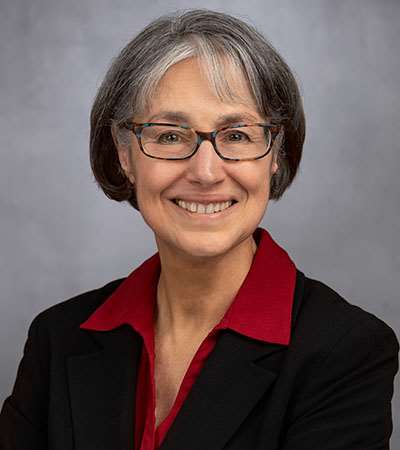 Mary M. Horowitz合作论文数Center for International Blood and Marrow Transplant Research, Medical College of Wisconsin;Division of Hematology and Oncology, Medical College of Wisconsin;Cancer Center, Froedtert Hospital27
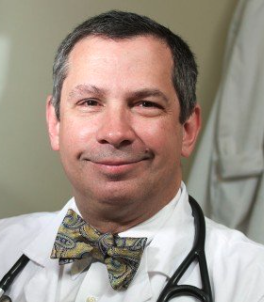 Sergio A. Giralt合作论文数Division of Hematologic Malignancies, Memorial Sloan Kettering Cancer Center;Weill Cornell Medical College, Memorial Sloan Kettering Cancer Center10
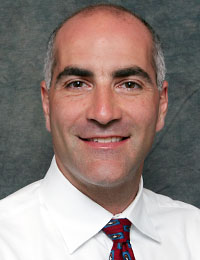 James D. Rizzo合作论文数Department of Medicine, Faculty Collaboration Database, Medical College of Wisconsin;Division of Hematology and Oncology, Medical College of Wisconsin9
 Robert Peter Gale合作论文数Centre for Haematology, Department of Immunology and Inflammation, Imperial College London;Division of Experimental Medicine, Imperial College London7
 John P. Klein合作论文数Division of Biostatistics, Medical College of Wisconsin6
 Mei-Jie Zhang合作论文数5
 Gerard Socie合作论文数AP-HP Hospital Saint Louis;University of Paris5
 John R Wingard合作论文数Division of Hematology & Oncology, Department of Medicine, College of Medicine, University of Florida Health5Zhiwei Wang合作论文数5
 Navneet Majhail合作论文数Sarah Cannon;Tristar Division, HCA Healthcare4
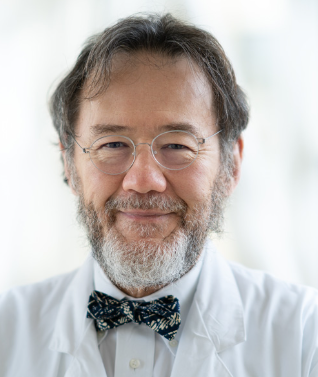 Philip McCarthy合作论文数Department of Medicine, Roswell Park Comprehensive Cancer Center;Jacobs School of Medicine and Biomedical Sciences, University at Buffalo4
 Alexandra (Lisa) H. Filipovich合作论文数Department of Pediatrics, UC;Cincinnati Children’s Hospital Medical Center4
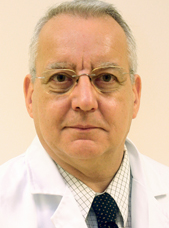 Emili Montserrat合作论文数University of Barcelona;Institute of Hematology and Oncology, Hospital Clínic4
 Mukta Arora合作论文数Botany Department, Ahir College, Rewari4G Bandini合作论文数3C Pelz合作论文数3M Ireland合作论文数3
 Brian J Bolwell合作论文数3
 Olle Ringden合作论文数Department of Clinical Science, Intervention and Technology, Karolinska University3C. Fred Lemaistre合作论文数3Michelle M. Bishop合作论文数3Craig Kollman合作论文数3
 Michael Andrykowski合作论文数Department of Behavioral Science, University of Kentucky3
 Walter Feremans合作论文数3Steven Z. Pavletic合作论文数3
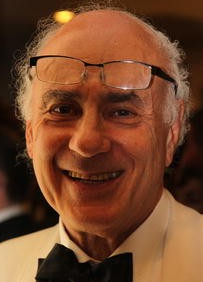 John M. Goldman合作论文数Imperial College London3
 Niels Jacobsen合作论文数3
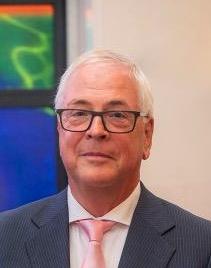 Harry C. Schouten合作论文数University Hospital Maastricht3H. G. Prentice合作论文数3V. Rocha合作论文数2Banks, Peter M合作论文数2J Dipersio合作论文数2
 Vikas Gupta合作论文数Cancer Clinical Research Unit, Princess Margaret Cancer Centre2
 Jakob Passweg合作论文数University of Basel;Basel University Hospital2Peters M A合作论文数2Schultz K J合作论文数2Nassif K合作论文数2Sorror Mohamed L合作论文数2
 Stephanie Lee合作论文数Clinical Research Division, Fred Hutchinson Cancer Center2
 Richard T. Maziarz合作论文数Oregon Health and Science University2
 Elaine S. Jaffe合作论文数Laboratory of Pathology, Center for Cancer Research, National Cancer Institute, National Institutes of Health2G Zhou合作论文数2
 Augustin Ferrant合作论文数Centre Médical Du Puits De Jacob2Theresa Hahn合作论文数Roswell Park Cancer Institute2
 Lois B. Travis合作论文数Comprehensive Cancer Center, Indiana University;Department of Medicine, Indiana University;Division of Hematology/Oncology, School of Medicine, Indiana University2
 Philip Rowlings合作论文数Health Policy Institute, Medical College of Wisconsin2
 Jennifer L Beaumont合作论文数Terasaki Research Institute, Los Angeles, CA2
 David Marks合作论文数University Hospitals Bristol NHS Foundation Trust2Issa F Khouri合作论文数2




