Import and assembly of mitochondrial proteins into multimeric complexes are essential for cellular function. Yet, many steps of these processes and the proteins involved remain unknown. Here, we identify a novel pathway for disulfide bond formation and assembly of mitochondrial inner membrane (IM) proteins. Dbi1, a previously uncharacterized IM protein, interacts with an unassembled pool of Tim17, the central subunit of the presequence translocase of the IM, and is upregulated in cells with increased levels of unassembled Tim17. In the absence of Dbi1, the conformation of the presequence translocase is affected and stability of Tim17 is reduced. Furthermore, Dbi1, through its conserved CxxC motif, is involved in the formation of the disulfide bond in Tim17 in a manner independent of the disulfide relay system, the major oxidation-driven protein import pathway into mitochondria. The substrate spectrum of Dbi1 is not limited to Tim17 but includes at least two more IM proteins, Tim22 and Cox20. We conclude that Dbi1 is a novel oxidoreductase in mitochondria which introduces disulfide bonds into IM proteins and chaperones their assembly into multimeric protein complexes.
Mia40/CHCHD4 and Erv1/ALR are essential for oxidative protein folding in the mitochondrial intermembrane space of yeast and mammals. In contrast, many protists, including important apicomplexan and kinetoplastid parasites, lack Mia40. Furthermore, the Erv homolog of the model parasite Leishmania tarentolae (LtErv) was shown to be incompatible with Saccharomyces cerevisiae Mia40 (ScMia40). Here we addressed structure-function relationships of ScErv1 and LtErv as well as their compatibility with the oxidative protein folding system in yeast using chimeric, truncated, and mutant Erv constructs. Chimeras between the N-terminal arm of ScErv1 and a variety of truncated LtErv constructs were able to rescue yeast cells that lack ScErv1. Yeast cells were also viable when only a single cysteine residue was replaced in LtErv(C17S). Thus, the presence and position of the C-terminal arm and the kinetoplastida-specific second (KISS) domain of LtErv did not interfere with its functionality in the yeast system, whereas a relatively conserved cysteine residue before the flavodomain rendered LtErv incompatible with ScMia40. The question whether parasite Erv homologs might also exert the function of Mia40 was addressed in another set of complementation assays. However, neither the KISS domain nor other truncated or mutant LtErv constructs were able to rescue yeast cells that lack ScMia40. The general relevance of Erv and its candidate substrate small Tim1 was analyzed for the related parasite L. infantum. Repeated unsuccessful knockout attempts suggest that both genes are essential in this human pathogen and underline the potential of mitochondrial protein import pathways for future intervention strategies.
Loss of expression of the methylation-controlled J gene, MCJ (DNAJC15), is observed in cases of several tumors and plays a crucial role in the chemoresistance of ovarian cancer cells. Aside from the pathophysiological effects, almost nothing is known about the cellular function of MCJ. Here, we provide the first evidence that MCJ acts in the biogenesis of mitochondria. Our results demonstrate that MCJ is located in mitochondria. It is anchored in the mitochondrial inner membrane with the C-terminal J domain facing the matrix space. We show that MCJ forms a stable subcomplex with a component of the mitochondrial import motor, MAGMAS, a protein overexpressed in cells treated with granulocyte-macrophage colony-stimulating factor and in prostate carcinomas. In addition, MCJ and MAGMAS interact with the core components of the TIM23 pre-protein translocase. We demonstrate that the recombinant soluble MCJ domain stimulates the ATPase activity of the human mtHsp70 chaperone, mortalin, the central component of the import motor of the TIM23 translocase. This stimulation is counteracted by MAGMAS. Moreover, pre-protein import into mitochondria is impaired in the absence of MCJ. Interestingly, MCJ is able to take over the function of Tim14, the essential J co-chaperone of the mitochondrial protein import motor in yeast. In summary, our results show that MCJ functions as J co-chaperone of the human TIM23 pre-protein translocase, suggesting a link between mitochondrial pre-protein import and tumorigenesis.
Mia40 and the sulfhydryl: cytochrome c oxidoreductase Erv1/ALR are essential for oxidative protein import into the mitochondrial intermembrane space in yeast and mammals. Although mitochondrial protein import is functionally conserved in the course of evolution, many organisms seem to lack Mia40. Moreover, except for in organello import studies and in silico analyses, nothing is known about the function and properties of protist Erv homologues. Here we compared Erv homologues from yeast, the kinetoplastid parasite Leishmania tarentolae, and the non-related malaria parasite Plasmodium falciparum. Both parasite proteins have altered cysteine motifs, formed intermolecular disulfide bonds in vitro and in vivo, and could not replace Erv1 from yeast despite successful mitochondrial protein import in vivo. To analyze its enzymatic activity, we established the expression and purification of recombinant full-length L. tarentolae Erv and compared the mechanism with related and non-related flavoproteins. Enzyme assays indeed confirmed an electron transferase activity with equine and yeast cytochrome c, suggesting a conservation of the enzymatic activity in different eukaryotic lineages. However, although Erv and non-related flavoproteins are intriguing examples of convergent molecular evolution resulting in similar enzyme properties, the mechanisms of Erv homologues from parasitic protists and opisthokonts differ significantly. In summary, the Erv-mediated reduction of cytochrome c might be highly conserved throughout evolution despite the apparent absence of Mia40 in many eukaryotes. Nevertheless, the knowledge on mitochondrial protein import in yeast and mammals cannot be generally transferred to all other eukaryotes, and the corresponding pathways, components, and mechanisms remain to be analyzed.
Chaperones mediate protein folding and prevent deleterious protein aggregation in the cell. However, little is known about the biogenesis of chaperones themselves. In this study, we report on the biogenesis of the yeast mitochondrial Hsp70 (mtHsp70) chaperone, which is essential for the functionality of mitochondria. We show in vivo and in organello that mtHsp70 rapidly folds after its import into mitochondria, with its ATPase domain and peptide-binding domain (PBD) adopting their structures independently of each other. Importantly, folding of the ATPase domain but not of the PBD was severely affected in the absence of the Hsp70 escort protein, Hep1. We reconstituted the folding of mtHsp70, demonstrating that Hep1 and ATP/ADP were required and sufficient for its de novo folding. Our data show that Hep1 bound to a folding intermediate of mtHsp70. Binding of an adenine nucleotide triggered release of Hep1 and folding of the intermediate into native mtHsp70. Thus, Hep1 acts as a specialized chaperone mediating the de novo folding of an Hsp70 chaperone.
The copper chaperone for superoxide dismutase 1 (Ccs1) provides an important cellular function against oxidative stress. Ccs1 is present in the cytosol and in the intermembrane space (IMS) of mitochondria. Its import into the IMS depends on the Mia40/Erv1 disulfide relay system, although Ccs1 is, in contrast to typical substrates, a multidomain protein and lacks twin Cx(n)C motifs. We report on the molecular mechanism of the mitochondrial import of Saccharomyces cerevisiae Ccs1 as the first member of a novel class of unconventional substrates of the disulfide relay system. We show that the mitochondrial form of Ccs1 contains a stable disulfide bond between cysteine residues C27 and C64. In the absence of these cysteines, the levels of Ccs1 and Sod1 in mitochondria are strongly reduced. Furthermore, C64 of Ccs1 is required for formation of a Ccs1 disulfide intermediate with Mia40. We conclude that the Mia40/Erv1 disulfide relay system introduces a structural disulfide bond in Ccs1 between the cysteine residues C27 and C64, thereby promoting mitochondrial import of this unconventional substrate. Thus the disulfide relay system is able to form, in addition to double disulfide bonds in twin Cx(n)C motifs, single structural disulfide bonds in complex protein domains.
Cells protect themselves against oxygen stress and reactive oxygen species. An important enzyme in this process is superoxide dismutase, Sod1, which converts superoxide radicals into water and hydrogen peroxide. The biogenesis of functional Sod1 is dependent on its copper chaperone, Ccs1, which introduces a disulfide bond and a copper ion into Sod1. Ccs1 and Sod1 are present in the cytosol but are also found in the mitochondrial intermembrane space (IMS), the compartment between the outer and the inner membrane of mitochondria. Ccs1 mediates mitochondrial localization of Sod1. Here, we report on the biogenesis of the fractions of Ccs1 and Sod1 present in mitochondria of Saccharomyces cerevisiae. The IMS of mitochondria harbors a disulfide relay system consisting of the import receptor Mia40 and the thiol oxidase Erv1, which drives the import of substrates with conserved cysteine residues arranged in typical twin Cx(3)C and twin Cx(9)C motifs. We show that depletion of Mia40 results in decreased levels of Ccs1 and Sod1. On the other hand, overexpression of Mia40 increased the mitochondrial fraction of both proteins. In addition, the import rates of Ccs1 were enhanced by increased levels of Mia40 and reduced upon depletion of Mia40. Mia40 forms mixed disulfides with Ccs1, suggesting a role of Mia40 for the generation of disulfide bonds in Ccs1. We suggest that the disulfide relay system transfers disulfide bonds via Mia40 to Ccs1, which then shuttles disulfide bonds to Sod1. In conclusion, the disulfide relay system is crucial for the import of Ccs1, thereby affecting the transport of Sod1, and it can control the distribution of Ccs1 and Sod1 between the IMS of mitochondria and the cytosol.
The co-chaperone Hep1 is required to prevent the aggregation of mitochondrial Hsp70 proteins. We have analyzed the interaction of Hep1 with mitochondrial Hsp70 (Ssc1) and the determinants in Ssc1 that make it prone to aggregation. The ATPase and peptide binding domain (PBD) of Hsp70 proteins are connected by a linker segment that mediates interdomain communication between the domains. We show here that the minimal Hep1 binding entity of Ssc1 consists of the ATPase domain and the interdomain linker. In the absence of Hep1, the ATPase domain with the interdomain linker had the tendency to aggregate, in contrast to the ATPase domain with the mutated linker segment or without linker, and in contrast to the PBD. The closest homolog of Ssc1, bacterial DnaK, and a Ssc1 chimera, in which a segment of the ATPase domain of Ssc1 was replaced by the corresponding segment from DnaK, did not aggregate in Delta hep1 mitochondria. The propensity to aggregate appears to be a specific property of the mitochondrial Hsp70 proteins. The ATPase domain in combination with the interdomain linker is crucial for aggregation of Ssc1. In conclusion, our results suggest that interdomain communication makes Ssc1 prone to aggregation. Hep1 counteracts aggregation by binding to this aggregation-prone conformer.
Oxidative folding drives the import of proteins containing twin CXnC motifs into the intermembrane space of mitochondria. This import pathway employs a disulfide relay system whose key components are the redox-regulated import receptor Mia40 and the thiol oxidase Erv1. Mia40 contains six cysteine residues in a CPC-CX9C-CX9C arrangement in a highly conserved domain. We show that this domain is sufficient for the function of Mia40. By analysis of Mia40 cysteine mutants we demonstrate that the cysteine residues have distinct roles and are not equally important for Mia40 function. The second cysteine residue is essential for viability of yeast cells. It is required for the interaction of Mia40 with Erv1 in a disulfide intermediate and forms a redox-sensitive disulfide bond with the first cysteine residue. Both cysteine residues are required for the oxidation of the substrate, Tim10, in a reconstituted system comprised of Mia40 and Erv1. Mutants with amino acid exchanges in the third and sixth cysteine residues have severe defects in growth and in the import of intermembrane space proteins. These Mia40 variants are not tightly folded. We conclude that the cysteine residues of the twin CX9C motif have a structural role and stabilize Mia40. In particular, the disulfide bond formed by the third and sixth cysteine residues apparently supports a conformation crucial for the function of Mia40. Furthermore, the disulfide bond in the CPC segment mediates the redox reactions with the thiol oxidase Erv1 and substrate proteins in mitochondria.
Proteins of the intermembrane space (IMS) of mitochondria fulfil crucial functions in cellular processes, such as transport of proteins and metal ions, ATP production and apoptotic cell death. All IMS proteins are synthesized in the cytosol and then transported across the mitochondrial outer membrane. A subset of these proteins contains disulphide bonds. For their import into the IMS, they employ a disulphide relay system, made up of two essential proteins, Mia40/Tim40 and the flavin-dependent sulfhydryl-electron transferase Erv1. The disulphide relay system introduces disulphide bonds in substrate proteins triggering their folding. The oxidative folding traps substrates in the IMS and thereby drives their net import into the IMS. Thus, protein import is coupled to oxidative protein folding, maybe providing a first control of protein quality. Here, we review the current knowledge about the Erv1-Mia40 system and address aspects that require further consideration.
Transport of essentially all matrix and a number of inner membrane proteins is governed, entirely or in part, by N-terminal presequences and requires a coordinated action of the translocases of outer and inner mitochondrial membranes (TOM and TIM23 complexes). Here, we have analyzed Tim50, a subunit of the TIM23 complex that is implicated in transfer of precursors from TOM to TIM23. Tim50 is recruited to the TIM23 complex via Tim23 in an interaction that is essentially independent of the rest of the translocase. We find Tim50 in close proximity to the intermembrane space side of the TOM complex where it recognizes both types of TIM23 substrates, those that are to be transported into the matrix and those destined to the inner membrane, suggesting that Tim50 recognizes presequences. This function of Tim50 depends on its association with TIM23. We conclude that the efficient transfer of precursors between TOM and TIM23 complexes requires the concerted action of Tim50 with Tim23.
The TIM23 complex is the major translocase of the mitochondrial inner membrane responsible for the import of essentially all matrix proteins and a number of inner membrane proteins. Tim23 and Tim50, two essential proteins of the complex, expose conserved domains into the intermembrane space that interact with each other. Here, we describe in vitro reconstitution of this interaction using recombinantly expressed and purified intermembrane space domains of Tim50 and Tim23. We established two independent methods, chemical cross-linking and surface plasmon resonance, to track their interaction. In addition, we identified mutations in Tim23 that abolish its interaction with Tim50 in vitro. These mutations also destabilized the interaction between the two proteins in vivo, leading to defective import of preproteins via the TIM23 complex and to cell death at higher temperatures. This is the first study to describe the reconstitution of the Tim50-Tim23 interaction in vitro and to identify specific residues of Tim23 that are vital for the interaction with Tim50.
Abstract Originally published in: Protein Folding Handbook. Part II. Edited by Johannes Buchner and Thomas Kiefhaber. Copyright © 2005 Wiley‐VCH Verlag GmbH & Co. KGaA Weinheim. Print ISBN: 3‐527‐30784‐2 The sections in this article are Introduction Translocation Machineries and Pathways of the Mitochondrial Protein Import System Import of Proteins Destined for the Mitochondrial Matrix Import into Mitochondria Requires Protein Unfolding Mechanisms of Unfolding by the Mitochondrial Import Motor Targeted Brownian Ratchet Power‐stroke Model Studies to Discriminate between the Models Studies on the Unfolding of Preproteins Comparison of the Import of Folded and Unfolded Proteins Import of Preproteins With Different Presequence Lengths Import of Titin Domains Unfolding by the Mitochondrial Membrane Potential ΔΨ Mechanistic Studies of the Import Motor Brownian Movement of the Polypeptide Within the Import Channel Recruitment of mtHsp70 by Tim44 Import Without Recruitment of mtHsp70 by Tim44 MtHsp70 Function in the Import Motor Conclusions
The compartment between the outer and the inner membranes of mitochondria, the intermembrane space (IMS), harbours a variety of proteins that contain disulfide bonds. Many of these proteins possess a conserved twin Cx(3)C motif or twin Cx(9)C motif. Recently, a disulfide relay system in the IMS has been identified which consists of two essential components, the sulfhydryl oxidase Erv1 and the redox-regulated import receptor Mia40/Tim40. The disulfide relay system drives the import of these cysteine-rich proteins into the IMS of mitochondria by an oxidative folding mechanism. In order to enable Mia40 to perform the oxidation of substrate proteins, the sulfhydryl oxidase Erv1 mediates the oxidation of Mia40 in a disulfide transfer reaction. To recycle Erv1 into its oxidized form, electrons are transferred to cytochrome c connecting the disulfide relay system to the electron transport chain of mitochondria. Despite the lack of homology of the components, the disulfide relay system in the IMS resembles the oxidation system in the periplasm of bacteria presumably reflecting the evolutionary origin of the IMS from the bacterial periplasm.
Mitochondria are organelles of eukaryotic cells fulfilling a variety of important functions. Their most prominent function is the generation of ATP by the process of oxidative phosphorylation, thereby providing the cell with a source of energy. In addition, many other metabolic processes take place ...
A disulphide relay system mediates the import of cysteine‐containing proteins into the intermembrane space of mitochondria. This system consists of two essential proteins, Mia40 and Erv1, which bind to newly imported proteins by disulphide transfer. A third component, Hot13, was proposed to be important in the biogenesis of cysteine‐rich proteins of the intermembrane space, but the molecular function of Hot13 remained unclear. Here, we show that Hot13, a conserved zinc‐binding protein, interacts functionally and physically with the import receptor Mia40. It improves the Erv1‐dependent oxidation of Mia40 both in vivo and in vitro . As a consequence, in mutants lacking Hot13, the import of substrates of Mia40 is impaired, particularly in the presence of zinc ions. In mitochondria as well as in vitro , Hot13 can be functionally replaced by zinc‐binding chelators. We propose that Hot13 maintains Mia40 in a zinc‐free state, thereby facilitating its efficient oxidation by Erv1.
Tim14 and Tim16 are essential components of the import motor of the mitochondrial TIM23 preprotein translocase. Tim14 contains a J domain in the matrix space that is anchored in the inner membrane by a transmembrane segment. Tim16 is a J-related protein with a moderately hydrophobic segment at its N terminus. The J and J-like domains function in the regulation of the ATPase activity of the Hsp70 chaperone of the import motor. We report here on the role of the hydrophobic segments of Tim16 and Tim14 in the TIM23 translocase. Yeast cells lacking the hydrophobic N-terminal segment in either Tim16 or Tim14 are viable but show growth defects and decreased import rates of matrix-targeted preproteins into mitochondria. The interaction of the Tim14 center dot Tim16 complex with the core complex of the TIM23 translocase is destabilized in these cells. In particular, the N-terminal domain of Tim16 is crucial for the interaction of the Tim14 center dot Tim16 complex with the TIM23 preprotein translocase. Deletion of hydrophobic segments in both, Tim16 and Tim14, is lethal. We conclude that import into the matrix space of mitochondria requires association of the co-chaperones Tim16 and Tim14 with the TIM23 preprotein translocase.
All proteins of the intermembrane space of mitochondria are encoded by nuclear genes and synthesized in the cytosol. Many of these proteins lack presequences but are imported into mitochondria in an oxidation-driven process that relies on the activity of Mia40 and Erv1. Both factors form a disulfide relay system in which Mia40 functions as a receptor that transiently interacts with incoming polypeptides via disulfide bonds. Erv1 is a sulfhydryl oxidase that oxidizes and activates Mia40, but it has remained unclear how Erv1 itself is oxidized. Here, we show that Erv1 passes its electrons on to molecular oxygen via interaction with cytochrome c and cytochrome c oxidase. This connection to the respiratory chain increases the efficient oxidation of the relay system in mitochondria and prevents the formation of toxic hydrogen peroxide. Thus, analogous to the system in the bacterial periplasm, the disulfide relay in the intermembrane space is connected to the electron transport chain of the inner membrane.
Mia40p and Erv1p are components of a translocation pathway for the import of cysteine-rich proteins into the intermembrane space of mitochondria. We have characterized the redox behavior of Mia40p and reconstituted the disulfide transfer system of Mia40p by using recombinant functional C-terminal fragment of Mia40p, Mia40C, and Erv1p. Oxidized Mia40p contains three intramolecular disulfide bonds. One disulfide bond connects the first two cysteine residues in the CPC motif. The second and the third bonds belong to the twin CX9C motif and bridge the cysteine residues of two CX9C segments. In contrast to the stabilizing disulfide bonds of the twin CX9C motif, the first disulfide bond was easily accessible to reducing agents. Partially reduced Mia40C generated by opening of this bond as well as fully reduced Mia40C were oxidized by Erv1p in vitro. In the course of this reaction, mixed disulfides of Mia40C and Erv1p were formed. Reoxidation of fully reduced Mia40C required the presence of the first two cysteine residues in Mia40C. However, efficient reoxidation of a Mia40C variant containing only the cysteine residues of the twin CX9C motif was observed when in addition to Erv1p low amounts of wild type Mia40C were present. In the reconstituted system the thiol oxidase Erv1p was sufficient to transfer disulfide bonds to Mia40C, which then could oxidize the variant of Mia40C. In summary, we reconstituted a disulfide relay system consisting of Mia40C and Erv1p.
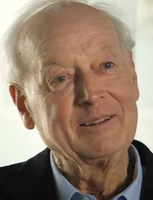 Walter Neupert合作论文数Max Planck Institute of Biochemistry40
 Dejana Mokranjac合作论文数Graduate School Life Science Munich, Faculty of Biology, LMU München18
 Johannes M Herrmann合作论文数11Nadia Terziyska合作论文数11Christian Kozany合作论文数7Nikola Mesecke合作论文数7
 Rosemary Stuart合作论文数Department of Biological Sciences, Klingler College of Arts & Sciences, Marquette University6Martin Sichting合作论文数6Barbara Grumbt合作论文数5C. Bornhovd合作论文数4
 Abdussalam Azem合作论文数Dept Biochem & Mol Biol, Tel Aviv Univ4
 Holger Prokisch合作论文数3
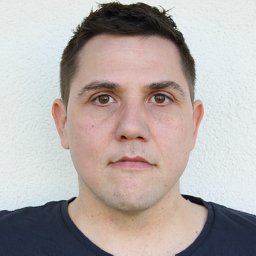 Dušan Popov-Čeleketić合作论文数Utrecht University3
 Michael Brunner合作论文数Heidelberg Univ, Biochem Ctr, D-69120 Heidelberg, Germany3Blamowska Marta合作论文数3
 Koyeli Mapa合作论文数Physiological Chemistry, LMU Munich3
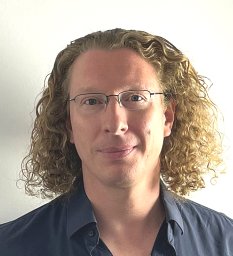 Marcel Deponte合作论文数Adolf Butenandt-Institute for Physiological Chemistry, Ludwig Maximilians University3A. Berg合作论文数2Thomas Lutz合作论文数2SA Paschen合作论文数2Marc Preuss合作论文数2
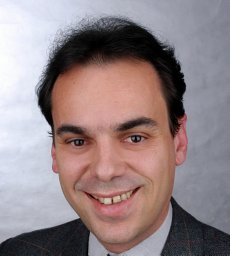 Frank Baumann合作论文数German Ctr Neurodegenerat Dis2Lada Gevorkyan-Airapetov合作论文数2
 Doron Rapaport合作论文数Interfaculty Institute of Biochemistry, Universität Tübingen;Mathematisch-Naturwissenschaftliche Fakultät / Medizinische Fakultät, Universität Tübingen2
 Matthias Rief合作论文数Physik-Department, Fakultät für Physik, Technische Universität München2Silvia Reddehase合作论文数2
 Andreas S Reichert合作论文数2Thomas Waizenegger合作论文数2Elke Pratje合作论文数2Keren Zohary合作论文数2Frank E. Nargang合作论文数2Stefan A Paschen合作论文数2
 Michael Schlierf合作论文数B CUBE - Center for Molecular Bioengineering, TU Dresden2
 Jan Philipp Junker合作论文数Physik-Department E22, Technische Universität München2Frank Vogel合作论文数1Lars Israel合作论文数1Margarida Duarte合作论文数1K. Bihlmaier合作论文数1
 Linda Liedgens合作论文数Ruprecht Karls Univ Heidelberg, Dept Parasitol, D-69120 Heidelberg, Germany1
 Heike Folsch合作论文数Cell & Developmental Biology, Feinberg School of Medicine, Northwestern University1
 Valeria Culotta合作论文数Department of Biochemistry and Molecular Biology, Bloomberg School of Public Health, Johns Hopkins University1
 Michael Groll合作论文数Fakultat Fur Chemie, Technische Universitat Munchen1Adam Alexander C合作论文数1Leitch Jeffry M合作论文数1Burgard Caroline A合作论文数1
 Carmelina Petrungaro合作论文数1Cruciat C M合作论文数1Schusdziarra Christina合作论文数1
 Shukry Habib合作论文数School of Basic & Medical Biosciences, Faculty of Life Sciences & Medicine, King’s College London1




