Nitrogen-doped carbons represent promising candidates for CO2 capture owing to their superior physicochemical traits. In this study, a series of efficient CO2 adsorbents with both high microporosity and nitrogen doping characteristics were successfully prepared by using a sucrose-polyaniline composite system as the carbon precursor and implementing a “carbon/nitrogen molecular precursor co-processing” strategy combined with K2CO3 activation. The effects of key preparation parameters, including polyaniline content, K2CO3-to-carbon precursor mass ratio (K/C ratio), and activation temperature, on the physicochemical traits and CO2 uptake performance of the resulting adsorbents were systematically investigated. At the optimal preparation conditions (50% polyaniline content, 750°C activation temperature, and K/C ratio of 1), the resulting porous carbon (SPC50-1-750) exhibited excellent CO2 adsorption performance, achieving 7.34 mmol/g at 0°C and 4.77 mmol/g at 25°C under 1 bar (volumetric isotherms) and a dynamic working capacity of 3.81 mmol/g at 30°C (TGA). This outstanding CO2 uptake stemmed from its well-developed porous architecture, with a BET surface area of 1642 m2/g and narrow micropores of 0.5-0.8 nm, as well as abundant N-containing surface groups featuring a pyrrolic-N proportion of 43.36%. Furthermore, SPC50-1-750 demonstrated favorable gas selectivity (CO2/N2 selectivity coefficient of 18-20) and remarkable cyclic stability, retaining >98% of its original CO2 uptake over five consecutive adsorption-desorption cycles (TGA-based tests). These findings offer a theoretical foundation for designing efficient, stable carbon-based adsorbents.
The worsening global climate change, driven by rising CO2 emissions, has placed carbon capture and storage (CCS) technologies in a central role. Biochar is a promising solid adsorbent due to its remarkable physicochemical properties, yet optimizing its adsorption performance via conventional methods remains inefficient and time-consuming. Machine learning (ML) offers a novel approach for accurate prediction. This study compiled a systematic dataset of 514 experimental records for K2CO3-activated biochar and built a full-chain prediction framework. Unlike traditional models relying only on final biochar properties, this framework uniquely integrated activation conditions, pore structure, elemental composition, and adsorption conditions. Four ensemble learning algorithms (RF, GBDT, LightGBM, XGBoost) were used to estimate CO2 adsorption capacity, with missing values imputed by random forest. The XGBoost model outperformed all others, achieving a test-set R2 of 0.9893 and an RMSE of 0.1264, indicating excellent generalization and predictive accuracy. SHAP analysis identified adsorption pressure (P) as the most influential factor, followed by temperature (T), micropore volume (Vmicro), and BET specific surface area (SBET). The optimal ranges for high CO2 uptake under low-temperature and high-pressure conditions are: activation temperature of 700-800°C, activation time of about 1 h, BET specific surface area of 1000-2000 m2/g, average pore diameter of 1-2 nm, total pore volume of about 0.4 cm3/g, narrow micropore volume of 0.05-0.15 cm3/g, micropore volume of 0.4-0.6 cm3/g, carbon of about 75 wt%, nitrogen of about 3.5 wt%. This study not only achieves high-precision prediction but also elucidates key influencing factors and their mechanisms, providing data and theoretical support for designing high-performance CO2 adsorbents.
A magnetic Co9S8/FeS composite derived from cobalt slag was developed for reductant-free PMS activation through a novel dual-channel electron-donation pathway involving S2- species and levofloxacin (LEV). The catalytic performance and mechanism were investigated through degradation kinetics, reactive-species identification, X-ray absorption fine spectroscopy (XAFS), X-ray photoelectron spectroscopy (XPS) analyses, density functional theory (DFT) and life cycle assessment. The Co9S8/FeS/PMS system completely degraded LEV within 10 min (k = 0.4498 min−1), maintained efficient removal over pH 3.0–11.0 and after five cycles (>95%), with 1O2 as the dominant reactive species. DFT calculations, together with XAFS/XPS analyses, revealed that S2− and LEV serve as dual electron donors to facilitate Fe3+/Co3+ reduction, achieving nearly complete Fe/Co redox cycling and sustained PMS activation. Compared with conventional single-electron-donor Fenton-like systems, this strategy eliminates the need for external reductants and substantially reduces environmental impacts, offering a sustainable route for converting cobalt slag into recyclable catalysts for antibiotic wastewater treatment.
Supported single-atom catalysts (SACs) have attracted great attention for organic pollutant degradation due to their exceptional catalytic activity and atomic utilization. In this work, we synthesized single Co atoms anchored on nitrogen-doped Ti3C2Tx MXene (Co-N-Ti3C2Tx), leveraging its unique layered structure to create a nanoscale confinement environment that enhances catalytic performance. This spatial confinement, synergistically combined with nitrogen-induced electronic modulation, significantly promotes peroxymonosulfate (PMS) activation and accelerates electron transfer, resulting in ultrafast degradation of enrofloxacin (ENR). The Co-N-Ti3C2Tx/ PMS system exhibits catalytic activity 2.4 times higher than pristine Co-Ti3C2Tx and outperforms previously reported catalysts for PMS-driven ENR removal. The quenching experiments, electron spin resonance (EPR) detection and electrochemical studies demonstrated that SO4 center dot- and 1O2 are two main reactive species with electron transfer as the dominant reaction. First-principle calculations indicate that the introduction of N can enhance the PMS adsorption and promote the enrichment and supply of electrons to produce reactive species. Further, this catalyst also demonstrates outstanding durability after multiple cycles toward various organic pollutants. This study highlights the critical role of nanoscale confinement coupled with electronic tuning in single-atom catalysis, providing valuable insights for designing high-performance advanced oxidation systems to water purification.
CaO/CaCO3-based thermochemical heat storage (TCHS) is promising for concentrated solar power applications. Owing to its abundant calcium content, carbide slag (CS) can be employed as a calcium source for CaO-based materials and is considered an effective approach for the green recycling of industrial solid waste. However, CS-derived CaO still suffers from poor light absorption and severe sintering-induced cyclic instability. Herein, Mn/Co co-doped CS-derived porous CaO materials were fabricated via a sol-gel method. The thermochemical performance and modification mechanisms were analyzed using various experimental characterizations and density functional theory (DFT) calculations. The results indicated that the CS-based material with a Ca: Mn: Co molar composition of 100:6:2 (CACS100Mn6Co2) exhibited remarkable TCHS properties, achieving an initial energy storage density (ESD1) of 1.82 MJ/kg and retaining 1.80 MJ/kg after 60 consecutive cycles, representing a 4.76% decay relative to the peak value (1.89 MJ/kg). Moreover, the ESD60 of CACS100Mn6Co2 was 48.33% higher than that of the directly calcined CS sample (CSC, 0.93 MJ/kg). Characterization results revealed that CACS100Mn6Co2 possessed a specific surface area, pore volume, and average pore size of 9.22 m2/g, 0.033 cm3/g, and 14.23 nm, which were 2.55, 2.75, and 1.06 times those of CSC, respectively. The uniformly dispersed Ca3CoMnO6 and Mn5O8 phases formed a stable inert framework, effectively suppressing sintering. DFT calculations confirmed that Mn/Co co-doping enhanced the CO2 adsorption capacity, oxygen vacancy formation, and anti-sintering performance. In addition, CACS100Mn6Co2 showed an average solar absorptance of 33.81% and stable charge-discharge kinetics over 50 cycles, demonstrating strong potential for TCHS applications.
Calcium looping (CaL) thermochemical energy storage (TCES) is considered a potential candidate for peak regulation in concentrated solar power (CSP) systems and industrial waste heat recovery owing to its superior efficiency, cost-effectiveness, and environmental compatibility. However, severe sintering of CaO at high temperatures leads to particle coarsening and pore collapse, ultimately causing rapid degradation of energy storage performance and limiting long-term stability. Herein, a modified CaO-based TCES material was prepared via Fe/Mn transition metal doping coupled with pyroligneous acid (PA)-induced pore structure regulation. The optimized sample PACaO-Fe4Mn12 (Ca: Fe: Mn = 100:4:12) exhibited an initial gravimetric energy storage density of 1765.80 kJ/kg and retained 89.81% over 60 cycles, indicating outstanding cyclic stability. Structural analysis showed that PACaO-Fe4Mn12 possessed values as high as 10.48 m2/g for specific surface area and 0.030 cm3/g for pore volume, representing 2.19 and 2.73 times the respective values of directly calcined limestone-derived CaO (PCaO), facilitating CO2 diffusion and interfacial reaction. The introduction of Fe and Mn formed inert phases (Ca2MnO4, CaMnO3, and Ca2Fe2O5), which suppressed CaO grain growth and mitigated pore collapse, thereby enhancing sintering resistance. In addition, PACaO-Fe4Mn12 delivered a high average spectral absorptance of 82.69%, 7.06 times that of PCaO. Overall, the material PACaO-Fe4Mn12 integrates stable thermochemical performance with enhanced solar absorption, demonstrating strong potential for CaL-CSP systems.
Aromatic hydrocarbons (AHs) represent important organic liquid hydrogen carriers due to their abundant unsaturated bonds. As the only renewable carbon source, biomass can be directionally converted into AHs through catalytic pyrolysis, offering a low-carbon and environmentally friendly approach. Soy sauce residue (SSR), a fermentation by-product with high volatility and thermal decomposability, shows unique advantages for catalytic pyrolysis into AHs. However, SSR contains high mass fraction of salts and ash, which adversely affect the selective production of AHs. In this study, high-salt SSR was selected as the raw material and pretreated with deionized water and dilute HCl solution to remove salts and ash. The effects of washing pretreatment on the intrinsic physicochemical properties, pyrolysis kinetics, product distribution, and hydrogen storage performance of the resulting AHs were investigated. The pretreatment led to a significant increase in cellulose and lignin content and a reduction in hemicellulose. Moreover, washing pretreatment effectively removed ash from SSR, reduced the catalytic effects of inherent ash, and enhanced both the yield of AHs and their hydrogen storage capacity. Compared to water washing, acid washing pretreatment proved more effective, with higher temperatures favoring the removal of inorganic matter. At a pretreatment temperature of 80 degrees C, acid washing removed 90.57 % of salts and 83.25 % of ash. Under optimal pyrolysis conditions (650 degrees C, HZSM-5/SSR ratio of 12), the AH yields increased from 16.10 wt% (untreated SSR) to 24.82 wt% (HCl-treated SSR), and the hydrogen storage capacity of AHs also increased from 11.37 g/kg (untreated SSR) to 17.09 g/kg (HCl-treated SSR).
Photocatalytic reduction of CO2 into CH4 represents a sustainable strategy for carbon recycling, yet achieving efficient multi-electron transfer and selective C-H bond formation remains challenging. Herein, we construct a Z-scheme/Schottky dual-interfacial heterostructure by integrating copper phthalocyanine (CuPc) and photodeposited Pt nanoparticles onto a TiO2@TPA hybrid. The TiO2@TPA framework, derived from MIL-125 hydrolysis, provides robust Ti-O-C linkages and intrinsic ligand-to-metal charge transfer (LMCT) channels, while CuPc extends visible-light absorption and facilitates electron migration through its pi-conjugated macrocycle. Pt nanoparticles exhibit dual functionality-as electron sinks on TiO2 for multi-electron CO2 reduction and as interfacial bridges promoting charge transfer between TiO2 and CuPc. Comprehensive spectroscopic and photoelectrochemical analyses confirm the establishment of a Z-scheme charge-transfer pathway, efficient carrier separation, and interfacial electronic coupling. The optimized TiO2@TPA(15Pt,5Cu) catalyst achieves a CH4 evolution rate of 199.2 mu mol gcat-1 with 99.9% selectivity, markedly outperforming single-component or monometallic counterparts. In situ FTIR spectroscopy reveals successive *COOH, *CO, *CHO, and *CH intermediates, validating the multi-step hydrogenation mechanism. This work extends LMCT-based interfacial engineering toward deep CO2 methanation, offering new insights into the rational design of multi-electron photocatalysts with high selectivity and stability.
Pharmaceutical transformation products (TPs) can pose greater environmental risks than parent compounds, yet their occurrence in surface waters remains inadequately characterized. This study employed retrospective analysis of non-target screening (NTS) data, literature mining, and molecular networking to characterize pharmaceutical TPs in the Pearl River Basin (PRB). Suspect screening against TP databases identified 74 TPs, while molecular networking revealed 62,387 feature pairs sharing common MS/MS fragments. Structural annotation suggested 51 TPs derived from 28 parent pharmaceuticals, including 26 previously unreported compounds. Hydroxylation, methylation, demethylation, and oxidation were the dominant transformation pathways, showing minimal sub-basin variation-indicating structural control over transformation processes. Predictive assessment revealed 65% of TPs exhibited enhanced mobility and 23% showed increased toxicity relative to parent compounds. Notably, the TP SR-49498 showed a significantly higher environmental risk quotient (RQ = 13.271) than its parent Irbesartan (RQ < 0.0001). Toxicological Priority Index (ToxPi) analysis prioritized 12 high-risk TPs. Overall, this study systematically characterized the occurrence and environmental risks of pharmaceutical TPs in the PRB, thereby advancing the understanding of their environmental fate and providing a scientific basis for future water pollution monitoring and risk management strategies.
The sustainable production of levoglucosenone (LGO), a high-value chiral platform chemical, remains elusive because of the lack of efficient affordable catalysts and continuous scalable technologies. Herein, an affordable and easily scalable phosphorus-doped biochar catalyst (PC-ADP) was synthesized using bagasse pyrolytic char and ammonium dihydrogen phosphate. PC-ADP demonstrated superior catalytic efficacy for LGO formation due to its favorable porous structure and balanced distribution of acid sites. The pre-pilot-scale production of LGO was successfully implemented using PC-ADP in a continuous auger reactor, with a feedstock throughput of 1 kg/h. Under conditions optimized via response surface methodology, the system achieved maximum LGO yield of 7.1 wt% with a high selectivity of 73.8%. Furthermore, life cycle assessment revealed that this route could reduce the global warming potential by approximately 30.6% compared to conventional phosphoric acid impregnation method. Concurrently, techno-economic analysis estimated a competitive minimum selling price of US$ 491.27/kg. This work successfully bridges the critical gap between laboratory-scale catalytic pyrolysis and industrial application, providing a scalable, sustainable, and economically viable route for the production of high-value anhydrosugars.
In the metallurgical industry, traditional methods for treating high arsenic wastewater required reagents and generate hazardous waste. The recovery of arsenic trioxide (As2O3) from arsenic-rich wastewater was critical for both pollution mitigation and resource reclamation. Herein, a high-concentration H2SO4 static (HCHS) method was used to recovery As2O3. The recovery efficiency was found to depend not on flow rate or gaseous As2O3 concentration, but on H2SO4 concentration. Besides, the kinetics of As2O3 recovery followed a pseudo-secondorder model, with an activation energy of 39.99 kJ/mol. Raman spectroscopy revealed that H2SO4 promoted the formation of trihedrally coordinated interface water with fewer H-down configurations, weakening contact with As2O3 surface. Constrained ab initio molecular dynamics (AIMD) simulations demonstrated that two H2SO4 molecules stabilized interface water into a one-H-down configuration. Density functional theory (DFT) calculations with implicit solvation revealed that the H2O primally absorbed at H-OIV bridge site, with an adsorption energy of -0.28 eV. Hence, H2SO4 molecules induced interface water reorientation at the solid/liquid interface. This reorientation weakened water-As2O3 binding, thereby inhibiting the formation of H3AsO3 and improving As2O3 recovery efficiency. This work provides mechanistic insights into As2O3 recovery and offers a sustainable approach for wastewater treatment and resource recycling.
CO2 hydrogenation to methanol is recognized as a crucial approach for reducing atmospheric CO2 levels and achieving low-carbon development goals. In the catalytic process of CO2 hydrogenation to methanol reaction, the support plays a significant role in the supported catalyst. It not only provides support for the active components but also critically influences catalytic performance. This paper reviews advancements in research on common single metal oxide supports, composite metal oxide supports, and non-metal oxide supports within the context of CO2 hydrogenation to methanol. We summarize the influence of structural characteristics of the catalyst support, such as the morphology, crystal phase, pore structure, and composite structure, as well as surface properties, including oxygen vacancies, acidic and basic sites, hydroxyl radical, and the dispersion of active metals, on the structure-activity relationship and reaction mechanism of the catalyst. This paper focuses on the analysis of the synergistic effects between active metals and supports, including the metal-support interaction (MSI), interface effect, electronic effect, and synergistic catalysis effect. Finally, this paper summarizes the current shortcomings in research on supported catalysts and proposes design and optimization strategies based on catalyst supports, aiming to provide valuable insights for developing high-performance catalysts for COQ hydrogenation to methanol.
Biochar-derived hard carbon materials have emerged as a viable anode candidate for scalable sodium-ion storage technologies. However, the complex pyrolysis pathways of biomass-derived organic components readily induce severe structural rearrangement of the carbon during direct high-temperature thermal conversion, resulting in the destruction of closed pore structures and depletion of electrochemically active sites, thereby significantly limiting sodium-storage performance. To address these issues, bamboo-derived biochar was employed as the precursor and uniformly mixed with a trace amount of glucose. A hydrothermal-assisted space-confined carbonization strategy was introduced to effectively promote the simultaneous optimization of pore architecture and carbon microstructure through precise regulation of surface chemistry and structural evolution, ultimately yielding a carbon framework enriched with abundant nanoscale sodium-storage reservoirs and turbostratic graphene-like nanodomains. At 0.02 A g-1, the obtained anode delivered 346.7 mAh g-1 with excellent sodium-storage reversibility, as evidenced by its initial Coulombic efficiency (ICE) of 90.1%. Mechanistic investigations revealed that the proposed structural regulation strategy effectively enhanced both the “interlayer insertion” and “pore-filling” sodium-storage mechanisms. By establishing the intrinsic correlation between hard-carbon microstructure and sodium-storage behavior, this work provides fundamental insights into the structural origins of electrochemical performance and offers a rational framework for engineering high-performance hard-carbon anodes.
The selective pyrolysis of cellulose to levoglucosenone (LGO) remains challenging, primarily due to the lack of catalysts with tailored active sites and appropriate modification of cellulose microstructures, both critically determining reaction pathways and product selectivity. To realize the high-selectivity conversion of cellulose to LGO, this study synthesized metal-organic frameworks (MOFs) with tunable channel structures using ZIF-67 as the precursor, which were subsequently subjected to partial phosphidation to prepare MOF-derived phosphorized porous carbon (CoP/N-C) catalysts for the catalytic pyrolysis of amorphous cellulose (AMC). The effects of catalyst characteristics on the product distribution and LGO yield during AMC pyrolysis were systematically investigated using pyrolysis-gas chromatography/mass spectrometry (Py-GC/MS) and a lab-scale setup, while the catalytic pyrolysis mechanisms under the coupled effects of catalyst properties and reaction conditions were comprehensively elucidated. Results revealed that CoP/N-C significantly enhanced LGO yield from AMC pyrolysis. Particularly, the CoP(100)/N-C catalyst (synthesized with a Co:P ratio of 9:100) demonstrated optimal performance, achieving maximum LGO yields of 24.76 wt% in Py-GC/MS experiments and 18.89 wt% in lab-scale tests under optimized conditions (pyrolysis temperature: 320 degrees C, catalyst:AMC ratio: 4:1). This study systematically revealed the structure-activity relationship between catalyst characteristics and LGO formation mechanisms, providing critical insights for further catalyst optimization and LGO yield enhancement.
Lignin, the most dominant source of renewable aromatic feedstock, exhibits potential for producing bio-based phenolic compounds through fast pyrolysis. The utilization of deep eutectic solvent (DES) for lignin extraction and the pyrolysis of DES-pretreated lignin (DESPL) for phenols production has attracted considerable scholarly interest in recent years. Nonetheless, a comprehensive review focusing on the production of phenolic compounds from DESPL pyrolysis has yet to be published, and the application of this integrated technology is still ongoing. This review aims to fill this gap by elucidating recent advancements in the fractionation of DESPL, with particular emphasis on the influence of DES on the production of phenolic compounds. The performance of recyclable DES in lignin fractionation and the structural properties of DESPL were summarized. Furthermore, the pyrolysis mechanism of lignin was discussed and the potential of DESPL for phenols production was explored. Additionally, relevant computational simulations were systematically summarized to illustrate the enhancement effects of DES pretreatment. This review will provide new insights into the fractionation and valorization of lignin through the application of renewable DES.
Oxygen-enriched CO oxidation is a pivotal reaction in automotive exhaust and indoor air purification. Fine-tuning the active sites represents a significant challenge in this catalytic field. In this work, we modulated the chemical state of Pt on Pt/CeO2 catalysts by varying pretreatment atmospheres (direct H2 reduction and sequential O2 calcination-H2 reduction), then applied these catalysts to the CO oxidation reaction. It was found that the Pt/CeO2 catalyst via direct H2 reduction showed a much higher activity than the Pt/CeO2 catalyst via sequential O2 calcination-H2 reduction. It was revealed that under O2-H2 conditions, a strong metal-support interaction (MSI) introduced the highly dispersed small Pt clusters. Conversely, under H2 reduction conditions, a moderate MSI causes the formation of larger Pt nanoparticles, exhibiting a significantly increased proportion of metallic states and promoting the activity of CO oxidation. This study provides an effective strategy for designing highly efficient catalysts.
 Ping Ning (宁平)合作论文数Faculty of Environmental Science and Engineering, Kunming University of Science and Technology185
 Xin Sun合作论文数120
 Chi Wang合作论文数102
 Qiang Lu (陆强)合作论文数State Key Laboratory of Alternate Electrical Power System with Renewable Energy Sources, North China Electric Power University82
 Xin Song合作论文数60
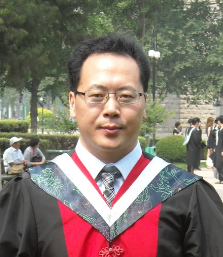 Lihong Tang (汤立红)合作论文数School of Chemical Science and Technology, Yunnan University40
 Fei Wang (王飞)合作论文数Fujian Institute of Research on the Structure of Matter, Chinese Academy of Sciences;University of Chinese Academy of Sciences40
 Ma Yixing合作论文数32
 Xiaolong Tang (唐晓龙)合作论文数School of Energy and Environmental Engineering, University of Science and Technology Beijing31
 Bin Hu (胡斌)合作论文数30
 Honghong Yi (易红宏)合作论文数School of Energy and Environmental Engineering, University of Science and Technology Beijing30
 Shuangyou Bao合作论文数School of Chemistry and Chemical Engineering, Harbin Institute of Technology26
 Li Zhao (赵莉)合作论文数School of Renewable Energy, North China Electric Power University;New Energy Generation National Engineering Research Center, North China Electric Power University25
 Yi Mei (梅毅)合作论文数Faculty of Chemical Engineering, Kunming University of Science and Technology23
 Kunlin Li合作论文数20Jiayu Feng合作论文数18Lina Sun合作论文数17
 Changbin Zhang (张长斌)合作论文数Research Center for Eco-Environmental Sciences, Chinese Academy of Sciences;University of Chinese Academy of Sciences16Shi Lei (施磊)合作论文数15Dong-hong Nan合作论文数15
 Liancheng Zhang合作论文数15
 Yuan Li合作论文数14JIN Yu-Zhen合作论文数13
 Xuming Zhang合作论文数Department of Applied Physics, Faculty of Science, The Hong Kong Polytechnic University13
 Jinhui Peng (彭金辉)合作论文数Kunming University of Science and Technology13Lijuan Jia合作论文数12
 Zhenxi Zhang合作论文数National Engineering Laboratory for Biomass Power Generation Equipment, North China Electric Power University12
 Hongzhou Lian (连洪洲)合作论文数State Key Laboratory of Rare Earth Resource Utilization, Changchun Institute of Applied Chemistry, Chinese Academy of Sciences12Yan-Qin Huang (黄彦钦)合作论文数12Huibin Guo合作论文数11Chunxue Wang合作论文数11Shan-wei Ma合作论文数11
 Xifeng Zhu (朱锡锋)合作论文数School of Engineering Science, University of Science and Technology of China11Ting Ting Zhu合作论文数10
 Jun Lin (林君)合作论文数State Key Laboratory of Rare Earth Resource Utilization, Changchun Institute of Applied Chemistry, Chinese Academy of Sciences10
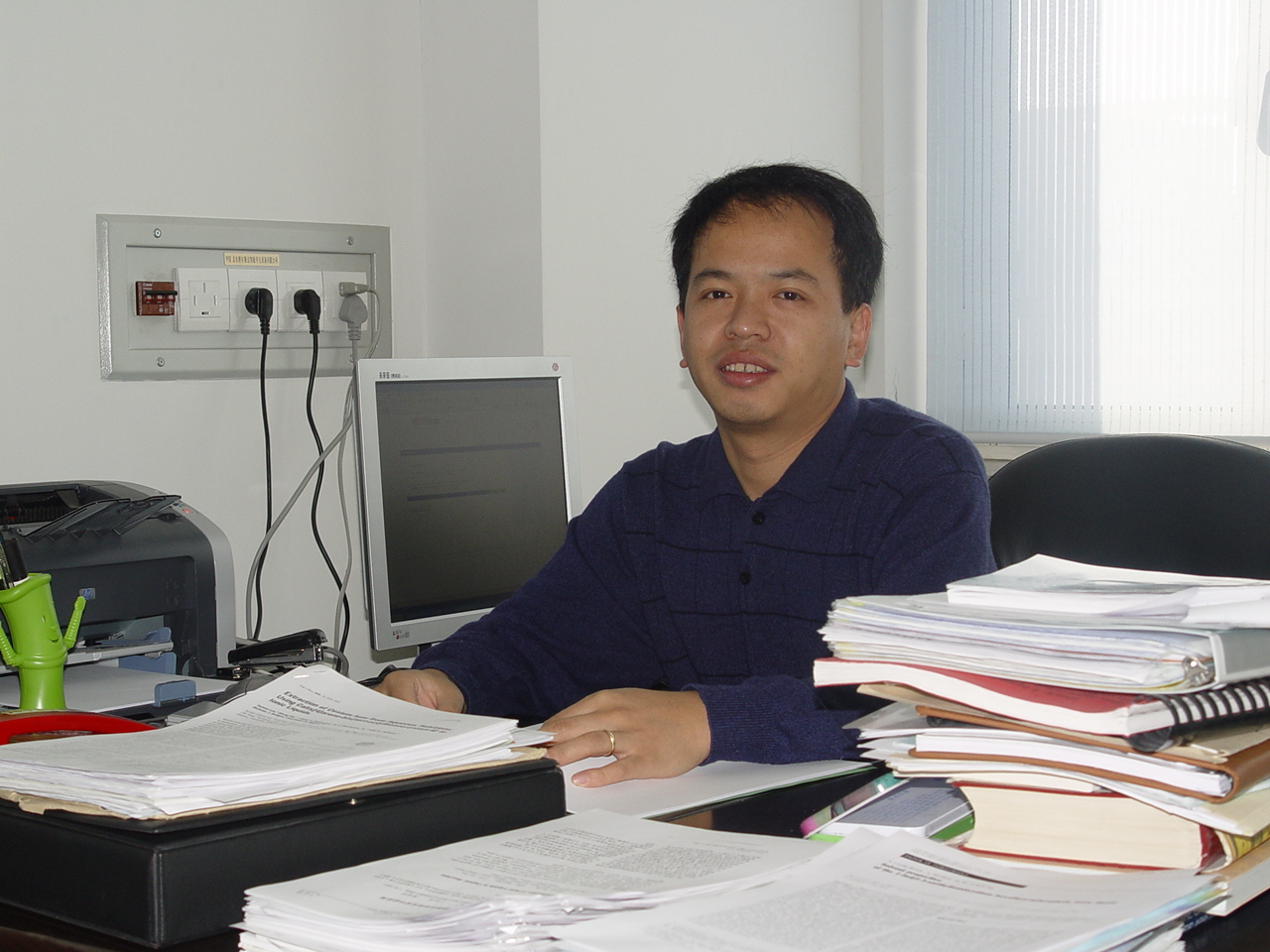 Ji Chen (陈继)合作论文数Changchun Institute of Applied Chemistry Chinese Academy of Sciences10
 Hong He (贺泓)合作论文数Research Center for Eco-Environmental Sciences, Chinese Academy of Sciences;University of Chinese Academy of Sciences10Zhu-yu Li合作论文数9
 Yingwu Wang合作论文数9Jiacheng Bao合作论文数9Haotian Ruan (阮昊天)合作论文数9Jie Zhao合作论文数9
 Maohong Fan合作论文数Department of Chemical and Biomedical Engineering, College of Engineering and Physical Sciences, University of Wyoming;School of Energy Resources, University of Wyoming;Georgia Institute of Technology9Shiguan Yang (杨世关)合作论文数North China Electric Power University9Dan Zou合作论文数9
 Yongping Yang (杨勇平)合作论文数North China Electric Power University;Lanzhou University9
 Yang Zhang (张杨)合作论文数Institute of Semiconductors, Chinese Academy of Sciences9Hua Pan合作论文数9




