Introduction:We conducted an exploratory pilot feasibility study to assess the safety and feasibility of cardiopulmonary exercise testing (CPET) in patients with mild generalized myasthenia gravis (gMG), aiming to determine whether test termination results from systemic exertion or MG-specific neuromuscular fatigability and to evaluate short-term effects on fatigue. Methods:Nine patients with mild gMG (median age of 58 years, IQR 46.0-66.5) were included in this exploratory feasibility study and underwent a single maximal incremental CPET on a cycle ergometer with breath-by-breath gas exchange analysis and blood lactate measurements. Predefined exertion criteria (EC) included respiratory exchange rate (RER; ≥1.1), ventilatory equivalent for O2 (EQO2; ≥30), attainment of age-related maximum heart rate (ARMHR), peak blood lactate concentration (>6 mmol·L-1), and Borg Scale for Rated Perceived Exertion (RPE; ≥17). Repetitive nerve stimulation (RNS) was performed before and after CPET to assess neuromuscular fatigability. Fatigue was assessed using the Chalder Fatigue Scale (CFS) at baseline and 4 weeks after CPET. Results:CPET was completed by all participants without adverse events. All reported symptoms resolved within 30 min after exercise termination, and no participant required medical intervention. All participants completed the maximal incremental CPET according to the predefined protocol. Among the predefined EC, 44% of participants achieved an RER ≥1.1, 78% an EQO2 ≥30, 44% an ARMHR, 67% reached a peak blood lactate concentration >6 mmol·L-1-, and 67% an RPE ≥17. A decremental response in RNS was observed in 78% both before and after CPET. No relevant changes in CFS scores were detected over 4 weeks. Discussion:CPET appears safe and feasible in mild gMG, with exercise termination primarily driven by systemic exertion rather than MG-specific neuromuscular fatigue. CPET may complement clinical evaluation by supporting individualized training recommendations and the identification of cardiopulmonary limitations.
IntroductionThe present study investigated the role of training intensity in the dose–response relationship between endurance training and cardiorespiratory fitness (CRF). The hypothesis was that beginners would benefit from an increase in training intensity after an initial training phase, even if the energy expenditure was not altered. For this purpose, 26 weeks of continuous moderate training (control group, CON) was compared to training with gradually increasing intensity (intervention group, INC) but constant energy expenditure.MethodsThirty-one healthy, untrained subjects (13 men, 18 women; 46 ± 8 years; body mass index 25.4 ± 3.3 kg m−2; maximum oxygen uptake, VO2max 34 ± 4 ml min−1 kg−1) trained for 10 weeks with moderate intensity [3 days/week for 50 min/session at 55% heart rate reserve (HRreserve)] before allocation to one of two groups. A minimization technique was used to ensure homogeneous groups. While group CON continued with moderate intensity for 16 weeks, the INC group trained at 70% HRreserve for 8 weeks and thereafter participated in a 4 × 4 training program (high-intensity interval training, HIIT) for 8 weeks. Constant energy expenditure was ensured by indirect calorimetry and corresponding adjustment of the training volume. Treadmill tests were performed at baseline and after 10, 18, and 26 weeks.ResultsThe INC group showed improved VO2max (3.4 ± 2.7 ml kg−1 min−1) to a significantly greater degree than the CON group (0.4 ± 2.9 ml kg−1 min−1) (P = 0.020). In addition, the INC group exhibited improved Vmax (1.7 ± 0.7 km h−1) to a significantly greater degree than the CON group (1.0 ± 0.5 km h−1) (P = 0.001). The reduction of resting HR was significantly larger in the INC group (7 ± 4 bpm) than in the CON group (2 ± 6 bpm) (P = 0.001). The mean heart rate in the submaximal exercise test was reduced significantly in the CON group (5 ± 6 bpm; P = 0.007) and in the INC group (8 ± 7 bpm; P = 0.001), without a significant interaction between group and time point.ConclusionIncreasing intensity leads to greater adaptations in CRF than continuing with moderate intensity, even without increased energy expenditure. After 26 weeks of training in the moderate- and higher-intensity domain, energy-matched HIIT elicited further adaptations in cardiorespiratory fitness. Thus, training intensity plays a crucial role in the dose–response relationship between endurance training and fitness in untrained but healthy individuals. Clinical Trial Registrationhttps://www.drks.de/DRKS00031445, identifier DRKS00031445.
BACKGROUND:An infection with SARS-CoV-2 can lead to a variety of symptoms and complications, which can impair athletic activity. OBJECTIVE:We aimed to assess the clinical symptom patterns, diagnostic findings, and the extent of impairment in sport practice in a large cohort of athletes infected with SARS-CoV-2, both initially after infection and at follow-up. Additionally, we investigated whether baseline factors that may contribute to reduced exercise tolerance at follow-up can be identified. METHODS:In this prospective, observational, multicenter study, we recruited German COVID elite-athletes (cEAs, n = 444) and COVID non-elite athletes (cNEAs, n = 481) who tested positive for SARS-CoV-2 by PCR (polymerase chain reaction test). Athletes from the federal squad with no evidence of SARS-CoV-2 infection served as healthy controls (EAcon, n = 501). Questionnaires were used to assess load and duration of infectious symptoms, other complaints, exercise tolerance, and duration of training interruption at baseline and at follow-up 6 months after baseline. Diagnostic tests conducted at baseline included resting and exercise electrocardiogram (ECG), echocardiography, spirometry, and blood analyses. RESULTS:Most acute and infection-related symptoms and other complaints were more prevalent in cNEA than in cEAs. Compared to cEAs, EAcon had a low symptom load. In cNEAs, female athletes had a higher prevalence of complaints such as palpitations, dizziness, chest pain, myalgia, sleeping disturbances, mood swings, and concentration problems compared to male athletes (p < 0.05). Until follow-up, leading symptoms were drop in performance, concentration problems, and dyspnea on exertion. Female athletes had significantly higher prevalence for symptoms until follow-up compared to male. Pathological findings in ECG, echocardiography, and spirometry, attributed to SARS-CoV-2 infection, were rare in infected athletes. Most athletes reported a training interruption between 2 and 4 weeks (cNEAs: 52.9%, cEAs: 52.4%), while more cNEAs (27.1%) compared to cEAs (5.1%) had a training interruption lasting more than 4 weeks (p < 0.001). At follow-up, 13.8% of cNEAs and 9.9% of cEAs (p = 0.24) reported their current exercise tolerance to be under 70% compared to pre-infection state. A persistent loss of exercise tolerance at follow-up was associated with persistent complaints at baseline, female sex, a longer break in training, and age > 38 years. Periodical dichotomization of the data set showed a higher prevalence of infectious symptoms such as cough, sore throat, and coryza in the second phase of the pandemic, while a number of neuropsychiatric symptoms as well as dyspnea on exertion were less frequent in this period. CONCLUSIONS:Compared to recreational athletes, elite athletes seem to be at lower risk of being or remaining symptomatic after SARS-CoV-2 infection. It remains to be determined whether persistent complaints after SARS-CoV-2 infection without evidence of accompanying organ damage may have a negative impact on further health and career in athletes. Identifying risk factors for an extended recovery period such as female sex and ongoing neuropsychological symptoms could help to identify athletes, who may require a more cautious approach to rebuilding their training regimen. TRIAL REGISTRATION NUMBER:DRKS00023717; 06.15.2021-retrospectively registered.
OBJECTIVE:This study aimed to identify potential changes in cardiorespiratory fitness among athletes who had previously been infected with severe acute respiratory syndrome coronavirus type 2 (SARS-CoV-2). METHODS:In this prospective observational multicenter hybrid study (CoSmo-S), cardiopulmonary exercise testing on treadmills or bicycle ergometers involving 2314 athletes (39.6% female) was conducted. German federal squad members (59.6%) and non-squad athletes were included in the study. A total of 1170 (37.2% female) subjects were tested positive for SARS-CoV-2 via polymerase chain reaction from which we had pre-SARS-CoV-2 infection examinations available for 289 subjects. Mixed-effect models were employed to analyze, among others, the following dependent variables: power output at individual anaerobic threshold (PO IAT ·kg -1 ), maximal power output (PO max ·kg -1 ), measured V̇O 2max ·kg -1 , heart rate at individual anaerobic threshold (HR IAT ), and maximal heart rate (HR max ). RESULTS:A SARS-CoV-2 infection was associated with a decrease in PO IAT ·kg -1 (-0.123 W·kg -1 , P < 0.001), PO max ·kg -1 (-0.099 W·kg -1 , P = 0.002), and measured V̇O 2max ·kg -1 (-1.70 mL·min -1 ·kg -1 , P = 0.050), and an increase in HR IAT (2.50 bpm, P = 0.008) and HR max (2.59 bpm, P < 0.001) within the first 60 d after SARS-CoV-2 infection. Using the pandemic onset in Germany as a longitudinal reference point, the healthy control group showed no change over time in these variables and an increase in PO max (+0.126 W·kg -1 , P = 0.039) during the first 60 d after the reference point. Subgroup analyses showed that both squad members and endurance athletes experienced greater decreases in cardiorespiratory fitness compared with non-squad members respectively athletes from explosive power sports. CONCLUSIONS:A SARS-CoV-2 infection is associated with a decline in cardiorespiratory fitness in athletes for approximately 60 d. Potential factors contributing to this outcome seem to be cardiopulmonary and vascular alterations in consequence of SARS-CoV-2. A minor effect on cardiorespiratory fitness has training interruption due to acute symptoms and/or quarantine.
Die metabolische Leistungsdiagnostik dient der objektiven Bestimmung der Ausdauerleistungsfähigkeit von Sporttreibenden oder der kardiopulmonalen Funktion von Patienten. Die Messung der Blutlaktatkonzentration bei körperlicher Belastung ist dabei eines der wichtigsten Verfahren der sportmedizinisch-internistischen Diagnostik. Die korrekte Anwendung setzt eine detaillierte Kenntnis der Belastungsphysiologie und Erfahrung im methodischen Einsatz voraus. Das Kapitel beschreibt Indikationen, Nebenbedingungen und Hintergründe zur Interpretation und Methodik. Dieser Beitrag ist Teil der Sektion Sportmedizin, herausgegeben vom Teilherausgeber Holger HW Gabriel, innerhalb des Handbuchs Sport und Sportwissenschaft, herausgegeben von Arne Güllich und Michael Krüger.
Micro electro-mechanical systems (MEMS) are used to record training and match play of intermittent team sport athletes. Paired with estimates of internal responses or adaptations to exercise, practitioners gain insight into players’ dose–response relationship which facilitates the prescription of the training stimuli to optimize performance, prevent injuries, and to guide rehabilitation processes. A systematic review on the relationship between external, wearable-based, and internal parameters in team sport athletes, compliant with the PRISMA guidelines, was conducted. The literature research was performed from earliest record to 1 September 2020 using the databases PubMed, Web of Science, CINAHL, and SportDISCUS. A total of 66 full-text articles were reviewed encompassing 1541 athletes. About 109 different relationships between variables have been reviewed. The most investigated relationship across sports was found between (session) rating of perceived exertion ((session-)RPE) and PlayerLoad™ (PL) with, predominantly, moderate to strong associations (r = 0.49–0.84). Relationships between internal parameters and highly dynamic, anaerobic movements were heterogenous. Relationships between average heart rate (HR), Edward’s and Banister’s training impulse (TRIMP) seem to be reflected in parameters of overall activity such as PL and TD for running-intensive team sports. PL may further be suitable to estimate the overall subjective perception. To identify high fine-structured loading—relative to a certain type of sport—more specific measures and devices are needed. Individualization of parameters could be helpful to enhance practicality.
Knowing how many people are likely to benefit from a newly developed running shoe is of high relevance for footwear developers, phrasing legal claims and ultimately purchasing consumers. In order to assess and evaluate a likely scenario, the between-days reproducibility of percentages benefitting from lighter conventional flat running shoes (CON) or lighter advanced shoes with high stack height and longitudinally placed stiffening element (ADV) was investigated in a pool of 32 recreational runners. After comparing ADV and CON against running in heavier familiar shoes (OWN), percentages of the participant pool benefitting at different magnitudes of metabolic saving were derived. When comparing percentages of participants benefitting from CON and ADV between visits, retest correlation coefficients were respectively 0.95 and 0.99. Across magnitudes, the typical errors of percentages benefitting were 9.18% (CON) and 3.46% (ADV). Stated group averages of i.e. 4% metabolic savings when running in ADV, may potentially lead to the false assumption that the stated benefit applies to every runner. In contrast, based on our introduced approach, one can reliably state that a metabolic saving of i.e. 4% can be expected for at least 25% of recreational runners. Therefore, the expected percentage population benefitting at given magnitudes might be a more transparent expression for developers, marketing teams and consumers considering the relatively large measurement error of footwear induced metabolic savings on individual level.
Objective: It is unclear whether and to what extent COVID-19 infection poses health risks and a chronic impairment of performance in athletes. Identification of individual health risk is an important decision-making basis for managing the pandemic risk of infection with SARS-CoV-2 in sports and return to play (RTP). Methods: This study aims 1) to analyze the longitudinal rate of seroprevalence of SARS-CoV-2 in German athletes, 2) to assess health-related consequences in athletes infected with SARS-CoV-2, and 3) to reveal effects of the COVID-19 pandemic in general and of a cleared SARS-CoV-2 infection on exercise performance. CoSmo-S is a prospective observational multicenter study establishing two cohorts: 1) athletes diagnosed positive for COVID-19 (cohort 1) and 2) federal squad athletes who perform their annual sports medical preparticipation screening (cohort 2). Comprehensive diagnostics including physical examination, laboratory blood analyses and blood biobanking, resting and exercise electrocardiogram (ECG), echocardiography, spirometry and exercise testing added by questionnaires are conducted at baseline and follow-up. Results and Conclusion: We expect that the results obtained, will allow us to formulate recommendations regarding RTP on a more evidence-based level.
The blood lactate value at rest (Lacrest) is linked to cardiovascular outcomes. It is unclear whether this association holds true in younger, healthy subjects, especially as the pathophysiological connection between Lacrest and cardiometabolic disease is not well understood. The aim of this study is clarifying the link between Lacrest and cardiovascular risk, and to study explanatory factors for the variance of Lacrest concerning metabolism and physical activity in a population of healthy patient-athletes. The distribution and intra-individual variability of Lacrest was assessed based on 9051 samples. The 10-year cardiovascular risk was then approximated using the Framingham risk score in a group of 1315 samples from patient-athletes. Cross-validated linear regression was used to analyze explanatory variables for Lacrest and 10-year cardiovascular risk. Lacrest is weakly associated with the Framingham score. This association disappears when adjusting for blood lipids. Lacrest is also linked to the predominant type of exercise with endurance athletes featuring a higher Lacrest. Lacrest does not independently predict the estimated cardiovascular risk but is associated with lipid parameters. Moreover, the intra-individual variability of Lacrest is high in a relevant number of subjects, which does not point towards the feasibility to use Lacrest as an individual risk factor.
Recumbent and supine cycling are common exercise modes in rehabilitation and clinical settings but the influence of postures on work efficiency is unclear. Therefore, the aim of this study was to compare metabolic and ventilatory efficiency during upright, recumbent, and supine postures. Potential differences should be assessed for suitable diagnostics and for prescriptions of training that probably is performed in alternative postures. Eighteen healthy subjects (age: 47.2 ± 18.4 years; 10 female, 8 male) participated in the study and each completed three incremental cycle ergometer tests until exhaustion in upright, recumbent (40°), and supine positions. Gas exchange, heart rate (HR), and lactate concentrations were analyzed and efficiency was calculated subsequently. Testing sessions were performed in random order within a 2-week period. Upright cycling resulted in significantly higher peak values [power output, oxygen uptake (Vo2), HR] as well as performance at lactate and ventilatory thresholds in comparison to recumbent or supine positions. Vco2/Vo2 slope and ventilatory efficiency (VE/Vco2 slope) were not affected by posture. Aerobic work efficiency (Vo2/P slope) and gross efficiency (GE) differed significantly between postures. Hereby, GE was lowest in supine cycling, particularly obvious in a mainly aerobic condition at 70 Watt [Median 11.6 (IQR 10.9–13.3) vs. recumbent: 15.9 (IQR 15.6–18.3) and upright: 17.4 (IQR 15.1–18.3)]. Peak power as well as GE and work efficiency values are influenced by cycling position, reinforcing the importance of adjusting test results for training prescriptions. Surprisingly, ventilatory efficiency was not affected in this study and therefore does not seem to falsify test results for pulmonary diagnostics.
Objective: Finishing a marathon requires to prepare for a 42.2 km run. Current literature describes which training characteristics are related to marathon performance. However, which training is most effective in terms of a performance improvement remains unclear.Methods: We conducted a retrospective analysis of training responses during a 16 weeks training period prior to an absolved marathon. The analysis was performed on unsupervised fitness app data (Runtastic) from 6,771 marathon finishers. Differences in training volume and intensity between three response and three marathon performance groups were analyzed. Training response was quantified by the improvement of the velocity of 10 km runs Δv10 between the first and last 4 weeks of the training period. Response and marathon performance groups were classified by the 33.3rd and 66.6th percentile of Δv10 and the marathon performance time, respectively.Results: Subjects allocated in the faster marathon performance group showed systematically higher training volume and higher shares of training at low intensities. Only subjects in the moderate and high response group increased their training velocity continuously along the 16 weeks of training.Conclusion: We demonstrate that a combination of maximized training volumes at low intensities, a continuous increase in average running speed up to the aimed marathon velocity and high intensity runs ≤ 5 % of the overall training volume was accompanied by an improved 10 km performance which likely benefited the marathon performance as well. The study at hand proves that unsupervised workouts recorded with fitness apps can be a valuable data source for future studies in sport science.
Purpose: Describing the most intense periods of match-play is important in player monitoring and the development of specific training programs. The aim of this study was to extract maximum accelerations during basketball match-play and describe those as a function over time durations. Methods: Twelve professional female basketballers were monitored during 13 official matches to calculate acceleration profiles. Moving medians of time durations ranging from 0.3 to 1,800 s were computed to extract peak acceleration and deceleration magnitudes for the resultant (|accres|), horizontal (|acchor|), and vertical (|accvert|) planes. The relationship between peak magnitudes and time durations was modeled by an exponential function. Distinct curve characteristics can be described by the function parameters scale and decrease rate, which refer to an athlete's ability to perform maximum acceleration intensities over short-time (scale) and middle-time intervals (decrease rate). Generalized linear mixed-models were calculated to determine plane-specific differences in acceleration and deceleration capacities. Results: Function parameters differed significantly between |accres|, |acchor| and |accvert| [effect size (ES) = 0.33-1.15]. Comparisons within each movement plane revealed significant differences between positive and negative |accres| for the parameters scale (ES = 0.34) and decrease rate (ES = 0.39). All function parameters differed significantly between |accvert|+ and |decvert| (ES = 0.39-0.71). Rank analyses between players revealed significant inter-individual differences for all function parameters in all groups. Conclusions: Modeling peak acceleration magnitudes as a function over log-transformed time durations provides an opportunity to systematically quantify the most intense periods of match-play over short, middle and long time intervals (0.3-1,800 s). Detailed knowledge about these periods may positively contribute to training prescriptions, which intend to prepare players for highest intensities experienced during match-play in order to improve performance and prevent injuries. Derived function parameters allow inter-individual comparisons and provide insights into players' physical capabilities. This study further examines plane-specific intensity demands of professional female basketball, emphasizing the need for coaches to prepare players for maximum decelerations in the vertical plane.
The aim of this study was to determine possible influences, including data processing and sport-specific demands, on the validity of acceleration measures by an inertial measurement unit (IMU) in indoor environments. IMU outputs were compared to a three-dimensional (3D) motion analysis (MA) system and processed with two sensor fusion algorithms (Kalman filter, KF; Complementary filter, CF) at temporal resolutions of 100, 10, and 5 Hz. Athletes performed six team sport-specific movements whilst wearing a single IMU. Mean and peak acceleration magnitudes were analyzed. Over all trials (n = 1093), KF data overestimated MA resultant acceleration by 0.42 ± 0.31 m∙s−2 for mean and 4.18 ± 3.68 m∙s−2 for peak values, while CF processing showed errors of up to 0.57 ± 0.41 m∙s−2 and −2.31 ± 2.25 m∙s−2, respectively. Resampling to 5 Hz decreased the absolute error by about 14% for mean and 56% for peak values. Still, higher acceleration magnitudes led to a large increase in error. These results indicate that IMUs can be used for assessing accelerations in indoor team sports with acceptable means. Application of a CF and resampling to 5 Hz is recommended. High-acceleration magnitudes impair validity to a large degree and should be interpreted with caution.
The increasing interest in assessing physical demands in team sports has led to the development of multiple sports related monitoring systems. Due to technical limitations, these systems primarily could be applied to outdoor sports, whereas an equivalent indoor locomotion analysis is not established yet. Technological development of inertial measurement units (IMU) broadens the possibilities for player monitoring and enables the quantification of locomotor movements in indoor environments. The aim of the current study was to validate an IMU measuring by determining average and peak human acceleration under indoor conditions in team sport specific movements. Data of a single wearable tracking device including an IMU (Optimeye S5, Catapult Sports, Melbourne, Australia) were compared to the results of a 3D motion analysis (MA) system (Vicon Motion Systems, Oxford, UK) during selected standardized movement simulations in an indoor laboratory (n = 56). A low-pass filtering method for gravity correction (LF) and two sensor fusion algorithms for orientation estimation [Complementary Filter (CF), Kalman-Filter (KF)] were implemented and compared with MA system data. Significant differences (p < 0.05) were found between LF and MA data but not between sensor fusion algorithms and MA. Higher precision and lower relative errors were found for CF (RMSE = 0.05; CV = 2.6%) and KF (RMSE = 0.15; CV = 3.8%) both compared to the LF method (RMSE = 1.14; CV = 47.6%) regarding the magnitude of the resulting vector and strongly emphasize the implementation of orientation estimation to accurately describe human acceleration. Comparing both sensor fusion algorithms, CF revealed slightly lower errors than KF and additionally provided valuable information about positive and negative acceleration values in all three movement planes with moderate to good validity (CV = 3.9 – 17.8%). Compared to x- and y-axis superior results were found for the z-axis. These findings demonstrate that IMU-based wearable tracking devices can successfully be applied for athlete monitoring in indoor team sports and provide potential to accurately quantify accelerations and decelerations in all three orthogonal axes with acceptable validity. An increase in accuracy taking magnetometers in account should be specifically pursued by future research.
It is unknown which respiratory muscles are mainly activated by respiratory muscle training. This study evaluated Inspiratory Pressure Threshold Loading (IPTL), Inspiratory Flow Resistive Loading (IFRL) and Voluntary Isocapnic Hyperpnea (VIH) with regard to electromyographic (EMG) activation of the sternocleidomastoid muscle (SCM), parasternal muscles (PARA) and the diaphragm (DIA) in randomized order. Surface EMG were analyzed at the end of each training session and normalized using the peak EMG recorded during maximum inspiratory maneuvers (Sniff nasal pressure: SnPna, maximal inspiratory mouth occlusion pressure: PImax). 41 healthy participants were included. Maximal activation was achieved for SCM by SnPna; the PImax activated predominantly PARA and DIA. Activations of SCM and PARA were higher in IPTL and VIH than for IFRL (p<0.05). DIA was higher applying IPTL compared to IFRL or VIH (p<0.05). IPTL, IFRL and VIH differ in activation of inspiratory respiratory muscles. Whereas all methods mainly stimulate accessory respiratory muscles, diaphragm activation was predominant in IPTL.
Objective: Respiratory inductance plethysmography (RIP) provides an unobtrusive method for measuring breathing characteristics. Accurately adjusted RIP provides reliable measurements of ventilation during rest and exercise if data are acquired via two elastic measuring bands surrounding the rib cage (RC) and abdomen (AB). Disadvantageously, the most accurate reported adjusted model for RIP in literature-least squares regression-requires simultaneous RIP and flowmeter (FM) data acquisition. An adjustment method without simultaneous measurement (reference-free) of RIP and FM would foster usability enormously. Methods: In this paper, we develop generalizable, functional, and reference-free algorithms for RIP adjustment incorporating anthropometric data. Further, performance of only one-degree of freedom (RC or AB) instead of two (RC and AB) is investigated. We evaluate the algorithms with data from 193 healthy subjects who performed an incremental running test using three different datasets: training, reliability, and validation dataset. The regression equation is improved with machine learning techniques such as sequential forward feature selection and 10-fold cross validation. Results: Using the validation dataset, the best reference-free adjustment model is the combination of both bands with 84.69% breaths within +/- 20% limits of equivalence compared to 43.63% breaths using the best comparable algorithm from literature. Using only one band, we obtain better results using the RC band alone. Conclusion: Reference-free adjustment for RIP reveals tidal volume differences of up to 0.25 l when comparing to the best possible adjustment currently present which needs the simultaneous measurement of RIP and FM. Significance: This demonstrates that RIP has the potential for usage in wide applications in ambulatory settings.
The relationship between the time duration of movement (t(dur)) and related maximum possible power output has been studied and modeled under many conditions. Inspired by the so-called power profiles known for discontinuous endurance sports like cycling, and the critical power concept of Monod and Scherrer, the aim of this study was to evaluate the numerical characteristics of the function between maximum horizontal movement velocity (HSpeed) and t(dur) in soccer. To evaluate this relationship, GPS data from 38 healthy soccer players and 82 game participations (≥30 min active playtime) were used to select maximum HSpeed for 21 distinct t(dur) values (between 0.3 s and 2,700 s) based on moving medians with an incremental t(dur) window-size. As a result, the relationship between HSpeed and Log(t(dur)) appeared reproducibly as a sigmoidal decay function, and could be fitted to a five-parameter equation with upper and lower asymptotes, and an inflection point, power and decrease rate. Thus, the first three parameters described individual characteristics if evaluated using mixed-model analysis. This study shows for the first time the general numerical relationship between t(dur) and HSpeed in soccer games. In contrast to former descriptions that have evaluated speed against power, HSpeed against t(dur) always yields a sigmoidal shape with a new upper asymptote. The evaluated curve fit potentially describes the maximum moving speed of individual players during the game, and allows for concise interpretations of the functional state of team sports athletes.
 Hh Dickhuth合作论文数35
 Andreas Niess合作论文数Department of Sports Medicine;Medical Clinic;Department of Sports Medicine, Medical Clinic27Yorck Olaf Schumacher合作论文数24Th Horstmann合作论文数16Pottgiesser Torben合作论文数15Frank Mayer合作论文数15
 Albert Gollhofer合作论文数Universität Freiburg;Institut für Sport und Sportwissenschaft;Universität Freiburg|Institut für Sport und Sportwissenschaft15
 Stephan Walterspacher合作论文数Department of Pneumology, University Hospital Freiburg12Kabitz Hans-Joachim合作论文数Department of Pneumology, University Hospital Freiburg11David Walker合作论文数10Hans-Hermann Dickhuth合作论文数9
 Christian Heyde合作论文数8Heiko Striegel合作论文数8
 Christoph Ahlgrim合作论文数Tampa General Hospital, University of South Florida8Stefan Vogt合作论文数8
 Hubert Mahler合作论文数7
 Tim Meyer合作论文数7Wolfram Windisch合作论文数7H C Heitkamp合作论文数7Andreas Schmid合作论文数6Mareike Roell合作论文数5
 Lothar Heinrich合作论文数5
 Wilhelm Bloch合作论文数Institute for Circulatory Research and Sports Medicine, German Sport University Cologne;Faculty of Medicine, University of Cologne5Sebastian Ruthardt合作论文数5Claus Reinsberger合作论文数5A. Hirschmueller合作论文数4E Fehrenbach合作论文数4
 Schlager Daniel合作论文数4
 Jürgen M Steinacker合作论文数Department of Internal Medicine, Ulm University;Institute for Rehabilitation Medicine Research, Ulm University4Andreas Blum合作论文数4Markus Umhau合作论文数4U. Korsten-Reck合作论文数4Anja Schwoerer合作论文数4Florian Sonntag合作论文数4
 Daniel Konig合作论文数4Roman Gaidai合作论文数3Manuel Widmann合作论文数3S. Sorichter合作论文数3A Schmid合作论文数3L Heinrich合作论文数3
 Mathias Haeger合作论文数3
 Andreas Venhorst合作论文数3
 Bernd Wolfarth合作论文数Dept Sports Med, Inst Appl Training Sci3
 Rainer Beurskens合作论文数3
 Bernhard Haller合作论文数Institute of AI and Informatics in Medicine, Technical University of Munich3
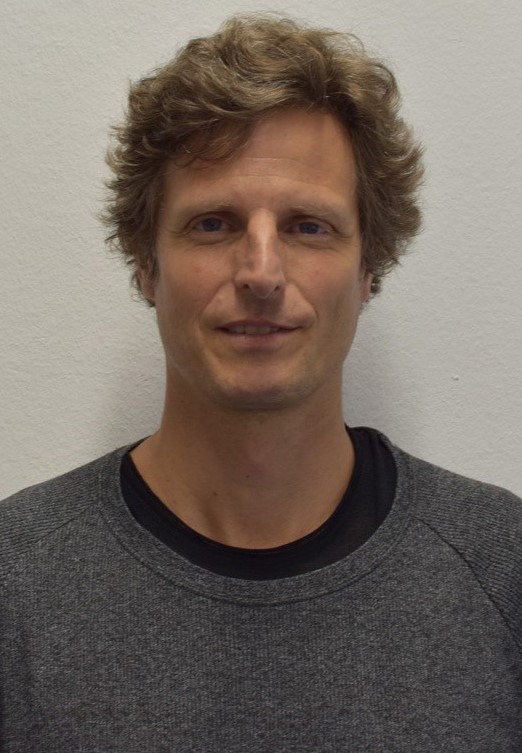 Perikles Simon合作论文数Institut Für Sportwissenschaft, Johannes Gutenberg Universität Mainz;Abteilung Sportmedizin, Johannes Gutenberg-Universität Mainz3
 Reinhold Kliegl合作论文数Department of Psychology, Division of Training and Movement Science, University of Potsdam3Birgit Friedmann-Bette合作论文数3




