Mutations in the CRYAB gene, encoding alpha-B crystalline cause different phenotypes including myofibrillar myopathy, cardiomyopathy, isolated cataract and a multisystemic disorder. Even if genotype–phenotype association is still unclear, previously reported autosomal recessive mutations in the alphaB crystallin (CRYAB) has been associated with a fatal hypertonic infantile muscular dystrophy, in association with two different CRYAB stop mutations, p.S21AfsX24, p.S115PfsX14. Here we present two children from a non-consanguineous family, originally from Ghana, who were homozygous for a third CRYAB stop mutation, c.404C>A, p.Ser135X. The proband presented with respiratory distress one week after routine two month-old vaccinations and rapidly progressed into respiratory failure due to extreme general muscle rigidity. Serum CK was 772U/L. EMG unremarkable and GLRA1 testing for stiffbaby syndrome was negative. Myofibrillary myopathy was suspected and targeted gene sequence analysis of CRYAB returned positive. The parents elected to withdrawal support and a muscle biopsy was performed. An older sister had a similar presentation after routine two month-old vaccinations to a local hospital and died at 18months of age without a diagnosis. Myopathic features observed in the muscle biopsy using routine histochemistry and enzyme histochemistry were mild and nonspecific. However, small inclusion bodies were detected using antibodies against alphaB crystallin and myotilin. A second alphaB crystallin antibody (C-terminus epitope) failed to detect the inclusion bodies. This new case of recessive MFM expands the phenotype showing a fatal form of the disease with milder myopathic features on muscle biopsy than the two previously reported autosomal recessive fatal cases.
Introduction: Heart failure (HF) patients receiving optimal pharmacological therapy (OPT) and appropriate cardiac resynchronization therapy (CRT) continue to exhibit a significant rate of mortality due to left ventricular failure (“pump failure”). Currently, left ventricular assist device (LVAD) therapy is used primarily in patients with end stage HF, but expanded indications may be justified based on improved survival, functional capacity, and quality of life (QOL). Hypothesis: A review of published HF studies including OPT and CRT trials will demonstrate the potential utility of LVAD therapy in moderate to severe HF patients (NYHA Class III-IV) to improve survival and QOL measures. Methods: Clinical trials evaluating OPT or CRT in HF were identified and reviewed. Mortality, functional capacity, and QOL data was assembled to compare the modes of death in patients suffering from moderate to severe HF, as well as improvements in functional capacity and QOL measures. Results: A total of 6839 patients were treated in studies enrolling only NYHA class III and IV patients. When pooled, the total mortality was 1958 (28.6%), with 734 (10.7% of patients, 37.5% of total mortality) deaths attributable to pump failure. Pump failure mortality ranged from 22 – 59.8% of all deaths in these studies. When considering all studies assembled (i.e. including those studies that enrolled NYHA class I – IV) patients, the average mortality attributed to “pump failure” is 38%. QOL measures demonstrate an average increase in the 6 min walk was + 30 m as for pharmaceutical or CRT trials as opposed to + 137 m at 3 months post-implant in the next generation Heartmate II LVAD trial. The average Minnesota Living with Heart Failure score change in the assembled HF trials was -10.4, contrasted with -38 points at 3 months in the Heartmate II trial. Conclusions: Clearly the ∼10% of HF patients pump failure leading to death with OPT or CRT ought to be evaluated for LVAD therapy. However, there is also a marked difference in the increase in QOL for VAD patients when compared to OPT or CRT. Given the improved survival rates with next generation LVADs, exceeding 80% at experienced centers, and potential for enhanced functional capacity and improved QOL, a wider use of LVAD therapy in moderate to severe heart failure patients should be considered.
An increasing number of patients are living with ventricular assist devices (VADs). Many of these patients will require noncardiac surgery for conditions not directly related to their VADs. The aim of this study was to assess the risks and outcomes of noncardiac surgery in these patients. Perioperative and follow-up data from patients with VADs who underwent noncardiac surgery from 1993 to 2006 were analyzed. In that period, 184 VADs were implanted in 155 patients. Thirty-seven patients (24%) subsequently underwent 59 noncardiac surgeries. The mean duration of VAD support before surgery was 229 days. Bleeding was the most common postsurgical complication (10%), necessitating reexploration in 20% of abdominal surgeries. Thirty-day mortality was 12%. No deaths were caused by direct complications of surgery. Successful transplantation occurred in 72% of bridge to transplantation patients who required noncardiac surgery, compared with 71% of these patients who did not require noncardiac surgery (relative risk 1.0, p = 0.9). The average duration of VAD support after noncardiac surgery for destination therapy patients was 324 days, most of which time was spent at home. In conclusion, outcomes after noncardiac surgery in patients with VADs are favorable, and most patients continue to benefit from the intended purpose of mechanical circulatory support after recovering from noncardiac surgery.
OBJECTIVE:Destination therapy experience using long-term left ventricular assist devices was analyzed relative to the benchmark Randomized Evaluation of Mechanical Assistance for the Treatment of Congestive Heart Failure trial to evaluate the potential for improving outcomes with this groundbreaking therapy for advanced heart failure.METHODS:The largest single-center experience with destination therapy in the United States (Utah Artificial Heart Program, LDS Hospital, Salt Lake City, UT) was retrospectively analyzed. All destination therapy recipients (n = 23) presented with chronic, advanced heart failure, meeting indications for destination therapy adopted from the Randomized Evaluation of Mechanical Assistance for the Treatment of Congestive Heart Failure trial. All received HeartMate left ventricular assist devices (Thoratec Corp, Pleasanton, Calif), with 87% receiving an improved XVE model. Advanced practice guidelines were implemented using a multidisciplinary approach. Survivals (Kaplan-Meier, log-rank analyses) and adverse events (Poisson regression) were compared with those of the Randomized Evaluation of Mechanical Assistance for the Treatment of Congestive Heart Failure left ventricular assist device group (n = 68).RESULTS:Survival in the destination therapy group was significantly increased (P = .007), with an overall reduction in mortality of 66%. The 2-year survival was 77% for destination therapy compared with 29% for the Randomized Evaluation of Mechanical Assistance for the Treatment of Congestive Heart Failure left ventricular assist device group (P < .0001). The 1-year survival was 77% for destination therapy compared with the Randomized Evaluation of Mechanical Assistance for the Treatment of Congestive Heart Failure left ventricular assist device rate of 52% (P = .036). Adverse events decreased by 38% (3.90 per patient-year in the destination therapy group compared with the Randomized Evaluation of Mechanical Assistance for the Treatment of Congestive Heart Failure left ventricular assist device rate of 6.32). Factors related to severity of illness met Randomized Evaluation of Mechanical Assistance for the Treatment of Congestive Heart Failure-like criteria for both groups.CONCLUSIONS:This analysis provides evidence that long-term destination therapy can be improved well beyond the pioneering experience of the Randomized Evaluation of Mechanical Assistance for the Treatment of Congestive Heart Failure trial. With continued evolution of devices, management, and patient selection, outcomes approaching those of heart transplantation may be possible.
OBJECTIVE:Allosensitization of left ventricular assist device recipients has been associated with perioperative transfusion of cellular blood products. The relative sensitizing contribution of leukofiltered cellular blood products, however, remains unclear. We investigated the pattern of sensitization in left ventricular assist device recipients in relation to cellular blood product transfusions received.METHODS:Seventy-one consecutive nonsensitized recipients of the HeartMate left ventricular assist device (Thoratec Corporation, Pleasanton, Calif) as a bridge to transplantation were reviewed. Panel-reactive HLA antibody levels at consecutive times after device implantation were correlated with perioperative cellular blood product transfusions.RESULTS:Fifty-four patients received leukofiltered cellular blood products (transfused), whereas 17 patients received only fresh-frozen plasma (nontransfused). Among nontransfused patients, 58.8% (10/17) became sensitized during mechanical support, versus 35.2% of transfused patients (19/54, P = .15). There was a trend toward more sensitization during the 12 weeks after device placement in nontransfused patients. Kaplan-Meier analysis revealed significantly more sensitization in nontransfused patients than in transfused patients, despite equal rates of transplantation (P = .05). A dose-response analysis revealed significant trends toward less sensitization and lower peak panel-reactive antibody level with more cellular blood product transfusions (P = .04). Multivariate Cox regression revealed only increasing transfusions to be associated with a reduced risk of sensitization (hazard ratio 0.18, P = .01).CONCLUSIONS:Sensitization becomes more prevalent with increasing length of support. Avoidance of perioperative leukocyte-filtered cellular blood product transfusions does not decrease the incidence or degree of HLA sensitization. Conversely, cellular blood product transfusions may be associated with lessened alloimmunization and may mitigate the sensitization seen in recipients of the HeartMate left ventricular assist device as a bridge to transplantation.
Improvements in implantable ventricular assist device (VAD) performance will be required to obtain patient outcomes that are comparable with those of heart transplantation. The HeartQuest VAD (WorldHeart, Oakland, CA, U.S.A.) is an advanced device, with full magnetic suspension of the rotor, designed to address specific clinical shortcomings in existing devices and to maximize margins of safety and performance for an implantable assist device. The device dimensions are 35 x 75 mm, with a total weight of 440 g. The system was designed using extensive computer modeling of device function; a total of two iterations of device prototypes were built before building the clinical version. Animal study results have been very promising, with over 30 calf studies completed. Plasma-free hemoglobin levels returned to preoperative levels, and other hematology results were in the normal ranges. Highlights include clean surfaces seen in a 116-day experiment with no anticoagulation after day 43. Feasibility clinical trials are planned to start in 2006.
BACKGROUND: Infection is a serious complication with Left Ventricular Assist Devices (LVADs) and was the leading cause of death in the REMATCH trial. We reviewed our experience with antibiotic impregnated, sustained-release beads in controlling or preventing deep infections of the external surfaces of implanted LVADs. METHODS: 136 patients with implanted LVADs, (Heartmate, Novacor and HeartMate II), over 105.8 patient-years of experience, were reviewed retrospectively for pump pocket infections (0.085 per pt-years), treatment and outcome. Beads with Tobramycin and Vancomycin were used during treatment of deep pocket infections in 6 patients. Alternatively, beads with Vancomycin and Tobramycin were used prophylactically in 8 patients at extremely high risk for infection due to delayed wound closure or multiple explorations. RESULTS: Established infections were controlled in 3 of 6 patients. Failures were associated with highly virulent or antibiotic-resistant organisms and all resulted in mortality. Of the 8 patients at high risk for infection who received beads prophylactically, none experienced infection. CONCLUSION: Using sustained-release antibiotic beads, we were able to control 50% of deep infections with implanted LVADs. Mortality was inevitable with failure to control infection. More aggressive treatment is required with virulent or resistant organisms. Prophylactic use of antibiotic beads is encouraging and further study is warranted.
Background: The purpose of this study was to evaluate our evolving experience with Ventricular Assist Device (VAD) therapy for different indications. Methods: A database containing information about all patients implanted with VADs between May 1993 and November 2005 was retrospectively analyzed. Results: 161 devices were implanted, including 136 HeartMate Left Ventricular Assist Devices (LVADs), 9 Thoratec Paracorporeal or Implantable VADs, 8 CardioWest Total Artificial Hearts, 6 HeartMate II LVADs, and 2 Novacor LVADs. These patients had a total of 101 patient-years of support, 76% of which were spent in an outpatient setting. The mean support duration for discharged patients was 310 + 332 days, with an average of 260 + 312 days spent as an outpatient (84%). See table for additional data.TableConclusions: A retrospective analysis of a 100 patient-year experience allows us to identify future trends for LVAD therapy and plan resources accordingly. Trend analysis demonstrated the following: an increasing proportion of Destination Therapy patients, a decreasing population of Bridge-to-Transplant patients, and increasing durations of support leading to both longer outpatient support durations and a growing frequency of pump replacement.
Background: The use of left ventricular assist devices (LVADs) as an alternative to transplant, or destination therapy (end of life support), is an increasingly important option for patients with end-stage heart failure. Prior studies have examined hospital-costs for LVAD implants' performed during investigational studies (e.g., REMATCH), but none has been published since that trial was completed.Methods: We performed a retrospective analysis of 23 consecutive patients who had a HeartMate XVE pump implanted as destination therapy at 2 high-volume ventricular assist device implant centers after US Food and Drug Administration approval in October 2003. We evaluated survival to discharge during the implantation hospitalization, hospital length of stay, and hospital costs, and compared them with outcomes reported from the REMATCH (RM) trial.Results: All patients in this cohort implanted post-REMATCH (PRM) had class IV heart failure and were similar in age, gender, and nearly all other pre-implantation clinical measures to the RM subjects. Mean hospital costs for PRM patients were 40%,lower than for RM patients when measured from implantation to discharge ($128,084 vs $210,187, p < 0.01). PRM patients who survived implantation hospitalization had 48% lower costs than those who did not survive ($114,979 vs $215,456, p < 0.01), a finding similar to the RM experience. PRM patients in this cohort were more likely to survive to discharge compared with RM patients (87.0% vs 67.3%, p = 0.09). Mean hospital length of stay was 25% lower in the PRM group (44 vs 33 days) but did not reach statistical significance (P = 0.50).Conclusions: Outcomes with use of LVADs as destination therapy have improved in the post-REMATCH era, including significantly lower hospital costs as well as strong trends toward better survival to hospital discharge and shorter average length of stay.
Background: Two male patients, ages 72 and 66, with HeartMate (Thoratec Corp.) left ventricular assist devices (LVADs) placed for Destination Therapy (DT) went on weeklong cruises twenty-four and eight months post LVAD placement, respectively. Methods: A protocol was established to address potential patient, equipment, and medical concerns. The patients each passed independence and driving tests, showed competence in handling any LVAD issues themselves, and were accompanied by a trained companion. The accompanying equipment was packaged in foam-lined suitcases with specific shipping instructions and labels indicating critical medical equipment. An Uninterruptible Power Supply and extra batteries were provided. It was confirmed that the cruise ship provided a constant outlet current of at least 5 amps at 120 volts (AC) to support the patients’ power base unit. It was also confirmed that the ship had 24-hour ship to land telephone contact, a helicopter landing pad, and a full ICU. A hospital in the departing city and medical staff on the cruise ship were contacted in advance in order to provide LVAD information and resolve concerns. Results and conclusions: Both patients were able to spend quality time on vacation without adverse events. We encourage and support patient travel to help improve quality of life. DT patients on LVAD support are able to resume an active lifestyle, including cruises, as illustrated by this report, with low risk and enhancement of quality of life. We advise thorough advanced preparation for LVAD patients undergoing extended travel.
BACKGROUND: Pump failure and inflow valve regurgitation (IVR) are possible complications arising from extended support periods using the HeartMate XVE left ventricular assist device (LVAD) (Thoratec Corporation, Pleasanton, CA). Pneumatic pump actuation may be necessary as a method for bridge to replacement. The optimum settings for pneumatic actuation of an electric LVAD are unknown. METHODS: A hemodynamically stable patient with moderately severe IVR, cardiac output (CO) of 4.3 L/min, SVO2 of 54%, and pulmonary arterial (PA) pressure of 51/26 mmHg on electric power was switched to a pneumatic driver at a rate of 96 bpm with varying eject durations of 300, 260, and 220 milliseconds (ms). The patient stabilized for 30 minutes at each setting before hemodynamics and SVO2 were recorded. RESULTS: After Hemodynamic stabilization at an eject duration of 300 ms, CO was 3.3 L/min, SVO2 was 51%, and PA pressure was 57/23 mmHg. An eject duration of 260 ms produced a CO of 3.8 L/min, an SVO2 of 48%, and PA pressures of 64/25 mmHg. An eject duration of 220 ms produced a CO of 4.3 L/min, an SVO2 of 52%, and PA pressures of 69/21 mmHg. CONCLUSIONS: Decreased eject durations produced increased CO values in this single-patient experience, possibly due to increased VAD filling time or decreased duration of retrograde flow through the compromised inflow valve. By varying eject durations, CO can be increased by as much as 30%, indicating the importance of optimizing pneumatic actuation.
Introduction: Various left ventricular assist devices (LVADs) can be powered by batteries, enabling increased patient mobility. Batteries are returned to our institution after use for reasons including LVAD explant and suspected battery problems. Used batteries were discarded prior to the establishment of a protocol for evaluating the batteries’ potential for further use. Methods: Returned 12V - 2.3Ah sealed lead acid batteries were tested to determine reliability based on percent capacity remaining and input impedance using a Cadex C7400 Battery Analyzer and the associated software Cadex Battery Shop (Cadex Electronics Inc.). The software’s Auto test was used to test the percent capacity, with parameters set according to industry battery specifications (charge rate of 690 mA and discharge rate of 230 mA). The software’s OhmTest was used to obtain the impedance before and after each Auto test. Batteries that could be reissued to patients met the industry standard of input impedance less than 1 ohm and percent capacitance of 80% or greater. Results: Of 137 batteries tested over a period of 12 months, 64% met industry standards. Of these batteries 90% have been reissued. Conclusion: An assessment of used LVAD batteries’ percent capacity and impedance may show that the batteries are acceptable for patient use. Identifying satisfactory batteries reduces the need for new battery purchase and old battery disposal, which leads to increased cost efficiency and decreased waste volume for an institution supporting LVAD patients.
Background: Patients on left ventricular assist devices (LVADs) may require non-LVAD related surgeries. We reviewed the conditions, frequency, and safety of these surgeries in LVAD patients. Methods: Since January 1998, fourteen LVAD (HeartMate VE or XVE, Thoratec Corporation) patients have undergone eighteen non-LVAD related surgeries. Sixteen (89%) surgeries were performed at the institution where the LVAD was initially implanted. Irrespective of location, a trained mechanical circulatory support staff member was present for each surgery to monitor LVAD function. Results: The surgeries performed included: hernia repair, cholecystectomy, lower limb amputation, excision of melanoma, colon resection, drainage of hematoma, popliteal artery bypass, wisdom teeth removal, septic knee debridement, cataract removal, carpal tunnel surgery, lymphadenectomy and hemorrhoidectomy. Sixteen (89%) surgeries were performed after the patient had been discharged following LVAD implantation. Six (33%) surgeries did not require overnight hospital stay. Three (21%) patients underwent more than one non-LVAD related surgery. These surgeries occurred at a rate of 0.26 per patient-year. Non-LVAD related surgeries did not cause an LVAD complication in any patient. Conclusion: Surgical procedures of varying invasiveness can be performed in LVAD patients. Non-LVAD related surgeries do not cause an increased likelihood of complications in LVAD function. Patients are able to recover sufficiently post LVAD implantation to undergo additional surgeries.
OBJECTIVE: The TandemHeart (CardiacAssist, Inc.) percutaneous left ventricular assist device (pVAD) represents a significant advance in less invasive approaches to LVAD support. We report our institution’s experience with the TandemHeart pVAD. METHODS: From August 2002 through December 2004, 13 patients (mean age=63 +/- 17.9 years) were implanted with the TandemHeart pVAD for temporary left ventricular support. Six patients (46%) were implanted as a preventative measure while undergoing high-risk percutaneous coronary intervention (PCI). Seven patients (54%) were implanted to treat cardiogenic shock (CS), five after acute myocardial infarction and two as a result of decompensation from congestive heart failure. RESULTS: Mean support duration for high-risk PCI patients was 8 +/-10.4 hours. Mean support duration for CS patients was 6 +/- 3.7 days. Five of the six high-risk PCI patients (83%) and six of the seven CS patients (85%) survived to discharge after device removal. Two of the surviving CS patients (33%) were eventually bridged to long-term mechanical circulatory support devices. CONCLUSION: As a less invasive procedure than other temporary LVADs, the TandemHeart pVAD is an effective temporary therapy for the treatment of a variety of acute heart failure conditions. Further, this device can be successfully used as a short-term bridge to a long-term mechanical circulatory support device.
Background: As the number of LVAD outpatients increase and lifestyles are normalized, management is becoming complex. Method: We reviewed our experience to assess the effectiveness and safety of an extensive outpatient management program. Results: Over 3 years, 31 patients with LVADs were discharged home. Total duration of outpatient support was 9581 patient-days (duration range 28–940 days). The outpatient program has managed an average of 16 patients at any given time. These patients have been managed in five different states (UT, ID, MT, OK, WY), in communities averaging 420 miles from the implanting center. 11 patients (35%) were successfully transplanted, 1 (3%) was explanted after recovery, 4 (12%) died on support, and 15 (50%) are still being managed as outpatients. 6 device failures were eventually handled with pump replacements without mortality or serious morbidity. 23 patients (74%) managed themselves without a companion. 12 (38%) were allowed to drive after meeting safety criteria. 8 patients (26%) returned to work and 8 (26%) safely completed 24 long distance trips via commercial airline and cruise travel. Conclusion: This report describing an extensive outpatient experience, among the greatest in magnitude of patient support with remote management, offers encouraging insight into the future of mechanical circulatory support when large numbers of patients with extended support will be managed. Considerable development is yet needed, however, to assure the evolution of successful, complex, large volume, outpatient programs.
The effect of firing temperature and time on the weight loss, fired porosity, and dielectric properties of lead metaniobate was investigated. The amount of lead oxide lost was found to be a linear function of firing time and in addition increased rapidly as the firing temperature was increased. Specimens fired for 30 minutes at temperatures below 1275°C. had weight losses of less than 1% based on the amount of available PbO present, whereas specimens fired for the same length of time at temperatures greater than 1275°C. had weight losses up to 3.5%. Both a minimum and a maximum point were found in the fired porosity curve of lead metaniobate in the temperature range 1200° to 1350°C. When firing for 30 minutes, the minimum point occurred at about 1225°C. with a porosity value of 8% and the maximum point at 1300°C. with a porosity of 18%. The effect of porosity and weight loss on the dielectric properties of lead metaniobate is presented. The effect of replacing up to 0.7 mole fraction of the lead ion in lead metaniobate by cadmium was investigated. Cadmium additions lowered the Curie temperature and diluted the ferroelectric properties of lead metaniobate.
 James Long合作论文数13Aaron H Healy合作论文数9
 Abdallah Kfoury合作论文数5Dale G. Renlund合作论文数5Carl R Wecker合作论文数5
 Devin Nelson合作论文数4Ashley L Eccles合作论文数4Rasmusson Brad合作论文数3Bruce B. Reid合作论文数3Stephanie A. Moore合作论文数3Stephen E. Clayson合作论文数3Cris G. Cowley合作论文数3James W. Long合作论文数2Karah M Nelson合作论文数2Kimberly A Mccloy合作论文数2Karah Morley合作论文数2William H Perry合作论文数2C Rathwell合作论文数1C. Tesi Rocha合作论文数1Miguel Catalán合作论文数1S. Moore合作论文数1Hugo Loyola合作论文数1Sagar S. Damle合作论文数1Elizabeth Burke合作论文数1Kuo Tong合作论文数1james lee合作论文数1Mary E Hagan合作论文数1Martin Schillinger合作论文数1Herbert Chen合作论文数1Sr Demeester合作论文数1Maorong Wang合作论文数1
 Ben Davies合作论文数Department of Cardiac Surgery, The Royal Children’s Hospital1
 Yoshifumi Naka合作论文数Department of Cardiothoracic Surgery, Weill Cornell Medical College, Cornell University1Drakos Stavros G合作论文数1Rasmusson Brad Y合作论文数1
 Benjamin Davies Horne合作论文数Stanford University;Intermountain Health1Reyes Christine合作论文数1Yiu Patrick合作论文数1Horstmanshof Douglas A合作论文数1
 Mark J Russo合作论文数1
 Christian G Peyre合作论文数1Jungebluth Philipp合作论文数1Campbell Beverly K合作论文数1
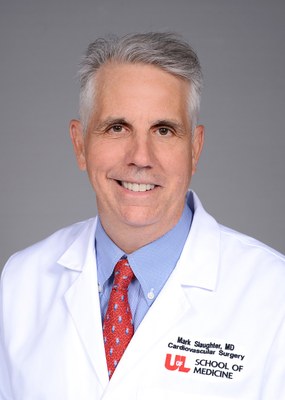 Mark S. Slaughter合作论文数Department of Cardiovascular and Thoracic Surgery, School of Medical, University of Louisville1Bostic Robin合作论文数1Carlson Joanne F合作论文数1Meldrum Patty A合作论文数1Stringham James C合作论文数1
 Leslie W. Miller合作论文数Leonhardt Ventures1




