Background. Co-occurrence of depressive and anxiety symptoms is common; however, the shortage of mental health professionals and high treatment costs means additions to in-person care are necessary to meet treatment needs. The present paper evaluates whether a web-based cognitive bias modification for interpretation (CBM-I) intervention intended for anxious adults—but which targets a shared cognitive mechanism of anxiety and depression—is superior to web-based psychoeducation at reducing co-occurring depressive symptoms. Methods. Latent growth curve modeling was used to assess for superiority of CBM-I over psychoeducation at reducing depressive symptoms among adults with elevated anxiety and depressive symptoms. Interventions were completed once weekly for five weeks with a 2-month follow-up assessment. Analyses were replicated in two separate datasets (Study 1: N = 1069; Study 2: N = 517) and employed multiple variations of CBM-I (Study 1: standard, added low-intensity coaching; Study 2: standard, shortened, added self-referential content, added psychoeducation). Results. Study 1 showed significant superiority of CBM-I over psychoeducation at post-intervention (between-group d = 0.31); this was not replicated in Study 2, but the pattern of effect sizes was similar (d = 0.21). Both interventions showed significant reductions in depressive symptoms at post-intervention (within-group ds from baseline = 0.59-0.92) that were maintained at 2-month follow-up (ds from baseline = 0.75-1.04). Conclusions. The current core CBM-I intervention, designed to target experiences of anxiety, appears preliminarily to be effective in reducing co-occurring depressive symptoms, though its effectiveness is not consistently superior to that of psychoeducation and needs replication in randomized trials.
To better characterize common difficulties encountered in health service psychology programs during the COVID-19 pandemic, this study identified professional and personal challenges reported by graduate trainees during the pandemic. A total of 429 graduate students (71.8% White; M-age = 28.3, SD = 4.0) responded to open-ended survey questions at two separate time points. We used the three-phrase approach to qualitative content analysis to identify and interpret prevalent themes. A total of 14 themes and 41 subthemes were identified across four broad domains: (a) challenges related to training and learning, (b) concerns about clinical care for patients, (c) negative impact on professional lives of trainees, and (d) negative impact on personal lives of trainees. No demographic differences were found across students who reported experiencing a professional and/or personal challenge compared with those who did not. We provide several recommendations to graduate programs to support training goals and maintenance of effective program function in the event of abrupt training disruptions.
Background: While delivering care by the Internet holds substantial potential to increase access to behavioral insomnia treatment, sustaining user engagement is considered a challenge. Minimal human support may enhance intervention engagement and efficacy, and older adults may particularly benefit from additional support for otherwise self-directed Internet interventions. Objectives: Test whether a human-delivered stepped support protocol improves engagement and outcomes using a fully-automated cognitive-behavioral therapy for insomnia program tailored for older adults (Sleep Healthy Using the Internet-Older Adult Sufferers of Insomnia and Sleeplessness [SHUTi-OASIS]). Methods: Adults aged 55 and older with insomnia (N=207) were randomized to receive SHUTi-OASIS alone or with stepped support (SHUTi-OASIS+SS). SS could be activated at intervention Core 1 or Core 2 (of six total Cores) if a participant had not completed the Core within two weeks of it becoming available. Engagement metrics were tracked by the Internet intervention platform. Participants self-reported insomnia outcomes by survey and prospective online sleep diaries at baseline, post-9 week intervention period, post 6-months, and post 12-months. Results: There was minimal activation of stepped support (14 of 102 SHUTi-OASIS+SS participants). There were no consistent differences in engagement or insomnia outcomes found when comparing SHUTi-OASIS versus SHUTi-OASIS+SS participants, nor when comparing only low-engaging participants across each condition (n=15 SHUTi-OASIS versus n=14 SHUTi-OASIS+SS). Conclusions: In this trial, most older adults engaged with the Internet intervention as instructed without the need for human support. Findings highlight the utility of highly-engaging Internet interventions for addressing older adults’ healthcare needs.
Background: Symptoms of anxiety, including worry and sleep, can be exacerbated by impending medical appointments. These symptoms can impact cancer survivors’ ability to prepare for or process information during their appointments. Aims: The current study aimed to investigate how worry and sleep change during days or weeks prior to a medical appointment in individuals receiving active treatment for cancer or those in follow-up care. In addition, we examined how coping strategies are associated with fluctuations in worry and sleep around medical appointments. Methods: Participants with a history of cancer (N = 259, age M=49, 90.7% female, 84.2% non-Hispanic white) completed a baseline assessment, ecological momentary assessments, and weekly surveys for five weeks. We conducted a series of multi-level models to examine how appointment day, treatment status, and coping strategies, along with their interactions, predict daily worry and sleep. Results: On average, participants reported greater worry on days with (vs. without) a medical appointment, regardless of their coping strategies and treatment status. In addition, greater use of emotion suppression was associated with worse sleep quality the night before an appointment. Reduced sleep duration was also associated with greater use of suppression, but only among those in active treatment. Conclusions: Medical appointments are associated with worry and sleep difficulties among cancer survivors, but effects on sleep depend on stage in treatment and/or habitual use of suppression. Cancer survivors may benefit from strategies to manage appointment-related anxiety, with an emphasis on targeted interventions to improve adaptive coping strategies (rather than suppression).
PurposeThe growing population of cancer survivors in the US highlights the need for adaptive digital mental health treatments that can help address a large gap in mental health treatment. Although just-in-time adaptive interventions (JITAIs) hold promise for improving mental health outcomes, none have been developed specifically for cancer survivors, in part due to their complexity. The purpose of this study was to identify survivor-level factors that could inform the development and optimization of adaptive treatments aimed at improving affective outcomes in this population.MethodsA total of 426 adults diagnosed with cancer within the past five years participated in a 5-week observational study. Participants completed smartphone-based surveys three times per day assessing momentary affect, affective forecasting, emotion regulation attempts, social interaction quality, pain, and sleep duration from the previous night. Linear mixed-effects models were conducted at the momentary level to examine associations with positive affect (PA) and negative affect (NA).ResultsHigher momentary PA was associated with longer sleep duration the previous night, lower pain, fewer emotion regulation attempts, higher-quality social interactions, and forecasting one's future affect as more positive. In contrast, higher momentary NA was associated with shorter sleep duration the previous night, greater pain, more frequent emotion regulation attempts, poorer-quality social interactions, and forecasting one's future affect as more negative.ConclusionThese findings identify several modifiable meta-emotion and psychosocial factors that may serve as promising targets for future JITAIs designed to improve affective well-being among cancer survivors.
Cancer survivors face unique mental health challenges, yet nearly half report unmet psychosocial needs. Smartphone interventions could help, but a major obstacle is knowing if, when, and how to intervene because inferring affective states with low-burden methods is hard. We test whether ultra-brief mobile diaries can infer contextual information approximating survivors’ affect, desire to regulate affect, and potential availability for brief digital behavioral interventions. Analyzing 24,183 entries from 407 survivors, administrative and health-related situations align with higher negative affect, whereas leisure/social situations align with higher positive affect. We introduce a Context-Aware LLM (CALLM) framework, which curates context via similarity-aligned peer cases and short personal trajectories, achieving balanced accuracy of 72.96% (positive affect), 73.29% (negative affect), 73.72% (regulation desire), and 60.09% (intervention availability), outperforming baselines. Post-hoc analyses show LLM confidence tracks accuracy, longer entries aid inference, and brief calibration improves personalization. Findings inform future just-in-time adaptive interventions for this underrepresented population.
Cancer survivors face elevated rates of depression, anxiety, and emotional distress, yet self-report may be unavailable at some moments when support is relevant, a challenge we term the diary paradox. We present PULSE, a system for agentic sensing investigation: LLM agents equipped with eight purpose-built tools query smartphone sensing data, compare current behavior with personal baselines, and retrieve outcome-labeled historical cases. Rather than receiving only a fixed feature summary, agents choose which modalities and time windows to inspect. We evaluate PULSE through a two-by-two evaluation design crossing system architecture (structured single-pass vs. multi-turn agentic) with concurrent input modality (no current diary vs. sensing plus current diary) on 50 cancer survivors. The agentic multimodal condition achieves balanced accuracy of 0.743 for emotion-regulation desire; the agentic no-current-diary condition achieves 0.713 for self-reported intervention availability. This is a system-level comparison because the architecture conditions also differ in tool-mediated information access. The results provide a retrospective benchmark for interactive sensing investigation and motivate prospective evaluation at diary non-response moments.
Breast cancer survivors frequently experience persistent and co-occurring symptoms, yet the role of allostatic load (AL), a measure of cumulative physiological stress, in shaping these outcomes remains unclear. We examined the associations of AL with physical and mental health outcomes, symptom burden profiles, and socioeconomic disparities among breast cancer survivors using data from the UK Biobank. The study included 1,444 breast cancer survivors and 1,444 age-matched women without cancer who completed baseline (2006-2010) and follow-up (2022) assessments. AL was derived from 11 biomarkers and analyzed as a continuous measure. Survivorship outcomes included sleep quality, fatigue, depression, anxiety, cognitive function, functional limitation, and self-rated mental health. Latent class analysis was used to identify symptom burden profiles, and multivariable regression and mediation analyses were performed. Among breast cancer survivors (mean age 58 years), higher AL was associated with poorer sleep quality (β = 0.18, 95% CI 0.06-0.29), greater fatigue (β = 0.23, 95% CI 0.12-0.35), increased functional limitation (β = 0.28, 95% CI 0.09-0.47), higher depressive symptoms (β = 0.15, 95% CI 0.02-0.28), higher anxiety (β = 0.12, 95% CI 0.01-0.23), and poorer self-rated mental health (β = -0.09, 95% CI - 0.13 to - 0.05), but not cognitive function. These associations were weaker or absent among women without cancer. Higher AL was also associated with increased likelihood of adverse symptom burden profiles. Mediation analyses indicated that AL partially mediated associations of income and education with multiple outcomes, accounting for approximately 6-15% and 8-9% of these associations, respectively. These findings suggest that elevated AL is associated with worse survivorship outcomes and contributes to socioeconomic disparities in symptom burden among breast cancer survivors. Chronic physiological stress may represent an important mechanism underlying survivorship heterogeneity and a potential target for intervention.
Clinical psychology trainees have been struggling with significant burnout, anxiety, and depressive symptoms since well before the COVID-19 pandemic, but the problem has escalated in recent years. This study reports on a broad survey of trainees in clinical psychology doctoral programs across the United States and Canada (N = 984; M = 27.5 years, SD = 3.39). We found that trainees feel enormous time pressure despite working long hours (50-60 hr a week) and are suffering from high rates of burnout, especially emotional exhaustion. Most students do not feel they have adequate time for self-care and report that faculty in their programs talk about the importance of work-life balance but do not actually prioritize it. These problems are even more acute for trainees who identify as non-White. Self-care is often framed as an individual competency that trainees are responsible for learning and achieving on their own. However, the demands on trainees may make self-care almost impossible. These are institutional and field-specific problems that require systemic solutions. As a field, we must generate ways of reducing the burdens on all trainees, enhancing their well-being, and ensuring the future of our workforce.
This randomized trial tested whether stepped human support improves engagement and outcomes in older adults (age ≥55) using a fully-automated online insomnia intervention. Among 207 older adults with insomnia, stepped support was rarely activated and did not enhance engagement or outcomes. Most participants engaged with the program independently with strong treatment outcomes, suggesting that well-designed digital interventions can meet behavioral health needs in older adults without requiring additional human support.
Background and objectives Using multiple emotion regulation strategies in response to a single stressor—known as polyregulation—is an understudied but common event. The role of polyregulation in psychological disorders characterized by repetitive negative thinking (RNT) is unexplored, despite well-documented difficulties in emotion regulation and strong urges to avoid and escape one's intrusive thoughts in RNT. Methods Participants (N = 60) either had clinical levels of RNT (n = 15 with worries, n = 14 with ruminations, n = 16 with obsessions) or non-clinical levels of RNT (n = 15) and were exposed to their most personally distressing intrusive thought during an in-lab task. Proportional odds logistic regressions were used to test if RNT group and situation-level factors predicted greater polyregulation following the thought exposure. Multilevel regressions were used to test the short-term effectiveness of polyregulation on subjective distress and psychophysiological responding (heart rate, skin conductance). Results Ninety percent of participants reported using two or more strategies following intrusive thought exposure. Extent of polyregulation was not significantly predicted by RNT group, most situation-level factors, or short-term regulatory effectiveness. Endorsing a greater need to control one's intrusive thought did, however, predict use of more strategies. Limitations This is a secondary analysis in a small sample. Conclusion Given treatments for psychological disorders characterized by RNT attempt to disrupt the connection between a person's urge to control their distressing thoughts and efforts to escape or avoid those thoughts, continued investigation into the role of polyregulation in intrusive thinking may guide clinical intervention.
BACKGROUND:One in 20 women globally will be diagnosed with breast cancer in her lifetime and face increased risk for poor sleep quality and sexual functioning after treatment. Limited evidence exists on how these prevalent survivorship concerns influence each other over time. This secondary analysis examined the prospective association between breast cancer survivors' sleep quality and sexual satisfaction. METHODS:Distressed breast cancer survivors (N = 313; mean age, 52 years [range: 27-77 years]; 84% non-Hispanic White) reported sleep quality (Pittsburgh Sleep Quality Index) and sexual satisfaction (Patient Reported Outcomes Measurement Information System Satisfaction With Sex Life Scale) at baseline, 8 weeks, 6 months, and 12 months in a randomized clinical trial of an application-based distress intervention. Parallel-process latent growth modeling was used to test associations between trajectories of these domains, adjusting for age and partner status. RESULTS:Most survivors (77%) reported clinically significant impairments in both sleep quality and sexual satisfaction at one or more timepoints. Model fit was strong (χ2[29] = 24.47; p = .71; comparative fit index = 1.00; standardized root mean square residual = .025), with no moderation by intervention condition. Both sleep quality (p < .001) and sexual satisfaction (p = .004) improved over time, with greater improvements observed among participants with worse initial scores (p = .01 for both associations). Sleep quality and sexual satisfaction were positively associated at baseline (p < .001), but initial levels in one domain did not predict changes in the other, and their trajectories were not significantly related. CONCLUSIONS:Poor sleep and low sexual satisfaction commonly co-occur among distressed breast cancer survivors and are cross-sectionally related. However, changes in these domains occurred independently over time, highlighting the importance of evaluating both concerns and providing domain-specific survivorship care.
BackgroundDigital microinterventions have strong potential to improve the lives of adults diagnosed with cancer. However, little is known about which types of digital microinterventions are most desired and how contextual factors may influence those preferences. This potentially limits guidance for personalized and timely digital microintervention delivery. ObjectiveThis study aims to identify time-varying and person-level predictors of relative digital microintervention interest among adult survivors of cancer. MethodsWe enrolled US adults within 5 years of a cancer diagnosis in a 5-week observational study using ecological momentary assessment. Participants (N=407) were asked 3 times a day for 5 weeks which of 9 brief, mobile-delivered interventions, if any, they would have been interested in completing within the past hour. Intervention options were (1) reducing worry, (2) reducing negative thoughts, (3) problem solving, (4) increasing positive emotions, (5) connecting with values, (6) guided relaxation, (7) getting support from others, (8) setting goals, and (9) something else. Multinomial models were used to identify demographic (ie, age), cancer-related (ie, treatment status), and psychological (ie, depression symptom severity, anxiety symptom severity, history of major depressive diagnosis, history of anxiety disorder diagnosis, and psychotherapy status) predictors of individual differences in modal intervention preference. Multilevel logistic and multilevel multinomial models were used to identify momentary negative affect, positive affect, and pain predictors of relative intervention interest. ResultsParticipants indicated interest in completing a digital microintervention in 87% (20,429/23,472) of completed surveys. The most frequently selected intervention option was guided relaxation (8611/20,429, 42%). Neither cancer treatment status (χ29=6.5; P=.69) nor psychotherapy status (χ29=14.0; P=.12) differentiated between modal intervention preferences. Participants with greater anxiety (χ29=35.1; P<.001) and depression symptom severity (χ29=23.0; P=.006) were less likely to modally endorse guided relaxation compared to other intervention options like increasing positive emotions, reducing negative thoughts, and getting support from others. Higher momentary negative affect and pain and lower momentary positive affect each predicted a greater likelihood to endorse interest in completing an intervention (vs not completing an intervention; P<.05) and to endorse interest in completing multiple interventions (vs only one; P<.001). Finally, higher momentary negative affect generally predicted greater interest in completing an intervention other than guided relaxation, whereas higher momentary pain generally predicted greater relative interest in guided relaxation. ConclusionsAdult survivors of cancer differ in their digital microintervention preferences between and within persons. Guided relaxation alone is less appealing to survivors of cancer when they are in greater emotional distress but may be more appealing in response to instances of increased pain.
OBJECTIVES:Prior experiences of medical racism harm health outcomes through reduced trust in medical recommendations and ultimately reduced treatment uptake. Unfortunately, experiencing medical racism is common among Black women. Culturally tailoring interventions can increase patient trust and treatment engagement. This secondary analysis examines the role of medical racism as a moderator of intervention use and sleep outcomes among Black women randomized to a tailored or standard internet insomnia treatment. DESIGN:Secondary analysis of a randomized clinical trial. METHODS:In total, 218 Black women with insomnia were randomized to tailored or standard internet insomnia treatment. Univariate linear mixed-effects models tested whether prior medical racism moderated the effect of intervention condition on changes in sleep outcomes (ISI, PSQI, WASO, SOL) across baseline, post-intervention and 6-month follow-up assessments. Binary logistic regression assessed moderation effects on remitter, responder and treatment completer status at post-intervention. Quasi-Poisson regression examined moderation effects on the number of program logins and sleep diaries completed. RESULTS:Thirty-eight per cent of participants reported prior medical racism. Medical racism did not explain differences in rates of intervention use or sleep outcomes. Insomnia symptoms comparably improved in both conditions (ps < .001). CONCLUSIONS:Over one third of the sample reported medical racism, suggesting it is not a rare occurrence for Black women; however, medical racism was not associated with intervention engagement and sleep health outcomes. Confronting racism within health care systems and providers remains necessary to promote physical and mental health equity.
BackgroundSmartphones could enhance access to effective cognitive behavioral therapy (CBT). Users may frequently and flexibly access bite-size CBT content on personal devices, review and practice skills, and thereby achieve better outcomes. ObjectiveWe explored the distribution of actual interactions participants had with therapeutic content in a trial of smartphone CBT for depression and whether interactions were within assigned treatment modules or revisits to prior module content (ie, between-module interactions). MethodsWe examined the association between the number of within- and between-module interactions and baseline and end-of-treatment symptom severity during an 8-week, single-arm open trial of a therapist-guided CBT for depression mobile health app. ResultsInteractions were more frequent early in treatment and modestly declined in later stages. Within modules, most participants consistently made more interactions than required to progress to the next module and tended to return to all types of content rather than focus on 1 skill. By contrast, only 15 of 26 participants ever revisited prior module content (median number of revisits=1, mode=0, IQR 0-4). More revisits were associated with more severe end-of-treatment symptom severity after controlling for pretreatment symptom severity (P<.05). ConclusionsThe results suggest that the frequency of use is an insufficient metric of engagement, lacking the nuance of what users are engaging with and when during treatment. This lens is essential for developing personalized recommendations and yielding better treatment outcomes. Trial RegistrationClinicalTrials.gov NCT05386329; https://clinicaltrials.gov/study/NCT05386329?term=NCT05386329
Background:Binge drinking, which is linked to various immediate and long-term negative outcomes, is highly prevalent among US college students. Behavioral interventions delivered via mobile phones have a strong potential to help decrease the hazardous effects of binge drinking by promoting safer drinking behaviors. Objective:This study aims to evaluate the preliminary efficacy of bhoos, a novel smartphone app designed to promote safer drinking behaviors among US college students. The app offers on-demand educational content about safer alcohol use, provides dynamic feedback as users log their alcohol consumption, and includes an interactive drink tracker that estimates blood alcohol content in real time. Methods:The bhoos app was tested in 2 independent pre-post studies each lasting 4 weeks, among US college students aged 18-35 years. The primary outcome in both trials was students' self-reported confidence in using protective behavioral strategies related to drinking, with self-reported frequency of alcohol consumption over the past month examined as a secondary outcome. Results:In study 1, bhoos was associated with increased confidence in using protective behavioral strategies. Students also endorsed the high usability of the app and reported acceptable levels of engagement. Study 2 replicated findings of increased confidence in using protective behavioral strategies, and demonstrated a reduction in the self-reported frequency of alcohol consumption. Conclusions:Bhoos is a personalized, accessible, and highly scalable digital intervention with a strong potential to effectively address alcohol-related behaviors on college campuses.
Cancer survivors face unique emotional challenges that impact their quality of life. Mobile diary entries provide a promising method for tracking emotional states, improving self-awareness, and promoting well-being outcome. This paper aims to, through mobile diaries, understand cancer survivors' emotional states and key variables related to just-in-time intervention opportunities, including the desire to regulate emotions and the availability to engage in interventions. Although emotion analysis tools show potential for recognizing emotions from text, current methods lack the contextual understanding necessary to interpret brief mobile diary narratives. Our analysis of diary entries from cancer survivors (N=407) reveals systematic relationships between described contexts and emotional states, with administrative and health-related contexts associated with negative affect and regulation needs, while leisure activities promote positive emotions. We propose CALLM, a Context-Aware framework leveraging Large Language Models (LLMs) with Retrieval-Augmented Generation (RAG) to analyze these brief entries by integrating retrieved peer experiences and personal diary history. CALLM demonstrates strong performance with balanced accuracies reaching 72.96 73.72 outperforming language model baselines. Post-hoc analysis reveals that model confidence strongly predicts accuracy, with longer diary entries generally enhancing performance, and brief personalization periods yielding meaningful improvements. Our findings demonstrate how contextual information in mobile diaries can be effectively leveraged to understand emotional experiences, predict key states, and identify optimal intervention moments for personalized just-in-time support.
PurposeThis study aims to examine the unique lived experiences of international graduate students in light of COVID-19 and the recent sociopolitical climate in the USA (e.g. Black Lives Matter movement, protests against anti-Asian hate crimes and gun violence).Design/methodology/approachThe authors used an exploratory qualitative design embedded within a constructivist/interpretivist paradigm. A total of 31 international health service psychology graduate students completed an online survey, 17 of whom participated in a 60-min one-on-one semi-structured interview.FindingsParticipants reported facing a range of difficulties (e.g. travel ban/inability to spend time with family, visa-related concerns, racism, decreased support) during the global pandemic and the recent sociopolitical climate in the USA. A total of 48 themes were identified and organized into six domains: COVID-19-related stress and worry, experiences of racism/discrimination, coping mechanisms, support received, recommendations for programs and higher learning institutions and advice for other international graduate students.Originality/valueThe recent sociopolitical climate in the US exacerbated some of the preexisting inequities for international graduate students due to their international student status and the global pandemic. Although few in number, students also spoke about some positive changes as a result of these major historical and political events. Implications for graduate education, clinical practice and policymaking are discussed.
BACKGROUND:Body dysmorphic disorder (BDD) is a severe, chronic disorder if untreated. Smartphone cognitive behavioral therapy (CBT) for BDD is efficacious and can reduce key treatment barriers (e.g., lack of clinicians, cost, stigma). While promising, little is known about who is more or less likely to benefit from this approach. METHODS:This is a secondary data analysis of a randomized, waitlist-controlled trial of smartphone CBT for BDD. Participants (N = 80) were recruited nationally and randomized to receive a 12-week, coach-guided CBT for BDD app, either immediately or after a 12-week waitlist. The main outcome for this analysis was BDD severity (BDD-YBOCS) over time (baseline, week 6, week 12) during the active app use phase in each randomized group (n = 74). Secondary outcomes included treatment response (≥30 % reduction in BDD-YBOCS) and remission (total BDD-YBOCS ≤16) at end-of-treatment. RESULTS:Immediate (vs. delayed) CBT predicted better outcomes (symptom improvement), as did gender identity (symptom improvement), higher baseline treatment credibility and expectancy (response, remission), lower baseline BDD severity (remission), and sexual minority status (vs. heterosexual; response, remission). LIMITATIONS:Limitations include the relatively small sample, drop-out rate of 22 %, and limited gender and racial-ethnic diversity. CONCLUSIONS:These results highlight a potential advantage of smartphone CBT in historically marginalized populations, and the importance of efforts to hasten treatment access, bolster confidence in the treatment at treatment onset, and develop stratified care models to optimize treatment allocation and efficacy.
 Bethany A. Teachman合作论文数Program for Anxiety, Cognition, and Treatment Teachman Lab, University of Virginia;Department of Psychology, School of Arts & Sciences, University of Virginia27
 Philip Chow合作论文数Department of Psychology, University of Illinois at Urbana–Champaign14
 Mehdi Boukhechba合作论文数Department of Engineering Systems and Environment, School of Engineering and Applied Science, University of Virginia14
 Daros Alexander R合作论文数Department of Psychology, University of Toronto Scarborough10
 Beltzer Miranda L合作论文数Department of Psychology, Harvard University7
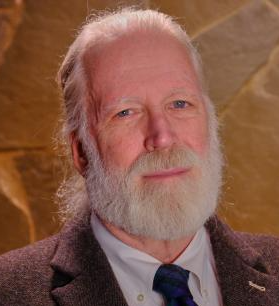 Steven Boker合作论文数Department of Psychology, University of Virginia7
 Robert Moulder合作论文数Institute of Cognitive Science.6
 Pankhuri Aggarwal合作论文数Dept Psychol, Miami Univ5
 Kelly M Shaffer合作论文数5
 Lee M. Ritterband合作论文数Department of Psychiatry and Neurobehavioral Sciences, University of Virginia Health System5
 Zhiyuan Ryan Wang合作论文数Meta Reality Labs Research4
 Erica Szkody合作论文数Dept Psychol, Mississippi State Univ4
 Jason J Washburn合作论文数Department of Psychiatry & Behavioral Sciences, Feinberg School of Medicine, Northwestern University4
 Goodman Fallon R合作论文数Department of Psychology.4
 Laura Barnes合作论文数Department of Systems and Information Engineering, School of Engineering and Applied Science, University of Virginia4
 Amy H. Peterman合作论文数Center on Outcomes, Research and Education, Evanston Northwestern Healthcare4
 Jennifer Boland合作论文数Dept Psychol & Philosophy, Sam Houston State Univ3
 Ilana Ladis合作论文数Dept Psychol, Univ Virginia3
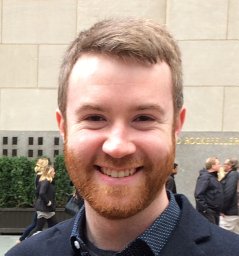 Southward Matthew W合作论文数Department of Psychology, The Ohio State University3
 Christina Frederick合作论文数User Services, University of Rochester Computing Center3
 Edward A. Selby合作论文数Department of Psychology, Florida State University3
 Maria A Larrazabal合作论文数2Leihua Edstrom合作论文数2Linda G McWhorter合作论文数2
 Jill Glazer合作论文数School of Medicine, University of Virginia2
 Blanka Angyal合作论文数2
 Sanjana Mendu合作论文数Univ Virginia, Charlottesville, VA 22904 USA2
 Anna N Baglione合作论文数University of Virginia2
 Sonia Baee合作论文数Univ Of Virginia Charlottesville2
 Prerna Arora合作论文数Department of School Psychology, Teachers College, Columbia University2
 Marie L Miville合作论文数Teachers College, Columbia University2
 Sabine Wilhelm合作论文数Center for Digital Mental Health, Massachusetts General Hospital, Harvard Medical School;Center for OCD and Related Disorders, Massachusetts General Hospital, Harvard Medical School2
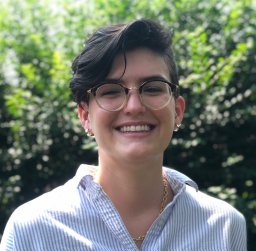 Emma R Toner合作论文数Department of Psychiatry, Massachusetts General Hospital2Kneeland Elizabeth T合作论文数2
 Jeremy W. Eberle合作论文数University of Washington2
 Irene Tung合作论文数a Department of Psychology, University of California , Los Angeles2
 Ana J Bridges合作论文数University of Arkansas2
 Werntz Alexandra J合作论文数Department of Psychology, University of Virginia.2
 Karen S Ingersoll合作论文数2Karl C. Fua合作论文数2
 Jennifer S Cheavens合作论文数Duke University, Duke University2
 Alex L. Pieterse合作论文数2David Rollock合作论文数Yale University2Erin E. Reilly合作论文数1Tammy Schuler合作论文数1
 Allison E Meyer合作论文数1Mary A. Fernandes合作论文数1
 Alexandria M Choate合作论文数1Tri Le合作论文数1




