Anaerobic digestion (AD) is a key technology for energy recovery in wastewater treatment plants, converting organic matter into methane-rich biogas. However, its efficiency is constrained by slow reaction rates, particularly during hydrolysis and methanogenesis, necessitating large reactor footprints for effective sludge digestion. Alternative AD configurations for process intensification present a promising solution to address these limitations by altering the design and operational setup of the AD process. In this review, key configuration-based AD intensification strategies were systematically analyzed, including recuperative thickening, single-stage thermophilic AD, acid/gas two-stage AD, temperature-phased AD, and multi-stage AD systems. The mechanisms, governing factors, efficiency gains, and scalability of these technologies were critically examined. These configurations demonstrated substantial improvements in methane production rates, process intensification, and the removal of solids and organics. Single-stage thermophilic and cascade AD technologies showed the highest potential for full-scale implementation, supported by successful real-world applications. Conversely, recuperative thickening exhibited promising results at lab and pilot scales but remains limited by its lower technology readiness level. Furthermore, the integration potential of such alternative systems with other intensification technologies was explored, highlighting synergistic opportunities for further optimization. This review provides critical insights into means to intensify AD process through alternative process configurations, offering a comprehensive guide for their application in biogas upgrading. It also identifies key challenges and outlines actionable steps to advance these systems toward widespread adoption in full-scale AD operations.
This study evaluated thermal and thermo-alkaline post-treatment of digested cattle manure (DCM) as a strategy to increase methane recovery and improve the flexibility of biogas systems within hybrid renewable energy alternatives. A 10 L mesophilic CSTR was operated for 311 days, producing lignin-rich digestate that was subjected to a statistically designed range of post-treatment conditions varying temperature (50-90 degrees C), pH (8-12), and contact time (6-24 h). Biomethane potential assays and lignocellulosic fractionation were used to determine changes in solubilization, biodegradability, and methane production kinetics. Thermal treatment provided modest improvements, reaching 84 mg SCOD g-1 PCOD solubilization and a 26 mL CH4 g-1 COD increase in methane yield. Thermo-alkaline treatment produced substantially higher enhancements, with the most severe condition (90 degrees C-pH 12-24 h) achieving 493 mg SCOD g-1 PCOD solubilization, 66% removal of structural carbohydrates, and a 60.2 mL CH4 g-1 COD increase in methane yield, corresponding to a 16% rise in biodegradability and a twofold increase in methane production rate. Gompertz modeling indicated accelerated kinetics and minimal lag time. A strong linear correlation (R2 = 0.90) between severity index and solubilization supported predictable scalability. These results demonstrate that thermo-alkaline hydrolysis can significantly enhance post-digestion methane recovery and strengthen the role of agricultural biogas in integrated renewable energy systems. The techno-economic analysis revealed that, despite higher operating costs for thermo-alkaline post-treatment than for the control, the main drivers are chemical costs and the price of renewable energy, and thus the application of post-treatment as a sustainable solution for animal manure treatment will likely improve as renewable energy prices increase in the future.
This study investigated the applicability of side-stream vacuum for intensification of anaerobic digestion (AD) at organic loading rates (OLRs) of 3.8-4.5 kgVS/m(3)/d (6.1-7.3 kgCOD/m(3)/d), and ammonia recovery at four times the OLR of a conventional AD. Initial operation showed a performance decline due to Methanosaeta dominance and its inability to resist vacuum, resulting in low methane yield (0.06 L/gCOD(feed), 15 % COD destruction) and high SCOD accumulation (12 g/L). Methanosarcinaceae enrichment under vacuum restored stability, achieving 49 %-53 % VSS destruction. Ammonia inhibition was mitigated by 44 %-47 % TKN recovery through ex-situ vacuum stripping, maintaining ammonia concentrations below 1 gN/L, compared to a potential inhibitory level of > 4 gN/L without ex-situ vacuum. The dominance of Methanosarcinaceae and successful ammonia recovery corresponded with stable operation at four times the OLR of conventional digesters. Biokinetic studies revealed a 155 %-232 % improvement in biomass-specific acetoclastic methanogenic activity through ex-situ vacuum. Fluorescence excitation-emission matrix-parallel factor analysis showed accumulation of the slowly biodegradable fluorescing organic. High fermentative bacterial counts were maintained, with increased populations of DMER64, Mesotoga, Synergistaceae, Clostridium_sensu_stricto_1, Pelotomaculum, and Syntrophomonas, suggesting resistance to vacuum stress, while Smithella decreased.
Performic acid (PFA) has emerged as a promising disinfectant for wastewater effluents and combined sewer overflows (CSOs), offering strong microbial inactivation with minimal formation of harmful disinfection byproducts (DBPs). This review systematically evaluates existing research on PFA performance across primary effluent, CSOs, and secondary effluent, emphasizing microbial inactivation kinetics, exposure modeling, DBP formation, and toxicity, while identifying knowledge gaps. Compared with traditional disinfectants such as free chlorine, chlorine dioxide, chloramines, and peracetic acid, PFA demonstrates comparable or superior bacterial inactivation while generating substantially lower concentrations of regulated halogenated DBPs. PFA also generates diverse oxygenated and nitrogen-containing transformation products, with PAA behaving similarly, whereas chlorine and chloramines form more persistent halogenated and nitrogenous byproducts. Disinfection efficacy of PFA varies across microbial groups, with enterococci, spores, and protozoan cysts demonstrating greater resistance, consistent with patterns observed for other disinfectants. However, PFA achieves faster inactivation at equivalent doses. Studies indicate that integral CT (ICT)-based models more accurately describe PFA inactivation under real wastewater conditions by capturing disinfectant decay and non-ideal hydraulics. DBP formation during PFA disinfection remains low, with halogenated DBPs detected only at high PFA concentrations (≥30 mg/L), and no nitrosamine formation reported. Acute toxicity assays show low ecotoxicity, although responses differ among species. Despite these promising findings, research gaps remain regarding PFA reactivity with complex wastewater matrices, inactivation of human enteric viruses and resistant bacterial spores, environmental fate of transformation products, and long-term ecological impacts. Overall, this review highlights PFA’s strong potential as a safer, effective disinfectant for wastewater treatment and identifies critical areas for future investigation to support full-scale implementation.
Cattle manure (CM), a lignocellulosic biomass, is an energy-rich feedstock which is poorly biodegradable during anaerobic digestion (AD). In this study, milled CM was primarily subjected to chemical (pH 4-12), thermal (50-90 degrees C), and thermochemical batch pretreatment tests at contact times (CTs) of 6-24 hr, to determine the optimum conditions for testing in fed-batch AD systems. Lignin, cellulose, and hemicellulose were determined according to standard NREL protocols. Thermochemical pretreatment at 90 degrees C and pH 12 achieved the highest methane yield, biodegradability, and maximum biomass-specific methane production rate (MSMPR) of 180 mL CH4/gCOD; 51%; 28.3 mL CH4/gVSS-d, respectively, surpassing chemical (149; 43%; 20.9) and thermal (162; 46%; 15.3), with the greatest lignin, cellulose, and hemicellulose (LCH) removals (lignin 14%, cellulose 41%, hemicellulose 51%). The correlation between solubilization and maximum specific methane production rate (MSMPR) showed an overall increasing trend; however, at high solubilization (similar to 235 mg SCOD/gVSS), no further improvement was observed, likely due to the formation of inhibitory or poorly biodegradable compounds under severe pretreatment conditions. Solubilization for all pretreatments correlated well with a modified severity index (MSI). Methane yield was calibrated/validated using a Box-Behnken design, which showed significant temperature dependence. Fed-batch reactors with chemical or thermal pretreatment were stable but showed no improvement over batches, indicating that long-term acclimatization was not advantageous.
This study compares integrated thermal hydrolysis-anaerobic digestion (THP-AD) with the IntensiCarb (TM) (IC) vacuum-enhanced AD (IC-AD) of mixed primary and secondary sludges under identical organic loading rates (OLR) of 8-8.7 kgCOD/m(3)& centerdot;d and solids retention times (SRT) of 18-20 d. IC-AD achieved a stable methane yield of 0.22 L-CH4/gCOD(fed) (55% COD destruction), while THP-AD produced < 0.1 L-CH4/gCOD(fed) and failed due to the toxicity of high ammonia (>3.3 gN/L) and propionate (>2.8 g/L) accumulation when using both acclimatized and unacclimatized THP biomass. The IC-AD reduced digester ammonia by 49%-56% via ex-situ vacuum application whereas in THP-AD, ammonia accumulated. Off-line batch tests showed acetate, butyrate and propionate degradation rates were 2.3-2.7 times higher in IC-AD than THP-AD. Ammonia inhibition batch tests showed methane production rate reductions of 27% in IC and 58% in THP at 2-4 g-ammonia/L, highlighting the higher inhibition threshold of the IC biomass. The microbial communities showed distinct differences: IC-AD was dominated by Firmicutes with enriched Petrimonas and Syntrophomonas, while THP-AD was dominated by Bacteroidota with enriched Corynebacterium and Syntrophomonas. Methanogen counts were 6.2 times higher in the IC-AD due to the presence of high-growth-rate acetoclastic Methanosarcinaceae while hydrogenotrophic Methanobacteriaceae were the most abundant methanogen in the THP-AD. In offline tests with acetate, the biomass-specific methane production rate in the IC-AD was 8.4 times higher, suggesting that the acetoclastic pathway associated with Methanosarcinaceae provided superior process performance to the hydrogenotrophic Methanobacteriaceae pathway. Overall, when operated at similar loadings IC-AD outperformed THP-AD, achieving stable methane production and enriched beneficial microbial communities while also recovering ammonia as an additional value-added product.
The presence of 41 per- and polyfluorinated alkyl substances (PFAS) was investigated in raw and finished drinking water and in influent and effluent wastewater sampled from facilities in the Great Lakes Basin region of Southern Ontario, Canada (September-November 2023). Based on US Environmental Protection Agency Method 1633A, the method developed for analysis of these species demonstrates high sensitivity and recovery with limits of quantitation that range between 0.075 ng L-1 and 3.0 ng L-1. Linear chain PFAS with carboxylic acid and sulfonic acid groups were detected in finished water from all drinking water treatment plants (n = 6). Wastewater effluents (n = 2) had PFAS concentrations approximately 1 order of magnitude higher than those in finished drinking water samples and included several fluorotelomers and ether-linked species. Across all sites, 13 of the 41 PFAS were detected in drinking water and 21 in wastewater. Average sum of 25 PFAS in finished drinking water ranged between 8.69 and 14.0 ng L-1, well below Health Canada's objective of 30 ng L-1. These results highlight the persistence of PFAS across treatment systems and suggest a potential feedback loop where wastewater effluents reintroduce PFAS into surface waters used as drinking water sources.
Antimicrobial resistance (AMR), particularly vancomycin-resistant enterococci (VRE), poses a critical global health threat. Although wastewater disinfection limits pathogen dissemination, conventional chlorine-based disinfection can be ineffective against antibiotic-resistant bacteria (ARB) and may induce viable but nonculturable (VBNC) states. This study compared performic acid (PFA), peracetic acid (PAA), and sodium hypochlorite (NaOCl) for inactivation of VRE and total enterococci (TE) in high-ammonia secondary effluent. Batch disinfection experiments were conducted using an integrated concentration-time (ICT) framework, assessing microbial survival under standard (24 h) and extended (3-5 days) incubation, to quantify posttreatment recoverability (reactivation/regrowth). PFA achieved rapid and consistent inactivation within the effective linear range, whereas PAA exhibited slower, variable kinetics with distinctive shouldering. NaOCl proved the least reliable and displayed a "lower dose advantage." Reactivation was strongly dependent on inactivation magnitude. At the doses investigated, only PFA consistently achieved > 2.5-log reductions associated with minimal recovery. By comparison, PAA and NaOCl did not reach inactivation levels adequate to suppress reactivation within the tested ICT ranges, indicating VBNC states and regrowth. Within the tested ICT ranges in GLWA secondary effluent, these findings suggest PFA is a promising alternative disinfectant for controlling ARB and provide a reactivation-aware framework for setting exposure targets based on durable, not just immediate, inactivation.
Integration of 15-d HRT mesophilic primary sludge (PS) digesters with hyperthermophilic hydrolysis (HTH) was evaluated in continuously stirred tank reactors (CSTRs) operated with and without enrichment of Caldicellulosiruptor bescii (CBC). Two CSTRs (R1control and R2 CBC) were operated over four phases, including periods without HTH, HTH operation at a 2-day hydraulic retention time (HRT), CBC inoculation, and reinoculation with an increased HRT of 4 days, with the HTH effluent recirculated to the mesophilic digesters. Across all phases, PS biodegradation efficiency in the R1 control was not different from the R2 CBC i.e. the recirculation of the HTH with and without CBC did not improve the methane yield, with average values ranging from 53%–64%. Offline testing of the control and test HTH reactors 2, and 14 days after CBC inoculation with cellobiose and cellulose confirmed that the CBC did not offer any improvement in the acidification rates. To further assess CBC viability and competitive dynamics, confirmatory offline batch tests conducted using PS slurry and dried PS with HTH inoculum, in the presence and absence of CBC demonstrated that CBC fermentation occurred with a more pronounced effect observed for dried PS where competition from native fermenters was reduced. A modified ADM1-based kinetic model calibrated for cellulose removal showed that under the applied operating conditions (HTH HRT 2–4 days; mesophilic HRT 15 days), more than 80% of the CBC inoculum was washed out 7 days after inoculation. Microbial analysis showed that the inoculated species (CBC) failed to achieve long-term dominance. Instead, reactor performance was dictated by native communities selected by the temperature and the substrate used.
The recalcitrance of lignin in cattle manure (CM) significantly limits energy recovery during anaerobic digestion. Mesophilic anaerobic digestion of CM was investigated in continuously stirred tank reactors (CSTRs). In phase 1, the control mother reactor (MR) was operated at an SRT of 30 d, while in phase 2 the MR was followed by a hyper-thermophilic hydrolysis reactor (HTH) at 75 degrees C and SRT of 2 d (HTH2), with recirculation back to the MR which operated at an SRT of 22.4 d. The average steady-state biodegradability based on methane yields, in the MR, after recirculation, was 46 % f 3 % compared to 42 % f 5 %, without recirculation, primarily due to enhanced lignin removal of 20 % (12 % without recirculation). HTH1 (1d SRT) was tested at 75 degrees C to investigate the impact of SRT on solubilization of digested cattle manure (DCM). Biomethanation potential tests (BMP) conducted at 37 degrees C on DCM, HTH1 and HTH2 achieved biodegradabilities of 17 %, 19 %, and 26 %, respectively. Specific methanogenic activity tests (SMA) at mesophilic conditions for DCM and HTH2 showed comparable maximum specific methane production rate (MSMPR) of 14.6 and 14.1 mL CH4/g VSS.d for DCM and HTH2, respectively. However, at 55 degrees C, the MSMPR for HTH2 was roughly three times higher than at 37 degrees C but it was comparable for DCM at both temperatures. Firmicutes and Bacteroidota were the main phyla in MR effluent, HTH2 and all SMA tests at different temperatures (37 degrees C and 55 degrees C). Methanosarcina was the most abundant methanogen at mesophilic and thermophilic temperatures. The predominant mechanism for the enhancement of methane production by the HTH recirculation was not solubilization but the enhanced biodegradation kinetics of particulate organics, including lignin, cellulose, and hemicellulose.
Water resources around the world are increasingly affected by the pressures of population growth and climate change, with substantial risks of water shortages for public supply, agriculture, energy generation, and industry, with impacts on freshwater ecology. Thus, many water utilities are turning to or considering water recycling to augment existing supplies. It is incumbent on a utility to demonstrate that augmenting its water supply with recycled water does not create undue excess risk compared to existing sources that are considered protective of public health. This research quantified the chemical risks associated with using recycled water as a source of water supply. Linear cancer slope factors and threshold dose values were used with chemical concentrations measured at an advanced water recycling pilot in the southern UK to quantify chemical risk profiles of six waters: two existing drinking water source waters, a secondary treated wastewater effluent serving as the influent to the advanced water treatment pilot, and after each treatment step in the pilot (ultrafiltration, reverse osmosis, and ultraviolet advanced oxidation). This study builds on previous work by considering risks throughout the advanced water recycling treatment train via Monte Carlo simulation and evaluating several approaches to handling censored data sets; the analysis leveraged data from an extensive sampling campaign including 37 cancer risk chemicals and 289 threshold-based risk chemicals. Overall, conclusions around relative risk were relatively insensitive to the approach used for handling censored data, while using a stochastic method provided improved insights into the variability of risk. Cancer and noncancer risk profiles of water treated through the advanced treatment train were comparable or better than existing water supply works source waters. This finding provides strong evidence that use of highly treated recycled water as a source of supply is protective of public health from chemical risks when compared to existing source water supplies.
Per- and polyfluoroalkyl substances (PFAS) are being studied in all environmental matrices because of their ubiquitous presence and adverse human health impacts. This study conducted a surveillance of 27 water resource recovery facilities throughout the United States and Canada to screen the range of PFAS concentrations in pre-stabilized sludge and post-stabilized product. Among the 27 water resource recovery facilities, 82% use anaerobic digestion and the rest use chemical stabilization and/or incineration for sludge stabilization. Forty PFAS compounds were evaluated by US Environmental Protection Agency Method SW846/537.1, and four and nine compounds were reported in the pre-stabilized sludge and post-stabilized product, respectively. Concentrations of reported compounds in pre-stabilized sludge and post-stabilized product varied from 5 to 33 ng/g dry basis and 2 to 220 ng/g dry basis, respectively. 3-Perfluoropentylpropanoic acid (5:3 FTCA) and perfluorooctanesulfonic acid (PFOS) were the most frequently observed compounds, and PFAS concentrations in the post-stabilized products were generally higher than the corresponding pre-stabilized sludge.
Animal manures, which are typically rich in lignocellulosic content, pose both significant environmental impacts and opportunities for renewable energy. Lignin is particularly resistant to anaerobic degradation. In this work, the effect of lignin accumulation on anaerobic biomass activity and its potential degradation by chemical post treatment was evaluated. Anaerobic digestion of lignin-rich cattle manure (CM) in a 12-L continuously stirred tank reactor for 224 days (d) under mesophilic conditions, at an average organic loading rate of 2.9 g COD/L/d, and sludge retention time (SRT) of 30 d achieved average steady-state COD, lignin, cellulose, and hemi-cellulose removal efficiencies of 41 %, 11.9 %, 54.5 %, and 55.4 %, respectively. Fluorescence excitation-emission matrix parallel factor (EEM-PARAFAC) analysis for the cattle manure and digestate indicate the presence of aromatic compounds, potentially a lignin hydrolysis by-products, which may be inhibitory. The application of chemical post treatment to enhance the anaerobic biodegradability of lignin-rich digested cattle manure (DCM), achieved additional biodegradability of 15%-24 %, which did not correlate with solubility. This work has demonstrated that despite the accumulation of lignin in the digestate, the activity of the acclimatized lignocellulose-degrading bacteria was enhanced, and thus post treatment technologies should be assessed not only based on their impact with respect to lignin solubilization, but also with respect to how they affect microbial activity.
Ex-situ vacuum-enhanced anaerobic digestion (IntensiCarb-AD) of primary and thickened waste activated sludge (PS/TWAS) was tested at an organic loading rate (OLR) of 11.0-11.3 kg COD/m(3)-d. IC-AD reactors with similar solids retention times (SRT = 20 d) and OLR, were operated at hydraulic retention times (HRT) of 5 days (IF defined as SRT/HRT of 4) and 3.33 days (IF6). IF4 had a higher steady-state methane yield of 0.214 +/- 0.009 L-CH4/gCOD(fed) compared to 0.148 +/- 0.029 L-CH4/gCOD(fed) in IF6. COD removals of 53.5 %+/- 2.25 % were obtained with IF4 but fluctuated with IF6 (37.0 %+/- 7.25 %). Both IF4 and IF6 processed 6 times the OLR of a conventional AD with comparable volatile solids reduction efficiency. The relative instability in IF6 was linked to a greater reduction in microbial activity due to longer vacuum application and higher propionate concentrations (>2.20 g/L), which affected the performance of hydrogenotrophic methanogens. Methanosarcinaceae and Methanobacteriaceae populations were 10.8 % and 35.2 % more abundant in IF4 than in IF6, respectively, corroborating the significantly higher methane yields observed in IF4 compared with IF6. Ammonia recovery efficiencies of 52.0 % and 49.1 % were observed in IF4 and IF6 respectively. Batch ammonia toxicity tests indicated a higher inhibitory constant (K-i) for IC-AD (5.60-5.70 gN/L) compared to conventional AD (1.90 gN/L). Acetate degradation was effective even with ammonia and propionate concentrations as high as 2,000 mg/L and 4,000 mg/L, respectively.
A mathematical model for vacuum evaporation process was developed, which was experimentally validated at different initial pHs and temperatures for ammonia removal from anaerobically digested sludge. Six scenarios were evaluated by combining vacuum evaporation process with anaerobic digestion using anaerobic digestion model 1. These scenarios included a control, a pretreatment by vacuum evaporation, a post-treatment by vacuum evaporation at pH 9, a post-treatment by conventional evaporation (100 degrees C), an intensification with vacuum- concentrated recycled digestate back to the digester, and a second intensification at pH 9. Results indicated that using the evaporator as post-treatment at pH 9 or for intensification at pH 9 were the most favorable options, recovering more than 76 % of the nitrogen present in influent sludge with no negative effect on methane production. An economic analysis showed that the intensification at pH 9 was cost-neutral, significantly higher than the net present value of the control scenario (-22 M$).
Anaerobic digestion has become a key technology in municipal wastewater treatment plants for achieving neutral or positive energy balance. The anaerobic digestion process converts organic matter in the sludge into biogas containing around 50-75 % of methane (CH4) and 25-50 % of carbon dioxide (CO2), in which CH4 is used for heat and electricity generation. Upgrading the biogas by removing CO2 or converting it into CH4 by injecting hydrogen (H2) offers significant economic and environmental opportunities. Among different biotechnologies, the enrichment of hydrogenotrophic methanogenesis pathway (HMP) promotion offers a promising in-situ upgrading strategy that integrates well with existing anaerobic digestion processes, as it maximizes methane yields without requiring significant process changes. Previous studies have broadly addressed various biogas upgrading technologies, while those focused on HMP have primarily highlighted its benefits and limitations. However, research specifically examining in-situ biogas upgrading via HMP remains limited, despite its importance in reducing additional investments and operational complexity. This paper provides an engineering technical review for the process of in-situ biogas upgrading via HMP promotion. More specifically, it reviews comprehensively the process fundamental and reported improvements, the effect of different operational/ environmental parameters on the anaerobic digester performance, and HMP synergy with other technologies/ strategies for enhancing anaerobic digester performance. Key challenges such as H2 supply, mass transfer limitations, and system scalability are also discussed to support future research and practical implementation.
 Martha J.M. Wells合作论文数EnviroChem Services23
 Santoro Domenico合作论文数16
 George Nakhla合作论文数Department of Chemical and Biochemical Engineering, Faculty of Engineering, Western University13John W. Norton Jr合作论文数University of Michigan13
 Farokh Laqa Kakar合作论文数Environmental Research for Resource Recovery Group, Ryerson University11Al-Omari Ahmed合作论文数11Lloyd J. Winchell合作论文数10Muller Christopher合作论文数9
 Ali Khadir合作论文数Young Researcher & Elite Club, Islamic Azad Univ8
 Allegra Kyria Da Silva合作论文数8
 Elsayed Elbeshbishy合作论文数Department of Civil Engineering, The University of Western Ontario8John J. Ross合作论文数7
 Xavier Fonoll Almansa合作论文数Department of Civil, Architectural & Environmental Engineering, The University of Texas at Austin7Chris Muller合作论文数6Shubhashini Oza合作论文数5John Walton合作论文数5Ahmed AlSayed合作论文数5G Mullins合作论文数4
 Holly Stretz合作论文数4Austa Marie Parker合作论文数3Majid Khan合作论文数3Eileen Navarrete合作论文数3Eunkyung Jang合作论文数3
 Sánez Juan合作论文数3
 Wayne J Parker合作论文数Landcare Research3
 Mohamed El-Qelish合作论文数Water Pollution Research Department, National Research Center3Benjamin J. Finnegan合作论文数2Stephen Kuplicki合作论文数2Ahmed Alsayed合作论文数2Denise Funk合作论文数2
 Thais Bremm Pluth合作论文数2
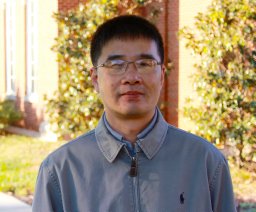 Huang Qingguo合作论文数2
 Meagan Mauter合作论文数Civil & Environmental Engineering Department, School of Engineering, Stanford University;National Alliance for Water Innovation2
 Olya Keen合作论文数2
 Brose Dominic A合作论文数Department of Environmental Science and Technology, University of Maryland2
 Franco Berruti合作论文数Department of Chemical and Biochemical Engineering, University of Western Ontario;Institute for Chemicals and Fuels from Alternative Resources, University of Western Ontario2Eugene J. Leboeuf合作论文数2Jeff Bandy合作论文数2Marie-Laure Pellegrin合作论文数1John Abrera合作论文数1Patrick Woodall合作论文数1Audra Morse合作论文数1Mostafa Khalil合作论文数1W Scott Hopkins合作论文数1Patricia Whitby合作论文数1
 Mohamed Sherif Zaghloul合作论文数1Malcolm Taylor合作论文数1
 Paul Nyangaresi合作论文数University of British Columbia1
 Amy Gruss合作论文数Civil & Construct Engn, Kennesaw State Univ1




