Supplementary Table, Materials and References from Activity of dasatinib against L576P KIT mutant melanoma: Molecular, cellular, and clinical correlates
Epithelial-to-mesenchymal transition (EMT) is known to be important in regulating the behaviour of cancer cells enabling them to acquire stem cell characteristics or by enhancing the stem cell characteristics of cancer stem cells, resulting in these cells becoming more migratory and invasive. EMT can be driven by a number of mechanisms, including the TGF-β1 signalling pathway and/or by hypoxia. However, these drivers of EMT differ in their actions in regulating side population (SP) cell behaviour, even within SPs isolated from the same tissue. In this study we examined CoCl2 exposure and TGF-β driven EMT on SP cells of the MDA-MB-231 and MCF7 breast cancer cell lines. Both TGF-β1 and CoCl2 treatment led to the depletion of MDA-MB-231 SP. Whilst TGF-β1 treatment significantly reduced the MCF7 SP cells, CoCl2 exposure led to a significant increase. Single cell analysis revealed that CoCl2 exposure of MCF7 SP leads to increased expression of ABCG2 and HES1, both associated with multi-drug resistance. We also examined the mammosphere forming efficiency in response to CoCl2 exposure in these cell lines, and saw the same effect as seen with the SP cells. We suggest that these contrasting effects are due to ERα expression and the inversely correlated expression of TGFB-RII, which is almost absent in the MCF7 cells. Understanding the EMT-mediated mechanisms of the regulation of SP cells could enable the identification of new therapeutic targets in breast cancer.
mp3 file (7.5 MB). In the July edition of the Cancer Discovery podcast, Executive Editor Judy Quong talks with Lydia W.T. Cheung about her paper on the characterization of genetic mutations found in endometrial cancer.
Supplementary Data from Integrative Analysis of Cyclin Protein Levels Identifies Cyclin B1 as a Classifier and Predictor of Outcomes in Breast Cancer
Supplementary Table Legends 1-3 from An Integrative Genomic and Proteomic Analysis of PIK3CA, PTEN, and AKT Mutations in Breast Cancer
Supplementary Tables 1-3 from High Frequency of PIK3R1 and PIK3R2 Mutations in Endometrial Cancer Elucidates a Novel Mechanism for Regulation of PTEN Protein Stability
Supplementary figure 1. Genetic alterations in the PIK3CA, PTEN, AKT, MTOR, and HRAS genes from 279 HNSCC tumors from the TCGA.
Supplementary Materials and Methods from High Frequency of PIK3R1 and PIK3R2 Mutations in Endometrial Cancer Elucidates a Novel Mechanism for Regulation of PTEN Protein Stability
Supplementary Tables 5-8 from Characterization of a Naturally Occurring Breast Cancer Subset Enriched in Epithelial-to-Mesenchymal Transition and Stem Cell Characteristics
Supplementary figure 3. Correlation of PI3K mutation, amplification, PI3K score, and mTOR score with sensitivity to GDC0941
Supplementary Legends for Figures and Tables 1-8 from Characterization of a Naturally Occurring Breast Cancer Subset Enriched in Epithelial-to-Mesenchymal Transition and Stem Cell Characteristics
Supplementary Tables 1-3 from Characterization of a Naturally Occurring Breast Cancer Subset Enriched in Epithelial-to-Mesenchymal Transition and Stem Cell Characteristics
Supplementary Data from Integrated Molecular and Clinical Analysis of AKT Activation in Metastatic Melanoma
 Gordon Mills合作论文数School of Medicine, Oregon Health Sciences University55
 Ana Maria Gonzalez-Angulo合作论文数MD Anderson Cancer Center28
 Michael A. Davies合作论文数Department of Melanoma Medical Oncology, Division of Cancer Medicine, University of Texas MD Anderson Cancer Center21
 Bryan T. Hennessy合作论文数19Ana Lluch合作论文数16
 Mark Carey合作论文数Department of Obstetrics & Gynaecology, Faculty of Medicine, The University of British Columbia15
 Gabriel N. Hortobagyi合作论文数Department of Breast Medical Oncology, Division of Cancer Medicine, The University of Texas MD Anderson Cancer Center15
 Aysegul A. Sahin合作论文数Department of Anatomical Pathology, Division of Pathology-Lab Medicine, The University of Texas MD Anderson Cancer Center13
 Joe W. Gray合作论文数Department of Biomedical Engineering, School of Medicine, Oregon Health & Science University;Center for Spatial Systems Biomedicine, Oregon Health & Science University;University of California, San Francisco13
 Vicente Valero合作论文数Department of Breast Medical Oncology, Division of Cancer Medicine, The University of Texas MD Anderson Cancer Center13Agarwal Roshan合作论文数12Corwin Joy合作论文数10Laura K Nolden合作论文数10Zhenlin Ju合作论文数10Yiling Lu合作论文数9
 John V. Heymach合作论文数Department of Thoracic-Head & Neck Med Onc, Division of Cancer Medicine, The University of Texas MD Anderson Cancer Center;Graduate School of Biomedical Sciences, The University of Texas MD Anderson Cancer Center9David N. Stivers合作论文数8Carlos Monteagudo合作论文数8
 Wenbin Liu合作论文数8
 Savitri Krishnamurthy合作论文数Department of Pathology, Division of Pathology and Laboratory Medicine, The University of Texas MD Anderson Cancer Center8
 Jane Fridlyand合作论文数8Michael Z. Gilcrease合作论文数8Xiaping He合作论文数8Keith A. Baggerly合作论文数8
 Victor J Weigman合作论文数8
 Bryan Hennessy合作论文数Department Of Medicine, Royal College of Surgeons in Ireland, University of Medicine and Health Sciences7
 Shaohua Peng合作论文数7
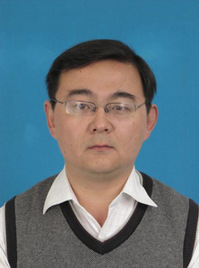 Fan Cheng (程凡)合作论文数School of Artificial Intelligence, Anhui University;Information Materials and Intelligent Sensing Laboratory of Anhui Province, Anhui University7
 Jeffrey N. Myers合作论文数Department of Head and Neck Surgery, Division of Surgery, The University of Texas MD Anderson Cancer Center;Department of Cancer Biology, The University of Texas MD Anderson Cancer Center7Juan P. Palazzo合作论文数7
 Jeffrey E. Gershenwald合作论文数Department of Surgical Oncology, Division of Surgery, The University of Texas MD Anderson Cancer Center;Department of Cancer Biology, The University of Texas MD Anderson Cancer Center7Lixia Diao合作论文数MD Anderson Cancer Center, The University of Texas7Tuhina Mazumdar合作论文数7You Hong Fan合作论文数7
 Bonnie S. Glisson合作论文数University of Texas M.D. Anderson Cancer Center7
 Faye M. Johnson合作论文数Department of Thoracic/Head and Neck Medical Oncology, The University of Texas MD Anderson Cancer Center;Graduate School of Biomedical Sciences, The University of Texas MD Anderson Cancer Center7Hui Dai合作论文数Univ Texas MD Anderson Canc Ctr, Dept Syst Biol, Houston, TX 77030 USA6Fan Zhang合作论文数6
 Shiaw-Yih Lin合作论文数Univ Texas MD Anderson Canc Ctr, Dept Syst Biol, Houston, TX 77030 USA6
 Charles M. Perou合作论文数Department of Genetics, School of Medicine, University of North Carolina at Chapel Hill;Reveal Genomics, S.L.;GeneCentric Therapeutics, Inc.6
 Stephen Johnston合作论文数School of Life Sciences, Arizona State University;Center for Innovations in Medicine, Biodesign Institute, Arizona State University6Ng Patrick Kwok-Shing合作论文数6Woodman Scott E合作论文数6Breuer Eun-Kyoung合作论文数6
 Guang Peng (彭广)合作论文数Department of Clinical Cancer Prevention, Division of Cancer Prevention and Population Sciences, The University of Texas MD Anderson Cancer Center;Tongji Hospital, Tongji Medical College of Huazhong University of Science & Technology6
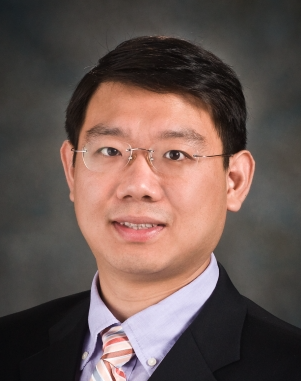 Han Liang (梁晗)合作论文数Department of Bioinformatics and Computational Biology, Division of Basic Science Research, The University of Texas MD Anderson Cancer Center;Department of Systems Biology, Division of Basic Science Research, The University of Texas MD Anderson Cancer Center6
 Ruozhen Hu合作论文数6
 Shuangxing Yu合作论文数6
 Alexander J. Lazar合作论文数Department of Anatomical Pathology, Division of Pathology-Lab Medicine, The University of Texas M.D. Anderson Cancer Center;Department of Genomic Medicine, Division of Basic Science Research, The University of Texas MD Anderson Cancer Center;Department of Translational Molecular Pathology, Division of Pathology/Lab Medicine, The University of Texas MD Anderson Cancer Center6




