Historically, the fates of individual passerines during migration have been informed primarily by scarce data on band recaptures and resighting. This constraint is particularly problematic for imperiled passerines because information on the timing and pathways of migration is not available to inform the development of effective actions necessary to reverse declines. We used automated telemetry stations to investigate the migratory ecology and movements of the globally endangered Saltmarsh Sparrow (Ammospiza caudacuta), for which the specifics of migratory behavior are poorly known. This short-distance migrant relies solely on coastal salt marshes in the eastern USA, breeding from Maine to Virginia, and migrating as far south as Florida. Saltmarsh Sparrows from different breeding (Maine, Massachusetts, and Rhode Island) and non-breeding (South Carolina and Georgia) latitudes generally followed similar migration routes, but individuals often had differences in departure dates. Movements were predominantly coastal, but detections suggest that sparrows also make inland and over-ocean migratory flights, particularly between southern New England and the mid Atlantic. In fall, we detected multiple stopovers in coastal Connecticut, Rhode Island, and New Jersey, and identified spring stopover sites along the Delmarva Peninsula. Most fall stopovers lasted < 2 days, and stopover length decreased throughout the migratory season. Sustained migratory flights occurred only at night. More than 93% of migratory flights were associated with tailwinds at departure, and estimated flight ground speeds correlated weakly with tailwind support. Our research provides new understanding of migratory timing, pathways, and stopover use, which will inform actions such as land protection, marsh restoration, and the siting of near-shore wind development.
Determining factors that shape a species' population genetic structure is beneficial for identifying effective conservation practices. We assessed population structure and genetic diversity for Saltmarsh Sparrow (Ammospiza caudacuta), an imperiled tidal marsh specialist, using 13 microsatellite markers and 964 individuals sampled from 24 marshes across the breeding range. We show that Saltmarsh Sparrow populations are structured regionally by isolation-by-distance, with gene flow occurring among marshes within similar to 110 to 135 km of one another. Isolation-by-resistance and isolation-by-environment also shape genetic variation; several habitat and landscape features are associated with genetic diversity and genetic divergence among populations. Human development in the surrounding landscape isolates breeding marshes, reducing genetic diversity, and increasing population genetic divergence, while surrounding marshland and patch habitat quality (proportion high marsh and sea-level-rise trend) have the opposite effect. The distance of the breeding marsh to the Atlantic Ocean also influences genetic variation, with marshes farther inland being more divergent than coastal marshes. In northern marshes, hybridization with Nelson's Sparrow (A. nelsoni) strongly influences Saltmarsh Sparrow genetic variation, by increasing genetic diversity in the population; this has a concomitant effect of increasing genetic differentiation of marshes with high levels of introgression. From a conservation perspective, we found that the majority of population clusters have low effective population sizes, suggesting a lack of resiliency. To conserve the representative breadth of genetic and ecological diversity and to ensure redundancy of populations, it will be important to protect a diversity of marsh types across the latitudinal gradient of the species range, including multiple inland, coastal, and urban populations, which we have shown to exhibit signals of genetic differentiation. It will also require maintaining connectivity at a regional level, by promoting high marsh habitat at the scale of gene flow (similar to 130 km), while also ensuring "stepping stone" populations across the range.
Targeted, single-species management and ecosystem-based management are generally considered disparate conservation approaches. In imperiled ecosystems, these approaches may be complementary, when habitat management for targeted at-risk species provides broad ecosystem benefits through an umbrella or surrogate species effect. In the northeastern United States, extensive management has been ongoing since 2011 to restore declining habitat for an at-risk shrubland habitat specialist, the New England cottontail (Sylvilagus transitionalis), with the goal that other shrubland-obligate wildlife will also benefit; yet, the efficacy of these efforts has not been evaluated. In this study, we assessed whether habitat management targeting New England cottontail provides conservation benefits for shrubland-obligate birds. Specifically, we (1) identified shrubland-obligate birds that are indicative of the microhabitat conditions and habitat types suitable for New England cottontails, and (2) determined microhabitat and patch-level influences on shrubland bird occupancy at sites occupied by or managed for New England cottontail. Through avian point count surveys and indicator species analyses, we identified 12 shrubland-obligate bird species on patches occupied by New England cottontail and in microhabitat conditions suitable for New England cottontail. Occupancy models for five shrubland bird species further identified species-specific habitat associations. Generalized linear models showed that shrubland bird species richness was positively associated with herbaceous vegetation and low shrubs, indicating that shrublands managed for the purpose of cottontail colonization can also benefit a suite of shrubland birds before the habitat is dense enough to provide cover for cottontails. Our findings show that managing habitat for New England cottontail on a variety of site types can maintain a range of microhabitat conditions to support a high diversity of shrubland-obligate birds. These findings provide evidence for broad ecosystem benefits of managing for New England cottontail and exemplify the value of at-risk habitat specialists as conservation surrogates in imperiled ecosystems.
First posted September 28, 2021 For additional information, contact: Director, Eastern Ecological Science CenterU.S. Geological Survey11649 Leetown RoadKearneysville, WV 25430Contact Pubs Warehouse Structured decision making is a systematic, transparent process for improving the quality of complex decisions by identifying measurable management objectives and feasible management actions; predicting the potential consequences of management actions relative to the stated objectives; and selecting a course of action that maximizes the total benefit achieved and balances tradeoffs among objectives. The U.S. Geological Survey, in cooperation with the U.S. Fish and Wildlife Service, applied an existing, regional framework for structured decision making to develop an example of a prototype tool for optimizing tidal marsh management decisions for selected marsh management units at the Rachel Carson National Wildlife Refuge in Maine. The goal was to create a prototype that could be available for future implementation. Refuge biologists, refuge managers, and research scientists identified multiple potential management actions to improve the ecological integrity of seven marsh management units within the refuge and estimated the outcomes of each action in terms of regional performance metrics associated with each management objective. Value functions previously developed at the regional level were used to transform metric scores to a common utility scale, and utilities were summed to produce a single score representing the total management benefit that could be accrued from each potential management action. Constrained optimization was used to identify the set of management actions, one per marsh management unit, that could maximize total management benefits at different cost constraints at the refuge scale.Management costs were estimated using limited available information, and estimated costs of individual management actions reflected relative differences among actions rather than actual expected expenditures. Results from this prototype showed how, for the objectives, actions, and estimated outcomes used for this example, total management benefits may increase consistently up to a certain estimated cost, and may continue to increase, at a lower rate, with further expenditures. Potential management actions in optimal portfolios at moderate total estimated costs included breaching or removing dikes, roads, or embankments; planting Spartina alterniflora (smooth cordgrass); and digging runnels, or shallow creeks, on the marsh platform to improve surface-water drainage. Potential management actions in optimal portfolios at high estimated costs (for example, up to $550,000) included breaching embankments to restore tidal exchange followed by planting salt marsh vegetation. The potential management benefits were derived from predicted increases in the numbers of tidal marsh obligate birds and spiders (as an indicator of trophic health), and expected improvement in the capacity of marsh elevation to keep pace with sea-level rise and reduced duration of marsh-surface inundation. The prototype presented here does not resolve current management decisions; rather, it provides a framework for decision making at the Rachel Carson National Wildlife Refuge that can be updated for implementation as new data and information become available. Insights from this process may also be useful to inform future habitat management planning at the refuges.
Here we report on the results of a long-term study of mercury exposure in a songbird species, the saltmarsh sparrow (Ammodramus caudacutus). We measured total mercury concentrations in blood (n = 840) and feathers (n = 560) of adult saltmarsh sparrows at six locations between 2000 and 2017: Rachel Carson National Wildlife Refuge (RCNWR) in Wells, Maine; Scarborough Marsh State Wildlife Management Area in Scarborough, Maine; Parker River National Wildlife Refuge on Plum Island, Massachusetts; Pine Neck Preserve in Southampton, Long Island, New York; and North Cinder and North Green Sedge Islands off the coast of Long Island, New York. During the 12–17 year sampling periods, we found that mercury exposure differed by site and year but there was no consistent temporal trend across sites. Blood mercury concentrations declined only at RCNWR in Maine. We also found seasonal variation in blood mercury concentrations and a positive relationship between mercury concentrations of blood and innermost primary feather, but not between blood and tail feather.
The Gulf of Maine has long been recognized as a major stopover area for shorebirds in fall. Knowing how birds move within and beyond the region will be paramount to protecting threatened shorebird habitat. To determine stopover behavior during fall migration (2013-2017) in Maine, 180 (104 AHY, 76 HY) Semipalmated Sandpipers, Calidris pusilla, were tracked using VHF radiotelemetry and an extensive array of automated receivers (Motus Wildlife Tracking System). Birds tagged at three locations along the Maine coastline showed no effect of age class or stopover site on body condition (body mass, estimated fat mass) or stopover length (post capture detection period). However, movement after departure varied greatly among sites. Few birds captured at the northern-most site (“Downeast”, n=71), which had the greatest amount of mudflats and offshore roost sites and the least amount of human disturbance, were detected beyond the initial tagging location, suggesting that they, like birds in the Bay of Fundy just to the north, initiated trans-oceanic flights from that location. At the Downeast site, leaner birds remained significantly longer than fatter birds, suggesting that time of departure there depended on energy reserves, which would be critical for making extensive flights. In contrast, over half of the birds tagged further south (Popham Beach, n= 59; Rachel Carson NWR, n = 50) were later detected at coastal locations to the north (few) or to the south (most). Stopover period at these sites was independent of fat, suggesting that other factors (e.g. feeding/roosting site availability, human activity) influenced departure decisions. In Maine, Semipalmated sandpipers, regardless of age, may move north (Downeast) or south (e.g. Cape Cod, Rhode Island, Long Island Sound) where the local topography, habitat characteristics (feeding/roosting sites), and/or lower human activity, may best enable them to initiate trans-oceanic flights to the wintering grounds. Future study should determine if variation in stopover behavior is population-specific and if population-segregation occurs in Maine. Use of automated VHF radiotelemetry has lead to a greater understanding of stopover behavior and the degree of connectivity among stopover sites, which should be taken into account for conserving migratory bird habitat across broad spatial scales.
If individuals can perceive and manage risks, they may alter their behaviors based on prior experience. This expectation may apply to nest site selection of breeding birds, for which adaptive behavioral responses may enhance fitness. Birds that nest in tidal marshes have adapted to the challenges posed primarily by periodic, monthly tidal flooding and secondarily by predation. We investigated adaptive responses in nesting behavior of the saltmarsh sparrow (Ammospiza caudacutus), an obligate tidal-marsh-breeding bird, using 536 nests monitored across 5 years. Using linear mixed effects models, we tested whether nest characteristics differed among nests that were successful, depredated, or flooded, and we investigated whether females made changes in nest structure and placement according to outcome of their previous nesting attempt. Nest characteristics differed among females with different nest fates. Fledged and depredated nests were built higher in the vegetation and in higher elevation areas of the marsh than those that flooded. Successful nests had more canopy cover and were comprised of a lower proportion of high marsh vegetation (Spartina patens) than those that were flooded or depredated. Females with nests that failed due to flooding constructed subsequent nests higher in the vegetation and at higher elevation than those that were successful in their prior attempt, consistent with a response to previous experience. Eighty-five percent of females renested within the average home range core area distance (77 m), indicating a high degree of nest placement fidelity. Females for which nests were depredated in their prior nesting attempt renested at a greater distance than females for which the previous nesting attempts were successful. Our findings suggest saltmarsh sparrows exhibit plasticity in nesting behavior, which may be important for balancing selective pressures in a dynamic environment. This plasticity, however, is insufficient to enable them to adapt to the increased flooding predicted with sea-level rise.
Evolutionary theory suggests that natural selection should favor the ability of animals to modify their offspring sex ratios when the fitness benefits of producing one sex over the other vary in relation to environmental conditions. The Saltmarsh Sparrow (Ammodramus caudacutus) is an extreme habitat specialist, with breeding behavior influenced by the tidal cycle. The challenges of nesting in the harsh environment of salt marshes and the unique promiscuous mating system of the Saltmarsh Sparrow provide a context for offspring sex ratio manipulation. We investigated adaptive sex ratio manipulation in this system across multiple sites and years using a mixed modeling approach. We collected data on nest initiation and nestling survival from 370 nests of 210 females during 2011-2015 in 4 marshes in the northeastern United States. Using molecular techniques, we determined the sex of 990 offspring and characterized variation in site-and population-level sex ratios. Using binomial linear mixed-effects models, we tested the influence of environmental, temporal, and maternal factors on offspring sex ratios. Across years and sites, we found an even offspring sex ratio of 1.03:1, with an alternating pattern of interannual variation between male and female bias at both the population and site level. The fluctuating sex ratio mirrored that of the adult sex ratio in the preceding year. Sex ratios did not vary as a function of timing of breeding within the breeding season or in relation to tidal flooding. Offspring sex was also independent of female condition at the time of nest initiation. Taken together, our findings suggest that female Saltmarsh Sparrows do not manipulate the sex ratio of their clutches in relation to environmental, temporal, or maternal factors. Our finding of a 1:1 offspring sex ratio and interannual variation in offspring and adult sex ratios in a wild bird population is more consistent with the predictions of Fisher (1930) than with those of Trivers and Willard (1973).
Demographic rates are rarely estimated over an entire species range, limiting empirical tests of ecological patterns and theories, and raising questions about the representativeness of studies that use data from a small part of a range. The uncertainty that results from using demographic rates from just a few sites is especially pervasive in population projections, which are critical for a wide range of questions in ecology and conservation. We developed a simple simulation to quantify how this lack of geographic representativeness can affect inferences about the global mean and variance of growth rates, which has implications for the robust design of a wide range of population studies. Using a coastal songbird, saltmarsh sparrow Ammodramus caudacutus, as a case study, we first estimated survival, fecundity, and population growth rates at 21 sites distributed across much of their breeding range. We then subsampled this large, representative dataset according to five sampling scenarios in order to simulate a variety of geographic biases in study design. We found spatial variation in demographic rates, but no large systematic patterns. Estimating the global mean and variance of growth rates using subsets of the data suggested that at least 10–15 sites were required for reasonably unbiased estimates, highlighting how relying on demographic data from just a few sites can lead to biased results when extrapolating across a species range. Sampling at the full 21 sites, however, offered diminishing returns, raising the possibility that for some species accepting some geographical bias in sampling can still allow for robust range‐wide inferences. The subsampling approach presented here, while conceptually simple, could be used with both new and existing data to encourage efficiency in the design of long‐term or large‐scale ecological studies.
The range of a species is determined by the balance of its demographic rates across space. Population growth rates are widely hypothesized to be greatest at the geographic center of the species range, but indirect empirical support for this pattern using abundance as a proxy has been mixed, and demographic rates are rarely quantified on a large spatial scale. Therefore, the texture of how demographic rates of a species vary over its range remains an open question. We quantified seasonal fecundity of populations spanning the majority of the global range of a single species, the saltmarsh sparrow (Ammodramus caudacutus), which demonstrates a peak of abundance at the geographic center of its range. We used a novel, population projection method to estimate seasonal fecundity inclusive of seasonal and spatial variation in life history traits that contribute to seasonal fecundity. We replicated our study over 3 years, and compared seasonal fecundity to latitude and distance among plots. We observed large-scale patterns in some life history traits that contribute to seasonal fecundity, such as an increase in clutch size with latitude. However, we observed no relationship between latitude and seasonal fecundity. Instead, fecundity varied greatly among plots separated by as little as 1 km. Our results do not support the hypothesis that demographic rates are highest at the geographic and abundance center of a species range, but rather they suggest that local drivers strongly influence saltmarsh sparrow fecundity across their global range.
The balance of abiotic and biotic stressors experienced by a species likely varies across its range, resulting in spatially heterogeneous limitations on the species' demographic rates. Support for spatial variation in stressors (often latitudinal gradients) has been found in many species, usually with physiological or correlative occupancy data, but it has rarely been estimated directly with demographic data. We collected demographic data from 23 sites spanning the majority of the Saltmarsh Sparrow (Ammodramus caudacutus) breeding range. Using data from 837 nests, we quantified the abiotic and biotic variables most important to nest survival, which is the dominant driver of both fecundity and population growth rate in this species. We separately estimated daily nest failure probability due to nest depredation (biotic stressor) and nest flooding (abiotic stressor), which collectively account for almost all nest failure in the species. Nest depredation decreased with latitude, whereas nest flooding was not related to latitude. Instead, nest flooding was best predicted by a combination of maximum high tide, extremity of rare flooding events, and date. For a single vital rate, we observed predictable variation in competing biotic and abiotic stressors across this species range. We observed that biotic and abiotic stressors were geographically independent, both on a large spatial scale and locally. Our results suggest that stressors on the fecundity of Saltmarsh Sparrow vary systematically across its range, but independently. The observed patterns of biotic and abiotic stress provide information for efforts to conserve the Saltmarsh Sparrow, which is considered threatened. Further, understanding the effects that different stressors, and their interactions, have on demographic rates is necessary to unravel the processes that govern species distributions and to effectively conserve biodiversity in the face of global change.
Conservation of threatened or endangered species in a hybrid zone requires a comprehensive understanding of interspecific dynamics over time and space. We evaluated changes in location and composition of a hybrid zone over a 15-year period (with replicated sampling in 1997–2000 and 2011–2013) for saltmarsh (Ammodramus caudacutus) and Nelson’s (A. nelsoni) sparrows, two tidal marsh specialists of high conservation priority in the northeastern United States. We combined genetic analyses using microsatellite and mitochondrial markers with species distribution patterns. In both time periods, replicate genetic sampling (n = 85; five sites) and field population surveys (93 sites) were conducted. We compared the distribution of parental species and hybrids and estimates for hybrid zone width and center between the two time periods. An increase in the relative proportion of Nelson’s sparrows in sympatric marshes and an approximate doubling of hybrid zone width provides evidence for expansion. Introgression rates increased over time for neutral loci but declined for a mitochondrial gene and two gene-associated loci under the influence of selection, as expected under a speciation model with barriers to gene flow. On average, the center of the hybrid zone shifted 60 km southward over the 15 years. We placed our findings within a policy framework to evaluate management options for hybrids. We conclude that despite increasing rates of introgression, hybridization poses a substantially lesser threat to parental populations than the imminent consequences of sea-level rise and habitat degradation. Based on our current knowledge of hybrid zone dynamics in this system, we conclude that the conservation of hybrids is warranted along with parental species at this time.
During the winter of 2013-14, 22 Canada geese (Branta canadensis) were admitted to the Wildlife Clinic at the Cummings School of Veterinary Medicine at Tufts University with nonspecific neurologic abnormalities and emaciation. Five of these geese, along with three geese that were submitted dead, were evaluated via histopathology, immunohistochemistry, and reverse transcription PCR (RT-PCR) for bornaviruses. Histopathologically, six of the eight birds had lymphoplasmacytic encephalitis. One bird, which also had encephalitis, had a dilated esophagus. Lead poisoning, West Nile virus, avian influenza, and avian paramyxovirus infection were excluded from the diagnosis. Brain tissue from all eight geese was positive for bornaviral N-antigen on immunohistochemistry. Frozen brain tissue from five birds was available for bornavirus RTPCR. Three of the five birds were positive for the bornavirus M gene. Formalin-fixed paraffin-embedded brain tissue was evaluated on the remaining three geese via RT-PCR, with one of these geese testing positive. A bornavirus was subsequently cultured in duck embryo fibroblasts from the brain of one Canada Goose. This virus genome was sequenced, and the virus was identified as aquatic bird bornavirus 1. We were unable to identify any unusual features of this genome that would account for its apparent pathogenicity, given that subclinical infection with bornavirus in waterfowl is common in North America.
Landscape modification and habitat fragmentation disrupt the connectivity of natural landscapes, with major consequences for biodiversity. Species that require patchily distributed habitats, such as those that specialize on early successional ecosystems, must disperse through a landscape matrix with unsuitable habitat types. We evaluated landscape effects on dispersal of an early successional obligate, the New England cottontail (Sylvilagus transitionalis). Using a landscape genetics approach, we identified barriers and facilitators of gene flow and connectivity corridors for a population of cottontails in the northeastern United States. We modeled dispersal in relation to landscape structure and composition and tested hypotheses about the influence of habitat fragmentation on gene flow. Anthropogenic and natural shrubland habitats facilitated gene flow, while the remainder of the matrix, particularly development and forest, impeded gene flow. The relative influence of matrix habitats differed between study areas in relation to a fragmentation gradient. Barrier features had higher explanatory power in the more fragmented site, while facilitating features were important in the less fragmented site. Landscape models that included a simultaneous barrier and facilitating effect of roads had higher explanatory power than models that considered either effect separately, supporting the hypothesis that roads act as both barriers and facilitators at all spatial scales. The inclusion of LiDAR-identified shrubland habitat improved the fit of our facilitator models. Corridor analyses using circuit and least cost path approaches revealed the importance of anthropogenic, linear features for restoring connectivity between the study areas. In fragmented landscapes, human-modified habitats may enhance functional connectivity by providing suitable dispersal conduits for early successional specialists.
Coastal marshes are one of the world's most productive ecosystems. Consequently, they have been heavily used by humans for centuries, resulting in ecosystem loss. Direct human modifications such as road crossings and ditches and climatic stressors such as sea-level rise and extreme storm events have the potential to further degrade the quantity and quality of marsh along coastlines. We used an 18-year marsh-bird database to generate population trends for 5 avian species (Rallus crepitans, Tringa semipalmata semipalmata, Ammodramus nelsonii subvirgatus, Ammodramus caudacutus, and Ammodramus maritimus) that breed almost exclusively in tidal marshes, and are potentially vulnerable to marsh degradation and loss as a result of anthropogenic change. We generated community and species trends across 3 spatial scales and explored possible drivers of the changes we observed, including marsh ditching, tidal restriction through road crossings, local rates of sea-level rise, and potential for extreme flooding events. The specialist community showed negative trends in tidally restricted marshes (-2.4% annually from 1998 to 2012) but was stable in unrestricted marshes across the same period. At the species level, we found negative population trends in 3 of the 5 specialist species, ranging from -4.2% to 9.0% annually. We suggest that tidal restriction may accelerate degradation of tidal marsh resilience to sea-level rise by limiting sediment supply necessary for marsh accretion, resulting in specialist habitat loss in tidally restricted marshes. Based on our findings, we predict a collapse of the global population of Saltmarsh Sparrows (A. caudacutus) within the next 50 years and suggest that immediate conservation action is needed to prevent extinction of this species. We also suggest mitigation actions to restore sediment supply to coastal marshes to help sustain this ecosystem into the future.
Evidence of biological responses to climate change continues to grow. Long-term monitoring programs are critical in documenting these changes as well as identifying the primary stressors that may influence a species’ ability to adapt to changing climate. Eastern North American salt marshes support the greatest number of endemic salt marsh vertebrates globally, two of which are sympatric from southern Maine to northern Massachusetts, USA. Saltmarsh Sparrows (Ammodramus caudacutus), listed ‘vulnerable’ by the International Union for Conservation of Nature (IUCN), have a restricted global breeding range that occurs in salt marshes from Maine to Virginia, USA. Nelson’s Sparrows (Ammodramus nelsoni) breed in salt marshes from Massachusetts north to the Canadian Maritime Provinces and west to the prairie pothole regions of central Canada. These taxa hybridize in sympatry which may affect how these taxa respond to changing habitat quality and availability caused by climate change. We present the first estimates of the effects of sea level rise, breeding season precipitation, and salt marsh patch size on the abundance and population trends for three groups: (1) Saltmarsh Sparrows, (2) Nelson’s Sparrows, and (3) all Sharp-tailed Sparrows [the combined population of both species including hybrids]. We used 14 years of population monitoring data (2000–2013) from nine saltmarshes within the Rachel Carson National Wildlife Refuge, Maine, USA. We detected a declining trend for Saltmarsh Sparrow (i.e., significant decline, but not significantly more than 5 % per year), stable trends for Nelson’s Sparrows and for all Sharp-tailed Sparrows (i.e., no significant increase or decrease over the time period). Abundances for the three sparrow groups varied among years and marsh units. Drier years with relatively low mean sea levels had the greatest abundances. Breeding season precipitation negatively influenced population trends for Saltmarsh and Nelson’s Sparrows and mean sea level had a negative effect on Saltmarsh Sparrow population trends. Our results indicate that Saltmarsh Sparrow, the species most specialized to salt marshes, has declined which may be indicative of broader, regional patterns. The negative relationships of mean sea level and precipitation with Saltmarsh Sparrow population trends suggest that the negative effects of increasing nest flooding may be having demographic-level effects on this local population. Analyses of other salt marsh bird long-term monitoring programs are warranted to determine if this pattern is consistent in other portions of the Saltmarsh Sparrow range.
The effects of hybridization on evolutionary processes are primarily determined by the differential between hybrid and parental species fitness. Assessing the impacts of hybridization can be challenging, however, as determining the relationship between individual fitness and the extent of introgression in wild populations is difficult. We evaluated the fitness consequences of hybridization for pure and hybrid females in a hybrid zone between two tidal marsh birds, the saltmarsh sparrow (Ammodramus caudacutus), a salt marsh obligate, and Nelson's sparrow (A.nelsoni), which has a broader ecological niche and a much younger evolutionary association with salt marshes. Biotic stressors associated with nesting in tidal environments suggest an important role for differential adaptation in shaping hybrid zone dynamics, with saltmarsh sparrows predicted to be better adapted to nesting in salt marshes. We collected DNA samples from adults (n=394) and nestlings (n=431) to determine the extent of introgression using 12 microsatellite loci and tested for the influence of extrinsic (nest placement) and intrinsic (genotype) factors on female reproductive success. We monitored nests (n=228), collected data on reproductive output, and estimated daily nest survival rates using female genotype and nest characteristics as covariates. To test for reduced survival of hybrid females, we also used capture data to assess the distribution of admixed male and female individuals across age classes. Reproductive success of females varied by genotypic class, but hybrids did not have intermediate success as predicted. Instead, we found that pure Nelson's sparrows had, on average, 33% lower hatching success than any other genotype, whereas F1/F2 hybrids, backcrossed Nelson's sparrows, and backcrossed and pure saltmarsh sparrows all had similar hatching success. We found no effect of genotype or nest placement on daily nest survival probabilities. However, hybrid individuals with a higher proportion of saltmarsh sparrow alleles exhibit nesting behaviours better suited to nesting successfully in tidal marshes. Further, while the proportion of F1/F2 individuals was similar between nestling and adult males, we found that the proportion of F1/F2 individuals was 2.3 times greater in nestling females compared with adult females, indicating reduced survival of F1 females. We conclude that differences in reproductive success among pure and admixed individuals coupled with intrinsic mechanisms (reduced survival in F1 females) shape hybrid zone dynamics in this system.
Hybridization is influential in shaping species' dynamics and has many evolutionary and conservation implications. Identification of hybrid individuals typically relies on morphological data, but the assumption that hybrids express intermediate traits is not always valid, because of complex patterns of introgression and selection. We characterized phenotypic and genotypic variation across a hybrid zone between 2 tidal-marsh birds, the Saltmarsh Sparrow (Ammodramus caudacutus) and Nelson's Sparrow (A. nelsoni) (n = 290), and we sought to identify morphological traits that could be used to classify admixed individuals. Sparrows were sampled from a total of 34 marshes, including 23 sympatric and 11 putatively allopatric marshes. Each individual was scored at 13 plumage traits, and standard morphometric data were collected. We used genotyping analysis at 24 microsatellite loci to categorize individuals into genotypic classes of pure, F-1-F-2, or backcrossed. Genetic data revealed that 52% of individuals sampled along the geographic transect were of mixed ancestry, and the majority of these were backcrossed. Traits related to the definition of plumage features (streaking, crown, and face) showed less overlap between genotypic classes than traits related to the amount or color of plumage features. Although morphological data performed well in distinguishing between the 2 taxa, pure and backcrossed individuals of each parental type could not be distinguished because of substantial overlap in plumage and morphology. We conclude that the discrimination of pure and hybrid individuals is not possible in the absence of genetic data. Our results have implications for conservation of pure populations, as extensive backcrossing throughout the hybrid zone may present challenges for monitoring pure species identified by morphology alone.
In North America and Europe, sea ducks are important indicators of ecological health and inshore marine pollution. To explore spatial variation in mercury accumulation in common eiders in the northeastern United States, we compared concentrations of total mercury in common eider blood at several New England locations between 1998 and 2013. Eider food items (mollusks) were collected and analyzed to determine if mercury concentrations in eider blood were indicative of local mercury bioavailability. Eiders from Plum Island Sound, MA had a significantly higher mean blood mercury concentration (0.83 μg/g) than those in other locations. Mean mercury levels in this population were also nearly three times higher than any blood mercury concentrations reported for common eiders in published literature. We observed consistent patterns in eider blood mercury and blue mussel mercury concentrations between sites, suggesting a tentative predictive quality between the two species.
Landscape features of anthropogenic or natural origin can influence organisms' dispersal patterns and the connectivity of populations. Understanding these relationships is of broad interest in ecology and evolutionary biology and provides key insights for habitat conservation planning at the landscape scale. This knowledge is germane to restoration efforts for the New England cottontail (Sylvilagus transitionalis), an early successional habitat specialist of conservation concern. We evaluated local population structure and measures of genetic diversity of a geographically isolated population of cottontails in the northeastern United States. We also conducted a multiscale landscape genetic analysis, in which we assessed genetic discontinuities relative to the landscape and developed several resistance models to test hypotheses about landscape features that promote or inhibit cottontail dispersal within and across the local populations. Bayesian clustering identified four genetically distinct populations, with very little migration among them, and additional substructure within one of those populations. These populations had private alleles, low genetic diversity, critically low effective population sizes (3.2-36.7), and evidence of recent genetic bottlenecks. Major highways and a river were found to limit cottontail dispersal and to separate populations. The habitat along roadsides, railroad beds, and utility corridors, on the other hand, was found to facilitate cottontail movement among patches. The relative importance of dispersal barriers and facilitators on gene flow varied among populations in relation to landscape composition, demonstrating the complexity and context dependency of factors influencing gene flow and highlighting the importance of replication and scale in landscape genetic studies. Our findings provide information for the design of restoration landscapes for the New England cottontail and also highlight the dual influence of roads, as both barriers and facilitators of dispersal for an early successional habitat specialist in a fragmented landscape.
 Adrienne I. Kovach合作论文数15
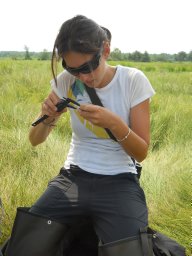 Jennifer Walsh合作论文数Cornell Lab Ornithol, Cornell Univ11
 W. Gregory Shriver合作论文数9Thomas P. Hodgman合作论文数8
 Brian J. Olsen合作论文数National Zoological Park Smithsonian Migratory Bird Center8Pau Nancy合作论文数7Chris S. Elphick合作论文数7Katharine J. Ruskin合作论文数5
 Mark Ducey合作论文数College of Life Sciences and Agriculture, University of New Hampshire5
 Bri Benvenuti合作论文数4Alison R. Kocek合作论文数4
 Jonathan B Cohen合作论文数Department of Anatomy and Neurobiology, Washington University School of Medicine4
 Rebecca A Longenecker合作论文数3Erin King合作论文数3
 Oksana P Lane合作论文数3Narad Megan E合作论文数Behavioral Medicine and Clinical Psychology.3
 Fenderson Lindsey E合作论文数Department of Natural Resources and the Environment, University of New Hampshire Durham3Alyssa Borowskedai合作论文数3Laura K. Garey合作论文数2
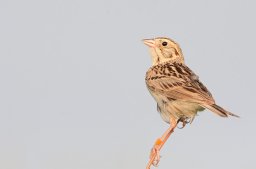 Maureen D. Correll合作论文数Atlantic Coast Joint Venture, United States Fish and Wildlife Service2Regan Kevin合作论文数2Kimberly J. Babbitt合作论文数Department of Natural Resources and the Environment, University of New Hampshire2Walter J. Jakubas合作论文数2
 Susan C. Adamowicz合作论文数Graduate School of Oceanography, University of Rhode Island2Matthew A. Etterson合作论文数Canadian Forest Service, Laurentian Forestry Centre2Adam C. Smith合作论文数1
 Kelly M. Boland合作论文数1
 Samuel G. Roberts合作论文数1Jason E. Osenkowski合作论文数1Whitney A. Wiest合作论文数1Jessica L. Nagel合作论文数1
 Dustin Meattey合作论文数1rebecca a kern合作论文数1Melissa L. Bauer合作论文数1Lindsay Tudor合作论文数1Andrew Major合作论文数1Ana M. Breit合作论文数1
 Jeffery N. Epstein合作论文数Center for ADHD, Cincinnati Children's Hospital Medical Center1
 Annie A Garner合作论文数University of Alabama at Birmingham1
 H Shivaprasad合作论文数School of Veterinary Medicine, University of California, Davis1Antonini Tanya N合作论文数1
 Murray Maureen合作论文数1Jennings Samuel合作论文数1
 Brian McGill合作论文数School of Biology and Ecology, The University of Maine1Guo Jianhua合作论文数1
 Gerald Matthews合作论文数IST, School of Modeling Simulation and Training, University of Central Florida1
 Adams Evan M合作论文数1Beuth Josh合作论文数1
 Leanne Tamm合作论文数1




