Breast cancer incidence in women under 50 (early-onset) is steadily increasing. Primary care clinicians can play a role in managing late and long-term treatment effects for these women, who face decades of survivorship and are coping with a life-stage discordant illness. This study describes early-onset breast cancer survivors’ experiences with primary care. Semi-structured interviews were conducted with early-onset breast cancer survivors (N = 16). Iterative, inductive thematic analysis was used to identify patterns in experiences with primary care. Participants were on average 58.4 years old and 17 years post-diagnosis (Mage at dx = 41.4). Relationships with current primary care clinicians were generally short (mean = 5.8 years; median = 1.5 years). Many survivors lacked continuity, being either disconnected from oncology (N = 6) or seeing an oncology specialist not on their initial treating team (N = 7). Despite high rates of late/long-term treatment effects, including cardiovascular issues (N = 10), premature menopause (N = 10), and pain (N = 7), participants rarely turned to primary care clinicians for support. This fragmentation was often normalized by survivors, who felt they had to self-advocate for their own long-term health management. Early-onset breast cancer survivors navigate survivorship in a fragmented healthcare system and bear the burden of coordinating their own care. Dynamic information support tools are needed to empower survivors to communicate their cancer history and connect symptoms to cancer-related issues in primary care settings. As clinical continuity is limited over decades of survivorship, early-onset cancer survivors need resources that bridge the gap between their cancer history and current primary care management. Registered with ClinicalTrials.gov on June 2, 2022: NCT05400941, https://clinicaltrials.gov/study/NCT05400941
Importance Young adults (YAs; ages 18-39 years) diagnosed with cancer face unique psychosocial challenges, including high distress and poor health-related quality of life (HRQOL). There are few efficacious interventions tailored to their needs. Objective To evaluate the efficacy of Bright IDEAS-YA, a problem-solving skills training intervention tailored for YAs, in reducing distress and improving HRQOL. Design, Setting, and Participants This randomized clinical trial was conducted at 3 academic medical centers and enrolled participants between February 2021 and March 2024. Eligible participants were aged 18 to 39 years, within 4 months of a first cancer diagnosis, and undergoing systemic therapy. Participants completed surveys at baseline and 3, 6, 12, and 24 months. Intervention Bright IDEAS-YA is a 6-session, one-on-one intervention that teaches a structured approach to problem-solving. Enhanced usual care (EUC) included standard psychosocial care plus a list of adolescent and YA resources. Main Outcomes and Measures Primary outcomes were depression and anxiety (Patient-Reported Outcomes Measurement Information System Short Forms) and HRQOL (Functional Assessment of Cancer Therapy-General) at 6 months. Problem-solving ability (Social Problem-Solving Inventory-Revised Short Form) was examined as a mediator. Analyses used linear mixed effects models and mediation analysis. Results Of the 1128 YAs screened, 344 YAs (median [IQR] age, 31.27 [25.78-36.38] years; 251 female [62.5%]) enrolled, with 171 allocated to intervention and 173 allocated to control. Overall, 296 YAs (86.0%) and 280 YAs (81.4%) completed 3- and 6-month surveys, respectively. At 6 months, the intervention group showed significantly greater improvements than EUC in depression (effect size estimate, −3.23 points; 95% CI, −4.93 to −1.53 points; P < .001), anxiety (effect size estimate,−2.43 points; 95% CI, −4.05 to −0.81 points; P = .003), and HRQOL (effect size estimate, 3.40 points; 95% CI, 0.34 to 6.45 points; P = .03). These changes were clinically meaningful. Mediation analyses showed that improvements in depression and anxiety were partially due to increased problem-solving ability, particularly reductions in negative problem orientation. Sex and education were moderators of treatment effect, with the treatment effect on anxiety being greater for males (effect size estimate, −5.29 points; 95% CI, −7.97 to −2.60 points) and the treatment effect on anxiety (effect size estimate, −6.94 points; 95% CI, −10.50 to −3.43 points) and depression (effect size estimate, −7.47 points; 95% CI, −11.20 to −3.74 points; P < .001) being greater for those with lower education. Conclusions and Relevance In this randomized clinical trial of Bright IDEAS-YA, intervention participants had significantly reduced distress and improved HRQOL relative to control. These findings suggest that Bright IDEAS-YA may be offered as supportive care for YAs with cancer to improve psychosocial outcomes. Trial Registration ClinicalTrials.gov Identifier: NCT04585269
Importance:Young adults (YAs; ages 18-39 years) diagnosed with cancer face unique psychosocial challenges, including high distress and poor health-related quality of life (HRQOL). There are few efficacious interventions tailored to their needs. Objective:To evaluate the efficacy of Bright IDEAS-YA, a problem-solving skills training intervention tailored for YAs, in reducing distress and improving HRQOL. Design, Setting, and Participants:This randomized clinical trial was conducted at 3 academic medical centers and enrolled participants between February 2021 and March 2024. Eligible participants were aged 18 to 39 years, within 4 months of a first cancer diagnosis, and undergoing systemic therapy. Participants completed surveys at baseline and 3, 6, 12, and 24 months. Intervention:Bright IDEAS-YA is a 6-session, one-on-one intervention that teaches a structured approach to problem-solving. Enhanced usual care (EUC) included standard psychosocial care plus a list of adolescent and YA resources. Main Outcomes and Measures:Primary outcomes were depression and anxiety (Patient-Reported Outcomes Measurement Information System Short Forms) and HRQOL (Functional Assessment of Cancer Therapy-General) at 6 months. Problem-solving ability (Social Problem-Solving Inventory-Revised Short Form) was examined as a mediator. Analyses used linear mixed effects models and mediation analysis. Results:Of the 1128 YAs screened, 344 YAs (median [IQR] age, 31.27 [25.78-36.38] years; 251 female [62.5%]) enrolled, with 171 allocated to intervention and 173 allocated to control. Overall, 296 YAs (86.0%) and 280 YAs (81.4%) completed 3- and 6-month surveys, respectively. At 6 months, the intervention group showed significantly greater improvements than EUC in depression (effect size estimate, -3.23 points; 95% CI, -4.93 to -1.53 points; P < .001), anxiety (effect size estimate,-2.43 points; 95% CI, -4.05 to -0.81 points; P = .003), and HRQOL (effect size estimate, 3.40 points; 95% CI, 0.34 to 6.45 points; P = .03). These changes were clinically meaningful. Mediation analyses showed that improvements in depression and anxiety were partially due to increased problem-solving ability, particularly reductions in negative problem orientation. Sex and education were moderators of treatment effect, with the treatment effect on anxiety being greater for males (effect size estimate, -5.29 points; 95% CI, -7.97 to -2.60 points) and the treatment effect on anxiety (effect size estimate, -6.94 points; 95% CI, -10.50 to -3.43 points) and depression (effect size estimate, -7.47 points; 95% CI, -11.20 to -3.74 points; P < .001) being greater for those with lower education. Conclusions and Relevance:In this randomized clinical trial of Bright IDEAS-YA, intervention participants had significantly reduced distress and improved HRQOL relative to control. These findings suggest that Bright IDEAS-YA may be offered as supportive care for YAs with cancer to improve psychosocial outcomes. Trial Registration:ClinicalTrials.gov Identifier: NCT04585269.
Adolescent and young adult cancer survivors (AYACS) often experience psychological distress caused by difficulty in maintaining relationships. Cancer-related movies could promote knowledge and self-efficacy in relationship maintenance, but little is known about how cancer is depicted on screen. This study explored how the medical and social consequences of cancer are depicted in movies featuring an AYA with cancer. We conducted a content analysis of cancer-related movies released between 2013 and 2023. Two independent coders collected information about each character with cancer, each medical scene, and each social scene. The final sample included 20 movies and 24 AYA characters with cancer. These characters were primarily female, White, and heterosexual, and more than half died during the movie. Only about 30
Aims: A childhood cancer diagnosis can be one of the most distressing experiences for parents and poor social support is linked to higher distress levels. This study aimed to test the feasibility of a parent-to-parent mentoring program, pairing parents of newly diagnosed children with parents of survivors. Methods: Parent mentors were trained using self-guided materials and a virtual workshop. Each mentoring relationship lasted three months and was conducted via phone, text, and/or videoconference. Findings: In total, 10 parent mentors were trained, and 16 mentees enrolled (50% of those invited). Of the enrolled participants, nine (56%) mentor-mentee dyads completed the intervention. One hundred percent of mentors rated the training as acceptable. Of those mentees that completed the intervention, 89% found it beneficial overall, 100% reported increased feeling of support and reduced feeling of isolation, and 77% reported reduction in distress. Conclusion: While the intervention was helpful to those that took part, the low participation rate suggests future implementation may be better suited to larger organizations with access to a larger patient population.
Financial toxicity (the financial burden that accompanies a cancer diagnosis) uniquely affects adolescent/young adult cancer survivors (AYACS). The objective of this study was to use a mixed-method approach to understand AYACS’ perspectives on financial consequences of cancer treatment, to complement quantitative measures of financial toxicity. In this convergent mixed methods study, data from AYACS participants (n = 35) were collected. Financial toxicity was measured quantitatively using the Comprehensive Score for Financial Toxicity (COST) and a sociodemographic survey. Qualitative measures included semistructured interviews. The mean COST score was 30.4 (SD 7.26), ranging from 16 to 43. Mixed methods analysis revealed: 1) financial situations related to cancer treatment led to varying levels of support and conversation within families; 2) financial strain was significant for participants of all ages and impacted future planning; 3) participants experienced gratitude for philanthropic funding, while experiences with insurance were mixed; and 4) due to financial strain, some participants experienced stressful emotions, while others did not. No statistically significant differences were found in COST scores across demographic variables. AYACS experienced financial challenges. While quantitative data did not reveal statistically significant differences in financial toxicity by sex, diagnosis age, or treatment phase, qualitative data uncovered important differences in experiences of younger versus older AYACS, particularly social support’s role in protecting against financial toxicity. This study revealed the importance of improving services to ensure AYACS (especially older AYACS) have resources to decrease financial toxicity and designing sensitive quantitative instruments to assess financial toxicity among AYACS with additional focus on assessing social aspects of financial support.
OBJECTIVE:Single-session interventions (SSIs) are an innovative, scalable approach for addressing the unmet behavioral and mental health needs of pediatric patients and their families. Specifically, digital SSIs, which are self-guided and delivered online, offer a low-cost and accessible approach but are currently underutilized in pediatric psychology. METHODS:This topical review aims to describe SSIs broadly and the specific need for digital SSIs, explore potential applications within pediatric psychology, outline future directions and considerations, and present two examples of community-engaged digital SSI design. RESULTS:SSIs evidence small to medium effects across a range of mental health concerns, including distress, anxiety, and depression, supporting their broad applicability. Incorporating community voices during the development process is essential to ensure SSIs are contextually relevant in pediatric populations. Two illustrative SSIs currently in development within pediatric psychology are described: (1) an intervention supporting adolescent siblings of children with cancer and (2) a program targeting depression in adolescents with type 1 diabetes. Both examples incorporate input from key community members, underscoring the value of participatory design in enhancing intervention relevance and impact. CONCLUSIONS:SSIs offer a brief and scalable strategy to help address gaps in psychological care, particularly for youth and families with limited access to services. Pediatric psychologists are well positioned to develop, evaluate, and implement SSIs across diverse populations and intervention targets. Ensuring the effectiveness, equity, and sustainability of SSIs will require ongoing collaboration with community partners and integration across pediatric care settings.
Reporting guidelines for implementation strategies are important for transparency, measurement, and replicability. Yet, recent calls within implementation science highlight that foundational research commitments to advance minority health remain underspecified in current implementation strategy reporting guidelines. In response, our research team sought to expand Proctor and colleagues’ guidelines for reporting and specifying implementation strategies to advance minority health. We first identified and synthesized key elements for specification from relevant literature. We then applied potential supplemental reporting criteria to our Literacy Promotion for Latinos (LPL) study as a case example to iterate and refine the suggested supplemental criteria. LPL implemented text messages and streamlined access to community resources as implementation strategies to enhance uptake of Reach Out and Read, an evidence-based pediatric clinic-based literacy promotion intervention specifically among Latino families. Our suggested supplemental reporting criteria integrate elements of community-engagement and health disparities research foundational for advancing minority health. We offer a new category, (1) Prioritize It, to describe processes of defining and prioritizing the (a) health outcome gap of interest and (b) performance gap of the evidence-based intervention. We add criteria to Proctor and colleagues’ (2) Specify It category, which outlines the description of the implementation strategies, to describe processes of implementation strategy (a) selection, (b) development, and (c) tailoring. Lastly, we suggest a new category, (3) Evaluate It, to include community-engaged evaluation processes. In our case example, we explain the team’s processes and engagement of relevant community members and partners in (a) prioritizing disparities in linguistic and socio-emotional development for Latino children related to school readiness and performance gaps in Reach Out and Read for families in local clinic communities; (b) specifying the selection, development, and tailoring of implementation strategies to focus on social and structural drivers of this health disparity; and (c) facilitating community partnerships to evaluate the strategies. Expansion of implementation strategy criteria for reporting can help ensure commitments to advancing minority health are fulfilled. Future efforts should convene researchers and community partners to create expert consensus on the specifications required for implementation strategies for addressing drivers of disparities and advancing minority health. ClinicalTrials.gov, Literacy Promotion for Latinos Study, NCT04609553, first posted October 30, 2020: https://clinicaltrials.gov/ct2/show/NCT04609553.
INTRODUCTION:Adolescent siblings of children with cancer are at elevated risk for psychosocial problems. Unfortunately, various barriers such as limited family time and resources, conflicting schedules, and psychosocial staffing constraints at cancer centers hinder sibling access to support. Digital, self-guided, single-session interventions (SSIs)-brief, low-cost, scalable mental health tools-have shown promise for surmounting such barriers and providing support to adolescents. This qualitative study aimed to gather perspectives from adolescent siblings, parents, and professionals to inform the development of a digital, self-guided Sibling SSI tailored to siblings' needs. METHODS:Semi-structured interviews were conducted with adolescent siblings (n = 22), parents (n = 21), and psychosocial providers and community leaders (n = 14). Drawing on existing evidence-based SSIs that use a solution-focused brief therapy framework, interviews explored content, language, timing, and delivery preferences for a Sibling SSI. Content analysis was used to summarize key recommendations. RESULTS:Participants viewed a digital Sibling SSI as a promising approach to promote coping. Content suggestions included acknowledging common cancer-related and adolescent struggles, highlighting siblings' existing coping strategies, and offering personalized action plans. Participants emphasized the importance of sibling-centric language and creating a space exclusively for siblings. Early dissemination within 3 months of diagnosis via psycho-oncology teams and community channels was recommended. DISCUSSION:Findings provide community-informed guidance to inform the development of a digital Sibling SSI aimed at surmounting barriers to care and enhancing psychosocial support for adolescent siblings of children with cancer.
PURPOSE:To explore lymphoma survivors' care experiences and needs post-treatment and to determine optimal information and services for a lymphoma survivorship program from the perspectives of both survivors and oncologists. METHODS:We conducted in-depth semi-structured interviews with 32 lymphoma survivors and 13 lymphoma oncology providers. Interviews were analyzed using a template organizing style and iterative immersion/crystallization analysis of retrieved coded segments. Our thematic analysis focused on identifying commonalities and variations of themes related to lymphoma survivors' post-treatment needs, transition from oncology to primary care, and survivors' and providers' recommendations for improving survivorship care for patients with lymphoma. RESULTS:Three main themes emerged. (1) A predominant unmet need was how to manage the profound fear of recurrence and anxiety post-treatment. Survivors desired more information about signs and symptoms of recurrence and reassurance from their cancer team. (2) There were diverse views regarding the importance of transition from oncologist to primary care providers. Some survivors and oncologists did not value the importance of transitioning to primary care, whereas others recognized the need for primary care but found difficulty with accessing primary care. (3) Psychosocial support, wellness services, and assistance with financial and employment programs are needed for an ideal survivorship program. CONCLUSION:This study provides critical insights into optimal survivorship care for patients with lymphoma. Further research is needed to better understand cost-effective models of care for this unique and complex population of lymphoma survivors.
12111 Background: Nearly 80,000 young adults (YAs; aged 18-39) are diagnosed with cancer each year in the United States with > 80% expected to survive beyond 5 years. Social connectedness (connections/relations with others) is one of the most documented psychosocial factors cited as influencing health and well-being among YA survivors. However, given cancer diagnosis, treatment, and the challenging late effects, the social networks of YA survivors invariably change, including the quantity, quality, and types of relationships. Limited work has focused on identifying the extent of changes within YA survivors’ social networks, such as the social network structure (network size) and social network composition (sociodemographic characteristics) that may confer risk. To understand this, we present preliminary data mapping the social networks of YA survivors, analyzing network changes over a 3-month period and associations with depression and anxiety. Methods: YAs ( N = 25) completed a baseline social network questionnaire capturing social network structure (number of network members), composition (network member characteristics), and types of support each network member provides. YA survivors also completed measures of depression and anxiety at 3 months post baseline. Wilcoxon signed-rank tests assessed changes in social network metrics; correlations examined associations between baseline social network metrics and depression and anxiety at 3 months. Results: YA survivors ( M age = 27.0, SD = 5.4, range = 18-37) were majority female (56%) and white (56%). YA survivors reported a wide range of cancer diagnoses (leukemia, lymphoma, testicular, thyroid, breast) and were on average 2 years since diagnosis ( M = 22 months). On average YA survivors’ networks over 3 months contracted by 0.96 people ( Z = -2.09, p = 0.036). Social networks changed compositionally over time, with a decrease in second degree relatives ( Z = -2.066, p = 0.039) and male network members ( Z = -2.17, p = 0.03), but no change in the mean age or in the number of female network members. The types of support that YA survivors received over time also changed, with a decrease in the amount of emotional support ( Z = -2.03, p = 0.04). Only the number of parental network members at baseline was positively associated with depression ( r = 0.53, p = 0.007) and anxiety ( r = 0.51, p = 0.009) at 3 months. There were no other significant associations between baseline social network metrics on depression and anxiety scores at 3 months. Conclusions: Despite networks getting smaller and less heterogeneous over time, this was not associated with later depression or anxiety in our preliminary sample. More work is needed to inform the development and delivery of targeted social network interventions focused on intervening upon social network indicators to improve the long-term health and well-being of this vulnerable YA survivor population.
BACKGROUND:Adolescent/young adult cancer survivors (AYACS), describing people diagnosed with cancer between 15 and 39 years old across the cancer continuum, suffer from poor psychological health. Poor psychological health is associated with difficulty achieving professional goals, financial stress, and poorer health. AIMS:The objective of this study was to use a mixed methods approach to understand AYACS' perspectives on how a personal cancer diagnosis impacts psychological health. METHODS:In this convergent mixed methods study, data from 35 AYACS participants were collected consisting of Patient Reported Outcomes Measurement Information System Anxiety and Depression measures, a sociodemographic survey, and semi-structured interviews. RESULTS:Mixed methods integration revealed the following for AYACS across the cancer continuum: (1) A need for proactive and longitudinal addressal of psychological health; (2) Promotion of social connectedness as a means of coping with illness; (3) A need for innovative and age-appropriate coping strategies; and (4) Promotion of resilience to help improve psychological health. CONCLUSIONS:This study provides direction for intervention development to improve psychological health.
Objectives/Goals: This study’s objective was to explore how a personal cancer diagnosis impacts the social connectedness (i.e., quality, structure, and functions of social relationships) of adolescent/young adult cancer survivors (AYACS, patients diagnosed with cancer between 15 and 39 years old), to inform intervention development fostering social health. Methods/Study Population: In this qualitative study (part of larger study assessing AYACS’ psychosocial challenges), participants were 15–25 years old at the time of cancer diagnosis and within 6 years of cancer diagnosis. Participants (and consenting parents of participants 18 years old and older) had to have fluency in written and spoken English and access to a computer or smartphone. Qualitative interviewers utilized an interview guide to conduct individual participant interviews. Interviews were audio-recorded and transcribed verbatim. Thematic analysis was used to analyze data using a phenomenological approach to explore how a personal cancer diagnosis impacted social connectedness. Qualitative data related to social connectedness (corresponding to code “Relationships and Support”) are presented. Results/Anticipated Results: Three themes emerged through thematic analysis: (1) AYACS experience substantial heterogeneity related to social support needs; (2) AYACS leverage multiple relationships and resources when seeking support after a personal cancer diagnosis; (3) AYACS’ individual experiences were unique in that some noted positive changes, whereas others noted negative changes in relationships within social networks, specifically with peers. Discussion/Significance of Impact: AYACS experience various social support needs, and leverage multiple relationships when seeking social support. These translational findings create a foundation to develop AYACS social programming, foster peer relationships, and incorporate social science methods to aid intervention development to strengthen AYACS’ social connectedness.
12005 Background: Young adults (YAs) diagnosed with cancer between the ages of 18 and 39 face unique psychosocial challenges and are at risk of experiencing significant emotional distress and poor health-related quality of life (HRQOL). This randomized trial evaluated the efficacy of Bright IDEAS-YA, a problem-solving skills training intervention, on reducing distress and improving HRQOL of YAs newly diagnosed with cancer. A secondary aim examined change in problem-solving ability as a potential mediator of treatment effects. Methods: A three-site randomized trial of Bright IDEAS-YA compared with enhanced usual care (EUC) enrolled YA survivors within four months of a first diagnosis of cancer. Participants were randomized 1:1 to Bright IDEAS-YA or EUC (NCT04585269). Bright IDEAS-YA is a 6-session, one-on-one intervention that teaches a systematic approach to overcome personal challenges across any life domain. EUC involved usual psychosocial care plus AYA resources. Participants completed surveys at 0 (baseline), 3, 6, 12, and 24 months, with 6 months as the primary endpoint. Validated measures included the PROMIS Depression Short Form and Anxiety Short Form (primary outcomes), the Functional Assessment of Cancer Therapy – General (FACT-G; primary outcome), and Social Problem-Solving Inventory-Revised Short Form (SPSI-R; mediator). Efficacy was tested using linear mixed effects models, run in R, examining the group x time interaction effects. Mediation was tested using the R multiple mediation analysis. Results: 344 YA (34.2% acceptance rate, M age = 30.3 years, SD = 6.3; 63% female, 37% male, < 1% non-binary) participated (100% planned enrollment), with 86% and 81% completing surveys at 3 and 6 months, respectively. Compared to baseline, the intervention arm showed statistically significant improvements in depression, anxiety, and HRQOL relative to the control group at 6 months. The intervention arm demonstrated an average reduction of 3.2 T-score points reduction in depression (95% CI [-4.9, -1.5], p < 0.001), 2.4 T-score points in anxiety (95% CI [-4.0, -0.81], p = 0.003), and 3.4 points improvement in total FACT-G (95% CI [0.34, 6.5], p = 0.029) relative to the control. These differences reflect clinically meaningful changes per published reports. Across all three models, change in total problem-solving ability (SPSI-R) was shown to mediate treatment effects, primarily due to change in the negative problem-orientation subscale. Conclusions: Bright IDEAS-YA was efficacious in reducing symptoms of depression and anxiety and improving HRQOL compared with enhanced usual care among YAs with cancer. Improvements are attributable to increased problem-solving ability, particularly by reducing the tendency to view problems as significant threats and doubt one’s ability to successfully solve problems. Clinical trial information: NCT04585269 .
Young adults (YAs) with cancer of any stage face challenges and unmet needs across biopsychosocial domains. YAs who have rapidly declining health trajectories, or who enter end-of-life stage sooner-than-anticipated, merit greater understanding so their providers can prioritize patients’ needs and values during this vulnerable period. This analysis sought to explore the lived experiences and priorities of patients whose cancer progressed rapidly, or who entered end-of-life stage unexpectedly, by conducting a thematic analysis on transcripts generated by their participation in a randomized control trial (RCT) designed for YAs with newly diagnosed cancer. During a multisite RCT evaluating the efficacy of Bright IDEAS-YA, a 6-session psychosocial problem-solving intervention for YAs newly diagnosed with cancer, all Bright IDEAS-YA intervention sessions were recorded. Despite RCT eligibility criteria designating that participants should have a life-expectancy of 6 + months, some enrolled participants were unable to continue study participation due to death or rapid health decline. This analysis identified each participant who died during study participation or withdrew due to rapid health decline that had been enrolled into the intervention arm of the Bright IDEAS-YA RCT (n = 12). Individuals completed between 2 and 6 Bright IDEAS-YA sessions, which were transcribed verbatim for analysis (n = 60 transcripts). From December 2022 to March 2023, 10 researchers reviewed all available Bright IDEAS-YA transcripts and inductively co-developed a codebook on emergent transcript themes. Two researchers then co-coded all Bright IDEAS-YA transcripts, establishing a cut-off date of December 31, 2023 for participants eligible for subanalysis, once thematic saturation was determined. Emergent themes included Cancer and Treatment, Mortality, Social Systems, Emotions, Work/Academics, Mental Health, Spirituality, COVID-19, Meaning Making, and Participation in Bright IDEAS-YA. Only a subset of themes reflected end-of-life challenges. YAs who approached end-of-life or saw unexpectedly fast declines in their healthcare trajectory showed many similarities to YAs outside of end-of-life contexts. Some, but not all, participants reflected on goals and challenges related to end-of-life during Bright IDEAs-YA participation. To ensure YAs are holistically understood, and that their priorities both prior to and during end-of-life are respected by their healthcare teams, it is important that providers collaborate with YA patients and introduce care strategies that elicit patients’ values and goals. ClinicalTrials.gov, #NCT04585269, October 14, 2020.
In this review on the status of tolerability in pediatric oncology, the authors address the relevance and meaning of this important concept and offer a definition to represent treatment tolerability experiences of pediatric, adolescent, and young adult oncology patients. The authors acknowledge the incomplete progress of tolerability research in pediatric oncology clinical trials while describing the recent advances in validating relevant measures and embedding these in pediatric oncology clinical trials to document the symptom burden of specific cancer treatments. They advocate for the consistent use of three voices-patient, caregiver, and clinician-in pediatric oncology to achieve accurate and comprehensive estimates of treatment tolerability while recognizing that a primary voice may be necessary to match the main aim or goal of the proposed research. Future steps include establishing the validity of tolerability measures and methods in patients younger than 7 years and a careful examination of tolerability issues into survivorship.
BACKGROUND:Cancer among young adult (YA) couples is a profoundly distressing experience, extracting a significant toll on YA couples' relationships (e.g., with partners, family, friends). It is well recognized that effective communication within social relationships is critical for fostering well-being among couples coping with cancer. Despite this, limited research exists focused on communication and support needs among YA couples. AIMS:Through qualitative semi-structured interviews, we explored the unique needs and experiences of YA couples with a focus on communication and support within their relationship and with their social support networks. METHODS:Fifteen semi-structured interviews were conducted with YA couples. YA survivors were eligible if they were diagnosed with cancer as a young adult (aged 18-39) within the past 5 years. Relevant themes in literature guided the development and use of semi-structured interview guides. RESULTS:Content-structuring qualitative analysis was used to identify themes. Across 15 YA couples, four main themes emerged: dyadic communication, dyadic relationship changes, social support network challenges and opportunities, and resource needs. CONCLUSIONS:Results highlight YA couples' communication and support needs that are central, and external, to the couple. These findings elucidate how YA couples navigate the cancer experience together, highlighting experiences, needs, and concerns that are central to the developmentally off-time nature of cancer during their relationship. Additionally, results have implications for intervention development focused on communication and support among this vulnerable and underrepresented YA couple population.
OBJECTIVE In the United States, physicians and residents report inadequate training in managing adolescents and young adults (AYAs) during the transition from pediatric to adult care, particularly AYAs with chronic illnesses such as sickle cell disease (SCD). We developed an intervention where medical students serve as similar-aged “peer” mentors to offer informational and developmentally appropriate support to AYA patients during the period of transition. Our initial work showed the feasibility and acceptability of this intervention for young adults with SCD. In this report, we evaluate the feasibility, acceptability, and preliminary effects of this non-randomized trial on medical student mentors. METHODS Following training, medical student mentors were paired 1:1 with an AYA with SCD who was transitioning from pediatric to adult care. They conducted monthly video calls with mentees to address specific transition and disease self-management topics. Students completed baseline and follow-up surveys regarding knowledge of SCD and empathy. Satisfaction was measured at follow-up via survey and an exit interview. RESULTS Nine medical students were paired with a total of 24 patients. Student retention was 100%, but only eight completed the follow-up survey. Students reported increased knowledge about managing a chronic illness and transition and improved understanding about the patient's experience navigating the healthcare system. Students expressed high satisfaction. CONCLUSIONS A medical student mentor intervention was feasible and acceptable to medical students and may provide an opportunity for value-added role in medical education. Further research is needed to evaluate the efficacy of this type of intervention on both student and patient outcomes.
 Sharon Manne合作论文数Institute for Health, Health Care Policy and Aging Research26
 Ronald L Blount合作论文数University of Georgia18
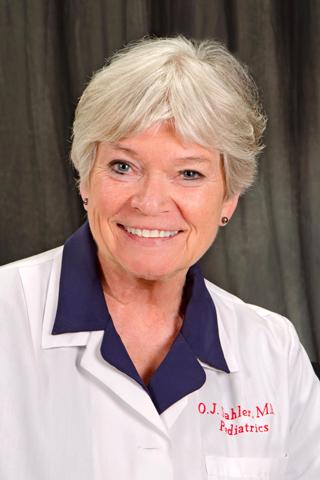 Olle J. Sahler合作论文数Department of Pediatrics, Hematology and Oncology, University of Rochester Medical Center17
 Adrienne Viola合作论文数16
 Laura Simons合作论文数Department of Anesthesiology, Perioperative and Pain Medicine, School of Medicine, Stanford University15
 Shawna Hudson合作论文数Center Advancing Research and Evaluation for Person-Centered Care, Robert Wood Johnson Medical School, Rutgers, The State University of New Jersey;Institute for Health, Health Care Policy and Aging Research, Rutgers, The State University of New Jersey14
 Pamela Ohman Strickland合作论文数Department of Biostatistics and Epidemiology, Rutgers School of Public Health, Faculty of Biostatistics and Epidemiology, Rutgers University14
 Grayson N. Holmbeck合作论文数Department of Psychology, Loyola University Chicago13
 Laura L Mee合作论文数13
 Maria K Venetis合作论文数Brian Lamb School of Communication, Purdue University11
 Kathryn Greene合作论文数East Carolina University;University of Georgia;East Carolina University, University of Georgia11
 Gary Kwok合作论文数Rutgers Canc Inst New Jersey10
 Elisa V. Bandera合作论文数Department of Nutritional Sciences, School of Environmental and Biological Sciences, Rutgers University;Rutgers Cancer Institute of New Jersey, Rutgers University;Robert Wood Johnson Medical School, Rutgers University10
 Kristine Levonyan-Radloff合作论文数9
 Karen Mustian合作论文数9
 Robert B. Noll合作论文数Department of Psychology, School of Medicine, University of Pittsburgh;Child Development Unit, Children’s Hospital of Pittsburgh9
 Luke J Peppone合作论文数Department of Surgery, University of Rochester Medical Center;Cancer Center, University of Rochester8Barnett Marie E合作论文数Department of Psychiatry and Behavioral Sciences, Memorial Sloan Kettering Cancer Center;Derner Institute of Advanced Psychological Studies, Adelphi University8
 Kristine Donovan合作论文数8Danielle Catona合作论文数7
 Janelsins Michelle C合作论文数Med Ctr, Univ Rochester7
 Denalee O'Malley合作论文数Rutgers Biomedical and Health Sciences, The State University of New Jersey7
 Jeanne M. Ferrante合作论文数Robert Wood Johnson Medical School, University of Medicine and Dentistry of New Jersey (UMDNJ)-7Lisa E. Paddock合作论文数School of Public Health, University of Medicine and Dentistry of New Jersey7Angela Senger合作论文数6Lauren E. Lee合作论文数6Alexandre Buckley de Meritens合作论文数6Coups Elliot J合作论文数6Loiselle Kristin A合作论文数Center for Adherence and Self-Management, Cincinnati Children's Hospital Medical Center6
 Reed-Knight Bonney合作论文数Dept Psychol, Univ Georgia6
 Adana Llanos合作论文数Department of Epidemiology, Mailman School of Public Health, Columbia University6Margaret Masterson合作论文数6
 Gary R. Morrow合作论文数Department of Surgery, Cancer Control, School of Medicine and Dentistry, University of Rochester Medical Center6
 Fong Angela J合作论文数University of Western Ontario, The University of Western Ontario6Charles E. Heckler合作论文数6
 Supriya G. Mohile合作论文数Wilmot Cancer Institute, University of Rochester Medical Center;Department of Medicine , Hematology/Oncolog, University of Rochester Medical Center;Cancer Center, University of Rochester Medical Center6Sean Phipps合作论文数6
 Lisa K Sprod合作论文数6
 Andrew M. Evens合作论文数Rutgers Biomedical Health Sciences, Rutgers University;Rutgers Robert Wood Johnson Medical School;Rutgers Cancer Institute of New Jersey;Institute of New Jersey, Robert Wood Johnson University Hospital and Rutgers Cancer6
 Christina M. Amaro合作论文数5
 Sara Frederick合作论文数5
 Lillian Sung合作论文数Department of Paediatrics, University of Toronto;Institute of Health Policy Management and Evaluation, University of Toronto;Division of Haematology, Hospital for Sick Children5Kearney Julia合作论文数5
 Diane Fairclough合作论文数Department of Biostatistics and Informatics, Colorado School of Public Health, University of Colorado5
 Jordan Gilleland Marchak合作论文数5
 Allyson C Bontempo合作论文数5Michael J. Dolgin合作论文数Israel Institute for Treatment and Prevention of Stress5
 Martha A Askins合作论文数5
 Melissa A. Alderfer合作论文数The Children’s Hospital of Philadelphia, University of Pennsylvania School of Medicine5




