The present study investigated nocturnal skin temperature and sleep parameters after endurance training sessions in female long-distance runners. Eleven female long-distance runners were monitored for 7 consecutive days. Proximal skin temperature was measured every 5 min using a button-type thermometer (Hal-Share, SUN·WISE Co., Ltd., Osaka, Japan) attached to the groin area. Sleep parameters, including sleep efficiency, total sleep time, sleep latency, and wake time after sleep onset (WASO), were assessed using actigraphy (wGT3X-BT, ActiGraph LLC, Pensacola, FL, USA). Data were compared between two conditions: a day involving strenuous endurance training (Training Day; a total of 130 min comprising high-intensity running from 10:00-10:40 A.M., and jogging from 5:00-5:30 A.M. and 3:30-4:30 P.M.) and a day without training (Rest Day). Skin temperature during sleep was significantly higher on the Training Day compared with the Rest Day at 10 and 20 min after bedtime (p < 0.05), but significantly lower 60 min after bedtime (p < 0.05). Between 90 and 130 min after bedtime, skin temperature was significantly elevated compared with the value at sleep onset (p < 0.05). Total sleep time was significantly longer on the Training Day than on the Rest Day (447.6 ± 60.5 min vs. 360.2 ± 45.3 min; p < 0.05); sleep efficiency, sleep latency, and WASO showed no significant differences between the conditions. In conclusion, multiple endurance training sessions (three sessions per day) altered nocturnal skin temperature patterns during the initial 130 min of sleep and increased total sleep time in female long-distance runners.
To investigate the effect of repeated-sprint exercise in hypoxia on sleep quality. Ten healthy young male adults performed three trials on different days: repeated-sprint exercise in normoxia (NOR, fraction of inspired oxygen [FiO2] 20.9
PURPOSE:We compared the effects of different types of resistance exercise (maximum muscle strength training (MST) and muscle hypertrophy training (HYP)) on sleep quality and nocturnal physiological responses. METHODS:Eleven males (22.5 ± 1.7 years) completed 3 trials on different days, consisting of 6 exercises of 4 sets at 85-90% of one-repetition maximum (1RM) (3-min inter-set rest periods) for MST, the same exercises of 3 sets at 70-80% of 1RM (1-min inter-set rest periods) for HYP, and control condition (CON, 60 min of rest). Sleep quality was evaluated via electroencephalography. Heart rate (HR), HR variability (HRV), and skin temperature were measured during sleep. RESULTS:MST significantly reduced time of rapid eye movement (REM) compared to CON (P < 0.05). However, relative time of REM sleep for entire sleep, total sleep time, sleep efficiency, sleep onset latency, wake after sleep onset, and absolute and relative time of non-REM sleep did not differ significantly among conditions. Proximal skin temperature during sleep first 90 min was significantly higher in both MST and HYP than in CON (P < 0.05), with no significant differences between MST and HYP. However, the gradient between distal and proximal temperature, HR, and HRV during sleep did not differ among conditions. CONCLUSION:These findings imply that sleep architecture is not markedly altered following a single session of resistance exercise, regardless of regimen type.
OBJECTIVE:The present study compared changes in body temperature during sleep, sleep quality (eg, subjective and objective sleep parameters) between middle-aged women and young women. METHODS:Nineteen middle-aged women and 14 young women with normal menstrual cycles were recruited. Over 7 consecutive days, skin temperature and sleep parameters (subjectively and objectively analyzed using the Pittsburgh Sleep Quality Index [PSQI] and actigraphy, respectively) were assessed. For the PSQI, higher score means decreased quality of sleep. RESULTS:The skin temperature during sleep was significantly higher in middle-aged women (35.0 ± 0.4℃) than young women (34.6 ± 0.5℃, P < 0.05). In young women, skin temperature increased immediately after bedtime and then gradually decreased, whereas skin temperature did not decrease in middle-aged women ( P < 0.05 between groups). In addition, skin temperature remained significantly higher in middle-aged women than young women during the 30%-80% phase for the entire night ( P < 0.05). Middle-aged women had a significantly higher PSQI score (5.4 ± 0.4) than young women (3.9 ± 0.4, P < 0.05), indicating that sleep quality was impaired in middle-aged women. However, no significant difference was found in objective sleep parameters between middle-aged women and young women. CONCLUSION:Middle-aged women had significantly higher body temperatures during sleep than younger women. A sustained higher body temperature during sleep may be associated with decreased sleep quality, as evaluated by the PSQI.
PURPOSE:The present study examined the effects of repeated-sprint exercise in normoxia, hypoxia, and combined heat and hypoxia on the gastric emptying rate. METHODS:Eleven physically active males completed four experimental trials, consisting of a resting control (REST) and three exercise trials; three sets of 5 × 6-s maximal sprints in normoxia (NOR; 23℃, FiO2: 20.9%), hypoxia (HYP; 23℃, FiO2: 14.5%), and combined heat and hypoxia (HH; 35℃, FiO2: 14.5%) in a randomized order. Post-exercise gastric emptying rate was assessed by the 13C-sodium acetate breath test. RESULTS:The 13C excretion was significantly lower in the exercise trials (NOR, HYP, and HH) than in the REST during 10-35 min after exercise (p < 0.05). Time to peak 13C excretion was significantly delayed in all exercise trials (NOR, HYP, and HH) compared with the REST (p < 0.05), with no difference among the exercise trials. The magnitude of the gastric emptying delay was correlated with power output and blood glucose during the exercise. CONCLUSION:Repeated-sprint exercise significantly delayed gastric emptying, while additional hypoxic or heat stress did not exacerbate the delay, suggesting that hypoxic or heat stress can be applied during repeated-sprint training without negative impacts on gastric emptying.
This study examined the effects of intensified endurance training on nocturnal skin temperature and sleep variables in male long-distance runners. Fourteen runners completed two different 8-day training programs: one with intensified training (INT) and one with normal training (NOR). At night, proximal (chest) skin temperature was measured every 5 min. Sleep variables, including efficiency, total time, latency, and wake time after sleep onset (WASO), were assessed for 8 consecutive days. Running distance over 8 days was significantly higher in INT (209.2 ± 17.4 km) than in NOR (118.5 ± 31.2 km, p = 0.01). Maximum skin temperature was significantly higher (p = 0.045) throughout the night in INT, especially during the first 180 min after bedtime (p = 0.03). Delta (Δ) skin temperature (maximum - minimum) during sleep was higher in INT than in NOR (p = 0.004). Sleep latency was significantly longer in INT (8.4 ± 4.0 min) than in NOR (2.6 ± 1.9 min, p = 0.003). Eight consecutive days of intensified endurance training elevated nocturnal proximal skin temperature with increased sleep latency. These findings suggest that increased training volume may alter nocturnal thermoregulatory responses and delay sleep initiation without substantially impairing overall sleep quantity.
We examined whether short-term endurance training in the cold combined with layered clothing enhances cardiovascular, thermoregulatory, and performance adaptations. Sixteen healthy males completed five consecutive days of endurance cycling in the cold (10 °C, 50
Abstract We evaluated the effects of evening swimming exercise on sleep variables in male swimmers. In a crossover design, 12 competitive male swimmers completed two trials (6:30–8:30 pm ): the high‐intensity swimming exercise condition (EX) and no‐exercise condition (CON). Sleep quality was assessed using electroencephalography, and core body temperature (CBT) was evaluated by the pill type thermometer. Average CBT during the intervention period was significantly higher in EX (37.8°C ± 0.3°C) compared with CON (37.1°C ± 0.2°C, p < 0.05). However, at bedtime (11:00 pm ), CBT did not differ significantly between the conditions (37.2°C ± 0.2°C in EX vs. 37.2°C ± 0.3°C in CON, p > 0.05). In EX, the duration and the percentage of rapid eye movement (REM) sleep were significantly lower (81.4 ± 26.7 min in EX vs. 107.6 ± 39.5 min in CON, p < 0.05), and wake after sleep onset was significantly higher (23.5 ± 39.6 min in EX vs. 3.4 ± 2.5 min in CON, p < 0.05). However, other sleep variables did not differ significantly between the conditions ( p > 0.05). These findings suggest that evening swimming exercise induced selective rather than generalized impairments in sleep.
[Purpose] We compared sleep quality and mental health in healthy menopausal women and healthy young women. In addition, the impact of the severity of menopausal symptoms on each variable was determined.[Methods] Twenty menopausal women (MW; 49 ± 3 years) and 20 young women (YM; 20 ± 1 years) were recruited. Body composition, mental health scores (evaluated using the Center for Epidemiologic Studies Depression Scale [CES-D], the Depression Anxiety Stress Scale-21 [DASS-21], the School Form-8 [SF-8, health-related QOL]), and sleep score (evaluated using the Pittsburgh Sleep Quality Index [PSQI]) were assessed.[Results] Body composition did not significantly differ between the groups. In the MW group, the CES-D and DASS-21 scores were significantly higher. Also, PSQI scores were significantly higher, indicating impaired sleep quality. Moreover, women with more severe menopausal symptoms had significantly lower sleep quality and inferior mental stress (evaluated by DASS-21 [Stress]) than those with less-severe symptoms.[Conclusion] Sleep quality and mental health are negatively impacted by menopause, especially among those with severe symptoms.
Compression garments, utilized in sports and exercise for performance enhancement and recovery, lack sufficient well-controlled studies to overcome any potential placebo effect. Therefore, we tested whether wearing compressive pantyhose (CP) during the Ballet-specific aerobic fitness test (BAFT) would influence performance, recovery, physiological, and perceptual indicators. Additionally, this pilot study tested the feasibility of the research procedures and informed adjustments for the main study. Nine young classical ballerinas attended two sessions on different days: a) wearing CP (pressure of 20-30 mmHg) or b) wearing a placebo pantyhose ([PLA] no compression, containing an illusory effect) during the BAFT. We assessed heart rate (HR) and rating of perceived exertion (RPE) during the BAFT, perceived recovery (PRS), lower-limb delayed onset muscle soreness (DOMS) at Pre and 24 h Post, and standing heel-rise test performance at Pre, 30 min, and 24 h Post. No variables differed (p>0.05) between CP and PLA (e.g., HR mean over 5 BAFT phases: 178±14 bpm vs. 179±17 bpm, p=0.63; RPE 30 min post: 9.1±0.8 vs. 9.1±0.8 arbitrary units, p=0.94). However, wearing CP promoted attenuation in acute fatigue, while PLA showed a performance decrement (p<0.05) 30 min Post in the standing heel-rise test: CP 30.2±6.0 to 22.8±7.5 repetitions and PLA 36.2±11.7 to 22.9±6.3 repetitions. We conclude that CP may mitigate acute fatigue in the triceps surae muscle of amateur classical ballet dancers, making it relevant for their acute recovery, particularly in cases involving multiple daily performances. Additionally, this pilot study confirmed the feasibility of the procedures.
Abstract The present study determined the relationship between inter‐individual variation in arterial O2 saturation (SpO2) and exercise‐induced endocrine and angiogenic growth factor responses under hypoxia. Sixteen healthy men completed two trials on separate days: 60 min of cycling at 65% of maximal oxygen uptake (VO2max) followed by a 60‐min rest period, under either normoxia (FiO2 = 20.9%, NOR) or hypoxia (FiO2 = 14.5%, HYP). Serum growth hormone (GH), cortisol, and vascular endothelial growth factor (VEGF) concentrations were determined before, immediately after, and at 60 min after exercise. SpO2 and heart rate were continuously measured during exercise. In the HYP trial, the average SpO2 during exercise varied by >10% among all participants (77.5%–88.2%). However, the ΔSpO2 (Δ = HYP–NOR) did not correlate significantly with exercise‐induced changes in serum ΔGH (r = 0.205, p = 0.446), Δcortisol (r = 0.059, p = 0.828), and ΔVEGF (r = −0.004, p = 0.989). Moreover, no significant correlations were observed between the absolute SpO2 value and exercise‐induced responses in these blood variables in the HYP trial. Inter‐individual variation in SpO2 did not modify exercise‐induced endocrine (GH, cortisol) or angiogenic growth factor (VEGF) responses to endurance exercise in hypoxia.
We evaluated the effects of acute hypoxic exposure on serum hepcidin levels. In a crossover design, 11 healthy individuals (9 men and 2 women) completed a 2-h period of seated rest in a hypoxic (HYP; fraction of inspired oxygen [FiO2]: 12.5%) or normoxic control (CON; FiO2: 20.9%) environment in the morning. Following the environmental exposure, participants rested in a CON environment for 6 h. Venous blood samples were collected at baseline, immediately post-exposure, and at 2-, 4-, and 6-h post-exposure. Serum erythropoietin (EPO) levels increased significantly over time in both conditions (p < 0.05). At 2-h post-exposure, the EPO response was significantly greater in HYP than in CON (p < 0.05). Serum erythroferrone (ERFE) levels did not differ significantly between the HYP and CON trials at any time point. Serum hepcidin levels increased significantly at 4- and 6-h post-exposure in both trials compared to baseline (p < 0.05). However, no significant differences in serum hepcidin levels were observed between the HYP and CON trials at any time point. These findings suggest that a 2-h hypoxic exposure enhances the erythropoietic response in young adults but does not suppress diurnal serum hepcidin or elevate ERFE levels.
PURPOSE:The present study compared changes in sympathetic and parasympathetic nervous activities during sleep following endurance exercise under either normoxic or hypoxic condition. METHODS:Ten young men (20.5 ± 0.2 years) were recruited for the study. All of them carried out three trials on different days: [1] pedaling exercise in hypoxia (FiO2: 14.5%; HYP), [2] pedaling exercise in normoxia (FiO2: 20.9%; NOR), and [3] rest in normoxia (REST). Each trial was separated at least one week, with randomized orders. The exercise in HYP and NOR trials consisted of 60 min of pedaling exercise at 60% of maximal oxygen uptake. During exercise, heart rate (HR), rating of perceived exertion and arterial oxygen saturation (SpO2) were determined. Also, HRV was continuously monitored until next morning (17:00-8:00) to evaluate frequency domain HRV parameters and time domain HRV parameters. On the following morning, the scores of fatigues, sleepiness, vitality, and quality of sleep were measured by visual analog scale. RESULTS:During sleep, majority of frequency domain HRV parameters (LF, HF, LF/HF, Total Power) or time domain HRV parameters (SDNN, RMSSD, NN50) did not differ significantly among three trials, although the average of pNN50 was significantly lower in NOR and HYP trials. CONCLUSION:Evening endurance exercise under hypoxic conditions did not exacerbate autonomic nerve activity during sleep compared to the same endurance exercise under normoxic conditions. However, despite different inspiratory oxygen levels during exercise (FiO2: 20.9% or 14.5%), evening endurance exercise may partially suppress parasympathetic nerve activity during sleep. These findings would apply to people who are involved in endurance exercise under hypoxic conditions.
PURPOSE:Long-distance running performance has been reported to be associated with sprint performance in highly trained distance runners. Therefore, we hypothesized that sprint training could enhance distance running and sprint performance in long-distance runners. This study examined the effect of 6-week sprint training on long-distance running and sprint performance in highly trained distance runners. METHODS:Nineteen college runners were divided into control (n = 8) and training (n = 11) groups. Participants in the training group performed 12 sprint training sessions in 6 weeks, while those in the control group performed 12 distance training sessions. Before and after the interventions, maximal oxygen uptake (V˙O2max), O2 cost during submaximal running (290 m·min-1 and 310 m·min-1 of running velocity), and time to exhaustion (starting at 290 m·min-1 and increased 10 m·min-1 every minute) were assessed on a treadmill. Additionally, the 100-m and 400-m sprinting times and 3000-m running time were determined on an all-weather track. RESULTS:In the control group, no measurements significantly changed after the intervention. In the training group, the time to exhaustion, 100-m and 400-m sprinting times, and 3000-m running time improved significantly, while V˙O2max and O2 cost did not change. CONCLUSIONS:These results showed that 6-week sprint training improved both sprint and long-distance running performance in highly trained distance runners without a change in aerobic capacity. Improvement in the time to exhaustion without a change in V˙O2max suggests that the enhancement of long-distance running performance could be attributable to improved anaerobic capacity.
The present study examined the effects of gastric emptying rate and intestinal cell damage following a single session of endurance exercise under “hypoxic” or “normoxic” conditions at the same relative intensity. Eleven healthy males performed two trials on different days, consisting of a 60 min run on a treadmill at 70
Higher intensity exercise, despite causing more tissue damage, improved aging conditions. We previously observed decreased p16INK4a mRNA in human skeletal muscle after high-intensity interval exercise (HIIE), with no change following equivalent work in moderate-intensity continuous exercise. This raises the question of whether the observed senolytic effect of exercise is mediated by inflammation, an immune response induced by muscle damage. In this study, inflammation was blocked using a multiple dose of ibuprofen (total dose: 1200 mg), a commonly consumed nonsteroidal anti-inflammatory drug (NSAID), in a placebo-controlled, counterbalanced crossover trial. Twelve men aged 20-26 consumed ibuprofen or placebo before and after HIIE at 120% maximum aerobic power. Multiple muscle biopsies were taken for tissue analysis before and after HIIE. p16INK4a+ cells were located surrounding myofibers in muscle tissues. The maximum decrease in p16INK4a mRNA levels within muscle tissues occurred at 3 h post-exercise (-82%, p < 0.01), gradually recovering over the next 3-24 h. A concurrent reduction pattern in CD11b mRNA (-87%, p < 0.01) was also found within the same time frame. Ibuprofen treatment attenuated the post-exercise reduction in both p16INK4a mRNA and CD11b mRNA. The strong correlation (r = 0.88, p < 0.01) between p16INK4a mRNA and CD11b mRNA in muscle tissues suggests a connection between the markers of tissue aging and pro-inflammatory myeloid differentiation. In conclusion, our results suggest that the senolytic effect of high-intensity exercise on human skeletal muscle is mediated by acute inflammation.
 Nanako Hayashi合作论文数35Daichi Sumi合作论文数35Nobukazu Kasai合作论文数35Kojima Chihiro合作论文数35Aya Ishibashi合作论文数27Keiichi Yamaguchi合作论文数26Morishima Takuma合作论文数24
 Sahiro Mizuno合作论文数22Kaoru Takamatsu合作论文数19Haruka Yatsutani合作论文数16Hiroto Sasaki合作论文数15Tsuchiya Yoshifumi合作论文数15Naokata Ishii合作论文数14Chao-An Lin合作论文数11Kumiko Ebi合作论文数11Yasuhiro Suzuki合作论文数11Toshiyuki Kurihara合作论文数Graduate School of Science and Technology, Niigata University11Akitoshi Makino合作论文数9Hiroto Ito合作论文数9
 Takafumi Hamaoka (浜岡隆文)合作论文数Department of Sports Medicine for Health Promotion, Tokyo Medical University9
 Hideyuki Takahashi合作论文数8Ayano Imai合作论文数8Haruna Nagatsuka合作论文数7Fumihiko Todoko合作论文数7Eri Yamada合作论文数7
 Hisashi Mori合作论文数7Yuta Hasegawa合作论文数7Mori Ayaka合作论文数7
 Badenhorst Claire E合作论文数School of Sport Science, Exercise and Health, The University of Western Australia7Ayame Iwata合作论文数6Naoki Ota合作论文数6Olivier Girard合作论文数6
 Kazunobu Okazaki合作论文数6
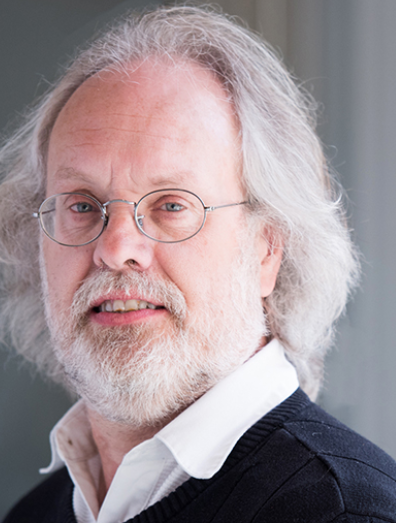 Robert van de Geijn合作论文数Department of Computer Science, College of Natural Sciences, University of Texas at Austin5Mari Arai合作论文数5
 Kenji Takao合作论文数5Kamei Akiko合作论文数5Ijichi T合作论文数5Koji Ishida合作论文数5
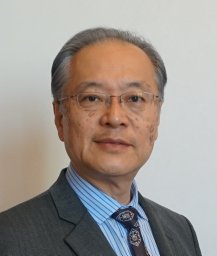 Sunao Uchida合作论文数Department of Ophthalmology, Kurashiki Central Hospital5
 Keisho Katayama合作论文数5Tatsuhiro Maruyama合作论文数4
 Toshitsugu Yoshioka合作论文数4Chiyori Hiromatsu合作论文数4Akiho Ikutomo合作论文数4
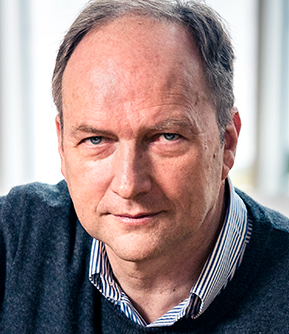 Michael Kjær合作论文数Department of Clinical Medicine, Faculty of Health and Medical Sciences, University of Copenhagen4Iwayama Kaito合作论文数4Hwang Hyejung合作论文数4
 Katsuki Fujisawa合作论文数Department of Mathematical Sciences
Tokyo Denki University,4
Katsuki Fujisawa合作论文数Department of Mathematical Sciences
Tokyo Denki University,4




