Pathogenic variants in GRIN2D, encoding one of the subunits of the N-methyl-D-aspartate receptor (NMDAR), are associated with developmental and epileptic encephalopathies (DEEs). Unusual for de novo mutations, the recurrent, de novo, gain of function, missense mutation c.1999G>A (p.Val667Ile) was discovered in multiple patients.We characterized a mouse model carrying the orthologous Grin2d mutation, using behavioural paradigms, electrophysiological recordings in acute brain slices focusing mainly on the activity of Purkinje neurons in the cerebellum, and electrocorticography (ECoG) recordings monitoring brain activity and the response to several drugs.Grin2d mutant mice exhibit a range of phenotypes that closely mirror the human disease, including premature mortality, spontaneous seizures and early onset of motor deficits followed by cognitive impairment. In addition, we observed complex developmental changes in Purkinje neurons with reduced spontaneous firing in immature mice and augmented synaptic response to NMDA application in older mice. ECoG recordings demonstrated profound and continuous abnormal brain activity, with altered spectral properties and a prominent narrowband activity in the theta, alpha and beta bands, paralleling the patterns seen in a patient with the same GRIN2D pathogenic variant. Acute administration of ketamine at a low dose (0.5 mg/kg) had a limited effect on the spectral properties, and higher dosages (4 or 10 mg/kg) caused seizures. Conversely, memantine (10 mg/kg) and phenytoin (30 mg/kg) demonstrated a small corrective effect on ECoG properties.Together, Grin2d mutant mice recapitulate key phenotypes of patients with pathogenic GRIN2D variants, including unique, abnormal brain oscillations, which may serve as a biomarker for quantifying drug responses and guiding future research efforts.
Adeno-associated virus-based gene therapy offers a promising treatment paradigm for inner ear diseases; however, the genetic heterogeneity of hereditary deafness requires gene-specific strategies and optimization of current approaches to identify the range of treatable conditions and improve therapeutic outcomes. To consider the therapeutic potential for a hearing loss gene not previously explored, we investigated the gene encoding the chloride intracellular channel protein CLIC5, mutations in which lead to DFNB103 in humans and deafness and circling behavior in a Clic5-deficient mouse model. In this study, we utilized two constructs to deliver the wild-type Clic5 coding sequence into Clic5-deficient mice: single-stranded and self-complementary adeno-associated virus, the latter known for rapid onset of transgene expression. We report a robust restoration of CLIC5 expression using either construct, including prevention of morphological degeneration and preserving auditory and vestibular function. Interestingly, the self-complementary construct achieved comparable functional recovery to single-stranded construct but at a lower titer. These findings highlight the potential of self-complementary adeno-associated virus to reduce dose requirements, minimize toxicity and broaden clinical utility for inner ear therapies.
Over 200 pathogenic variants in the OTOF gene encoding otoferlin are associated with sensorineural hearing loss (SNHL) and auditory neuropathy spectrum disorders (ANSD). A novel splice variant, OTOF c.898-18G > A, was detected in seven Jewish Moroccan families with both SNHL and ANSD in an Israeli multicenter study. The effect on splicing was confirmed by a minigene assay, which demonstrated skipping of exon 10. This variant is absent in gnomAD and in all Jewish ethnic groups except for Moroccan Jews, with a carrier rate of 1.5
BackgroundOtosclerosis is a common cause of adult-onset progressive hearing loss, affecting 0.3%–0.4% of the population. It results from dysregulation of bone homeostasis in the otic capsule, most commonly leading to fixation of the stapes bone, impairing sound conduction through the middle ear. Otosclerosis has a well-known genetic predisposition including familial cases with apparent autosomal dominant mode of inheritance. While linkage analysis and genome-wide association studies suggested an association with several genomic loci and with genes encoding structural proteins involved in bone formation or metabolism, the molecular genetic pathophysiology of human otosclerosis is yet mostly unknown.MethodsWhole-exome sequencing, linkage analysis, generation of CRISPR mutant mice, hearing tests and micro-CT.ResultsThrough genetic studies of kindred with seven individuals affected by apparent autosomal dominant otosclerosis, we identified a disease-causing variant inSMARCA4, encoding a key component of the PBAF chromatin remodelling complex. We generated CRISPR-Cas9 transgenic mice carrying the human mutation in the mouseSMARCA4orthologue. MutantSmarca4+/E1548Kmice exhibited marked hearing impairment demonstrated through acoustic startle response and auditory brainstem response tests. Isolated ossicles of the auditory bullae of mutant mice exhibited a highly irregular structure of the incus bone, and their in situ micro-CT studies demonstrated the anomalous structure of the incus bone, causing disruption in the ossicular chain.ConclusionWe demonstrate that otosclerosis can be caused by a variant inSMARCA4, with a similar phenotype of hearing impairment and abnormal bone formation in the auditory bullae in transgenic mice carrying the human mutation in the mouseSMARCA4orthologue.
Background Next-generation sequencing (NGS) has significantly transformed the landscape of identifying disease-causing genes associated with genetic disorders. However, a substantial portion of sequenced patients remains undiagnosed. This may be attributed not only to the challenges posed by harder-to-detect variants, such as non-coding and structural variations but also to the existence of variants in genes not previously associated with the patient’s clinical phenotype. This study introduces EvORanker, an algorithm that integrates unbiased data from 1,028 eukaryotic genomes to link mutated genes to clinical phenotypes. Methods EvORanker utilizes clinical data, multi-scale phylogenetic profiling, and other omics data to prioritize disease-associated genes. It was evaluated on solved exomes and simulated genomes, compared with existing methods, and applied to 6260 knockout genes with mouse phenotypes lacking human associations. Additionally, EvORanker was made accessible as a user-friendly web tool. Results In the analyzed exomic cohort, EvORanker accurately identified the “true” disease gene as the top candidate in 69% of cases and within the top 5 candidates in 95% of cases, consistent with results from the simulated dataset. Notably, EvORanker outperformed existing methods, particularly for poorly annotated genes. In the case of the 6260 knockout genes with mouse phenotypes, EvORanker linked 41% of these genes to observed human disease phenotypes. Furthermore, in two unsolved cases, EvORanker successfully identified DLGAP2 and LPCAT3 as disease candidates for previously uncharacterized genetic syndromes. Conclusions We highlight clade-based phylogenetic profiling as a powerful systematic approach for prioritizing potential disease genes. Our study showcases the efficacy of EvORanker in associating poorly annotated genes to disease phenotypes observed in patients. The EvORanker server is freely available at https://ccanavati.shinyapps.io/EvORanker/ .
The peripheral and central auditory subsystems together form a complex sensory network that allows an organism to hear. The genetic programs of the two subsystems must therefore be tightly coordinated during development. Yet, their interactions and common expression pathways have never been systematically explored. MicroRNAs (miRNAs) are short non-coding RNAs that regulate gene expression and are essential for normal development of the auditory system. We performed mRNA and small-RNA sequencing of organs from both auditory subsystems at three critical developmental timepoints (E16, P0, P16) to obtain a comprehensive and unbiased insight of their expression profiles. Our analysis reveals common and organ-specific expression patterns for differentially regulated mRNAs and miRNAs, which could be clustered with a particular selection of functions such as inner ear development, Wnt signalling, K+ transport, and axon guidance, based on gene ontology. Bioinformatics detected enrichment of predicted targets of specific miRNAs in the clusters and predicted regulatory interactions by monitoring opposite trends of expression of miRNAs and their targets. This approach identified six miRNAs as strong regulatory candidates for both subsystems. Among them was miR-96, an established critical factor for proper development in both subsystems, demonstrating the strength of our approach. We suggest that other miRNAs identified by this analysis are also common effectors of proper hearing acquirement. This first combined comprehensive analysis of the developmental program of the peripheral and central auditory systems provides important data and bioinformatics insights into the shared genetic program of the two sensory subsystems and their regulation by miRNAs.
Journal Article Corrected proof A paradoxical genotype-phenotype relationship: Low level of GOSR2 translation from a non-AUG start codon in a family with profound hearing loss Get access Amal Aburayyan, Amal Aburayyan Department of Genome Sciences and Department of Medicine, University of Washington, Seattle, WA, USADepartment of Human Molecular Genetics and Biochemistry, Faculty of Medicine and Sagol School of Neuroscience, Tel Aviv University, Tel Aviv, IsraelHereditary Research Laboratory, Department of Biology, Bethlehem University, Bethlehem, Palestine Search for other works by this author on: Oxford Academic PubMed Google Scholar Ryan J Carlson, Ryan J Carlson Department of Genome Sciences and Department of Medicine, University of Washington, Seattle, WA, USA Search for other works by this author on: Oxford Academic PubMed Google Scholar Grace N Rabie, Grace N Rabie Hereditary Research Laboratory, Department of Biology, Bethlehem University, Bethlehem, Palestine Search for other works by this author on: Oxford Academic PubMed Google Scholar Ming K Lee, Ming K Lee Department of Genome Sciences and Department of Medicine, University of Washington, Seattle, WA, USA Search for other works by this author on: Oxford Academic PubMed Google Scholar Suleyman Gulsuner, Suleyman Gulsuner Department of Genome Sciences and Department of Medicine, University of Washington, Seattle, WA, USA Search for other works by this author on: Oxford Academic PubMed Google Scholar Tom Walsh, Tom Walsh Department of Genome Sciences and Department of Medicine, University of Washington, Seattle, WA, USA Search for other works by this author on: Oxford Academic PubMed Google Scholar Karen B Avraham, Karen B Avraham Department of Human Molecular Genetics and Biochemistry, Faculty of Medicine and Sagol School of Neuroscience, Tel Aviv University, Tel Aviv, Israel Search for other works by this author on: Oxford Academic PubMed Google Scholar Moien N Kanaan, Moien N Kanaan Hereditary Research Laboratory, Department of Biology, Bethlehem University, Bethlehem, Palestine Search for other works by this author on: Oxford Academic PubMed Google Scholar Mary-Claire King Mary-Claire King Department of Genome Sciences and Department of Medicine, University of Washington, Seattle, WA, USA To whom correspondence should be addressed at: Health Sciences Room K-160, University of Washington, 1959 NE Pacific Street, Seattle, WA 98195-7720, USA. Tel: 206-616-4294; Fax: 206-616-4295; Email: mcking@uw.edu Search for other works by this author on: Oxford Academic PubMed Google Scholar Human Molecular Genetics, ddad066, https://doi.org/10.1093/hmg/ddad066 Published: 19 April 2023 Article history Received: 25 March 2023 Revision received: 25 March 2023 Accepted: 10 April 2023 Published: 19 April 2023 Corrected and typeset: 04 May 2023
Non-coding RNAs (ncRNAs) play a critical role in the entire body, and their mis-regulation is often associated with disease. In parallel with the advances in high-throughput sequencing technologies, there is a great deal of focus on this broad class of RNAs. Although these molecules are not translated into proteins, they are now well established as significant regulatory components in many biological pathways and pathological conditions. ncRNAs can be roughly divided into two main sub-groups based on the length of the transcript, with both the small and long non-coding RNAs having diverse regulatory functions. The smaller length group includes ribosomal RNAs (rRNA), transfer RNAs (tRNA), small nuclear RNAs (snRNA), small nucleolar RNAs (snoRNA), microRNAs (miRNA), small interfering RNAs (siRNA), and PIWI-associated RNAs (piRNA). The longer length group includes linear long non-coding RNAs (lncRNA) and circular RNAs (circRNA). This review is designed to present the different classes of small and long ncRNA molecules and describe some of their known roles in physiological and pathological conditions, as well as methods used to assess the validity and function of miRNAs and lncRNAs, with a focus on their role and functions in the inner ear, hearing and deafness.
Hearing loss stands as the most prevalent sensory deficit among humans, posing a significant global health challenge. Projections indicate that by 2050, approximately 10% of the world's population will grapple with disabling hearing impairment. While approximately half of congenital hearing loss cases have a genetic etiology, traditional interventions such as hearing aids and cochlear implants do not completely restore normal hearing. The absence of biological treatment has prompted significant efforts in recent years, with a strong focus on gene therapy to address hereditary hearing loss. Although several studies have exhibited promising recovery from common forms of genetic deafness in mouse models, existing challenges must be overcome to make gene therapy applicable in the near future. Herein, we summarize the primary gene therapy strategies employed over past years, provide an overview of the recent achievements in preclinical studies for genetic hearing loss, and outline the current key obstacles to cochlear gene therapy.
Prolonged exposure to loud noise has been shown to affect inner ear sensory hair cells in a variety of deleterious manners, including damaging the stereocilia core. The damaged sites can be visualized as ‘gaps’ in phalloidin staining of F-actin, and the enrichment of monomeric actin at these sites, along with an actin nucleator and crosslinker, suggests that localized remodeling occurs to repair the broken filaments. Herein, we show that gaps in mouse auditory hair cells are largely repaired within 1 week of traumatic noise exposure through the incorporation of newly synthesized actin. We provide evidence that Xin actin binding repeat containing 2 (XIRP2) is required for the repair process and facilitates the enrichment of monomeric γ-actin at gaps. Recruitment of XIRP2 to stereocilia gaps and stress fiber strain sites in fibroblasts is force-dependent, mediated by a novel mechanosensor domain located in the C-terminus of XIRP2. Our study describes a novel process by which hair cells can recover from sublethal hair bundle damage and which may contribute to recovery from temporary hearing threshold shifts and the prevention of age-related hearing loss.
Hearing loss is a hallmark of aging, typically initially affecting the higher frequencies. In echolocating bats, the ability to discern high frequencies is essential. However, nothing is known about age-related hearing loss in bats, and they are often assumed to be immune to it. We tested the hearing of 47 wild Egyptian fruit bats by recording their auditory brainstem response and cochlear microphonics, and we also assessed the cochlear histology in four of these bats. We used the bats’ DNA methylation profile to evaluate their age and found that bats exhibit age-related hearing loss, with more prominent deterioration at the higher frequencies. The rate of the deterioration was ∼1 dB per year, comparable to the hearing loss observed in humans. Assessing the noise in the fruit bat roost revealed that these bats are exposed to continuous immense noise—mostly of social vocalizations—supporting the assumption that bats might be partially resistant to loud noise. Thus, in contrast to previous assumptions, our results suggest that bats constitute a model animal for the study of age-related hearing loss.
Microbial communities are found throughout the biosphere, from human guts to glaciers, from soil to activated sludge. Understanding the statistical properties of such diverse communities can pave the way to elucidate the common mechanisms ...Multiple ecological forces act together to shape the composition of microbial communities. Phyloecology approaches—which combine phylogenetic relationships between species with community ecology—have the potential to disentangle such forces but are often ...
Nuclear positioning is important for the functionality of many cell types and is mediated by interactions of cytoskeletal elements and nucleoskeleton proteins. Nesprin proteins, part of the linker of nucleoskeleton and cytoskeleton (LINC) complex, have been shown to participate in nuclear positioning in multiple cell types. Outer hair cells (OHCs) in the inner ear are specialized sensory epithelial cells that utilize somatic electromotility to amplify auditory signals in the cochlea. Recently, Nesprin-4 (encoded by Syne4) was shown to play a crucial role in nuclear positioning in OHCs. Syne4 deficiency in humans and mice leads to mislocalization of the OHC nuclei and cell death resulting in deafness. However, it is unknown how Nesprin-4 mediates the position of the nucleus, and which other molecular components are involved in this process. Here, we show that the interaction of Nesprin-4 and the microtubule motor kinesin-1 is mediated by a conserved 4 amino-acid motif. Using in vivo AAV gene delivery, we show that this interaction is critical for nuclear positioning and hearing in mice. Nuclear mislocalization and cell death of OHCs coincide with the onset of hearing and electromotility and are solely restricted to outer, but not inner, hair cells. Likewise, the C. elegans functional homolog of Nesprin-4, UNC-83, uses a similar motif to mediate interactions between migrating nuclei and kinesin-1. Overall, our results suggest that OHCs require unique cellular machinery for proper nuclear positioning at the onset of electromotility. This machinery relies on the interaction between Nesprin-4 and kinesin-1 motors supporting a microtubule cargo model for nuclear positioning.
A variety of experimental approaches are currently being evaluated for controlling CD4+ T helper 1 (Th1)-mediated autoimmune pathology. Here, Stephen Miller and William Karpus compare and contrast the efficacies of various antigen-specific regulatory strategies. Particular emphasis is placed on the mechanisms of peripheral immune tolerance and how this may be used in the treatment and analysis of the pathologic T-cell repertoire in autoimmune and virus-induced demyelinating diseases.
Loss-of-function variants in AP3D1 have been linked to Hermansky-Pudlak syndrome (HPS) 10, a severe multisystem disorder characterized by oculocutaneous albinism, immunodeficiency, neurodevelopmental delay, hearing loss (HL), and neurological abnormalities, fatal in early childhood. Here, we report a consanguineous family who presented with presumably isolated autosomal recessive (AR) HL. Whole-exome sequencing was performed on all core family members, and selected patients were screened using array-based copy-number analysis and karyotyping. Candidate variants were validated by Sanger sequencing and assessed in silico. A homozygous, likely pathogenic p.V711I missense variant in AP3D1 segregated with the HL. The family was characterized by thorough medical and laboratory examination. The HL was consistent across patients and accompanied by neurological manifestations in two brothers. The sole female patient was diagnosed with premature ovarian failure. Further findings, including mild neutropenia and reduced NK-cell cytotoxicity in some as well as brain alterations in all homozygous patients, were reminiscent of HPS10, though milder and lacking the characteristic albinism. Previously unrecognized, milder, isolated HL was identified in all heterozygous carriers. A protein model indicates that the variant interferes with protein-protein interactions. These results suggest that a missense variant alters inner-ear-specific functions leading to HL with mild HPS10-like symptoms of variable penetrance. Milder HL in heterozygous carriers may point towards semi-dominant inheritance of this trait. Since all previously reported HPS10 cases were pediatric, it is unknown whether the observed primary ovarian insufficiency recapitulates the subfertility in Ap3d1-deficient mice.
Current estimates suggest that nearly half a billion people worldwide are affected by hearing loss. Because of the major psychological, social, economic, and health ramifications, considerable efforts have been invested in identifying the genes and molecular pathways involved in hearing loss, whether genetic or environmental, to promote prevention, improve rehabilitation, and develop therapeutics. Genomic sequencing technologies have led to the discovery of genes associated with hearing loss. Studies of the transcriptome and epigenome of the inner ear have characterized key regulators and pathways involved in the development of the inner ear and have paved the way for their use in regenerative medicine. In parallel, the immense preclinical success of using viral vectors for gene delivery in animal models of hearing loss has motivated the industry to work on translating such approaches into the clinic. Here, we review the recent advances in the genomics of auditory function and dysfunction, from patient diagnostics to epigenetics and gene therapy.
The SLC26A4 gene, which encodes the anion exchanger pendrin, is involved in determining syndromic (Pendred syndrome) and non-syndromic (DFNB4) autosomal recessive hearing loss. SLC26A4 c.349C>T, p.L117F is a relatively common allele in the Ashkenazi Jewish community, where its minor allele frequency is increased compared to other populations. Although segregation and allelic data support the pathogenicity of this variant, former functional tests showed characteristics that were indistinguishable from those of the wild-type protein. Here, we applied a triad of cell-based assays, i.e., measurement of the ion transport activity by a fluorometric method, determination of the subcellular localization by confocal microscopy, and assessment of protein expression levels, to conclusively assign or exclude the pathogenicity of SLC26A4 p.L117F. This protein variant showed a moderate, but significant, reduction in ion transport function, a partial retention in the endoplasmic reticulum, and a strong reduction in expression levels as a consequence of an accelerated degradation by the Ubiquitin Proteasome System, all supporting pathogenicity. The functional and molecular features of human pendrin p.L117F were recapitulated by the mouse ortholog, thus indicating that a mouse carrying this variant might represent a good model of Pendred syndrome/DFNB4.
PURPOSE:The ClinGen Variant Curation Expert Panels (VCEPs) provide disease-specific rules for accurate variant interpretation. Using the hearing loss-specific American College of Medical Genetics and Genomics/Association for Molecular Pathology (ACMG/AMP) guidelines, the Hearing Loss VCEP (HL VCEP) illustrates the utility of expert specifications in variant interpretation.METHODS:A total of 157 variants across nine HL genes, previously submitted to ClinVar, were curated by the HL VCEP. The curation process involved collecting published and unpublished data for each variant by biocurators, followed by bimonthly meetings of an expert curation subgroup that reviewed all evidence and applied the HL-specific ACMG/AMP guidelines to reach a final classification.RESULTS:Before expert curation, 75% (117/157) of variants had single or multiple variants of uncertain significance (VUS) submissions (17/157) or had conflicting interpretations in ClinVar (100/157). After applying the HL-specific ACMG/AMP guidelines, 24% (4/17) of VUS and 69% (69/100) of discordant variants were resolved into benign (B), likely benign (LB), likely pathogenic (LP), or pathogenic (P). Overall, 70% (109/157) variants had unambiguous classifications (B, LB, LP, P). We quantify the contribution of the HL-specified ACMG/AMP codes to variant classification.CONCLUSION:Expert specification and application of the HL-specific ACMG/AMP guidelines effectively resolved discordant interpretations in ClinVar. This study highlights the utility of ClinGen VCEPs in supporting more consistent clinical variant interpretation.
 Zippora Brownstein合作论文数36
 Dror Amiel A合作论文数Sackler Faculty of Medicine, Tel Aviv University28
 Mary-Claire King合作论文数Division of Medical Genetics, School of Medicine, University of Washington22
 Moien Kanaan合作论文数and Unite INSERM 385, Nice.;; and Unite INSERM 385, Nice.20
 Hashem Shahin合作论文数Department of Biological Sciences, Bethlehem University19
 Tobias Walsh合作论文数Department of Medicine (Medical Genetics) and Department of Genome Sciences, University of Washington18
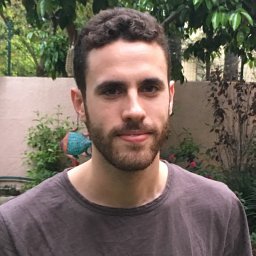 Shahar Taiber合作论文数Faculty of Medicine, Tel Aviv University17
 Nancy A. Jenkins合作论文数Department of Genetics, Division of Basic Science Research, The University of Texas MD Anderson Cancer Center17
 Hertzano Ronna合作论文数Dept Otorhinolaryngol Head & Neck Surg, Univ Maryland14
 Martin Hrabě de Angelis合作论文数Helmholtz Zentrum München GmbH;Technical University München Germany14
 Nadav Ahituv合作论文数Dept Bioengn & Therapeut Sci, Univ Calif San Francisco14T Sobe合作论文数14Helmut Fuchs合作论文数13
 Kathy Ushakov合作论文数13
 Yoram Groner合作论文数Department of Molecular Genetics, Weizmann Institute of Science13
 Karen Steel合作论文数Wolfson Centre for Age-Related Diseases, King's College London12Danielle R Lenz合作论文数11
 Shaked Shivatzki合作论文数11Mordechai Shohat合作论文数10
 Sarah Vreugde合作论文数Queen Elizabeth Hosp, Dept Surg Otorhinolaryngol Head & Neck Surg, Adelaide, SA, Australia10Moshe Frydman合作论文数9
 Ofer Yizhar Barnea合作论文数8Kwanghyuk Lee合作论文数8
 Tal Koffler-Brill合作论文数8Kanaan M合作论文数8
 Neal G. Copeland合作论文数Department of Genetics, Division of Basic Science Research, The University of Texas MD Anderson Cancer Center;Houston Methodist Research Institute8Yael Noy合作论文数7
 Rudi Balling合作论文数Institute of Molecular Psychiatry, University of Bonn;Luxembourg Centre for Systems Biomedicine, University of Luxembourg7
 Bella Davidov合作论文数7
 Tama Hasson合作论文数Department of Integrative Biology & Physiology, College of Life Sciences, University of California at San Diego7TB Friedman合作论文数6M Schickler合作论文数6
 Mor Bordeynik-Cohen合作论文数6M FRYDMAN合作论文数6Ryan J Carlson合作论文数6Abu Rayyan Amal合作论文数6
 Lilach Friedman合作论文数Dept Human Mol Genet & Biochem, Tel Aviv Univ6
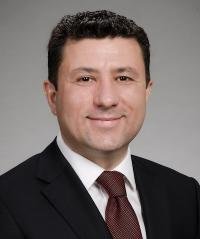 Suleyman Gulsuner合作论文数Division of Medical Genetics, University of Washington;Sana Biotechnology, Inc.6Rudnicki Anya合作论文数6
 Paolo Gasparini合作论文数IRCCS Burlo Garofolo6Bhonker Yoni合作论文数6
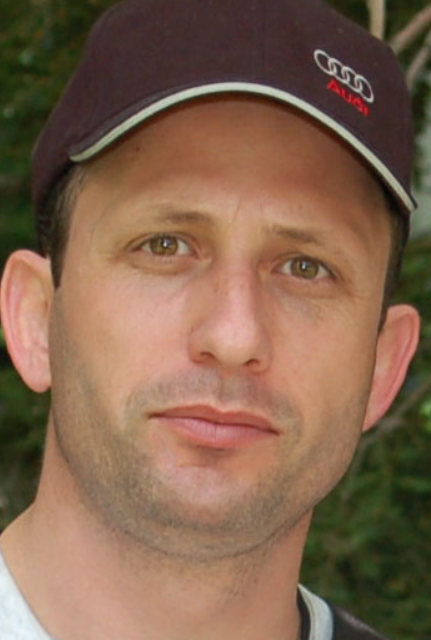 Noam Shomron合作论文数Gray Faculty of Medical and Health Sciences, Tel Aviv University;Functional Genomics Laboratory, Tel Aviv University;Everly Bio;Variantyx;IdentifAI Genetics;Gotsho Ltd.;Djerassi Institute of Oncology;Forensic Genetics Laboratory6
 Andrew J Griffith合作论文数College of Medicine, The University of Tennessee Health Science Center6
 David Sprinzak合作论文数Center for Submicron Research, Braun;Department of Condensed Matter Physics;Weizmann Institute of Science;Braun Center for Submicron Research, Weizmann Institute of Science6
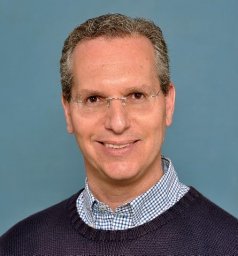 Ran Elkon合作论文数Sackler School of Medicine, Tel Aviv University6Kobi Perl合作论文数5Ng Copeland合作论文数5Lara Kamal合作论文数5
 Heidi Rehm合作论文数Center for Genomic Medicine, Massachusetts General Hospital;Broad Institute;Harvard Medical School5




