Foundation models for medical image segmentation struggle under out-of-distribution (OOD) shifts, often producing fragmented false positives on OOD tumors. We introduce R^2Seg, a training-free framework for robust OOD tumor segmentation that operates via a two-stage Reason-and-Reject process. First, the Reason step employs an LLM-guided anatomical reasoning planner to localize organ anchors and generate multi-scale ROIs. Second, the Reject step applies two-sample statistical testing to candidates generated by a frozen foundation model (BiomedParse) within these ROIs. This statistical rejection filter retains only candidates significantly different from normal tissue, effectively suppressing false positives. Our framework requires no parameter updates, making it compatible with zero-update test-time augmentation and avoiding catastrophic forgetting. On multi-center and multi-modal tumor segmentation benchmarks, R^2Seg substantially improves Dice, specificity, and sensitivity over strong baselines and the original foundation models. Code are available at https://github.com/Eurekashen/R2Seg.
Humans can reproduce the viewpoint specified by a target image through active head and body motion, yet spatial intelligence in foundation models has largely been studied as passive understanding of pre-collected observations. We introduce Target Viewpoint Reproduction (TVR) – an active task where an agent adjusts its viewpoint in a 3D environment until its observation matches a given target image – and TVRBench, an indoor-simulation benchmark spanning scene scale and target-view visual richness. TVR is far from solved: on the evaluation split, the strongest open-source and closed-source models reach only 7.8
Vision Transformers (ViTs) have shown immense potential in medical image analysis. However, standard pre-training via global image classification suffers from spatial collapse, where models rely heavily on background shortcuts rather than localising critical foreground lesions. To overcome this limitation and align visual evidence with precise medical semantics, we systematically investigate alternative pre-training paradigms.Specifically, we evaluate three independent forms of structured supervision: topological priors via graph self-supervision, dense pixel-level constraints via segmentation, and cross-modal semantic grounding via image-text pairs. Notably, our empirical analysis reveals that while all three forms of structured supervision successfully alleviate the global pooling bottleneck and steer visual attention towards foreground regions, image-text alignment achieves the most superior performance. By embedding high-dimensional diagnostic logic, the cross-modal approach not only anchors attention on precise visual evidence but also enables profound abstract reasoning. Extensive experiments demonstrate that this semantically enriched pre-training fundamentally enhances the model's feature representation. Consequently, when fine-tuned for downstream clinical classification tasks, our models achieve superior accuracy and yield highly interpretable attention maps focused on true pathological features, vastly outperforming vanilla classification baselines.
Geometric foundation models show promise in 3D reconstruction, yet their progress is severely constrained by the scarcity of diverse, large-scale 3D annotations. While Internet videos offer virtually unlimited raw data, utilizing them as a scaling source for geometric learning is challenging due to the absence of ground-truth geometry and the presence of observational noise. To address this, we propose SAGE, a framework for Scalable Adaptation of GEometric foundation models from raw video streams. SAGE leverages a hierarchical mining pipeline to transform videos into training trajectories and hybrid supervision: (1) Informative training trajectory selection; (2) Sparse Geometric Anchoring via SfM point clouds for global structural guidance; and (3) Dense Differentiable Consistency via 3D Gaussian rendering for multi-view constraints. To prevent catastrophic forgetting, we introduce a regularization strategy using anchor data. Extensive experiments show that SAGE significantly enhances zero-shot generalization, reducing Chamfer Distance by 20-42
Vision-language pretraining has substantially improved cross-modal retrieval, and CLIP-style models have become a strong basis for transfer across heterogeneous downstream tasks. Nevertheless, adapting such models to specialized scenarios, including remote sensing and e-commerce, remains difficult: the model may forget previously learned generic representations while also losing flexibility on newly introduced domains. Existing continual learning strategies mostly emphasize forgetting reduction, but they usually provide limited protection for adaptability under large domain shifts. We revisit this issue through empirical analysis and show that the sequential fine-tuning scheme commonly used in cross-modal continual learning can markedly weaken model plasticity, especially when the source and target domains are highly dissimilar. Motivated by this observation, we build CDITR, a Cross-Domain Image-Text Retrieval benchmark that contains eight diverse datasets and supports joint evaluation of catastrophic forgetting and plasticity degradation. We further develop MoCLE, a parameter-efficient framework that combines shared LoRA experts with domain-aware routed LoRA experts to improve adaptive learning, together with feature-level distillation to retain the semantic structure of the pretrained model. Experiments indicate that MoCLE delivers competitive state-of-the-art results while achieving a better balance between stability and plasticity.
Trusted Executing Environments (TEEs) in hardware designs protect program execution from other untrusted software programs in the processor as well as untrusted off-chip hardware components. Meanwhile, Near-Memory Processing (NMP) has shown performance and energy benefits on memory-intensive workloads. Recently, novel memory encryption schemes have been proposed to allow TEEs to leverage the benefits of NMP without requiring trust in the NMP components. In this paper, we present a system design of confidential computing with NMP that can be directly used in Intel SGX, a TEE platform available in commercial processors today. We develop the full software stack and evaluate the results on commercial processors with the emulated AxDIMM, an FPGA-based NMP platform. In our case study on personalized Deep Learning Recommendation Model (DLRM) inference, the proposed confidential computing in NMP achieves up to 1.51x latency reduction and up to 2.57x throughput improvement.
Time series anomaly detection aims to identify unusual patterns in data or deviations from systems' expected behavior. The reconstruction-based methods are the mainstream in this task, which learn point-wise representation via unsupervised learning. However, the unlabeled anomaly points in training data may cause these reconstruction-based methods to learn and reconstruct anomalous data, resulting in the challenge of capturing normal patterns. In this paper, we propose a time series anomaly detection method based on implicit neural representation (INR) reconstruction, named TSINR, to address this challenge. Due to the property of spectral bias, TSINR enables prioritizing low-frequency signals and exhibiting poorer performance on high-frequency abnormal data. Specifically, we adopt INR to parameterize time series data as a continuous function and employ a transformer-based architecture to predict the INR of given data. As a result, the proposed TSINR method achieves the advantage of capturing the temporal continuity and thus is more sensitive to discontinuous anomaly data. In addition, we further design a novel form of INR continuous function to learn inter- and intra-channel information, and leverage a pre-trained large language model to amplify the intense fluctuations in anomalies. Extensive experiments demonstrate that TSINR achieves superior overall performance on both univariate and multivariate time series anomaly detection benchmarks compared to other state-of-the-art reconstruction-based methods. Our codes are available here.
Time series anomaly detection is a critical task in various domains, including industrial monitoring, healthcare, and finance. Existing time series anomaly detection methods typically rely on discrete grid representations to store and process data, which can lead to issues in capturing the true nature of continuous time series signals. Recently, some researchers use Implicit Neural Representation (INR) to model continuous functions, offering a more natural approach for learning and representing real-world continuous time series signals. However, current INR-based anomaly detection methods suffer from limited generalization and suboptimal performance and efficiency. To address these challenges, we propose M-TSINR, a novel framework that leverages the strengths of INR to improve both the performance and efficiency of time series anomaly detection. Specifically, we design a form of multiscale INR continuous functions, utilizing multiple neural networks to represent different temporal scales of the data, enabling the model to extract hierarchical features from fine-grained to coarse patterns. Additionally, we use a Mamba encoder to generate INR parameters, which significantly improves both the efficiency and the ability to capture complex temporal dependencies. Extensive experiments conducted on five real-world anomaly detection benchmark datasets demonstrate that M-TSINR achieves superior performance compared to other state-of-the-art anomaly detection methods.
Matrix factorization (MF), a cornerstone of recommender systems, decomposes user-item interaction matrices into latent representations. Traditional MF approaches, however, employ a two-stage, non-end-to-end paradigm, sequentially performing recommendation and clustering, resulting in prohibitive computational costs for large-scale applications like e-commerce and IoT, where billions of users interact with trillions of items. To address this, we propose Matrix Factorization with Dynamic Multi-view Clustering (MFDMC), a unified framework that balances efficient end-to-end training with comprehensive utilization of web-scale data and enhances interpretability. MFDMC leverages dynamic multi-view clustering to learn user and item representations, adaptively pruning poorly formed clusters. Each entity's representation is modeled as a weighted projection of robust clusters, capturing its diverse roles across views. This design maximizes representation space utilization, improves interpretability, and ensures resilience for downstream tasks. Extensive experiments demonstrate MFDMC's superior performance in recommender systems and other representation learning domains, such as computer vision, highlighting its scalability and versatility.
Crystal materials play an important role in the development of society. The discovery of new materials is critical to achieving sustainable development goals (SDGs), such as climate change mitigation, affordable and clean energy, and fostering innovation in industry and infrastructure. Recent advances in deep learning for crystal property prediction have accelerated material discovery, but these methods typically rely on labeled data, which is often limited and varies across different properties. This limitation hinders the full utilization of the vast amount of unlabeled data in materials science. To overcome this challenge, we introduce an unsupervised Denoising Pre-training Framework (DPF) tailored for crystal structures. DPF trains a model to reconstruct the original crystal structure by recovering the masked atom types, perturbed atom positions, and perturbed crystal lattices. Through pre-training, models learn the intrinsic features of crystal structures and capture the key features influencing crystal properties. We pre-train models on a dataset of 380,743 unlabeled crystal structures and fine-tune them on downstream property prediction tasks. Extensive experiments demonstrate the effectiveness of our framework, showing its potential to significantly advance material science and contribute to the development of society by accelerating the discovery of materials crucial for sustainable technologies.
Retinal vessel segmentation is critical for medical diagnosis, yet existing models often struggle to generalize across domains due to appearance variability, limited annotations, and complex vascular morphology. We propose GraphSeg, a variational Bayesian framework that integrates anatomical graph priors with structure-aware image decomposition to enhance cross-domain segmentation. GraphSeg factorizes retinal images into structure-preserved and structure-degraded components, enabling domain-invariant representation. A deformable graph prior, derived from a statistical retinal atlas, is incorporated via a differentiable alignment and guided by an unsupervised energy function. Experiments on three public benchmarks (CHASE, DRIVE, HRF) show that GraphSeg consistently outperforms existing methods under domain shifts. These results highlight the importance of jointly modeling anatomical topology and image structure for robust generalizable vessel segmentation.
Recent advancements in large language models (LLMs) have revolutionized research discovery across various scientific disciplines, including materials science. The discovery of novel materials, particularly crystal materials, is essential for achieving sustainable development goals (SDGs), as they drive breakthroughs in climate change mitigation, clean and affordable energy, and the promotion of industrial innovation. However, unlocking the full potential of LLMs in materials research remains challenging due to the lack of high-quality, diverse, and instruction-based datasets. Such datasets are crucial for guiding these models in understanding and predicting the structure, property, and function of materials across various tasks. To address this limitation, we introduce Mat-Instruction, a large-scale inorganic material instruction dataset, specifically designed to unlock the potential of LLMs in materials science. Extensive experiments on fine-tuning LLaMA with our Mat-Instruction dataset demonstrate its effectiveness in advancing progress for materials science. The code and dataset are available at https://github.com/zjuKeLiu/Mat-Instructions.
Recently, many foundation models for medical image analysis such as MedSAM, SwinUNETR have been released and proven to be useful in multiple tasks. However, considering the inherent heterogeneity and inhomogeneity of real-world medical data, directly applying these models to specific medical image segmentation tasks often leads to negative domain shift effects, which can severely weaken the model's segmentation capabilities. To this end, we propose an adaptive amalgamation knowledge framework that aims to train a versatile foundation model to handle the joint goals of multiple expert models, each specialized for a distinct task. Specifically, we first train an nnUNet-based expert model for each task, and reuse the pre-trained SwinUNTER as the target foundation model. Then, the input data for all challenging tasks are encoded in the foundation model and the expert models, respectively, and their backbone features are jointly projected into the adaptive amalgamation layer. Within the hidden layer, the hierarchical attention mechanisms are designed to achieve adaptive merging of the target model to the hidden layer feature knowledge of all experts, which significantly reduces the domain shift arising from the inter-task differences. Finally, the gold amalgamated features and the prompt features are fed into the mask decoder to obtain the segmentation results. Extensive experiments conducted in these challenging tasks demonstrate the effectiveness and adaptability of our foundation model for real-world medical image segmentation.
Time series anomaly detection plays a crucial role in identifying significant deviations from expected behavior. Implicit Neural Representation (INR) has been explored for time series modeling due to its ability to learn continuous functions. The inherent spectral bias of INRs, which prioritizes low-frequency signal fitting, further enables the detection of high-frequency anomalies. However, current INR-based approaches demonstrate limited capability in representing complex temporal patterns, particularly when the normal data itself contains significant high-frequency components. To address these challenges, we propose CSTSINR, a novel anomaly detection model that integrates the structured feature map and convolutional mechanisms with the INR continuous function. By leveraging a structured feature map and convolutional layers, CSTSINR addresses the limitations of directive prediction of all parameters and point-wise query processing, providing improved modeling of temporal continuity and enhanced anomaly detection. Our extensive experiments demonstrate that CSTSINR outperforms existing state-of-the-art methods across ten benchmark datasets, highlighting its superior ability to detect anomalies, particularly in high-frequency or complex time series data.
Crystals are essential constituents of a wide range of materials, encompassing both advanced technologies and everyday applications. Recently, deep learning-based methods for crystal property prediction have demonstrated remarkable performance, greatly facilitating the discovery of novel materials. However, these approaches typically concentrate on atom-wise interactions and often fail to account for periodicity, a fundamental characteristic of crystals. To address this limitation, we propose a novel plug-and-play component, the Periodicity Injection Module (PIM), which seamlessly incorporates periodicity into existing crystal models. Specifically, the PIM employs crystal-wise attention to ensure that the surroundings of unit cells at periodic distances remain identical, aligning with the definition of crystal periodicity. By capturing interactions among bases at the crystal level, the PIM complements and enhances the modeling of intra-crystal interactions. Extensive experiments on benchmark datasets demonstrate that our PIM significantly improves crystal property prediction.
Lesion segmentation is inherently influenced by imaging uncertainty, arising from ill-defined lesion boundaries and inter-observer variability in diagnosis. To address this challenge, previous works formulated the multi-rater medical image segmentation task, where multiple experts provide separate annotations for each image. However, existing models are typically constrained to either generate diverse segmentation that lacks expert specificity or to produce personalized outputs that merely replicate individual annotators. We propose Probabilistic modeling of multi-rater lesion Segmentation (ProSeg) that simultaneously enables both diversification and personalization. Specifically, we introduce two latent variables to model expert annotation preferences and lesion boundary ambiguity. Their conditional probabilistic distributions are then obtained through variational inference, allowing segmentation outputs to be generated by sampling from these distributions. Extensive experiments on both the nasopharyngeal carcinoma dataset (NPC) and the lung nodule dataset (LIDC-IDRI) demonstrate that our ProSeg achieves a new state-of-the-art performance, providing segmentation results that are both diverse and expert-personalized.
Automatic disease image grading is a significant application of artificial intelligence for healthcare, enabling faster and more accurate patient assessments. However, domain shifts, which are exacerbated by data imbalance, introduce bias into the model, posing deployment difficulties in clinical applications. To address the problem, we propose a novel Uncertainty-aware Multi-experts Knowledge Distillation (UMKD) framework to transfer knowledge from multiple expert models to a single student model. Specifically, to extract discriminative features, UMKD decouples task-agnostic and task-specific features with shallow and compact feature alignment in the feature space. At the output space, an uncertainty-aware decoupled distillation (UDD) mechanism dynamically adjusts knowledge transfer weights based on expert model uncertainties, ensuring robust and reliable distillation. Additionally, UMKD also tackles the problems of model architecture heterogeneity and distribution discrepancies between source and target domains, which are inadequately tackled by previous KD approaches. Extensive experiments on histology prostate grading (SICAPv2) and fundus image grading (APTOS) demonstrate that UMKD achieves a new state-of-theart in both source-imbalanced and target-imbalanced scenarios, offering a robust and practical solution for real-world disease image grading. The source code has been released by https://github.com/ZJUMAI/UMKD.
Mixture-of-Experts (MoE) models have recently gained steam in achieving the state-of-the-art performance in a wide range of tasks in computer vision and natural language processing. They effectively expand the model capacity while incurring a minimal increase in computation cost during training. However, deploying such models for inference is difficult due to their large model size and complex communication pattern. In this work, we provide a characterization of two MoE workloads, namely Language Modeling (LM) and Machine Translation (MT) and identify their sources of inefficiencies at deployment. We propose three optimization techniques to mitigate sources of inefficiencies, namely (1) Dynamic gating, (2) Expert Buffering, and (3) Expert load balancing. We show that dynamic gating improves maximum throughput by 6.21-11.55$\times$ for LM, 5.75-10.98$\times$ for MT Encoder and 2.58-5.71$\times$ for MT Decoder. It also reduces memory usage by up to 1.36$\times$ for LM and up to 1.1$\times$ for MT. We further propose Expert Buffering, a new caching mechanism that only keeps hot, active experts in GPU memory while buffering the rest in CPU memory. This reduces static memory allocation by 1.47$\times$. Finally, we propose a load balancing methodology that provides additional robustness to the workload. Our code is available at https://github.com/hyhuang00/moe_inference.
The pyrrolysyl-tRNA synthetase (PylRS)/tRNACUA pair is one of the most widely used systems for the incorporation of noncanonical amino acids (ncAAs) into proteins at specific positions. Although directed evolution of PylRS have enabled over 300 ncAAs to be incorporated into proteins, most of the ncAA-containing proteins are expressed in a limited yield due to low activities of PylRS variants. Here, we applied machine learning (ML) to engineer the tRNA-binding domain of PylRS with a fast Fourier transform-partial least square regression (FFT-PLSR) model and three zero-shot prediction ML models. FFT-PLSR was first applied to explore a sequence space composed of pairwise combinations of 12 single mutations, and the best variant, Com1-IFRS, showed an 11-fold increase in activity compared to IFRS, a PylRS variant. The deep learning models ESM-1v, Mutcompute, and ProRefiner were then used to identify new mutation sites impacting the activity of Com1-IFRS. FFT-PLSR was used again to identify a variant, Com2-IFRS, from a sequence space containing 11520 mutations, which showed a 30-fold increase in activity. Com2-IFRS also enhanced enzyme activity against 12 other ncAAs by up to 3944.8-fold. Transplantation of the evolved mutations into 7 other PylRS-derived synthetases improved yields of proteins containing six types of ncAAs, including derivatives of Phe, Tyr, Trp, Cys, His and Lys, by up to 1149.7-fold. Molecular dynamics simulations revealed that mutations reshaped the hydrogen bond network between tRNA and protein, which increased tRNA binding affinity, shortened the reaction distance between tRNA and ncAA, and even enhanced the dynamics correlation network. This paper offers new PylRS variants that increase the utility of the orthogonal translation system and provide a machine learning framework for identifying optimized multiple-point combinatorial mutations in a vast sequence space.
Crystals constitute a variety of important materials from everyday life to cutting-edge fields. The properties of a crystal are determined by its structure, as demonstrated by physics theory, which is essential for understanding and designing materials. In recent years, deep learning-based methods have been proposed to predict crystal material properties and achieved satisfactory performance. However, these methods have not adequately accounted for the key composition of crystals, i.e., periodicity. To address this issue, we propose a periodicity aware crystal transformer (PACT), which uses hierarchical self-attention mechanisms to enforce periodicity constraints on the crystal structure. Specifically, it applies unit-wise self-attention and crystal-wise self-attention to ensure that the surroundings of atoms or unit cells at periodic distances are identical. Extensive benchmark experiments demonstrate that our proposed model exhibits superior performance, achieving an average improvement of 7.07% over previous methods. Additionally, ablation studies show both unit-wise self-attention and crystal-wise in the hierarchical self-attention mechanisms are effective in modeling the periodicity.
 Shangde Gao合作论文数Dept Urban & Reg Planning, Univ Florida13
 Xuan (Silvia) Zhang合作论文数12
 Yichao Fu合作论文数9
 Hsien-Hsin Sean Lee (李憲信)合作论文数Intel Corporation9
 Renjun Xu (徐仁军)合作论文数Center for Data Science, Zhejiang University8
 Hong Liu合作论文数5
 Carole-Jean Wu合作论文数Meta5Kaifan Yang合作论文数4Bei Yang合作论文数Alibaba Group4
 Hongxia Xu合作论文数4
 Han Yuqiang合作论文数4Huan Xu合作论文数Machine Intelligence Technology Lab, Alibaba Group4
 Wenjie Xiong合作论文数Bradley Department of Electrical and Computer Engineering, Virginia Polytechnic Institute and State University4
 Haishuai Wang (王海帅)合作论文数College of Computer Science and Technology, Zhejiang University4
 Jian Wu (吴健)合作论文数School of Medicine, Zhejiang University4
 Edward Suh合作论文数NVIDIA4
 Chunhua Shen (沈春华)合作论文数College of Computer Science and Technology, Zhejiang University4Xiaoxiao Xu合作论文数Alibaba Group4
 Xin He (何鑫)合作论文数Institute of Computing Technology, Chinese Academy of Sciences4Qinghui Sun合作论文数Alibaba Grp, Hangzhou, Peoples R China3
 Hao Chen (陈昊)合作论文数The State Key Laboratory of Cad&cg, College of Computer Science and Technology, Zhejiang University3
 Muzhi Zhu (朱慕之)合作论文数State Key Lab of CAD & CG, College of Computer Science and Technology, Zhejiang University2Jin Jung合作论文数2Kiwan Maeng合作论文数2
 Anna Sun合作论文数2Yongsuk Kwon合作论文数2Jinin So合作论文数2joonho song合作论文数2Kyungsoo Kim合作论文数2
 Jie Gu合作论文数2
 Udit Gupta合作论文数Jacobs Technion-Cornell Institute, Cornell Tech2
 Lu Wenyan合作论文数2
 Murali Annavaram合作论文数Ming Hsieh Department of Electrical and Computer Engineering, Viterbi School of Engineering, University of Southern California;Thomas Lord Department of Computer Science, Viterbi School of Engineering, University of Southern California2
 Hongwei Wang (王宏伟)合作论文数Zhejiang University-University of Illinois Urbana-Champaign Institute2
 Jiajun Bu (卜佳俊)合作论文数College of Computer Science and Technology, Zhejiang University;School of Software Technology, Zhejiang University;Alibaba-Zhejiang University Joint Institute of Frontier Technologies2
 Kyomin Sohn合作论文数Semiconductor System Laboratory;Department of EECS;Advanced Institute of Science and Technology;Semiconductor System Laboratory, Advanced Institute of Science and Technology2
 Mark Hempstead合作论文数Graduate Student in Engineering Science
School of Engineering and Applied Sciences
Harvard University2
Mark Hempstead合作论文数Graduate Student in Engineering Science
School of Engineering and Applied Sciences
Harvard University2 Jeonghyeon Cho合作论文数Terahertz Interconnection and Package Laboratory;Department of Electrical Engineering;Korea Advanced Institute of Science and Technology;Terahertz Interconnection and Package Laboratory, Korea Advanced Institute of Science and Technology2
 Shruti Bhosale合作论文数Facebook2
 Shin-Haeng Kang合作论文数Seoul National University2
 Yeongon Cho合作论文数2
 Haiyang Huang (黄海洋)合作论文数School of Mathematical Sciences, Beijing Normal University2
 Newsha Ardalani合作论文数Facebook AI2
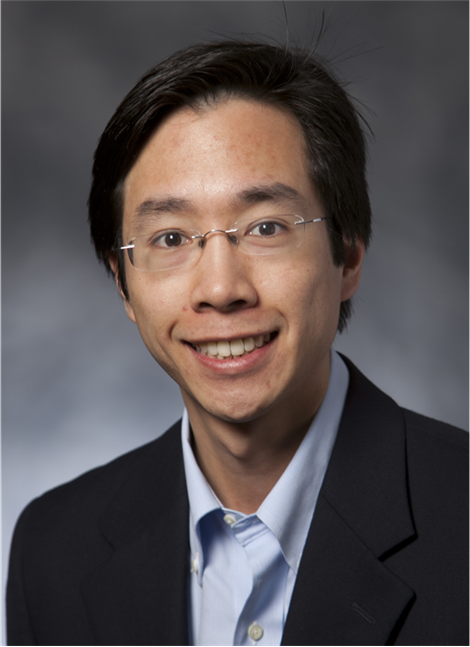 Benjamin C. Lee合作论文数Electrical and Computer Engineering Pratt School of Engineering Duke University2
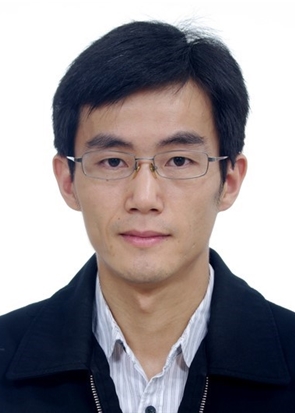 Guihai Yan (鄢贵海)合作论文数University of Chinese Academy of Sciences;Institute of Computing Technology, Chinese Academy of Sciences2
 Shuaike Shen (沈帅克)合作论文数Carnegie Mellon University1Shangqi Gao合作论文数1Eric Northup合作论文数1Jiahong Zhang合作论文数1




