OBJECTIVE:Treatment of benign vocal fold lesions (BVFLs) in professional voice users (PVUs) requires a balance between safety and restoration of phonatory function. Photoangiolytic lasers allow selective ablation of vascular structures, resulting in lesion involution. Prior studies support their safety and efficacy in the general population, but evidence supporting their use in PVUs is limited. The aim of this scoping review is to evaluate the safety and efficacy of photoangiolytic laser treatment of BVFLs in PVUs. DATA SOURCE:Using PRISMA-ScR guidelines, research databases (PubMed, Web of Science, Embase, CINAHL) were queried through July 2025. REVIEW METHODS:Records were screened in two rounds by two independent reviewers. Conflicts were resolved by a third reviewer (senior author). Data on study design, laser type, sample size, and outcomes were extracted and summarized. RESULTS:A total of 1013 studies were identified, and 22 studies were included after full-text review. The most studied laser was KTP (36.3%), followed by PDL (18.2%) and TruBlue (9.1%), with 31.8% of studies comparing KTP and PDL. Vocal fold polyps were the most frequently studied lesion type (22.7%). Across studies, subjective (VHI, SVHI, GRBAS) and objective acoustic outcomes consistently improved. All complications (rate 5-10%) were minor and temporary: transient hoarseness, edema, or self-limited bleeding. CONCLUSION:Professional voice users with BVFLs require treatment to restore high-level phonatory function while maintaining safety and preventing long-term complications. This scoping review provides evidence of the safety and efficacy of photoangiolytic laser treatment of BVFLs in PVUs.
OBJECTIVES:Type 1 thyroplasty (T1T), or medialization laryngoplasty (ML), is a laryngeal framework surgery that corrects glottic insufficiency. Prior studies report revision rates of T1T from 5% to 40%, but factors influencing the need for revision have not been studied in detail. The objectives of this study were to determine the revision rate of T1T and identify patient factors associated with revision. METHODS:Retrospective cohort study. Patients undergoing T1T (CPT 31591) were identified in TriNetX, a global collaborative network with data from over 128 million patients. The revision rate was determined by the percentage of patients undergoing a second T1T at least 30 days after the initial procedure. Patient factors (demographics, surgical history, and comorbidities) were compared between groups. RESULTS:A total of 4029 patients underwent T1T; 323 (8.02%) patients underwent revision T1T. Patients undergoing revision were slightly older at initial surgery compared to those not requiring revision (63.5 vs. 61.2 years, p = 0.02), and more likely to be of White or American Native race. Comorbidities associated with revision include pulmonary diseases, neurological conditions, and mental health disorders. A history of thyroidectomy or tracheostomy was also associated with revision. Gender, geographic region, tobacco use, emphysema, Parkinson's disease, and amyotrophic lateral sclerosis were not associated with the need for revision T1T. CONCLUSION:This is the first comprehensive analysis of factors associated with revision T1T using the TriNetX database. Certain demographic and patient factors may influence the likelihood of requiring revision T1T, potentially impacting patient selection and providing a basis for individualized preoperative patient counseling. LEVEL OF EVIDENCE:Level III.
OBJECTIVE(S):The objective of this study is to compare treatment outcomes for vocal fold polyps (VFPs) between operating room microlaryngoscopy and office-based photoangiolysis with the potassium titanyl phosphate (KTP) laser. METHODS:Prospective nonrandomized cohort study of patients with VFPs undergoing microlaryngoscopy ("OR group") or KTP laser photoangiolysis ("KTP group"). Voice outcomes (patient-reported outcome measures [Voice Handicap Index-10 (VHI-10) and Singing VHI-10 (SVHI-10)], auditory-perceptual measures [Consensus Auditory-Perceptual Evaluation of Voice (CAPE-V)], videostroboscopic characteristics [Voice-Vibratory Assessment of Laryngeal Imaging (VALI)], and acoustic and aerodynamic measures) were performed at baseline and regular intervals after intervention. RESULTS:Forty-four subjects (17 OR group, 27 KTP group) with VFPs were enrolled. Mean VHI-10 significantly improved from baseline to each follow-up interval in both groups, except for the 1-2-week interval in the OR group. Mean SVHI-10 improved for both groups at some intervals. Growth curve models and time-to-event analyses for patient-reported outcomes did not differ between groups. There were significant improvements in all categories of auditory-perceptual voice quality and some categories of videostroboscopic characteristics in both groups. No significant trends were identified in acoustic and aerodynamic measures. Improvements in most outcomes did not significantly differ between groups or based on polyp size. There were no major complications. CONCLUSIONS:Significant improvements in patient-reported voice outcomes measures, auditory-perceptual voice evaluation, and videostroboscopic characteristics occur following surgical treatment of vocal fold polyps with either microlaryngoscopy or office-based KTP laser. Long-term voice outcomes do not significantly differ between treatment modalities. LEVEL OF EVIDENCE:3 Laryngoscope, 134:S1-S20, 2024.
Objectives:To date, there has yet to be a rigorous exploration of voice and communication modification training (VCMT) among transgender and gender-nonconforming (TGNC) individuals using digital technology. We sought to evaluate and describe the iterative process of app development using a community-based approach. Methods:An interprofessional team of voice health care professionals, application developers, designers, and TGNC community members was assembled to conceive the functionality, content, and design of a mobile app to support VCMT for TGNC people. Six TGNC individuals, identified primarily by word of mouth, joined the development team as a Community Advisory Board (CAB). The CAB provided input on app content development, design choices, and user experience, with collaboration across disciplines and integration of TGNC community members throughout app development; the applicability of CBPR principles was evaluated throughout the development process. Results:Iterative cycles of content creation and feedback produced multiple substantial changes during the app's development, including added functionality, improved inclusivity and accessibility, and design and branding enhancements. Several successful outcomes from our approach were identified, including the recruitment of dedicated CAB members and interprofessional collaboration that included community members. Challenges included integration of multiple different approaches and levels of expertise, navigating TGNC individuals' participation without exploitation, and creating high-quality content on a limited budget. Conclusions:Our process demonstrates the value of including a CAB in the design of a digital VCMT platform, and suggests a potential for community-based participatory research (CBPR) in laryngology and speech language pathology, where uptake of this framework has remained limited. Level of Evidence:Level 5.
Objectives There is currently no research reporting solely on outcomes of voice and communication modification training (VCMT) in individuals who identify as non-binary and genderqueer (NBGQ) in the English literature. This study aimed to describe the objective and subjective impact of VCMT on the voice of NBGQ individuals undergoing a 12-week gender-affirming VCMT program. Methods A retrospective consecutive case series of NBGQ individuals enrolled in a VCMT program was performed. Demographics, Transgender Self-Evaluation Questionnaire (TSEQ), fundamental frequency (F0), and frequency range were collected before and after the program. Results Four NBGQ individuals enrolled between January 2019 and June 2021; the mean age was 27.0 years. While all four participants represented in this case series showed improvement in at least one of their initial goals, only one improved both their F0 and TSEQ scores; the other three participants had mixed results. Conclusion NBGQ individuals experienced improvements in self-reported outcomes and changes in acoustic measures after completing VCMT in our case series. Individuals experienced significant improvement in subjective outcomes despite small changes in acoustic measures, and vice versa. More research is needed to better understand the voice and communication needs of NBGQ individuals, along with their outcomes with VCMT. Level of evidence Level 4.
ObjectivesAcute vocal fold edema (VFE) is often a consequence of illness, allergy, or voice overuse, causing dysphonia. Although VFE typically resolves with voice rest and treatment of predisposing causes, oral glucocorticoids are often considered for performers with imminent performance demands. There are limited data about performers' perceptions of vocal change during treatment and how this relates to their ability to perform. This study aims to examine performers' self‐perceptions of vocal function with steroid treatment.MethodsFifty‐five performers (34 F; 21 M) diagnosed with VFE who chose treatment with a 6‐day methylprednisolone taper were prospectively assessed. They completed the Evaluation of the Ability to Sing Easily (EASE) and reported on their voice use, regimen, performance obligations, and ability to perform. Findings were compared between Day 1 and Day 6 using paired t‐tests and nonparametric Wilcoxon signed‐rank tests.ResultsNearly all subjects completed scheduled performances without interruption. Following treatment, all subscales of the EASE were decreased at Day 6 (Vocal Function 29.78–20.59; Pathologic Risk Indicator 26.60–17.33; Vocal Concerns 6.10–4.20). These differences were statistically significant (p < 0.0001) and greater in subjects with performances scheduled and subjects who consistently completed vocal warmups. These findings demonstrate significant improvement in several facets of performers' self‐perception of function.ConclusionSubjects reported significant improvement in vocal function with oral steroid treatment and were able to meet performance obligations. It remains important that steroids are not prescribed without laryngeal examination. Examination should be repeated when dysphonia persists, recurs swiftly, or when patients seek repeated treatment, as there may be increased risk of adverse outcomes, and continued steroid use may mask underlying chronic pathology that is best treated by other means.Level of Evidence4 Laryngoscope, 132:2434–2441, 2022
Objectives/Hypothesis Performing while on steroids is widely considered to increase risk of vocal injury. This study aims to determine incidence and type of injury, and changes in performers' voices after treatment of vocal fold edema (VFE) with glucocorticoids. Study Design Prospective Cohort. Methods Fifty‐five performers (34 female; 21 male) treated for acute VFE with short‐course oral glucocorticoids were prospectively evaluated pre‐ and post‐treatment. Subjects underwent videostroboscopy, acoustic/aerodynamic assessment, and functional assessment with the Singing Voice Handicap Index‐10 (SVHI‐10) and Evaluation of the Ability to Sing Easily (EASE). Blinded reviewers rated videostroboscopic examinations and performed audio‐perceptual assessment. Chi‐square tests and Wilcoxon signed rank tests were applied for analyses of treatment changes. Results Following glucocorticoid treatment, two instances of vocal fold hemorrhage (3.6%) and three instances of glottic thrush (5.5%) were observed. These resolved without consequence. Mucosal wave dynamics and edema improved. Nearly all subjects completed scheduled performances, and significant improvement was noted on the EASE, reflecting improved function after treatment. These were further supported by statistically significant improvements in CAPE‐V and some acoustic and aerodynamic outcomes (semitone pitch range for females, airflow measures for males). Conclusions Oral glucocorticoids appear to be generally safe for performers presenting with acute VFE. The incidence of adverse effects, specifically hemorrhage and thrush, was low and the effects transient. Vocal fold examination should be considered obligatory before prescribing glucorticoids to working performers. A treatment strategy for acute VF edema incorporating glucocorticoids when appropriate appears to result in significant improvements in measures of glottal function including videostroboscopic appearance, subject perception, and auditory perception. Level of Evidence 4 Laryngoscope , 131:2298–2304, 2021
OBJECTIVES:Transgender individuals' voices are closely related to gender identity. A primary goal of gender-affirming voice modification is to help individuals alter their voices to improve gender congruence; however, there is a paucity of research to support this approach. This study aimed to evaluate the outcomes of a 12-week gender-affirming voice and communication modification program.STUDY DESIGN:Retrospective cohort study.METHODS:A retrospective consecutive case series of transgender women enrolled in a voice and communication modification program was performed. Demographics, Trans Woman Voice Questionnaire (TWVQ), fundamental frequency (F0 ), and frequency range were collected before and after the program. A Wilcoxon signed-rank test assessed changes in outcomes. Spearman's rank-order correlation coefficients quantified associations between self-reported outcomes and acoustic measures.RESULTS:A total of 16 trans women individuals were enrolled. The mean age was 31.5 years. After program completion, TWVQ improved 20.4 points, F0 increased 26.5 Hz (spontaneous speech) and 25.7 Hz (reading), and the range increased 24.7 Hz (spontaneous speech) and 0.1 Hz (reading). None of the changes in acoustic measures significantly correlated with improvement in TWVQ scores in the cohort.CONCLUSION:Trans women experience improvements in self-reported outcomes and changes in acoustic measures after completing a gender-affirming voice and communication modification program. Individuals may experience significant improvement in subjective outcomes despite small changes in acoustic measures and vice versa.LEVEL OF EVIDENCE:4 (case series) Laryngoscope, 132:1615-1621, 2022.
OBJECTIVES:To describe voice changes as a result of the off-label use of androgen supplementation in women.METHODS:A multi-institutional retrospective consecutive case series identified women taking androgen supplementation who presented to voice clinics at two institutions with a chief complaint of voice change between 2014 and 2019. Age, occupation, hormone therapy, indication, Voice Handicap Index-10, fundamental frequency, semitone pitch range, testosterone blood level, treatment undertaken, and long-term outcome were collected.RESULTS:Nine women presented with voice change after initiation of androgen hormone supplementation. The mean age was 55 and three patients were performers. All patients underwent hormone therapy with testosterone supplementation, most commonly subcutaneous testosterone pellets. Six patients (67%) were being treated for menopause symptoms, one patient for decreased libido, one patient for breast cancer, and one patient who desired additional muscle gain. Time of symptom onset after hormone therapy initiation was highly variable, ranging from 0 to 48 months with a mean of 15 months. Mean Voice Handicap Index-10 was 21, mean fundamental frequency at comfortable speaking level was 155 Hz and mean semitone pitch range was 22 semitones. Two patients had markedly elevated serum total testosterone levels. Hormone therapy discontinuation and voice therapy were recommended in six (67%) patients each. Five patients returned for follow-up after treatment and noted some subjective benefit.CONCLUSIONS:Female patients treated with androgen supplementation may experience unintended voice changes, most prominently reduction in fundamental frequency. Although some benefit may be obtained from voice therapy and cessation of hormone therapy, voice changes may be permanent. Caution should be exercised when prescribing these medications to women.
Purpose of ReviewAlthough the clinical significance of vocal fold paresis is generally acknowledged among specialists, details of evaluation and diagnosis remain highly debated.Recent FindingsMany studies evaluating vocal fold paresis have been performed in the last two decades; most are retrospective and fraught with methodological concerns. Diagnosis and management of paresis remain founded primarily on experience and opinion with little high-quality evidence to support clinical practice.SummaryUniversally agreed-upon standards for diagnosis remain elusive. Most laryngologists diagnose paresis by laryngoscopic or stroboscopic signs, despite acknowledged interrater inconsistencies. Laryngeal electromyography has the potential to be a valuable diagnostic adjunct, although not immune to similar concerns regarding interpretation. Diagnostic treatment trials offer a practical means to verify clinical impression. Treatment options are similar to those in vocal fold paralysis. Otolaryngologists should remain vigilant to identify paresis at the same time that they remain wary of casual overdiagnosis.
Objectives Laryngeal amyloidosis (LA) is a rare disease characterized by extracellular protein deposition within the larynx. Treatment is difficult due to the frequently submucosal and multifocal nature of disease. The mainstay of treatment is surgical resection; however, recurrence rates are high. Recently, use of radiotherapy (RT), either alone or postoperatively, for LA has been adapted from the management of extramedullary plasmacytoma and has been shown to provide local disease control. Here, we describe the experience with adjuvant RT for LA at our center. Study Design Retrospective case series. Methods Retrospective study of patients with amyloidosis of the larynx, with or without other disease sites, seen at a tertiary academic center between 2011 and 2019. Outcomes included disease characteristics, recurrence rates, treatment modalities, and pre‐ and posttreatment voice handicap index (VHI)‐10. Results Ten patients met eligibility criteria. Mean follow‐up time for all patients was 62.0 ± 41.0 months; mean follow‐up time after last treatment was 51 ± 55 months. All but one patient underwent surgical resection of disease. Seven patients underwent subsequent RT. Of these seven, six underwent RT at our institution; five received a dose of 45 Gray (Gy); and one received a dose of 20 Gy. All seven completed RT without toxicity‐related interruption. Patients undergoing RT underwent 2.1 ± 1.3 surgical procedures prior to RT; no patients required surgery after RT. Mean pretreatment VHI‐10 was 22.9 ± 8.1; mean posttreatment VHI‐10 was 12.9 ± 13.3. Conclusion RT after surgery for LA can provide good local control without unacceptable toxicity and may decrease the need for further surgery. Level of Evidence 4 Laryngoscope , 131:1810–1815, 2021
ObjectiveDetermine postgraduate year (PGY) at which competence is achieved in key otolaryngologic procedures as reported by residents and program directors (PDs) and evaluate relationship between resident and PD perceptions.MethodCross‐sectional survey of residents and PDs in US otolaryngology residencies conducted in 2011 using surveymonkey.com, assessing attainment of competence by residents for 32 otolaryngologic procedures. PGYs at which competence is achieved per residents and PDs were determined using linear regression models, and associations were assessed with chi‐square goodness‐of‐fit test.ResultsA total of 277 residents (19.45%) and 39 PDs (37.86%) completed surveys. Compared with PD perceptions, residents felt they achieved subjective competence earlier than expected by PDs for 13 of 32 procedures, later than expected by PDs for 3 of 32, and at the same PGY for 16 of 32 (significance at P <. 05 level by pooled t test). Degrees held, fellowship plans, and size of residency program did not significantly impact PGY at which residents felt competence was achieved for most procedures.ConclusionWe provide baseline data on PGY at which residents achieve competence in key otolaryngologic procedures. These results may guide efforts to establish appropriate milestones for resident training and assessment and better structure resident operative experiences.
OBJECTIVES:The aim of this study is to provide an overview of each device, discuss conditions that may predispose to the requirement of both devices, and consider pre- and post-operative issues arising from the co-existence of advanced technologies. In addition, relevant surgical anatomy and technique in the placement of both cochlear implant (CI) after ventriculoperitoneal shunt (VPS) and VPS after CI are reviewed.METHODS:Review of literature.RESULTS:Issues relevant to CI and VPS include predisposing conditions, magnetic resonance imaging compatibility, infectious risk, surgical technique, complication management, and a host of other issues.DISCUSSION:Patients with hydrocephalus and severe-to-profound hearing loss are a unique patient population with unique pre-, intra-, and post-operative issues. Thorough understanding of the indications, radiology, anatomy, technology, and potential complications can allow for these patients to achieve the full benefit of these lifechanging surgeries.
 Lucian Sulica合作论文数Otolaryngology Head and Neck Surgery, Weill Cornell Medicine, Cornell University7
 Katerina Andreadis合作论文数Dept Otolaryngol Head & Neck Surg, Weill Cornell Med6
 Rachel Coleman合作论文数3Mary Pitti合作论文数3
 Anaïs Rameau合作论文数Otolaryngology Head and Neck Surgery, Weill Cornell Medicine, Cornell University3Estes Christine合作论文数3
 Joshua S Schindler合作论文数3Scott Sussman合作论文数2Isaac L. Alter合作论文数2Jillian Mattioni合作论文数2
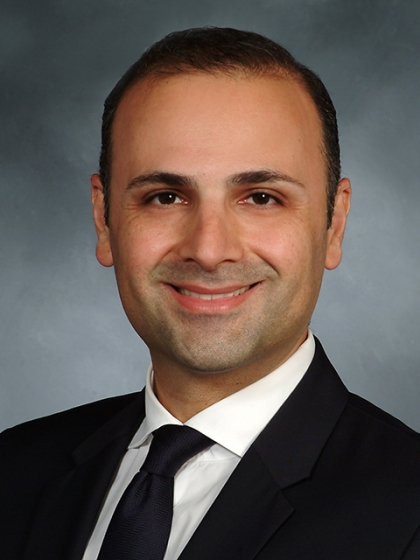 Babak Sadoughi合作论文数Otolaryngology Head and Neck Surgery, Weill Cornell Medicine, Cornell University2
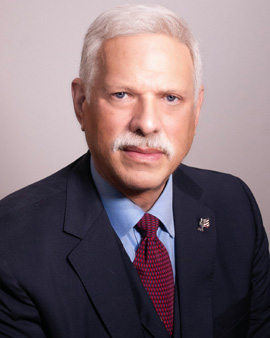 Robert T. Sataloff合作论文数Department of Otolaryngology, College of Medicine, Drexel University2Hal Rives合作论文数1Paul Flint合作论文数1Patrick O McGarey合作论文数1David Liao合作论文数1Gary W Tye合作论文数1Rebecca Riekki合作论文数1Caitlin Bertelsen合作论文数1
 Wen Wan合作论文数1
 John Nix合作论文数1John Holland合作论文数1Kelley M. Dodson合作论文数1
 Daniel H. Coelho合作论文数School of Medicine, Yale University1
 Evan Reiter合作论文数1C. Blake Simpson合作论文数Surgery Foundation, Inc.1




