In humans, dysregulation of the sex determining gene SRY-box 9 (SOX9) leads to disorders of sex development (DSD). In mice, knock-out of Sox9 prior to sex determination leads to XY sex reversal, while Sox9 inactivation after sex determination leads to spermatogenesis defects. SOX9 specifies the differentiation and function of Sertoli cells from somatic cell precursors, which then orchestrate the development and maintenance of other testicular cell types, largely through unknown mechanisms. Here, we describe a novel testicular target gene of SOX9, Ets variant factor 5 (ETV5), a transcription factor responsible for maintaining the spermatogonial stem cell niche. Etv5 was highly expressed in wild-type XY but not XX mouse fetal gonads, with ETV5 protein localized in the Sertoli cells, interstitial cells and germ cells of the testis. In XY Sox9 knock-out gonads, Etv5 expression was strongly down-regulated. Similarly, knock-down of SOX9 in the human Sertoli-like cell line NT2/D1 caused a decrease in ETV5 gene expression. Transcriptomic analysis of NT2/D1 cells over-expressing SOX9 showed that ETV5 expression was increased in response to SOX9. Moreover, chromatin immunoprecipitation of these cells, as well as of embryonic mouse gonads, showed direct binding of SOX9 to ETV5 regulatory regions. We demonstrate that SOX9 was able to activate ETV5 expression via a conserved SOX site in the 5' regulatory region, mutation of which led to loss of activation. In conclusion, we present a novel target gene of SOX9 in the testis, and suggest that SOX9 regulation of ETV5 contributes to the control of male fertility.
Background: In human embryogenesis, loss of SRY (sex determining region on Y), SOX9 (SRY-related HMG box 9) or SF1 (steroidogenic factor 1) function causes disorders of sex development (DSD). A defining event of vertebrate sex determination is male-specific upregulation and maintenance of SOX9 expression in gonadal pre-Sertoli cells, which is preceded by transient SRY expression in mammals. In mice, Sox9 regulation is under the transcriptional control of SRY, SF1 and SOX9 via a conserved testis-specific enhancer of Sox9 (TES). Regulation of SOX9 in human sex determination is however poorly understood.Methodology/Principal Findings: We show that a human embryonal carcinoma cell line (NT2/D1) can model events in presumptive Sertoli cells that initiate human sex determination. SRY associates with transcriptionally active chromatin in NT2/D1 cells and over-expression increases endogenous SOX9 expression. SRY and SF1 co-operate to activate the human SOX9 homologous TES (hTES), a process dependent on phosphorylated SF1. SOX9 also activates hTES, augmented by SF1, suggesting a mechanism for maintenance of SOX9 expression by auto-regulation. Analysis of mutant SRY, SF1 and SOX9 proteins encoded by thirteen separate 46, XY DSD gonadal dysgenesis individuals reveals a reduced ability to activate hTES.Conclusions/Significance: We demonstrate how three human sex-determining factors are likely to function during gonadal development around SOX9 as a hub gene, with different genetic causes of 46, XY DSD due a common failure to upregulate SOX9 transcription.
The human embryonic genital ridge is initially bipotential with the transcription factor SOX9 (SRY related HMG box 9) being necessary and sufficient for its differentiation into a testis. SOX9 has two testis gene targets, Anti Mullerian Hormone and Vanin1. However, these targets are not essential for human testis formation. Therefore SOX9 must regulate other genes that are essential for testis formation and that these target genes may be ‘new’ sex determining genes. It is hypothesized that other human SOX9 target genes exist which are upregulated in the XY gonad and which cause sex reversal when mutated. The aim of this study is to identify new target genes of SOX9 which are involved in sex determination. To identify novel target genes, SOX9 was overexpressed in human NT2/D1 embryonal testicular cells to mimic SOX9 upregulation which occurs during early male sex determination prior to testis cord formation. A panel of male and female-specific genital ridge expressed genes was screened by RT-PCR for gene expression changes in cells overexpressing SOX9. Three male specific genes were elevated. Double immunohistochemistry and image analysis showed that protein levels encoded by these genes were elevated in SOX9 transfected cells, thus validating the RNA results. RNA levels of Sox9 target genes will be measured in gonads from sex reversed XY Sox9 knockout and XX Sox9 transgenic mice. Bioinformatic analysis of target gene regulatory regions reveal conserved SOX binding sites and transactivation studies using luciferase reporter constructs bearing these regions are in progress. These studies indicate three new SOX9 target genes which all show elevated mRNA gene expression and protein expression in response to SOX9 overexpression. Research Support: NHMRC (Aust), Monash University Scholarship
The central dogma of mammalian brain sexual differentiation has contended that sex steroids of gonadal origin organize the neural circuits of the developing brain [1]. Recent evidence has begun to challenge this idea and has suggested that, independent of the masculinizing effects of gonadal secretions, XY and XX brain cells have different patterns of gene expression that influence their differentiation and function [2]. We have previously shown that specific differences in gene expression exist between male and female developing brains and that these differences precede the influences of gonadal hormones [3]. Here we demonstrate that the Y chromosome-linked, male-determining gene Sty is specifically expressed in the substantia nigral of the adult male rodent in tyrosine hydroxylase-expressing neurons. Furthermore, using antisense oligodeoxynucleotides, we show that Sry downregulation in the substantia nigra causes a statistically significant decrease in tyrosine hydroxylase expression with no overall effect on neuronal numbers and that this decrease leads to motor deficits in male rats. Our studies suggest that Sty directly affects the biochemical properties of the dopaminergic neurons of the nigrostriatal system and the specific motor behaviors they control. These results demonstrate a direct male-specific effect on the brain by a gene encoded only in the male genome, without any mediation by gonadal hormones.
The sex-determining region of the Y chromosome (SRY) plays a key role in human sex determination, as mutations in SRY can cause XY sex reversal. Although some SRY missense mutations affect DNA binding and bending activities, it is unclear how others contribute to disease. The high mobility group domain of SRY has two nuclear localization signals (NLS). Sex-reversing mutations in the NLSs affect nuclear import in some patients, associated with defective importin-beta binding to the C-terminal NLS (c-NLS), whereas in others, importin-beta recognition is normal, suggesting the existence of an importin-beta-independent nuclear import pathway. The SRY N-terminal NLS (n-NLS) binds calmodulin (CaM) in vitro, and here we show that this protein interaction is reduced in vivo by calmidazolium, a CaM antagonist. In calmidazolium-treated cells, the dramatic reduction in nuclear entry of SRY and an SRY-c-NLS mutant was not observed for two SRY-n-NLS mutants. Fluorescence spectroscopy studies reveal an unusual conformation of SRY. CaM complexes formed by the two n-NLS mutants. Thus, CaM may be involved directly in SRY nuclear import during gonadal development, and disruption of SRY. CaM recognition could underlie XY sex reversal. Given that the CaM-binding region of SRY is well-conserved among high mobility group box proteins, CaM-dependent nuclear import may underlie additional disease states.
The decision of the bi-potential gonad to develop into either a testis or ovary is determined by the presence or absence of the Sex-determining Region gene on the Y chromosome (SRY). Since its discovery, almost 13 years ago, the molecular role that SRY plays in initiating the male sexual development cascade has proven difficult to ascertain. While biochemical studies of clinical mutants and mouse genetic models have helped in our understanding of SRY function, no direct downstream targets of SRY have yet been identified. There are, however, a number of other genes of equal importance in determining sexual phenotype, expressed before and after expression of SRY. Of these, one has proven of central importance to mammals and vertebrates, SOX9. This review describes our current knowledge of SRY and SOX9 structure and function in the light of recent key developments.
During mammalian sex determination, SOX9 is translocated into the nuclei of Sertoli cells within the developing XY gonad. The N-terminal nuclear localization signal (NLS) is contained within a SOX consensus calmodulin (CaM) binding region, thereby implicating CaM in nuclear import of SOX9. By fluorescence spectroscopy and glutaraldehyde cross-linking, we show that the SOX9 HMG domain and CaM interact in vitro. The formation of a SOX9.CaM binary complex is calcium-dependent and is accompanied by a conformational change in SOX9. A CaM antagonist, calmidazolium chloride (CDZ), was observed to block CaM recognition of SOX9 in vitro and inhibit both nuclear import and consequent transcriptional activity of SOX9 in treated cells. The significance of the SOX9-CaM interaction was highlighted by analysis of a missense SOX9 mutation, A158T, identified from a XY female with campomelic dysplasia/autosomal sex reversal (CD/SRA). This mutant binds importin beta normally despite defective nuclear import. Fluorescence and quenching studies indicate that in the unbound state, the A158T mutant shows a similar conformation to that of the WT SOX9, but in the presence of CaM, the mutant undergoes unusual conformational changes. Furthermore, SOX9-mediated transcriptional activation by cells expressing the A158T mutant is more sensitive to CDZ than cells expressing WT SOX9. These results suggest first that CaM is involved in the nuclear transport of SOX9 in a process likely to involve direct interaction and second, that CD/SRA can arise, at least in part, from a defect in CaM recognition, ultimately leading to reduced ability of SOX9 to activate transcription of cartilage and testes-forming genes.
The HMG domain is a DNA binding and bending 'architectural' motif involved in chromatin re-modelling during transcription. Recombinant SRY HMG domain protein, 88 amino acids in length, has been produced in E. coli. Using FPLC and a stirred ultra-filtration cell, this domain has been purified to homogeneity and concentrated to yield milligram quantities. Functional characterisation studies of the pure, concentrated SRY HMG domain show the recombinantly expressed protein to be active in terms of DNA binding and calmodulin binding activities.
 Vincent R. Harley合作论文数13Hasung Sim合作论文数Inst for Basic Sci Korea, Ctr Correlated Electron Syst, Seoul 08826, South Korea5
 Andrew H A Clayton合作论文数Royal Melbourne Hospital, Ludwig Institute for Cancer Research4K Rimmer合作论文数3
 Louisa Ludbrook合作论文数3
 Peter Koopman合作论文数Institute for Molecular Bioscience, The University of Queensland3Mónica Bullejos合作论文数2L Ludbrook合作论文数2D R Carvalho-Silva合作论文数2J.-L. Du合作论文数2L.-T. Sun合作论文数2L.G. Kömüves合作论文数2P Penman合作论文数2R. Campos-Ramos合作论文数2A. Chesnel合作论文数2D Chardard合作论文数2Mh Bogart合作论文数2
 Annemiek Beverdam合作论文数2Y. Guo合作论文数2Y Nagahama合作论文数2S. Kuntz合作论文数2
 Teruko Taketo Hosotani合作论文数Department of Obstetrics & Gynecology, Faculty of Medicine and Health Sciences, McGill University2
 Dagmar Wilhelm合作论文数Department of Anatomy and Physiology, School of Biomedical Sciences, Faculty of Medicine, Dentistry and Health Sciences, The University of Melbourne2
 De Baere Elfride合作论文数Ctr Med Genet, Ghent Univ Hosp2Boonphakdee Chuta合作论文数2
 Ezaz Tariq合作论文数Inst Appl Ecol, Univ Canberra2
 Yun-Fai Chris Lau合作论文数University of California, San Francisco2
 Jenny Graves合作论文数University of Melbourne;Comparative Genomics Research Group, Research School of Biological Sciences, Australian National University;Canberra University;La Trobe University2
 Darren Griffin合作论文数School of Biosciences, University of Kent2
 Chuanglong He (何创龙)合作论文数College of Biological Science and Medical Engineering, Donghua University2
 Nathalie Servel合作论文数2
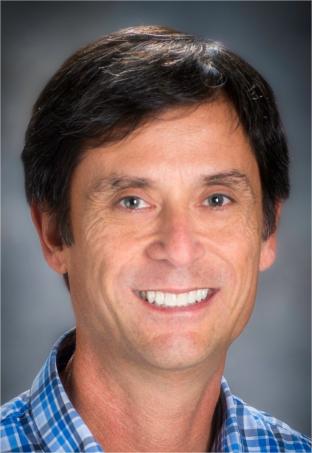 Richard R. Behringer合作论文数Department of Genetics, Division of Division of Discovery Science, The University of Texas MD Anderson Cancer Center2
 Ching-Fong Chang合作论文数Department of Aquaculture;National, Taiwan Ocean University;Department of Aquaculture, National Taiwan Ocean University2Marilyn B. Renfree合作论文数2M. Pannetier合作论文数2
 Julie Cocquet合作论文数2
 Simon C. Harvey合作论文数University of Stirling Institute of Aquaculture2
 Veitia Reiner A.合作论文数Universite Paris Diderot paris 7;Institut de Biologie Francois Jacob2
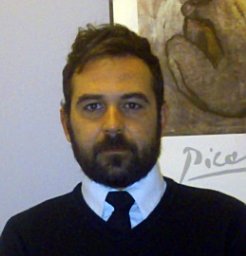 Manuel J. Acosta合作论文数Facultad de Ciencias Experimentales, Universidad de Jaén2N.R. Bromage合作论文数2
 Cinzia Santucciu合作论文数2
 Stephane Flament合作论文数Faculté des Sciences, Nancy-Université2
 Rafael Diaz de la Guardia合作论文数2
 Marc Fellous合作论文数2Kristy M. James合作论文数2Norma Moreno-Mendoza合作论文数2
 Corinne Cotinot合作论文数Biologie du Développement et de la Reproduction, Institut National de la Recherche Agronomique2
 Horacio Merchant-Larios合作论文数School of Medicine, Universidad Nacional Autónoma de México2
 Juan A. Marchal合作论文数Departamento de Ciencias de la Salud, Facultad de Ciencias Experimentales y de la Salud, Paraje de las Lagunillas s/n, 23071 Jaén, Spain2




