AIM To determine if there was a seasonal variation in adults undergoing total hip arthroplasty for end stage hip disease due to osteoarthritis (OA) or sequelae of developmental dysplasia of the hip (DDH). METHODS The total hip registry from the author’s institution for the years 1969 to 2013 was reviewed. The month of birth, age, gender, and ethnicity was recorded. Differences between number of births observed and expected in the winter months (October through February) and non-winter mo (March through September) were analyzed with the χ2 test. Detailed temporal variation was mathematically assessed using cosinor analysis. RESULTS There were 7792 OA patients and 60 DDH patients who underwent total hip arthroplasty. There were more births than expected in the winter months for both the DDH (P < 0.0001) and OA (P = 0.0052) groups. Cosinor analyses demonstrated a peak date of birth on 1st October. CONCLUSION These data demonstrate an increased prevalence of DDH and OA in those patients born in winter.
Introduction With the rising number of total hip arthroplasties (THAs) each year, it is increasingly important for surgeons to have evidence-based information on which to determine how often patients should be examined postoperatively. The purpose of this research was to determine whether it is possible to identify – based on Harris Hip Score (HHS) – early signs or predictors of THA failure so that methods of postoperative follow-up can be scheduled in advance of the time frame indicated by those predictors of failure. Methods The HHS of 9,949 primary THAs performed from 1973 to 2012 was reviewed retrospectively to identify the clinical predictors of failure. 1,131 hips were completely lost to follow-up, leaving 8,331 primary THAs in 6,979 patients. Time to failure was recorded with Kaplan-Meier analysis performed with aseptic loosening or revision of any component as the endpoint. Results Regression analysis revealed that a pain score of 30 or less at any time of follow-up (p<0.0001) was a significant risk and strongly indicative of later failing. A low distance walked score of 5 or less at 6 months (p = 0.0087) and 1 year (p = 0.0167) served as an early predictor of future failure. A lower stairs score of 2 or less was also an early predictor at 1 year (p = 0.0343) and at 3 years (p = 0.0245). A lower limp score of 8 or less was a mid-term predictor at 3 (p = 0.0001), 5 (p = 0.0002), 7 (p = 0.0191) and 10 (0.0028) years postoperative follow-up. Conclusions Pain, walk, stairs and limp scores are predictive of THA failure. Surgeons with patients who present with these indicators should optimise postoperative follow-ups to alert their patients.
Background: Total knee arthroplasty (TKA) has been shown to be very successful with long-term follow-ups. But there are no reports showing prosthesis survival at 25-30 years. Here, we report the outcomes for 25-30 years using the Anatomic Graduated Component (Biomet, Warsaw, IN) TKA and elucidate the etiology and cause of failure of the components.Methods: We reviewed the outcomes of 5649 primary total knee arthroplasties for 25-30 years using the Anatomic Graduated Component. Statistical analysis was performed by the Kaplan-Meier survival analysis. Clinical outcomes included the Knee Society Score and standardized radiographs to check for loosening of the implants. The reason for revision surgery was reviewed retrospectively. We compared our results with those at another institution with similar long-term follow-up.Results: There were 112 failures, 48 with aseptic loosening and 25 with instability for an overall prosthesis survival rate of 94.2% at 25 years and 92.4% at 30 years follow-up. In the third decade after TKA, patients are substantially more likely to experience death than experience a failing prosthesis, with a 3811% greater risk of dying relative to failing (Risk ratio = 38.1, Odds ratio = 56.7, P < .0001).Conclusion: There was a greater risk of dying than failing over time. The primary reason for revision knee surgery was due to aseptic loosening of the prosthesis followed by instability. (C) 2016 Elsevier Inc. All rights reserved.
Objective: The purpose of this study was to determine usefulness of antibiotic bone cement and UV light in primary Total Knee Arthroplasty (TKA). Patients and Methods: Between 1986 and 2008, 3105 TKAs were performed using 750 mg of cefuroxime per bag of cement (Group 1), 7537 using cefuroxime and UV light (Group 2), and 4573 using UV light and gentamicin premixed (Group 3). Results: The primary infection rate was 0.57% (87 acute postoperative infections). Of these, 27 (0.9%) were in Group 1, 44 (0.6%) were in Group 2, and 16 (0.35%) were in Group 3 (p = 0.0013). Kaplan-Meier survival in Groups 1 - 3 for reoperation for aseptic loosening of any component at 5 years was 0.9908, 0.9927, and 0.9959, respectively (p = 0.1315). Conclusion: Despite potential concerns mentioned in the literature, these results continue to support the use of antibiotic bone cement and UV lights during TKA.
Background ACL status varies in the arthritic knee during TKA. Questions/Purposes The purpose of this study was to examine clinical features and intraoperative findings associated with stages of ACL degeneration. Methods Coronal deformity, ROM, intra-articular degenerative patterns, and ligament releases were assessed for 1656 knees during TKA. Common patterns of deformity and severity of degenerative change were assessed as a function of the severity of ACL deficiency. Results Of the 1656 knees assessed, 27% had a normal ACL, 55% exhibited damage, and 18% exhibited complete absence of the ACL. Increased coronal deformity and lower preoperative ROM was associated with ACL deficiency. Increased chondral and meniscal damage and more extensive osteophyte formation were also found. More extensive ligament releases were required in ACL-deficient knees. Conclusions The status of the ACL is predictive of the need for increased surgical deformity correction. A better understanding of ACL status is an important consideration during in choosing TKA as opposed to unicompartmental arthroplasty. The status of the ACL should be considered in planning for implant choice in TKA.
The gold standard for evaluating postoperative alignment after total knee arthroplasty (TKA) has been standing AP hip to ankle radiograph. The objective of this study was to determine if the angle between the anatomic axis of the tibia and femur measured on short standard radiographs accurately reflected overall coronal and mechanical alignment from full length knee films. Both full length and short length knee films were retrospectively compared measurements made on from 188 knees in 129 consecutive patients after primary TKA between July 1990 and January 1991. The tibiofemoral angle, distal femur and proximal tibia resection angles, and mechanical alignment were evaluated on the long leg by a blinded observer. The difference in the tibiofemoral angle measured on short and long leg films, 4.4 (+/﹣2.9) vs 5.2 (+/﹣3.0) degrees of valgus, respectively, was statistically significant (p < 0.01). The correlation coefficient between the tibiofemoral angle and mechanical axis was 0.9 (p < 0.01). There was no difference in the distal femur or proximal tibia resection angle measured on short length knee vs long leg films. In conclusion, the tibiofemoral angle measured on short length knee radiographs accurately reflects postoperative alignment. The differences between tibiofemoral angle and the mechanical alignment are highly correlated and equivalent measures of overall alignment.
The development of a new total knee system as a successor prosthesis in total knee arthroplasty (TKA) requires clinical outcome improvement. 10,843 TKAs were performed of which 9169 utilized the Anatomical Graduated Component (AGC) and 1674 utilized the Vanguard prosthesis (both Biomet, Warsaw, IN). Survival rates at ten years postoperatively for the AGC and Vanguard were 98.7% and 98.4% (P = .4897) respectively. The top reasons for component failure were loosening (AGC: 0.29%, Vanguard: 0.30%), polyethylene wear, and instability (AGC: 0.13%, Vanguard: 0.12%). These results reveal similar outcomes in both designs, with relatively few revisions and high survival rates at ten years postoperatively. Summary: This abstract offers data concerning the usefulness of the Vanguard Total Knee System as a successor to the Anatomical Graduated Component.
If a surgeon performs 200 procedures per year, he/she will have to see 800 patients for follow-up by year 5 and 1300 patients per year by year 10. Normal time constraints make this implausible. When do total hip arthroplasty (THA) patients have the greatest need for follow-up? We reviewed 8331 primary THAs to determine the greatest risk of failure across time. Patients failed with the greatest ratio at 1 year or earlier, followed by 10 and 12 years postoperatively. The median time to failure for all hips was 8.8 years, the average time to failure was 9.2 years, and 75% of failures occurred by 13.0 years. The most common failure mechanisms were due to the cup (5.0%), dislocation (3.2%), cup and stem (1.7%), infection (0.4%), and the stem (0.4%). Based on the most common failure mechanisms, it is recommended to evaluate patients at the 6 months, 1 year, 3 years, 7 years, 10 years, 12 years, 18 years, and 25 years postoperatively.
Purpose The purpose of this study was to evaluate the same femoral component after cemented and uncemented total hip arthroplasty. The results were compared in terms of hip scores, subsidence, and survivorship. Methods Between 1986 and 1996, 1017 primary THAs were implanted in 882 patients using the same porous-coated, titanium-alloy, femoral component. 507 cemented stems (441 patients) and 510 uncemented stems (441 patients) were compared. The primary diagnosis was osteoarthritis in 866 hips (85%). 541 patients were female (61%). The clinical results were evaluated based on the Harris hip score. Radiographs were evaluated at each follow-up for stem subsidence and loosening. Kaplan-Meier survival analysis was used to determine stem survivorship. The average follow-up of the entire cohort was 13.2 years (range, 2-26 y). Results The average Harris Hip Scores at 20 years follow-up was 87 points in the cemented group and 85 points in the uncemented group. Pain scores averaged 42 and 38 in the cemented and uncemented group, respectively, at 20 years. There were 6 loose stems identified in the cemented group (1.2%) and 2 loose stems in the uncemented group (0.4%). Cemented and uncemented stem survivorship at 20 years was 98.1% and 99.6%, respectively. There was no difference in cemented or uncemented stem survivorship at any time period. Conclusions Although there were more cases of aseptic cemented femoral component loosening, there was no significant difference in stem survivorship out to 20 years whether this stem was implanted with or without cement.
Object: Although pain relief is a primary goal of a total knee arthroplasty (TKA) and partial knee arthroplasty (PKA), a significant number of arthroplasty patients experience unexplained pain. This study attempts to determine preoperative or intraoperative factors that may predict pain after knee arthroplasty. Methods: 2585 primary TKAs and 423 PKAs were performed between 1993 and 2013. Infections, loosening, and revision arthroplasty were excluded. Knee Society scores, demographics, component sizes, pre- and postoperative alignment, treatment of the posterior cruciate ligament, range of motion, and diagnosis were analyzed. Statistical analysis utilized repeated measures ANOVA. Results: Significant predictors of increased pain after TKA were pre-operative varus alignment >5° (p = 0.0042), postoperative flexion range of motion 5° (p = 0.0006), small tibial component sizes (p = 0.0080), excision of the posterior cruciate ligament (p = 0.0259), and diagnosis as osteonecrosis (p = 0.0077). Factors not associated with pain included age, body mass index, gender, postoperative alignment and bone quality. For PKA, age was the only factor associated with pain. Conclusions: Six factors were found to be relevant to postoperative pain in TKA. For PKA, reported pain is not associated with any of the same factors, but is associated with age. Surgeons should be aware of these risk factors as we continue to understand pain after total and partial knee arthroplasty.
BACKGROUND:The orthopedic literature has not shown a universal and replicated difference, outside of flexion, in clinical results between posterior cruciate ligament retention and posterior cruciate ligament substitution in total knee arthroplasty.QUESTIONS/PURPOSES:This study was performed to compare the restoration of flexion and knee function in a large series of cruciate-retaining and cruciate-substituting total knee arthroplasties (TKRs). In addition, we aimed to study how other variables, such as those unique to each surgeon, may have affected the results.PATIENTS AND METHODS:The current study evaluated 8,607 total knee arthroplasties in 5,594 patients performed by six surgeons, each using one of four prosthesis designs (two posterior cruciate ligament retaining, two posterior cruciate ligament substituting). Knees were compared at the level of cruciate-retaining and cruciate-substituting knees, at the level of the four prostheses, and at the level of surgeon-implant combinations. Least squared means scores were obtained through multiple linear regression, analysis of variance, and the maximum likelihood method.RESULTS:At the level of posterior cruciate ligament treatment, posterior cruciate ligament substitution as a whole showed 3.2° greater flexion than posterior cruciate ligament retention. At the prosthesis level, cruciate-substituting models provided greater flexion and cruciate-retaining models provided higher function scores. In the surgeon-implant combinations, surgeons provided mixed results that often did not reflect findings from other levels; one surgeon's use of a posterior cruciate ligament retaining prosthesis achieved 14.7° greater flexion than the surgeon's use of a corresponding posterior cruciate ligament substituting design.CONCLUSIONS:Posterior cruciate ligament treatment is confounded by other variables, including the operating surgeon. The arthroplasty surgeon should choose a prosthesis based, not only on outside results, but also on personal experience and comfort.
The purpose of this study was to investigate the use for screws and cement, and primary and revision specific prosthesis for revision TKA. Between July 1989 and February 2010, 839 consecutive revision TKAs were performed, with 609 knees meeting inclusion criteria. At 17years followup, Kaplan–Meier survivorship was 0.9859 for revision specific prosthesis with screws and cement, 0.9848 for revision prosthesis with no screws, 0.9118 for primary prosthesis with screws, and 0.9424 for primary prosthesis with no screws. Revision TKAs using screws had greater defects (P<.0001). Use of revision prosthesis along with screws and cement to correct largely defective revision TKAs is highly recommended.
BACKGROUND:Implant survival after total knee arthroplasty has historically been dependent on postoperative knee alignment, although failure may occur when alignment is correct. Preoperative knee alignment has not been thoroughly evaluated as a possible risk factor for implant failure after arthroplasty. The purpose of this study was to analyze the effect of preoperative knee alignment on implant survival after total knee arthroplasty. METHODS:We performed a retrospective review of 5342 total knee arthroplasties performed with use of cemented Anatomic Graduated Component implants from 1983 to 2006. Each knee was independently measured preoperatively and postoperatively for overall coronal alignment. Neutral ranges for preoperative and postoperative alignment were defined by means of Cox proportional hazards regression. RESULTS:The overall failure rate was 1.0% (fifty-four of 5342 prostheses); failure was defined as aseptic loosening of the femoral and/or tibial component. The average preoperative anatomical alignment (and standard deviation) was 0.1° ± 7.7° of varus (range, 25° of varus to 35° of valgus), and the average postoperative anatomical alignment (and standard deviation) was 4.7° ± 2.5° of valgus (range, 12° of varus to 20° of valgus). The failure rate in knees in >8° of varus preoperatively (2.2%; p = 0.0005) or >11° of valgus preoperatively (2.4%; p = 0.0081) was elevated when compared with knees in neutral preoperatively (0.71%). Knees with preoperative deformities corrected to postoperative neutral alignment (2.5° through 7.4°) had a lower failure rate (1.9%) than undercorrected or overcorrected knees (3.0%) (p = 0.0103). Knees with postoperative neutral alignment, regardless of preoperative alignment, had a lower failure rate (0.74%) than knees with postoperative alignment of <2.5° or >7.4° of anatomic valgus (1.7%) (p < 0.0001). CONCLUSIONS:Patients with excessive preoperative alignment (>8° of varus or >11° of valgus) have a greater risk of failure (2.3%). Neutral postoperative alignment (2.5° through 7.4° of valgus) improves (1.9% for preoperatively deformed knees) but does not completely eliminate the risk of failure (0.5% for knees that were neutral both preoperatively and postoperatively). Careful attention should be paid to knee alignment during total knee arthroplasty, especially for patients with severe preoperative deformities.
The purpose of this study was to investigate screws and cement for large tibial bone defects during primary TKA. Of 14,686 consecutive primary TKAs performed between December 1988 and February 2010, 256 received screws and cement for tibial defects. Cox regression was used for the analysis. 20-year survival probability was 0.9897 (screws) and 0.9339 (no screws) (P = .4225 log-rank). Tibial bone condition was significantly worse in knees receiving screws (P < .0001) with 73.0% having defects in the screws group and 3.4% (P < .0001) for non-screws. Radiolucency appeared in 13.7% (screws) and 6.4% (no screws) postoperatively. Screws were $137 each, wedges $910 to $2240. Knees with tibial defects and screws performed similarly if not better than knees without defects at substantially lower cost than alternatives.
A total of 2235 primary total knee arthroplasties (TKAs) and 605 unicompartmental knee arthroplasties performed at 3 institutions over 5 years were reviewed to compare the incidence of postoperative complications between these groups. The overall risk of complications for patients undergoing TKA was 11.0%, compared with 4.3% for patients undergoing unicompartmental knee arthroplasty (P < .0001). Total knee arthroplasty was associated with increased rates of manipulation (odds ratio [OR], 13.0; P < .0001), transfusion (OR, 8.5; P = .036), intensive care unit admission (OR, 7.4; P = .049), discharge to a rehabilitation facility (OR, 5.2; P < .0001) and had longer hospital stays (mean, 3.3 vs 2.0 days; P < .0001). There was a trend toward an increased risk of deep infection (0.8% vs 0.2%, P = .13), readmission (4.2% vs 2.7%, P = .0795), thromboembolic events (1.0% vs 0.64%, P = .398), and any reoperation (1.4% vs 0.6%; P = .064). The increased risk of perioperative complications after TKA should be considered when counseling patients if they are an appropriate candidate for either procedure.
BACKGROUND The purpose of this study was to determine the effect of tibiofemoral alignment, femoral and tibial component alignment, and body-mass index (BMI) on implant survival following total knee replacement. METHODS We retrospectively reviewed 6070 knees in 3992 patients with a minimum of two years of follow-up. Each knee was classified on the basis of postoperative alignment (overall tibiofemoral alignment and alignment of the tibial and the femoral component in the coronal plane). Failures (defined as revision for any reason other than infection) were analyzed with use of Cox regression; patient covariates included overall alignment, component alignments, and preoperative BMI. RESULTS Failure was most likely to occur if the orientation of the tibial component was <90° relative to the tibial axis and the orientation of the femoral component was ≥8° of valgus (failure rate, 8.7%; p < 0.0001). In contrast, failure was least likely to occur if both the tibial and the femoral component were in a neutral orientation (≥90° and <8° of valgus, respectively) (failure rate, 0.2% [nine of 4633]; p < 0.0001). "Correction" of varus or valgus malalignment of the first implanted component by placement of the second component to attain neutral tibiofemoral alignment was associated with a failure rate of 3.2% (p = 0.4922) for varus tibial malalignment and 7.8% (p = 0.0082) for valgus femoral malalignment. A higher BMI was associated with an increased failure rate. Compared with patients with a BMI of 23 to 26 kg/m2, the failure rate in patients with a BMI of ≥41 kg/m2 increased from 0.7% to 2.6% (p = 0.0046) in well-aligned knees, from 1.6% to 2.9% (p = 0.0180) in varus knees, and from 1.0% to 7.1% (p = 0.0260) in valgus knees. CONCLUSIONS Attaining neutrality in all three alignments is important in maximizing total knee implant survival. Substantial "correction" of the alignment of one component in order to compensate for malalignment of the other component and thus produce a neutrally aligned total knee replacement can increase the risk of failure (p = 0.0082). The use of conventional guides to align a total knee replacement provides acceptable alignment; however, the surgeon should be aware that the patient's size, as determined by the BMI, is also a major factor in total knee replacement failure.
BACKGROUND:Polyethylene wear may be affected by the type of polyethylene resin, manufacturing technique, degree of thermal stabilization, and sterilization technique.QUESTIONS/PURPOSES:We therefore compared femoral head penetration into the PE and cup survival using the same cup system with different PE resins, manufacturing, and sterilization techniques.METHODS:Our study group consisted of 1912 THAs performed using the same uncemented cup and identical 28-mm cobalt-chrome heads. The polyethylene varied as follows: Group 1 (94 cups), GUR 4150 resin, ram-extruded, sterilized in air, no barrier packaging; Group 2 (74 cups), same as Group 1 but sterilized in argon; Group 3 (75 cups), Himont 1900 resin, compression-molded bar stock, sterilized in argon, no barrier packaging; Group 4 (620 cups), same as Group 3 except with barrier packing; Group 5 (711 cups), GUR 1050 resin, compression-molded bar stock, sterilized in argon gas with barrier packaging; and Group 6 (338 cups), GUR 1050 resin, compression-molded bar stock, sterilized in argon with barrier packaging, irradiated with 50 kGy, heated below melting temperature, machined, and finally placed in nonbarrier packaging with gas plasma sterilization. Minimum followup was 2 years (average, 7 years; range, 2-17 years).RESULTS:Femoral head penetration averaged 0.05 mm per year for Groups 5 and 6 and was substantially lower than for Groups 1 to 4. Cup survival was higher at seven years in Groups 3, 4, and 5, and at 10 years in group 4 when compared to groups 1, 2, and 3.CONCLUSIONS:We observed lower FHP rates and higher cup survival with polyethylene machined from direct compression-molded bar stock, sterilized in argon gas, with barrier packaging.LEVEL OF EVIDENCE:Level III Therapeutic study. See Guidelines for Authors for a complete description of levels of evidence.
This retrospective study compares the short-term outcomes of small-incision unicompartmental knee arthroplasty (41 patients) with standard total knee arthroplasty (TKA) (50 patients) in 91 consecutive patients older than 70 years. Knee Society Scores and range of motion (ROM) were assessed preoperatively, at 6 weeks and 6 months, and through a minimum of 2 years. Postoperative comparisons included blood loss, transfusions, narcotic consumption, length of hospital stay, and complications. While Knee Scores and ROM were similar preoperatively, both were better in the unicompartmental group at each postoperative time interval. Patients with unicompartmental replacements had a much quicker return of function and discontinuation of pain medication. Blood loss was significantly more for the TKA group, as was the need for blood transfusion. None of the unicompartmental patients required transfusion. Narcotic use and length of hospital stay were also significantly less for the unicompartmental group. The overall rate of postoperative medical and surgical complications was similar for the 2 groups, with 1 major complication in each. Overall, the physiologic impact of unicompartmental knee arthroplasty was much less than TKA in this older patient population and resulted in a faster recovery.
The study aims to delineate the deep infection rates and infection risk factors for primary total knee and total hip arthroplasty patients. A retrospective review was conducted on 6108 patients from 1991 to 2004. The deep infection cases were compared to the noninfected cohort whereby infection risk factors were identified. Of the 8494 joint arthroplasties, 43 (0.51%) developed a deep infection (30 total knee arthroplasties, 13 total hip arthroplasties). Patients with a body mass index greater than 50 had an increased odds ratio of infection of 21.3 (P < .0001). Diabetic patients were 3 times as likely to become infected compared to nondiabetic patients (P = .0027). Simultaneous bilateral total joint arthroplasties were found to have developed infection 3 times less frequently than those performed as unilateral procedures (P = .0024). The average age in our infection cohort was 64.3 and 68.4 in the noninfected cohort. In this retrospective review study, obesity, diabetes, and younger age were found to be risk factors for joint arthroplasty infection.
Total joint replacement infection is a complication that negatively affects outcomes. Any means to minimize this complication will afford surgeons and patients with improved outcomes and minimize societal costs.
 Merrill A. Ritter合作论文数33John B. Meding合作论文数21Michael E. Berend合作论文数20E Michael Keating合作论文数8Robert A. Malinzak合作论文数8Philip M. Faris合作论文数7Sueyoshi Tatsuya合作论文数6Joseph D. Lutgring合作论文数4Alex Farris合作论文数4Jeffery L. Pierson合作论文数4Jackson Michael D合作论文数3Emily M. Olberding合作论文数2Wesley G. Lackey合作论文数2Faris Pm合作论文数2Gregory W. Faris合作论文数2David A. Fisher合作论文数Terrain Science Division, Geological Survey of Canada2
 Alan Eih Chih Thong合作论文数Department of Urology, School of Medicine, Stanford University;Stanford Health Care2Leesa D Harty合作论文数2Andrew L Pierce合作论文数1Peter Davis合作论文数1maggie hillery合作论文数1Lombardi Adolph V合作论文数1Shipps Melanie R合作论文数1
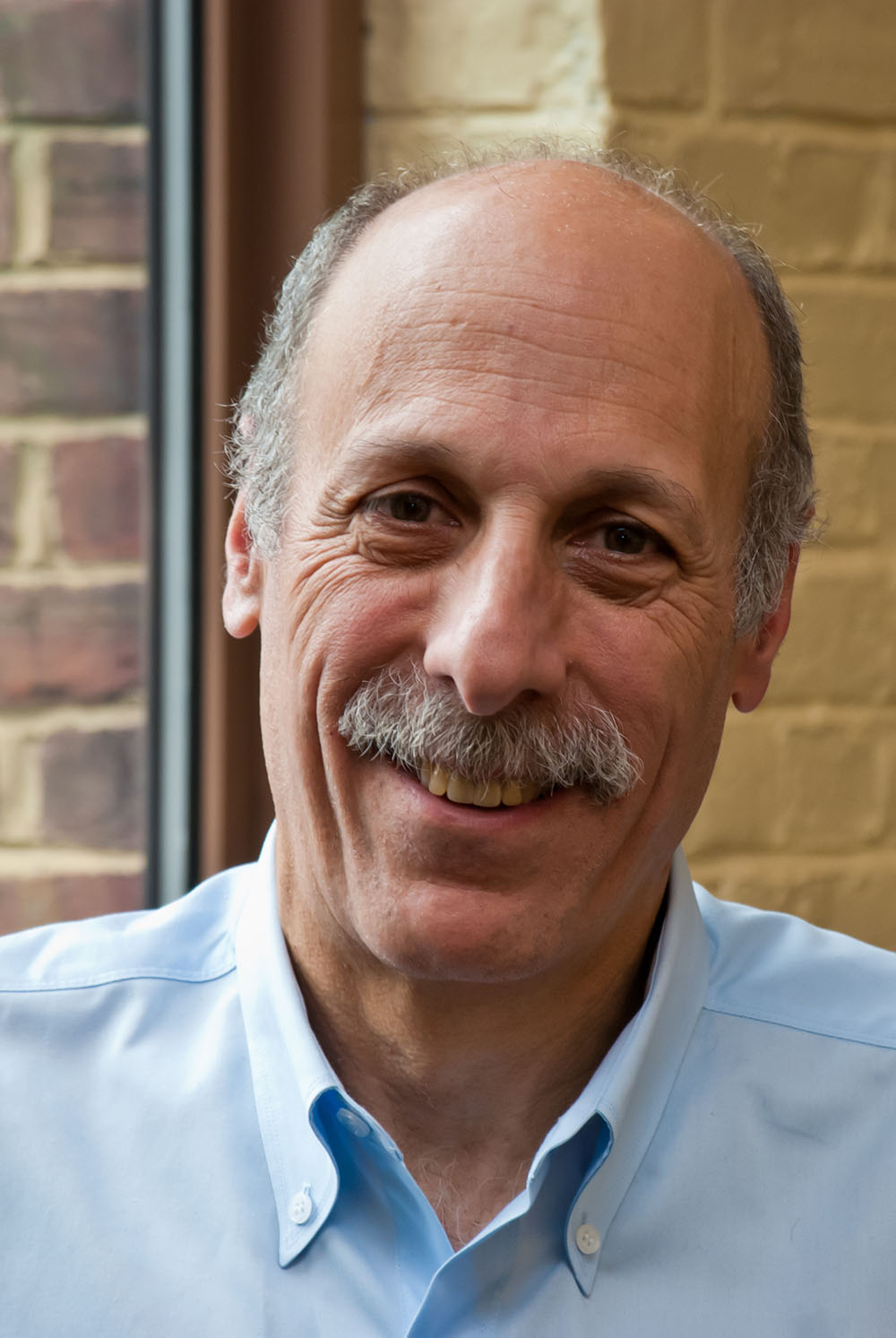 Richard G. Frank合作论文数National Bureau of Economic Research;Center on the Developing Child, Harvard University;Department of Health Care Policy, Harvard Medical School1Barrington John W合作论文数1
 Nicholas Brown合作论文数1Berend Mike E合作论文数1Keith R. Berend合作论文数1Craig J. Della Valle合作论文数1Timothy Lynch合作论文数1Arthur S. Howard合作论文数1Roger H. Emerson合作论文数1
 R. Michael Meneghini合作论文数1
 Randall T. Loder合作论文数Department of Orthopaedic Surgery, School of Medicine, Indiana University1Mary Jo Adams合作论文数1Asher Smith合作论文数1Jennifer T. Wing合作论文数1David F. Dalury合作论文数1Terence Cudahy合作论文数1Bruce T. Rougraff合作论文数1Orthopaedic Surgeon合作论文数1
 Neil P. Sheth合作论文数Department of Orthopaedic Surgery, Rush University1




