We present a workflow, benchmarks, and applications to provide a roadmap for simulating harmonic IR and Raman spectra for solute-solvent systems by employing a polarizable-embedding quantum-mechanics (PE-QM) approach. This multiscale modeling scheme divides the system into a central core region described by quantum-mechanical methods and an environment region described through the fragment-based polarizable embedding (PE) model. The workflow involves generating representative structures, calculating properties, and postprocessing data. Benchmark calculations quantify errors introduced by some of the key approximations used in our approach and discuss its strengths and weaknesses. Finally, we apply the workflow to acetone in three different solvents, comparing simulated spectra to experimental results to further evaluate our approach and identify potential weaknesses. Accurate simulations of solute-solvent systems are an important step toward modeling more complex molecular systems with a fragment-based PE approach.
(Watch the RECORDING.) The dissemination of scientific knowledge has long been a driving force behind technological and societal progress, and remains central to the vision of open science. However, shifts in the geopolitical landscape are reshaping the narrative around the role of science. Rapid technological advancements have placed science and innovation at the heart of global competition, raising concerns about the sharing of critical technologies and sensitive knowledge. At the same time, science itself is increasingly being questioned. The inherent uncertainty in scientific findings is sometimes misused to dismiss even well-established results. Misinformation and disinformation undermine society’s ability to make evidence-based decisions and may also affect the reliability of outputs from large language models. These challenges are compounded by the rise of paper mills and a peer review system under pressure from the growing volume of publications. Together, these trends risk deepening the divide between science and society. In this context, key questions arise: How can science—and open science in particular—respond to these global developments? How can researchers navigate environments where governments may seek to restrict the sharing of knowledge or limit the scope of scientific inquiry? And how can open science help safeguard scientific integrity and contribute to sustainable development in an increasingly complex geopolitical landscape?
Here, we present a heuristic mechanism for efficient intersystem crossing (ISC) between singlet and triplet states with low spin-orbit coupling (SOC) in molecules having donor-acceptor (D-A) moieties separated by a sigma bond. We show that SOC between the first singlet and the higher-lying triplet states, together with nuclear motion-driven coupling of this triplet state with lower-lying triplet state during the free rotation about a sigma bond is the only plausible way to achieve the experimentally observed ISC rate for a class of D-A type photoredox catalysts. We found this mechanism to be the dominant contributor to the ISC process with the corresponding rate reaching maximum at an optimal dihedral angle between D-A moieties. An extension to this is provided by discovering the same mechanism to be operative in a specific spirobis[anthracene]diones molecule where the D and A moieties are interlocked near to the optimal dihedral angle, indicating the plausible universality of the proposed mechanism. The present finding is expected to have implications in strategies for the synthesis of a new generation of triplet-harvesting organic molecules.
Since its inception, the ReSpect program has been evolving to provide powerful tools for simulating spectroscopic processes and exploring emerging research areas, all while incorporating relativistic effects, particularly spin-orbit interactions, in a fully variational manner. Recent developments have focused on exact two-component (X2C) Hamiltonian models that go beyond the standard one-electron X2C approach by incorporating two-electron picture-change corrections. This paper presents the theoretical foundations of two distinct atomic mean-field X2C models, amfX2C and extended eamfX2C, which offer computationally efficient and accurate alternatives to fully relativistic four-component methods. These models enable simulations of complex phenomena, such as time-resolved pump-probe spectroscopies and cavity-modified molecular properties, which would otherwise be computationally prohibitive. ReSpect continues to evolve, providing state-of-the-art quantum chemical methods and post-processing tools, all available free of charge through our website, www.respectprogram.org, to support researchers exploring relativistic effects across various scientific disciplines.
We present a workflow, benchmarks, and applications to provide a roadmap for simulating harmonic IR and Raman spectra for large solute-solvent systems by employing a polarizable-embedding quantum-mechanics (PE-QM) approach. This multiscale modeling scheme divides the system into a central core region described by quantum-mechanical methods and an environment region described through the fragment-based polarizable embedding (PE) model. The workflow involves generating representative structures, calculating properties, and post-processing data. Benchmark calculations quantify errors introduced by some of the key approximations used in our approach and discuss its strengths and weaknesses. Finally, we apply the workflow to acetone in three different solvents, comparing simulated spectra to experimental results to further evaluate our approach and identify potential weaknesses. Accurate simulations of solute-solvent systems are an important step toward modeling more complex molecular systems with a fragment-based PE approach.
We present an accidental mechanism for efficient intersystem crossing (ISC) between singlet and triplet states with low spin-orbit coupling (SOC) in molecules having donor-acceptor (D-A) moieties separated by a Sigma bond. Our study shows that SOC between the lowest singlet excited state and the higher-lying triplet states, together with nuclear motion-driven coupling of this triplet state with lower-lying triplet states during the free rotation about a Sigma bond, is one of the possible ways to achieve the experimentally observed ISC rate for a class of D-A type photoredox catalysts. This mechanism is found to be the dominant contributor to the ISC process with the corresponding rate reaching a maximum at a dihedral angle in the range of 72°-78° between the D-A moieties of 10-(naphthalen-1-yl)-3,7-diphenyl-10H-phenoxazine and other molecules included in the study. We have further demonstrated that the same mechanism is operative in a specific spirobis[anthracene]dione molecule, where the D and A moieties are interlocked near to the optimal dihedral angle, indicating the plausible effectiveness of the proposed mechanism. The present finding is expected to have implications in strategies for the synthesis of new generations of triplet-harvesting organic molecules.
We present an all-electron, four-component relativistic implementation of electric field gradients (EFGs) at the nuclei using Gaussian-type orbitals and periodic boundary conditions. This allows us to include relativistic effects variationally, which is important for compounds containing heavy elements and for a property dependent on the electronic structure close to the nuclei. The all-electron approach ensures an accurate treatment of both core and valence orbitals, as both are important in the evaluation of EFGs. Computational efficiency is achieved through the use of a recent implementation of density fitting in combination with quaternion algebra and restricted kinetic balance. We use the relativistic approach to calculate the EFGs in different arsenic, antimony, and bismuth halides and oxyhalides, and explore the importance of relativistic effects on EFGs in solids and compare these with results obtained for molecular species. Our calculations contribute to establishing a reliable estimate for the nuclear quadrupole moment of 209Bi, for which our best estimate is -428(17) mb, in excellent agreement both with molecular data and a recent reevaluation of the nuclear quadrupole moment obtained from atomic data and ab initio calculations. Our results suggest that there is a need to revisit the experimental data for the EFGs of several bismuth oxyhalides.
We inspect the origin of the inverted singlet-triplet gap (INVEST) and slow change in the reverse intersystem crossing (rISC) rate with temperature, as recently observed. A Wigner phase space study reveals that, though INVEST is found at equilibrium geometry, variation in the exchange interaction and the doubles-excitation for other geometries in the harmonic region leads to non-INVEST behavior. This highlights the importance of nuclear degrees of freedom for the INVEST phenomenon, and in this case, geometric puckering of the studied molecule determines INVEST and the associated rISC dynamics.
We present a composite framework for calculating the rates of non-radiative deactivation processes, namely internal conversion (IC) and intersystem crossing (ISC), on an equal footing by explicitly computing the non-adiabatic coupling (NAC) and spin-orbit coupling (SOC) constants, respectively. The stationary-state approach uses a time-dependent generating function based on Fermi's golden rule. We validate the applicability of the framework by computing the rate of IC for azulene, obtaining comparable rates to experimental and previous theoretical results. Next, we investigate the photophysics associated with the complex photodynamics of the uracil molecule. Interestingly, our simulated rates corroborate experimental observations. Detailed analyses using Duschinsky rotation matrices, displacement vectors and NAC matrix elements are presented to interpret the findings alongside testing the suitability of the approach for such molecular systems. The suitability of the Fermi's golden rule based method is explained qualitatively in terms of single-mode potential energy surfaces.
Cyclic peptides show a wide range of biological activities, among others as antibacterial agents. These peptides are often large and flexible with multiple chiral centers. The determination of the stereochemistry of molecules with multiple chiral centers is a challenging and important task in drug development. Chiroptical spectroscopies such as vibrational circular dichroism (VCD) can distinguish between different stereoisomers. The absolute configuration (AC) of a stereoisomer can be determined by comparing its experimental spectra to computed spectra of stereoisomers with known AC. In this way, the AC of rigid molecules with up to seven chiral centers has been assigned (Bogaerts et al., Phys. Chem. Chem. Phys., 2020, 22, 18014). The question arises whether this is possible with more conformationally flexible molecules such as cyclic peptides. We here investigate to what extent the AC of cyclic peptides can be determined with VCD. More specifically, we investigate the maximum number of chiral centers a cyclic peptide can have in order to be able to unambiguously assign the AC with VCD. We present experimental and computed IR and VCD spectra for a series of eight tetrapeptides and hexapeptides with two, three and four chiral centers. We use our recently developed computational protocol with a conformational search based on sampling with meta-dynamics. We use visual inspection to compare the computed spectra of different stereoisomers with an experimental spectrum of the corresponding cyclic peptide with known AC. We find that the AC of the investigated cyclic peptides with two chiral centers can be unambiguously assigned with VCD. This is however not possible for all of the cyclic peptides with three chiral centers and for none of those with four chiral centers. At best, one can limit the number of possible stereoisomers in those cases. Our work shows that other techniques are needed to assign the AC of cyclic peptides with three or more chiral centers. Our study also constitutes a warning that the spectra of all stereoisomers should be computed before attempting to match to an experimental spectrum, to avoid an accidental erroneous match.
Two-dimensional (2D) materials exhibit a wide range of remarkable phenomena, many of which owe their existence to the relativistic spin-orbit coupling (SOC) effects. To understand and predict properties of materials containing heavy elements, such as the transition-metal dichalcogenides (TMDs), relativistic effects must be taken into account in first-principles calculations. We present an all-electron method based on the four-component Dirac Hamiltonian and Gaussian-type orbitals (GTOs) that overcomes complications associated with linear dependencies and ill-conditioned matrices that arise when diffuse functions are included in the basis. Until now, there has been no systematic study of the convergence of GTO basis sets for periodic solids either at the nonrelativistic or the relativistic level. Here we provide such a study of relativistic band structures of the 2D TMDs in the hexagonal (2H), tetragonal (1T), and distorted tetragonal (1T') structures, along with a discussion of their SOC-driven properties (Rashba splitting and $\mathbb{Z}_2$ topological invariants). We demonstrate the viability of our approach even when large basis sets with multiple basis functions involving various valence orbitals (denoted triple- and quadruple-$\zeta$) are used in the relativistic regime. Our method does not require the use of pseudopotentials and provides access to all electronic states within the same framework. Our study paves the way for direct studies of material properties, such as the parameters in spin Hamiltonians, that depend heavily on the electron density near atomic nuclei where relativistic and SOC effects are the strongest.
X-ray absorption spectroscopy (XAS) has gained popularity in recent years as it probes matter with high spatial and elemental sensitivities. However, the theoretical modeling of XAS is a challenging task since XAS spectra feature a fine structure due to scalar (SC) and spin-orbit (SO) relativistic effects, in particular near L and M absorption edges. While full four-component (4c) calculations of XAS are nowadays feasible, there is still interest in developing approximate relativistic methods that enable XAS calculations at the two-component (2c) level while maintaining the accuracy of the parent 4c approach. In this article we present theoretical and numerical insights into two simple yet accurate 2c approaches based on an (extended) atomic mean-field exact two-component Hamiltonian framework, (e)amfX2C, for the calculation of XAS using linear eigenvalue and damped response time-dependent density functional theory (TDDFT). In contrast to the commonly used one-electron X2C (1eX2C) Hamiltonian, both amfX2C and eamfX2C account for the SC and SO two-electron and exchange-correlation picture-change (PC) effects that arise from the X2C transformation. As we demonstrate on L- and M-edge XAS spectra of transition metal and actinide compounds, the absence of PC corrections in the 1eX2C approximation results in a substantial overestimation of SO splittings, whereas (e)amfX2C Hamiltonians reproduce all essential spectral features such as shape, position, and SO splitting of the 4c references in excellent agreement, while offering significant computational savings. Therefore, the (e)amfX2C PC correction models presented here constitute reliable relativistic 2c quantum-chemical approaches for modeling XAS.
Here, we present a heuristic mechanism for efficient intersystem crossing (ISC) between singlet and triplet states with low spin-orbit coupling (SOC) in molecules having donor-acceptor (D-A) moieties separated by a sigma bond. We show that SOC between the first singlet and the higher-lying triplet states, together with nuclear motion-driven coupling of this triplet state with lower-lying triplet state during the free rotation about a sigma bond is the only plausible way to achieve the experimentally observed ISC rate for a class of D-A type photoredox catalysts. We found this mechanism to be the dominant contributor to the ISC process with the corresponding rate reaching maximum at an optimal dihedral angle between D-A moieties. An extension to this is provided by finding the same mechanism to be operative in a specific spirobis[anthracene]diones molecule where the D and A moieties are interlocked near to the optimal dihedral angle, indicating the universality of the proposed mechanism. The present findings pave the routes for the synthesis of a new generation of triplet-harvesting organic molecules.
Zero-point vibrational (ZPV) corrections to the nuclear spin-spin coupling constants have been calculated using four-component Dirac-Kohn-Sham DFT for H2X (where X = O, S, Se, Te, Po), XH3 (where X = N, P, As, Sb, Bi), and XH4 (where X = C, Si, Ge, Sn, and Pb) molecules and for HC≡CPbH3. The main goal was to study the influence of relativistic effects on the ZPV corrections and thus results calculated at relativistic and nonrelativistic approaches have been compared. The effects of relativity become notable for the ZPV corrections to the spin-spin coupling constants for compounds with lighter elements (selenium and germanium) than for the spin-spin coupling constants themselves. In the case of molecules containing heavier atoms, for instance BiH3 and PbH4, relativistic effects play a crucial role on the results and approximating ZPV corrections by the nonrelativistic results may lead to larger errors than omitting ZPV corrections altogether.
We highlight the important roles the direct spin-orbit (DSO) coupling, the spin-vibronic (SV) coupling, and the dielectric constant of the medium play on the reverse intersystem crossing (RISC) mechanism of TXO-TPA and TXO-PhCz molecules. To understand this complex phenomenon, we have calculated the RISC rate constant, kRISC, using a time-dependent correlation function-based method within the framework of second-order perturbation theory. Our computed kRISC in two different solvents, toluene and chloroform, suggests that in addition to the DSO, a dielectric medium-dependent SV mechanism may also have a significant impact on the net enhancement of the rate of RISC from the lowest triplet state to the first excited singlet state. Whereas we have found that kRISC of TXO-TPA is mostly determined by the DSO contribution independent of the choice of the solvent, the SV mechanism contributes more than 30% to the overall kRISC of TXO-PhCz in chloroform. In toluene, however, the SV mechanism is less important for the RISC process of TXO-PhCz. An analysis of mode-specific nonadiabatic coupling (NAC) between T2 and T1 of TXO-PhCz and TXO-TPA suggests that the NAC values in certain normal modes of TXO-PhCz are much higher than those of TXO-TPA, and it is more pronounced with chloroform as a solvent. The findings demonstrate the role of the solvent-assisted SV mechanism toward the net RISC rate constant, which in turn maximizes the efficiency of thermally activated delayed fluorescence.
Cyclic peptides are a promising class of compounds for next-generation antibiotics as they may provide new ways of limiting antibiotic resistance development. Although their cyclic structure will introduce some rigidity, their conformational space is large and they usually have multiple chiral centers that give rise to a wide range of possible stereoisomers. Chiroptical spectroscopies such as vibrational circular dichroism (VCD) are used to assign stereochemistry and discriminate enantiomers of chiral molecules, often in combination with electronic structure methods. The reliable determination of the absolute configuration of cyclic peptides will require robust computational methods than can identify all significant conformers and their relative population and reliably assign their stereochemistry from their chiroptical spectra by comparison with ab initio calculated spectra. We here present a computational protocol for the accurate calculation of the VCD spectra of a series of flexible cyclic oligopeptides. The protocol builds on the Conformer-Rotamer Ensemble Sampling Tool (CREST) developed by Grimme and co-workers ( Phys. Chem. Chem. Phys. 2020, 22, 7169-7192 and J. Chem. Theory. Comput. 2019, 15, 2847-2862) in combination with postoptimizations using B3LYP and moderately sized basis sets. Our recommended computational protocol for the computation of VCD spectra of cyclic oligopeptides consists of three steps: (1) conformational sampling with CREST and tight-binding density functional theory (xTB); (2) energy ranking based on single-point energy calculations as well as geometry optimization and VCD calculations of conformers that are within 2.5 kcal/mol of the most stable conformer using B3LYP/6-31+G*/CPCM; and (3) VCD spectra generation based on Boltzmann weighting with Gibbs free energies. Our protocol provides a feasible basis for generating VCD spectra also for larger cyclic peptides of biological/pharmaceutical interest and can thus be used to investigate promising compounds for next-generation antibiotics.
We present a benchmark study of density functional approximation (DFA) performances in predicting the two-photon-absorption strengths in π-conjugated molecules containing electron-donating/-accepting moieties. A set of 48 organic molecules is chosen for this purpose, for which the two-photon-absorption (2PA) parameters are evaluated using different DFAs, including BLYP, PBE, B3LYP, PBE0, CAM-B3LYP, LC-BLYP, and optimally tuned LC-BLYP. Minnesota functionals and ωB97X-D are also used, applying the two-state approximation, for a subset of molecules. The efficient resolution-of-identity implementation of the coupled-cluster CC2 model (RI-CC2) is used as a reference for the assessment of the DFAs. Two-state models within the framework of both DFAs and RI-CC2 are used to gain a deeper insight into the performance of different DFAs. Our results give a clear picture of the performance of the density functionals in describing the two-photon activity in dipolar π-conjugated systems. The results show that global hybrids are best suited to reproduce the absolute values of 2PA strengths of donor-acceptor molecules. The range-separated functionals CAM-B3LYP and optimally tuned LC-BLYP, however, show the highest linear correlations with the reference RI-CC2 results. Hence, we recommend the latter DFAs for structure-property studies across large series of dipolar compounds.
We demonstrate that spin-vibronic coupling is the most significant mechanism in vibrational coherence transfer (VCT) from the singlet (S1) to the triplet (T1) state of the [Pt2(P2O5H2)4]4- complex. Our time-dependent correlation function-based study shows that the rate of intersystem crossing (kISC) through direct spin-orbit coupling is negligibly small, making VCT vanishingly small due to the ultrashort decoherence time (2.5 ps). However, the inclusion of the spin-vibronic contribution to the net kISC in selective normal modes along the Pt-Pt axis increases the kISC to such an extent that VCT becomes feasible. Our results suggest that kISC for the S1 →T2 (τISC = 1.084 ps) is much faster than the S1 → T1 (τISC = 763.4 ps) and S1 → T3 (τISC = 13.38 ps) in CH3CN solvent, indicating that VCT is possible from the low-lying excited singlet (S1) to the triplet (T1) state through the intermediate T2 state. This is the first example where VCT occurs solely due to spin-vibronic interactions. This finding can pave the way for new types of photocatalysis.
 Trygve Helgaker合作论文数Department of Chemistry, The Faculty of Mathematics and Natural Sciences, University of Oslo86
 Antonio Rizzo合作论文数Istituto per i Processi Chimico-Fisici del Consiglio36
 Sonia Coriani合作论文数Department of Chemistry, Technical University of Denmark35
 Michał Jaszuński合作论文数Institute of Organic Chemistry, Polish Academy of Sciences34
 Hans Ågren合作论文数Department of Physics and Astronomy, Uppsala University;Royal Institute of Technology;International Research Center of Spectroscopy and Quantum Chemistr, Siberian Federal University34
 Poul Jørgensen合作论文数Department of Chemistry, Aarhus University33
 Luca Frediani合作论文数Dipartimento di Chimica Generale ed Inorganica, Università di Parma29
 Michal Repisky合作论文数29
 Taye B. Demissie合作论文数Centre for Theoretical and Computational Chemistry, University of Tromso̸-The Arctic University of Norway24
 Komorovsky Stanislav合作论文数Centre for Theoretical and Computational Chemistry, University of Tromsø - The Arctic University of Norway23
 Kurt Valentin Mikkelsen合作论文数Department of Chemistry, University of Copenhagen23
 Patrick Norman合作论文数Department of Theoretical Chemistry and Biology, School of Engineering Sciences in Chemistry, Biotechnology and Health, KTH Royal Institute of Technology22
 Keld Lars Bak合作论文数21
 Jacob Kongsted合作论文数Department of Physics, Chemistry and Pharmacy, University of Southern Denmark;Faculty of Science, University of Southern Denmark21Thorvaldsen Andreas J合作论文数Ctr Theoret & Computat Chem, Univ Tromso20Magnus Ringholm合作论文数20Radovan Bast合作论文数20Beerepoot Maarten T P合作论文数17
 Olav Vahtras合作论文数Institute of Physics and Measurement Technology, Linköping University16Peter R. Taylor合作论文数San Diego Supercomputer Center,University of California16swapan chakrabarti合作论文数15
 Olsen Jógvan Magnus Haugaard合作论文数Laboratory of Computational Chemistry and Biochemistry, Ecole Polytechnique Fédérale de Lausanne15
 Magdalena Pecul Kudelska合作论文数Laboratory of Spectroscopy and Intermolecular Interactions, Faculty of Chemistry, University of Warsaw15Po Astrand合作论文数13
 Juha Tapani Vaara合作论文数NMR Research Unit, University of Oulu13Lara Ferrighi合作论文数13Friese Daniel H合作论文数11
 Ove Christiansen合作论文数Department of Chemistry, University of Aarhus10
 Zilvinas Rinkevicius合作论文数Department of Theoretical Chemistry and Biology, School of Engineering Sciences in Chemistry, Biotechnology and Health, KTH Royal Institute of Technology10Arnfinn Hykkerud Steindal合作论文数University of Tromsø, University of Tromso10h j aa jensen合作论文数9
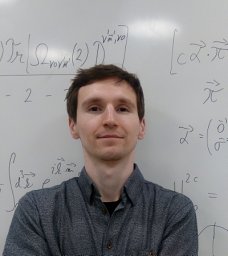 Marius Kadek合作论文数Hylleraas Ctr Quantum Mol Sci, UiT Arctic Univ Norway9Pål Dahle合作论文数8
 Lukas Konecny合作论文数Ctr free Electron Laser Sci, Max Planck Inst Struct & Dynam Matter8
 Alam Md Mehboob合作论文数Department of Chemistry, University of Calcutta8
 Ulf Ekstrom合作论文数8
 Jeppe Olsen合作论文数Department of Chemistry, Aarhus University8
 Trond Saue合作论文数Laboratoire de Chimie et Physique Quantiques, Université Toulouse III-Paul Sabatier;CNRS8Dan Jonsson合作论文数8Harald Solheim合作论文数7Pijush Karak合作论文数7
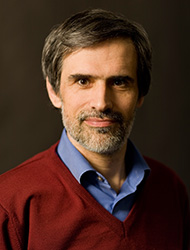 Jürgen Gauss合作论文数Department of Chemistry, Johannes Gutenberg-Universität Mainz7
 Roberto Cammi合作论文数Dipartimento di Scienze Chimiche, della Vita e della Sostenibilita Ambientale, Universita di Parma7
 Petr Bour合作论文数Molecular Spectroscopy Group, Institute of Organic Chemistry and Biochemistry of the Czech Academy of Sciences/České Vysoké Učení Technické V Praze7
 Bernd Schimmelpfennig合作论文数7
 Thomas Bondo Pedersen合作论文数Chemical Center, University of Lund7
 Yi Luo (罗毅)合作论文数Department of Chemical Physics, University of Science and Technology of China;School of Emerging Technology, University of Science and Technology of China7
 Henrik Koch合作论文数Department of Chemistry, University of Aarhus7




