Neurodevelopmental disorders (NDD) are a wide and heterogenous group of conditions due to impaired brain development, orchestrated by the crosstalk between genome and environment. Dynamic chromatin regulation during cortical development is fundamental, and chromatin remodelers are critical determinants of this process. Recently, numerous chromatin remodeling genes have been implicated in NDDs. By altering genes’ epigenetic state, mutated chromatin remodelers disrupt the spatiotemporal regulation of gene expression during development, potentially leading to severe consequences. The Remodeling and Spacing Factor 1 (RSF1) gene encodes a ubiquitous nuclear protein involved in chromatin remodeling, crucial for processes such as DNA transcription, replication, and repair. In this study, we identified by gene matching (n = 7) and literature search (n = 4) eleven unrelated individuals harboring de novo or inherited from a symptomatic parent heterozygous variants in RSF1. All individuals had an NDD, whether intellectual disability, autism spectrum disorder or developmental delay. From the seven individuals with detailed clinical information, unspecific and inconsistent associated features were described, including cranio-facial morphological features, musculoskeletal, digestive, vision, tone, epilepsy and brain MRI anomalies. Our data support the hypothesis that RSF1 is important for brain development and a novel candidate gene for syndromic NDDs.
PURPOSE:Biallelic variants in RDH11, encoding retinol dehydrogenase 11, have been associated with a syndromic disorder, based on 4 individuals from 2 unrelated families. We aimed to profile the clinical variability, natural history and associated molecular spectrum of this condition. METHODS:In the frame of a collaborative effort, clinical and molecular data were collected using a semistructured survey. Structural modeling of RDH11 with NADH(P) was used to assess the functional impact of missense variants. RESULTS:Sixteen affected individuals from 9 unrelated families with biallelic RDH11 variants were assembled, frequently showing juvenile-onset progressive myopathy with vacuolar degeneration and prodromic asymptomatic hyperCKemia. Neurodevelopmental impairment, juvenile-onset cataract, and retinal dystrophy were confirmed as common features. Microcephaly and distinct craniofacial traits were also recurrent, whereas short stature was less frequent than previously reported. Most pathogenic variants were truncating, supporting RDH11 loss of function as the mechanism of disease. Consistently, the identified missense changes were predicted to affect RDH11 catalytic function. CONCLUSION:We refine the clinical and molecular spectra of RDH11-related disorder, reclassifying it as syndromic intellectual disability with muscular (juvenile myopathy) and ocular (retinal dystrophy) involvement. These insights are expected to improve diagnostic accuracy and patient care, guiding clinical evaluation, and genetic counseling.
Background Pathogenic variants in FBXO11 cause a syndromic neurodevelopmental disorder characterised by intellectual disability, behavioural abnormalities, and subtle facial dysmorphism. The genotypic-phenotypic spectrum remains incompletely defined. Methods We describe 21 previously unreported individuals with heterozygous pathogenic or likely pathogenic FBXO11 variants identified through clinical exome/genome sequencing. Detailed phenotypic data were collected and compared with published cases. Facial similarity was assessed using GestaltMatcher. Based on aggregated data, we propose structured diagnostic criteria. Results Mild intellectual disability (86%), facial dysmorphism (67%), hypotonia (62%), and behavioural dysregulation (62%) were the most prevalent features. Microcephaly occurred in 24%, while seizures were present in 43%. Brain imaging abnormalities were nonspecific and did not consistently correlate with epilepsy. Variants included missense, truncating, and multi-exon deletions, supporting haploinsufficiency as the principal pathogenic mechanism. Computational facial analysis demonstrated measurable intra-cohort similarity. Conclusion FBXO11 -related neurodevelopmental disorder frequently presents with mild cognitive impairment and subtle dysmorphism, suggesting under-recognition in milder cases. We propose semi-quantitative diagnostic criteria to support phenotypic assessment and variant interpretation.
DENND2B is a DENN (differentially expressed in normal and neoplastic cells) domain-containing protein that has important roles in regulating the cell cycle, cell division and ciliogenesis, but to date has not been associated with any human disease. Here, we report on 11 individuals with monoallelic variants in DENND2B with a shared constellation of features and perform in silico and in vivo zebrafish modelling of the DENND2B variants identified in these patients. Features shared among these patients include developmental delay, intellectual disability and psychiatric/behavioural concerns, and episodes of psychosis and/or catatonia. Additional features common to our cohort include epilepsy, muscle weakness/hypotonia and a wide range of congenital anomalies across different organ systems. Identified patient variants affect well-conserved amino acids and are predicted to be deleterious to DENND2B function by in silico prediction algorithms and structural modelling. Nine of the 10 observed patient variants were modelled in zebrafish and confirmed to result in loss of DENND2B function. Altogether, these findings suggest that monoallelic loss-of-function variants in DENND2B cause a novel autosomal dominant neurodevelopmental disorder with variable vulnerability to psychosis and/or catatonia.
PURPOSE:TCF7L2 (OMIM 602228; HGNC:11641) is a transcription factor and a critical effector of the Wnt/ β-Catenin pathway. In 2021, 11 pediatric patients with monoallelic predicted loss-of-function (pLOF) TCF7L2 variants and syndromic features were observed. Characterization of patients with pLOF TCF7L2 variants and neurodevelopmental features-herein referred to as TCF7L2-related neurodevelopmental disorder-is urgently needed. METHODS:We leveraged multiple methods (eg, GeneMatcher, DECIPHER, literature review, and public/private repositories) to identify an international cohort of 76 patients with pLOF TCF7L2 variants and neurodevelopmental features and phenotypically characterized them. We also retrospectively searched for an independent cohort of adults with pLOF TCF7L2 variants (n = 11) from more than 60,000 PennMedicine BioBank patients. RESULTS:Among 76 patients with pLOF TCF7L2 variants, speech delay (95.3%), craniofacial dysmorphisms (73.3%), ophthalmologic conditions (65.5%), autism (62.1%), and orthopedic abnormalities (52.6%) were the most commonly observed. Phenotypic differences did not cluster by variant type or genomic locus. Among PennMedicine BioBank patients, an association of nominal significance with type 2 diabetes with renal manifestations (odds ratio = 5.8; P = .03) was detected, warranting further investigation. CONCLUSION:This study represents the most comprehensive characterization of TCF7L2-related neurodevelopmental disorder to date, a novel neurodevelopmental disorder, defining its genotypic and phenotypic spectra. We opened a Simons Searchlight natural history study that is now available for patient enrollment to enhance the understanding of this condition.
Small nuclear RNAs (snRNAs) are essential components of the spliceosome. De novo variants in snRNA genes RNU4-2 (ReNU syndrome), RNU5B-1 and RNU2-2 have been linked to dominant neurodevelopmental disorders (NDDs), revealing a large unexpected contribution of noncoding RNA genes to genetic diseases. Here, through international collaborations, we analyze systematically 200 potentially functional snRNA genes in a French cohort of 34,329 people with rare disorders. We report RNU2-2 variants in 141 individuals, including 35 with recurrent dominant pathogenic variants and 91 affected members from 73 families with biallelic variants. Recessive RNU2-2 NDD is at least twice as frequent as the dominant form and often involves a de novo variant in trans with an inherited allele, consistent with the high mutability of snRNA genes. Dominant and recessive RNU2-2 NDDs share overlapping clinical features, with frequent epilepsy. Blood transcriptomics and DNA methylation analyses revealed subtle, variant-specific effects on splicing and episignatures. Our results support a gradient-of-impact model bridging dominant and recessive inheritance, and establish RNU2-2 variants as a principal contributor to NDDs, nearly as prevalent as ReNU syndrome.
Retrotransposition has generated thousands of intronless gene copies in mammalian genomes, yet their contribution to brain development and evolution remains largely unexplored. RBMX encodes an X-linked RNA-binding protein involved in pre-mRNA splicing. RBMX has highly similar retrocopies, RBMXL1, which arose independently in primates and rodents, suggesting convergent evolutionary pressure and potential functional compensation. We identified individuals with RBMX variants through exome sequencing and GeneMatcher. We combined transcriptomic profiling, protein-protein and protein-RNA interaction studies both in human cellular models and mouse embryonic cortices to assess the functional redundancy between RBMX and its retrocopy RBMXL1. Finally, we use mouse genetics to dissect RBMX function and its compensation by RBMXL1 in corticogenesis. Hemizygous RBMX variants lead to neurodevelopmental disorders characterized by intellectual disability and variable brain, ocular, and genital malformations. N-terminal variants include missense changes and in-frame deletions, whereas truncating variants clustered in the final exon. RBMX pathogenic variants disrupt cortical development through both partial loss-of function (C-terminal variants) and gain-of-function (N-terminal variants) mechanisms. Despite severe phenotypes in humans, Rbmx-deficient mice display only mild cortical abnormalities. We demonstrate that RBMX and RBMXL1 share protein and RNA partners and act redundantly in brain development, with RBMXL1 buffering the impact of RBMX deficiency. Together, these findings establish RBMXL1 as a functional paralog of RBMX that is likely buffering deleterious variation in a context- and dosage-dependent manner. More broadly, these results identify retrocopies as active contributors to neurodevelopmental robustness and suggest that functional retrocopies may have facilitated the evolutionary diversification of the mammalian brain.
ZNF711 is one of eleven zinc-finger genes on the X chromosome that have been associated with X-linked intellectual disability. This association is confirmed by the clinical findings in 20 new cases in addition to 11 cases previously reported. No consistent growth aberrations, craniofacial dysmorphology, malformations or neurologic findings are associated with alterations in ZNF711. The intellectual disability is typically mild and coexisting autism occurs in half of the cases. Carrier females show no manifestations. A ZNF711-specific methylation signature has been identified which can assist in identifying new cases and in confirming the pathogenicity of variants in the gene.
Variants in BRSK2, encoding brain specific kinase-2, have recently been associated with an autosomal dominant neurodevelopmental disorder (NDD). We have assembled 52 cases with heterozygous BRSK2 variants and variable neurodevelopmental phenotypes with frequent neuropsychiatric and behavioral symptoms. The variant spectrum included 15 different truncating variants, seven (potential) splice variants, three structural variants, and 12 different missense variants. Of the missense variants, seven were in the kinase domain, and the others in the UBA and the KA1 domain or outside domains. Variants occurred de novo in 19 cases and were inherited in 18. We utilized Drosophila melanogaster as a model and assessed viability and performed climbing and bang sensitivity assays upon knockdown of the fly orthologue sff or upon overexpression of wildtype or mutant human BRSK2. Pan-neuronal knockdown of sff resulted in impaired locomotor behavior and seizure susceptibility. Ubiquitous or pan-neuronal overexpression of human wildtype BRSK2 in Drosophila resulted in lethality or locomotor impairment, respectively, indicating toxicity. Overexpressing mutant BRSK2 did not or incompletely affect viability and locomotor behavior for six of seven tested kinase domain missense variants and one KA1 domain variant, indicating a (partial) loss-of-function effect. Interestingly, overexpressing BRSK2 with the remaining missense variant from the kinase domain and the two most C-terminal missense variants resulted in possible gain of function. Our findings further delineate the clinical and molecular spectrum of BRSK2-associated NDD and provide further insights into the role of BRSK2/sff in nervous system function and dysfunction.
PURPOSE:ZIC1 encodes a transcription factor with critical roles in vertebrate neural and skeletal development. Heterozygous deletions encompassing ZIC1 and ZIC4 cause Dandy-Walker malformation, whilst in the final exon heterozygous ZIC1 variants result in a distinct phenotype of craniosynostosis with variable intellectual disability via a gain-of-function mechanism. We describe the largest group of individuals harboring ZIC1 variants to date, significantly expanding the phenotypic spectrum and allowing genotype-phenotype correlation. METHODS:Through international collaboration we identified 18 different heterozygous ZIC1 variants from 22 families, comprising 30 individuals. RESULTS:Twelve families segregated a phenotype comprising craniosynostosis with facial dysmorphism, structural brain abnormalities and developmental delay, whereas 10 families had a neurodevelopmental disorder alone without craniosynostosis. Variants associated with craniosynostosis were clustered in the final exon (3) and were predominantly truncating variants predicted to escape nonsense-mediated decay. Variants associated with neurodevelopmental disorder alone included missense substitutions within exons 1 and 2 predicted to disrupt the normal function of the zinc-finger domain, leading to loss of ZIC1 function, which was confirmed in a functional assay. CONCLUSION:This study presents evidence for a ZIC1 genotype-phenotype correlation differentiating variants that cause a neurodevelopmental phenotype with and without craniosynostosis.
Genetic disorders affecting the epigenetic machinery constitute a major group of neurodevelopmental conditions. Pathogenic variants in several ARID transcription factors—particularly ARID1A , ARID1B , and ARID2 —cause Coffin–Siris syndromes, all characterized by intellectual disability (ID). These genes encode core subunits of the BRG1/BRM-associated factor (BAF) chromatin remodeling complex. In contrast, ARID family members that function in other regulatory complexes have remained largely unexplored in neurodevelopmental disease. Here, we identify 29 individuals carrying heterozygous ARID5B variants, of which 24 (83%) introduce premature termination codons in the exceptionally long final exon, one affects the exon 9 splice donor site, and four are missense variants in conserved domains within the N-terminal half of the protein. Using a CRISPR–Cas9 knock-in mouse model harboring the p.Q522Ter variant, together with in vitro assays, we investigated the functional consequences of C-terminal ARID5B truncations. All affected individuals presented with global developmental delay or ID—most commonly mild—and frequent speech and language impairment. Recurrent features included kidney malformations, behavioral difficulties, and recurrent infections of the respiratory and urinary tracts. Two individuals experienced central nervous system inflammation, and two infants presented with persistent pulmonary hypertension. Remarkably, 19 of 29 variants (66%) cluster within the first quarter of exon 10, are de novo, and escape nonsense-mediated mRNA decay (NMD), which we confirmed for two variants affecting seven individuals. Variants outside this region were inherited. Heterozygous mice exhibited developmental and behavioral abnormalities, while homozygous mutations was perinatally lethal. Truncations and a small deletion within a predicted nuclear localization signal (NLS) caused cytosolic mislocalization of ARID5B, whereas the isolated C-terminal half retained nuclear localization, suggesting an independent distal NLS. Collectively, these findings define ARID5B -related neurodevelopmental disorder as a distinct clinical entity and reveal how disruption of specific ARID5B domains impacts protein localization, mammalian development, immune and neurobehavioral function.
Biallelic loss-of-function variants in FBXO31 cause autosomal-recessive intellectual disability. A recurrent de novo variant, c.1000G>A(p.Asp334Asn), has been described in association with an autosomal-dominant phenotype. To refine this phenotype and its clinical implications, we re-evaluated three published cases and ascertained four additional probands via advocacy networks, GeneMatcher, and clinician referral. Phenotyping included neurologic, behavioral, and dysmorphology assessment. All seven individuals carried the recurrent de novo FBXO31 p.Asp334Asn variant. A core neurodevelopmental profile was observed and included cerebral palsy (mixed hypotonia, spasticity, and dystonia), global developmental delay/intellectual disability, and speech impairment. Neuropsychiatric features were sometimes prominent and included attention-deficit/hyperactivity disorder, anxiety, stereotypies, autistic features, and behavioral dysregulation. Neuroimaging often showed a hypoplastic corpus callosum and posterior-predominant white-matter changes. In one individual, gray matter heterotopias were also observed. A subtle but consistent facial gestalt was noted. Recurrent FBXO31 p.Asp334Asn variants lead to a recognizable neurodevelopmental syndrome. Based on our findings, we recommend including FBXO31 in diagnostic algorithms for cerebral palsy and neurodevelopmental disorders. We propose the descriptive term "autosomal dominant FBXO31-associated neurodevelopmental disorder," and-consistent with the validating laboratory and with support from the FBXO31 Foundation-propose the eponym "Kruer syndrome."
LDB1 encodes transcriptional regulator protein LIM domain-binding protein 1, which plays an important role in neurogenesis. Few C-terminal likely gene-disrupting (LGD) variants have been reported in the literature in individuals with congenital ventriculomegaly. Through international collaboration, we now assembled a cohort of 16 individuals with de novo variants affecting various regions of LDB1. Eleven variants affect either the whole gene or the N-terminal dimerization domain (including gene deletions, as well as nonsense-mediated mRNA decay (NMD)-sensitive LGD and missense variants), and five variants (missense or NMD-escaping LGD variants) affect only the C terminus of LDB1 containing the LIM interaction domain. All individuals showed variable neurodevelopmental phenotypes, including developmental delay and behavioral anomalies. In line with literature reports, individuals harboring C-terminal variants additionally presented with ventriculomegaly, which suggests a potential genotype-phenotype correlation. In accordance, we found diverging pathomechanisms in vitro: N-terminal missense variants disrupt homodimerization of LDB1, likely leading to a loss of function, while C-terminal variants impair interaction with the essential partner LHX2 in a dominant-negative manner. These findings were confirmed in vivo in Drosophila melanogaster. Toxicity of overexpressed human LDB1 in Drosophila was not observed with N-terminal missense variants but was exacerbated by C-terminal variants. Similarly, phenotypes associated with LDB1/chi loss were rescued by overexpression of wild-type LDB1 but not by LDB1 harboring N-terminal missense variants or by C-terminal variants that even worsened phenotypes. In summary, our findings indicate that de novo variants in LDB1 are linked to two overlapping but distinct neurodevelopmental phenotypes based on variant location and propose two separate pathomechanisms underlying LDB1-related neurodevelopmental disorders.
Here we show that somatic genetic rescue is frequent in telomere biology disorders (TBDs) caused by germline ZCCHC8 variants. Our results highlight the critical intrinsic role of ZCCHC8 in human hematopoiesis and a potential mechanism for disease modification in TBDs.
PURPOSE:Biallelic variants in the minor spliceosomal gene RNU4ATAC were successively identified in Taybi-Linder/Microcephalic osteodysplastic primordial dwarfism type I, Roifman, and Lowry-Wood syndromes, which are characterized by variable microcephaly, short stature, neurodevelopmental impairment, skeletal dysplasia, and immunodeficiency. Two-thirds of the reported individuals present with Taybi-Linder syndrome, the first-described and most severe form. METHODS:We collected clinical and molecular data from individuals with biallelic RNU4ATAC variants through various French and European networks and clinics to refine the phenotypic spectrum of RNU4ATAC-opathies. RESULTS:We enrolled 69 participants and identified 18 new pathogenic variants. We report a significant proportion of attenuated or atypical presentations, novel rare symptoms, and, unexpectedly, a broad spectrum of autoimmune or inflammatory manifestations, affecting nearly half of the participants. Integrating our data with the 109 published cases, we propose a novel classification based on the main manifestations, immunodeficiency, and microcephalic primordial dwarfism. Using computer-assisted facial analysis, we also demonstrated the existence of a specific dysmorphic pattern in RNU4ATAC-opathies that is distinct among some sub-syndromes. CONCLUSION:We present a large cohort of individuals with RNU4ATAC-opathies and expand the phenotypic spectrum to paucisymptomatic forms, indicating that these diseases are likely to remain underdiagnosed.
De novo heterozygous variants in CUGBP Elav-like family member 2 (CELF2) have recently been associated with a rare neurodevelopmental disorder, yet the mechanisms linking specific variants to distinct clinical phenotypes remain poorly understood. Here, we reported a cohort of 18 individuals and provided evidence that variants causing CELF2 mislocalization, but not protein-null variants, were associated with seizures. Using proband-derived human cortical neurons and transgenic mouse models, we demonstrated that CELF2 underwent activity-dependent nucleocytoplasmic shuttling in excitatory neurons and that its cytoplasmic retention caused neuronal hyperactivity, elevated seizure susceptibility, and learning and memory deficits. We further found that cytoplasmic CELF2 regulated mRNAs critical for synaptic function and neuronal excitability and implicated in epileptic seizures and intellectual disability. Drug screening further identified AKT signaling as a key regulator of CELF2 nucleocytoplasmic shuttling and a candidate target for reversing neuronal hyperactivity. Together, our findings expand the clinical and genetic spectrum of CELF2-related neurodevelopmental disorders and establish a variant-specific mechanism that links CELF2 mislocalization to neuronal hyperactivity, seizures, and cognitive impairment.
Dystonia is a rare disease trait for which large-scale genomic investigations are still underrepresented. Genetic heterogeneity among patients with unexplained dystonia warrants interrogation of entire genome sequences, but this has not yet been systematically evaluated.To significantly enhance our understanding of the genetic contribution to dystonia, we (re)analysed 2874 whole-exome sequencing (WES), 564 whole-genome sequencing (WGS), as well as 80 fibroblast-derived proteomics datasets, representing the output of high-throughput analyses in 1990 patients and 973 unaffected relatives from 1877 families. Recruitment and precision-phenotyping procedures were driven by long-term collaborations of international experts with access to overlooked populations.By exploring WES data, we found that continuous scaling of sample sizes resulted in steady gains in the number of associated disease genes without plateauing. On average, every second diagnosis involved a gene not previously implicated in our cohort. Second-line WGS focused on a subcohort of undiagnosed individuals with high likelihood of having monogenic forms of dystonia, comprising large proportions of patients with early onset (81.3%), generalized symptom distribution (50.8%) and/or coexisting features (68.9%). We undertook extensive searches for variants in nuclear and mitochondrial genomes to uncover 38 (ultra)rare diagnostic-grade findings in 37 of 305 index patients (12.1%), many of which had remained undetected due to methodological inferiority of WES or pipeline limitations. WGS-identified elusive variations included alterations in exons poorly covered by WES, RNA-gene variants, mitochondrial-DNA mutations, small copy-number variants, complex rearranged genome structure and short tandem repeats. For improved variant interpretation in WGS-inconclusive cases, we employed systematic integration of quantitative proteomics. This aided in verifying diagnoses related to technically challenging variants and in upgrading a variant of uncertain significance (3 of 70 WGS-inconclusive index patients, 4.3%). Further, unsupervised proteomic outlier analysis supplemented with transcriptome sequencing revealed pathological gene underexpression induced by transcript disruptions in three more index patients with underlying (deep) intronic variants (3/70, 4.3%), highlighting the potential for targeted antisense-oligonucleotide therapy development. Finally, trio-WGS prioritized a de novo missense change in the candidate PRMT1, encoding a histone methyltransferase. Data-sharing strategies supported the discovery of three distinct PRMT1 de novo variants in four phenotypically similar patients, associated with loss-of-function effects in in vitro assays.This work underscores the importance of continually expanding sequencing cohorts to characterize the extensive spectrum of gene aberrations in dystonia. We show that a pool of unresolved cases is amenable to WGS and complementary multi-omic studies, directing advanced aetiopathological concepts and future diagnostic-practice workflows for dystonia. Using whole-genome sequencing and proteomics, Zech et al. have shown that many patients with suspected monogenic dystonia carry mutations that are undetectable with exome analysis alone. Complementary approaches, such as RNA sequencing and functional studies, can improve rates of diagnosis.
Rare genetic variants in ARID2 are responsible for a recently described neurodevelopmental condition called ARID2-related disorder (ARID2-RD). ARID2 belongs to PBAF, a unit of the SWI/SNF complex, which is a chromatin remodeling complex. This work aims to further delineate the phenotypic spectrum of ARID2-RD, providing clinicians with additional data for better care and aid in the future diagnosis of this condition. We obtained the genotypes and phenotypes of 27 previously unreported individuals with ARID2-RD and compared this series with findings in the literature. We also assessed peripheral blood DNA methylation profiles in individuals with ARID2-RD compared to episignatures of controls, unresolved cases, and other neurodevelopmental disorders. The main clinical features of ARID2-RD are developmental delay, speech disorders, intellectual disability (ID), behavior problems, short stature, and various dysmorphic and ectodermal features. Genome-wide differential methylation analysis revealed a global hypermethylated profile in ARID2-RD that could aid in reclassifying variants of uncertain significance. Our study doubles the number of reported individuals with ARID2 pathogenic variants to 53. It confirms loss-of-function as a pathomechanism and shows the absence of a clear genotype-phenotype correlation. We provide evidence for a unique DNA methylation episignature for ARID2-RD and further delineate the ARID2-associated phenotype.
 Cyril Mignot合作论文数154Delphine Héron合作论文数106Caroline Nava合作论文数85Alexandra Afenjar合作论文数74Bertrand Isidor合作论文数Unité de Génétique clinique, Service de génétique médicale, Centre Hospitalier Universitaire de Nantes66Christel Depienne合作论文数55Perrine Charles合作论文数55Solveig Heide合作论文数Hôpital La Pitié Salpêtrière54Sandra Whalen合作论文数53
 Faivre Laurence合作论文数Faculty of Medicine, University of Bourgogne;Medical Genetics Department, Hopital d'Enfants;Genetics Centre, Children's Hospital, Dijon University Hospital50Frederic Tran Mau-Them合作论文数46Buratti Julien合作论文数45Gaetan Lesca合作论文数38Nizon Mathilde合作论文数38Thomas Courtin合作论文数36
 Amelie Piton合作论文数Institut De Génétique et de Biologie Moléculaire et Cellulaire - Neurogenetics and Translational Medecine, University of Strasbourg34Diane Doummar合作论文数34Marlène Rio合作论文数30Benjamin Cogné合作论文数30
 Nicolas Chatron合作论文数Laboratoire de Cytogénétique Constitutionnelle, Hospices Civils de Lyon30
 Ange-Line Bruel合作论文数Génétique des Anomalies du Développement, Centre de Recherche Inserm 1231;CHU Dijon Bourgogne;Université de Bourgogne30
 Christophe Philippe合作论文数30Sandra Chantot-Bastaraud合作论文数29Sylvie Odent合作论文数28Christèle Dubourg合作论文数26Marie Vincent合作论文数25
 Reza Maroofian合作论文数24Valence Stephanie合作论文数24Thomas Smol合作论文数24Thevenon Julien合作论文数24
 Antonio Vitobello合作论文数Novartis Research Foundation, Friedrich Miescher Institute for Biomedical Research24
 Damien Sanlaville合作论文数From Assistance Publique-Hôpitaux de Paris, Hôpital Européen Georges Pompidou;Assistance Publique des Hôpitaux de Paris, Hôpital Necker Enfants Malades;CHRU, Hôpital de Hautepierre;CHRU, Hôpital de Hautepierre23
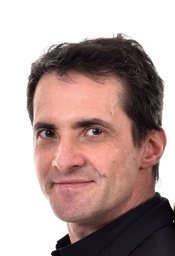 David Geneviève合作论文数Département de génétique médicale, Centre Hospitalier Universitaire de Montpellier;Faculté de Médecine, Université de Montpellier23
 Rolph Pfundt合作论文数Department of Human Genetics, Radboud University Medical Centre22Bénédicte Gérard合作论文数21
 Rikke S Møller合作论文数Department of Regional Health Research, University of Southern Denmark;Institut for Regional Sundhedsforskning, Syddansk Universitet;Department of Epilepsy Genetics and Personalized Medicine, Danish Epilepsy Centre21
 Patrick Edery合作论文数Université Claude Bernard21
 Jonathan Levy合作论文数21Martine Doco Fenzy合作论文数20
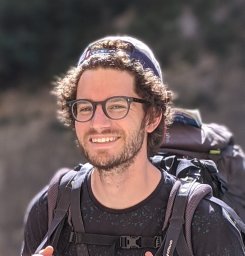 François Lecoquierre合作论文数UNIROUEN, Normandie Univ20Matias Wagner合作论文数Institute of Human Genetics, Helmholtz Zentrum München;Institute of Human Genetics, Technical University Munich;Institute of Neurogenomics, Helmholtz Zentrum München;Institute of Human Genetics, Technical University Munich20
 Estelle Colin合作论文数LUNAM Angers, Centre Hospitalier Universitaire d'Angers20
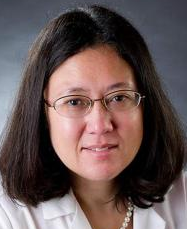 Wendy Chung合作论文数Department of Pediatrics, Columbia University;Division of Genetics and Genomics, Boston Children’s Hospital;Harvard Medical School20
 Christel Thauvin-Robinet合作论文数Centre de génétique, Hôpital Mitterrand;Déficiences intellectuelles de causes rares du CHU de Dijon20Tania Attié-Bitach合作论文数19Schaefer Elise合作论文数19Capri Yline合作论文数19
 Philippe Campeau合作论文数Centre Hospitalier Universitaire Sainte-Justine Research Center, Université de Montréal;Department of Pediatrics, Université de Montréal19Lehalle Daphne合作论文数19




