AIMS:Atrial fibrillation (AF) is conventionally classified as paroxysmal or persistent. AF burden might better reflect response to rhythm-control interventions. This study evaluated the association between estimated pre-procedural time spent in AF and recurrences after AF ablation, compared with conventional AF classification. METHODS AND RESULTS:In patients scheduled for AF ablation, clinical characteristics were collected before ablation, and 60-second single-lead ECGs were recorded three times daily (with additional symptom-triggered recordings) for four weeks. Pre-procedural time spent in AF was estimated as the number of days with detected AF divided by total monitoring days. The primary endpoint was AF recurrence between 3 and 12 months post-ablation. Of 302 patients (mean age 64 ± 9 years; 33% female), 201 (67%) had paroxysmal AF and 101 (33%) had persistent AF. After 12 months, recurrence rates were higher in persistent than in paroxysmal AF (37.6% vs. 24.4%, P & 0.01) and in patients with a higher (>32%) vs. lower (≤32%) percentage of time spent in AF (36.4% vs. 24.0%, P < 0.01). Notably, paroxysmal AF patients with a higher percentage of time in AF had recurrence rates comparable to those of patients with persistent AF. Pre-procedural percentage of time in AF independently predicted arrhythmia recurrence at 12-month follow-up (HR: 1.06; 95% CI: 1.0-1.1; P & 0.025). CONCLUSION:A higher pre-procedural percentage of time spent in AF derived from 60-second single-lead ECGs is independently associated with atrial arrhythmia recurrence after ablation. Assessing the percentage of pre-procedural time spent in AF might help identify paroxysmal AF patients with a high AF recurrence risk in future studies.
Importance Cardiac dyssynchrony disrupts coordinated chamber activation and is associated with impaired cardiac function and adverse clinical outcomes. While ventricular dyssynchrony has been targeted through biventricular and conduction system pacing, atrial dyssynchrony remains underrecognized and largely untreated. Observations Interatrial dyssynchrony commonly arises from delayed or impaired conduction through Bachmann bundle or from nonphysiological atrial pacing. It is associated with impaired ventricular filling and increased atrial arrhythmia risk. Importantly, conventional atrial pacing strategies may exacerbate rather than correct abnormal atrial activation. Bachmann bundle pacing represents a potential strategy to restore physiological atrial activation by engaging the dominant interatrial conduction pathway. Emerging data suggest that this approach may improve atrial synchrony, optimize atrioventricular timing, and reduce arrhythmia burden. Conclusions and Relevance In this review, we summarize the mechanisms and clinical consequences of interatrial dyssynchrony and evaluate the role of Bachmann bundle pacing as a novel target for atrial resynchronization and a potential next step in physiological pacing. Further studies are required to define optimal implantation strategies and determine Bachmann bundle pacing’s clinical impact.
Permanent cardiac pacing is the only available therapy in patients with atrioventricular (AV) conduction disorders and can be lifesaving. However, conventional right ventricular pacing (RVP) causes dyssynchronous electrical and mechanical activation of the ventricles, possibly resulting in pacing-induced cardiomyopathy and heart failure. Left bundle branch area pacing (LBBAP) might overcome these adverse effects of RVP, but evidence to support this assumption is lacking. The LEAP trial is a multi-centre investigator-initiated, prospective, randomized controlled, open-label, blinded endpoint evaluation (PROBE) study, designed to test the hypothesis that in patients with an indication for pacemaker implantation due to AV conduction disorders with an expected ventricular pacing percentage ≥20%. LBBAP is superior to RVP in preventing the composite primary endpoint of (1) all-cause mortality, (2) hospitalization for heart failure, and (3) a more than 10% point decrease in left ventricular ejection fraction (LVEF) leading to an LVEF below 50%. The LEAP trial randomizes 470 patients 1:1 to the index LBBAP or RVP control arm. The primary endpoint will be determined at 1-year follow-up. This article describes the design and analytic plan for the trial.
Background:Patients with nonischemic cardiomyopathy (NICM) are at risk for sustained ventricular tachycardia (VT). Implantable cardioverter-defibrillators (ICDs) are guideline-recommended for secondary prevention, but the necessity of routine ICD implantation after successful catheter ablation (CA) in patients with preserved or mildly reduced left ventricular ejection fraction (LVEF > 35%) remains uncertain. This review summarizes the current evidence. Methods:A PROSPERO-registered systematic review was conducted according to Preferred Reporting Items for Systematic Reviews and Meta-Analyses (PRISMA) guidelines. PubMed, Embase, and Cochrane were searched through June 2025. Studies including adults with NICM and LVEF > 35% undergoing CA for sustained monomorphic VT were eligible. Data on patient characteristics, ablation outcomes, VT recurrence, mortality, and ICD therapies were extracted. Results were descriptively synthesized, and weighted means were calculated when feasible. Results:Eleven studies (1995-2024), including 1430 patients, were identified; 936 (66%) were analyzable. The weighted mean LVEF was 38% ± 14%; mean age was 59 ± 14 years. Sustained VT recurrence ranged from 14%-67% during a weighted mean follow-up period of 608 ± 745 days. Procedural noninducibility consistently predicted lower recurrence rates (18%-32%), than those in inducible patients (up to 75%). Two studies using cardiac magnetic resonance imaging found non-circumferential mid-myocardial late gadolinium enhancement with septal involvement associated with higher recurrence risk. Risk of bias was moderate to serious. Conclusions:In NICM patients with LVEF > 35%, noninducibility after CA predicts favourable arrhythmic outcomes. Non-circumferential mid-myocardial late gadolinium enhancement with septal involvement, and inducibility after VT ablation, identify higher-risk patients. Registration:PROSPERO CRD420251075109.
Biventricular pacing (BVP) remains the standard method for delivering cardiac resynchronization therapy (CRT) in patients with heart failure and left bundle branch block (LBBB). Despite its established role, BVP is a non-physiological pacing approach and is limited by factors such as anatomical constraints of the coronary sinus and a substantial proportion of non-responders. Conduction system pacing (CSP), including His bundle pacing and left bundle branch area pacing, has emerged as a more physiological alternative aimed at optimizing CRT outcomes. Early studies suggest that CSP may achieve superior electro-mechanical ventricular synchrony compared with BVP. Nevertheless, evidence from large-scale randomized controlled trials remains scarce, and challenges related to procedural complexity and insufficient long-term outcome data currently prevent CSP from replacing BVP as the first-line CRT strategy. This systematic review synthesizes the existing literature on CSP in CRT, explores its potential applications across different clinical contexts, and discusses the ongoing controversies and future prospects of this evolving technique.
BACKGROUND Activated clotting time (ACT) is used to guide intraprocedural heparin anticoagulation during left atrial ablation, with guideline-recommended target values generally assumed to be device-independent. OBJECTIVE This study aimed to assess whether measured ACT values differ across measurement platforms and whether contemporary anticoagulation strategies vary accordingly in clinical practice. METHODS We performed a systematic review of studies directly comparing ACT values across different measurement platforms during left atrial ablation. In parallel, we conducted an international physician survey assessing ACT platforms, heparin dosing strategies, and targeted ACT ranges. RESULTS The systematic review identified 4 electrophysiology-specific studies comparing ACT platforms. Across all studies, simultaneously measured ACT values differed substantially among platforms, with mean paired differences of 50-60 seconds, corresponding to a 15%-25% discrepancy at ACT targets of 300-350 seconds. These interplatform differences persisted despite high correlation among devices. The survey was completed by 164 electrophysiologists (82% from Europe and 13% from North America). The most used platforms were Hemochron (42%), Medtronic ACT Plus (27%), and Abbott i-STAT (16%). Target ACT ranges and heparin dosing strategies varied by platform: higher ACT targets and higher weight-based heparin doses were most frequently reported with Hemochron; lower targets and doses were more common with i-STAT; and users of Medtronic showed an intermediate pattern. Nearly one-third of respondents reported modifying heparin dosing after switching ACT platforms. CONCLUSION Available cross-validation data indicate substantial differences among ACT platforms. Real-world heparin administration strategies and ACT targets vary markedly by platform. These findings challenge the assumption of universal ACT targets and highlight the need for platform-specific interpretation.
Aims Symptom severity in atrial fibrillation (AF) influences healthcare use, but conventional assessments lack temporal precision. We evaluated the feasibility of smartphone-based symptom severity assessment after AF catheter ablation and explored predictors and variability of symptom severity.Methods and results In this analysis of the ISOLATION study, 140 patients used a photoplethysmography-supported smartphone application to record heart rhythm, symptoms, and symptom severity three times daily and when symptomatic for 7 days at 3, 6, and 12 months after ablation. Symptom severity was classified using the modified European Heart Rhythm Association scale. A total of 8575 recordings were analysed, of which 11% showed AF. Median adherence was 67%. Symptom severity was higher during AF, in women, and with higher heart rate. Nearly half of AF recordings were asymptomatic.Conclusion Smartphone-based symptom severity assessment after AF ablation is feasible and reveals substantial individual variability beyond rhythm status alone.
Aims Patients with persistent atrial fibrillation (AF) and heart failure (HF) have compromised clinical outcomes. Contemporary management includes rhythm control with AF ablation, or rate control and regularization with conduction system pacing and atrioventricular nodal ablation (CSP + AVNA). These strategies have never been compared in a randomized clinical trial. The study aims to determine whether CSP + AVNA is superior to AF ablation for reducing all-cause mortality and cardiovascular hospitalization, and noninferior with respect to all-cause mortality and heart failure hospitalization. Methods and results ABACUS is a multicentre, investigator-initiated, randomized controlled trial enrolling 220 patients with persistent AF and HF, aged >60 years, who are eligible for both treatment modalities, with at most one previous AF ablation procedure. Participants will be randomized 1:1 to either catheter ablation of AF (with pulmonary vein isolation using any routine technique) or to CSP + AVNA. All patients will undergo at least one year of follow-up. The co-primary endpoints will be tested sequentially. A number of predefined secondary endpoints, including costs, will also be evaluated. Discussion ABACUS compares CSP + AVNA with AF ablation in patients with persistent AF and HF. The results will provide evidence to improve care in this vulnerable patient population.
Background: Atrial fibrillation (AF) is characterized by a heterogeneous presentation of symptoms. AF ablation reduces symptom burden. However, persistent symptoms following AF ablation are common independently of AF recurrence. Objectives: This study sought to perform a cluster analysis to identify clinically relevant AF subphenotypes based on persistent symptoms following AF ablation and evaluate their associations with clinical characteristics and AF recurrence. Methods: Patients were instructed to perform smartphone app-based simultaneous symptom and photoplethysmography heart rhythm monitoring 3 times daily for 1 week at the 3-month follow-up after AF ablation. A two-step cluster analysis including 7 categorical symptoms variables was performed in symptomatic patients. Results: In total, half of all patients (n = 313 of 614 [51%]) reported symptoms. Five symptom clusters were identified: nonspecified symptoms (n = 52 [17%]), AF with sparse symptoms (n = 93 [30%]), palpitations (n = 47 [15%]), fatigue with comorbidities (n = 63 [20%]), and sinus rhythm with severe symptoms (n = 58 [19%]). Frequency (P < 0.001) and pattern (P < 0.001) of symptom reporting as well as AF recurrence (P < 0.001), AF load (P < 0.001), AF pattern (P = 0.002 and P = 0.005), and symptom-rhythm correlation (P < 0.001) differed between clusters. Furthermore, age (P < 0.01), N-terminal pro-B-type natriuretic peptide levels (P < 0.01), CHA(2)DS(2)-VA score (P < 0.001), and left atrial volume index (P = 0.01) differed between clusters. Conclusions: Half of all patients report symptoms after AF ablation. Using cluster analysis, 5 symptom-based AF subphenotypes were identified, each with distinct clinical characteristics, biomarker profiles, AF recurrence, AF pattern, AF and symptom burden, and symptom-rhythm correlation. Symptom clusters empowered by digital health may facilitate individualized AF management strategies following AF ablation.
BACKGROUND AND AIMS:Left bundle branch area pacing (LBBAP) promotes physiological synchronous activation of the left ventricle and may be particularly beneficial in patients with atrioventricular block (AVB), but its mortality benefit remains unclear. This study aims to compare long-term survival in AVB patients receiving either LBBAP or right ventricular pacing (RVP) and to analyse predictors of mortality during LBBAP. METHODS:MELOS RELOADED, a multicentre European collaboration, was a registry-based study of pacemaker patients with AVB, left ventricular ejection fraction (LVEF) >40% and ventricular pacing >20%. The primary outcome was all-cause mortality based on national registries. A 1:1 propensity score matching was performed between the RVP and LBBAP groups. Kaplan-Meier curves and multivariable Cox proportional hazards models were used to estimate survival. RESULTS:In total, 3382 patients receiving LBBAP or RVP were matched. At 4-year follow-up, the Kaplan-Meier curve showed an absolute difference in survival of 11.8% in favour of LBBAP (P < .001). LBBAP was a robust predictor of reduced mortality with a hazard ratio (HR) of 0.53 (95% confidence interval 0.42-0.65, P < .001). Within the LBBAP group, the following independent predictors of increased mortality were identified: lack of confirmed left bundle branch capture (HR 1.85, P < .001), lower percentage of ventricular pacing (HR 1.12), and age. CONCLUSIONS:This is the first large study demonstrating the long-term survival benefit of LBBAP. This strengthens the use of LBBAP in AVB patients with preserved/mildly reduced LVEF while awaiting the results of randomized trials. Confirmation of left bundle branch capture seems advisable to achieve optimal results with LBBAP.
Left bundle branch area pacing is being increasingly adopted in routine clinical practice as a more physiological alternative to right ventricular and biventricular pacing. Understanding the concepts of this pacing modality may be a hurdle for the non-electrophysiologist and specialists alike. This review article aims to explain in a didactic manner the anatomical and electrophysiological principles underlying left bundle branch area pacing.
BACKGROUND:Fibrosis within the interventricular septum hinders the implantation of left bundle branch pacing (LBBP) lead, particularly in candidates for cardiac resynchronization therapy (CRT). OBJECTIVE:This study aimed to report the acute and follow-up outcomes of pacing lead implantation using radiofrequency (RF) current delivered to the lead tip for septal electrosection in challenging LBBP cases. METHODS:Data on lead deployment success, RF power and delivery time, complications, lead stability, proarrhythmia, current of injury, and pacing parameters were collected acutely and at the final follow-up. RESULTS:A total of 37 RF-facilitated lead implantations in 36 patients (average age 71.6 ± 8.8 years), most of whom were CRT eligible (89%), were analyzed. On average, 2.1 ± 1.7 RF applications (resulting in 2.6 ± 2.2 seconds of RF) were used per implantation with a median power of 27 W. RF delivery was used in 85.7% of cases to achieve a current of injury drop that could not be obtained with manual lead rotation alone. Lead implantation was successful in all but 2 cases. The mean follow-up duration was 236 ± 165 days. Lead performance, including pacing parameters and lead stability, was good and did not seem to be affected by RF use (follow-up threshold 0.8 ± 0.3 V; sensitivity: 12.0 ± 5.6 mV). 1 patient experienced sustained ventricular tachycardia, and in all other cases, proarrhythmia was absent or self-limited. No other complications were noted. CONCLUSION:RF-facilitated LBBP lead implantation is a feasible technique with potential cautious use as a bailout in selected cases, especially for failed CRT delivery.
 Frits Prinzen (F.W.)合作论文数Department of Physiology, Cardiovascular Research Institute Maastricht, Maastricht University167
 Dominik Linz合作论文数110
 Justin G L M Luermans合作论文数79
 Ulrich Schotten合作论文数62
 Sevasti-Maria Chaldoupi合作论文数57
 Alexander Maass合作论文数Department of Cardiology, University Medical Center Groningen55
 Harry Crijns合作论文数Department of Cardiology, Cardiovascular Research Institute Maastricht;Maastricht University51
 Uyen Chau Nguyen合作论文数Cardiovascular Research Institute Maastricht, Maastricht University49Antonius M.W. Van Stipdonk合作论文数48
 Mathias Meine合作论文数41
 Joost Lumens合作论文数Department of Physiology, and Department of Biomedical Engineering, Maastricht University37Allaart Cornelis P合作论文数35
 Michiel Rienstra合作论文数University Medical Center Groningen, University of Groningen33Mihl Casper合作论文数32
 Dominique Valerie Mabelle Verhaert合作论文数30Karol Curila合作论文数30Astrid N L Hermans合作论文数29Tammo Delhaas合作论文数29
 M.J.M. (Maarten-Jan) Cramer合作论文数Department of Cardiology, Division of Heart and Lungs, University Medical Centre Utrecht, University of Utrecht;Cardiac Outpatient Clinic28Maesen Bart合作论文数27Ter Bekke Rachel M A合作论文数26
 Sjoerd Westra合作论文数25
 Dennis W den Uijl合作论文数Department of Cardiology, Leiden University Medical Center25Konstanze Betz合作论文数24
 Monika Gawałko合作论文数Cardiovasc Res Inst Maastricht24
 Stef Zeemering合作论文数24Engels Elien B合作论文数Cardiovascular Research Institute Maastricht, Maastricht University24
 Jos Maessen合作论文数23
 Hermans Ben合作论文数23
 Sander M.J. van Kuijk合作论文数Department of Clinical Epidemiology, Maastricht University Medical Centre23
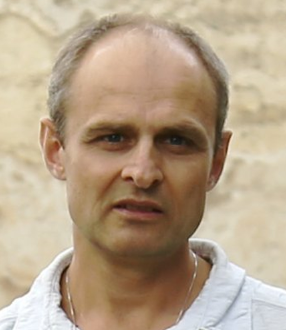 Marek Jastrzębski合作论文数EP Laboratory, Department of Cardiology, Medical College, Jagiellonian University23
 Haran Burri合作论文数Hopital Cantonal De Geneve23A M W Van Stipdonk合作论文数21
 Wouter M van Everdingen合作论文数Department of Cardiology, University Medical Center Utrecht21
 Strik Marc合作论文数Cardiovascular Research Institute Maastricht, Maastricht University Medical Center21Laurent Pison合作论文数21
 R. Nijveldt (Robin)合作论文数Faculty of Medical Sciences, Radboud University;HartPlastic;Radboudumc21Wildberger Joachim E合作论文数20M. Meine合作论文数19
 Zachary I Whinnett合作论文数Cardiovascular Trials and Epidemiology, National Heart and Lung Institute, Faculty of Medicine, Imperial College London19
 Frits Prinzen合作论文数19
 Isabelle Van Gelder合作论文数University Medical Center Groningen;Department of Cardiology, University of Groningen19
 Francesco Zanon合作论文数Department of Chemical Sciences, University of Padova19
 Pugazhendhi Vijayaraman合作论文数Geisinger Heart Institute, Geisinger Health System19Mohammed A Ghossein合作论文数18
 Masih Mafi-Rad合作论文数18Joza Jacqueline合作论文数From the Division of Cardiology, McGill University Health Centre;Division of Cardiology, University of Ottawa Heart Institute;Division of Cardiology, Queen Elizabeth II Health Sciences Centre;Division of Cardiology, Victoria Cardiac Arrhythmia Trials;Division of Cardiology, Quebec Heart and Lung Institute;Division of Cardiology, London Health Sciences Centre;Division of Cardiology, Sunnybrook Health Sciences Centre;Division of Cardiology, Hôpital du Sacré-Coeur de Montréal;Division of Cardiology, St. Mary's General Hospital;Division of Cardiology, Population Health Research Institute;Division of Cardiology, Montreal Heart Institute;Division of Cardiology, Libin Cardiovascular Institute of Alberta;Division of Cardiology, Centre Hospitalier de l'Université de Montréal;Division of Cardiology, Kingston General Hospital;and Division of Cardiology, Southlake Regional Health Centre17
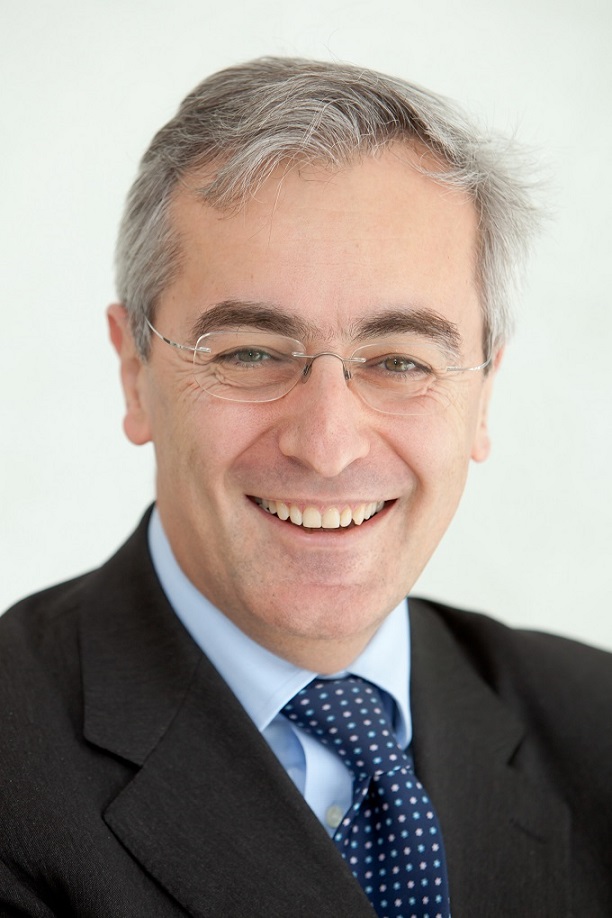 Angelo Auricchio合作论文数Faculty of Biomedical Sciences, Università della Svizzera;University Hospital in Magdeburg;Center for Computational Medicine in Cardiology, Università Della Svizzera Italiana in Lugano;Division of Cardiology, Istituto Cardiocentro Ticino17
 Oscar Cano合作论文数Cardiology Department, La Fe University Hospital17




