Scientific discovery is driven by scientists generating novel hypotheses for complex problems that undergo rigorous experimental validation. To augment this process, we introduce Co-Scientist, a multi-agent AI system built on Gemini for structured scientific thinking and hypothesis generation. Co-Scientist aims to help scientists discover new original knowledge. Conditioned on their research objectives and prior scientific evidence, it formulates demonstrably novel research hypotheses for experimental verification. The system’s design involves agents continuously generating, critiquing and refining hypotheses accelerated by scaling test-time compute. Key contributions include: (1) a multi-agent architecture with an asynchronous task execution framework for flexible compute scaling; (2) a tournament evolution process for self-improving hypotheses generation. Automated evaluations show continued benefits of test-time compute scaling, improving hypothesis quality over time. While general purpose, we focus the validation in three biomedical applications: drug repurposing, novel target discovery 1, and explaining mechanisms of anti-microbial resistance 2. Specifically, Co-Scientist helped identify new drug repurposing candidates and synergistic combination therapies for acute myeloid leukemia, which were validated through in vitro experiments. These real-world validations demonstrate the potential of Co-Scientist to accelerate scientific discovery and usher in an era of AI empowered scientists.
Real-world clinical practice is inherently multimodal, relying on the synthesis of patient history with visual information such as medical imagery and clinical documents. Although large language models (LLMs) have shown promise in diagnostic dialogue, their evaluation has been largely restricted to text-only interactions, failing to capture the complexity of modern remote care delivery. Here we introduce a multimodal extension of the Articulate Medical Intelligence Explorer (multimodal AMIE), capable of gathering, interpreting and reasoning about multimodal data within a diagnostic conversation. To achieve this, we developed a state-aware dialogue framework that dynamically guides history-taking based on diagnostic uncertainty and evolving patient states, emulating the structured reasoning of experienced clinicians. We evaluated this updated, state-aware version of multimodal AMIE against primary care physicians (PCPs) in a randomized, blinded exploratory study comprising 105 simulated telehealth consultations, which included dermatology photographs, electrocardiograms and clinical documents. As assessed by 18 specialist physicians, multimodal AMIE outperformed PCPs not only in diagnostic accuracy but also in conversation quality, including history-taking and empathy. Specifically, multimodal AMIE demonstrated superior performance on 29 of 32 evaluation axes, including seven of nine metrics that assess multimodal reasoning. These results validate the efficacy of state-aware reasoning in bridging the gap between text and visual information and demonstrate the potential for artificial intelligence (AI) systems to augment clinicians in complex, multimodal diagnostic settings.
Millions of clinicians use ChatGPT to support clinical care, but evaluations of the most common use cases in model-clinician conversations are limited. We introduce HealthBench Professional, an open benchmark for evaluating large language models on real tasks that clinicians bring to ChatGPT in the course of their work. The benchmark is organized around three common use cases central to clinical practice: care consult, writing and documentation, and medical research. Each example includes a physician-authored conversation with ChatGPT for Clinicians and is scored via rubrics written and iteratively adjudicated by three or more physicians across three phases. HealthBench Professional examples were carefully selected for quality, representativeness, and difficulty for OpenAI's current frontier models, to enable continued measurement of progress. Difficult examples for recent OpenAI models were enriched by roughly 3.5 times relative to the candidate pool of 15,079 examples. Additionally, about one-third of examples involve physicians conducting deliberate adversarial testing of models. As a strong baseline, we also collected human physician responses for all tasks (unbounded time, specialist-matched, web access). The best scoring system, GPT-5.4 in ChatGPT for Clinicians, outperforms base GPT-5.4, all other models, and human physicians. We hope HealthBench Professional provides the healthcare AI community a measure to track frontier model progress in real-world clinical tasks and build systems that clinicians can trust to improve care.
Large language model (LLM)-based AI systems have shown promise for patient-facing diagnostic and management conversations in simulated settings. Translating these systems into clinical practice requires assessment in real-world workflows with rigorous safety oversight. We report a prospective, single-arm feasibility study of an LLM-based conversational AI, the Articulate Medical Intelligence Explorer (AMIE), conducting clinical history taking and presentation of potential diagnoses for patients to discuss with their provider at urgent care appointments at a leading academic medical center. 100 adult patients completed an AMIE text-chat interaction up to 5 days before their appointment. We sought to assess the conversational safety and quality, patient and clinician experience, and clinical reasoning capabilities compared to primary care providers (PCPs). Human safety supervisors monitored all patient-AMIE interactions in real time and did not need to intervene to stop any consultations based on pre-defined criteria. Patients reported high satisfaction and their attitudes towards AI improved after interacting with AMIE (p < 0.001). PCPs found AMIE's output useful with a positive impact on preparedness. AMIE's differential diagnosis (DDx) included the final diagnosis, per chart review 8 weeks post-encounter, in 90% of cases, with 75% top-3 accuracy. Blinded assessment of AMIE and PCP DDx and management (Mx) plans suggested similar overall DDx and Mx plan quality, without significant differences for DDx (p = 0.6) and appropriateness and safety of Mx (p = 0.1 and 1.0, respectively). PCPs outperformed AMIE in the practicality (p = 0.003) and cost effectiveness (p = 0.004) of Mx. While further research is needed, this study demonstrates the initial feasibility, safety, and user acceptance of conversational AI in a real-world setting, representing crucial steps towards clinical translation.
The scarcity of subspecialist medical expertise poses a considerable challenge for healthcare delivery. This issue is particularly acute in cardiology, where timely, accurate management determines outcomes. We explored the potential of Articulate Medical Intelligence Explorer (AMIE), a large language model-based experimental medical artificial intelligence system, to augment clinical decision-making in this challenging context. We conducted a randomized controlled trial comparing large language model-assisted care with the usual care of complex patients suspected of having a genetic cardiomyopathy, and we curated a real-world dataset of complex cases from a subspecialist cardiology practice. Nine participating general cardiologists were provided with access to both clinical text reports and raw diagnostic data-including electrocardiograms, echocardiograms, cardiac magnetic resonance imaging scans and cardiopulmonary exercise testing-and were randomized to manage these cases, either with or without assistance from AMIE. We developed a ten-domain evaluation rubric used by three blinded subspecialists to evaluate the quality of triage, diagnosis and management. In our randomized controlled trial with retrospective patient data, subspecialists favored large language model-assisted responses overall, and for the management plan and diagnostic testing domains, with the remaining domains considered a tie. Overall, subspecialists preferred AMIE-assisted cardiology assessments 46.7% of the time, compared with 32.7% for cardiologists alone (P = 0.02), with 20.6% rated as a tie. Subspecialists also quantified errors, extra and missing content, reasoning and potential bias. Cardiologists alone had more clinically significant errors (24.3% versus 13.1%, P = 0.033) and more missing content (37.4% versus 17.8%, P = 0.0021) than cardiologists assisted by AMIE. Lastly, cardiologists who used AMIE reported that AMIE helped their assessment more than half the time (57.0%) and saved time in 50.5% of cases.
Artificial intelligence (AI) has been used in many areas of medicine, and large language models (LLMs) have shown potential utility for various clinical applications. However, to determine if LLMs can accelerate the pace of genetic diagnosis and discovery, we examined whether recently developed LLMs (Med-PaLM 2 and Gemini) could assist in solving four types of genetic problems with sequentially increasing complexity. First, in response to free-text input, Med-PaLM 2 correctly identified murine genes with experimentally verified causative genetic factors for six previously studied murine models of biomedical traits. Second, Med-PaLM 2 identified a novel causative murine genetic factor for spontaneous hearing loss that was validated using knock-in mice. Third, we developed a retrieval and grounding pipeline that enabled Gemini 2.5 Pro to analyze large lists of genes, which contained genetic variants that were identified in the genomic sequences of 20 human subjects with hearing loss, and demonstrated that it can assist in identifying causative genetic factors for hearing loss. Fourth, we modified the genetic analysis pipeline to enable Gemini 2.5 Pro without any task-specific fine-tuning to identify causative genetic factors for six subjects with rare genetic diseases, which required 14 to 34 different terms to describe their multi-faceted symptom complexes. These results demonstrate that an AI pipeline can facilitate genetic diagnosis and discovery in mice and humans.
While large language models (LLMs) have shown promise in diagnostic dialogue, their capabilities for effective management reasoning - including disease progression, therapeutic response, and safe medication prescription - remain under-explored. We advance the previously demonstrated diagnostic capabilities of the Articulate Medical Intelligence Explorer (AMIE) through a new LLM-based agentic system optimised for clinical management and dialogue, incorporating reasoning over the evolution of disease and multiple patient visit encounters, response to therapy, and professional competence in medication prescription. To ground its reasoning in authoritative clinical knowledge, AMIE leverages Gemini's long-context capabilities, combining in-context retrieval with structured reasoning to align its output with relevant and up-to-date clinical practice guidelines and drug formularies. In a randomized, blinded virtual Objective Structured Clinical Examination (OSCE) study, AMIE was compared to 21 primary care physicians (PCPs) across 100 multi-visit case scenarios designed to reflect UK NICE Guidance and BMJ Best Practice guidelines. AMIE was non-inferior to PCPs in management reasoning as assessed by specialist physicians and scored better in both preciseness of treatments and investigations, and in its alignment with and grounding of management plans in clinical guidelines. To benchmark medication reasoning, we developed RxQA, a multiple-choice question benchmark derived from two national drug formularies (US, UK) and validated by board-certified pharmacists. While AMIE and PCPs both benefited from the ability to access external drug information, AMIE outperformed PCPs on higher difficulty questions. While further research would be needed before real-world translation, AMIE's strong performance across evaluations marks a significant step towards conversational AI as a tool in disease management.
At the heart of medicine lies physician-patient dialogue, where skillful history-taking enables effective diagnosis, management and enduring trust1,2. Artificial intelligence (AI) systems capable of diagnostic dialogue could increase accessibility and quality of care. However, approximating clinicians' expertise is an outstanding challenge. Here we introduce AMIE (Articulate Medical Intelligence Explorer), a large language model (LLM)-based AI system optimized for diagnostic dialogue. AMIE uses a self-play-based3 simulated environment with automated feedback for scaling learning across disease conditions, specialties and contexts. We designed a framework for evaluating clinically meaningful axes of performance, including history-taking, diagnostic accuracy, management, communication skills and empathy. We compared AMIE's performance to that of primary care physicians in a randomized, double-blind crossover study of text-based consultations with validated patient-actors similar to objective structured clinical examination4,5. The study included 159 case scenarios from providers in Canada, the United Kingdom and India, 20 primary care physicians compared to AMIE, and evaluations by specialist physicians and patient-actors. AMIE demonstrated greater diagnostic accuracy and superior performance on 30 out of 32 axes according to the specialist physicians and 25 out of 26 axes according to the patient-actors. Our research has several limitations and should be interpreted with caution. Clinicians used synchronous text chat, which permits large-scale LLM-patient interactions, but this is unfamiliar in clinical practice. While further research is required before AMIE could be translated to real-world settings, the results represent a milestone towards conversational diagnostic AI.
Large Vision-Language Models offer a new paradigm for AI-driven image understanding, enabling models to perform tasks without task-specific training. This flexibility holds particular promise across medicine, where expert-annotated data is scarce. Yet, VLMs' practical utility in intervention-focused domains–especially surgery, where decision-making is subjective and clinical scenarios are variable–remains uncertain. Here, we present a comprehensive analysis of 11 state-of-the-art VLMs across 17 key visual understanding tasks in surgical AI–from anatomy recognition to skill assessment–using 13 datasets spanning laparoscopic, robotic, and open procedures. In our experiments, VLMs demonstrate promising generalizability, at times outperforming supervised models when deployed outside their training setting. In-context learning, incorporating examples during testing, boosted performance up to three-fold, suggesting adaptability as a key strength. Still, tasks requiring spatial or temporal reasoning remained difficult. Beyond surgery, our findings offer insights into VLMs' potential for tackling complex and dynamic scenarios in clinical and broader real-world applications.
Vision impairment and blindness are a major global health challenge where gaps in the ophthalmology workforce limit access to specialist care. We evaluate AMIE, a medically fine-tuned conversational system based on Gemini with integrated web search and self-critique reasoning, using real-world clinical vignettes that reflect scenarios a general ophthalmologist would be expected to manage. We conducted two complementary evaluations: (1) a human-AI interactive diagnostic reasoning study in which ophthalmologists recorded initial differentials and plans, then reviewed AMIE's structured output and revised their answers; and (2) a masked preference and quality study comparing AMIE's narrative outputs with case author reference answers using a predefined rubric. AMIE showed standalone diagnostic performance comparable to clinicians at baseline. Crucially, after reviewing AMIE's responses, ophthalmologists tended to rank the correct diagnosis higher, reached greater agreement with one another, and enriched their investigation and management plans. Improvements were observed even when AMIE's top choice differed from or underperformed the clinician baseline, consistent with a complementary effect in which structured reasoning support helps clinicians re-rank rather than simply accept the model output. Preferences varied by clinical grade, suggesting opportunities to personalise responses by experience. Without ophthalmology-specific fine-tuning, AMIE matched clinician baseline and augmented clinical reasoning at the point of need, motivating multi-axis evaluation, domain adaptation, and prospective multimodal studies in real-world settings.
Recent work has demonstrated the promise of conversational AI systems for diagnostic dialogue. However, real-world assurance of patient safety means that providing individual diagnoses and treatment plans is considered a regulated activity by licensed professionals. Furthermore, physicians commonly oversee other team members in such activities, including nurse practitioners (NPs) or physician assistants/associates (PAs). Inspired by this, we propose a framework for effective, asynchronous oversight of the Articulate Medical Intelligence Explorer (AMIE) AI system. We propose guardrailed-AMIE (g-AMIE), a multi-agent system that performs history taking within guardrails, abstaining from individualized medical advice. Afterwards, g-AMIE conveys assessments to an overseeing primary care physician (PCP) in a clinician cockpit interface. The PCP provides oversight and retains accountability of the clinical decision. This effectively decouples oversight from intake and can thus happen asynchronously. In a randomized, blinded virtual Objective Structured Clinical Examination (OSCE) of text consultations with asynchronous oversight, we compared g-AMIE to NPs/PAs or a group of PCPs under the same guardrails. Across 60 scenarios, g-AMIE outperformed both groups in performing high-quality intake, summarizing cases, and proposing diagnoses and management plans for the overseeing PCP to review. This resulted in higher quality composite decisions. PCP oversight of g-AMIE was also more time-efficient than standalone PCP consultations in prior work. While our study does not replicate existing clinical practices and likely underestimates clinicians' capabilities, our results demonstrate the promise of asynchronous oversight as a feasible paradigm for diagnostic AI systems to operate under expert human oversight for enhancing real-world care.
Large language models (LLMs) have shown remarkable progress in encoding clinical knowledge and responding to complex medical queries with appropriate clinical reasoning. However, their applicability in subspecialist or complex medical settings remains underexplored. In this work, we probe the performance of AMIE, a research conversational diagnostic AI system, in the subspecialist domain of breast oncology care without specific fine-tuning to this challenging domain. To perform this evaluation, we curated a set of 50 synthetic breast cancer vignettes representing a range of treatment-naive and treatment-refractory cases and mirroring the key information available to a multidisciplinary tumor board for decision-making (openly released with this work). We developed a detailed clinical rubric for evaluating management plans, including axes such as the quality of case summarization, safety of the proposed care plan, and recommendations for chemotherapy, radiotherapy, surgery and hormonal therapy. To improve performance, we enhanced AMIE with the inference-time ability to perform web search retrieval to gather relevant and up-to-date clinical knowledge and refine its responses with a multi-stage self-critique pipeline. We compare response quality of AMIE with internal medicine trainees, oncology fellows, and general oncology attendings under both automated and specialist clinician evaluations. In our evaluations, AMIE outperformed trainees and fellows demonstrating the potential of the system in this challenging and important domain. We further demonstrate through qualitative examples, how systems such as AMIE might facilitate conversational interactions to assist clinicians in their decision making. However, AMIE's performance was overall inferior to attending oncologists suggesting that further research is needed prior to consideration of prospective uses.
Excellence in a wide variety of medical applications poses considerable challenges for AI, requiring advanced reasoning, access to up-to-date medical knowledge and understanding of complex multimodal data. Gemini models, with strong general capabilities in multimodal and long-context reasoning, offer exciting possibilities in medicine. Building on these core strengths of Gemini, we introduce Med-Gemini, a family of highly capable multimodal models that are specialized in medicine with the ability to seamlessly use web search, and that can be efficiently tailored to novel modalities using custom encoders. We evaluate Med-Gemini on 14 medical benchmarks, establishing new state-of-the-art (SoTA) performance on 10 of them, and surpass the GPT-4 model family on every benchmark where a direct comparison is viable, often by a wide margin. On the popular MedQA (USMLE) benchmark, our best-performing Med-Gemini model achieves SoTA performance of 91.1 strategy. On 7 multimodal benchmarks including NEJM Image Challenges and MMMU (health medicine), Med-Gemini improves over GPT-4V by an average relative margin of 44.5 capabilities through SoTA performance on a needle-in-a-haystack retrieval task from long de-identified health records and medical video question answering, surpassing prior bespoke methods using only in-context learning. Finally, Med-Gemini's performance suggests real-world utility by surpassing human experts on tasks such as medical text summarization, alongside demonstrations of promising potential for multimodal medical dialogue, medical research and education. Taken together, our results offer compelling evidence for Med-Gemini's potential, although further rigorous evaluation will be crucial before real-world deployment in this safety-critical domain.
A major barrier to deploying healthcare AI is trustworthiness. One form of trustworthiness is a model’s robustness across subgroups: while models may exhibit expert-level performance on aggregate metrics, they often rely on non-causal features, leading to errors in hidden subgroups. To take a step closer towards trustworthy seizure onset detection from EEG, we propose to leverage annotations that are produced by healthcare personnel in routine clinical workflows—which we refer to as workflow notes—that include multiple event descriptions beyond seizures. Using workflow notes, we first show that by scaling training data to 68,920 EEG hours, seizure onset detection performance significantly improves by 12.3 AUROC (Area Under the Receiver Operating Characteristic) points compared to relying on smaller training sets with gold-standard labels. Second, we reveal that our binary seizure onset detection model underperforms on clinically relevant subgroups (e.g., up to a margin of 6.5 AUROC points between pediatrics and adults), while having significantly higher FPRs (False Positive Rates) on EEG clips showing non-epileptiform abnormalities (+19 FPR points). To improve model robustness to hidden subgroups, we train a multilabel model that classifies 26 attributes other than seizures (e.g., spikes and movement artifacts) and significantly improve overall performance (+5.9 AUROC points) while greatly improving performance among subgroups (up to +8.3 AUROC points) and decreasing false positives on non-epileptiform abnormalities (by 8 FPR points). Finally, we find that our multilabel model improves clinical utility (false positives per 24 EEG hours) by a factor of 2×.
Many clinical tasks require an understanding of specialized data, such as medical images and genomics, which is not typically found in general-purpose large multimodal models. Building upon Gemini's multimodal models, we develop several models within the new Med-Gemini family that inherit core capabilities of Gemini and are optimized for medical use via fine-tuning with 2D and 3D radiology, histopathology, ophthalmology, dermatology and genomic data. Med-Gemini-2D sets a new standard for AI-based chest X-ray (CXR) report generation based on expert evaluation, exceeding previous best results across two separate datasets by an absolute margin of 1% and 12%, where 57% and 96% of AI reports on normal cases, and 43% and 65% on abnormal cases, are evaluated as "equivalent or better" than the original radiologists' reports. We demonstrate the first ever large multimodal model-based report generation for 3D computed tomography (CT) volumes using Med-Gemini-3D, with 53% of AI reports considered clinically acceptable, although additional research is needed to meet expert radiologist reporting quality. Beyond report generation, Med-Gemini-2D surpasses the previous best performance in CXR visual question answering (VQA) and performs well in CXR classification and radiology VQA, exceeding SoTA or baselines on 17 of 20 tasks. In histopathology, ophthalmology, and dermatology image classification, Med-Gemini-2D surpasses baselines across 18 out of 20 tasks and approaches task-specific model performance. Beyond imaging, Med-Gemini-Polygenic outperforms the standard linear polygenic risk score-based approach for disease risk prediction and generalizes to genetically correlated diseases for which it has never been trained. Although further development and evaluation are necessary in the safety-critical medical domain, our results highlight the potential of Med-Gemini across a wide range of medical tasks.
At the heart of medicine lies the physician-patient dialogue, where skillful history-taking paves the way for accurate diagnosis, effective management, and enduring trust. Artificial Intelligence (AI) systems capable of diagnostic dialogue could increase accessibility, consistency, and quality of care. However, approximating clinicians' expertise is an outstanding grand challenge. Here, we introduce AMIE (Articulate Medical Intelligence Explorer), a Large Language Model (LLM) based AI system optimized for diagnostic dialogue. AMIE uses a novel self-play based simulated environment with automated feedback mechanisms for scaling learning across diverse disease conditions, specialties, and contexts. We designed a framework for evaluating clinically-meaningful axes of performance including history-taking, diagnostic accuracy, management reasoning, communication skills, and empathy. We compared AMIE's performance to that of primary care physicians (PCPs) in a randomized, double-blind crossover study of text-based consultations with validated patient actors in the style of an Objective Structured Clinical Examination (OSCE). The study included 149 case scenarios from clinical providers in Canada, the UK, and India, 20 PCPs for comparison with AMIE, and evaluations by specialist physicians and patient actors. AMIE demonstrated greater diagnostic accuracy and superior performance on 28 of 32 axes according to specialist physicians and 24 of 26 axes according to patient actors. Our research has several limitations and should be interpreted with appropriate caution. Clinicians were limited to unfamiliar synchronous text-chat which permits large-scale LLM-patient interactions but is not representative of usual clinical practice. While further research is required before AMIE could be translated to real-world settings, the results represent a milestone towards conversational diagnostic AI.
The scarcity of subspecialist medical expertise, particularly in rare, complex and life-threatening diseases, poses a significant challenge for healthcare delivery. This issue is particularly acute in cardiology where timely, accurate management determines outcomes. We explored the potential of AMIE (Articulate Medical Intelligence Explorer), a large language model (LLM)-based experimental AI system optimized for diagnostic dialogue, to potentially augment and support clinical decision-making in this challenging context. We curated a real-world dataset of 204 complex cases from a subspecialist cardiology practice, including results for electrocardiograms, echocardiograms, cardiac MRI, genetic tests, and cardiopulmonary stress tests. We developed a ten-domain evaluation rubric used by subspecialists to evaluate the quality of diagnosis and clinical management plans produced by general cardiologists or AMIE, the latter enhanced with web-search and self-critique capabilities. AMIE was rated superior to general cardiologists for 5 of the 10 domains (with preference ranging from 9 Access to AMIE's response improved cardiologists' overall response quality in 63.7 with access to AMIE were superior to cardiologist responses without access to AMIE for all 10 domains. Qualitative examinations suggest AMIE and general cardiologist could complement each other, with AMIE thorough and sensitive, while general cardiologist concise and specific. Overall, our results suggest that specialized medical LLMs have the potential to augment general cardiologists' capabilities by bridging gaps in subspecialty expertise, though further research and validation are essential for wide clinical utility.
Time series modeling is a well-established problem, which often requires that methods (1) expressively represent complicated dependencies, (2) forecast long horizons, and (3) efficiently train over long sequences. State-space models (SSMs) are classical models for time series, and prior works combine SSMs with deep learning layers for efficient sequence modeling. However, we find fundamental limitations with these prior approaches, proving their SSM representations cannot express autoregressive time series processes. We thus introduce SpaceTime, a new state-space time series architecture that improves all three criteria. For expressivity, we propose a new SSM parameterization based on the companion matrix -- a canonical representation for discrete-time processes -- which enables SpaceTime's SSM layers to learn desirable autoregressive processes. For long horizon forecasting, we introduce a "closed-loop" variation of the companion SSM, which enables SpaceTime to predict many future time-steps by generating its own layer-wise inputs. For efficient training and inference, we introduce an algorithm that reduces the memory and compute of a forward pass with the companion matrix. With sequence length $\ell$ and state-space size $d$, we go from $\tilde{O}(d \ell)$ na\"ively to $\tilde{O}(d + \ell)$. In experiments, our contributions lead to state-of-the-art results on extensive and diverse benchmarks, with best or second-best AUROC on 6 / 7 ECG and speech time series classification, and best MSE on 14 / 16 Informer forecasting tasks. Furthermore, we find SpaceTime (1) fits AR($p$) processes that prior deep SSMs fail on, (2) forecasts notably more accurately on longer horizons than prior state-of-the-art, and (3) speeds up training on real-world ETTh1 data by 73% and 80% relative wall-clock time over Transformers and LSTMs.
Multivariate signals are prevalent in various domains, such as healthcare, transportation systems, and space sciences. Modeling spatiotemporal dependencies in multivariate signals is challenging due to (1) long-range temporal dependencies and (2) complex spatial correlations between sensors. To address these challenges, we propose representing multivariate signals as graphs and introduce GraphS4mer, a general graph neural network (GNN) architecture that captures both spatial and temporal dependencies in multivariate signals. Specifically, (1) we leverage Structured State Spaces model (S4), a state-of-the-art sequence model, to capture long-term temporal dependencies and (2) we propose a graph structure learning layer in GraphS4mer to automatically learn the underlying graph structures in the data. We evaluate our proposed model on three distinct tasks and show that GraphS4mer consistently improves over existing models, including (1) seizure detection from electroencephalography signals, outperforming a previous GNN with self-supervised pretraining by 3.1 points in AUROC; (2) sleep staging from polysomnography signals, a 4.1 points improvement in macro-F1 score compared to existing sleep staging models; and (3) traffic forecasting, reducing MAE by 8.8% compared to existing GNNs and by 1.4% compared to transformer-based models.
Multivariate biosignals are prevalent in many medical domains, such as electroencephalography, polysomnography, and electrocardiography. Modeling spatiotemporal dependencies in multivariate biosignals is challenging due to (1) long-range temporal dependencies and (2) complex spatial correlations between the electrodes. To address these challenges, we propose representing multivariate biosignals as time-dependent graphs and introduce GraphS4mer, a general graph neural network (GNN) architecture that improves performance on biosignal classification tasks by modeling spatiotemporal dependencies in biosignals. Specifically, (1) we leverage the Structured State Space architecture, a state-of-the-art deep sequence model, to capture long-range temporal dependencies in biosignals and (2) we propose a graph structure learning layer in GraphS4mer to learn dynamically evolving graph structures in the data. We evaluate our proposed model on three distinct biosignal classification tasks and show that GraphS4mer consistently improves over existing models, including (1) seizure detection from electroencephalographic signals, outperforming a previous GNN with self-supervised pre-training by 3.1 points in AUROC; (2) sleep staging from polysomnographic signals, a 4.1 points improvement in macro-F1 score compared to existing sleep staging models; and (3) 12-lead electrocardiogram classification, outperforming previous state-of-the-art models by 2.7 points in macro-F1 score.
 Tao Tu合作论文数14
 Vivek Natarajan合作论文数Google13
 Ryutaro Tanno (丹野龍太郎)合作论文数Google DeepMind13
 Christopher Ré合作论文数Department of Computer Science, School of Engineering, Stanford University;Stanford Artificial Intelligence Laboratory, Stanford University13
 Alan Karthikesalingam合作论文数Google Health12
 Daniel Rubin合作论文数Department of Biomedical Data Science, School of Medicine, Stanford University12Joelle K. Barral合作论文数11
 Anil Palepu合作论文数Harvard-MIT11
 Mike Schaekermann合作论文数Google Research11Jared Dunnmon合作论文数Center for Artificial Intelligence in Medicine and Imaging M P L D L R, Stanford University11
 S. Sara Mahdavi合作论文数Google DeepMind10Katherine Chou合作论文数9
 Yong Cheng合作论文数DeepMind9
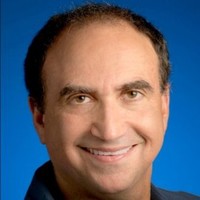 Yossi Matias合作论文数Google Research;Tel Aviv University;Verily Life Sciences;SandboxAQ;Israeli Advanced Technology Industries9
 Christopher Lee-Messer合作论文数Department of Neurology, Stanford University, Stanford, CA, USA8
 Juraj Gottweis合作论文数7
 Dale Webster合作论文数Google7
 James Manyika (詹姆斯·马尼卡)合作论文数Google-Alphabet;School of Government, University of Oxford;McKinsey & Company6
 Nenad Tomasev合作论文数Google DeepMind6
 Freyberg Jan合作论文数6
 David Stutz合作论文数Max Planck Institute for Informatics6
 Siyi Tang (汤斯怡)合作论文数ArteraAI5
 Avinatan Hassidim合作论文数Department of Computer Science, Faculty of Exact Sciences, Bar Ilan University;Google5
 Christopher Semturs合作论文数Google Hlth, Palo Alto, CA USA4
 Yun Liu合作论文数Google Research4
 Pushmeet Kohli合作论文数Google DeepMind4
 Shekoofeh Azizi合作论文数Google Research4
 Greg Corrado合作论文数Google4
 Ellery Wulczyn合作论文数Google4Wei-Hung Weng合作论文数3Amy Wang合作论文数3
 Karan Singhal合作论文数OpenAI3
 Albert Webson合作论文数Google DeepMind3
 Adam Rodman合作论文数Dept Med, Beth Israel Deaconess Med Ctr3
 Ali Eslami合作论文数Google DeepMind;Gemini3
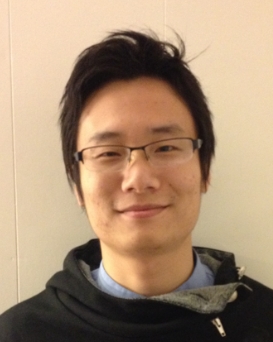 Le Hou合作论文数Google3
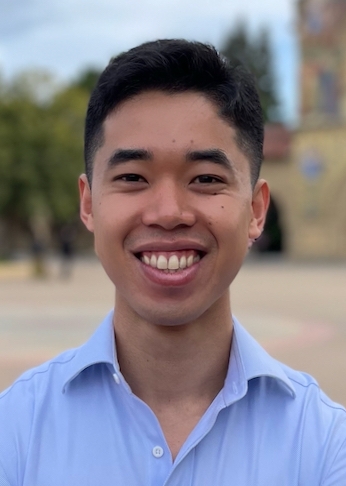 Tri Dao合作论文数Together AI;Princeton University3
 Alex Ratner合作论文数Paul G. Allen School of Computer Science & Engineering, University of Washington3
 Sarah Hooper合作论文数National Institutes of Health3
 David G. T. Barrett合作论文数Google DeepMind3
 Maya Varma合作论文数Department of Computer Science, Stanford University2Brian P Pogatchnik合作论文数2
 Prashast Srivastava合作论文数Purdue Univ, W Lafayette, IN 47907 USA2Jupinder Parmar合作论文数2
 Philip Andrew Mansfield合作论文数Graphical Memes Software Inc.2
 Florian Dubost合作论文数Corresponding author.2Abraham A Clements合作论文数2Naif Saleh Almakhdhub合作论文数2
 Brenna Li合作论文数School of Medicine, Stanford University2




