The Sanaga River Basin in Cameroon harbors a rich and largely undocumented ichthyofaunal diversity. This study presents the first complete mitochondrial genome dataset for nine freshwater fish species from the basin, spanning four teleost orders: Siluriformes, Characiformes, Cypriniformes, and Cichliformes. A total of 39 specimens were sequenced using Illumina NovaSeq, and mitogenomes were assembled and annotated via a dedicated bioinformatic pipeline. Genome sizes ranged from 16,524 to 16,692 bp, with GC content between 42% and 47%. All mitogenomes exhibited conserved gene structure and order, while the control region (D-loop) showed notable size variation, consistent with patterns observed in other teleosts. Phylogenetic analyses based on 13 protein-coding genes and two rRNA genes revealed well-supported monophyletic clades for each species, confirming taxonomic assignments and validating morphological identifications. This work provides foundational genomic resources for Sanaga basin freshwater fishes and contributes to regional efforts in taxonomy, phylogeography, and conservation.
The current economics of scientific publishing reveal a profound imbalance: academia pays prices far exceeding the actual costs of publication. Rather than supporting research, much of this expenditure sustains the profits of a few dominant commercial publishers. Transitioning to responsible publishing is a collective challenge that requires raising awareness among scientists about the problem and the solutions available. We present DAFNEE, a database of academia-friendly journals in ecology, evolutionary biology and archaeology (https://dafnee.isem-evolution.fr/). DAFNEE includes information on over 600 journals (co)run by academic or non-profit institutions, aiming at helping to keep publishing funds within the academic community. The database details these journal's business models, article processing charges, citation rates and partnerships. We show that DAFNEE journals compare favourably to non-DAFNEE ones in terms of editorial and financial policy, while offering similar citation rates. Finally, we offer several recommendations aimed at encouraging authors, reviewers, and evaluators to adopt more responsible publishing practices.
The black-chinned tilapia (Sarotherodon melanotheron) is an African fish species, found in freshwater, brackish, marine and especially hypersaline (up to 110‰) habitats in Senegambia. Using 16,786 filtered single nucleotide polymorphism (SNP) markers, we investigated whether it has responded adaptively to this fresh-to-hypersaline water gradient. Significant genetic differentiation between samples was observed, revealing an interplay between geographic and environmental variation. We focused on a set of 255 outlier SNPs indicative of adaptive variation, 119 of which mapped to annotated genes in the Oreochromis niloticus genome. Significant enrichment was found for physiological pathways relevant to osmosensing and osmoregulation (e.g., inositol phosphate, thyroid hormone synthesis pathways), but also for immune-related pathways that could be activated by ion fluxes (e.g., inflammasome). Some outlier loci mapped to genes that are known to respond to salinity variation in other organisms, including genes found to be differentially expressed in black-chinned tilapia. Adaptive variation along a fresh-to-hypersaline water gradient is well supported in black-chinned tilapia, but its association with climate change specifically induced by hypersalinity deserves further attention particularly in the context of increasing cases of inverted estuaries being reported worldwide.
Freshwaters represent less than 1% of Earth's surface and only 0.02% of the available aquatic habitable volume, yet they host nearly half of the 35,500 known species of bony fishes. Ostariophysan fishes account for 70% of all freshwater fish diversity, comprising approximately 12,000 species across five highly speciose orders. They represent a major evolutionary radiation, the internal phylogenetic relationships of which remain the subject of intense debate. To better understand their early evolutionary history and origin, we reconstructed their phylogeny using dense taxonomic sampling and a combined dataset of complete mitochondrial genomes and sequences from four nuclear genes. Phylogenetic relationships and divergence times were inferred using Bayesian and Maximum Likelihood approaches and molecular dating analyses on a dataset of 687 ostariophysan species, comprising 21,701 aligned positions, including 15,707 variable sites. We also applied model-based Maximum Likelihood ancestral area reconstruction to investigate the early evolutionary history of Otophysi. Our analyses yielded a highly supported phylogenetic hypothesis for Otophysi, highlighting the role of plate tectonics in driving multiple divergence events, along with subsequent range shifts. These findings are further supported by the contraction of the tropical belt, which began at the end of the Cretaceous and continued throughout the Paleogene. Our results support the divergence of Cypriniformes and Characiphysi as a consequence of the breakup of Laurasia and Gondwana. The origin of Characiphysi is traced to West Gondwana, and the subsequent expansion of the group cannot be explained without invoking transcontinental dispersal during the Upper Cretaceous-Paleocene.
The black-chinned tilapia ( Sarotherodon melanotheron ) is an African fish species, found in freshwater, brackish, marine and especially hypersaline (up to 110 ‰) habitats in Senegambia. Using 16,786 filtered single nucleotide polymorphism (SNP) markers, we investigated whether it has responded adaptively to this fresh-to-hypersaline water gradient. Significant genetic differentiation between samples was observed ( F ST = 0.0568, p < 0.01), revealing an interplay between geographic and environmental variation. We focused on a set of outlier SNPs ( n = 255; F ST = 0.320, p < 0.001) indicative of adaptive variation, 119 of which mapped to annotated genes in the Oreochromis niloticus genome. Significant enrichment was found for physiological pathways relevant to osmosensing and osmoregulation (e.g. inositol phosphate, thyroid hormone synthesis pathways), but also for immune-related pathways that could be activated by ion fluxes (e.g. inflammasome). Some outlier loci mapped to genes that are known to respond to salinity variation in other organisms, including genes found to be differentially expressed in black-chinned tilapia. Adaptive variation along a fresh-to-hypersaline water gradient is well supported in black-chinned tilapia, but its association with climate change specifically induced by hypersalinity deserves further attention particularly in the context of increasing cases of inverted estuaries being reported worldwide. ### Competing Interest Statement The authors have declared no competing interest. Key Initiative MUSE “Sea and Coasts” Ministry of Higher Education research and Innovation from Senegal
To date, the databases built to gather information on gene orthology do not provide end-users with descriptors of the molecular evolution information and phylogenetic pattern of these orthologues. In this context, we developed OrthoMaM, a database of ORTHOlogous MAmmalian Markers describing the evolutionary dynamics of coding sequences in mammalian genomes. OrthoMaM version 12 includes 15,868 alignments of orthologous coding sequences (CDS) from the 190 complete mammalian genomes currently available. All annotations and 1-to-1 orthology assignments are based on NCBI. Orthologous CDS can be mined for potential informative markers at the different taxonomic levels of the mammalian tree. To this end, several evolutionary descriptors of DNA sequences are provided for querying purposes (e.g. base composition and relative substitution rate). The graphical web interface allows the user to easily browse and sort the results of combined queries. The corresponding multiple sequence alignments and ML trees, inferred using state-of-the art approaches, are available for download both at the nucleotide and amino acid levels. OrthoMaM v12 can be used by researchers interested either in reconstructing the phylogenetic relationships of mammalian taxa or in understanding the evolutionary dynamics of coding sequences in their genomes. OrthoMaM is available for browsing, querying and complete or filtered download at https://orthomam.mbb.cnrs.fr/.
The importance of gene amplifications in evolution is more and more recognized. Yet, tools to study multi-copy gene families are still scarce, and many such families are overlooked using common sequencing methods. Haplotype reconstruction is even harder for polymorphic multi-copy gene families. Here, we show that all variants (or haplotypes) of a multi-copy gene family present in a single genome, can be obtained using Oxford Nanopore Technologies sequencing of PCR products, followed by steps of mapping, SNP calling and haplotyping. As a proof of concept, we acquired the sequences of highly similar variants of the cidA and cidB genes present in the genome of the Wolbachia wPip, a bacterium infecting Culex pipiens mosquitoes. Our method relies on a wide database of cid genes, previously acquired by cloning and Sanger sequencing. We addressed problems commonly faced when using mapping approaches for multi-copy gene families with highly similar variants. In addition, we confirmed that PCR amplification causes frequent chimeras which have to be carefully considered when working on families of recombinant genes. We tested the robustness of the method using a combination of bioinformatics (read simulations) and molecular biology approaches (sequence acquisitions through cloning and Sanger sequencing, specific PCRs and digital droplet PCR). When different haplotypes present within a single genome cannot be reconstructed from short reads sequencing, this pipeline confers a high throughput acquisition, gives reliable results as well as insights of the relative copy numbers of the different variants.
BACKGROUND:The murine leukemia virus (MLV) has been a powerful model of pathogenesis for the discovery of genes involved in cancer. Its splice donor (SD')-associated retroelement (SDARE) is important for infectivity and tumorigenesis, but the mechanism remains poorly characterized. Here, we show for the first time that P50 protein, which is produced from SDARE, acts as an accessory protein that transregulates transcription and induces cell transformation.RESULTS:By infecting cells with MLV particles containing SDARE transcript alone (lacking genomic RNA), we show that SDARE can spread to neighbouring cells as shown by the presence of P50 in infected cells. Furthermore, a role for P50 in cell transformation was demonstrated by CCK8, TUNEL and anchorage-independent growth assays. We identified the integrase domain of P50 as being responsible for transregulation of the MLV promoter using luciferase assay and RTqPCR with P50 deleted mutants. Transcriptomic analysis furthermore revealed that the expression of hundreds of cellular RNAs involved in cancerogenesis were deregulated in the presence of P50, suggesting that P50 induces carcinogenic processes via its transcriptional regulatory function.CONCLUSION:We propose a novel SDARE-mediated mode of propagation of the P50 accessory protein in surrounding cells. Moreover, due to its transforming properties, P50 expression could lead to a cellular and tissue microenvironment that is conducive to cancer development.
This study developed a new bioinformatics pipeline to acquire all the different copies of multi-copy gene families based on Oxford Nanopore Technologies sequencing of PCR products. We used this pipeline to acquire the sequences of highly similar copies of the cidA and cidB genes present in the genomes of Wolbachia pipientis (wPip) bacteria infecting the cells of Culex pipiens mosquitoes. The approach is based on read mapping, SNP calling and haplotyping, using our already wide existing reference database for the cid genes obtained by cloning and Sanger sequencing. We addressed problems commonly faced when using mapping approaches for multi-copy gene families with highly similar variants (or haplotypes). In addition, we confirmed that PCR amplification causes frequent chimeras which have to be carefully considered when working on families of recombinant genes. We tested the robustness of the pipeline through a combination of analyses of simulated reads and of gene sequence acquisitions through cloning and Sanger sequencing. For genes of which the haplotype cannot be reconstructed from short reads sequencing, this pipeline confers a high throughput acquisition, gives reliable results as well as insights of the relative copy numbers of the different variants. ### Competing Interest Statement The authors have declared no competing interest.
Lycopodina hypogea is a carnivorous sponge that tolerates laboratory husbandry very well. During a digestion cycle, performed without any digestive cavity, this species undergoes spectacular morphological changes leading to a total regression of long filaments that ensure the capture of prey and their reformation at the end of the cycle. This phenomenon is a unique opportunity to analyze the molecular and cellular determinants that ensure digestion in the sister group of all other metazoans. Using differential transcriptomic analysis coupled with cell biology studies of proliferation, differentiation, and programmed cell deaths (i.e., autophagy and the destructive/constructive function of apoptosis), we demonstrate that the molecular and cellular actors that ensure digestive homeostasis in a sister group of all remaining animals are similar in variety and complexity to those controlling tissue homeostasis in higher vertebrates. During a digestion cycle, most of these actors are finely tuned in a coordinated manner. Our data benefits from complementary approaches coupling in silico and cell biology studies and demonstrate that the nutritive function is provided by the coordination of molecular network that impacts the cells turnover in the entire organism.
Reinforcement has the potential to generate strong reproductive isolation through the evolution of barrier traits as a response to selection against maladaptive hybridization, but the genetic changes associated with this process remain largely unexplored. Building upon the increasing evidence for a role of structural variants in adaptation and speciation, we addressed the role of copy-number variation in the reinforcement of sexual isolation evidenced between the two European subspecies of the house mouse. We characterized copy-number divergence between populations of Mus musculus musculus that display assortative mate choice, and those that do not, using whole-genome resequencing data. Updating methods to detect deletions and tandem duplications (collectively: copy-number variants, CNVs) in Pool-Seq data, we developed an analytical pipeline dedicated to identifying genomic regions showing the expected pattern of copy-number displacement under a reinforcement scenario. This strategy allowed us to detect 1824 deletions and seven tandem duplications that showed extreme differences in frequency between behavioural classes across replicate comparisons. A subset of 480 deletions and four tandem duplications were specifically associated with the derived trait of assortative mate choice. These ‘Choosiness-associated’ CNVs occur in hundreds of genes. Consistent with our hypothesis, such genes included olfactory receptors potentially involved in the olfactory-based assortative mate choice in this system as well as one gene, Sp110, that is known to show patterns of differential expression between behavioural classes in an organ used in mate choice—the vomeronasal organ. These results demonstrate that fine-scale structural changes are common and highly variable within species, despite being under-studied, and may be important targets of reinforcing selection in this system and others. This article is part of the theme issue ‘Towards the completion of speciation: the evolution of reproductive isolation beyond the first barriers’.
Sponges are an ancient basal life form, so understanding their evolution is key to understanding all metazoan evolution. Sponges have very unusual feeding mechanisms, with an intricate network of progressively optimized filtration units: from the simple choanocyte lining of a central cavity, or spongocoel, to more complex chambers and canals. Furthermore, in a single evolutionary event, a group of sponges transitioned to carnivory. This major evolutionary transition involved replacing the filter-feeding apparatus with mobile phagocytic cells that migrate collectively towards the trapped prey. Here, we focus on the diversity and evolution of sponge nutrition systems and the amazing adaptation to carnivory.
We present version 10 of OrthoMaM, a database of orthologous mammalian markers. OrthoMaM is already 11 years old and since the outset it has kept on improving, providing alignments and phylogenetic trees of high-quality computed with state-of-the-art methods on up-to-date data. The main contribution of this version is the increase in the number of taxa: 116 mammalian genomes for 14,509 one-to-one orthologous genes. This has been made possible by the combination of genomic data deposited in Ensembl complemented by additional good-quality genomes only available in NCBI. Version 10 users will benefit from pipeline improvements and a completely redesigned web-interface.
Diverging semi-isolated lineages either meet in narrow clinal hybrid zones, or have a mosaic distribution associated with environmental variation. Intrinsic reproductive isolation is often emphasized in the former and local adaptation in the latter, although both can contribute to isolation. Rarely these two patterns of spatial distribution are reported in the same study system. Here we report that the long-snouted seahorse Hippocampus guttulatus is subdivided into discrete panmictic entities by both types of hybrid zones. Along the European Atlantic coasts, a northern and a southern lineage meet in the southwest of France where they coexist in sympatry with little hybridization. In the Mediterranean Sea, two lineages have a mosaic distribution, associated with lagoon-like and marine habitats. A fifth lineage was identified in the Black Sea. Genetic homogeneity over large spatial scales contrasts with isolation maintained in sympatry or close parapatry at a fine scale. A high variation in locus-specific introgression rates provides additional evidence that partial reproductive isolation must be maintaining the divergence. Surprisingly, fixed differences between lagoon and marine populations in the Mediterranean Sea belong to the most differentiated SNPs between the two Atlantic lineages, against the genome-wide pattern of structure. These parallel outlier SNPs cluster on a single chromosome-wide island of differentiation. Since Atlantic lineages do not match the lagoon-sea habitat variation, genetic parallelism at the genomic island suggests a shared genetic barrier contributes to reproductive isolation in contrasting contexts - i.e. spatial vs . ecological. We discuss how a genomic hotspot of parallel differentiation could have evolved and become associated either with space or with a patchy environment in a single study system.
Background: Multiple RNA samples are frequently processed together and often mixed before multiplex sequencing in the same sequencing run. While different samples can be separated post sequencing using sample barcodes, the possibility of cross contamination between biological samples from different species that have been processed or sequenced in parallel has the potential to be extremely deleterious for downstream analyses. Results: We present CroCo, a software package for identifying and removing such cross contaminants from assembled transcriptomes. Using multiple, recently published sequence datasets, we show that cross contamination is consistently present at varying levels in real data. Using real and simulated data, we demonstrate that CroCo detects contaminants efficiently and correctly. Using a real example from a molecular phylogenetic dataset, we show that contaminants, if not eliminated, can have a decisive, deleterious impact on downstream comparative analyses. Conclusions: Cross contamination is pervasive in new and published datasets and, if undetected, can have serious deleterious effects on downstream analyses. CroCo is a database-independent, multi-platform tool, designed for ease of use, that efficiently and accurately detects and removes cross contamination in assembled transcriptomes to avoid these problems. We suggest that the use of CroCo should become a standard cleaning step when processing multiple samples for transcriptome sequencing.
The house mouse is a powerful model to dissect the genetic basis of phenotypic variation, and serves as a model to study human diseases. Despite a wealth of discoveries, most classical laboratory strains have captured only a small fraction of genetic variation known to segregate in their wild progenitors, and existing strains are often related to each other in complex ways. Inbred strains of mice independently derived from natural populations have the potential to increase power in genetic studies with the addition of novel genetic variation. Here, we perform exome-enrichment and high-throughput sequencing (~8× coverage) of 26 wild-derived strains known in the mouse research community as the “Montpellier strains.” We identified 1.46 million SNPs in our dataset, approximately 19% of which have not been detected from other inbred strains. This novel genetic variation is expected to contribute to phenotypic variation, as they include 18,496 nonsynonymous variants and 262 early stop codons. Simulations demonstrate that the higher density of genetic variation in the Montpellier strains provides increased power for quantitative genetic studies. Inasmuch as the power to connect genotype to phenotype depends on genetic variation, it is important to incorporate these additional genetic strains into future research programs.
 François Bonhomme合作论文数The Institute of Evolutionary Science of Montpellier10
 Nicolas Galtier合作论文数Institut des Sciences de l’Evolution Montpellier9Pierre Boursot合作论文数Laboratoire Génome, Université Montpellier II9Janice Britton-Davidian合作论文数8Caminade Pierre合作论文数7
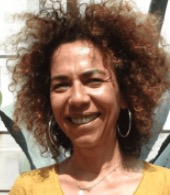 Mylène Weill合作论文数Institut des Sciences de l’Evolution de Montpellier, Université de Montpellier;Institut Écologie et Environnement, French National Centre for Scientific Research7Patrick Makoundou合作论文数7Annie Orth合作论文数6
 Vincent Ranwez合作论文数UMR AGAP, Montpellier SupAgro6E Desmarais合作论文数6
 Carole Smadja合作论文数Institute of Evolutionary Science of Montpellier, Centre National de la Recherche Scientifique6Arnaud Berthomieu合作论文数5F Bonhomme合作论文数5Baba-Moussa Lamine S.合作论文数5
 Pascal Milesi合作论文数Evolutionary Biology Centre, Uppsala University5
 Luc Djogbenou合作论文数5
 Pierrick Labbe合作论文数CNRS, Université Montpellier 25
 Anna-Sophie Fiston-Lavier合作论文数Stanford University, CNRS-Université Montpellier 25
 Assogba Bénoît S合作论文数Institut Régional de Santé Publique, Université d'Abomey Calavi5
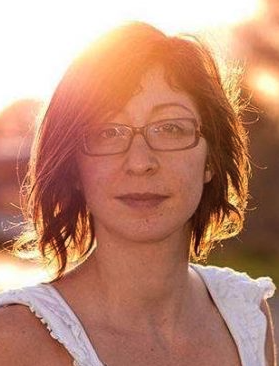 Celine Scornavacca合作论文数The Institute of Evolutionary Science of Montpellier, University of Montpellier5
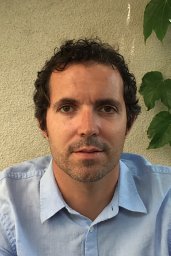 Frédéric Delsuc合作论文数Institut des Sciences de l'Evolution, Université Montpellier II;The Allan Wilson Centre for Molecular Ecology and Evolution, Massey University;Université Montpellier II, Massey University5
 Henry L North合作论文数Dept Zool, Univ Cambridge4
 Bruno Guinand合作论文数Department of Fisheries and Wildlife, Michigan State University4
 Sylvain Glémin合作论文数Centre National de la Recherche Scientifique;Laboratoire ECOBIO UMR 6553, Université Rennes 14Kevin J. Dawson合作论文数4
 Emmanuel J. P. Douzery合作论文数Laboratoire de Palontologie;Institut des Sciences;Evolution de Montpellier;Laboratoire de Palontologie, Institut des Sciences|4B Dod合作论文数3Nelly Godefroy合作论文数3Nicolas Bierne合作论文数3Dany Severac合作论文数Univ Montpellier 2, Inst Genom Fonctionnelle, CNRS, INSERM,U661,UMR 5203, F-34000 Montpellier, France3Ballenghien Marion合作论文数3Bernard Aurélien合作论文数3
 Philippe Gayral合作论文数3
 Vincent Castric合作论文数Université Lille Nord de France3
 Mbaye Tine合作论文数3
 Philippe Borsa合作论文数Institut3C Moulia合作论文数2v cahais合作论文数2Touria Benazzou合作论文数2
 Audrey Rohfritsch合作论文数2Emilie Le Goff合作论文数2Simon George合作论文数2
 Iago Bonnici合作论文数2
 Alice Namias合作论文数Univ Montpellier2B König合作论文数2
 Vincent Cahais合作论文数2
 Jean-Francois Baroiller合作论文数CIRAD, ISEM, UMR116, Montpellier, France2
 Lounes Chikhi合作论文数Inst Gulbenkian Ciencias2




