Herein, we report a composite structure composed of vertically grown molybdenum disulfide (MoSx) nanosheets supported by conductive carbon nanotube-reduced graphene oxide (CNT-rGO) on Vietnamese traditional paper (MoSx/CNT-rGO/VTP) for a high-performance electrochemical hydrogen evolution reaction (HER). In the fabrication, CNT-rGO is first prepared on VTP by roll coating, following which the vertically aligned MoS2 nanosheets are synthesized on the surface of CNT-rGO/VTP through a simple hydrothermal reaction. The catalyst exhibits excellent HER electrocatalytic activity including a low onset potential of 190 mV, Tafel slope of 59 mV dec(-1), and excellent stability in an acidic electrolyte solution. The excellent catalytic performance can be attributed to the abundant active edges provided by the vertically aligned MoSx nanosheets, as well as the effective electron transport provided by the CNT-rGO conductive substrate. Therefore, our study demonstrates an inexpensive and simple method to facilitate the large-scale application of non-noble catalysts. In addition, the method can be extended to the development of other transition metal dichalcogenide composite structures for electrochemical applications. (C) 2020 Elsevier B.V. All rights reserved.
The development of enzymatic biofuel cells has been plagued by the high cost of enzyme purification and low efficiency of fuel oxidation. Here, we demonstrate a protein purification-free approach to assemble an alcohol dehydrogenase and aldehyde dehydrogenase enzyme cascade-based bioanode for use in a methanol biofuel cell. Each enzyme was fused to a different sequence-specific zinc finger DNA-binding protein. The zinc finger domains serve as both tags to isolate the enzymes from crude cell lysates as well as anchors to immobilize the enzymes on DNA-modified multiwalled carbon nanotubes. The biofuel cells based on the enzyme cascade bioanodes show a maximum power output of 24.5 ± 3.2 μW cm–2, which is comparable to fuel cells utilizing purified enzymes. Further analysis of kinetic behavior revealed a significant increase in the reactivity of the complexes due to substrate channeling of the aldehyde intermediate.
We present the preparation of a redox DNA hydrogel for mediated bioelectrocatalysis of oxidoreductase enzymes for biosensor and biofuel cell applications. The noncovalent functionalization of DNA with redox molecules is achieved by intercalation of aromatic redox probes into the DNA double helix or electrostatic binding of redox-active tetraalkylammonium ions to phosphate groups on DNA. Prepared DNA redox hydrogels demonstrate the capability of mediating bioelectrocatalytic glucose oxidation by oxidoreductase enzymes. This is the first evidence that redox DNA hydrogels can replace redox polymer hydrogels for self-exchange-based mediation for bioelectrocatalytic applications. This study contributes toward advances in the use of DNA, an emerging biomaterial, in enzymatic bioelectrocatalysis-based applications.
We present here the construction of a DNA biosensor based on a tubular micromotor that only produces motion-based signal in the presence of DNA target. This "turn on" characteristic of the sensor is achieved by the addition of Pt nanoparticle-DNA conjugate as the motion-inducing catalyst for the micromotors through DNA hybridization. Our work potentially offers new design strategies for motion-based biosensors with higher specificity.
We report the usage of DNA hydrogels for enzyme entrapment in an enzymatic biobattery. With the recent advancements in DNA nanotechnology, the incorporation of DNA materials to bioelectrocatalytic electrodes holds great promise to improve the performance of bioelectrocatalysis-based devices.
Femtosecond time-resolved IR spectroscopy is used to investigate the excited-state dynamics of a dinucleotide containing an 8-oxoguanine anion at the 5'-end and neutral adenine at the 3'-end. UV excitation of the dinucleotide transfers an electron from deprotonated 8-oxoguanine to its π-stacked neighbor adenine in less than 1 ps, generating a neutral 8-oxoguanine radical and an adenine radical anion. These species are identified by the excellent agreement between the experimental and calculated IR difference spectra. The quantum efficiency of this ultrafast charge shift reaction approaches unity. Back electron transfer from the adenine radical anion to the 8-oxguanine neutral radical occurs in 9 ps, or approximately 6 times faster than between the adenine radical anion and the 8-oxoguanine radical cation (Zhang, Y. et al. Proc. Natl. Acad. Sci. U.S.A. 2014, 111, 11612-11617). The large asymmetry in forward and back electron transfer rates is fully rationalized by semiclassical nonadiabatic electron transfer theory. Forward electron transfer is ultrafast because the driving force is nearly equal to the reorganization energy, which is estimated to lie between 1 and 2 eV. Back electron transfer is highly exergonic and takes place much more slowly in the Marcus inverted region.
Over the last decade, there has been substantial research focused on multi-enzyme cascades as anodic catalysts to improve the performance of enzymatic biofuel cells, as it allows for the conversion of more chemical energy stored in complex fuels. However, the performance of these enzyme systems is often limited by the mass transport of intermediate substrates between enzymes. Nature addresses this issue by organizing metabolic enzymes in a sequential and proximal manner to enhance the efficiency of metabolic pathways. In this work, we investigate the utilization of DNA as a structural scaffold for the assembly of the invertase/glucose oxidase enzymatic supercomplex to improve sucrose bioelectrocatalytic activity. It has been found that the DNA-assembled enzyme cascade has higher activity than the free cascade, both in solution and in the immobilized state on a bioanode surface. The organization of the enzyme cascade on the DNA scaffold leads to a 100% increase in the current density in amperometric measurements for a sucrose biosensor and a 75% increase in the power density of the biofuel cell. This is the first evidence of the advantages of utilizing DNA scaffords for improved bioelectrocatalysis.
Significance UV photons are absorbed strongly by DNA, but rarely cause permanent photodamage. Single nucleobases are protected by ultrafast nonradiative decay, but excited states in single- and double-stranded DNA decay very differently. An intensely debated question is whether a UV photon can move an electron from one nucleobase to another along a single strand. This study demonstrates that UV absorption efficiently transfers an electron from an oxidatively damaged guanine (8-oxo-G) to adenine in a dinucleotide mimic of the flavin cofactor FADH 2 , yielding radicals that decay in 60 ps. It is proposed that the photoredox activity of 8-oxo-G, which may have repaired cyclobutane pyrimidine dimers in the RNA world, reflects the importance of ultrafast charge separation between stacked nucleobases by UV radiation.
Present-day organisms are under constant environmental stress that damages bases in DNA, leading to mutations. Without DNA repair processes to correct these errors, such damage would be catastrophic. Organisms in all kingdoms have repair processes ranging from direct reversal to base excision and nucleotide excision repair, and the recently characterized giant viruses also include these mechanisms. At what point in the evolution of genomes did active repair mechanisms become critical? In particular, how did early RNA genomes protect themselves from UV photodamage that would have hampered nonenzymatic replication and led to a mutation rate too high to pass on accurate sequence information from one generation to the next? Photolyase is a widespread and phylogenetically ancient enzyme that utilizes longer wavelength light to cleave thymine dimers in DNA produced via photodamage. The protein serves as a binding scaffold but does not contribute to the catalytic chemistry; the action of the dinucleotide cofactor FADH(2) breaks the chemical bonds. This small bit of RNA, hailed as a "fossil of the RNA World," contains the flavin heterocycle, whose redox activity has been harnessed for myriad functions of life from metabolism to DNA repair. In present-day biochemistry, flavin biosynthesis begins with guanosine and proceeds through seven steps catalyzed by protein-based enzymes. This leads to the question of how flavins originally evolved. Did the RNA world include ancestral RNA bases with greater redox activity than G, A, C, and U that were capable of photorepair of uracil dimers? Could those ancestral bases have chemically evolved to the current flavin structure? Or did flavins already exist from prebiotic chemical synthesis? And were they then co-opted as catalysts for repair sometime after metabolism was established? In this Account, we analyze simple derivatives of guanosine and other bases that show two prerequisites for flavin-like photolyase activity: a significantly lowered one-electron reduction potential and a red-shifted adsorption spectrum that facilitates excited-state electron transfer in a spectral window that does not produce cyclobutane pyrimidine dimers. Curiously, the best candidate for a primordial flavin is a base damage product, 8-oxo-7,8-dihydroguanine (8-oxoGua or "OG"). Other redox-active ribonucleotides include 5-hydroxycytidine and 5-hydroxyuridine, which display some of the characteristics of flavins, but might also behave like NADH.
The 8‐oxopurine nucleosides 2′,3′,5′‐tri‐O‐acetyl‐8‐oxo‐7,8‐dihydroguanosine (OG) and 2′,3′,5′‐tri‐O‐acetyl‐ribosyluric acid (RU) were studied for their ability to mediate the photochemical (λ > 300 nm) reversion of cyclobutane pyrimidine dimers to their parent pyrimidines thymine and uracil. The bimolecular reactions of these monomers proceeded at very slow rates compared with recently published work using oligonucleotide contexts; nevertheless, it was possible to make comparisons between the efficacy of OG and RU as photocatalysts as a function of pH. Although RU has a lower redox potential and anionic character, it was only equivalent to OG in facilitating thymine dimer photorepair over a broad pH range. Only OG showed pH‐dependent behavior with higher activity at pH 8–9 where the base becomes deprotonated. Despite the overall low activity of OG and RU, the results are instructive with respect to a comparison of the two 8‐oxopurines, and support the hypothesis that 8‐oxopurine nucleosides may have played primordial roles as precursors to modern‐day flavins in redox reactions of the RNA world. Copyright © 2012 John Wiley & Sons, Ltd.
Redox-active enzyme cofactors derived from ribonucleotides have been called "fossils of the RNA world," suggesting that early catalysts employed modified nucleobases to facilitate redox chemistry in primitive metabolism. Here, we show that the common oxidative damage product 8-oxo-7,8-dihydroguanine (OG), when incorporated into a DNA or RNA strand in proximity to a cyclobutane pyrimidine dimer, can mimic the function of a flavin in photorepair. The OG nucleotide acts catalytically in a mechanism consistent with that of photolyase in which the photoexcited state of the purine donates an electron to a pyrimidine dimer to initiate bond cleavage; subsequent back electron transfer regenerates OG. This unusual example of one form of DNA damage, oxidation, functioning to repair another, photodimerization, may provide insight into the origins of prebiotic redox processes.
Uric acid, a cellular antioxidant, undergoes oxidation in the presence of one-electron oxidants as well as singlet oxygen. In the present work, the oxidation pathways and products formed from oxidation of the uric acid nucleoside are compared to the more commonly studied uric acid free base. A wider distribution of products, including allantoin, urea, caffolide, and 5-carboxamido-5-hydroxyhydantoin nucleosides, are formed when the N9 position of uric acid is glycosylated. The oxidation pathways share some features in common with the oxidation of 8-oxo-7,8-dihydroguanosine, but the additional spectrum of products implies that the combination of oxidative and deaminative damage to guanosine may lead to a more complex set of DNA lesions than originally described.
Glycosaminoglycan (GAG) biosynthesis requires numerous biosynthetic enzymes and activated sulfate and sugar donors. Although the sequence of biosynthetic events is resolved using reconstituted systems, little is known about the emergence of cell-specific GAG chains (heparan sulfate, chondroitin sulfate, and dermatan sulfate) with distinct sulfation patterns. We have utilized a library of click-xylosides that have various aglycones to decipher the mechanism of GAG biosynthesis in a cellular system. Earlier studies have shown that both the concentration of the primers and the structure of the aglycone moieties can affect the composition of the newly synthesized GAG chains. However, it is largely unknown whether structural features of aglycone affect the extent of sulfation, sulfation pattern, disaccharide composition, and chain length of GAG chains. In this study, we show that aglycones can switch not only the type of GAG chains, but also their fine structures. Our findings provide suggestive evidence for the presence of GAGOSOMES that have different combinations of enzymes and their isoforms regulating the synthesis of cell-specific combinatorial structures. We surmise that click-xylosides are differentially recognized by the GAGOSOMES to generate distinct GAG structures as observed in this study. These novel click-xylosides offer new avenues to profile the cell-specific GAG chains, elucidate the mechanism of GAG biosynthesis, and to decipher the biological actions of GAG chains in model organisms.
 Cynthia J. Burrows合作论文数Department of Chemistry, College of Science, University of Utah9
 Shelley D. Minteer合作论文数Department of Chemistry, Missouri University of Science and Technology;Kummer Institute Center for Resource Sustainability, Missouri University of Science and Technology;Minteer Research Lab, Missouri University of Science and Technology6
 Xibo Li (李希波)合作论文数Department of Physics, College of Physics & Optoelectronic Engineering, Jinan University4
 Yuyuan Zhang合作论文数3
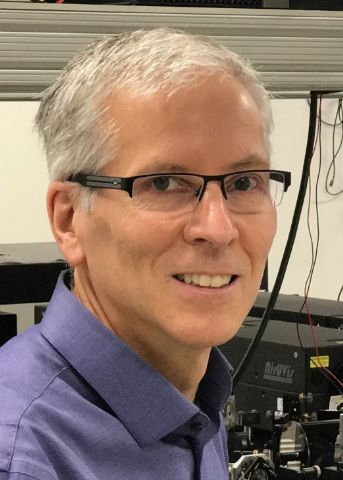 Bern Kohler合作论文数Department of Chemistry and Biochemistry, College of Arts and Sciences, The Ohio State University3
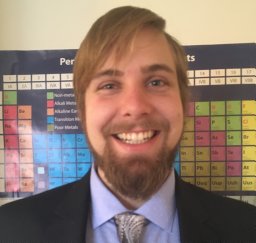 Jordan Dood合作论文数Department of Chemistry and Biochemistry, Montana State University;Department of Chemistry and Biochemistry, Montana State University3
 Roberto Improta合作论文数CNR Istituto di Biostrutture e Bioimmagini3Beckstead Ashley A合作论文数3
 Yaovi Holade合作论文数UMR CNRS 7285, Université de Poitiers;Équipe SAMCat", 4, rue Michel Brunet, B27, TSA 51106, 86073 Poitiers cedex 09, France. boniface.kokoh@univ-poitiers.fr.;"Équipe SAMCat", Université de Poitiers2Van-Huy Nguyen合作论文数1Thao K. N. Nguyen合作论文数1
 Dang Le Tri Nguyen合作论文数Fac Appl Sci, Ton Duc Thang Univ1Mahider Tekalgne合作论文数Chung-Ang University1
 Kevin Dooley合作论文数Codiak BioSci Inc1H.h. Do合作论文数Institute for Computational Science and Technology1
 Amirhossein Hasani合作论文数Sch Engn Sci, Simon Fraser Univ1Soo-Young Kim合作论文数Department of Anthropology, Princeton University1
 Scott Banta合作论文数Department of Chemical Engineering, The Fu Foundation School of Engineering and Applied Science, Columbia University in the City of New York;Department of Systems Biology, Columbia University in the City of New York;Columbia Electrochemical Energy Center, The Fu Foundation School of Engineering and Applied Science, Columbia University in the City of New York1Kuberan Balagurunathan合作论文数1
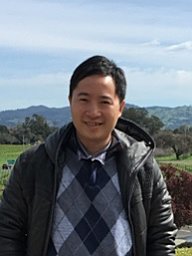 Trinh Quang Thang合作论文数1
 Quyet Van Le合作论文数Laboratory of Energy and Environmental Science, College of Space and Aeronautics, Gyeongsang National University1
 Le Hoang Sinh合作论文数1
 Fabien Giroud合作论文数1
 Nguyen Thang Phan合作论文数1
 Plamen Atanassov合作论文数The University of New Mexico;Atanassov Lab, Samueli School of Engineering, University of California, Irvine1Tae Hyung Lee合作论文数Dept. of Urology, Hanyang University1
 Dai-Viet N. Vo合作论文数Institute of Environmental Sciences, Nguyen Tat Thanh University1Ethirajan Manivannan合作论文数1
 Ho Won Jang合作论文数Department of Materials Science and Engineering, Seoul National University1Xylophone V. Victor合作论文数1Vy M. Tran合作论文数1James G. Muller合作论文数1




