Leaf imaging via microscopy has provided critical insights into research on photosynthesis at multiple junctures, from the early understanding of the role of stomata, through elucidating C4 photosynthesis via Kranz anatomy and chloroplast arrangement in single cells, to detailed explorations of diffusion pathways and light utilization gradients within leaves. In recent decades, the original two-dimensional (2D) explorations have begun to be visualized in three-dimensional (3D) space, revising our understanding of structure-function relationships between internal leaf anatomy and photosynthesis. In particular, advancing new technologies and analyses are providing fresh insight into the relationship between leaf cellular components and improving the ability to model net carbon fixation, water use efficiency, and metabolite turnover rate in leaves. While ground-breaking developments in imaging tools and techniques have expanded our knowledge of leaf 3D structure via high-resolution 3D and time-series images, there is a growing need for more in vivo imaging as well as metabolite imaging. However, these advances necessitate further improvement in microscopy sciences to overcome the unique challenges a green leaf poses. In this review, we discuss the available tools, techniques, challenges, and gaps for efficient in vivo leaf 3D imaging, as well as innovations to overcome these difficulties.
EDITORIAL article Front. Plant Sci., 22 October 2021Sec.Plant Systematics and Evolution https://doi.org/10.3389/fpls.2021.774818
Over the last several years, immense technological advances have been made in imaging methods to gain a better understanding of structure and chemical composition of cells, tissue and other microscopic biological samples. Nevertheless, a need still exists for an imaging strategy where chemical and structural information can be gained in the native state without any staining and complicated sample preparation. Raman microscopy offers one such non-invasive imaging technique resolving molecular spectral fingerprints with spatial resolution as good as fluorescence microscopy. We present here a hyperspectral light-sheet Raman microscope, combining the high spatial resolution and chemical specificity of Raman microscopy with the fast data collection and 3D volume imaging capability of light-sheet microscopy. The thin sheet of laser excitation at the sample is attained by producing a Bessel beam from a 785 nm continuous wave laser and scanning the thin pencil laser beam over the sample area. Raman scattering detection is done through an orthogonally placed high-NA objective, de-scanned using a piezo scanner and detected by a sCMOS camera, after chromatic dispersion from a spectrometer. The hyperspectral data cube detection scheme employed here provides simultaneous spectral identification and spatial localization of the multiple chemical components in the sample. This microscope with its high temporal resolution will be ideal for following the rapidly localizing 13C isotope distribution in plants and capturing the dynamics of fluxes from primary metabolism into secondary metabolic pathways.
SummaryThe engineering of C4 photosynthetic activity into the C3 plant rice has the potential to nearly double rice yields. To engineer a two‐cell photosynthetic system in rice, the rice bundle sheath (BS) must be rewired to enhance photosynthetic capacity. Here, we show that BS chloroplast biogenesis is enhanced when the transcriptional activator, Oryza sativa Cytokinin GATA transcription factor 1 (OsCGA1), is driven by a vascular specific promoter. Ectopic expression of OsCGA1 resulted in increased BS chloroplast planar area and increased expression of photosynthesis‐associated nuclear genes (PhANG), required for the biogenesis of photosynthetically active chloroplasts in BS cells of rice. A further refinement using a DNAse dead Cas9 (dCas9) activation module driven by the same cell‐type specific promoter, directed enhanced chloroplast development of the BS cells when gRNA sequences were delivered by the dCas9 module to the promoter of the endogenous OsCGA1 gene. Single gRNA expression was sufficient to mediate the transactivation of both the endogenous gene and a transgenic GUS reporter fused with OsCGA1 promoter. Our results illustrate the potential for tissue‐specific dCas9‐activation and the co‐regulation of genes needed for multistep engineering of C4 rice.
C4 photosynthesis evolved over 65 times, with around 24 origins in the eudicot order Caryophyllales. In the Caryophyllales family Nyctaginaceae, the C4 pathway is known in three genera of the tribe Nyctagineae: Allionia, Okenia and Boerhavia. Phylogenetically, Allionia and Boerhavia/Okenia are separated by three genera whose photosynthetic pathway is uncertain. To clarify the distribution of photosynthetic pathways in the Nyctaginaceae, we surveyed carbon isotope ratios of 159 species of the Nyctaginaceae, along with bundle sheath (BS) cell ultrastructure, leaf gas exchange, and C4 pathway biochemistry in five species from the two C4 clades and closely related C3 genera. All species in Allionia, Okenia and Boerhavia are C4, while no C4 species occur in any other genera of the family, including three that branch between Allionia and Boerhavia. This demonstrates that C4 photosynthesis evolved twice in Nyctaginaceae. Boerhavia species use the NADP-malic enzyme (NADP-ME) subtype of C4 photosynthesis, while Allionia species use the NAD-malic enzyme (NAD-ME) subtype. The BS cells of Allionia have many more mitochondria than the BS of Boerhavia. Bundle sheath mitochondria are closely associated with chloroplasts in Allionia which facilitates CO2 refixation following decarboxylation by mitochondrial NAD-ME. The close relationship between Allionia and Boerhavia could provide insights into why NADP-ME versus NAD-ME subtypes evolve, particularly when coupled to analysis of their respective genomes. As such, the group is an excellent system to dissect the organizational hierarchy of convergent versus divergent traits produced by C4 evolution, enabling us to understand when convergence is favored versus when divergent modifications can result in a common phenotype.
The Australian grass subtribe Neurachninae contains closely related species that use C-3, C-4, and C-2 photosynthesis. To gain insight into the evolution of C-4 photosynthesis in grasses, we examined leaf gas exchange, anatomy and ultrastructure, and tissue localization of Gly decarboxylase subunit P (GLDP) in nine Neurachninae species. We identified previously unrecognized variation in leaf structure and physiology within Neurachne that represents varying degrees of C-3-C-4 intermediacy in the Neurachninae. These include inverse correlations between the apparent photosynthetic carbon dioxide (CO2) compensation point in the absence of day respiration (C-*) and chloroplast and mitochondrial investment in the mestome sheath (MS), where CO2 is concentrated in C-2 and C-4 Neurachne species; width of the MS cells; frequency of plasmodesmata in the MS cell walls adjoining the parenchymatous bundle sheath; and the proportion of leaf GLDP invested in the MS tissue. Less than 12% of the leaf GLDP was allocated to the MS of completely C-3 Neurachninae species with C-* values of 56-61 mu mol mol(-1), whereas two-thirds of leaf GLDP was in the MS of Neurachne lanigera, which exhibits a newly-identified, partial C-2 phenotype with C-* of 44 mu mol mol(-1). Increased investment of GLDP in MS tissue of the C-2 species was attributed to more MS mitochondria and less GLDP in mesophyll mitochondria. These results are consistent with a model where C-4 evolution in Neurachninae initially occurred via an increase in organelle and GLDP content in MS cells, which generated a sink for photorespired CO2 in MS tissues.
The chloroplastic 2-oxaloacetate (OAA)/malate transporter (OMT1 or DiT1) takes part in the malate valve that protects chloroplasts from excessive redox poise through export of malate and import of OAA. Together with the glutamate/malate transporter (DCT1 or DiT2), it connects carbon with nitrogen assimilation, by providing 2-oxoglutarate for the GS/GOGAT (glutamine synthetase/glutamate synthase) reaction and exporting glutamate to the cytoplasm. OMT1 further plays a prominent role in C-4 photosynthesis: OAA resulting from phosphoenolpyruvate carboxylation is imported into the chloroplast, reduced to malate by plastidic NADP-malate dehydrogenase, and then exported for transport to bundle sheath cells. Both transport steps are catalyzed by OMT1, at the rate of net carbon assimilation. To engineer C-4 photosynthesis into C-3 crops, OMT1 must be expressed in high amounts on top of core C-4 metabolic enzymes. We report here high-level expression of ZmOMT1 from maize in rice (Oryza sativa ssp. indica IR64). Increased activity of the transporter in transgenic rice was confirmed by reconstitution of transporter activity into proteoliposomes. Unexpectedly, overexpression of ZmOMT1 in rice negatively affected growth, CO2 assimilation rate, total free amino acid content, tricarboxylic acid cycle metabolites, as well as sucrose and starch contents. Accumulation of high amounts of aspartate and the impaired growth phenotype of OMT1 rice lines could be suppressed by simultaneous overexpression of ZmDiT2. Implications for engineering C-4 rice are discussed.
Leaves on plants undergo a transition from a sink (a net carbon importer) to a source (a net carbon exporter) during their development. This conversion from sink to a photosynthetic source marks a fundamental transition in the physiology of the leaf, profoundly altering the carbohydrate metabolism and acting as one of the major determinants of plant performance. Hence a considerable amount of study is underway to understand its biochemical and structural characteristics. In plants, the process by which undifferentiated plastids differentiate into mature functional chloroplasts begins in the shoot apical meristem (SAM) and young leaf primordia (sink tissue), and continues along leaf development. In this work, we follow the spatial distribution of these plastids and their abundance of photosynthetic pigments in a gradient from sink to source by imaging laser induced fluorescence using a home-built laser scanning hyperspectral microscope. The line-scanning hyperspectral microscope combines fast scanning with optical sectioning to record 4-D datasets with spatial (x, y, z) and spectral (λ) information. We will present three dimensional observations of photosynthetic pigment carrying plastids in C4 plants during the different phases of leaf cell development.
C-4 photosynthesis is a complex trait that boosts productivity in warm environments. Paradoxically, it evolved independently in numerous plant lineages, despite requiring specialised leaf anatomy. The anatomical modifications underlying C-4 evolution have previously been evaluated through interspecific comparisons, which capture numerous changes besides those needed for C-4 functionality. Here, we quantify the anatomical changes accompanying the transition between non-C-4 and C-4 phenotypes by sampling widely across the continuum of leaf anatomical traits in the grass Alloteropsis semialata. Within this species, the only trait that is shared among and specific to C-4 individuals is an increase in vein density, driven specifically by minor vein development that yields multiple secondary effects facilitating C-4 function. For species with the necessary anatomical preconditions, developmental proliferation of veins can therefore be sufficient to produce a functional C-4 leaf anatomy, creating an evolutionary entry point to complex C-4 syndromes that can become more specialised.
SummaryThe evolution of C4 photosynthesis proceeded stepwise with each small step increasing the fitness of the plant. An important pre‐condition for the introduction of a functional C4 cycle is the photosynthetic activation of the C3 bundle sheath by increasing its volume and organelle number. Therefore, to engineer C4 photosynthesis into existing C3 crops, information about genes that control the bundle sheath cell size and organelle content is needed. However, very little information is known about the genes that could be manipulated to create a more C4–like bundle sheath. To this end, an ethylmethanesulfonate (EMS)‐based forward genetic screen was established in the Brassicaceae C3 species Arabidopsis thaliana. To ensure a high‐throughput primary screen, the bundle sheath cells of A. thaliana were labeled using a luciferase (LUC68) or by a chloroplast‐targeted green fluorescent protein (sGFP) reporter using a bundle sheath specific promoter. The signal strengths of the reporter genes were used as a proxy to search for mutants with altered bundle sheath anatomy. Here, we show that our genetic screen predominantly identified mutants that were primarily affected in the architecture of the vascular bundle, and led to an increase in bundle sheath volume. By using a mapping‐by‐sequencing approach the genomic segments that contained mutated candidate genes were identified.
3 Authors: Marjorie R. Lundgren (m.lundgren@lancaster.ac.uk), Luke T. Dunning 4 (l.dunning@sheffield.ac.uk), Jill K. Olofsson (j.k.olofsson@sheffield.ac.uk), Jose J. Moreno5 Villena (jjmorenovillena1@sheffield.ac.uk), Jacques W. Bouvier (jbouvier1@sheffield.ac.uk), 6 Tammy Sage (tammy.sage@utoronto.ca), Roxana Khoshravesh (r.khoshravesh@utoronto.ca), 7 Stefanie Sultmanis (stefanie.sultmanis@mail.utoronto.ca), Matt Stata 8 (matt.stata@mail.utoronto.ca), Brad Ripley (b.ripley@ru.ac.za), Maria S. Vorontsova 9 (M.Vorontsova@kew.org), Guillaume Besnard (guillaume.besnard@univ-tlse3.fr), Claire Adams 10 (claire3889@gmail.com), Nicholas Cuff (Nicholas.Cuff@nt.gov.au), Anthony Mapaura 11 (mapaura@yahoo.com), Matheus Bianconi (mebianconi1@sheffield.ac.uk), Christine M. Long 12 (christine.long@nt.gov.au), Pascal-Antoine Christin (p.christin@sheffield.ac.uk), Colin P. 13 Osborne* (c.p.osborne@sheffield.ac.uk) 14
Imaging of mesophyll cell suspensions prepared from Arabidopsis has been pivotal for forming our current understanding of the molecular control of chloroplast division over the past 25 years. In this chapter, we provide a method for the preparation of leaf cell suspensions that improves upon a previous method by optimizing cellular preservation and cell separation. This technique is accessible to all researchers and amenable for use with all plant species. The leaf suspensions can be used for imaging chloroplast features within a cell that are important for photosynthesis such as size, number, and distribution. However, we also provide examples to illustrate how the cells in the suspensions can be easily stained to image other features, for example pit fields where plasmodesmata are located and organelles such as mitochondria, to improve our understanding of traits that are important for photosynthetic physiology.
High-resolution images obtained from plant tissues processed for light microscopy, transmission electron microscopy, and immunohistochemistry have provided crucial links between plant subcellular structure and physiology during photorespiration as well as the impact of photorespiration on plant evolution and development. This chapter presents established protocols to guide researchers in the preparation of plant tissues for high-resolution imaging with a light and transmission electron microscope and detection of proteins using immunohistochemistry. Discussion of concepts and theory behind each step in the process from tissue preservation to staining of resin-embedded tissues is included to enhance the understanding of all steps in the procedure. We also include a brief protocol for quantification of cellular parameters from high-resolution images to help researchers rigorously test hypotheses.
The C4 photosynthetic pathway accounts for ∼25% of primary productivity on the planet despite being used by only 3% of species. Because C4 plants are higher yielding than C3 plants, efforts are underway to introduce the C4 pathway into the C3 crop rice. This is an ambitious endeavor; however, the C4 pathway evolved from C3 on multiple independent occasions over the last 30 million years, and steps along the trajectory are evident in extant species. One approach toward engineering C4 rice is to recapitulate this trajectory, one of the first steps of which was a change in leaf anatomy. The transition from C3 to so-called "proto-Kranz" anatomy requires an increase in organelle volume in sheath cells surrounding leaf veins. Here we induced chloroplast and mitochondrial development in rice vascular sheath cells through constitutive expression of maize GOLDEN2-LIKE genes. Increased organelle volume was accompanied by the accumulation of photosynthetic enzymes and by increased intercellular connections. This suite of traits reflects that seen in "proto-Kranz" species, and, as such, a key step toward engineering C4 rice has been achieved.
Photorespiratory glycine shuttling and decarboxylation in bundle sheath (BS) cells exhibited by C2 species is proposed to be the evolutionary bridge to C4 photosynthesis in eudicots. To evaluate this in grasses, we compare anatomy, cellular localization of glycine decarboxylase (GDC), and photosynthetic physiology of a suspected C2 grass, Homolepis aturensis, with these traits in known C2 grasses, Neurachne minor and Steinchisma hians, and C3 S laxum that is sister to S hians We also use publicly available genome and RNA-sequencing data to examine the evolution of GDC subunits and enhance our understanding of the evolution of BS-specific GDC expression in C2 and C4 grasses. Our results confirm the identity of H aturensis as a C2 species; GDC is confined predominantly to the organelle-enriched BS cells in H aturensis and S hians and to mestome sheath cells of N minor Phylogenetic analyses and data obtained from immunodetection of the P-subunit of GDC are consistent with the hypothesis that the BS dominant levels of GDC in C2 and C4 species are due to changes in expression of a single GLDP gene in M and BS cells. All BS mitochondria and peroxisomes and most chloroplasts in H aturensis and S hians are situated centripetally in a pattern identical to C2 eudicots. In S laxum, which has C3-like gas exchange patterns, mitochondria and peroxisomes are positioned centripetally as they are in S hians This subcellular phenotype, also present in eudicots, is posited to initiate a facilitation cascade leading to C2 and C4 photosynthesis.
Oreosalsola, a non-C4 lineage is described as a new genus segregated from Salsola s.l. (Chenopodiaceae). The phylogenetic position and anatomical structure of the new genus in relation to photosynthetic types are discussed. Anabasis firouzii (Chenopodiaceae) and Salvia shahkuhmahalei (Lamiaceae) are described from Golestan National Park (GNP) and Ghorkhod Protected Area (GPA), NE Iran. The new Anabasis is a C4 plant according to its Salsoloid Kranz anatomy and carbon isotope composition. Anabasis firouzii grows on species-poor marl outcrops of Kopet Dagh Mountains in GNP and GPA. The phylogenetic relationship of the new species is discussed using ITS sequence data. The position of Anabasis setifera within the genus Anabasis (not Salsola) is confirmed by updated molecular data. Salvia shahkuhmahalei is closely related to S. rhytidea that is native of Afghanistan and S Iran. Salsola iljinii is transferred to Caroxylon following a new phylogenetic concept of Salsoleae. Seseli tortusosum subsp. kiabii (Apiaceae) is elevated to the species level, which is justified by the recent knowledge. The new species are illustrated; their habitat, plant communities, associated species, threat categories and phytogeographic importance are discussed.
Photorespiratory limitations on C-3 photosynthesis are substantial in warm, low CO2 conditions. To compensate, certain plants evolved mechanisms to actively concentrate CO2 around Rubisco using ATP-supported CO2 pumps such as C-4 photosynthesis. Plants can also passively accumulate CO2 without additional ATP expenditure by localizing the release of photorespired and respired CO2 around Rubisco that is diffusively isolated from peripheral air spaces. Passive accumulation of photorespired CO2 occurs when glycine decarboxylase is localized to vascular sheath cells in what is termed C-2 photosynthesis, and through forming sheaths of chloroplasts around the periphery of mesophyll cells. The peripheral sheaths require photorespired CO2 to re-enter chloroplasts where it can be refixed. Passive accumulation of respiratory CO2 is common in organs such as stems, fruits and flowers, due to abundant heterotrophic tissues and high diffusive resistance along the organ periphery. Chloroplasts within these organs are able to exploit this high CO2 to reduce photorespiration. CO2 concentration can also be enhanced passively by channeling respired CO2 from roots and rhizomes into photosynthetic cells of stems and leaves via lacunae, aerenchyma and the xylem stream. Through passive CO2 concentration, C-3 species likely improved their carbon economy and maintained fitness during episodes of low atmospheric CO2.
The glycine decarboxylase complex (GDC) plays a critical role in the photorespiratory C2 cycle of C3 species by recovering carbon following the oxygenation reaction of ribulose-1,5-bisphosphate carboxylase/oxygenase. Loss of GDC from mesophyll cells (MCs) is considered a key early step in the evolution of C4 photosynthesis. To assess the impact of preferentially reducing GDC in rice MCs, we decreased the abundance of OsGDCH (Os10g37180) using an artificial microRNA (amiRNA) driven by a promoter that preferentially drives expression in MCs. GDC H- and P-proteins were undetectable in leaves of gdch lines. Plants exhibited a photorespiratory-deficient phenotype with stunted growth, accelerated leaf senescence, reduced chlorophyll, soluble protein and sugars, and increased glycine accumulation in leaves. Gas exchange measurements indicated an impaired ability to regenerate ribulose 1,5-bisphosphate in photorespiratory conditions. In addition, MCs of gdch lines exhibited a significant reduction in chloroplast area and coverage of the cell wall when grown in air, traits that occur during the later stages of C4 evolution. The presence of these two traits important for C4 photosynthesis and the non-lethal, down-regulation of the photorespiratory C2 cycle positively contribute to efforts to produce a C4 rice prototype.
 Tammy L. Sage合作论文数Department of Ecology & Evolutionary Biology, University of Toronto13
 Rowan Sage合作论文数Department of Ecology and Evolutionary Biology, University of Toronto12
 Stata Matt合作论文数7
 Sultmanis Stefanie合作论文数Department of Ecology and Evolutionary Biology, The University of Toronto6
 Hossein Akhani合作论文数Faculty of Science, University of Tehran6Martha Ludwig合作论文数Sch Mol Sci, Univ Western Australia5
 William Paul Quick合作论文数3
 Florian A Busch合作论文数Research School of Biology, Australian National University3
 David T. Hanson合作论文数University of New Mexico;Department of Biology;Department of Biology, University of New Mexico3
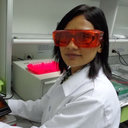 Shanta Karki合作论文数3Christine M. Long合作论文数2
 Christian Paolo Balahadia合作论文数2
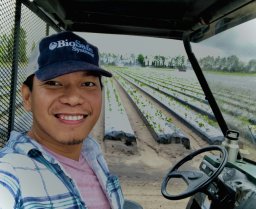 Ronald Tapia合作论文数2
 Jacques W Bouvier合作论文数University of Oxford2
 Claire Adams合作论文数2
 Hsiangchun Lin合作论文数2Guillaume Besnard合作论文数2
 Matheus Bianconi合作论文数Ecol & Evolutionary Biol, Univ Sheffield2
 Pascal-Antoine Christin合作论文数Molecular Ecology Laboratory, School of Biosciences, University of Sheffield2
 Maria S. Vorontsova合作论文数Herbarium, Library, Art and Archives, Royal Botanic Gardens, Kew, Surrey TW9 3AE, United Kingdom2
 Jill Katharian Olofsson合作论文数Faculty of Health and Medical Sciences, University of Copenhagen2Rennie Troy D合作论文数2
 Sarah Covshoff合作论文数2
 Julian Hibberd合作论文数Department of Plant Sciences, University of Cambridge2
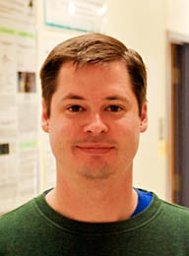 Keith A. Lidke合作论文数University of New Mexico2
 Marjorie Lundgren合作论文数Department of Biology;Wesleyan University;Department of Biology, Wesleyan University2
 Sandeep Pallikkuth合作论文数2
 Asaph Cousins合作论文数School of Biological Sciences, Washington State University2
 Jerilyn A Timlin合作论文数MS2
 Robert Furbank合作论文数ARC Centre of Excellence for Translational Photosynthesis, Australian National University;Division of Plant Sciences, Research School of Biology, College of Science and Medicine, Australian National University2
 Anindya Bandyopadhyay合作论文数1Paul W. Hattersley合作论文数1Efren Bagunu合作论文数1Shipan Das Gupta合作论文数1Walter Krystler Israel合作论文数1
 Vanessa Lundsgaard-Nielsen合作论文数1Julius Ver Sagun合作论文数1
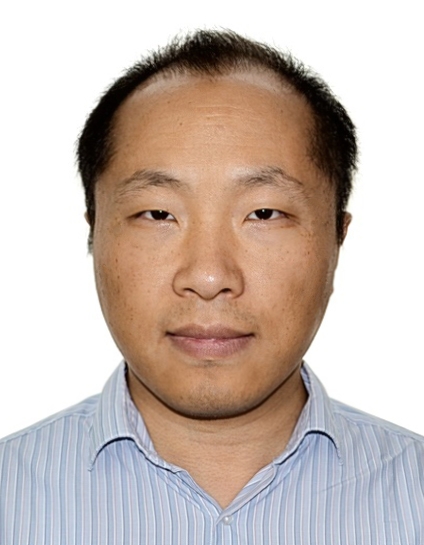 Peng Wang (王鹏)合作论文数Center for Excellence in Molecular Plant Sciences, Chinese Academy of Sciences1Nicholas Cuff合作论文数1
 Targol Chatrenoor合作论文数1
 Jose J. Moreno-Villena合作论文数Anim & Plant Sci, Univ Sheffield1Tabea Mettler-Altmann合作论文数Cluster Excellence Plant Sci CEPLAS, Heinrich Heine Univ1Michelle Grace Acoba合作论文数Department of Physiology, The Johns Hopkins University School of Medicine1Anthony Mapaura合作论文数1
 Natalie Hoffmann合作论文数Dept Cell & Syst Biol, Univ Toronto1
 Maryam Malekmohammadi合作论文数Halophytes & C4 Plants Res Lab, Univ Tehran1
 Melissa A. Johnson合作论文数1
 Erika Edwards合作论文数Department of Ecology & Evolutionary Biology, Yale University1




