Conventional therapeutic approaches for cancer generally involve chemo- and radiation therapies that often exhibit low efficacy and induce toxic side effects. Recent years have seen significant advancements in the use of protein biologics as a promising alternative treatment option. Nanotechnology-based systems have shown great potential in providing more specific and targeted cancer treatments, thus improving upon many of the limitations associated with current treatments. The unique properties of biomaterial carriers at the nanoscale have been proven to enhance both the performance of the incorporated therapeutic agent and tumor targeting; however, many of these systems are delivered intravenously, which can cause hazardous side effects. Buccal and sublingual delivery systems offer an alternative route for more efficient delivery of nanotechnologies and drug absorption into systemic circulation. This review concentrates on emerging buccal and sublingual nanoparticle delivery systems for chemo- and protein therapeutics, their development, efficacy, and potential areas of improvement in the field. Several factors contribute to the development of effective buccal or sublingual nanoparticle delivery systems, including targeting efficiency of the nanoparticulate carriers, drug release, and carrier biocompatibility. Furthermore, the potential utilization of buccal and sublingual multilayer films combined with nanoparticle chemotherapeutic systems is outlined as a future avenue for in vitro and in vivo research.
Hematological cancers such as leukemia, lymphoma, and multiple myeloma have traditionally been treated with chemo and radiotherapy approaches. Introduction of immunotherapies for treatment of these diseases has led to patient remissions that would not have been possible with traditional approaches. In this critical review we identify main disease characteristics, symptoms, and current treatment options. Five common immunotherapies, namely checkpoint inhibitors, vaccines, cell-based therapies, antibodies, and oncolytic viruses, are described, and their applications in hematological cancers are critically discussed.
Although dry eye is highly prevalent, many challenges exist in diagnosing the symptom and related diseases. For this reason, anionic hydrogel-coated gold nanoshells (AuNSs) were used in the development of a label-free biosensor for detection of high isoelectric point tear biomarkers associated with dry eye. A custom, aldehyde-functionalized oligo(ethylene glycol)acrylate (Al-OEGA) was included in the hydrogel coating to enhance protein recognition through the formation of dynamic covalent (DC) imine bonds with solvent-accessible lysine residues present on the surface of select tear proteins. Our results demonstrated that hydrogel-coated AuNSs, composed of monomers that form ionic and DC bonds with select tear proteins, greatly enhance protein recognition due to changes in the maximum localized surface plasmon resonance wavelength exhibited by AuNSs in noncompetitive and competitive environments. Validation of the developed biosensor in commercially available pooled human tears revealed the potential for clinical translation to establish a method for dry eye diagnosis.
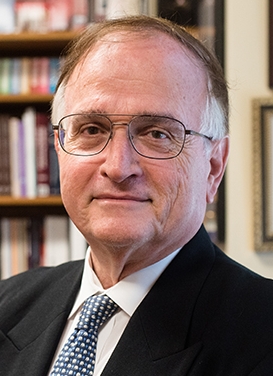 Nicholas A. Peppas (尼古拉斯·佩帕斯)合作论文数McKetta Department of Chemical Engineering, Cockrell School of Engineering, The University of Texas at Austin;Department of Biomedical Engineering, Cockrell School of Engineering, The University of Texas at Austin3
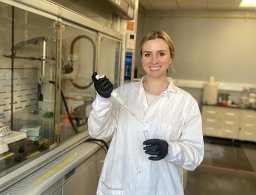 Olivia L Lanier合作论文数德克萨斯大学2
 Susana P Simmonds合作论文数1Elaine Lee合作论文数1Abigail N VandeWalle合作论文数1Jordyn M Wyse合作论文数1H K H Jocelyn Dang合作论文数1Marissa E Wechsler合作论文数Department of Biomedical Engineering and Chemical Engineering, University of Texas at San Antonio1
 Samuel D Dahlhauser合作论文数Dept Chem, Univ Texas Austin1
 Elaine Yuen-Phin Lee (李燕蘋)合作论文数Department of Diagnostic Radiology, School of Clinical Medicine, Li Ka Shing Faculty of Medicine, The University of Hong Kong1
 Pérez-Herrero Edgar合作论文数Department of Chemical Engineering, University of Salamanca (USAL),1
 Reuther James F合作论文数1
 Eric Anslyn合作论文数Department of Chemistry, College of Natural Sciences, University of Texas at Austin1




