The activation of immune Mitogen Activated Protein Kinases (MAPKs) is one of the earliest cellular responses following pathogen attack leading to the phosphorylation of appropriate cytosolic or nuclear targets to regulate cellular processes. In this work, we show that the Arabidopsis nuclear protein DEK2 is a target of MPK6 and regulator of plant defense against bacterial and fungal plant pathogens. Transcriptomic analysis unveils that AtDEK2 modulates transcription of defense-related genes, as well as genes associated with hormone synthesis and signaling. Chromatin immunoprecipitation sequencing (ChIP-Seq) analysis reveals that DEK2 potentially binds to TGGGC(C/T) motifs of ZNF, bZIP, WRKY and TCP transcription factors. DEK2 orchestrates diverse chromatin-related processes. Our findings suggest that DEK2 is recruited to specific chromatin regions by transcription factors and functions as a reader of the bivalent histone mark H3K4me3K27me3.
Abstract In Arabidopsis thaliana, the nuclear protein DEK2 orchestrates diverse chromatin-related processes and exhibits phosphorylation in response to flagellin22 treatment, implicating its involvement in plant immunity against bacterial pathogens. Loss-of-function mutants of dek2 have their immunity compromised to both bacterial and fungal pathogens. Transcriptomic analysis of the dek2-1 mutant unveils AtDEK2 as a transcriptional repressor of defense-related genes, as well as genes associated with hormone synthesis and signaling. Chromatin immunoprecipitation sequencing (ChIP-Seq) analysis reveals that DEK2 binds to motifs of various transcription factor families, with a notable enrichment in class I TCP binding motif regions. Our findings indicate that DEK2 is recruited to specific chromatin regions by transcription factors and functions as a reader of the bivalent histone mark H3K4me3K27me3. Consequently, we propose a hypothetical working model wherein DEK2 acts as a transcriptional repressor targeting regions marked by H3K4me3K27me3, shedding light on its role in plant immunity.
Porites corals are vital components of tropical reef ecosystems worldwide, serving as ecosystem engineers and hubs of biodiversity in shallow water coral reefs. Despite their ecological significance and the widespread use of Porites spp. as models for research, the richness and evolutionary relationships of species within the genus remain elusive. In this study, we analyzed genomic data from 330 colonies of Porites from 17 localities across the IndoPacific region based on the reduced representation genomic approach ezRAD. We retrieved 25,163 SNPs and provided a phylogenomic hypothesis for 29 nominal species and 10 unknown morphologies, recovering 15 deeply rooted molecular clades. Among these, 12 clades included samples corresponding to single distinct morphospecies. One did not match any nominal species. The remaining two clades comprised species complexes, which included various massive and encrusting morphologies commonly used in experimental biology. Within these complexes, we observed additional geographic or morphological structure, indicating complex evolutionary dynamics, possibly reflecting distinct species, isolated populations or hybridization. Additionally, a series of divergent samples underscored the importance of more sampling to define species boundaries and refine phylogenomic relationships. We also integrated our findings with previous phylogenetic datasets and their respective sampling localities, challenging traditional notions about Porites species geographic distributions. Overall, our findings indicate a need to revise past synonymies and to formally establish new species. A precise understanding of Porites species and their diversity and distributions is necessary for effective reef conservation and management.
Linker H1 histones play an important role in animal and human pathogenesis, but their function in plant immunity is poorly understood. Here, we analyzed mutants of the three canonical variants of Arabidopsis H1 histones, namely H1.1, H1.2 and H1.3. We observed that double h1.1h1.2 and triple h1.1h1.2h1.3 (3h1) mutants were resistant to Pseudomonas syringae and Botrytis cinerea infections. Transcriptome analysis of 3h1 mutant plants showed H1s play a key role in regulating the expression of early and late defense genes upon pathogen challenge. Moreover, 3h1 mutant plants showed enhanced production of reactive oxygen species and activation of mitogen activated protein kinases upon pathogen-associated molecular pattern (PAMP) treatment. However, 3h1 mutant plants were insensitive to priming with flg22, a well-known bacterial PAMP which induces enhanced resistance in WT plants. The defective defense response in 3h1 upon priming was correlated with altered DNA methylation and reduced global H3K56ac levels. Our data place H1 as a molecular gatekeeper in governing dynamic changes in the chromatin landscape of defense genes during plant pathogen interaction.
The INDETERMINATE DOMAIN (IDD) family belongs to a group of plant-specific transcription factors that coordinates plant growth/development and immunity. However, the function and mode of action of IDDs during abiotic stress, such as salt, are poorly understood. We used idd4 transgenic lines and screened them under salt stress to find the involvement of IDD4 in salinity stress tolerance The genetic disruption of IDD4 increases salt-tolerance, characterized by sustained plant growth, improved Na+/K+ ratio, and decreased stomatal density/aperture. Yet, IDD4 overexpressing plants were hypersensitive to salt-stress with an increase in stomatal density and pore size. Transcriptomic and ChIP-seq analyses revealed that IDD4 directly controls an important set of genes involved in abiotic stress/salinity responses. Interestingly, using anti-IDD4-pS73 antibody we discovered that IDD4 is specifically phosphorylated at serine-73 by MPK6 in vivo under salinity stress. Analysis of plants expressing the phospho-dead and phospho-mimicking IDD4 versions proved that phosphorylation of IDD4 plays a crucial role in plant transcriptional reprogramming of salt-stress genes. Altogether, we show that salt stress adaption involves MPK6 phosphorylation of IDD4 thereby regulating IDD4 DNA-binding and expression of target genes.
Biogenesis of ribonucleoproteins occurs in dynamic subnuclear compartments called Cajal bodies (CBs). COILIN is a critical scaffolding component essential for CB formation, composition, and activity. We recently showed that Arabidopsis (Arabidopsis thaliana) AtCOILIN is phosphorylated in response to bacterial elicitor treatment. Here, we further investigated the role of AtCOILIN in plant innate immunity. Atcoilin mutants are compromised in defense responses to bacterial pathogens. Besides confirming a role of AtCOILIN in alternative splicing (AS), Atcoilin showed differential expression of genes that are distinct from those of AS, including factors involved in RNA biogenesis, metabolism, plant immunity, and phytohormones. Atcoilin mutant plants have reduced levels of defense phytohormones. As expected, the mutant plants were more sensitive to the necrotrophic fungal pathogen Botrytis cinerea. Our findings reveal an important role for AtCOILIN in innate plant immunity.
Background The symbiotic relationship between cnidarians and dinoflagellates is one of the most widespread endosymbiosis in our oceans and provides the ecological basis of coral reef ecosystems. Although many studies have been undertaken to unravel the molecular mechanisms underlying these symbioses, we still know little about the epigenetic mechanisms that control the transcriptional responses to symbiosis. Results Here, we used the model organism Exaiptasia diaphana to study the genome-wide patterns and putative functions of the histone modifications H3K27ac, H3K4me3, H3K9ac, H3K36me3, and H3K27me3 in symbiosis. While we find that their functions are generally conserved, we observed that colocalization of more than one modification and or DNA methylation correlated with significantly higher gene expression, suggesting a cooperative action of histone modifications and DNA methylation in promoting gene expression. Analysis of symbiosis genes revealed that activating histone modifications predominantly associated with symbiosis-induced genes involved in glucose metabolism, nitrogen transport, amino acid biosynthesis, and organism growth while symbiosis-suppressed genes were involved in catabolic processes. Conclusions Our results provide new insights into the mechanisms of prominent histone modifications and their interaction with DNA methylation in regulating symbiosis in cnidarians.
Mitochondrial genomes (mtgenome) represent an important source of information for addressing fundamental evolutionary, phylogeographic, systematic, and ecological questions in marine organisms. In the last two decades the advent of high-throughput next-generation sequencing (NGS) has provided an unprecedented possibility to access large amount of genomic data and, as such, there has been a rapid growth in mtgenome resources and studies. In particular, NGS strategies represent a great advantage for investigating nonmodel marine organisms for which no or limited genomic resources are available. Here, we describe a routinely used standardized protocol to obtain mtgenome of nonmodel marine organisms by NGS. The protocol is composed of five main steps, including DNA extraction, DNA fragmentation, library preparation, high-throughput sequencing, and bioinformatic analyses. Each of the first three steps is followed by size/quality and concentration validations. The advantages of the described protocol rely on the assumption that no a priori information on mtgenome of the studied organism is needed and on its versatility as researchers may choose several kits for DNA extraction and library preparation and adopt different methods for DNA fragmentation depending on their needs, experience, and suppliers.
Enterobacter sp. SA187 is a root endophytic bacterium that maintains growth and yield of plants under abiotic stress conditions. In this work, we compared the metabolic wirings of Arabidopsis and SA187 in the free-living and endophytic interaction states. The interaction of SA187 with Arabidopsis induced massive changes in bacterial gene expression for chemotaxis, flagellar biosynthesis, quorum sensing, and biofilm formation. Besides modification of the bacterial carbon and energy metabolism, various nutrient and metabolite transporters and the entire sulfur pathway were up-regulated. Under salt stress, Arabidopsis resembled plants under sulfate starvation but not when colonized by SA187, which reprogramed the sulfur regulon of Arabidopsis. In accordance, salt hypersensitivity of multiple Arabidopsis sulfur metabolism mutants was partially or completely rescued by SA187 as much as by the addition of sulfate, L-cysteine, or L-methionine. Many components of the sulfur metabolism that are localized in the chloroplast were partially rescued by SA187. Finally, salt-induced accumulation of reactive oxygen species as well as the hypersensitivity of LSU mutants were suppressed by SA187. LSUs encode a central regulator linking sulfur metabolism to chloroplast superoxide dismutase activity. The coordinated regulation of the sulfur metabolic pathways in both the beneficial microorganism and the host plant is required for salt stress tolerance in Arabidopsis and might be a common mechanism utilized by different beneficial microbes to mitigate the harmful effects of different abiotic stresses on plants.
Global warming has become a critical challenge to food security, causing severe yield losses of major crops worldwide. Conventional and transgenic breeding strategies to enhance plant thermotolerance are laborious and expensive. Therefore, the use of beneficial microbes could be an alternative approach. Here, we report that the root endophyte Enterobacter sp. SA187 induces thermotolerance in wheat in the laboratory as well as in open-field agriculture. To unravel the molecular mechanisms, we used Arabidopsis thaliana as model plant. SA187 reprogramed the Arabidopsis transcriptome via HSFA2-dependent enhancement of H3K4me3 levels at heat stress memory gene loci. Unlike thermopriming, SA187-induced thermotolerance is mediated by ethylene signaling via the transcription factor EIN3. In contrast to the transient chromatin modification by thermopriming, SA187 induces constitutive H3K4me3 modification of heat stress memory genes, generating robust thermotolerance in plants. Importantly, microbial community composition of wheat plants in open-field agriculture is not influenced by SA187, indicating that beneficial microbes can be a powerful tool to enhance thermotolerance of crops in a sustainable manner.
SummaryRoot endophytes establish beneficial interactions with plants, improving holobiont resilience and fitness, but how plant immunity accommodates beneficial microbes is poorly understood. The multi‐stress tolerance‐inducing endophyte Enterobacter sp. SA187 triggers a canonical immune response in Arabidopsis only at high bacterial dosage (>108 CFUs ml−1), suggesting that SA187 is able to evade or suppress the plant defence system at lower titres. Although SA187 flagellin epitopes are recognized by the FLS2 receptor, SA187‐triggered salt tolerance functions independently of the FLS2 system. In contrast, overexpression of the chitin receptor components LYK4 and LYK5 compromised the beneficial effect of SA187 on Arabidopsis, while it was enhanced in lyk4 mutant plants. Transcriptome analysis revealed that the role of LYK4 is intertwined with a function in remodelling defence responses with growth and root developmental processes. LYK4 interferes with modification of plant ethylene homeostasis by Enterobacter SA187 to boost salt stress resistance. Collectively, these results contribute to unlock the crosstalk between components of the plant immune system and beneficial microbes and point to a new role for the Lys‐motif receptor LYK4 in beneficial plant–microbe interaction.
The advent of high throughput sequencing technologies provides an opportunity to resolve phylogenetic relationships among closely related species. By incorporating hundreds to thousands of unlinked loci and single nucleotide polymorphisms (SNPs), phylogenomic analyses have a far greater potential to resolve species boundaries than approaches that rely on only a few markers. Scleractinian taxa have proved challenging to identify using traditional morphological approaches and many groups lack an adequate set of molecular markers to investigate their phylogenies. Here, we examine the potential of Restriction-site Associated DNA sequencing (RADseq) to investigate phylogenetic relationships and species limits within the scleractinian coral genus Porites. A total of 126 colonies were collected from 16 localities in the seas surrounding the Arabian Peninsula and ascribed to 12 nominal and two unknown species based on their morphology. Reference mapping was used to retrieve and compare nearly complete mitochondrial genomes, ribosomal DNA, and histone loci. De novo assembly and reference mapping to the P. lobata coral transcriptome were compared and used to obtain thousands of genome-wide loci and SNPs. A suite of species discovery methods (phylogenetic, ordination, and clustering analyses) and species delimitation approaches (coalescent-based, species tree, and Bayesian Factor delimitation) suggested the presence of eight molecular lineages, one of which included six morphospecies. Our phylogenomic approach provided a fully supported phylogeny of Porites from the Arabian Peninsula, suggesting the power of RADseq data to solve the species delineation problem in this speciose coral genus.
In many eukaryotic systems during immune responses, mitogen-activated protein kinases (MAPKs) link cytoplasmic signaling to chromatin events by targeting transcription factors, chromatin remodeling complexes, and the RNA polymerase machinery. So far, knowledge on these events is scarce in plants and no attempts have been made to focus on phosphorylation events of chromatin-associated proteins. Here we carried out chromatin phosphoproteomics upon elicitor-induced activation of Arabidopsis. The events in WT were compared with those in mpk3, mpk4, andmpk6 mutant plants to decipher specific MAPK targets. Our study highlights distinct signaling networks involving MPK3, MPK4, and MPK6 in chromatin organization and modification, as well as in RNA transcription and processing. Among the chromatin targets, we characterized the AT-hook motif containing nuclear localized (AHL) DNA-binding protein AHL13 as a substrate of immune MAPKs. AHL13 knockout mutant plants are compromised in pathogen-associated molecular pattern (PAMP)-induced reactive oxygen species production, expression of defense genes, and PAMP-triggered immunity. Transcriptome analysis revealed that AHL13 regulates key factors of jasmonic acid biosynthesis and signaling and affects immunity toward Pseudomonas syringae and Botrytis cinerea pathogens. Mutational analysis of the phosphorylation sites of AHL13 demonstrated that phosphorylation regulates AHL13 protein stability and thereby its immune functions.
Global warming has become a critical challenge to food safety, causing severe yield losses of major crops worldwide. Heat acclimation empowers plants to survive under extreme temperature conditions but the potential of beneficial microbes to make plants thermotolerant has not been considered so far. Here, we report that the endophytic bacterium Enterobacter sp. SA187 induces heat tolerance in Arabidopsis thaliana by reprogramming the plant transcriptome to a similar extent as acclimation. Acclimation induces priming of heat stress memory genes such as APX2 and HSP18.2 via the transcription factors HSFA1A, B, D, and E and the downstream master regulator HSFA2. hsfa1a,b,d,e and hsfa2 mutants compromised both acclimation and bacterial priming through the same pathway of HSF transcription factors. However, while acclimation transiently modifies H3K4me3 levels at heat stress memory gene loci, SA187 induces the constitutive priming of these loci. In summary, we demonstrate the molecular mechanism by which SA187 imparts thermotolerance in A. thaliana , suggesting that beneficial microbes might be a promising way to enhance crop production under global warming conditions.
Accurate delimitation of species and their relationships is a fundamental issue in evolutionary biology and taxonomy and provides essential implications for conservation management. Scleractinian corals are difficult to identify because of their ecophenotypic and geographic variation and their morphological plasticity. Furthermore, phylogenies based on traditional loci are often unresolved at the species level because of uninformative loci. Here, we attempted to resolve these issues and proposed a consistent species definition method for corals by applying the genome-wide technique Restriction-site Associated DNA sequencing (RADseq) to investigate phylogenetic relationships and species delimitation within the genusLeptastrea. We collected 77 colonies from nine localities of the Indo-Pacific and subjected them to genomic analyses. Based on de novo clustering, we obtained 44,162 SNPs (3701 loci) from the holobiont dataset and 62,728 SNPs (9573 loci) from the reads that map to coral transcriptome to reconstruct a robust phylogenetic hypothesis of the genus. Moreover, nearly complete mitochondrial genomes and ribosomal DNA arrays were retrieved by reference mapping. We combined concatenation-based phylogenetic analyses with coalescent-based species tree and species delimitation methods. Phylogenies suggest the presence of six distinct species, three corresponding to known taxa, namelyLeptastrea bottae,Leptastrea inaequalis,Leptastrea transversa, one characterized by a remarkable skeletal variability encompassing the typical morphologies ofLeptastrea purpureaandLeptastrea pruinosa, and two distinct and currently undescribed species. Therefore, based on the combination of genomic, morphological, morphometric, and distributional data, we herein describedLeptastrea gibbosasp. n. from the Pacific Ocean andLeptastrea magalonisp. n. from the southwestern Indian Ocean and formally consideredL. pruinosaas a junior synonym ofL. purpurea. Notably, mitogenomes and rDNA yielded a concordant yet less resolved phylogeny reconstruction compared to the ones based on SNPs. This aspect demonstrates the strength and utility of RADseq technology for disentangling species boundaries in closely related species and in a challenging group such as scleractinian corals.
In eukaryotes, three-dimensional genome organization is critical for transcriptional regulation of gene expression. Long noncoding RNAs (lncRNAs) can modulate chromatin conformation of spatially related genomic locations within the nucleus. Here, we show that the lncRNA APOLO (AUXIN-REGULATED PROMOTER LOOP) recognizes multiple distant independent loci in the Arabidopsis thaliana genome. We found that APOLO targets are not spatially associated in the nucleus and that APOLO recognizes its targets by short sequence complementarity and the formation of DNA-RNA duplexes (R-loops). The invasion of APOLO to the target DNA decoys the plant Polycomb Repressive Complex 1 component LHP1, modulating local chromatin 3D conformation. APOLO lncRNA coordinates the expression of distal unrelated auxin-responsive genes during lateral root development in Arabidopsis. Hence, R-loop formation and chromatin protein decoy mediate trans action of lncRNAs on distant loci.
Climate change and ocean warming threaten the persistence of corals worldwide. Genomic resources are critical to study the evolutionary trajectory, adaptive potential, and genetic distinctiveness of coral species. Here, we provide a reference genome of the cauliflower coral Pocillopora verrucosa, a broadly prevalent reef-building coral with important ecological roles in the maintenance of reefs across the Red Sea, the Indian Ocean, and the Pacific Ocean. The genome has an assembly size of 380,505,698 bp with a scaffold N50 of 333,696 bp and a contig N50 of 75,704 bp. The annotation of the assembled genome returned 27,439 gene models of which 89.88% have evidence of transcription from RNA-Seq data and 97.87% show homology to known genes. A high proportion of the genome (41.22%) comprised repetitive elements in comparison to other cnidarian genomes, in particular in relation to the small genome size of P. verrucosa.
Pathogen-associated molecular pattern (PAMP) recognition occurs by plasma membrane located receptors that induce among other processes nuclear gene expression. However, signaling to the nuclear compartment is restricted by the nuclear envelope and nuclear pore complexes. We show here that among the four Arabidopsis lamin homologs LITTLE NUCLEI/CROWDED NUCLEI (LINC/CRWN), LINC1 plays an important role in PTI and jasmonic acid (JA) signaling. We show that linc1 knock out mutants affect PAMP-triggered MAPK activation and growth inhibition, but not reactive oxygen species or callose accumulation. We also demonstrate that linc1 mutants are compromised in regulating PAMP-triggered pathogen-related genes, in particular encoding factors involved in JA signaling and responses. Expression of a number of JAZ domain proteins, the key JA-related transcription factor MYC2 as well as key MYB transcription factors and biosynthesis genes of both the indole and aliphatic glucosinolate pathways are changed in linc1 mutants. Moreover, PAMP triggers JA and JA-Ile accumulation in linc1 mutants, whereas salicylic acid levels are unchanged. Despite impairment in PAMP-triggered immunity, linc1 mutants still show basal immunity towards Pseudomonas syringae DC3000 strains. High JA levels usually render plants resistant to necrotrophic pathogen. Thus, linc1 mutants show enhanced resistance to Botrytis cinerea infection. In accordance with a general role of LINC1 in JA signaling, linc1 mutants are hypersensitive to growth inhibition to external JA. In summary, our findings show that the lamin-like LINC1 protein plays a key role in JA signaling and regulation of PTI responses in Arabidopsis.
 Heribert Hirt合作论文数Biological and Environmental Science and Engineering Division, King Abdullah University of Science and Technology21
 Naganand Rayapuram合作论文数Desert Agr, King Abdullah Univ Sci & Technol12
 Moussa Benhamed合作论文数10
 Ronny Voelz合作论文数Department of Agricultural Biotechnology, Seoul National University7Ikram Blilou合作论文数Department of Molecular Cell Biology, Utrecht University7
 Marilia Almeida Trapp合作论文数King Abdullah University of Science and Technology6Soon-Kap Kim合作论文数6
 Jean Bigeard合作论文数6
 Delphine Pflieger合作论文数Laboratoire de Neurobiologie et Diversité Cellulaire, ESPCI6Hanna Alhoraibi合作论文数Dept Biochem, King Abdulaziz Univ5
 Rewaa Jalal合作论文数King Abdullah University of Science and Technology5
 Veluchamy Alaguraj合作论文数School of biotechnology, Madurai Kamaraj University5
 Abulfaraj Aala合作论文数5Colcombet Jean合作论文数5David Latrasse合作论文数5
 Salim Al Babili合作论文数Biological and Environmental Science and Engineering Division, King Abdullah University of Science and Technology;Center for Desert Agriculture, King Abdullah University of Science and Technology5Kirti Shekhawat合作论文数4
 Jianing Mi合作论文数KAUST, Biol & Environm Sci & Engn Div, BioAct Lab, Thuwal 239556900, Saudi Arabia4
 Arsheed Sheikh合作论文数4
 Alzubaidy Hanin S合作论文数Computational Bioscience Research Center (CBRC),, King Abdullah University of Science and Technology (KAUST),4
 de Zelicourt Axel合作论文数UGRV Plant Genomics, INRA-CNRS-Univ. of Evry4
 Anamika Rawat合作论文数4
 Maged Saad合作论文数Center for Desert Agriculture, King Abdullah University of Science and Technology4Olga Artyukh合作论文数3
 Cristina Andres Barrao合作论文数King Abdullah Univ Sci & Technol, Biol & Environm Sci & Engn Div, Thuwal, Saudi Arabia3
 Arrigoni Roberto合作论文数Dept. of Biotechnology and Biosciences, University of Milano-Bicocca3
 Terraneo Tullia I合作论文数Dept. of Biotechnology and Biosciences, University of Milano-Bicocca;Red Sea Research Center, King Abdullah University of Science and Technology (KAUST),;University of Milano-Bicocca, King Abdullah University of Science and Technology (KAUST),3
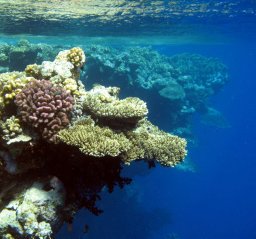 Francesca Benzoni合作论文数Dip. Biotecnologie e Bioscienze BtBs, Università Milano3
 Michael L. Berumen合作论文数ARC Centre of Excellence for Coral Reef Studies Townsville, James Cook University of North Queensland3
 Stefan Arold合作论文数Centre de Biochimie Structurale, UM13Martin Crespi合作论文数Institut des Sciences du Végétal, C.N.R.S.3
 Sabiha Parween合作论文数2Xiujie Guo合作论文数2
 Kashif Nawaz合作论文数2
 Federico Ariel合作论文数Apolo Biotech;Instituto de Agrobiotecnología del Litoral, National Scientific and Technical Research Council;Agrobiotechnology Institute of Santa Fe, National Scientific and Technical Research Council2
 Khairiah Alwutayd合作论文数2Mai Jarad合作论文数2
 Abdul Aziz Eida合作论文数Biol & Environm Sci & Engn Div, King Abdullah Univ Sci & Technol KAUST2Cécile Raynaud合作论文数2
 Yunhe Jiang (江云鹤)合作论文数College of Horticulture, China Agricultural University2Davière Jean-Michel合作论文数2Papita Mandal合作论文数Laboratory of Chromatin Biology, Indian Institute of Science Education and Research2Bao D. Han合作论文数Inner Mongolia University, Inner Mongolia University of Technology2
 Wolfgang Fischle合作论文数Independent Group Leader, Max Planck Institute for Biophysical Chemistry;KAUST2
 Teddy Jegu合作论文数2
 Zac H. Forsman合作论文数Hawaii Institute of Marine Biology;University of Hawaii;Hawaii Institute of Marine Biology, University of Hawaii2
 Eleonora Rolli合作论文数Dipartimento di Scienze e Tecnologie Alimentari e Microbiologiche, Università degli Studi di Milano2
 Khaled Masmoudi合作论文数Institut National des Telecommunications2Thomas Blein合作论文数Institute of Biology II (Botany),, University of Freiburg2




