Commercially pure (cp) molybdenum (Mo) is one of the high-temperature materials of immense potential. It has a body-centered cubic (bcc) structure so it is hard to fabricate using nonequilibrium processes such as the selective laser melting (SLM) without the formation of cracks due to its inherent brittleness. This study deals with the fabrication of dense and near crack-free cp-Mo samples produced by the SLM. The laser scan strategy is adjusted from a single scan to a double scan to reduce the solidification cracks. Samples produced with a laser double scan strategy show a density of ∼99% with a hardness of ∼222 HV.
In the present study, TiC-Fe cermets were fabricated through selective laser melting (SLM) for the first time employing pulse wave using a pulse shaping technique and regular laser pulse wave. Two samples were fabricated each with adapting pulse shaping technique and regular laser pulse wave with varied laser peak power and exposure time to obtain an optimized parameter. The pulse shaping technique proves to be an optimal method for fabrication of the TiC-Fe-based cermet. The effect of the laser peak power and pulse shaping on the microstructure development was investigated through scanning electron microscopy and X-ray diffraction analysis. Two-phased microstructures revealed the distribution of TiC and Fe. A maximum hardness and fracture toughness of 1010 ± 65 MPa and 16.3 ± 1.7 MPa m1/2, respectively, were observed for the pulsed-shaped samples illustrating that pulse shaping can be an effective way to avoid cracking in brittle materials processed by SLM.
Selective laser melting (SLM) or Laser-based powder bed fusion (LBPF) is gaining much attention for the fabrication of novel materials with complex shapes, improved functionalities, and properties. An attempt has been made to fabricate hard and brittle silicon via SLM in the absence of any cracks. Two different powder batches were used, where one of the powder batches has 0.3wt% Fe and the other batch with 0.02wt% Fe. The parameter optimization process shows that the SLM Si samples were successfully fabricated from the powders with the minor addition of Fe. The deliberate addition of Fe facilitates heterogeneous nucleation of Si and aids in absorbing the laser energy beam more efficiently. SLM Si samples with 98.5% theoretical density were fabricated with a hardness of around 10.65±40 GPa. The experimental results show that SLM can successfully fabricate Si without cracks and with near theoretical density (of 99%) and complex shapes, which opens their use in wider industrial applications.
The powder particle properties in additive manufacturing processes such as selective laser melting (SLM) influence the material properties. The microstructure, hardness, and chemical composition of gas-atomized AlCoCrFeNi powder particles were investigated, which showed a biphasic structure, consisting of FCC and BCC with a significant deviation in hardness. SLMed samples, consisting of BCC phase, indicated poor printability, inhomogeneous microstructure, and cracks. Microstructural inhomogeneity of SLM AlCoCrFeNi parts must reflect the inhomogeneity inherited from the atomized powder.
Selective laser melting (SLM) provides an opportunity to manufacture parts with complex geometry, minimal wastage, and no need for special tooling. However, the fabricated parts exhibit heterogeneity and anisotropy in mechanical properties and residual stresses, which have been long-term concerns of the SLM of metallic materials. The present study investigates the effect of melting sequence and heat treatment on such heterogeneous and anisotropic properties in the SLM Ti6Al4V alloys. As a relatively low-cost and effective approach, the application of melting sequence led to the homogenization of the microstructure and improvement of mechanical properties, though anisotropy in properties (residual stresses, hardness) remained. The application of the heat treatment process not only homogenized the hardness but also reduced the anisotropy. These approaches would be considered as the two potential strategies to overcome the shortcoming of the SLM process, depending on the required properties, possibility and performance, and the budget.
Selective laser melting (SLM) based processing of Mo-based samples is challenging due to solidification cracking. We here demonstrate that the addition of 2 wt% MoS2 to the Mo feedstock markedly improves crack mitigation of SLM-processed Mo/MoS2/Mo2S3 composite micro-lattice structures (SLM-Mo/ Mo(x)S(x+1)). Crack inhibition is suggested to be a result of Mo2S3 formation, decreased lattice strain (0.04 4%), and a decrease in accumulated residual stresses. The increased values of polarization resistance from 42.3 and 19.2 kU cm2 to 437 and 78.2 kU cm2, respectively verified the hindering effect of the composition on stress corrosion cracking (SCC) and surface oxidation cracking. However, an increased corrosion current density, from 1.22 to 10.2 mA/cm2, and cathodic Tafel constant, from 175 to 260.5 mV, confirmed the decreased polarization resistance and occurrence of different types of corrosion such as SCC and pitting. The strategy to add 2 wt% MoS2 to the Mo feedstock enables the fabrication of hightemperature micro-lattice structure components with improved corrosion resistance properties applicable in e.g., electronic, power semiconductor heat sinks, offshore-, aerospace-, defense-, or particularly novel sodium-ion energy storage applications. (c) 2022 The Authors. Published by Elsevier Ltd. This is an open access article under the CC BY license (http://creativecommons.org/licenses/by/4.0/).
The reliability and quality of additively manufactured parts are questionable. The present study aimed to improve the surface quality and mechanical and tribological properties of a Ti6Al4V alloy manufactured using selective laser melting (SLM). The effects of the laser remelting on its surface topology, mechanical properties, and sliding wear in a ball-on-plate configuration with a ball either above or below the plate were investigated systematically. The influence of the laser remelting approach on the anisotropy of the me-chanical and tribological properties was compared with that of the heat treatment approach. The surface quality and high cycle fatigue strength improved with an increase in the number of melting steps. The compressive and impact strengths also increased with an increase in the number of melting steps. The wear resistance in both configurations was higher in the remelted samples than in the samples after SLM. The results confirmed that laser remelting, as an affordable approach, could significantly improve the reliability of parts fabricated by the SLM process. (c) 2021 Elsevier B.V. All rights reserved.
Development in the microstructure and mechanical properties of as-built TiC-Fe based cermets fabricated through selective laser melting (SLM) adapting pulse shape technique has been studied and is compared after post-treatment process like hot isostatic pressing (HIP). Pulse shaping temporarily distributes the energy uniformly within the single layer of pulses and the laser material exposure can be controlled with controlled energy delivery. For the fabrication of TiC-based cermets, laser beam optimization proves to be an effective fabrication method to produce crack-free cermets. Some porosity may be observed in as-built samples due to a lack of fusion and poor feedstock powder rheology. The maximum hardness and fracture toughness values achieved for the as-fabricated samples are found to be 1020 ± 50 HV and 16.5 ± 1.5 MPa m1/2. Post-processing treatments such as HIP performed at high temperature and high pressures were adapted, where the hardness decreases (due to microstructural coarsening) and fracture toughness show a marginal increase (due to pore closure).
Investigation of next-generation manufacturing methods for the processing of functional materials and offering products with improved performance/functionalities has always been a challenge in terms of energy efficiency, cost-effectiveness, and eco-friendliness. Additive manufacturing (AM) attributes to rapid prototyping techniques that provide new opportunities to test new concepts and design complex 3D structures from metals, ceramics, and composites. Moreover, as a well-known transition metal dichalcogenide, Molybdenum disulfide (MoS2) is a two-dimensional (2D) material with outstanding electrochemical, physical, and mechanical properties that make it a potential candidate for energy storage electrodes via intercalation of different H+, Li+, Na+, and K+ cations. In this review, we discuss the existing conventional MoS2-processing methodologies and compare them with the novel additive manufacturing processes (especially laser-based powder bed fusion). The authors are convinced that the processing of prominent MoS2-based functional structures by the novel additive manufacturing processes can provide complex structures for different electrochemical applications, particularly for energy conversion/storage systems.
The influence of laser pulse shaping on the formation of TiC-Fe-based cermets with different laser process parameters is investigated. The impact of pulse shaping and laser melting peak power on the microstructural development and mechanical properties of SLM-built parts is addressed. This research focuses primarily on the process parameters required to produce crack-free components and includes investigations of mechanical properties such as microhardness and fracture toughness. To acquire optimal process parameters, samples were manufactured using pulse shaping technology with varying laser melting peak power and exposure time. The influence of laser melting peak power and pulse shape on microstructure development and phases was analyzed using a scanning electron microscope and X-ray diffraction.
In-situ multicomponent alloying in additive layer manufacturing shows inhomogeneous elemental distribution. This study aimed to minimize this inhomogeneity in equiatomic CoCrFeMnNi high entropy alloy (HEA) produced by selective laser melting (SLM) from a mixture of elemental powder. A detailed study was undertaken regarding the effects of remelting scan strategy on microstructural and mechanical properties, melt pool geometry, and elemental distribution of CoCrFeMnNi HEA manufactured using the SLM process. The SLM sample with remelting scan strategy showed a homogeneous elemental distribution. The remelted SLM sample showed a homogeneous hardness distribution. The X-ray diffraction of the as-built and remelted SLM showed a single-phase FCC structure, typical for a HEA. Prediction and observation of melt pool depth exhibited a lower depth in the remelted SLM samples. The microstructure of the melt pools of both as-built and remelted SLM showed a fine grain morphology, typical of rapid solidification. The boundary of melt pools in the as-built SLM and the inter-space of melt pools in the remelted SLM consisted of both coarse and equiaxed/columnar dendritic grains. The present results confirmed the possibility of fabricating a homogenized CoCrFeMnNi HEA from mixed elemental powders using SLM with remelting scan strategy.
For the fabrication of brittle materials like cermets through Selective Laser Melting (SLM), the pulse shaping technique has proven to be an effective and optimal way to produce cermet with no cracks. The purpose of this work is to investigate the effect of laser peak in pulse shaping as a preheating and cooling approach for the melt pool of TiC − Fe based cermet using the pulse shaping technique. Several samples were fabricated with variations in laser power and exposure time refereed as pre-pulse and post-pulse before and after the laser peak power (LPP). Microstructural and phase analyses were performed on the fabricated SLM sample using SEM and XRD to study the effect of pulse shaping with variation in exposure time and therefore energy density. Mechanical properties like microhardness were calculated and hence the effect of hardness and energy density were studied. Results indicated that preheating and cooling through laser pulse during pulse shaping has a beneficial effect on the fabrication of the crack-free brittle cermet.
A comprehensive understanding of the deformation behavior and strengthening mechanism of the selective laser melted (SLM) alloy is critical in reaping the complete potential of the SLM process. Accordingly, this work focuses on the influence of SLM on the microstructure, deformation behavior, and mechanical properties of the Cu-Ni-Sn alloy compared with their cast (CC) counterparts. An equiaxed-columnar bimodal structure with dispersed gamma particles was observed due to the rapid solidification conditions, which helps in eliminating the otherwise formed brittle dendrite structure. The unique SLM microstructure with increased dislocation density offers a superior combination of tensile strength and ductility that is much higher than the CC samples. The SLM microstructure involving dislocation cells and fine precipitations led to a relatively high strain rate sensitivity (0.012 +/- 0.002) and a small activation volume (similar to 115 b(3)). It has been observed that in the as-prepared SLM material the strength contribution comes mainly from grain refinement, dispersed precipitation, and increased dislocation density.
The evolution of microstructure and texture during selective laser melting (SLM) of silver alloy—sterling silver 925 (AM Ag925) has been investigated and analyzed vis-à-vis cast sterling silver (AC Ag925). The microstructure of AM Ag925 was characterized by a single-phase silver-rich face-centered cubic solid solution with dendritic morphology, along with some locally distributed micro-segregated copper–germanium (Cu–Ge)-rich regions. Each adjacent dendritic feature consists of Ag–Cu-rich and Ag–Ge-rich regions and appears as alternate dark and bright regions. On the other hand, the as-cast AC Ag925 microstructure comprises Ag and Cu phases. Specific heat treatment was employed, which led to an equiaxed microstructure in AM Ag925 with Cu distributing along grain boundaries while the microstructure of AC Ag925 had Cu precipitates inside the matrix. Bulk texture studies revealed that the solidified textures were very weak for AM Ag925, and a random texture is observed. On the other hand, for the AC Ag925 specimens, a typical fiber texture is observed. Both AC Ag925 and AM Ag925 showed significant deviation from $$\left\langle {100} \right\rangle$$ solidification texture and influences the mechanical properties.
This work investigated the spark plasma sintering behavior of mechanochemically synthesized molybdenum silicide (MS) powders. Nanosized MS powders were obtained via a mechanochemical synthesis process applied to the initial MoO3?SiO2?Mg powder batches. Various characterization techniques such as X-ray diffraction (XRD), particle size analysis (PSA), Fourier-transform infrared spectroscopy (FTIR), and transmission electron microscopy (TEM) were performed to reveal the compositional and morphological properties of the homemade MS powders. The increasing sintering temperature up to 1600 ?C enhanced the sinterability of the MS samples. In addition to the XRD and SEM/EDS analyses, the samples sintered at different temperatures were also characterized in terms of Archimedes? density, microhardness, and fracture toughness properties. The MS sample sintered at the temperature of 1600 ?C demonstrated a relative density of 93.7%, a Vickers microhardness of 14.9 GPa, and a fracture toughness of 3.54 MPa?m. The wear rate decreased significantly with increasing sintering temperature from 3.60 x 10⁻⁵ mm3/Nm (1500 ?C) to 1.77 x 10⁻⁵ mm3/Nm (1600 ?C). Lastly, thermal gravimetry analyses (TGA) were conducted to observe the oxidation behavior of the sintered samples. The oxidation resistance of MS samples improved with increasing sintering temperatures.
This study investigates the effects of laser powder bed fusion (LPBF) on the hydrogen uptake of the face-centered cubic (FCC) equiatomic CrFeNiMn multicomponent alloy after cathodic hydrogen charging (HC). Hydrogen desorption was evaluated using thermal desorption spectroscopy (TDS), and microstructural changes after the TDS test were examined. Results reveal that the amount of hydrogen absorbed by LPBF CrFeNiMn alloy was significantly higher than that in pulsed electric current sintered (PECS) CrFeNiMn alloy or in conventional 316L austenitic stainless steel. The observations are ascribed to the differences in the amount of hydrogen absorbed by the multicomponent lattice, dislocation densities, width of segregation range at cell walls created by the rapid cooling in LBPF, and vacancies remaining after cooling to room temperature. A hydrogen-charged LBPF transmission electron microscope (TEM) specimen was also characterized. Stacking faults and cracks along the (111)-planes of austenite were observed. Scanning electron microscopy (SEM) of the surface of the TDS-tested samples also indicated hydrogen-induced cracks and hydrogen-induced submicron pits at the grain boundary inclusions.
Composition modification (elemental modification) is found to be an effective method for tuning the bimodal microstructure (equiaxed and column grains) observed in the selective laser melted (SLM) metallic materials, and thereby improving their properties. However, optimization for the powder composition is a tedious task consuming energy, time and resources. One of the non-equilibrium processes, melting spinning (MS), matches the solidification conditions of the SLM process (especially the cooling rate), which offers the possibility of using the MS process as the first step in optimizing the elements/alloy design and development for the SLM process. In this work, SLM and MS processes were employed to fabricate the Cu-Ni-Sn alloy to compare the microstructural features and the resultant properties. The result reveals that the sample fabricated by MS shows a similar supersaturated structure as the SLM counterpart and both these samples exhibit analogous microstructure consisting of fine equiaxed grains, column grains, intragranular and intergranular γ-(CuxNi1-x)3Sn phase. The results confirm the possibility of using the MS process as the first step in the alloy design/development for the SLM process.
Additively manufactured metallic materials exhibit excellent mechanical strength. However, they often fail prematurely owing to external defects (pores and unmelted particles) that act as sites for crack initiation. Cracks then propagate through grain boundaries and/or cellular boundaries that contain continuous brittle second phases. In this work, the premature failure mechanisms in selective laser melted (SLM) materials were studied. A submicron structure was introduced in a SLM Ag–Cu–Ge alloy that showed semicoherent precipitates distributed in a discontinuous but periodic fashion along the cellular boundaries. This structure led to a remarkable strength of 410 ± 3 MPa with 16 ± 0.5% uniform elongation, well surpassing the strength-ductility combination of their cast and annealed counterparts. The hierarchical SLM microstructure with a periodic arrangement of precipitates and a high density of internal defects led to a high strain hardening rate and strong strengthening, as evidenced by the fact that the precipitates were twinned and encircled by a high density of internal defects, such as dislocations, stacking faults and twins. However, the samples fractured before necking owing to the crack acceleration along the external defects. This work provides an approach for additively manufacturing materials with an ultrahigh strength combined with a high ductility provided that premature failure is alleviated.
The state-of-the-art alloys for load-bearing implant applications lack the necessary functional attributes and are largely a compromise between biocompatibility and mechanical properties. While commercial alloys pose long-term toxicity and detrimental stress shielding effects, the newly developed alloys are closing in on the gaps, however, falling short of the desired elastic modulus necessary to rule out stress shielding. In this work, we report the fabrication of a low modulus beta-Ti alloy, Ti-35Nb-7Zr-5Ta (TNZT), by selective laser melting (SLM) with optimized laser parameters. The as-prepared SLM TNZT shows a high ultimate tensile strength (similar to 630 MPa), excellent ductility (similar to 15%) and a lower elastic modulus (similar to 81 GPa) when compared to the state-of-the-art cp-Ti and Ti-based alloys. The mechanical performance of the as-printed TNZT alloy has been examined and is correlated to the microstructure (grain structure, phase constitution and dislocation density). It is proposed that a high density of GND (geometrically necessary dislocations), resulting from rapid cooling, in the as-prepared condition strengthens the alloy, whereas the single phase beta-bcc crystal structure results in lowering the elastic modulus. High grain boundary area and a preferred crystal orientation of {200} planes within the bcc crystal lattices contribute to an additional drop in the elastic modulus of the alloy. It is shown that the TNZT alloy, processed by SLM, demonstrates the best combination of strength and modulus, illustrating its potential as a promising biomaterial of the future.
 Prashanth Konda Gokuldoss合作论文数Department of Mechanical and Industrial Engineering, Tallinn University of Technology19
 Renno Veinthal合作论文数19
 Irina Hussainova合作论文数Department of Mechanical and Industrial Engineering, Tallinn University of Technology10
 Maksim Antonov合作论文数Department of Materials Engineering;University of Technology;Department of Materials Engineering, University of Technology8
 Marc Leparoux合作论文数EMPA – Materials Science and Technology Thun Switzerland8
 Agus Sigit Pramono合作论文数8
 Kaspar Kallip合作论文数Department of Materials Engineering, Tallinn University of Technology7
 Yaroslav Holovenko合作论文数6
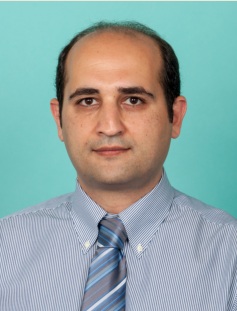 Ramin Rahmani合作论文数Wolfson School of Mechanical and Manufacturing Engineering, Loughborough University6jaana kateriina gomon合作论文数5
 Zhi Wang (王智)合作论文数School of Mechanical & Automotive Engineering, South China University of Technology5
 Fjodor Sergejev合作论文数Department of Materials Engineering;University of Technology;Department of Materials Engineering, University of Technology5Mural Zorjana合作论文数4
 Himanshu S. Maurya合作论文数Department of Mechanical and Industrial Engineering, Tallinn University of Technology4
 Joosep Link合作论文数4
 J. Karimi合作论文数Department of Mechanical and Industrial Engineering, Tallinn University of Technology4
 Marek Tarraste合作论文数Dept Mech & Ind Engn, Tallinn Univ Technol4
 Weiwen Zhang (张卫文)合作论文数School of Mechanical & Automotive Engineering, South China University of Technology4
 Lembit Kommel合作论文数Department of Materials Engineering;University of Technology;Department of Materials Engineering, University of Technology4K. Juhani合作论文数3Navid Alinejadian合作论文数3
 Marina Aghayan合作论文数Functional Advanced Composite Technology Industries3
 T.O. Soloviova合作论文数National Technical University of Ukraine “Igor Sikorsky Kyiv Polytechnic Institute”3
 Roman Ivanov合作论文数Dept Mech & Ind Engn, Tallinn Univ Technol3Taivo Jõgiaas合作论文数3
 Kaupo Kukli合作论文数3
 Kristjan Juhani合作论文数Tallinn University of Technology3Heinrich Klaasen合作论文数3Jekaterina Kozlova合作论文数3
 Aile Tamm合作论文数Institute of Experimental Physics and Technology, University of Tartu3Christopher R. Bradbury合作论文数3
 Jakob Kubarsepp合作论文数Department of Mechanical and Industrial Engineering, School of Engineering, Tallinn University of Technology;Division of Informatics and Engineering, Estonian Academy of Sciences2Märt Kolnes合作论文数2
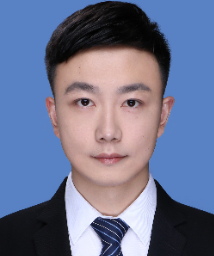 Chao Zhao (赵超)合作论文数School of Materials Science and Engineering, Huazhong University of Science and Technology2marek joeleht合作论文数2
 Le Liu合作论文数2tonis arroval合作论文数2
 Der-Liang Yung合作论文数Austrian Excellence Center for Tribology Research GmbH2Tatevik Minasyan合作论文数2Daoxi Li合作论文数2
 Chao Yang (杨超)合作论文数School of Mechanical & Automotive Engineering, South China University of Technology2
 Zongqiang Luo (罗宗强)合作论文数School of Mechanical & Automotive Engineering, South China University of Technology2
 Hansang Kwon合作论文数2
 Sofiya Aydinyan合作论文数Department of Inorganic Chemistry, Yerevan State University2
 Khaled A. AlOgab合作论文数2Mart Viljus合作论文数2
 Arkadi Zikin合作论文数AC2T Research GmbH2
 Mart Saarna合作论文数Department of Materials Engineering;University of Technology;Department of Materials Engineering, University of Technology2
 Inger Odnevall合作论文数Division of Surface and Corrosion Science, School of Chemical Science and Engineering, KTH Royal Institute of Technology;AIMES - Center for the Advancement of Integrated Medical and Engineering Sciences, Neuroscience, Karolinska Institutet2




