The environment friendly Cu2ZnSnSe4 (CZTSe) quantum dot-sensitized solar cells (QDSSCs) has become one of the most promising photovoltaic technologies due to its earth-abundant component and excellent photoelectric properties. However, the power conversion efficiency (PCE) is far behind other high-efficiency chalcogenide sensitizer systems and the main obstacle can be attributed to the inappropriate conduction band position relative to the TiO2 films. Herein, we developed a partial substitution approach to transform CZTSe QDs to Cu2Zn(SnxGe1−x)Se4 (CZTGSe) QDs to resolve the CBM mismatch problem in QDSSCs. The CZTGSe QDs with narrow size distribution were synthesized via one-step method and Ge/(Ge+Sn) ratios were prepared. It is found that the introduction of Ge upshifts the CBM and broadens the band gap of CZTGSe QDs. Benefiting from the enhanced driving force of photoelectron injection and depressed charge recombination at TiO2/QDs/electrolyte interface, the short-circuit current (Jsc) and open-circuit voltage (Voc) of Ge-substituted QDSSCs are synchronously improved and the PCE of the 30
Heterojunction interfacial engineering plays a crucial role for the CIGS efficiency promotion. Chemical bath deposition (CBD) prepared CdS is the most preferred buffer for CIGS solar cells. Hence, manipulating the CdS properties to further boost heterojunction quality is a promising way to achieve higher efficiency CIGS solar cells. In this work, CdS buffer layer was modified by (NH4)2S (AS-treatment) solutions. The results showed that after AS treatment, the impurities on CdS film were cleaned and the S vacancy was passivated. Moreover, it introduced larger build-in electric field, wider depletion width and less interface defect densities, which contributed to suppressed interface recombination and more efficient carrier separation and collection. Consequently, the CIGS solar cell based on AS-treatment achieved champion efficiency of 15.52
Heterojunction interfacial engineering plays a crucial role for the CIGS efficiency promotion. Chemical bath deposition (CBD) prepared CdS is the most preferred buffer for CIGS solar cells. Hence, manipulating the CdS properties to further boost heterojunction quality is a promising way to achieve higher efficiency CIGS solar cells. In this work, CdS buffer layer was modified by (NH4)(2)S (AS-treatment) solutions. The results showed that after AS treatment, the impurities on CdS film were cleaned and the S vacancy was passivated. Moreover, it introduced larger build-in electric field, wider depletion width and less interface defect densities, which contributed to suppressed interface recombination and more efficient carrier separation and collection. Consequently, the CIGS solar cell based on AS-treatment achieved champion efficiency of 15.52%, with improved V-OC of 643 mV and FF of 73.3%.
Cu(In,Ga)(S,Se)(2) (CIGSSe) is considered as a promising absorber for solar cells due to its excellent electrical and optical properties. However, there are numerous defects on the surface of the CIGSSe film, leading to dramatic carrier recombination at the heterointerface, which hinders further efficiency improvement of CIGSSe solar cells. Therefore, an effective interface defect passivation strategy is urgently needed to further boost the device performance. In this work, we employ a facile and effective method to passivate interface defects by a thioacetamide induced surface sulfurization process. The thioacetamide treatment could introduce S into the CIGSSe surface, while realizing well-controlled S incorporation. After sulfurization, the interface carrier recombination was decreased and carrier separation was more efficient. Consequently, we obtained a device efficiency of 15.25% with an increased open-circuit voltage (V-OC) of 0.650 V and a fill factor (FF) of 72.21%.
The present study aims to analyze the effects of breast-conserving surgery and modified radical mastectomy on operation indexes, Symptom checklist-90 scores and prognosis in patients with early breast cancer. The clinical data of 128 patients with breast cancer who were treated in our hospital from May 2015 to May 2016 were included into the analysis. These patients were divided into 2 groups, according to the different modes of operation (n = 64): control group, patients underwent modified radical mastectomy; observation group, patients underwent early breast conserving surgery. Then, the surgical indexes and prognosis were compared between these 2 groups. Intraoperative bleeding volume, incision length and hospitalization duration were better in the observation group than in the control group (P < .05). Furthermore, postoperative symptom checklist-90 scores in the observation group were better than scores before the operation, and were better than the scores in the control group (P < .05). Moreover, the incidence of postoperative complications was lower in the observation group (3.13%) than in the control group (21.88%, P < .05). Early breast-conserving surgery is more advantageous for breast cancers and results to lesser bleeding, rapid recovery, and fewer complications.
The ongoing Ebola virus disease epidemic (August 2018─October 2019) in the Democratic Republic of the Congo, has been exacerbated by deliberate attacks on healthcare workers despite vaccination efforts. Using a mathematical/statistical modelling framework, we present the quantified effective reproduction number (R t) at national and regional levels as at 29 September. The weekly trend in R t displays fluctuations while our recent national-level R t falls slightly above 1.0 with substantial uncertainty, which suggests improvements in epidemic control.
Mounting evidence has illustrated the vital roles of long non-coding RNAs (lncRNAs in gastric cancer (GC). Nevertheless, the majority of their roles and mechanisms in GC are still largely unknown. In this study, we investigate the roles of lncRNA SLC25A5-AS1 on tumourigenesis and explore its potential mechanisms in GC. The results showed that the expressions of SLC25A5-AS1 in GC were significantly lower than that of adjacent normal tissues, which were significantly associated with tumour size, TNM stage and lymph node metastasis. Moreover, SLC25A5-AS1 could inhibit GC cell proliferation, induce G1/G1 cell cycle arrest and cell apoptosis in vitro, as well as GC growth in vivo. Dual-luciferase reporter assay confirmed the direct interaction between SLC25A5-AS1 and miR-19a-3p, rescue experiment showed that co-transfection miR-19a-3p mimics and pcDNA-SLC25A5-AS1 could partially restore the ability of GC cell proliferation and the inhibition of cell apoptosis. The mechanism analyses further found that SLC25A5-AS1 might act as a competing endogenous RNAs (ceRNA), which was involved in the derepression of PTEN expression, a target gene of miR-19a-3p, and regulate malignant phenotype via PI3K/AKT signalling pathway in GC. Taken together, this study indicated that SLC25A5-AS1 was down-regulated in GC and functioned as a suppressor in the progression of GC. Moreover, it could act as a ceRNA to regulate cellular behaviours via miR-19a-3p/PTEN/PI3K/AKT signalling pathway. Thus, SLC25A5-AS1 might be served as a potential target for cancer therapeutics in GC.
The Se content in a Cu2ZnSn(S, Se)(4) absorber layer has a significant impact on the electronic properties, but it is rather challenging to control the Se/(S + Se) ratio due to a complicated selenization process. Here, a low-toxicity thiol/amine-based solution process was developed to tune the Se content in a Cu2ZnSn(S, Se)(4) absorber layer to an optimal value by ingeniously controlling the SeO2 in the precursor solution. We demonstrated that the crystal growth and the band gap of Cu2ZnSn(S, Se)(4) thin films are affected by the Se/(S + Se) ratio. By this approach, the open-circuit voltage deficit (V-oc,V-def) of the device was effectively decreased, and the short-circuit density (J(sc)) and fill factor (FF) were remarkably improved; thus, the power conversion efficiency of the Cu2ZnSn(S, Se)(4) solar cells was successfully increased from 5.6% to 9.7% for the optimal band gap (E-g = 1.13 eV).
OBJECTIVES:To clarify the clinical relevance of ubiquitin-specific protease 8 (USP8) for patients with breast cancer (BC).METHODS:Previous BC microarray studies GSE37751, GSE7390, and GSE21653 were reanalyzed to determine the USP8 levels between BC patients and the corresponding normal breast tissues and the correlation between USP8 expression and clinical features and clinical outcomes of patients with BC. Gene set enrichment analysis (GSEA) was conducted to investigate the potential mechanisms.RESULTS:USP8 was downregulated in BC cells compared with that in normal breast tissues (P < 0.0001). The Χ2 test and logistic regression analysis demonstrated that patients in USP8 high-expression group were correlated with better clinical features (including histopathological grading, estrogen receptors, clinical risk group according to Nottingham prognostic index [NPI] criteria and clinical risk group according to Veridex signature) compared with patients in USP8 low-expression group. Kaplan-Meier survival and Cox proportional regression analysis suggested that USP8 predicted better survivals of BC patients in terms of distant metastasis-free survival, time to distant metastasis, disease-free survival, and overall survival. GSEA suggested that USP8 might impact the proliferation of BC cells through several biological processes associated tumorigenesis of BC. USP8 was significantly downregulated in BC patients (P < 0.0001).CONCLUSIONS:Our results demonstrated that USP8 might predict better clinical characteristics and might be a protective factor for patients with BC.
The introduction of a double-gallium (Ga) gradient plays a key role in pushing the performance of Cu(In,Ga)Se2 (CIGSe) solar cells to a more competitive level.
With the rapid progress of China's modernization process in various fields, the development of traditional Wushu is facing unprecedented difficulties. In this study, bow boxing and three shop Longquan field examples, start thinking inheritance of traditional wushu. Study shows: the process of inheritance by mentoring interaction is facing three major problems: 1, "teacher" from countryside to city mass flow, the number declined sharply; 2, affected by the economic and social impact and education system, "and" diminishing, and "teacher" in 3, when the empty draw further apart; inheritance tends to compress the city, and has a significant trend. Traditional martial arts need to adhere to the "inheritance of the city, the interaction between urban and rural areas, and the integration of development" in the process of urbanization.
This paper analyzes the characteristics of Western Coach System, confirms the superiority of Chinese martial arts’ mentoring system in the comparison of Chinese and Western, also finds a lack of Chinese martial arts apprenticeship. At last, in order to enter the Olympic Games more quickly, we put forward suggestions on Chinese Wushu inheritance way.
The principle of overall excess burden minimization is an important part in the field of public finance, and the authors of most public finance textbooks do not offer a rigorous mathematical proof. To prove this principle, this study develops algebraic and geometric methods to examine the links between tax revenue and excess burden in a general case and further analyzes the dynamic process of tax revenue and excess burden when the tax rate is changed. Finally, the optimal overall excess burden minimization is demonstrated to verify the principle in terms of the concavity of the excess burden curve.
Introduction. Opioid-induced constipation (OIC) is a principal complication secondary to analgesic therapy for cancer pain patients who suffer moderate to severe pain. In this study, we observe the efficacy and safety of transcutaneous acupoint interferential current (IFC) stimulation in those patients with OIC. Methods. A total of 198 patients were randomly allocated to the IFC group and control group in a 1:1 ratio. Finally, 98 patients in the IFC group received 14 sessions administered over 2 weeks, whereas 100 patients in the control group took lactulose orally during the same period. Observation items were documented at management stage and at follow-up stage according to Cleveland Constipation Scales (CCS), pain Numeric Rating Scales (NRS) and Patient Assessment of Constipation Quality of Life (PAC-QoL). Results. The total curative effects of the IFC group and the control group were indistinguishable (76.5% vs 70.0%, P = .299). Regarding CCS and PAC-QoL scores, no significant difference was observed between the 2 groups during the management time and at the follow-up stage of week 3 ( P > .05, respectively), but groups were distinguished at the follow-up stage of week 4 ( P < .001 and P = .031, respectively). The pain NRS decreased significantly at management stage week 2 and follow-up stage week 3 and week 4 ( P = .013, P = .041, P = .011, respectively). Conclusions. Transcutaneous acupoint IFC therapy over acupoints of Tianshu (ST25) and Zhongwan (RN12) may improve constipation and quality of life in cancer patients receiving opiates; further studies are worthwhile.
Eg5 (kinesin spindle protein) plays an essential role in mitosis. Inhibition of Eg5 function results in cell cycle arrest at mitosis, which leads to cell death. To date, Eg5 expression and its prognostic significance have not been studied in hepatocellular carcinoma (HCC). In this study, 26 freshly frozen HCC tissue samples and matched peritumoral tissue samples were evaluated with a onestep qPCR test and immunohistochemical (IHC) analysis was conducted on 156 HCC samples to investigate the relationships among Eg5 expression, clinicopathological factors, and prognosis. Eg5 mRNA and protein expression levels were significantly higher in HCC tissues relative to matched noncancerous tissues (p < 0 05). High Eg5 protein expression was significantly related to liver cirrhosis (p = 0 038) and TNM stage (p = 0 008). Kaplan-Meier survival and Cox regression analyses revealed that Eg5 overexpression (p = 0 001), liver cirrhosis (p = 0 009), and TNM stage (p = 0 025) were independent prognostic factors for overall survival. These findings indicate that Eg5 expression can be used as a biomarker of poor prognosis and as a novel therapeutic target for HCC.
Objective: The objective is to study the approach of removal of craniopharynginoma. Methods: We remove eight cases of craniopharynginoma in childhood which intrudes the third ventricle transcallosal septum pellucidum interforniceal approach from August, 2013 to December, 2015. Results: MRI or Recheck CT of brain post-operation can identify the removal situations of the tumor. Conclusion: Tanscallosal septum pellucidum interforniceal approach to remove craniopharynginoma is a very important method.
Both recombination and band-edge shift are important factors for the open-circuit voltage (Voc) improvement of metal chalcogenide hole-transport material (HTM) based perovskite solar cells, but it is still not clear that which aspect plays the dominant role in such devices. Herein, we addressed this aspect through employing the band-tunable metal chalcogenide Cu2ZnSnS4 (CZTS) QDs as HTM into perovskite solar cells. By replacing sulfur with selenium atom, the band gap of HTM was tuned from 1.64eV to 1.14eV and their influences on cell performances were further discussed. Though the Cu2ZnSnSe4 (CZTSe) device with higher hole transport ability could improve the fill factor (FF), its Voc was still remarkably lower than that of the CZTS device. Electrochemical impedance spectroscopy (EIS) measurements indicated that the Voc loss (45mV) induced by recombination here was far less than the Voc differences between the two devices (140mV). After analyzing the band level alignment at TiO2/CH3NH3PbI3/HTM heterojunction, we proposed that the Voc enhancement of CZTS device was mainly ascribed to the more downward valence band-edge shift of HTM. This further approves that developing a wide band gap material without hindering charge injection is more pressing rather than depressing recombination process for future metal chalcogenide HTM researches.
Objective: To evaluate the local effect of vascular endothelial growth factor (VEGF) loaded on gelatin sponge on transected facial nerve regeneration. Methods: Twelve male white SD rats were divided into two groups randomly (n=6): VEGF group and PBS (phosphate buffer saline) group. In the VEGF group the left facial nerve was transected and the stump was connected by silicone conduit filled with gelatin sponge loaded with VEGF. In PBS group the defect was connected by silicone conduit filled with gelatin sponge loaded with PBS. Functional assessment and morphological evaluation were studied 8 weeks after operation. Results: Functional study of facial nerve, Electrophysiological assessment and morphometric indices confirmed a faster recovery of regenerated axons in VEGF group than in PBS group (P<0.01). Conclusion: Local administration of nerve conduit consisting of VEGF and gelatin sponge will improve functional recovery and morphometric indices of facial nerve.
A simple solution approach is developed for the deposition of CZTSSe films. Using ethylenediamine as the solvent, polyporous CZTSSe precursor films with high surface areas are obtained. After different post-treatments, the CZTSSe films are used as counter electrodes in dye-sensitized solar cells. The influence of the different post-treatments on performance of CZTSSe counter electrodes for dye-sensitized solar cells is evaluated. A high power conversion efficiency of 6.13% is achieved via a 10 min selenization post-treatment. This value is comparable with the efficiency of 6.20% obtained from the conventional Pt counter electrode.
 Bruce W. Mcgaughy合作论文数Cadence Design Systems, Inc.13
 Sixin Wu (武四新)合作论文数School of Nanoscience and Materials Engineering, Henan University9
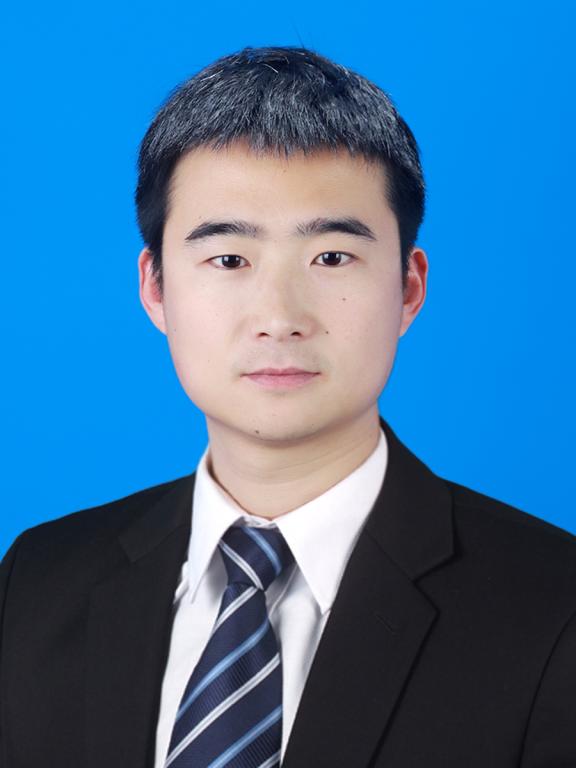 Shengjie Yuan (袁胜杰)合作论文数School of Nanoscience and Materials Engineering, Henan University4
 Zhengji Zhou (周正基)合作论文数4
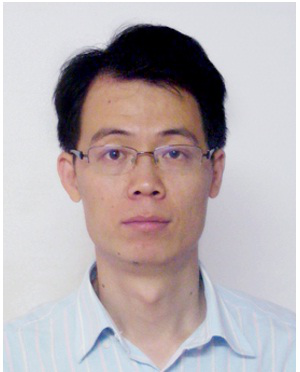 Wenhui Zhou (周文辉)合作论文数School of Nanoscience and Materials Engineering, Henan University4peter frey合作论文数3Keiran S. M. Smalley合作论文数Moffitt Cancer Center3
 Qingwen Tian合作论文数3
 Meenhard Herlyn合作论文数Ellen and Ronald Caplan Cancer Center, The Wistar Institute of Anatomy and Biology;The Wistar Institute Melanoma Research Center, The Wistar Institute of Anatomy and Biology3Shumeye Mamo合作论文数2Ivana Cheung合作论文数2Billy Lam合作论文数2Brian L. West合作论文数2jaideep muhkerjee合作论文数2Houlin Wang合作论文数2Fengming Zhao合作论文数2
 Prabha Ibrahim合作论文数2Qian-Qian Gao合作论文数2Hoa Nguyen合作论文数2Jiazhong Zhang合作论文数Plexxikon Inc, Berkeley, CA 94710 USA2John Cantwell合作论文数2
 Nikolas Haass合作论文数Frazer Institute, Faculty of Health, Medicine and Behavioural Sciences, The University of Queensland2DengFeng Chen (陈登峰)合作论文数2
 Li Yang (杨莉)合作论文数School of Marxism, Henan University2
 Dongxing Kou (寇东星)合作论文数School of Nanoscience and Materials Engineering, Henan University2Bollag Gideon合作论文数2Xia Wang合作论文数2
 Julie Rice合作论文数2
 Ling Li (李凌)合作论文数School of Life Science and Technology, University of Electronic Science and Technology of China2
 Sung-Hou Kim合作论文数College of Chemistry, University of California, Berkeley2
 Bin Yang合作论文数Department of Public Administration, China University of Geosciences2Peter Hirth合作论文数2Yoshihisa Suzuki合作论文数2
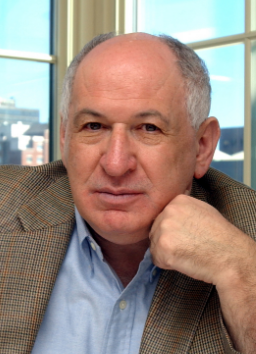 Joseph Schlessinger合作论文数Department of Pharmacology, School of Medicine, Yale University2James Tsai合作论文数2Weiru Wang合作论文数2Catherine Luu合作论文数2
 Hanna Cho合作论文数Department of Chemistry, University of Illinois at Chicago2Rafe Shellooe合作论文数2
 Yongliang Zhu (朱永良)合作论文数The Second Affiliated Hospital, Zhejiang University School of Medicine2
 Sproesser Katrin合作论文数2Kam Y. J. Zhang合作论文数2Gaston Habets合作论文数2Ryan Bremer合作论文数2Adhirai Marimuthu合作论文数2
 John T. Lee合作论文数Department of Microbiology and Immunology;Leo Jenkins Cancer Center;Brody School of Medicine, East Carolina University;Brody School of Medicine, East Carolina University2Jennifer Liu合作论文数2Dean R Artis合作论文数2Calvin Settachatgul合作论文数2




