Interactions between autotrophs and heterotrophs are central to carbon (C) exchange across trophic levels in essentially all ecosystems and metabolite exchange is a frequent mechanism for distributing C within spatially structured ecosystems. Yet, despite the importance of C exchange, the timescales at which fixed C is transferred in microbial communities is poorly understood. We employed a stable isotope tracer combined with spatially resolved isotope analysis to quantify photoautotrophic uptake of bicarbonate and track subsequent exchanges across a vertical depth gradient in a stratified microbial mat over a light-driven diel cycle. We observed that C mobility, both across the vertical strata and between taxa, was highest during periods of active photoautotrophy. Parallel experiments with 13C-labeled organic substrates (acetate and glucose) showed comparably less exchange of C within the mat. Metabolite analysis showed rapid incorporation of 13C into molecules that can both comprise a portion of the extracellular polymeric substances in the system and serve to transport C between photoautotrophs and heterotrophs. Stable isotope proteomic analysis revealed rapid C exchange between cyanobacterial and associated heterotrophic community members during the day with decreased exchange at night. We observed strong diel control on the spatial exchange of freshly fixed C within tightly interacting mat communities suggesting a rapid redistribution, both spatially and taxonomically, primarily during daylight periods.
Bacillus anthracis is the causative agent of anthrax in animals and humans. The organism lies in a dormant state in the soil until introduced into an animal via, ingestion, cutaneous inoculation or inhalation. Once in the host, spores germinate into rapidly growing vegetative cells elaborating toxins. When animals die of anthrax, vegetative bacteria sporulate upon nutrient limitation in the carcass or soil while in the presence of air. After release into the soil environment, spores form a localized infectious zone (LIZ) at and around the carcass. Laboratory strains of B. anthracis produce fewer proteins associated with growth and sporulation compared to wild strains isolated from recent zoonotic disease events. We verified wild strains grow more rapidly than lab strains demonstrating a greater responsiveness to nutrient availability. Sporulation was significantly more rapid in these wild strains compared to lab strains, indicating wild strains are able to sporulate faster due to nutrient limitation while laboratory strains have a decrease in the speed at which they utilize nutrients and an increase in time to sporulation. These findings have implications for disease control at the LIZ as well as on the infectious cycle of this dangerous zoonotic pathogen.
Mass-spectrometry-based proteomics approaches and technologies have been employed in numerous areas of the biological sciences and provided many insights into the composition, function, and regulation of biological systems. Despite this long track record in illuminating biological problems, proteomics is just beginning to gain traction in forensic science. Proteomics approaches can identify unknown proteins and organisms, distinguish between various body fluids and tissues, and provide insight into methods of preparation of unknown biological samples. Because forensic proteomics is a nascent field, the concepts, methods, and vocabulary of proteomics may be unfamiliar to forensic scientists. Furthermore, proteomics is a wide and interdisciplinary field that incorporates many different variations of sample preparation, instrumental analysis, and data analysis. This chapter aims to give a brief introduction to the proteomics family of methods, with a focus on principles that will make the other chapters in this volume more accessible. We emphasize the differences between targeted and untargeted proteomics, the process of peptide identification from tandem mass spectrometry data, and the methods of quantitation. Sample preparation is covered in a later chapter.
The heart of forensic science is application of the scientific method and analytical approaches to answer questions central to solving a crime: Who, What, When, Where, and How. Forensic practitioners use fundamentals of chemistry and physics to examine evidence and infer its origin. In this regard, ecological researchers have had a significant impact on forensic science through the development and application of a specialized measurement technique—isotope analysis—for examining evidence. Here, we review the utility of isotope analysis in forensic settings from an ecological perspective, concentrating on work from the Americas completed within the last three decades. Our primary focus is on combining plant and animal physiological models with isotope analyses for source inference. Examples of the forensic application of isotopes—including stable isotopes, radiogenic isotopes, and radioisotopes—span from cotton used in counterfeit bills to anthrax shipped through the U.S. Postal Service and from beer adulterated with cheap adjuncts to human remains discovered in shallow graves. Recent methodological developments and the generation of isotope landscapes, or isoscapes, for data interpretation promise that isotope analysis will be a useful tool in ecological and forensic studies for decades to come.
The spore forming pathogen Bacillus anthracis is the etiologic agent of anthrax in humans and animals. It cycles through infected hosts as vegetative cells and is eventually introduced into the environment where it generates an endospore resistant to many harsh conditions. The endospores are subsequently taken up by another host to begin the next cycle. Outbreaks of anthrax occur regularly worldwide in wildlife and livestock, and the potential for human infection exists whenever humans encounter infected animals. It is also possible to encounter intentional releases of anthrax spores, as was the case in October 2001. Consequently, it is important to be able to rapidly establish the provenance of infectious strains of B. anthracis. Here, we compare protein expression in seven low-passage wild isolates and four laboratory strains of B. anthracis grown under identical conditions using LC-MS/MS proteomic analysis. Of the 1,023 total identified proteins, 96 had significant abundance differences between wild and laboratory strains. Of those, 28 proteins directly related to sporulation were upregulated in wild isolates, with expression driven by Spo0A, CodY, and AbrB/ScoC. In addition, we observed evidence of changes in cell division and fatty acid biosynthesis between the two classes of strains, despite being grown under identical experimental conditions. These results suggest wild B. anthracis cells are more highly tuned to sporulate than their laboratory cousins, and this difference should be exploited as a method to differentiate between laboratory and low passage wild strains isolated during an anthrax outbreak. This knowledge should distinguish between intentional releases and exposure to strains in nature, providing a basis for the type of response by public health officials and investigators.
Volcanism and post-magmatism contribute significant annual methane (CH4) fluxes to the atmosphere (on par with other natural sources such as forest fire and wild animal emissions) and have been implicated in past climate-change events. The Yellowstone hot spot is one of the largest volcanic systems on Earth and is known to emit CH4 (as well as carbon dioxide (CO2) and other gases), but the ultimate sources of this CH4 flux have not been elucidated. Here we use dual stable isotope analysis (δ2H and δ13C) of CH4 sampled from ten high-temperature geothermal pools in Yellowstone National Park along with other isotopic and gas analyses to evaluate potential sources of methane. The average δ13C and δ2H values of CH4 emitted from hot springs (26.7 (±2.4) and −236.9 (±12.0) ‰, respectively) are inconsistent with microbial methanogenesis but do not allow distinction between thermogenic and abiotic sources. Correlation between δ13CCH4 and δ13C of dissolved inorganic C (DIC) is consistent with DIC as the parent C source for the observed CH4, or with equilibration of CH4 and DIC. Methane formation temperatures estimated by isotopic geothermometry based on δ13CCH4 and δ13CCO2 ranged from ~250–350°C, which is just below previous temperature estimates for the hydrothermal reservoir. Further, the δ2HH2O of the thermal springs and the measured δ2HCH4 values are consistent with equilibration between the source water and the CH4 at the formation temperatures. Though the ultimate origin of the CH4 could be attributed to either abiotic of themorgenic processes with subsequent isotopic equilibration, the C1/C2+ composition of the gases is more consistent with abiotic origins for most of the samples. Thus, our data support the hypothesis that subsurface rock-water interactions are responsible for at least a significant fraction of the CH4 flux from the Yellowstone National Park volcanic system.
There is little published data on the performance of hand-portable polymerase chain reaction (PCR) systems that can be used by first responders to determine if a suspicious powder contains a potential biothreat agent. We evaluated 5 commercially available hand-portable PCR instruments for detection of Bacillus anthracis. We used a cost-effective, statistically based test plan to evaluate systems at performance levels ranging from 0.85-0.95 lower confidence bound (LCB) of the probability of detection (POD) at confidence levels of 80% to 95%. We assessed specificity using purified genomic DNA from 13 B. anthracis strains and 18 Bacillus near neighbors, potential interference with 22 suspicious powders that are commonly encountered in the field by first responders during suspected biothreat incidents, and the potential for PCR inhibition when B. anthracis spores were spiked into these powders. Our results indicate that 3 of the 5 systems achieved 0.95 LCB of the probability of detection with 95% confidence levels at test concentrations of 2,000 genome equivalents/mL (GE/mL), which is comparable to 2,000 spores/mL. This is more than sufficient sensitivity for screening visible suspicious powders. These systems exhibited no false-positive results or PCR inhibition with common suspicious powders and reliably detected B. anthracis spores spiked into these powders, though some issues with assay controls were observed. Our testing approach enables efficient performance testing using a statistically rigorous and cost-effective test plan to generate performance data that allow users to make informed decisions regarding the purchase and use of field biodetection equipment.
Although the biological fixation of CO2 by chemolithoautotrophs provides a diverse suite of organic compounds utilized by chemoorganoheterotrophs as a carbon and energy source, the relative amounts of autotrophic C in chemotrophic microbial communities are not well-established. The extent and mechanisms of CO2 fixation were evaluated across a comprehensive set of high-temperature, chemotrophic microbial communities in Yellowstone National Park by combining metagenomic and stable 13C isotope analyses. Fifteen geothermal sites representing three distinct habitat types (iron-oxide mats, anoxic sulfur sediments, and filamentous “streamer” communities) were investigated. Genes of the 3-hydroxypropionate/4-hydroxybutyrate, dicarboxylate/4-hydroxybutyrate, and reverse tricarboxylic acid CO2 fixation pathways were identified in assembled genome sequence corresponding to the predominant Crenarchaeota and Aquificales observed across this habitat range. Stable 13C analyses of dissolved inorganic and organic C (DIC, DOC), and possible landscape C sources were used to interpret the 13C content of microbial community samples. Isotope mixing models showed that the minimum fractions of autotrophic C in microbial biomass were >50% in the majority of communities analyzed. The significance of CO2 as a C source in these communities provides a foundation for understanding community assembly and succession, and metabolic linkages among early-branching thermophilic autotrophs and heterotrophs.
The rapid pace of bacterial evolution enables organisms to adapt to the laboratory environment with repeated passage and thus diverge from naturally-occurring environmental (“wild”) strains. Distinguishing wild and laboratory strains is clearly important for biodefense and bioforensics; however, DNA sequence data alone has thus far not provided a clear signature, perhaps due to lack of understanding of how diverse genome changes lead to convergent phenotypes, difficulty in detecting certain types of mutations, or perhaps because some adaptive modifications are epigenetic. Monitoring protein abundance, a molecular measure of phenotype, can overcome some of these difficulties. We have assembled a collection of Yersinia pestis proteomics datasets from our own published and unpublished work, and from a proteomics data archive, and demonstrated that protein abundance data can clearly distinguish laboratory-adapted from wild. We developed a lasso logistic regression classifier that uses binary (presence/absence) or quantitative protein abundance measures to predict whether a sample is laboratory-adapted or wild that proved to be ~98% accurate, as judged by replicated 10-fold cross-validation. Protein features selected by the classifier accord well with our previous study of laboratory adaptation in Y. pestis. The input data was derived from a variety of unrelated experiments and contained significant confounding variables. We show that the classifier is robust with respect to these variables. The methodology is able to discover signatures for laboratory facility and culture medium that are largely independent of the signature of laboratory adaptation. Going beyond our previous laboratory evolution study, this work suggests that proteomic differences between laboratory-adapted and wild Y. pestis are general, potentially pointing to a process that could apply to other species as well. Additionally, we show that proteomics datasets (even archived data collected for different purposes) contain the information necessary to distinguish wild and laboratory samples. This work has clear applications in biomarker detection as well as biodefense.
RATIONALE:Hydrogenases catalyze the reversible formation of H2 from electrons and protons with high efficiency. Understanding the relationships between H2 production, H2 uptake, and H2-H2O exchange can provide insight into the metabolism of microbial communities in which H2 is an essential component in energy cycling.METHODS:We used stable H isotopes (1H and 2H) to probe the isotope effects associated with three [FeFe]-hydrogenases and three [NiFe]-hydrogenases.RESULTS:All six hydrogenases displayed fractionation factors for H2 formation that were significantly less than 1, producing H2 that was severely depleted in 2H relative to the substrate, water. Consistent with differences in their active site structure, the fractionation factors for each class appear to cluster, with the three [NiFe]-hydrogenases (α = 0.27–0.40) generally having smaller values than the three [FeFe]-hydrogenases (α = 0.41–0.55). We also obtained isotopic fractionation factors associated with H2 uptake and H2-H2O exchange under conditions similar to those utilized for H2 production, providing a more complete picture of the reactions catalyzed by hydrogenases.CONCLUSIONS:The fractionation factors determined in our studies can be used as signatures for different hydrogenases to probe their activity under different growth conditions and to ascertain which hydrogenases are most responsible for H2 production and/or uptake in complex microbial communities.
The Norris Geyser Basin in Yellowstone National Park contains a large number of hydrothermal systems, which host microbial populations supported by primary productivity associated with a suite of chemolithotrophic metabolisms. We demonstrate that Metallosphaera yellowstonensis MK1, a facultative autotrophic archaeon isolated from a hyperthermal acidic hydrous ferric oxide (HFO) spring in Norris Geyser Basin, excretes formaldehyde during autotrophic growth. To determine the fate of formaldehyde in this low organic carbon environment, we incubated native microbial mat (containing M. yellowstonensis) from a HFO spring with (13)C-formaldehyde. Isotopic analysis of incubation-derived CO2 and biomass showed that formaldehyde was both oxidized and assimilated by members of the community. Autotrophy, formaldehyde oxidation, and formaldehyde assimilation displayed different sensitivities to chemical inhibitors, suggesting that distinct sub-populations in the mat selectively perform these functions. Our results demonstrate that electrons originally resulting from iron oxidation can energetically fuel autotrophic carbon fixation and associated formaldehyde excretion, and that formaldehyde is both oxidized and assimilated by different organisms within the native microbial community. Thus, formaldehyde can effectively act as a carbon and electron shuttle connecting the autotrophic, iron oxidizing members with associated heterotrophic members in the HFO community.
The bacterial pathogen Yersinia pestis, the cause of plague in humans and animals, normally has a sylvatic lifestyle, cycling between fleas and mammals. In contrast, laboratory-grown Y. pestis experiences a more constant environment and conditions that it would not normally encounter. The transition from the natural environment to the laboratory results in a vastly different set of selective pressures, and represents what could be considered domestication. Understanding the kinds of adaptations Y. pestis undergoes as it becomes domesticated will contribute to understanding the basic biology of this important pathogen. In this study, we performed a parallel serial passage experiment (PSPE) to explore the mechanisms by which Y. pestis adapts to laboratory conditions, hypothesizing that cells would undergo significant changes in virulence and nutrient acquisition systems. Two wild strains were serially passaged in 12 independent populations each for ~750 generations, after which each population was analyzed using whole-genome sequencing, LC-MS/MS proteomic analysis, and GC/MS metabolomics. We observed considerable parallel evolution in the endpoint populations, detecting multiple independent mutations in ail, pepA, and zwf, suggesting that specific selective pressures are shaping evolutionary responses. Complementary LC-MS/MS proteomic data provide physiological context to the observed mutations, and reveal regulatory changes not necessarily associated with specific mutations, including changes in amino acid metabolism and cell envelope biogenesis. Proteomic data support hypotheses generated by genomic data in addition to suggesting future mechanistic studies, indicating that future whole-genome sequencing studies be designed to leverage proteomics as a critical complement.
Inactivation of pathogenic microbial samples is often necessary for the protection of researchers and to comply with local and federal regulations. By its nature, biological inactivation causes changes to microbial samples, potentially affecting observed experimental results. While inactivation-induced damage to materials such as DNA has been evaluated, the effect of various inactivation strategies on proteomic data, to our knowledge, has not been discussed. To this end, we inactivated samples of Yersinia pestis and Escherichia coli by autoclave, ethanol, or irradiation treatment to determine how inactivation changes liquid chromatography-tandem mass spectrometry data quality as well as apparent protein content of cells. Proteomic datasets obtained from aliquots of samples inactivated by different methods were highly similar, with Pearson correlation coefficients ranging from 0.822 to 0.985 and 0.816 to 0.985 for E. coli and Y. pestis, respectively, suggesting that inactivation had only slight impacts on the set of proteins identified. In addition, spectral quality metrics such as distributions of various database search algorithm scores remained constant across inactivation methods, indicating that inactivation does not appreciably degrade spectral quality. Though overall changes resulting from inactivation were small, there were detectable trends. For example, one-sided Fischer exact tests determined that periplasmic proteins decrease in observed abundance after sample inactivation by autoclaving (α=1.71×10(-2) for E. coli, α=4.97×10(-4) for Y. pestis) and irradiation (α=9.43×10(-7) for E. coli, α=1.21×10(-5) for Y. pestis) when compared to controls that were not inactivated. Based on our data, if sample inactivation is necessary, we recommend inactivation with ethanol treatment with secondary preference given to irradiation.
The field of bioforensics is focused on the analysis of evidence from a biocrime.Existing laboratory analyses can identify the specific strain of an organism, as well signatures of the specific culture batch of organisms, such as low-frequency contaminants or indicators of growth and processing methods.To link these disparate types of physical data to potential suspects, investigators may need to identify institutions or individuals whose access to strains and culturing practices match those identified from the evidence.In this work, we present a Bayesian statistical network to fuse different types of analytical measurements that predict the production environment of a Yersinia pestis (Y.pestis) sample under investigation with automated text processing of scientific publications to identify institutions with a history of growing Y. pestis under similar conditions.Furthermore, the textual and experimental signatures were evaluated recursively to determine the overall sensitivity of the network across all levels of false positives.We illustrate that institutions associated with several specific culturing practices can be accurately selected based on the experimental signature from only a few analytical measurements.These findings demonstrate that similar Bayesian networks can be generated generically for many organisms of interest and their deployment is not prohibitive due to either computational or experimental factors.
This chapter highlights at some of the enzymes and other fundamental tools for manipulating DNA and cells that enable us to analyze DNA, including determining its sequence, clone DNA, analyze proteins. It focuses on tools and techniques of biotechnology that are based on natural processes and cellular enzymes. The enzymes used by biotechnologists to manipulate DNA are the same enzymes cells use to cut, paste, and copy DNA. Restriction enzymes cut the phosphodiester backbone of DNA molecules at specific base sequences. DNA ligase seals properly aligned DNA fragments together by forming new phosphodiester bonds. Hybridization between a DNA molecule and a labeled probe is used to indicate the presence of the DNA sequence in the probe. Polymerase chain reaction (PCR) amplifies a defined segment of a DNA molecule through the use of specific primers and a polymerase enzyme. PCR can be used to generate many copies of a fragment for cloning or as a detection method. A specific piece of DNA is cloned by introducing it into a host cell that replicates the DNA as it reproduces, generating many identical copies of the DNA molecule. A complementary DNA (cDNA) library is a special type of DNA library in which the cloned DNA fragments are cDNA copies of mRNA taken from a eukaryotic cell. Cell fusion is used to make cells that produce monoclonal antibodies. The complex, high-technology techniques of X-ray diffraction and nuclear magnetic resonance (NMR) are used to determine the structures of proteins.
Scientists often need to fish for particular pieces of DNA, such as the cystic fibrosis gene. When a scientist fishes for a particular piece of DNA, a special DNA “hook” called a probe is used. One type of analysis done with fluorescent probes is called fluorescent (or fluorescence) in situ hybridization (FISH). A FISH analysis consists of applying fluorescently labeled probes to an intact sample, such as a chromosome, a cell, or a thin slice of tissue, rather than to DNA that has been extracted from the sample. The hybridization analysis learnt in Fishing for DNA can indicate whether a given DNA sequence is present in a sample. In 1975, a scientist named Southern figured out a way to transfer DNA fragments from a gel directly to a membrane, so that the exact pattern of the fragments in the gel was preserved. After the fragments were stuck on the membrane, they could be tested for hybridization to a probe.
 Adrianne Massey合作论文数32
 James M. Moran合作论文数Department of Astronomy, Faculty of Arts and Sciences, Harvard University14
 Eric L. Hegg合作论文数Department of Biochemistry & Molecular Biology, College of Natural Science, Michigan State University9
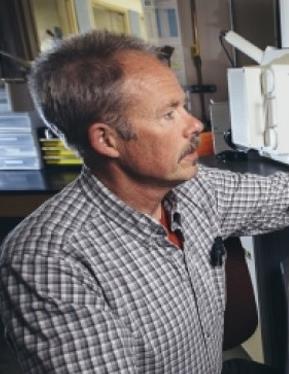 William Inskeep合作论文数Department of Land Resources and Environmental Sciences, College of Agriculture, Montana State University;Thermal Biology Institute, Montana State University8
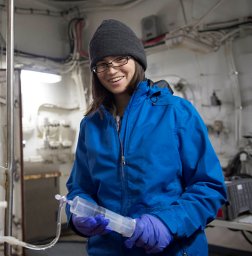 Whitmore Laura M合作论文数8
 Leiser Owen P合作论文数The Microbial Genetics and Genomics Center, Northern Arizona University6Merkley Eric D合作论文数Pacific Northwest National Laboratories6
 David S Wunschel合作论文数6Karen Wahl合作论文数6Hasand Gandhi合作论文数Department of Zoology, Michigan State University5
 Bobbie-Jo Webb-Robertson合作论文数Pacific Northwest National Laboratory5
 Courtney D. Corley合作论文数Pacific Northwest National Laboratory5Nathaniel E. Ostrom合作论文数5Brooke L Deatherage Kaiser合作论文数4
 Yang Hui合作论文数Department of Biochemistry &Molecular Biology, Michigan State University;Department of Biochemistry & Molecular Biology, Michigan State University4Lin Andy合作论文数Signatures Sciences &National Security Directorate, Pacific Northwest National Laboratory;National Security Directorate, Pacific Northwest National Laboratory4
 Brian Clowers合作论文数Department of Chemistry, College of Arts & Sciences, Washington State University4
 Landon H. Sego合作论文数Pacific Northwest National Laboratory4
 Jason West合作论文数Department of Environmental Sciences and Engineering, Gillings School of Global Public Health, The University of North Carolina at Chapel Hill4Jon H Wahl合作论文数3
 Jim Ehleringer合作论文数School of Biological Sciences, University of Utah3Bartholomew Rachel A合作论文数3
 Paul S Keim合作论文数Department of Biological Sciences, Northern Arizona University;Department of Biology, University of Oxford3
 Heather Anne Colburn合作论文数Chemical and Biological Sciences Group, Pacific Northwest National Laboratory3
 David Wagner合作论文数Center for Microbial Genetics and Genomics, Northern Arizona University3Margaret F. Romine合作论文数3Zackary J. Jay合作论文数3
 Aimee E. Holmes合作论文数3Adam J. Cornish合作论文数2
 Theodora Zlateva合作论文数2Jim Moran合作论文数2Janine R Hutchison合作论文数2Luca Quaroni合作论文数2Beam Jacob P合作论文数2David W. Podlesak合作论文数2
 April J. Carman合作论文数Pacific Northwest National Laboratory2
 Richard Anderson合作论文数Department of Educational Psychology, College of Education, University of Illinois at Urbana-Champaign;Center for the Study of Reading, University of Illinois at Urbana-Champaign2M. Lizabeth Alexander合作论文数2Nancy B. Valentine合作论文数2
 Christopher Ehrhardt合作论文数Pacific Northwest National Laboratory2Mark F. Tardiff合作论文数2
 Nancy Isern合作论文数2
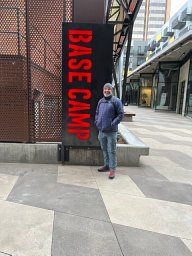 Jason K. Blackburn合作论文数World Health Organization Collaborating Center for Remote Sensing and GIS for Public Health, Louisiana State University2
 Ryan Jennings合作论文数2
 Lee Ann Mccue合作论文数Pacific Northwest National Laboratory, University of Tennessee2Angela M. Melville合作论文数2
 Douglas Charles Duckworth合作论文数2Michael J. Lott合作论文数Department of Biology, University of Utah2Eric A. Hill合作论文数1




