Background Intimate partner violence (IPV) is a significant problem; however, researchers and clinicians have not paid much attention.Purpose To assess the prevalence of IPV among married rural women and its correlates.Methods This cross-sectional study was conducted in a rural area. All the eligible females were assessed on the Intimate Partner Violence Questionnaire (IPVQ), Generalised Anxiety Disorder Questionnaire-7 (GAD-7) and Patient Health Questionnaire (PHQ)-9.Results 169 females included with the mean age of 35.8 years. The prevalence of lifetime experience of IPV was 29.0%. Controlling behaviour was most common, followed by physical violence, threatening behaviour and sexual behaviour. About one-fourth (26%) had depres-sion, and a little less than one-third (30.8%) had an anxiety disorder. Severity of depression and anxiety had a significant posi-tive correlation with IPV and other domains of IPV. Those participants whose husbands were consuming alcohol or other illicit drugs and were from a lower socio-economic status reported a significantly higher experience of IPV.Conclusion The stakeholders, such as community health organisations, Ministry of Family and Healthcare organisations and others, should work in collaboration with a non-govern-mental organisation in a coordinated and planned manner and can take a pivotal role in research, prevention of IPV and other psychiatric problems among rural females.
Background:Domestic violence does not end when the physical harm stops-for countless women, it continues to live on as depression, anxiety, and psychological distress long after the violence has ceased. So, the main objective of this paper was to examine the prevalence of domestic violence and its impact on the mental health among women of reproductive age (15-49 years) in an urban slum in Chandigarh, focusing on its effects on their mental health. Materials and Methods:This was a cross-sectional study conducted on 279 females aged 15-49 years in Sector-25, Chandigarh, residing in urban slum areas. Data were collected by face-to-face interviews using a pretested questionnaire, including the Domestic Violence Questionnaire, Self-Harm Inventory, and Depression, Anxiety, and Stress Scale. Ethical consideration was taken from the institute, and informed consent was taken from eligible females. The data were analyzed using IBM SPSS Statistics, version 21 (IBM Corp., Armonk, NY, USA). Fisher's exact test and multivariable logistic regression were used. Results:The prevalence of domestic violence was found to be 30.1% (95% CI: 25.0-35.7%) among females in urban slums, with insulting behavior (94.0%) being the most prevalent. Other factors that were associated, such as type of residence, occupation of the participant, and the history of substance abuse, were significant contributors. Women who experienced domestic violence had significantly higher odds of anxiety symptoms compared to those who did not (odds ratio: 2.35; 95% CI: 1.21-4.57; P = 0.018). Conclusion:Females still experience violence, leading to poor mental health outcomes including depression, anxiety and stress. Targeted interventions are needed to address mental health issues associated with domestic violence.
In this paper, we deal with boundary value problem in two-dimensional medium based on non-local couple stress orthotropic micropolar thermoelastic solid with voids. A traction-free insulated and isothermal boundary of a non-local thermoelastic solid are considered. The governing equations for two-dimensional problem of the medium are obtained as a vector matrix differential equation which are then solved by using eigenvalue approach. The effect of non-local, couple stress and void parameter on the displacements and temperature are computed numerically and presented graphically. Particular cases are also established and compared with the known results.
Thermoelastic damping (TED) is an important factor in modeling and designing of micro-/nanoscale devices. The present study proposes to study thermoelastic damping in piezothermoelastic beam at nanoscale using nonlocal modified couple stress theory (NMCST) which is a combination of Eringen’s nonlocal elasticity theory and modified couple stress theory. Coupled thermoelastic equations are derived using NMCST based on Euler-Bernoulli beam theory. The complex frequency approach has been used to solve the coupled equations and thermoelastic damping has been obtained for piezothermoelastic nanobeam under simply suppoted-simply supported (SS) boundary condition. The results obtained are compared to those obtained from classical continuum and heat conduction theories. MATLAB software has been used to discuss the results graphically.
Background: Hindi translation and cross-language validation of the parent version of parent–child relationship, Loneliness and Dissatisfaction Questionnaire, and Conflict Behavior Questionnaire (CBQ) would expedite generating data from India. The present study aimed to translate the parent forms of the original English version of the Parent–Child Relationship Questionnaire (PCRQ-P), LSDQ-P, and CBQ-P into Hindi and evaluate its psychometric properties. Methods: Hindi translation and cross-language adaptation of PCRQ, LSDQ, and CBQ were done following World Health Organization guidelines. Parents of children 10–18 years of age, from either government or private schools of Chandigarh, whose parents gave consent, were enrolled through snowball convenient random sampling technique. Results: Psychometric properties of adapted versions of all three scales confirm that the content of items of the scales has not been changed grossly and also scales were easy to understand for the participants. Hindi variant of these scales provides adequate psychometric properties in terms of cross-cultural language concordance, internal consistency, and test–retest reliability. ICC value for both the English and Hindi version was ≥0.88, and α value was ≥0.92. For test–retest observation ICC was ≥0.88 and α value was ≥0.83. Conclusion: The internal consistency, split-half reliability, and test–retest reliability are good to excellent. Thus, the Hindi version of PCRQ-P, LSDQ-P, and CBQ-Pas translated in this study is a reliable and valid instrument.
The work is concerned with the propagation of plane waves at the free half space in a exponentially graded isotropic nonlocal generalized thermoelastic solid medium under initial stress and gravity. We study the incidence of P or SV waves at the free half space. We found three reflected waves namely P, thermal T and SV waves propagating with different speeds. The phase speeds, reflection and energy coefficients are calculated in closed form to study the impact of gravity and initial stress parameter on reflection and energy coefficients. These are calculated numerically and shown graphically with the help of MATLAB. Some special cases of interest are also drawn from the present investigation.
Background Internet is an integral part of the daily life of everyone. Internet addiction (IA) is one of the major concerns, specifically among young adults. The association between IA, depression, anxiety, and psychological well-being (PWB) is least studied in young adults. Purpose To evaluate IA and its association with psychological morbidity and PWB in a larger sample size. In addition, to examine the factors that are associated with IA. Methods A total of 1287 young students were evaluated in the present study. Participants were evaluated on the Internet Addiction Test (IAT), Patient Health Questionnaire-9 (PHQ-9), Generalized Anxiety Disorder-7 (GAD-7), and Psychological Well-Being Index-22. Results The mean age of the study’s participants is 19.5 years. The majority were female (68.9%), from nuclear families (61.8%), and belonged to urban localities (61.5%). On IAT, 15.9% had a presence of IA with a cut-off score of 50. 27.4% and 20.5% had a presence of depression and anxiety with a cut-off score of 10 on the PHQ-9 and GAD-7, respectively. Approximately two-thirds (66.7%) reported poor PWB. IA had a significant positive association with depression and anxiety and a negative association with PWB. Male students, the presence of depression, anxiety, and poor PWB were independent factors associated with IA. Conclusion Internet addiction is highly prevalent among college students and has a significant association with anxiety, depression, and poor PWB. There is a need to develop a structured plan, educational strategy, and program to minimize IA in young adults.
Background: Different clinical manifestations were revealed by the distinct waves of the coronavirus. The pandemic had a multifaceted impact on mental health, sleep patterns, and associated fear. MATERIALS AND METHODS: It was an observational online survey using by using Google Forms in the city of Chandigarh between April 2020 and April 2021 across three waves of the coronavirus outbreak (first wave from March 2020 to May 2020, second wave from June 2020 to January 2021, and third wave from February 2021 to April 2021). Fear of coronavirus disease (COVID), preventive behaviors, insomnia-related problems, and impact of the event were assessed by using standardized scales. Results: The participants who were infected during the first phase exhibited significantly higher levels of distress, loss of control over their reactions, increased fear of coronavirus and sleep problems, and also greater adherence to preventive behaviors compared to those who were infected during the second and third waves. A tendency to emerge post-traumatic stress disorder (PTSD) was seen in 68 (58.1%) of the participants (Peritraumatic Distress Inventory (PDI) score >14) and 34 (29.1%) of all the participants (PDI score >23). Overall, 66 (56.4%) participants reported having insomnia. About 24 people (20.5%) had clinical concerns about PTSD, 20 people (17.1%) had probable PTSD diagnoses, and 16 people (13.7%) experienced a severe coronavirus disease 2019 (COVID-19) pandemic impact on their lives. Conclusion: The first wave of COVID-19 had a greater psychological impact than subsequent waves. Further research must fill important gaps in our knowledge of the clinical range and long-term effects.
The present study examines the vibrations in micro- and nano-piezothermoelastic beams with voids. In this work, the modified couple stress theory is employed to generate closed-form formulas for deflection, volume fraction, electric potential and temperature distribution. The effects of voids, modified couple stress, beam dimensions and electric potential on energy dissipation (thermoelastic damping) are examined for beams under various boundary conditions. We have established analytical formulas for frequency shift, attenuation and thermoelastic damping. MATLAB software is used to get numerical results and exhibit them visually.
Background . Studying loneliness among children is important because it causes much social pain and is considered to be a risk factor for many mental and physical problems. Methods. We did an online survey between July and September 2020 among students and their parents from a cluster of government and private schools chosen from north, south, east and west of Chandigarh. The survey consisted of child and parent versions of the Loneliness and Social Dissatisfaction Questionnaire, Parent-Child Relationship (PCR) Questionnaire and Conflict Behaviour Questionnaire SF. Parental distress was assessed using the Depression, Anxiety and Stress Scale -21. Results . The majority of children and parent participants reported high loneliness and dissatisfaction among children. A significant positive association was found between children and parent reported loneliness and dissatisfaction, and between child reported PCR and parent perception of PCR. A child's appraisal of her loneliness had a significant negative association with depression among parents. Parent's perception of child loneliness and dissatisfaction was negatively associated with PCR and parental anxiety. High loner boys reported poor quality of relationship and more conflicts with their parents than girls. Children who share cordial relations with their parents had fewer conflicts and also scored low on loneliness. Conclusion . These results suggest that the issue of loneliness and dissatisfaction among children has attained epidemic proportions in the Covid-19 era, and active interventions are needed to safeguard the mental health of children. Our study emphasizes the need to plan guidance strategies with a joint effort of schools and families to strengthen within family relations of children.
Introduction: Lockdown during the initial wave of the COVID-19 pandemic and isolation were discovered to have a negative psychological influence on the general population’s mental health and wellbeing. Aim: This study aims to Trace and compares the impact of the COVID-19 pandemic on mental health in terms of psychological well-being (PWB), distress and family functioning during the first and second wave. Materials and Methods: A convenient purposive sampling method was used to conduct an online survey during the first COVID wave (May 2020–July 2020) in India, and the same demographic group was re-contacted (March 2021–May 2021) during the second wave. The institute ethical committee was consulted in advance for approval, and participants’ digital consent was obtained. The first and second waves of the COVID-19 epidemic in India were evaluated using the PWB scale, the depression anxiety stress scale 21, and the brief family relationship scale. Results: Among all individuals, there was a 25.4%, 39.3%, and 30% prevalence of stress, anxiety, and depression, respectively in our study. Participant’s well-being and family relationships were negatively impacted by anxiety and depression. Older participants reported more favorable relationships and higher levels of well-being than younger participants did. Women scored significantly lower on psychological well-being measures and much higher on stress, anxiety, and depression measures than men. Conclusion: The first wave, which has contributed to a significant increase in psychiatric morbidity, affected the general population at a moderate intensity. The present study’s findings may be useful for developing policies, intervention programs, and offering psychosocial help to the community.
BACKGROUND:The gastrointestinal symptom rating scale (GSRS) is a questionnaire in English language which is designed to assess the clinical symptoms in patients with irritable bowel syndrome (IBS) and peptic ulcer disease. This validated scale has questions on around 15 items and has been validated in patients with dyspepsia and IBS. AIM:To translate and validate the English version of the GSRS questionnaire to the Hindi version. METHODS:The purpose of the present work was to create a Hindi version of this questionnaire for use in the Indian population. The process involved various steps as per the World Health Organization methodology including initial forward translation, backward translation, and assessment by an expert committee. Initial pilot testing was followed by testing in healthy and diseased individuals. RESULTS:The Hindi translation was pilot tested in 20 individuals and further validated in healthy controls (n = 30, 15 females) and diseased individuals (n = 72, 27 females). The diseased group included patients with functional dyspepsia and IBS. Cronbach's alpha for internal consistency on the final translated GSRS questionnaire was 0.715 which is considered adequate. Twelve questions significantly differentiated the diseased population from the healthy population (P value < 0.05) in the translated Hindi version of the GSRS. CONCLUSION:The translated Hindi GSRS can be used to evaluate gastrointestinal function in clinical trials and community surveys in Hindi speaking populations.
Cooperation is an emerging paradigm for improving spatial differentiation in Vehicular Ad-Hoc Networks (VANETs). Hence, many network solutions are motivated through cooperative communications for boosting VANET efficiency regarding specific network constraints like energy efficiency, network capacity, and outage probability. The main intention of this paper is to design and develop an optimization model for selecting the minimum number of multi-hops between the source and destination for the cooperative VANET networks. The first phase has a first-time slot, where a signal is transmitted by the source to the cooperative nodes (its relays) and their equivalent destination. The main problem considered here is to optimally select the number of hops or relays that are adaptable for communication, to solve the multi-objective functions concerning the target throughput and outage probability. The adoption of new Dimension-based Cat Swarm Optimization (D-CSO) is the main contribution here to optimally select the multi-hops among source and destination. Through the performance evaluation, it is observed that the designed model has achieved networks-wide fairness performance and a good convergence rate.
Essential care workers like police personnel, social workers, and office and administrative staff of health institutions are also at increased risk of coronavirus disease 2019 (COVID-19) exposure along with healthcare workers. The present study aims to estimate the distress, anxiety, depression, and sleep impact of COVID-19 pandemic on essential workers through an online survey. This cross-sectional study (included 369 participants) was conducted in Chandigarh through an online survey using three psychological scales: Peritraumatic Distress Inventory (PDI), Insomnia Severity Index, and Depression Anxiety Stress Scale. Three-hundred-sixty-nine frontline warriors from hospital and community settings were included in the study. The respondents include police personnel (274; 73.66%), office staff (24; 6.45%), social workers (53; 14.24%), and media staff (21; 5.65%). Maximum distress was reported by media/transport officials on duty (85.7%). The majority of them scored high (>14), and slightly less than one-fourth (23.8%) scored significantly abnormal (>23) on PDI. About 42.9% reported moderate insomnia, 52.4% exhibited severe anxiety, and 33.3% of media/transport participants reported severe depression. Psychological morbidity is high in media/transport and social workers working in the community during the COVID-19 pandemic.
COVID-19 is a virus known to almost all in the world, and almost everyone is affected by COVID-19 in some way. It has affected physical health, psychological health, occupational life, family life, education system, etc. It substantially impacts mental health from all perspectives, direct or indirect. Children are one of the vulnerable populations, and they also faced several unexpected changes due to the COVID-19 pandemic. In India, the schools were closed in March 2020 without understanding the future consequences. Schools have launched online classes to retain admissions, increasing exposure to technology. That further leads to overscreen use, late-night sleep, social isolation, virtual abuse, bullying, etc. Schools and colleges started functioning after more than 18 months, and we encountered several adolescent students with anxiety and depressive symptoms post-school re-admission. Almost two years ago, children were shut in the home with minimal social learning opportunities; they had minimal social interaction, no group exposure, no face-to-face teacher, and no public presentation. Therefore this chapter aims to understand the conditions of children after re-admission to schools. The chapter will discuss the issues through case studies of students approaching the Child Psychiatry Clinic, PGIMER Chandigarh.
 Rajni Sharma合作论文数14
 Lokesh K. Saini合作论文数Department of Pediatrics (Division of Child Neurology),, All India Institute of Medical Sciences11M.A. Ansari合作论文数9
 Rajender Kumar合作论文数9
 Amit Pandit合作论文数9Ravinder Kumar Sahrawat合作论文数8Mehra Aseem合作论文数Department of Psychiatry, Post Graduate Institute of Medical Education and Research (PGIMER), Chandigarh, India.8Rakesh Kapoor合作论文数7B Ravi Chandra合作论文数7Pankaj Aneja合作论文数7
 Naresh Kaushik合作论文数Amity Food & Agr Fdn, Amity Univ Uttar Pradesh7Dharam Vir合作论文数Department of Otolaryngology, PGIMER7
 Jaivinder Yadav合作论文数Department of Pediatrics, All India Institute of Medical Sciences7
 Jaimanti Bakshi合作论文数Deptartment of ENT and Head and Neck Surgery, CHD7Vikas Suri合作论文数Post Graduate Institute of Medical Eduction and Research7
 Babita Ghai合作论文数Department of Cardiovascular and Thoracic Surgery, Postgraduate Institute of Medical Education and Research7
 Naresh Panda合作论文数Department of Otolaryngology, Post Graduate Institute of Medical Education and Research7
 Atul Kumar Goyal合作论文数Indraprastha Institute of Information Technology (IIIT), New Delhi, India7ravendra chandra nautiyal合作论文数6
 Akhilesh Sharma合作论文数Sir Padampat Singhania University6
 Shubham Mahajan合作论文数Shri Mata Vaishno Devi Univ, Sch Elect & Commun, Katra 182320, India5
 Singh Shubh Mohan合作论文数Department of Psychiatry, Postgraduate Institute of Medical Education &Research (PGIMER), Chandigarh, India.;Department of Psychiatry, Postgraduate Institute of Medical Education & Research (PGIMER), Chandigarh, India.5
 Arjun Tyagi合作论文数Dept. of Electr. Eng., Gautam Buddha Univ.;c;Dept. of Electr. Eng., Gautam Buddha Univ.5Rajneesh Kumar合作论文数Kurukshetra University5
 Manohar Aggarwal合作论文数Dept . of Mech . Eng .;Univ . of Ottawa;Dept . of Mech . Eng ., Univ . of Ottawa5Uppula Kiran合作论文数4Bhagwan Dass合作论文数4Malik Sangeeta合作论文数4
 Dr Ranju Rajput合作论文数4Divyansh Sharma合作论文数4
 Sandeep Grover合作论文数Department of Psychiatry, Postgraduate Institute of Medical Education and Research4
 Shelej Khera合作论文数Sch Elect & Elect Engn, Lovely Profess Univ4
 Ajay Roy合作论文数School of Materials Sciences, Indian Association for the Cultivation of Science4
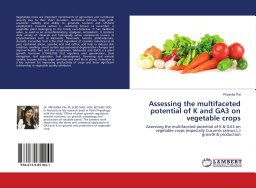 Priyanka Pal合作论文数Dept Bot, Kurukshetra Univ4
 Rana, V.合作论文数Dept. of Electr. Eng., Gautam Buddha Univ.;c;Dept. of Electr. Eng., Gautam Buddha Univ.4
 Singh Narender合作论文数4
 Yadav Kuldeep合作论文数Plant Tissue Culture Laboratory, Kurukshetra University4
 Pooja Deswal合作论文数3N. Rao合作论文数3rajeev dogra合作论文数3Suman Yadav合作论文数3Deeksha Sharma合作论文数3
 Sayali Bhalchandra Thakare合作论文数3
 Monika Dutta合作论文数3Suman Malik合作论文数3N. Saxena合作论文数3
 Divya Bajpai合作论文数Dept Nephrol, King Edward Mem Hosp3S. Bose合作论文数3
 Rajiv Gupta合作论文数Massachusetts Gen Hosp, Dept Radiol, Boston, MA 02114 USA3




