IC50 Values of PRT3789 for Anti-Proliferation in Various Tumor Cell Lines in 2D In Vitro Assay
PRT3789 enhances the efficacy of KRAS G12C inhibitors in SMARCA4-deficient cancer models
PRT3789 single dose decreases SMARCA2 protein and KRT80 mRNA expression in NCI-H838 CDX model in mice
PRT3789 and chemotherapy combination were well tolerated in mice with no drug-drug interaction
IC50 Values of PRT3789 compared to Example 38 for Anti-Proliferation in SMARCA4 WT Tumor Cell Lines in 2D In Vitro Assay
PRT3789 shows species-specific selectivity and induces SMARCA2 degradation through the ubiquitin–proteasome system
The adoptive transfer model mimics pathways that are constitutively activated in human MCL.
Hemophagocytic lymphohistiocytosis (HLH) is a rare but aggressive and potentially lethal hyperinflammatory syndrome characterized by pathologic immune activation and excessive production of proinflammatory cytokines leading to tissue damage and multisystem organ failure. There is an urgent need for the discovery of novel targets and development of therapeutic strategies to treat this rare but deadly syndrome. Protein Arginine Methyltransferase 5 (PRMT5) mediates T cell-based inflammatory responses, making it a potential actionable target for the treatment of HLH. Using CPG-1826 and anti-IL10R antibody, we induced murine secondary HLH in vivo with a marked expansion of splenic myeloid cell subsets and concurrent reduction of T and NK cell populations. PRMT5 expression was significantly upregulated in splenic T and NK lymphocytes as well as monocytes and dendritic cells in mice with HLH (p<0.05). Treatment with PRT382, a potent and selective PRMT5 inhibitor, significantly reduced physical signs of secondary HLH, including splenomegaly, hepatomegaly and anemia (p<0.0001 in each case), when compared to untreated mice. Inflammatory cytokines known to drive hyperinflammation in HLH, including IFNγ and IL-6 were reduced to healthy levels with PRT382 treatment (p>0.999 for both). PRT382 treatment also reduced the expansion of myeloid cell populations (p<0.0001) in mice with HLH, compared to untreated mice, while restoring T and NK cell numbers (p<0.001 for both). These results identify PRMT5 as a promising target for the management of secondary HLH and justify further exploration in this and other models of hyperinflammation.
 Peggy A. Scherle合作论文数84Robert C. Newton合作论文数33
 Margaret A. Keller合作论文数Amer Red Cross Natl Labs32Maryanne Covington合作论文数29Fridman Jordan S合作论文数28
 Robert A Baiocchi合作论文数26Gregory Hollis合作论文数26
 Srdan Verstovsek合作论文数Department of Leukemia, Division of Cancer Medicine, University of Texas MD Anderson Cancer Center25Andrew P. Combs合作论文数25Neha Bhagwat合作论文数22
 Swamy Yeleswaram合作论文数21
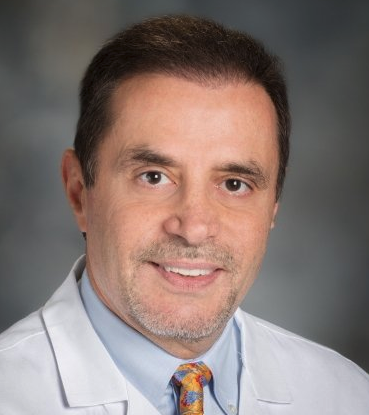 Hagop M. Kantarjian合作论文数Department of Leukemia, Division of Cancer Medicine, The University of Texas MD Anderson Cancer Center20Richard Levy合作论文数19
 Min Wang合作论文数Department of Chemistry and Chemical Biology, University of New Mexico;Department of Chemistry and Chemical Biology, University of New Mexico19
 Robert Newton合作论文数Department of Physiology and Pharmacology, Cumming School of Medicine, University of Calgary;Airways Inflammation Research Group, Snyder Institute, University of Calgary17Yao Wenqing合作论文数16Ruben A. Mesa合作论文数16Yanlong Li合作论文数16Timothy C Burn合作论文数15Chu-Biao Xue合作论文数15Bruce A. Ruggeri合作论文数15Lapo Alinari合作论文数15Huber R合作论文数14Brian Metcalf合作论文数Incyte14
 Shelby Sloan合作论文数13
 Fiona Brown合作论文数Wei Laboratory, Blood Cells & Blood Cancer Division, Walter and Eliza Hall Institute of Medical Research13
 J.D. Rodgers合作论文数12Rosa Lapalombella合作论文数12Alexander Grego合作论文数11JoBeth Helmig-Mason合作论文数11
 Vikas Gupta合作论文数Cancer Clinical Research Unit, Princess Margaret Cancer Centre11Wen Xiaoming合作论文数11Yun-Long Li合作论文数11Richard Wynn合作论文数11Phillip C. C. Liu合作论文数11Eian Caulder合作论文数11Joseph Rager合作论文数10Carole Miller合作论文数10J. Catalano合作论文数10
 Selina Chen-Kiang合作论文数Pathology and Laboratory Medicine, Weill Cornell Medicine, Cornell University10Koblish Holly K合作论文数10Harvey Jimmie H合作论文数10Winton Elliott F合作论文数10
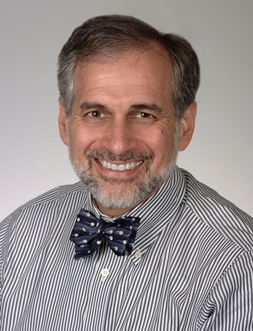 Richard M. Silver合作论文数Department of Medicine, College of Medicine, University of South Carolina;Multidisciplinary Clinical Research Center, University of South Carolina;Medical University of South Carolina10
 Rob Newton合作论文数School of Medical and Health Sciences, Edith Cowan University;Exercise Medicine Research Institute, Edith Cowan University10John F. Dipersio合作论文数10
 Moshe Talpaz合作论文数Division of Hematology Oncology, Department of Internal Medicine, University of Michigan10Niu Shin合作论文数10Victor Sandor合作论文数10




