Understanding the manner in which vibrational energy flows between molecular and lattice vibrations is of great interest in physical chemistry due to its central role in reactivity and energy dissipation in molecular materials. In this feature article, we highlight our recent efforts employing ultrafast broadband infrared spectroscopy toward understanding the interplay between molecular and lattice vibrations in energetic materials, motivated by the open questions surrounding the role of vibrational energy transfer (VET) in reaction initiation in these materials. Our work addresses the ongoing debate on the participation of doorway modes in VET. We further present new results from high-pressure ultrafast experiments on RDX, a hydrogen-bonded material, and BNFF, a hydrogen-free material, to explore how intermolecular interaction strength governs VET pathways and time scales. Collectively, our findings reveal that vibrational dynamics in these systems occurs across three distinct time regimes, with VET being incomplete out to hundreds of picoseconds, suggesting the importance of considering nonstatistical reactions in the modeling of these materials. These time scales vary as intermolecular interaction strength is indirectly modified by application of static pressure, indicating dramatic changes to the vibrational structure of these materials under shock-relevant conditions. Our results thus shed light on how intermolecular interactions shape vibrational energy redistribution in molecular materials, and highlight the need for further theoretical and experimental investigation.
The disulfide bond, in the form of cystine, plays a key role in protein structure and function. Dimethyl disulfide serves as a model system for understanding the fundamental properties of this unique chemical bond, including its response to UV photoexcitation. While photoexcitation at 267 nm is known to exclusively cleave the S–S bond on a sub-picosecond time scale, photoexcitation at 200 nm excites a mixture of electronic states of Rydberg and antibonding character along the C–S bond, resulting in competing dissociation pathways on an unknown timescale. Herein, we use mega-electron-Volt ultrafast electron diffraction and time-resolved velocity-mapped ion imaging to directly time the competing C–S and S–S bond dissociation pathways upon photoexcitation of dimethyl disulfide at 200 nm, finding sub-picosecond as well as unexpectedly long, picosecond lifetimes. Non-adiabatic mixed quantum-classical trajectories reveal pathways for each bond dissociation and help interpret experimental results through calculations of both experimental observables. We suggest that while the sub-picosecond dynamics arise from bond dissociation on the singlet manifold, picosecond dynamics arise from
Non-equilibrium interactions between plasmonic metals and adsorbed molecules lie at the heart of emerging applications such as plasmonic photocatalysis and sensing, though the ultrafast charge and energy transfer mechanisms arising from these interactions are not well understood. Herein, we investigate the ultrafast dynamics of Au nano-islands tethered with a self-assembled monolayer (SAM) of electron-withdrawing 4-mercaptobenzoic acid (4MBA) molecules. Ultrafast UV-visible transient absorption spectroscopy following excitation of the interband transition in Au reveals three well-known, characteristic time constants that quantify electron-electron (el-el), electron-phonon (el-ph) and phonon-phonon (ph-ph) scattering lifetimes. When comparing the dynamics of bare Au and 4MBA-Au, we find that the el-ph and ph-ph scattering lifetimes are notably longer in 4MBA-Au. Density functional perturbation theory calculations ascribe the elongation in el-ph lifetimes in 4MBA-Au to the significant coupling of acoustic phonon modes of Au with certain molecular vibrations of 4MBA, leading to decreased spatial overlap between carrier electronic states and the acoustic modes. We speculate that the elongation of ph-ph scattering lifetimes in 4MBA-Au arises due to poor thermal conductivity of the SAM which disrupts efficient energy dissipation from Au to the environment, thus slowing down the thermalization of phonons. This work provides a glimpse into how molecular adsorbates modify the charge carrier and phonon dynamics of Au and sets the stage for further systematic exploration of plasmonic metal-molecule interactions.
Disulfide photochemistry impacts a wide range of chemical processes from biological UV photodamage to polymer self-healing and green photocatalysis. Despite this, the response of disulfide bonds to deep‑UV light remains poorly understood. Dimethyl disulfide serves as a model system for understanding the fundamental properties of this chemical motif, including its UV photodynamics. While 267-nm excitation exclusively cleaves the S–S bond on a sub-picosecond timescale, 200 nm excites electronic states of Rydberg and antibonding character, resulting in competing C–S and S–S dissociation on an unknown timescale. Using mega-electron-Volt ultrafast electron diffraction and time-resolved velocity-mapped ion imaging, we find sub-picosecond as well as unexpectedly long, picosecond lifetimes. Non-adiabatic mixed quantum-classical dynamics reveal mechanisms and observables. We attribute the sub-picosecond dynamics to bond dissociation on singlet states and the picosecond dynamics to dissociation after intersystem crossing. Our study reveals that deep-UV excitation in disulfide-containing molecules can induce complex, multi-timescale dynamics.
Organometallic photochemistry lies at the heart of photochemical energy conversions in applications such as photocatalysis, photovoltaic cells, and luminescent materials. Thus, understanding how metal and ligand interactions in organometallic complexes modify electronic excited-state properties and reactivity has been the subject of intense studies for decades. Transition metal carbonyls [Mn(CO)m] have long served as prototypical organometallic complexes for understanding metal–ligand bonding and photochemistry and have been studied extensively in solution, matrices, and the gas phase on time scales ranging from femtoseconds to microseconds and longer. This review chronicles the past two and a half decades of efforts in understanding the ultrafast (sub-nanosecond) dynamics of transition metal carbonyls in the gas phase, where complicating solvent influences are absent and multiple experimental probes and high-level electronic structure theory can come together to yield rich information on the intricate interplay of electronic and structural dynamics. This review first lays the groundwork by briefly describing the electronic structure of transition metal carbonyls and introducing the various ultrafast techniques that have been applied to study their unimolecular dynamics. We then provide a detailed historical account on the ultrafast photochemistry of iron pentacarbonyl, nickel tetracarbonyl, and transition metal hexacarbonyls and decacarbonyls, putting the more recent ultrafast studies in the context of prior investigations. We end this review with an outlook on open questions and future possibilities.
Energy conversion in energetic materials from shock-wave-induced lattice compression to bond breaking critically depends on vibrational coupling and energy transfer between intra- and intermolecular vibrations, though the details of the mechanisms remain unknown. Herein, we indirectly tune the strength of intermolecular interactions in 3,4-bis(3-nitrofurazan-4-yl)furoxan (BNFF), a hydrogen-free energetic material characterized by van der Waals interactions, by applying high static pressure using a diamond anvil cell and monitoring vibrational energy transfer (VET) with ultrafast broadband infrared pump-probe spectroscopy. As BNFF is compressed from ambient pressure to 9 GPa, we find that VET accelerates by ∼ 0.9 ps/GPa. Density functional theory is applied in tandem with experiments to assign mode character and elucidate VET pathways. We find that furazan ring O-N-O vibrations, which are high-frequency detonation-relevant vibrational modes, experience increased sensitivity to lattice compression under shockwave pressures. These findings provide new mechanistic insight into how intermolecular interactions govern the rate and selectivity of VET.
Ultrafast core-to-valence transient absorption spectroscopy has emerged as a powerful technique for monitoring nonequilibrium chemical dynamics with element and site specificity. Owing to advancements in the robust, tabletop generation of ultrafast extreme ultraviolet (XUV) and soft X-ray (SXR) pulses, this technique has been applied to great effect in investigating electronic excited-state dynamics in various gas-phase molecules. This review begins with an overview of the experimental advances that have enabled laboratory-scale XUV and SXR production with particular emphasis on high-harmonic generation, central to modern implementations of tabletop core-to-valence transient absorption spectroscopy. We then highlight a collection of landmark studies that demonstrate the unprecedented insights this technique yields into the site-specific excited-state dynamics governing photoinduced processes such as bond dissociation, conformational change, and electronic relaxation in gas-phase molecules. We conclude with an outlook on future frontiers, including control of excited-state dynamics, other nonlinear X-ray spectroscopies, and next-generation light sources.
Dimethyl disulfide (DMDS), one of the smallest organic molecules with an S-S bond, serves as a model system for understanding photofragmentation in polypeptides and pro- teins. Prior studies of DMDS photodissociation excited at ∼266 nm and ∼248 nm have elucidated the mechanisms of S-S and C-S bond cleavage, which involve the lowest excited electronic states S1 and S2. Far less is known about the dissociation mechanisms and elec- tronic structure of relevant excited states of DMDS excited at ∼200 nm. Herein we present calculations of the electronic structure and properties of excited states S1-S6 accessed when DMDS is excited at ∼200 nm. Our analysis includes a comparison of theoretical and ex- perimental UV spectra, as well as theoretically predicted one-dimensional cuts through the singlet and triplet potential energy surfaces along the S-S and C-S bond dissociation coordinates. Finally, we present calculations of spin-orbit coupling constants at the Franck- Condon geometry to assess the likelihood of ultrafast intersystem crossing. We show that choosing an accurate yet computationally efficient electronic structure method for calcu- lating the S0-S6 potential energy surfaces along relevant dissociation coordinates is chal- lenging due to excited states with doubly excited character and/or mixed Rydberg-valence character. Our findings demonstrate that the extended multi-state complete active space second-order perturbation theory (XMS-CASPT2) balances this computational efficiency and accuracy, as it captures both the Rydberg character of states in the Franck-Condon region and multiconfigurational character toward the bond-dissociation limits. We com- pare the performance of XMS-CASPT2 to a new variant of equation of motion coupled cluster theory with single, double, and perturbative triple corrections, EOM-CCSD(T)(a)*, finding that EOM-CCSD(T)(a)* significantly improves the treatment of doubly excited states compared to EOM-CCSD, but struggles to quantitatively capture asymptotic ener- gies along bond dissociation coordinates for these states.
Organic donor-acceptor co-crystals with long exciton lifetimes have emerged as a promising class of semiconductors for their unique photophysical properties. These are crystalline, single-phase materials composed of two or more different compounds in a stoichiometric ratio, providing a platform for unveiling the structure–property relationships at a molecular level. Importantly, co-crystals that are packed through π stacking interactions have the ability to form charge transfer (CT) excitons within donor-acceptor pairs. 1,2,3 We hypothesize that co-crystals with a high degree of CT will have longer exciton lifetimes. Therefore, we design and synthesized of new co-crystals using derivatives of N,N-bis(3-pentyl)-perylene-3,4:9,10-bis(dicarboximide) (PDI, acceptor) with a series of donor molecules, including peri-xanthenoxanthene (PXX), perylene, and triphenylene. High quality single crystals were isolated by slow evaporation at room temperature from suitable solvent mixtures. Their crystal structures were successfully refined by single-crystal X-ray diffraction and the phase purity was validated by powder diffraction. Crystal structures revealed that the driving force for forming these co-crystals is π...π stacking. We measured diffuse reflectance UV/visible spectra of each of these co-crystals and compared with computed spectra to assign the observed electronic transitions. DFT calculations provide additional insights into the nature of the excited state CT interactions which can be derived from ground state electronic structure calculations. Transient absorption measurements were conducted to understand their long exciton lifetime for each of as synthesized co-crystals. We conclude that this study supported our previous hypothesis and such materials are potentially useful in applications ranging from photovoltaics and opto-electronics to photocatalysis. References 1) A. Abou Taka, J. E. Reynolds Iii, N. C. Cole-Filipiak, M. Shivanna, C. J. Yu, P. L. Feng, et al. Phys. Chem. Chem. Phys. 2023, 25, 27065. 2) L. Sun, Y. Wang, F. Yang, X. Zhang and W. Hu. Adv. Mater. 2019 , 31, 1902328. 3) I. Schlesinger, N. E. Powers-Riggs, J. L. Logsdon, Y. Qi, S. A. Miller, R. Tempelaar, et al. Chem. Sci., 2020 , 11, 9532–9541.
Herein, we report on the ultrafast photodissociation of nickel tetracarbonyl-a prototypical metal-ligand model system-at 197 nm. Using mid-infrared transient absorption spectroscopy to probe the bound C≡O stretching modes, we find evidence for the picosecond time scale production of highly vibronically excited nickel dicarbonyl and nickel monocarbonyl, in marked contrast with a prior investigation at 193 nm. Further spectral evolution with a 50 ps time constant suggests an additional dissociation step; the absence of any corresponding growth in signal strongly indicates the production of bare Ni, a heretofore unreported product from single-photon excitation of nickel tetracarbonyl. Thus, by probing the deep UV-induced photodynamics of a prototypical metal carbonyl, this Letter adds time-resolved spectroscopic signatures of these dynamics to the sparse literature at high excitation energies.
Understanding early chemical reaction steps in detonation environments is critical to the development of robust detonation theories and non-phenomenological models. Towards this end, we present initiation studies of 3,4-bis(3-nitrofurazan4-yl)furoxan (BNFF), a hydrogen-free explosive with the chemical formula C(6)N(8)0(8). BNFF is of interest for its unique chemistry, high detonation temperature, and formation of nanoscale carbon structures upon detonation. These studies are performed on Sandia's High Throughput Initiation (HTI) experimental platform, using laser-driven flyer plates to rapidly investigate the reaction threshold of vapor-deposited BNFF samples as a function of thickness using photonic Doppler velocimetry diagnostics. Initial cutback style experiments, where the thickness of the sample is reduced in order to see how far along a reaction is at a given distance into the explosive, indicate that BNFF is sub-detonative at a depth of 25 mu m up to our upper limit of impact velocity at around 4200 m/s using a 25 mu m thick Parylene C flyer. When thicker films, 100 150 mu m thick, are impacted, growth to detonation begins to occur more promptly at impact velocities below 3000 m/s. Future work will involve incorporation of streak spectroscopy into the HTI platform for emission spectroscopy to further elucidate initial chemistry.
Excitation of iron pentacarbonyl [Fe(CO)5], a prototypical photocatalyst, at 266 nm causes sequential loss of two CO ligands in the gas phase, creating catalytically active, unsaturated iron carbonyls. Despite numerous studies, major aspects of its ultrafast photochemistry remain unresolved because the early excited-state dynamics have so far eluded spectroscopic observation. This has led to the long-held assumption that ultrafast dissociation of gas-phase Fe(CO)5 proceeds exclusively on the singlet manifold. Herein, we present a combined experimental-theoretical study employing ultrafast extreme ultraviolet transient absorption spectroscopy near the Fe M2 ,3-edge, which features spectral evolution on 100-fs and 3-ps time scales, alongside high-level electronic structure theory, which enables characterization of the molecular geometries and electronic states involved in the ultrafast photodissociation of Fe(CO)5. We assign the 100-fs evolution to spectroscopic signatures associated with intertwined structural and electronic dynamics on the singlet metal-centered states during first CO loss, and the 3-ps evolution to the competing dissociation of Fe(CO)4 along the lowest singlet and triplet surfaces to form Fe(CO)3. Calculations of transient spectra in both singlet and triplet states as well as spin-orbit coupling constants along key structural pathways, provide evidence for intersystem crossing to the triplet ground state of Fe(CO)4. Thus, our work presents the first spectroscopic detection of transient excited states during ultrafast photodissociation of gas-phase Fe(CO)5 and challenges the long-standing assumption that triplet states do not play a role in the ultrafast dynamics.
Organic donor-acceptor (D-A) co-crystals have emerged as a promising class of semiconductors for photovoltaic applications.1,2 These co-crystals, which are packed through π-stacking interactions, can form charge transfer (CT) excitons within donor-acceptor pairs. These materials can exhibit unique and rare properties such as ambipolar charge transport, room-temperature ferroelectricity, and non-linear optical properties. Confinement of such D-A pairs within crystalline porous host materials such as metal-organic materials (MOFs)3 has rarely been studied. This approach can improve energy and charge transfer interactions by constraining their interaction and minimizing nonradiative energy transfer. Additionally, the formation of D-A pairs as dimers or a polymeric phase without altering the CT interactions can be controlled; band gap tunability is also possible. We hypothesize that confining D-A pairs within a porous network will also enhance the exciton lifetime compared to its dimer state in a crystal or in solution. In 2014, we reported an example of successful confinement of dihexyl-sexithiophene (acceptor) and [6,6]-phenyl-C61-butyric acid methyl ester (donor) molecules within the pores of MOF-177.4 In the present work, we focused on different sets of D-A pairs to provide direct structural insights, such as the location within the pore, host-guest interactions, and guest-guest orientation. For this purpose, we dissolved naphthalene-TCNQ or pyrene-TCNQ in dichloromethane (DCM) at a 1:1 ratio and soaked MOF-177 crystals in the solution for 3 days. UV-Vis spectroscopy reveals the difference in the absorption bands of the isolated molecules vs. D-A pairs in MOF pores. To confirm the presence of guest species inside the MOF and to determine the donor vs. acceptor ratio we obtained nuclear magnetic resonance (NMR) spectra. Interestingly, our preliminary results confirm that both naphthalene-TCNQ and pyrene-TCNQ pairs were accommodated inside the MOF but in different stoichiometric ratios. We also collected single crystal X-ray diffraction of the MOF crystals after being soaked after infiltration with D-A pairs. Structural refinement is underway to determine their position and interactions. Our approach provides new mechanistic insights and also produces new benchmark materials with long exciton lifetimes, which can be utilized to advance current photonic technologies. References Abou Taka, J. E. Reynolds Iii, N. C. Cole-Filipiak, M. Shivanna, C. J. Yu, P. L. Feng, et al. Phys. Chem. Chem. Phys. 2023, 25, 27065. Sun, Y. Wang, F. Yang, X. Zhang and W. Hu. Adv. Mater. 2019, 31, 1902328. Shivanna, Q.-Y. Yang, A. Bajpai, E. Patyk-Kazmierczak and M. J. Zaworotko, Nat. Commun. 2018, 9, 3080. K. Leong, M. E. Foster, B. M. Wong, E. D. Spoerke, D. Van Gough, J. C. Deaton, et al. J. Mat. Chem. A 2014, 2, 3389.
In recent years, new methods of generating continuum mid-infrared pulses through filamentation in gases have been developed for ultrafast time-resolved infrared vibrational spectroscopy. The generated infrared pulses can have thousands of wavenumbers of bandwidth, spanning the entire mid-IR region while retaining pulse length below 100 fs. This technology has had a significant impact on problems involving ultrafast structural dynamics in congested spectra with broad features, such as those found in aqueous solutions and molecules with strong intermolecular interactions. This study describes the recent advances in generating and characterizing these pulses and the practical aspects of implementing these sources for broadband detection in transient absorption and 2D IR spectroscopy.
Dimethyl disulfide (DMDS), one of the smallest organic molecules with an S-S bond, can serve as a model system for understanding photofragmentation in polypeptides and proteins. Prior studies using ~266 nm and ~248 nm excitation of DMDS have shed light on dissociation pathways involving the lowest excited electronic states (S1), but far less is understood about photodissociation at higher excitation energies. In this work, we characterize the excited states of DMDS with equation of motion coupled cluster theory (EOM-CCSD) and compare computed and experimental UV spectra. Through Natural Transition Orbital analysis of the excited states, we find significant Rydberg character in numerous excited states that are accessed with ~200 nm excitation. One-dimensional potential energy scans along the C-S and S-S bond coordinates reveal novel photodissociation routes resulting from ~200 nm excitation, involving excited state potential energy surfaces S1-S6. Our high-level ab-initio investigation validates and rationalizes previous experimental conclusions, including prompt S-S cleavage observed at ~266 nm, presence of competing C-S and S-S cleavage pathways, and production of excited thiomethoxy radicals after excitation at ~200 nm. Comparative benchmarking of a low cost time-dependent density function theory (TDDFT) method reveals that the CAM-B3LYP-D3 functional with diffuse aug-cc-pVDZ basis reproduces the UV spectrum and one-dimensional potential energy scans computed with EOM-CCSD, enabling its use in future non-adiabatic dynamics calculations. Calculations of spin-orbit coupling constants reveal a high likelihood of ultrafast intersystem crossing, which has not been predicted or reported to date.
 Andrei Tokmakoff合作论文数Department of Chemistry, The University of Chicago;The James Franck Institute, Gordon Center for Integrative Science, The University of Chicago29
 Neil C. Cole-Filipiak合作论文数23
 Sean Roberts合作论文数Department of Chemistry, College of Natural Sciences, The University of Texas at Austin19
 McCaslin Laura合作论文数17
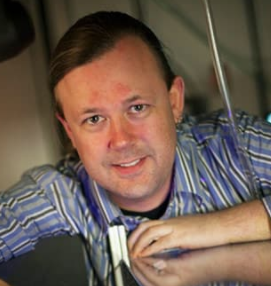 Poul B. Petersen合作论文数Chemistry and Chemical Biolog, College of Arts and Sciences, Cornell University15Paul Schrader合作论文数13Jan Tross合作论文数13Robert Knepper合作论文数10
 Mitchell A. Wood合作论文数Sandia Natl Labs, Ctr Comp Res, POB 5800, Albuquerque, NM 87185 USA9
 Mandal Aritra合作论文数9
 Luigi De Marco合作论文数NIST, JILA, Boulder, CO 80309 USA8
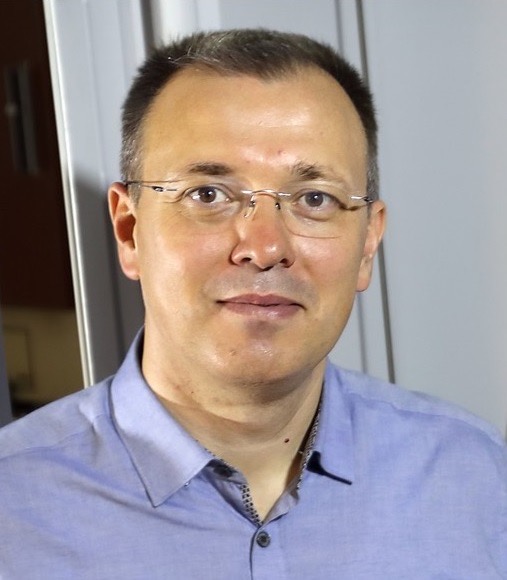 Vitalie Stavila合作论文数Sandia National Laboratories8Rebecca A. Nicodemus合作论文数7Mohana Shivanna合作论文数Indian Institute of Science7Ali Abou Taka合作论文数6
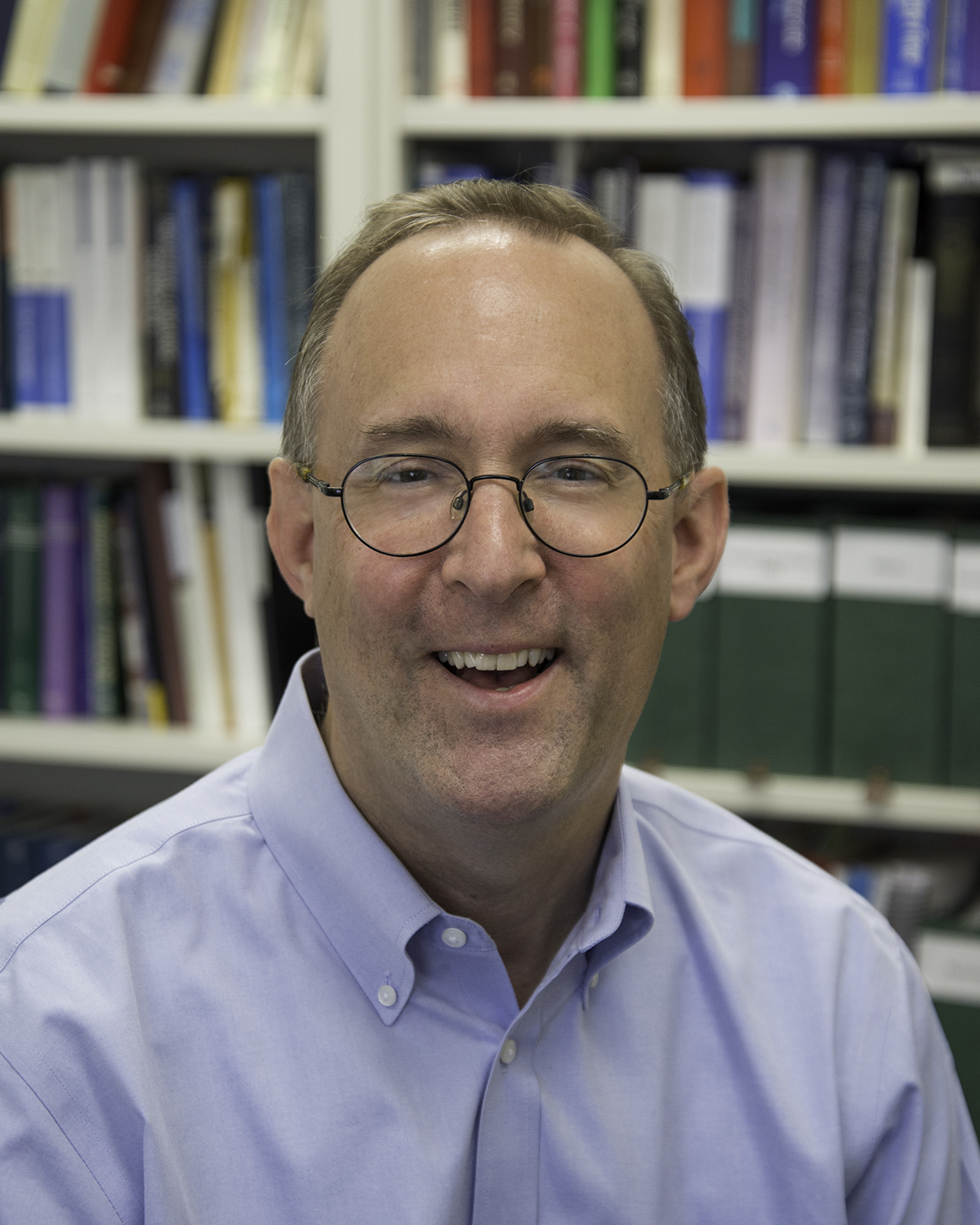 Mark Allendorf合作论文数Nanoelectronics and Nanophotonics Group, Sandia National Laboratories, California6
 David L. Osborn合作论文数Sandia National Laboratories, National Technology and Engineering Solutions of Sandia, LLC.;Department of Chemical Engineering, College of Engineering, University of California, Davis6
 Daniel G. Nocera合作论文数Nocera Lab, Department of Chemistry and Chemical Biology, Harvard University6
 Kevin Carter-Fenk合作论文数Dept Chem, Univ Calif5
 Martin Schultze合作论文数Director Institute of Experimental Physics, Technische Universitat Graz(Graz University of Technology )5
 Stephen R. Leone合作论文数College of Chemistry, University of California, Berkeley5Craig A. Taatjes合作论文数Combustion Research Facility, Sandia National Laboratories5
 Daniel M. Neumark合作论文数Chemical Sciences Division, Lawrence Berkeley National Laboratory;College of Chemistry, University of California, Berkeley5
 Ivan Antonov合作论文数4
 Zádor Judit合作论文数Combust Res Facil, Sandia Natl Labs4
 Brandon Rotavera合作论文数College of Engineering, University of Georgia4
 Caravan Rebecca L合作论文数School of Chemistry, University of Leeds4Reynolds Joseph E合作论文数School of Chemistry and Biochemistry, Georgia Institute of Technology4
 David Prendergast合作论文数The Molecular Foundry, Lawrence Berkeley National Laboratory4
 Kazuhiro Yabana合作论文数Division of Quantum Condensed Matter Physics, Center for Computational Sciences, University of Tsukuba/Division of Nuclear Physics, Center for Computational Sciences, University of Tsukuba3
 Shunsuke Sato (佐藤駿丞)合作论文数Department of Physics, Tohoku University;Center for Free-Electron Laser Science, Max Planck Institute for the Structure and Dynamics of Matter;Theory Department, Max Planck Institute for the Structure and Dynamics of Matter;Theoretical Condensed Matter and Statistical Physics Group, Tohoku University3
 Feng Patrick L合作论文数Sandia National Laboratories3
 Martin P. Head-Gordon合作论文数Department of Chemistry, Berkeley College of Chemistry, University of California, Berkeley3
 Andrey Gandman合作论文数Schulich Faculty of Chemistry;Technion - Israel Institute of Technology;Schulich Faculty of Chemistry, Technion - Israel Institute of Technology3
 Matthew Kanan合作论文数Department of Chemistry, School of Humanities and Sciences, Stanford University3
 Carl Percival合作论文数Laboratory Studies And Atmospheric Observations, Jet Propulsion Laboratory, California Institute of Technology3
 Das Pemmaraju合作论文数School of Physics;Trinity College;School of Physics, Trinity College3
 Leonid Sheps合作论文数Combustion Research Facility, Sandia National Laboratories3Mi'Kayla Word合作论文数2LJ Borja合作论文数2Au Kendrew合作论文数2
 Anwar Khan合作论文数School of Chemistry, University of Bristol;Cabot Institute, University of Bristol2Thämer Martin合作论文数2
 Dudley Shallcross合作论文数School of Chemistry, The University of Bristol2
 Elizabeth R. Young合作论文数Dept Chem, Lehigh Univ2
 Ivan S. Ufimtsev合作论文数Department of Chemistry, Stanford University2
 Christopher Kliewer合作论文数Sandia National Laboratories2
 James Prell合作论文数College of Arts and Sciences, University of Oregon;Department of Chemistry and Biochemistry, University of Oregon;Materials Science Institute, University of Oregon2
 Todd Martinez合作论文数Department of Chemistry, Stanford University;PULSE Institute, SLAC National Accelerator Laboratory2




