We introduce Qwen-RobotWorld, a language-conditioned video world model for embodied intelligence. With natural language as a unified action interface, it predicts physically grounded future visual trajectories from current observations across robotic manipulation, autonomous driving, indoor navigation, and human-to-robot transfer. This unified formulation provides three promising application directions: synthetic data generation for policy training augmentation, scalable virtual environments for policy evaluation, and language-guided planning signals for downstream robot control. This is achieved through a three-part design: a) Double-Stream MMDiT with MLLM Action Encoding, where a 60-layer double-stream diffusion transformer couples frozen Qwen2.5-VL semantics with video-VAE latents through layer-wise joint attention; b) Embodied World Knowledge (EWK), an 8.6M video-text corpus (200M+ frames) with action-language mapping over 20+ embodiments and 500+ action categories; and c) General+Expert Progressive Curriculum, a two-stage training strategy that first learns general visual priors and then injects embodied specialization under a shared language interface. Extensive results show strong competitiveness: ranks 1st overall on EWMBench and DreamGen Bench, outperforms all open-source models on WorldModelBench and PBench. Additional zero-shot analyses on RoboTwin-IF benchmark further support robust generalization and multi-view consistency.
Agentic navigation systems require a base navigation model whose observation strategy can be externally reconfigured at inference time, because instruction following, object search, target tracking, and autonomous driving share the same perception-planning backbone yet demand fundamentally different strategies for consuming the visual stream. We present Qwen-RobotNav, a scalable navigation model built on Qwen-RobotNav that addresses it through a parameterised interface with two complementary dimensions: multiple task modes that select the navigation behaviour, and controllable observation parameters (e.g., token budget, per-camera weights) that govern how visual history is encoded. With training-time randomization over all parameters, Qwen-RobotNav is robust to any inference-time configuration requiring zero architectural modification to the Qwen-RobotNav backbone. We train Qwen-RobotNav on 15.6M samples; co-training with vision-language data prevents the collapse into reactive action-sequence mappers observed in trajectory-only training. The parameterised interface also makes Qwen-RobotNav a natural building block for agentic systems: for long-horizon scenarios, an upper-level planner decomposes goals into sub-tasks and dynamically switches Qwen-RobotNav's task mode and context strategy mid-episode, composing complex behaviours from repeated calls to the same model. Extensive experiments show that Qwen-RobotNav sets new state-of-the-art results across major navigation benchmarks. The model exhibits favourable scaling from 2B to 8B parameters, with joint multi-task training developing a shared spatial-planning substrate that transfers across task families, and demonstrates strong zero-shot generalisation to real-world robots across diverse environments.
Few-step distillation has become an effective strategy for accelerating advanced visual generative models, yet prior work has largely focused on distillation objectives. In this work, we revisit few-step distillation from a complementary perspective, focusing on the training recipe that critically shapes student performance. Using Qwen-Image-2.0 as a representative case, we systematically investigate three factors in unified text-to-image generation and instruction-guided image editing distillation: data composition, teacher guidance, and task mixture. Our empirical analysis reveals several non-obvious behaviors, which motivate the development of Qwen-Image-Flash. Overall, our results suggest that effective few-step distillation requires not only carefully designed objectives, but also principled organization of the broader training pipeline.
Recent visual generative models often struggle with consistency during image editing due to the entangled nature of raster images, where all visual content is fused into a single canvas. In contrast, professional design tools employ layered representations, allowing isolated edits while preserving consistency. Motivated by this, we propose Qwen-Image-Layered, an end-to-end diffusion model that decomposes a single RGB image into multiple semantically disentangled RGBA layers, enabling inherent editability, where each RGBA layer can be independently manipulated without affecting other content. To support variable-length decomposition, we introduce three key components: (1) an RGBA-VAE to unify the latent representations of RGB and RGBA images; (2) a VLD-MMDiT (Variable Layers Decomposition MMDiT) architecture capable of decomposing a variable number of image layers; and (3) a Multi-stage Training strategy to adapt a pretrained image generation model into a multilayer image decomposer. Furthermore, to address the scarcity of high-quality multilayer training images, we build a pipeline to extract and annotate multilayer images from Photoshop documents (PSD). Experiments demonstrate that our method significantly surpasses existing approaches in decomposition quality and establishes a new paradigm for consistent image editing.
While text-to-image (T2I) models have achieved remarkable progress, they struggle with real-world requests that are often underspecified, implicit, or dependent on up-to-date knowledge. We identify this challenge as the Context Gap: the mismatch between the user context and the sufficient generation context for T2I models. To bridge this gap, we propose Qwen-Image-Agent, a unified agentic framework that integrates plan, reason, search, memory and feedback in a context-centric manner. Qwen-Image-Agent treats user input as partial context and progressively constructs the generation context through Context-Aware Planning and Context Grounding. Specifically, Context-Aware Planning identifies missing context and plans how it should be acquired and used, while Context Grounding gathers this context from reason, search, memory, and feedback. To evaluate agentic image generation, we further introduce Image Agent Bench (IA-Bench), a benchmark covering four core image agent capabilities: Plan, Reason, Search, and Memory. Experiments on IA-Bench, Mindbench and WISE-Verified show that Qwen-Image-Agent outperforms strong baselines and achieves state-of-the-art performance.
Text-to-Image generation has evolved from basic image synthesis into a frequently used core capability in professional creative workflows, where simple text-image alignment can no longer satisfy users' pressing demands for faithful real-world reconstruction and genuine creative expression. Existing benchmarks, however, remain anchored in these foundational criteria and do not yet capture the nuanced capabilities that matter in authentic artistic practice, making it difficult to reliably distinguish state-of-the-art T2I models. To address the gap, we introduce Qwen-Image-Bench, a creator-centric benchmark co-designed with professional artists and grounded in real-world creation scenarios. Qwen-Image-Bench enriches conventional evaluation with two application-driven dimensions: Real-world Fidelity and Creative Generation. Drawing on the staged reasoning inherent in professional artistic workflows, we organize these five pillars into a top-down hierarchical taxonomy that further decomposes into 23 second-level sub-capabilities and 56 third-level verifiable rubrics. To ensure broad coverage, we curate 1000 stratified prompts with each prompt jointly exercising more than four fine-grained facets across multiple pillars. We train a unified judge model Q-Judger based on Qwen3.6-27B, supervised by 80 professional annotators from global art academies under blind labeling and triple-review protocols, that scores every image across all 56 verifiable facets, producing fine-grained, rubric-grounded, and fully attributable diagnostics rather than a single opaque score. Empirically, Qwen-Image-Bench reliably distinguishes leading T2I models, achieving the greatest separation on the two application-driven dimensions of Real-world Fidelity and Creative Generation where existing benchmarks provide little insight, while also providing a trustworthy optimization signal for production-level T2I development.
We present Qwen-Image-2.0, an omni-capable image generation foundation model that unifies high-fidelity generation and precise image editing within a single framework. Despite recent progress, existing models still struggle with ultra-long text rendering, multilingual typography, high-resolution photorealism, robust instruction following, and efficient deployment, especially in text-rich and compositionally complex scenarios. Qwen-Image-2.0 addresses these challenges by coupling Qwen3-VL as the condition encoder with a Multimodal Diffusion Transformer for joint condition-target modeling, supported by large-scale data curation and a customized multi-stage training pipeline. This enables strong multimodal understanding while preserving flexible generation and editing capabilities. The model supports instructions of up to 1K tokens for generating text-rich content such as slides, posters, infographics, and comics, while significantly improving multilingual text fidelity and typography. It also enhances photorealistic generation with richer details, more realistic textures, and coherent lighting, and follows complex prompts more reliably across diverse styles. Extensive human evaluations show that Qwen-Image-2.0 substantially outperforms previous Qwen-Image models in both generation and editing, marking a step toward more general, reliable, and practical image generation foundation models.
Diffusion Transformers (DiTs) have shown remarkable performance in generating high-quality videos. However, the quadratic complexity of 3D full attention remains a bottle-neck in scaling DiT training, especially with high-definition, lengthy videos, where it can consume up to 95% of processing time and demand specialized context parallelism. This paper introduces DSV to accelerate video DiT training by leveraging the dynamic attention sparsity we empirically observe. DSV uses a two-stage algorithm to capture the dynamic sparsity patterns via low-rank based approximation of the original query and key. It employs custom kernels to efficiently identify critical key-value pairs and compute the sparse attention. To accommodate the new sparsity dimension, DSV adopts a hybrid sparsity-aware context parallelism that re-balances the skewed workload across attention heads and blocks due to sparsity heterogeneity. DSV achieves up to 3.02x higher training throughput, scaling to 128 GPUs and 520k token lengths, while maintaining model quality comparable to full attention schemes.
With the rise in popularity of smart glasses, users' attention has been integrated into Vision-Language Models (VLMs) to streamline multi-modal querying in daily scenarios. However, leveraging gaze data to model users' attention may introduce ambiguity challenges: (1) users' verbal questions become ambiguous by using pronouns or skipping context, (2) humans' gaze patterns can be noisy and exhibit complex spatiotemporal relationships with their spoken questions. Previous works only consider single image as visual modality input, failing to capture the dynamic nature of the user's attention. In this work, we introduce GLARIFY, a novel method to leverage spatiotemporal gaze information to enhance the model's effectiveness in real-world applications. Initially, we analyzed hundreds of querying samples with the gaze modality to demonstrate the noisy nature of users' gaze patterns. We then utilized GPT-4o to design an automatic data synthesis pipeline to generate the GLARIFY-Ambi dataset, which includes a dedicated chain-of-thought (CoT) process to handle noisy gaze patterns. Finally, we designed a heatmap module to incorporate gaze information into cutting-edge VLMs while preserving their pretrained knowledge. We evaluated GLARIFY using a hold-out test set. Experiments demonstrate that GLARIFY significantly outperforms baselines. By robustly aligning VLMs with human attention, GLARIFY paves the way for a usable and intuitive interaction paradigm with a visual assistant.
Diffusion Transformers (DiTs) have shown remarkable performance in generating high-quality videos. However, the quadratic complexity of 3D full attention remains a bottleneck in scaling DiT training, especially with high-definition, lengthy videos, where it can consume up to 95 This paper introduces DSV to accelerate video DiT training by leveraging the dynamic attention sparsity we empirically observe. DSV uses a two-stage algorithm to capture the dynamic sparsity patterns via low-rank based approximation of the original query and key. It employs custom kernels to efficiently identify critical key-value pairs and compute the sparse attention. To accommodate the new sparsity dimension, DSV adopts a hybrid sparsity-aware context parallelism that re-balances the skewed workload across attention heads and blocks due to sparsity heterogeneity. DSV achieves up to 3.02x higher training throughput, scaling to 128 GPUs and 520k token lengths, without quality loss.
We introduce MAGI, a hybrid video generation framework that combines masked modeling for intra-frame generation with causal modeling for next-frame generation. Our key innovation, Complete Teacher Forcing (CTF), conditions masked frames on complete observation frames rather than masked ones (namely Masked Teacher Forcing, MTF), enabling a smooth transition from token-level (patch-level) to frame-level autoregressive generation. CTF significantly outperforms MTF, achieving a +23% improvement in FVD scores on first-frame conditioned video prediction. To address issues like exposure bias, we employ targeted training strategies, setting a new benchmark in autoregressive video generation. Experiments show that MAGI can generate long, coherent video sequences exceeding 100 frames, even when trained on as few as 16 frames, highlighting its potential for scalable, high-quality video generation.
We present Qwen-Image, an image generation foundation model in the Qwen series that achieves significant advances in complex text rendering and precise image editing. To address the challenges of complex text rendering, we design a comprehensive data pipeline that includes large-scale data collection, filtering, annotation, synthesis, and balancing. Moreover, we adopt a progressive training strategy that starts with non-text-to-text rendering, evolves from simple to complex textual inputs, and gradually scales up to paragraph-level descriptions. This curriculum learning approach substantially enhances the model's native text rendering capabilities. As a result, Qwen-Image not only performs exceptionally well in alphabetic languages such as English, but also achieves remarkable progress on more challenging logographic languages like Chinese. To enhance image editing consistency, we introduce an improved multi-task training paradigm that incorporates not only traditional text-to-image (T2I) and text-image-to-image (TI2I) tasks but also image-to-image (I2I) reconstruction, effectively aligning the latent representations between Qwen2.5-VL and MMDiT. Furthermore, we separately feed the original image into Qwen2.5-VL and the VAE encoder to obtain semantic and reconstructive representations, respectively. This dual-encoding mechanism enables the editing module to strike a balance between preserving semantic consistency and maintaining visual fidelity. Qwen-Image achieves state-of-the-art performance, demonstrating its strong capabilities in both image generation and editing across multiple benchmarks.
We present Step-Video-T2V, a state-of-the-art text-to-video pre-trained model with 30B parameters and the ability to generate videos up to 204 frames in length. A deep compression Variational Autoencoder, Video-VAE, is designed for video generation tasks, achieving 16x16 spatial and 8x temporal compression ratios, while maintaining exceptional video reconstruction quality. User prompts are encoded using two bilingual text encoders to handle both English and Chinese. A DiT with 3D full attention is trained using Flow Matching and is employed to denoise input noise into latent frames. A video-based DPO approach, Video-DPO, is applied to reduce artifacts and improve the visual quality of the generated videos. We also detail our training strategies and share key observations and insights. Step-Video-T2V's performance is evaluated on a novel video generation benchmark, Step-Video-T2V-Eval, demonstrating its state-of-the-art text-to-video quality when compared with both open-source and commercial engines. Additionally, we discuss the limitations of current diffusion-based model paradigm and outline future directions for video foundation models. We make both Step-Video-T2V and Step-Video-T2V-Eval available at https://github.com/stepfun-ai/Step-Video-T2V. The online version can be accessed from https://yuewen.cn/videos as well. Our goal is to accelerate the innovation of video foundation models and empower video content creators.
Modern information querying systems are progressively incorporating multimodal inputs like vision and audio. However, the integration of gaze --- a modality deeply linked to user intent and increasingly accessible via gaze-tracking wearables --- remains underexplored. This paper introduces a novel gaze-facilitated information querying paradigm, named G-VOILA, which synergizes users' gaze, visual field, and voice-based natural language queries to facilitate a more intuitive querying process. In a user-enactment study involving 21 participants in 3 daily scenarios (p = 21, scene = 3), we revealed the ambiguity in users' query language and a gaze-voice coordination pattern in users' natural query behaviors with G-VOILA. Based on the quantitative and qualitative findings, we developed a design framework for the G-VOILA paradigm, which effectively integrates the gaze data with the in-situ querying context. Then we implemented a G-VOILA proof-of-concept using cutting-edge deep learning techniques. A follow-up user study (p = 16, scene = 2) demonstrates its effectiveness by achieving both higher objective score and subjective score, compared to a baseline without gaze data. We further conducted interviews and provided insights for future gaze-facilitated information querying systems.
In recent years, the integration of vision and language understanding has led to significant advancements in artificial intelligence, particularly through Vision-Language Models (VLMs). However, existing VLMs face challenges in handling real-world applications with complex scenes and multiple objects, as well as aligning their focus with the diverse attention patterns of human users. In this paper, we introduce gaze information, feasibly collected by AR or VR devices, as a proxy for human attention to guide VLMs and propose a novel approach, Voila-A, for gaze alignment to enhance the interpretability and effectiveness of these models in real-world applications. First, we collect hundreds of minutes of gaze data to demonstrate that we can mimic human gaze modalities using localized narratives. We then design an automatic data annotation pipeline utilizing GPT-4 to generate the VOILA-COCO dataset. Additionally, we innovate the Voila Perceiver modules to integrate gaze information into VLMs while preserving their pretrained knowledge. We evaluate Voila-A using a hold-out validation set and a newly collected VOILA-GAZE Testset, which features real-life scenarios captured with a gaze-tracking device. Our experimental results demonstrate that Voila-A significantly outperforms several baseline models. By aligning model attention with human gaze patterns, Voila-A paves the way for more intuitive, user-centric VLMs and fosters engaging human-AI interaction across a wide range of applications.
Panorama synthesis endeavors to craft captivating 360-degree visual landscapes, immersing users in the heart of virtual worlds. Nevertheless, contemporary panoramic synthesis techniques grapple with the challenge of semantically guiding the content generation process. Although recent breakthroughs in visual synthesis have unlocked the potential for semantic control in 2D flat images, a direct application of these methods to panorama synthesis yields distorted content. In this study, we unveil an innovative framework for generating high-resolution panoramas, adeptly addressing the issues of spherical distortion and edge discontinuity through sophisticated spherical modeling. Our pioneering approach empowers users with semantic control, harnessing both image and text inputs, while concurrently streamlining the generation of high-resolution panoramas using parallel decoding. We rigorously evaluate our methodology on a diverse array of indoor and outdoor datasets, establishing its superiority over recent related work, in terms of both quantitative and qualitative performance metrics. Our research elevates the controllability, efficiency, and fidelity of panorama synthesis to new levels.
In this report, we present our champion solution for Ego4D Natural Language Queries (NLQ) Challenge in CVPR 2023. Essentially, to accurately ground in a video, an effective egocentric feature extractor and a powerful grounding model are required. Motivated by this, we leverage a two-stage pre-training strategy to train egocentric feature extractors and the grounding model on video narrations, and further fine-tune the model on annotated data. In addition, we introduce a novel grounding model GroundNLQ, which employs a multi-modal multi-scale grounding module for effective video and text fusion and various temporal intervals, especially for long videos. On the blind test set, GroundNLQ achieves 25.67 and 18.18 for R1@IoU=0.3 and R1@IoU=0.5, respectively, and surpasses all other teams by a noticeable margin. Our code will be released at\url{https://github.com/houzhijian/GroundNLQ}.
The open vocabulary segmentation (OVS) task has gained significant attention due to the challenges posed by both segmentation and open vocabulary classification, which involves recognizing arbitrary categories. Recent studies have leveraged pretrained Vision-Language models (VLMs) as a new paradigm for addressing this problem, leading to notable achievements. However, our analysis reveals that these methods are not yet fully satisfactory. In this paper, we empirically analyze the key challenges in four main categories: segmentation, dataset, reasoning and recognition. Surprisingly, we observe that the current research focus in OVS primarily revolves around recognition issues, while others remain relatively unexplored. Motivated by these findings, we propose preliminary approaches to address the top three identified issues by integrating advanced models and making adjustments to existing segmentation models. Experimental results demonstrate the promising performance gains achieved by our proposed methods on the OVS benchmark.
This paper tackles an emerging and challenging problem of long video temporal grounding~(VTG) that localizes video moments related to a natural language (NL) query. Compared with short videos, long videos are also highly demanded but less explored, which brings new challenges in higher inference computation cost and weaker multi-modal alignment. To address these challenges, we propose CONE, an efficient COarse-to-fiNE alignment framework. CONE is a plug-and-play framework on top of existing VTG models to handle long videos through a sliding window mechanism. Specifically, CONE (1) introduces a query-guided window selection strategy to speed up inference, and (2) proposes a coarse-to-fine mechanism via a novel incorporation of contrastive learning to enhance multi-modal alignment for long videos. Extensive experiments on two large-scale long VTG benchmarks consistently show both substantial performance gains (e.g., from 3.13% to 6.87% on MAD) and state-of-the-art results. Analyses also reveal higher efficiency as the query-guided window selection mechanism accelerates inference time by 2x on Ego4D-NLQ and 15x on MAD while keeping SOTA results. Codes have been released at https://github.com/houzhijian/CONE.
Temporal Video Segmentation (TVS) is a fundamental video understanding task and has been widely researched in recent years. There are two subtasks of TVS: Video Action Segmentation (VAS) and Video Procedure Segmentation (VPS): VAS aims to recognize what actions happen in-side the video while VPS aims to segment the video into a sequence of video clips as a procedure. The VAS task inevitably relies on pre-defined action labels and is thus hard to scale to various open-domain videos. To overcome this limitation, the VPS task tries to divide a video into several category-independent procedure segments. However, the existing dataset for the VPS task is small (2k videos) and lacks diversity (only cooking domain). To tackle these problems, we collect a large and diverse dataset called TIPS, specifically for the VPS task. TIPS contains 63k videos including more than 300k procedure segments from instructional videos on YouTube, which covers plenty of how-to areas such as cooking, health, beauty, parenting, gardening, etc. We then propose a multi-modal Transformer with Gaussian Boundary Detection (MT-GBD) model for VPS, with the backbone of the Transformer and Convolution. Furthermore, we propose a new EIOU metric for the VPS task, which helps better evaluate VPS quality in a more comprehensive way. Experimental results show the effectiveness of our proposed model and metric.
 Chenfei Wu (吴晨飞)合作论文数Microsoft Research Asia12
 Nan Duan (段楠)合作论文数JD Future Academy, JD.COM;Vision and Multimodal Lab, JD.COM12
 Lei Ji合作论文数Natural Language Computing Group, Microsoft Research Asia10
 Shengming Yin (殷晟明)合作论文数University of Science and Technology of China8
 Xiao Xu (徐啸)合作论文数Research Center for Social Computing and Information Retrieval, Harbin Institute of Technology7
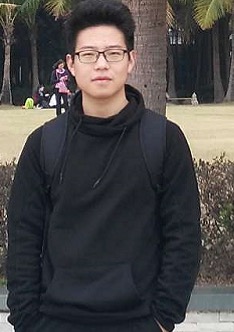 Xiangyu Chen合作论文数University of Macau7
 Jingren Zhou合作论文数Alibaba Group5
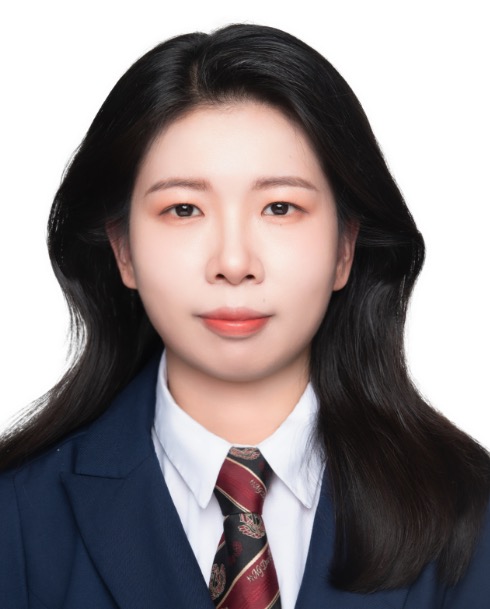 Jie Zhang (张婕)合作论文数Department of Computing, Faculty of Engineering, The Hong Kong Polytechnic University4
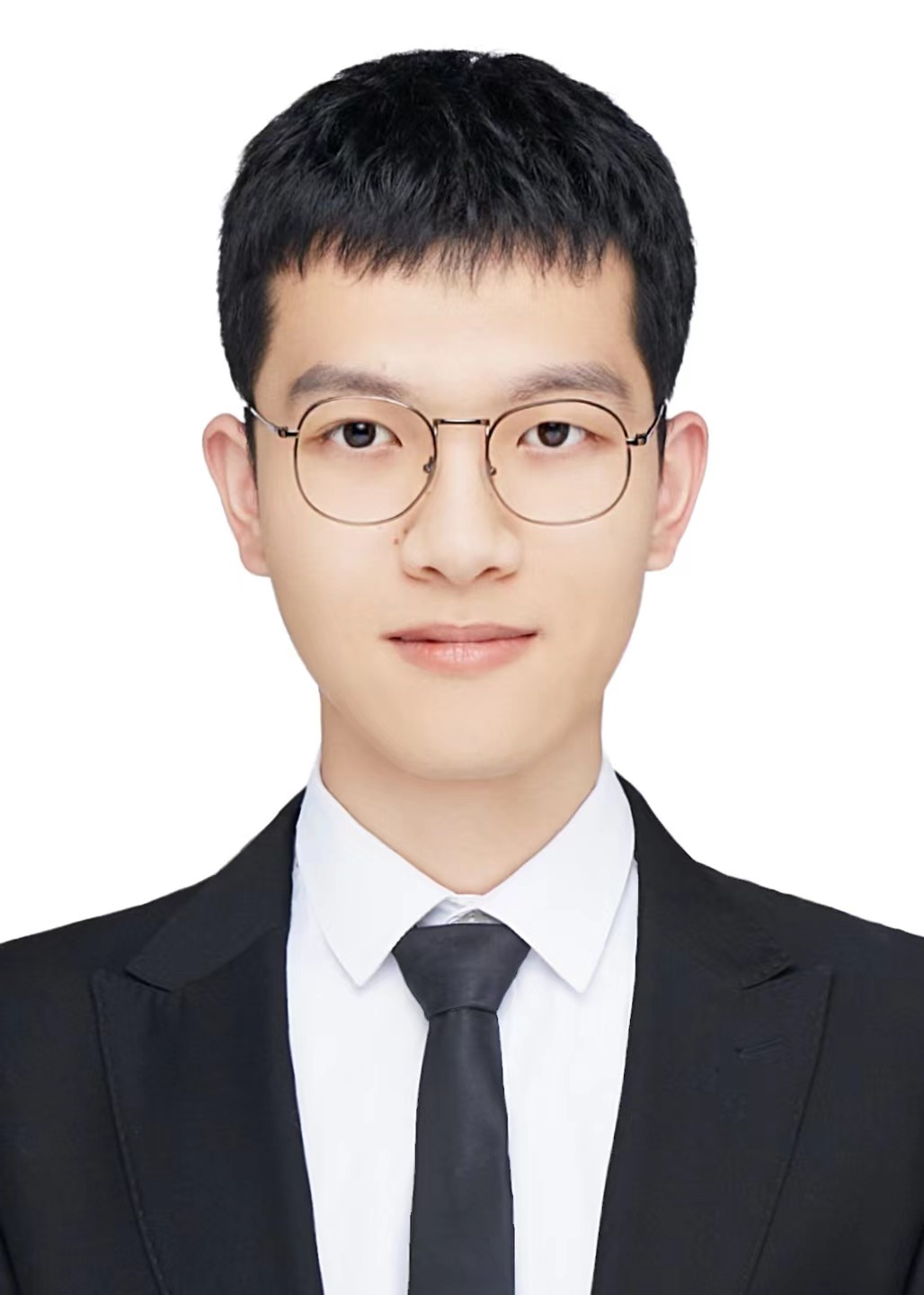 Zecheng Tang (汤泽成)合作论文数School of Computer Science and Technology, Soochow University4
 Yi Wang (王毅)合作论文数College of Computer Science and Software Engineering, SZU4
 Zhendong Wang (王震东)合作论文数University of Science and Technology of China4
 Junyang Lin (林俊旸)合作论文数Data Analytics and Intelligence Lab, DAMO Academy, Alibaba Group4
 Shuai Ma (马帅)合作论文数The Institute of Advanced Computing Technology, School of Computer Science and Engineering, Beihang University;School of Artificial Intelligence, Nanchang University4
 Xiong-Hui Chen (陈雄辉)合作论文数School of Artificial Intelligence, Nanjing University;Meituan3
 An Yang合作论文数Alibaba Group3
 Zeyu Wang合作论文数Ohio State Univ, Dept Civil Environm & Geodet Engn, Risk Assessment & Management Struct & Infrastruct, Columbus, OH 43210 USA3
 Yibo Zhu合作论文数StepFun3
 Zhijian Hou合作论文数City University of Hong Kong3
 Shuai Bai (白帅)合作论文数DAMO Academy, Alibaba Group3
 Yuntao Wang (王运涛)合作论文数Department of Computer Science and Technology, Tsinghua University3
 Difei Gao (郜迪飞)合作论文数Visual Information Processing and Learning, Institute of Computing Technology, Chinese Academy of Sciences3
 Daxin Jiang (姜大昕)合作论文数StepFun3
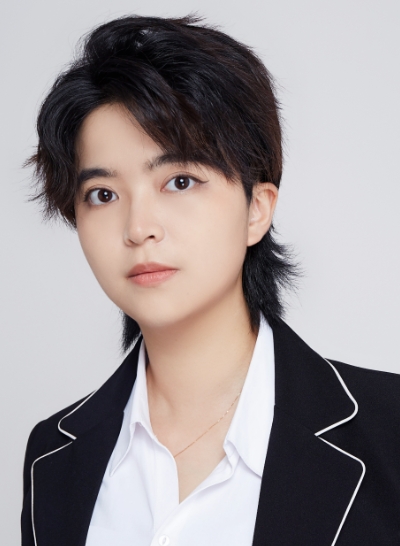 Wanjun Zhong (钟宛君)合作论文数ByteDance Seed3
 Ming Zhou (周明)合作论文数Beijing Langboat Technology Co., Ltd3
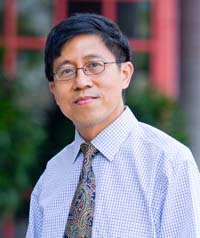 Chong-Wah Ngo合作论文数School of Computing and Information Systems, Singapore Management University3
 Dayiheng Liu (刘大一恒)合作论文数Alibaba DAMO Academy3Quan Sun合作论文数2Chen Cheng合作论文数2
 Gengze Zhou合作论文数Australian Institute for Machine Learning, University of Adelaide;Owen2
 Mike Z. Shou合作论文数Show Lab, Department of Electrical & Computer Engineering, National University of Singapore2
 Yuanchun Shi (史元春)合作论文数Department of Computer Science and Technology, Tsinghua University;Global Innovation Exchange, Tsinghua University2
 Jiazhao Zhang (张嘉曌)合作论文数Center on Frontiers of Computing Studies, Peking University;School of Computer Science, Peking University;Galbot2Lin Qu合作论文数2
 Zheng Ge合作论文数Megvii Inc.2Yichang Zhang合作论文数Alibaba Group2
 Xiangyu Zhang (张祥雨)合作论文数StepFun2Yimin Jiang (江逸敏)合作论文数2
 Wing-Kwong (Ricky) Chan (陳榮光)合作论文数Department of Computer Science, College of Engineering, City University of Hong Kong2Fan Zhou合作论文数1Minmin Sun合作论文数1Kaijun Tan合作论文数1Deyu Zhou (周德宇)合作论文数The Hong Kong University of Science and Technology (Guangzhou);Tencent1Yuhan Wang合作论文数1Xihua Wang合作论文数1Hongzhu Shi合作论文数1Dongxu Guo合作论文数1Liang Zhao合作论文数1
 Yuang Peng合作论文数1
 Wenmeng Zhou (周文猛)合作论文数DAMO Academy1




