High-temperature stress is a major abiotic constraint limiting plant growth and agricultural productivity. While its adverse effects are well documented, most studies have examined individual species or isolated physiological mechanisms. This review provides a comprehensive comparative analysis of heat stress responses across four major crops - barley (Hordeum vulgare), rice (Oryza sativa), maize (Zea mays), and tomato (Solanum lycopersicum), alongside the model plant Arabidopsis thaliana, focusing on their morphological, physiological, and biochemical adaptations as well as current mitigation strategies. Morphological assessments reveal that root traits are more heat-sensitive than shoot length, biomass, or germination rate. Physiologically, all species exhibit reduced photosynthetic rate and PSII efficiency (Fv/Fm), though stomatal conductance and transpiration responses vary. Biochemically, the accumulation of reactive oxygen species (ROS) and antioxidant activity exhibit species- and stress-dependent regulation, with both upregulation and downregulation observed. Among mitigation approaches, seed priming emerges as a cost-effective strategy, while miRNA-mediated regulation shows strong potential for developing heat-tolerant cultivars. This synthesis highlights critical knowledge gaps and outlines future directions for enhancing crop resilience in the face of rising temperatures.
Small RNAs (sRNA) play an essential role in the epigenetic modulation of the genome. They are implicated in numerous processes, encompassing factors that mitigate both abiotic and biotic stressors. Notable among these are heat shock proteins (HSP), enzymes involved in reactive oxygen species (ROS) scavenging, and nuclear factor Y (NF-Y). Molecularly, sRNAs are characterized by sequences of approximately 21–23 nucleotides in length. Based on contemporary understandings in plant science, numerous abiotic constraints have the potential to curtail crop yield, growth, and reproductive potential in plants. These constraints exert their deleterious effects by undermining cellular homeostasis, perturbing ionic equilibrium, and impinging upon essential physiological processes. However, evolution has endowed certain plant species with the ability to adapt to elevated thermal conditions through the nuanced regulation of genes and proteins, notably heat shock factors (HSF) and HSP. While there has been an incremental growth in literature concerning microRNA (miRNA) functionality in plants, the emergent targets of miRNA and their intricate relationship with the HSF-HSP complex remain underexplored. In this scholarly review, we delve into the thermal responses of HSF-HSP in both Hordeum vulgare and Arabidopsis thaliana, emphasizing their regulation by miRNA under conditions of heat stress.
Ureides, the degraded products of purine catabolism in Arabidopsis, have been shown to act as antioxidant and nitrogen sources. Herein we elucidate purine degraded metabolites as a carbon source using the Arabidopsis Atxdh1, Ataln, and Ataah knockout (KO) mutants vis-à-vis wild-type (WT) plants. Plants were grown under short-day conditions on agar plates containing half-strength MS medium with or without 1% sucrose. Notably, the absence of sucrose led to diminished biomass accumulation in both shoot and root tissues of the Atxdh1, Ataln, and Ataah mutants, while no such effect was observed in WT plants. Moreover, the application of sucrose resulted in a reduction of purine degradation metabolite levels, specifically xanthine and allantoin, predominantly within the roots of WT plants. Remarkably, an increase in proteins associated with the purine degradation pathway was observed in WT plants in the presence of sucrose. Lower glyoxylate levels in the roots but not in the shoot of the Atxdh1 mutant in comparison to WT, were observed under sucrose limitation, and improved by sucrose application in root, indicating that purine degradation provided glyoxylate in the root. Furthermore, the deficit of purine-degraded metabolites in the roots of mutants subjected to carbon starvation was partially mitigated through allantoin application. Collectively, these findings signify that under conditions of sucrose limitation and short-day growth, purines are primarily remobilized within the root system to augment the availability of ureides, serving as an additional carbon (as well as nitrogen) source to support plant growth.
In light of increasing environmental stress, understanding the biological roles and molecular mechanisms of the genes implicated in senescence regulation and receptor perception could aid in the development of stress-tolerant crops. The precise function of SENESCENCE-ASSOCIATED RECEPTOR-LIKE KINASE (SARK) in senescence regulation and its potential involvement in signaling of stem cell development and early anther development in Arabidopsis plants remains ambiguous. The current study aimed to elucidate the involvement of SARK in senescence regulation and explored its potential as a target for enhancing plant stress tolerance. Over-expression (OE) lines of SARK, OESARK were generated in Arabidopsis . Evaluation of phenotypic appearance, chlorophyll levels in old leaves, and the expression of senescence-related proteins and transcripts did not reveal any changes in senescence symptoms compared to the wild-type plants (WT), suggesting that SARK might not act as a regulator of senescence. In addition, no disparities were observed in the growth of seedlings, juveniles, and adult stages, particularly in terms of biomass, rosette diameter, and flower structure in the OESARK line compared to the WT. The expression of genes such as BARELY ANY MERISTEM 2 (BAM2), NSP-interacting kinase 1 and 3 (NIK1, NIK3), and SOMATIC EMBRYOGENESIS RECEPTOR KINASE 1 (SERK1), which are known to interact with SARK in various organs and old leaves, was found to be modulated in OESARK lines. The altered expression of these genes involved in different developmental processes indicate its role in multiple pathways. Further study using suitable mutants could lead to discerning the specific roles of SARK .
Crops of food value are often exposed to viral pathogens. Therefore, crops can noticeably decrease or die completely. For example, in 2021, the tomato brown wrinkle virus was detected in Kazakhstan, the main hosts of which are tomatoes and peppers. At the same time, in farms where the pathogen was detected, yield loss ranged from 30 to 70%. Therefore, it is important to develop methods aimed at increasing plant stress tolerance to viral infection. The scientific novelty of this manuscript is that previously the simultaneous effect of viral pathogens and heavy metals on plants has not been studied. Antioxidant enzymes play an important role in regulating the concentration of reactive oxygen species in plant cells. The enzyme catalase catalyzes the conversion of hydrogen peroxide into water and molecular oxygen, thereby neutralizing superoxide radicals. Thus, antioxidant enzymes prevent tissue damage and necrosis. Molybdenum enzymes can produce reactive oxygen species when exposed to adverse conditions, such as pathogen infestation or drought. Molybdenum is an integral part of the Moco cofactor within molybdoenzymes, but tungsten has the ability to substitute for molybdenum, resulting in a reversible loss of enzyme function. Consequently, tungsten acts as a stressor for plants. Inoculation of plants with tomato bush stunt virus of the wild type leads to their death. At the same time, when infected with TBSV 157, RMJ1 and RMJ2 mutants, the plants recovered after some time. Plants are expected to be more viable when the subject is exposed to heavy metal solutions and inoculated with viruses.
Download This Paper Open PDF in Browser Add Paper to My Library Share: Permalink Using these links will ensure access to this page indefinitely Copy URL Copy DOI
Purine degradation products have been shown to play roles in plant response to stresses such as drought, salinity, extended dark, nitrogen deficiency, and pathogen infection. In this study, we used Arabidopsis wild-type (WT) and an Atxdh1-knockout mutant defective in xanthine dehydrogenase1 (XDH1) to examine the role of degraded purine metabolites in the responses to wounding or UV-C stress applied to the middle leaves of the plant. Wounding or UV-C stress in the mutant resulted in lower fresh-weight, increased senescence symptoms, and increased cell death compared to WT plants. In addition, WT plants exhibited lower levels of oxidative stress indicators, reactive oxygen species, and malondialdehyde in their leaves than the mutant. Notably, transcripts and proteins functioning in the purine degradation pathway were regulated in such a way that it led to enhanced ureide levels in WT leaves 24h after applying the UV-C or wound stress. However, different remobilization of the accumulated ureides was observed after 72h of stress. In plants treated with UV-C, the concentration of allantoin was highest in young leaves, whereas in wounded plants it was lowest in these leaves and instead accumulated mainly in the middle leaves that had been wounded. These results indicated that in WT plants treated with UV-C, ureides were remobilized from the lower older and damaged leaves to support young leaf growth during the recovery period from stress. After wounding, however, whilst some ureides were remobilized to the young leaves, more remained in the wounded middle leaves to function as antioxidants and/or healing agents.
The roles of cytosolic O-acetylserine-(thiol)-lyase A (OASTLA), chloroplastic OASTLB, and mitochondrial OASTLC in plant selenate resistance were studied in Arabidopsis. Impairment in OASTLA and OASTLB resulted in reduced biomass, chlorophyll and soluble protein content compared with selenate-treated OASTLC-impaired and wild-type plants. The generally lower total selenium (Se), protein-Se, organic-sulfur and protein-sulfur (S) content in oastlA and oastlB compared with wild-type and oastlC leaves indicated that Se accumulation was not the main cause for the stress symptoms in these mutants. Notably, the application of selenate positively induced S-starvation markers and the OASTLs, followed by increased sulfite reductase, sulfite oxidase activities, and increased sulfite and sulfide concentrations. Taken together, our results indicate a futile anabolic S-starvation response that resulted in lower glutathione and increased oxidative stress symptoms in oastlA and oastlB mutants. In-gel assays of l-cysteine and l-seleno-cysteine, desulfhydrase activities revealed that two of the three OASTL activity bands in each of the oastl single mutants were enhanced in response to selenate, whereas the impaired proteins exhibited a missing activity band. The absence of differently migrated activity bands in each of the three oastl mutants indicates that these OASTLs are major components of desulfhydrase activity, degrading l-cysteine and l-seleno-cysteine in Arabidopsis.
Plants live under different biotic and abiotic stress conditions, and, to cope with the adversity and severity, plants have well-developed resistance mechanisms. The mechanism starts with perception of the stimuli followed by molecular, biochemical, and physiological adaptive measures. The family of LRR-RLKs (leucine-rich repeat receptor-like kinases) is one such group that perceives biotic and abiotic stimuli and also plays important roles in different biological processes of development. This has been mostly studied in the model plant, Arabidopsis thaliana, and to some extent in other plants, such as Solanum lycopersicum, Nicotiana benthamiana, Brassica napus, Oryza sativa, Triticum aestivum, Hordeum vulgare, Brachypodium distachyon, Medicago truncatula, Gossypium barbadense, Phaseolus vulgaris, Solanum tuberosum, and Malus robusta. Most LRR-RLKs tend to form different combinations of LRR-RLKs-complexes (dimer, trimer, and tetramers), and some of them were observed as important receptors in immune responses, cell death, and plant development processes. However, less is known about the function(s) of LRR-RLKs in response to abiotic and biotic stresses. Here, we give recent updates about LRR-RLK receptors, specifically focusing on their involvement in biotic and abiotic stresses in the model plant, A. thaliana. Furthermore, the recent studies on LRR-RLKs that are homologous in other plants is also reviewed in relation to their role in triggering stress response processes against biotic and abiotic stimuli and/or in exploring their additional function(s). Furthermore, we present the interactions and combinations among LRR-RLK receptors that have been confirmed through experiments. Moreover, based on GENEINVESTIGATOR microarray database analysis, we predict some potential LRR-RLK genes involved in certain biotic and abiotic stresses whose function and mechanism may be explored.
The problem of soil pollution with heavy metals is one of the main factors hindering the development of agriculture in Kazakhstan. Soil pollution with heavy metals, especially tungsten, leads to a deterioration in plant growth and development, the formation of active oxygen radicals, and oxidative stress. In plants, tungsten (W) acts as an inhibitor of molybdoenzymes, replacing molybdenum (Mo) in the Mo-cofactor structure. At the same time, Mo itself at high concentrations also negatively affects plant cells. When exposed to tungsten and molybdenum, reactive oxygen species (ROS) accumulate excessively in the plant. When the test plant N. benthamiana is exposed to molybdenum, the accumulation of Н2О2 is sharply reduced compared to the control plant, and in plants treated with a solution of tungsten, the accumulation of Н2О2 is increased by 2 times. The accumulation of Н2О2 in plants treated with a combined solution of molybdenum and tungsten was higher compared to the control plant. An interesting result is an increase in the accumulation of Н2О2 by 3.5 times when exposed to tungsten compared to molybdenum.
The Arabidopsis thaliana aldehyde oxidase 3 (AAO3) catalyzes the oxidation of abscisic aldehyde (ABal) to abscisic acid (ABA). Besides ABal, plants generate other aldehydes that can be toxic above a certain threshold. AAO3 knockout mutants (aao3) exhibited earlier senescence but equivalent relative water content compared with wild-type (WT) during normal growth or upon application of UV-C irradiation. Aldehyde profiling in leaves of 24-day-old plants revealed higher accumulation of acrolein, crotonaldehyde, 3Z-hexenal, hexanal and acetaldehyde in aao3 mutants compared with WT leaves. Similarly, higher levels of acrolein, benzaldehyde, crotonaldehyde, propionaldehyde, trans-2-hexenal and acetaldehyde were accumulated in aao3 mutants upon UV-C irradiation. Aldehydes application to plants hastened profuse senescence symptoms and higher accumulation of aldehydes, such as acrolein, benzaldehyde and 4-hydroxy-2-nonenal, in aao3 mutant leaves as compared with WT. The senescence symptoms included greater decrease in chlorophyll content and increase in transcript expression of the early senescence marker genes, Senescence-Related-Gene1, Stay-Green-Protein2 as well as NAC-LIKE, ACTIVATED-BY AP3/P1. Notably, although aao3 had lower ABA content than WT, members of the ABA-responding genes SnRKs were expressed at similar levels in aao3 and WT. Moreover, the other ABA-deficient mutants [aba2 and 9-cis-poxycarotenoid dioxygenase3-2 (nced3-2), that has functional AAO3] exhibited similar aldehydes accumulation and chlorophyll content like WT under normal growth conditions or UV-C irradiation. These results indicate that the absence of AAO3 oxidation activity and not the lower ABA and its associated function is responsible for the earlier senescence symptoms in aao3 mutant.
Chloroplast-localized adenosine-5'-phosphosulphate reductase (APR) generates sulfite and plays a pivotal role in reduction of sulfate to cysteine. The peroxisome-localized sulfite oxidase (SO) oxidizes excess sulfite to sulfate. Arabidopsis wild type, SO RNA-interference (SO Ri) and SO overexpression (SO OE) transgenic lines infiltrated with sulfite showed increased water loss in SO Ri plants, and smaller stomatal apertures in SO OE plants compared with wild-type plants. Sulfite application also limited sulfate and abscisic acid-induced stomatal closure in wild type and SO Ri. The increases in APR activity in response to sulfite infiltration into wild type and SO Ri leaves resulted in an increase in endogenous sulfite, indicating that APR has an important role in sulfite-induced increases in stomatal aperture. Sulfite-induced H2O2 generation by NADPH oxidase led to enhanced APR expression and sulfite production. Suppression of APR by inhibiting NADPH oxidase and glutathione reductase2 (GR2), or mutation in APR2 or GR2, resulted in a decrease in sulfite production and stomatal apertures. The importance of APR and SO and the significance of sulfite concentrations in water loss were further demonstrated during rapid, harsh drought stress in root-detached wild-type, gr2 and SO transgenic plants. Our results demonstrate the role of SO in sulfite homeostasis in relation to water consumption in well-watered plants.
Molybdenum cofactor containing sulfite oxidase (SO) enzyme is an important player in protecting plants against exogenous toxic sulfite. It was also demonstrated that SO activity is essential to cope with rising dark-induced endogenous sulfite levels and maintain optimal carbon and sulfur metabolism in tomato plants exposed to extended dark stress. The response of SO and sulfite reductase to direct exposure of low and high levels of sulfate and carbon was rarely shown. By employing Arabidopsis wild-type, sulfite reductase, and SO-modulated plants supplied with excess or limited carbon or sulfur supply, the current study demonstrates the important role of SO in carbon and sulfur metabolism. Application of low and excess sucrose, or sulfate levels, led to lower biomass accumulation rates, followed by enhanced sulfite accumulation in SO impaired mutant compared with wild-type. SO-impairment resulted in the channeling of sulfite to the sulfate reduction pathway, resulting in an overflow of organic S accumulation. In addition, sulfite enhancement was followed by oxidative stress contributing as well to the lower biomass accumulation in SO-modulated plants. These results indicate that the role of SO is not limited to protection against elevated sulfite toxicity but to maintaining optimal carbon and sulfur metabolism in Arabidopsis plants.
The influence of drought stress on barley (Hordeum vulgare) has been investigated. The experiments were conducted with seedlings of barley-by the application of combined drought and temperature stresses. Here we showed that combination of drought and high temperature inflicted more severe damage to plants than the drought and low temperature stress. The temperature stress triggered more drastic changes in plant morphology/physiology and biochemistry than the drought stress. Interestingly, plants exposed to high temperature exhibited significant reduction of shoot and root aldehyde oxidase (AO) activity. Moreover, increased temperature resulted in lower levels of reactive oxygen species (ROS), while drought stress had an opposite effect on ROS accumulation and AO activity. This is the first demonstration of inhibition of plant AO and ROS in response to heat stress. The combined heat and drought stresses resulted in increased activity of catalase (CAT) and superoxide dismutase (SOD) in roots but not in shoots. Our findings indicate that heat and drought stresses may induce activation of different antioxidant enzymatic defense mechanisms and heat stress significantly affects enzymes responsible for the ROS accumulation in plants.
ABSTRACT The role of the cytosolic O-acetylserine-(thiol) lyase A (OASTLA), chloroplastic OASTLB and mitochondrion OASTLC in plant resistance/sensitivity to selenate was studied in Arabidopsis plants. Impairment in OASTLA and B resulted in reduced biomass, chlorophyll and soluble protein levels compared with impaired OASTL C and Wild-Type treated with selenate. The lower organic-Se and protein-Se levels followed by decreased organic-S, S in proteins and total glutathione in oastlA and oastlB compared to Wild-Type and oastlC are indicative that Se accumulation is not the main cause for the stress symptoms, but rather the interference of Se with the S-reduction pathway. The increase in sulfite oxidase, adenosine 5′-phosphosulfate reductase, sulfite reductase and OASTL activity levels, followed by enhanced sulfite and sulfide, indicate a futile anabolic S-starvation response to selenate-induced organic-S catabolism in oastlA and oastlB compared to Wild-Type and oastlC . Additionally, the catabolic pathway of L-cysteine degradation was enhanced by selenate, and similar to L-cysteine producing activity, oastlA and B exhibited a significant decrease in L-cysteine desulfhydrase (DES) activity, compared with WT, indicating a major role of OASTLs in L-cysteine degradation. This notion was further evidenced by sulfide dependent DES in-gel activity, immunoblotting, immunoprecipitation with specific antibodies and identification of unique peptides in activity bands generated by OASTLA, B and C. Similar responses of the OASTLs in Seleno-Cysteine degradation was demonstrated in selenate stressed plants. Notably, no L-cysteine and L-Seleno-Cysteine DES activity bands but those related to OASTLs were evident. These results indicate the significance of OASTLs in degrading L-cysteine and L-SelenoCysteine in Arabidopsis . Summary The cytosolic OASTLA and chloroplastic OASTLB have significantly higher desulfhydrase activity rates than the cytosolic DES1 and are able to degrade L-Cys and L-SeCys to sulfide and selenide, respectively in Arabidopsis .
The identification and understanding of metabolic pathways is a key aspect in crop improvement and drug design. The common approach for their detection is based on gene annotation and ontology. Correlation-based network analysis, where metabolites are arranged into network formation, is used as a complentary tool. Here, we demonstrate the detection of metabolic pathways based on correlation-based network analysis combined with machine-learning techniques. Metabolites of known tomato pathways, non-tomato pathways, and random sets of metabolites were mapped as subgraphs onto metabolite correlation networks of the tomato pericarp. Network features were computed for each subgraph, generating a machine-learning model. The model predicted the presence of the β-alanine-degradation-I, tryptophan-degradation-VII-via-indole-3-pyruvate (yet unknown to plants), the β-alanine-biosynthesis-III, and the melibiose-degradation pathway, although melibiose was not part of the networks. In vivo assays validated the presence of the melibiose-degradation pathway. For the remaining pathways only some of the genes encoding regulatory enzymes were detected.
Viruses are the smallest pathogens of multiple diseases of humans, animals and plants. Viruses consists of a DNA or RNA molecule and a capsid shell. Despite the presence of genetic material, the replication of the virus outside living cell is impossible. Barley stripe mosaic virus ( BSMV) is a rod-shaped virus with a spiral capsid that infects forage and cereal plants. Crop losses due to the presence of BSMV are from 20 to 35% according to the different sources. Common symptoms for BSMV are yellow stripes and slow growth. It spreads through infected seed. The article describes the structural organization of the genome of the Barley stripe mosaic virus ( BSMV) and its identification. The structure of BSMV and functions of its proteins were considered. The description of symptoms of BSMV infection of cultivated and cereal plants are presented.
The nitrogen (N)-rich ureides allantoin and allantoate, which are products of purine catabolism, play a role in N delivery in Leguminosae. Here, we examined their role as an N source in nonlegume plants using Arabidopsis (Arabidopsis thaliana) plants mutated in XANTHINE DEHYDROGENASE1 (AtXDH1), a catalytic bottleneck in purine catabolism. Older leaves of the Atxdh1 mutant exhibited early senescence, lower soluble protein, and lower organic N levels as compared with wild-type older leaves when grown with 1 mm nitrate but were comparable to the wild type under 5 mm nitrate. Similar nitrate-dependent senescence phenotypes were evident in the older leaves of allantoinase (Ataln) and allantoate amidohydrolase (Ataah) mutants, which also are impaired in purine catabolism. Under low-nitrate conditions, xanthine accumulated in older leaves of Atxdh1, whereas allantoin accumulated in both older and younger leaves of Ataln but not in wild-type leaves, indicating the remobilization of xanthine-degraded products from older to younger leaves. Supporting this notion, ureide transporter expression was enhanced in older leaves of the wild type in low-nitrate as compared with high-nitrate conditions. Elevated transcripts and proteins of AtXDH and AtAAH were detected in low-nitrate-grown wild-type plants, indicating regulation at protein and transcript levels. The higher nitrate reductase activity in Atxdh1 leaves compared with wild-type leaves indicated a need for nitrate assimilation products. Together, these results indicate that the absence of remobilized purine-degraded N from older leaves of Atxdh1 caused senescence symptoms, a result of higher chloroplastic protein degradation in older leaves of low-nitrate-grown plants.
This study deals with the effect of zinc oxide nanoparticles (ZnO NPs) on halophyte from the genus Salicornia. The presence of ZnO nanoparticles (100 and 1000 mg/L) in the solid culture medium resulted in the negative effects on plant growth in the concentration-dependent manner. The shoot length of plant cultivated with 1000 mg/L ZnO NPs decreased by more than 50% compared to non-treated plants. The phytotoxicity was associated with the release of free zinc(II) ions, which was determined by atomic absorption spectroscopy and fluorescence microscopy. Another mechanism involved in ZnO NPs phytotoxicity was closely connected with generation of reactive oxygen species (ROS), which was accompanied by changes in activities and amounts of antioxidant enzymes. Histochemical evaluation showed that ROS were present also in the shoot of plant, which was not in direct contact with NPs. The reduction of activity and amount of antioxidant enzymes such as gamma-ESC, GR, SOD, PER, APX and higher concentration of ROS lead to lipid peroxidation, the latter being almost 3 times higher for the plant treated with 1000 mg/L NPs compared to control. The misbalance in zinc homeostasis and creation of ROS with subsequent oxidative stress led to the initiation of processes of programmed cell death, which was demonstrated by the loss of mitochondrial potential and increase of intracellular calcium (II) ions. Despite halophytes exhibit higher stress resistance than glycophytes, they are prone to negative changes if incubated in the environment containing ZnO nanoparticles.
 Moshe Sagi合作论文数The Institute of Applied Research, Ben Gurion University17
 Aigerim Soltabayeva合作论文数Biol Dept, Nazarbayev Univ16
 Aizat Bekturova合作论文数14
 Sudhakar Srivastava合作论文数Nuclear Agriculture and Biotechnology Division, Bhabha Atomic Research Centre14
 Zhadyrassyn Nurbekova合作论文数9
 Dinara Oshanova合作论文数9Dominic Standing合作论文数School of Biological Sciences;Department of Plant and Soil Science;University of Aberdeen;School of Biological Sciences, University of Aberdeen8A. Akbassova合作论文数4S. Zhangazin合作论文数4
 Dmitry Yarmolinsky合作论文数The Jacob Blaustein Institute for Desert Research, Ben-Gurion University of the Negev;Department of Plant Sciences, Weizmann Institute of Science;Weizmann Institute of Science, Ben-Gurion University of the Negev4
 Galina Brychkova合作论文数The Jacob Blaustein Institute for Desert Research, Ben-Gurion University3
 Robert Fluhr合作论文数Department of Plant and Environmental Sciences, Weizmann Institute of Science3
 Inna Khozin-Goldberg合作论文数The Jacob Blaustein Institutes for Desert Research, Ben-Gurion University of the Negev3Edyta Zdunek-Zastocka合作论文数3John Okoth Omondi合作论文数Int Inst Trop Agr2Turečková Veronika合作论文数2
 Poonam Tiwari合作论文数2
 Rustem T. Omarov合作论文数Biostress Research Laboratory;Department of Life Sciences;Faculty of Natural Sciences;Ben-Gurion University of the Negev;Faculty of Natural Sciences, Ben-Gurion University of the Negev2
 Yvonne Ventura合作论文数2
 Arvind Kumar Dubey合作论文数2Assemgul Bekturova合作论文数1Noga Sikron合作论文数1Zhanerke Tleukulova合作论文数1Lingling Wen合作论文数1Ulbike Amanbayeva合作论文数1Roza Yermukhambetova合作论文数1Bakhytgul Gadilgereyeva合作论文数1Margulan Sandybek合作论文数1Kuralay Zhanassova合作论文数1Octavio Salazar合作论文数1Ľudmila Balážová合作论文数1
 Md Sanaullah Biswas合作论文数Dept Hort, Bangabandhu Sheikh Mujibur Rahman Agr Univ1
 Armine Asatryan合作论文数The Jacob Blaustein Institutes for Desert Research, Ben-Gurion University of the Negev1Rubio-Wilhelmi María Del Mar合作论文数1
 Eduardo Blumwald合作论文数Department of Plant Sciences, University of California, Davis1
 Zhaksylyk Masalimov合作论文数1Toubiana David合作论文数The Albert Katz International School;The Jacob Blaustein Institutes for Desert Research, Ben-Gurion University of the Negev1
 Matej Baláž合作论文数Institute of Geotechnics, Slovak Academy of Sciences1Eppel Amir合作论文数1
 Zdenka Bujnakova合作论文数1
 Mohammad Suhail Khan合作论文数1
 Nina Fedoroff合作论文数Department of Biology, Eberly College of Science, The Pennsylvania State University;Santa Fe Institute1
 Yuval Elovici合作论文数Department of Software and Information Systems Engineering, Ben-Gurion University of the Negev;Telekom Innovation Laboratories, Ben-Gurion University of the Negev;Singapore University of Technology and Design;Morphisec;Com.Net.Sec Consulting in Computer and Network Security1
 Jun’ichi Mano合作论文数Research Institute for Food Science;Kyoto University;Research Institute for Food Science, Kyoto University1
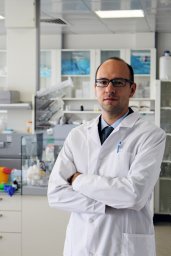 Pavel Tarlykov合作论文数1
 Aaron Fait合作论文数Blaustein Institute for Desert Research, Ben Gurion University of the Negev1
 Rami Puzis合作论文数Deutsche Telekom Laboratories, Ben Gurion University1
 Miroslav Strnad合作论文数Institute of Experimental Botany of the Czech Academy of Sciences1Jaroslav Briančin合作论文数1




