Accurate prediction of carbon monoxide (CO), hydrogen (H2), and methane (CH4) concentrations in syngas using computational and deep learning (DL) approaches is critical for effective monitoring and management of environmental and industrial biomass conversion processes. This study systematically evaluates multiple deep learning architectures for predicting syngas composition from biomass. A laboratory-generated dataset comprising 3748 samples was preprocessed through data transformation and subjected to exploratory analysis. Feature importance was quantified using Shapley Additive Explanations (SHAP) and Mutual Information (MI). The models tested include Deep Neural Networks (DNNs), Recurrent Neural Networks (RNNs), Convolutional Neural Networks (CNNs), Long Short-Term Memory (LSTM) networks, and a hybrid CNN-LSTM architecture. Model performance was assessed using the coefficient of determination (R2), root mean square error (RMSE), mean absolute percentage error (MAPE), and mean absolute error (MAE). Among all models, the hybrid CNNLSTM exhibited superior predictive accuracy and minimal error for CO (R2 = 0.9877), H2 (R2 = 0.9875), and CH4 (R2 = 0.9831). These results suggest that the CNN-LSTM model is well-suited for future studies involving time-dependent variables in syngas-based recovery processes and may serve as a benchmark for analogous environmental applications.
The Southern Marmara Agricultural Basin (SMAB) is a strategic region located in the northwest of Turkey, covering a significant portion of the Marmara Region. Rich in agriculture, industry, tourism, and water resources, this basin is one of the critical areas that must be protected and managed in line with Turkey's sustainable development goals. Due to its strategic importance, the basin is exposed to multiple diffuse pollution sources, which pose significant environmental challenges.Therefore, the protection and implementation of sustainable management strategies for the basin are of great importance. In this study, the current water quality was evaluated according to the Surface Water Quality Regulation using samples taken from points where diffuse pollutant sources are dense in the basin. Additionally, correlation matrices were created to examine the relationships between water quality parameters. The study results revealed significantly high concentrations of total nitrogen (TN) and total phosphorus (TP) at the sampling points, indicating substantial nutrient loading. Moreover, the high correlation coefficients between pollutants increase the likelihood that pollution is reaching the receiving environment from non-point (diffuse) sources. These findings indicate that TN and TP loads significantly impact water quality in the SMAB.
This study focuses on the production of biochar via pyrolysis for the sustainable recycling of agricultural waste and the investigation of its effects on plant germination. The plant species selected for this study were basil (Ocimum basilicum) and grass (Lolium perenne). The present study investigates the soil-improving properties of biochar derived from filter coffee waste. In the experimental process, coffee waste was subjected to pyrolysis at specific temperatures, and the resulting biochar was analysed in terms of its physical and chemical properties. The resulting biochar was then mixed with soil at varying ratios to assess its effects on the germination and growth performance of basil and grass seeds. The application of 15% biochar resulted in the highest plant height (15 cm), although the fresh weight remained below that of the control. In the case of basil, plant development was only observed in the control group, while no growth occurred in any of the biochar-amended treatments. These results indicate that the effect of coffee waste-derived biochar on plant growth may vary depending on the plant species. While biochar applications enhanced soil water retention capacity, enriched organic matter content, and supported grass growth, they appeared to inhibit basil germination. In this context, it was demonstrated that biochar could potentially contribute to both agricultural waste management and sustainable agriculture when applied under suitable conditions.
Accurately predicting syngas composition is essential for optimizing energy production and ensuring environmental sustainability. Despite the growing use of machine learning techniques in this field, publicly available datasets remain limited, and existing datasets contain relatively few samples. To bridge this gap, we generated a comprehensive dataset of 3748 samples under controlled laboratory conditions and publicly shared it on Kaggle (https://www.kaggle.com/datasets/miracnurciner/gasification-dataset). This study aims to identify the most successful machine learning model for predicting H2 and CH4 gas concentrations by evaluating nine models: Random Forest (RF), Linear Regression (LR), Decision Tree (DT), Support Vector Regression (Linear and RBF), K-Nearest Neighbors (KNN), Gradient Boosting Regressor (GBR), XGBoost, CatBoost, and LightGBM. Model performance was assessed using multiple metrics, including the coefficient of determination (R2), root mean squared error (RMSE), mean absolute error (MAE), mean absolute percentage error (MAPE), and explained variance score (EVS). The Friedman test was applied to evaluate the statistical significance of performance differences among the models. The results show that the KNN model achieved the highest predictive performance for both H2 (R2 = 0.987, RMSE = 1.253) and CH4 (R2 = 0.979, RMSE = 0.920). Friedman test shows that the performance differences between the models are statistically significant (p < 0.001). By integrating Shapley Additive Explanations (SHAP) into the model, the contribution of each feature to the prediction results is clarified. SHAP analysis highlights that temperature and time are the main features affecting H2 and CH4 gas. This study highlights the potential of machine learning techniques for biomass gas prediction and advocates for integrating Explainable AI (XAI) methods, establishing a robust foundation for future research. Furthermore, by providing a large, publicly available dataset, this research significantly advances studies in syngas composition prediction.
Bu çalışma, Türkiye'deki illerin İnsani Gelişme Endeksi (İGE) alt boyutlarından biri olan sağlık endeksi ile iş kazaları sonucu ortaya çıkan geçici iş göremezlik gün süreleri arasındaki ilişkiyi kapsamlı bir şekilde analiz etmeyi amaçlamaktadır. Çalışma; Sosyal Güvenlik Kurumu (SGK) tarafından yayımlanan 2013-2018 yılları arasındaki ikincil veriler kullanılarak gerçekleştirilmiştir. Veriler, IBM SPSS ve AMOS paket programları aracılığıyla Yapısal Eşitlik Modellemesi (YEM) ile incelenmiştir. Türkiye’de sağlık endeksinin iyileştirilmesinin, iş kazalarının sıklığını ve ciddiyetini azaltmada kritik bir stratejik araç olabileceği görülmüş, bu şekilde, çalışan sağlığının korunması ve iş kazalarının önlenmesine yönelik daha etkili politikalar geliştirilebilecektir. Elde edilen bulgular, sağlık endeksinin iş kazaları sonucu meydana gelen geçici iş göremezlik süreleri üzerinde istatistiksel olarak anlamlı ve negatif bir etkiye sahip olduğunu ortaya koymaktadır. Bu, gelişmiş sağlık hizmetlerinin, iş kazalarının olumsuz etkilerini azaltmada önemli bir rol oynadığını göstermekle birlikte gelir ve eğitim endekslerinin de iş kazalarının üzerindeki etkisini ortaya koymuştur. Çalışmanın bulguları, özellikle yüksek İGE seviyesine sahip illerde sağlık endeksi ile geçici iş göremezlik gün süreleri arasındaki ilişkinin daha güçlü olduğunu göstermektedir. Bu illerde sağlık hizmetlerinin daha gelişmiş olması nedeniyle iş kazalarının etkilerinin daha etkin bir şekilde yönetilebildiğini göstermektedir. Aynı zamanda, düşük düzeyde İGE’ye sahip illerde de sağlık hizmetlerindeki iyileşmelerin iş kazası etkilerini azaltabileceği, ancak bu etkinin bölgesel farklılıklar gösterebileceği anlaşılmıştır.
In this study, spatiotemporal analysis of forest fires in Turkiye was undertaken, with a specific focus on the large-scale atmospheric systems responsible for causing these fires. For this purpose, long-term variations in forest fires were classified based on the occurrence types (i.e. natural/lightning, negligence/inattention, arson, accident, unknown). The role of large-scale atmospheric circulations causing natural originated forest fires was investigated using NCEP/NCAR Reanalysis sea level pressure, and surface wind products for the selected episodes. According to the main results, Mediterranean (MeR), Aegean (AR), and Marmara (MR) regions of Turkiye are highly susceptible to forest fires. Statistically significant number of forest fires in the MeR and MR regions are associated with global warming trend of the Eastern Mediterranean Basin. In monthly distribution, forest fires frequently occur in the MeR part of Turkiye during September, August, and June months, respectively, and heat waves are responsible for forest fires in 2021. As a consequence of the extending summer Asiatic monsoon to the inner parts of Turkiye and the location of Azores surface high over Balkan Peninsula result in atmospheric blocking and associated calm weather conditions in the MeR (e.g. Mugla and Antalya provinces). When this blocking continues for a long time, southerly winds on the back slopes of the Taurus Mountains create a foehn effect, calm weather conditions and lack of moisture in the soil of Antalya and Mugla settlements trigger the formation of forest fires.
Open dumping threatens the environment and public health by causing soil, water, and air pollution and precipitating the deterioration of the environmental balance. Therefore, sustainable waste management practices and compliance with environmental regulations are important to minimize these negative impacts. In this context, it is very important to identify the environmental damage inflicted by open dumping areas and to take measures to prevent this damage. Makkah is among the cities that still use open dumping for solid waste disposal. The rapid increase in this city’s population is generating large quantities of municipal solid waste (MSW), making it difficult to manage waste economically without harming the environment or public health. During Umrah and Hajj, the rate of MSW generation increases to an even greater degree. The sustainable management of MSW in holy cities is of great importance. This study aimed to investigate the environmental impact of the Kakia Open Dumping Site in Makkah on air quality, soil, and nearby groundwater wells. It also conducted analyses of essential elements (Ca, Mg, and Na), heavy metals (Pb, Cd, and Cr), and a metalloid (As) in leachate produced at the Kakia Open Dumpsite, enabling the development of management strategies. In addition, the correlations between the essential elements, the metalloid, and the heavy metals were also analyzed. The goal is not only to mitigate the negative effects of open dumping, but also to highlight the need to adopt sustainable management strategies for MSW in religiously significant cities like Makkah.
Gasification is a highly promising thermochemical process that shows considerable potential for the efficient conversion of waste biomass into syngas. The assessment of the feasibility and comparative advantages of different biomass and waste gasification schemes is contingent upon a multifaceted combination of interrelated criteria. Conventional analytical approaches employed to facilitate decision-making rely on a multitude of inadequately defined parameters. Consequently, substantial efforts have been directed toward enhancing the efficiency and productivity of thermochemical conversion processes. In recent times, artificial intelligence (AI)-based models and algorithms have gained prominence, serving as indispensable tools for expediting these processes and formulating strategies to address the growing demand for energy. Notably, machine learning (ML) and deep learning (DL) have emerged as cutting-edge AI models, demonstrating exceptional effectiveness and profound relevance in the realm of thermochemical conversion systems. This study provides an overview of the machine learning (ML) and deep learning (DL) approaches utilized during gasification and evaluates their benefits and drawbacks. Many industries and applications related to energy conversion systems use AI algorithms. Predicting the output of conversion systems and subjects linked to optimization are two of this science's critical applications. This review sheds light on the burgeoning utility of AI, particularly ML and DL, which have garnered significant attention due to their applications in productivity prediction, process optimization, real-time process monitoring, and control. Furthermore, the integration of hybrid models has become commonplace, primarily owing to their demonstrated success in modeling and optimization tasks. Importantly, the adoption of these algorithms significantly enhances the model's capability to tackle intricate challenges, as DL methodologies have evolved to offer heightened accuracy and reduced susceptibility to errors. Within the scope of this study, an exhaustive exploration of ML and DL techniques and their applications has been conducted, uncovering existing research knowledge gaps. Based on a comprehensive critical analysis, this review offers recommendations for future research directions, accentuating the pivotal findings and conclusions derived from the study.
Filter coffee consumption is widespread globally and has gained significant popularity across Turkiye in recent years. Waste filter coffee (WFC) produced daily in filter coffee chains is directly disposed. The economic and environmental costs of disposing of WFC in this way are high, and therefore alternative methods are needed for the recycling of this organic waste. In this study, biochar recovery from WFC pulp by pyrolysis method and effectiveness of biochar as an adsorbent were investigated. Since the surface area of a biochar obtained by pyrolysis of WFC were too small to be measured, carbonization process was carried out at 900 °C for 4 h. After the carbonization process, the biochar reached a surface area of 44.59 m2/g. Additionally, while the carbon (C
Solid waste is one of the serious issues that we encounter daily. Its role in the pollution of the environment impacts the general view. The current research recommends saving and protecting Makkah’s environment from hazardous waste produced from car care services, through adequate attention to the recycling of waste as an economic resource, in the field of waste and waste recycling and raising environmental and health awareness. The purpose of this study was to focus on the current state of generated hazardous waste (used oil, wheels, and used car batteries) from vehicles in Makkah. In the field study, Makkah City was divided into five zones to facilitate the fieldwork. The city’s five main sectors are divided into 46 subdistricts, and data is collected from fuel stations, battery shops, and car maintenance centers. The current study uses both qualitative and quantitative methods to characterize waste, highlighting recycling as an economic resource. It also opens the door for attracting interested investors and promoting investment in the waste recycling sector. Thus, waste can be assessed while causing the least amount of harm to the environment thanks to efficient waste management. The goal is achieved through a set of objectives that include (1) identifying the locations of service centers of vehicles in Makkah, (2) estimating the amount of waste according to the regions of Makkah, (3) identifying how the different waste is classified in Makkah, and (4) estimating the total rate of generated waste of vehicles in Makkah.
Nowadays, coffee consumption is quite high, and the consumption of filter coffee is steadily increasing. Consequently, there is a significant increase in waste filter coffee. This study aims to evaluate waste filter coffee grounds using a zero-waste approach. In this context, the solid product of pyrolyzed waste filter coffee grounds was added to the soil in specific ratios to improve soil quality and increase yield. The effects on the root and stem development of arugula (Eruca vesicaria) and garden cress (Lepidium sativum) plants were investigated. Waste filter coffee grounds was homogeneously mixed with soil at application rates of 1, 2, and 4 tons/ha. The results of the study observed that the pyrolysis solid product positively affected plant growth. Comparing the data, the highest yield in plants was observed in soil with added biochar, while lower yields were seen in soil with added raw waste filter coffee grounds, and the lowest yield was found in soil without biochar. Among the soils with added biochar, the most significant root and stem development was observed in plants with 2 tons/ha of added biochar.
The wetlands, with their delicate ecosystems, play a crucial role in regulating water regimes and supporting diverse plant and animal communities, particularly those associated with water habitats. Mogan Lake, located within the Gölbaşı Special Environmental Protection Area, stands out as a unique habitat, hosting over 200 bird species. This study aimed to assess the current water quality of Mogan Lake by analysing various water quality variables. Three sampling sites, representing the northern, middle, and southern parts of the lake, were selected to examine both surface water and bottom sludge characteristics through the analysis of 29 pollutant variables. Water samples were collected from 30 cm beneath the water surface and 50 cm above the bottom of the lake. Sediment samples were collected from the sludge at the lake basin. Additionally, to understand their impact on the lake’s water quality, 26 pollutants were also measured in water samples taken from the five main streams that feed the lake. The results reveal a significant level of organic pollution in the lake, along with elevated nitrogen levels indicating hypertrophic conditions. Although organic pollutants were detected in the lake bottom sediment through analysis, they are considered non-hazardous in terms of heavy metals and other inorganic variables.
Considering the environmental and human health impacts of rapidly growing industries and the uncontrolled increase in the amount of waste they generate; hazardous waste disposal facilities play a critical role in protecting public health. Hazardous waste disposal facilities include various multidisciplinary systems such as landfills, biogas plants, laboratories, medical waste landfills, wastewater plants, and incineration plants. This study aims to examine each facility in a sample hazardous waste disposal facility in terms of occupational health and safety to identify risks, and to offer recommendations for solutions. The sample facility was visited, and each section was examined separately, and preliminary information was obtained using a checklist. In light of the preliminary information obtained, risk analysis was performed and the results were presented with recommendations. Fine Kinney Risk Assessment method was preferred because it is more comprehensive than other risk analysis methods based on probability and severity and can adapt to multiple disciplines. In addition, it is stated that automated processes within the scope of Industry 4.0 can have a positive impact on the prevention of occupational accidents by leading to a reduction in human work and thus a reduction in worker-waste contact. As a result of the risk assessment, 68 risks were identified in the facilities visited, most of which were substantial.
Human activities are linked to atmospheric pollution and are affected by economic development.Ground-level ozone has become an important and harmful pollutant for many countries, adversely affecting public health.As there is a limited number of on-site measurements, alternative methods are required to accurately estimate ozone concentrations.In this study, a database containing annual average concentrations of CO2, N2O, CO, NOx, SOx, and O3, covering the years 2008-2018 for ten countries in Europe, was created.Ten different artificial intelligence regression methods were developed to predict the O3 concentration using these variables.The predictive performance of the developed artificial intelligence models was compared using the coefficient of determination, mean absolute error, root mean square error, and relative absolute error criteria.Experimental results show that the Bagging-MLP method has a better predictive performance than other models in ozone concentration estimation, with an R 2 value of 0.9994, mean absolute error of 24.67, root mean square error of 33.85, and relative absolute error of 2.9%.This study shows that the O3 concentration can be estimated very close to the actual value by using the Bagging-MLP method, one of the artificial intelligence methods. Bagging-MLP Yöntemiyle Troposferik Ozon Konsantrasyonunun Tahmini ÖZİnsan faaliyetleri atmosfer kirliliği ile bağlantılıdır ve ekonomik gelişmelerden etkilenir.Yer seviyesindeki ozon birçok ülke için önemli ve zararlı bir kirletici haline gelmiş olup halk sağlığını olumsuz etkiler.Yerinde yapılan ölçümlerin sınırlı sayıda olmasından dolayı, ozon konsantrasyonlarını doğru bir şekilde tahmin etmek için alternatif yöntemlere ihtiyaç vardır.Bu çalışmada, Avrupa'da on ülkede 2008-2018 yıllarını kapsayan CO2, N2O, CO, NOx, SOx, ve O3 yıllık ortalama konsantrasyonlarını içeren bir veritabanı oluşturuldu.Bu değişkenleri kullanarak O3 konsantrasyonunu tahmin etmek için on farklı yapay zeka
The purpose of this study is to obtain recycled beneficial products with the thermal decomposition of petrochemical industry bottom sludges using gasification processes in a laboratory-scale updraft circulation fixed bed reactor. This work as a result of the gasification experiments carried out at 700–800 °C in the presence of limited oxygen results in a waste mass decrease within the range of 64–98%. Furthermore, the calorific value obtained using a mixture of waste consisting of petro-chemistry tank bottom sludge (75%) and dry chicken manure (25%) at 700 °C, with a dry air flow rate of 0.05 L/min, is at 3872 kcal/m3. Depending on the varying experimental conditions, the highest values for CH4 and H2 gas are measured as 30% vol at 700 °C with a 0.05 L/min dried air flow. The co-gasification of chicken manure and petroleum oily sludge is a promising method for achieving sustainable waste management and energy recovery in the concept of waste-to-energy.
 Atakan Ongen合作论文数Department of Environmental Engineering;Engineering Faculty;Trakya University;Engineering Faculty, Trakya University33
 Emine Elmaslar Ozbas合作论文数Istanbul University;Faculty of Engineering;Environmental Engineering Department31
 Goksel Demir合作论文数Faculty of Engineering, Istanbul University25
 Serdar Aydin合作论文数13
 Cuma Bayat合作论文数Faculty of Engineering, Istanbul University9Hatice Eser Okten合作论文数8Mirac Nur Ciner合作论文数7
 Mehmet Borat合作论文数7
 Semih Nemlioglu合作论文数Faculty of Engineering, Istanbul University7
 Nilgun Balkaya合作论文数Istanbul University;Deptt of Environmental Engineering6
 Huseyin Ozdemir合作论文数5
 Naim Sezgin合作论文数5
 Nuket Sivri合作论文数4
 Senol Yildiz合作论文数Dept Plant Protect, Abant Izzet Baysal Univ4
 Ulku Alver Sahin合作论文数Engineering Faculty, Istanbul University4
 Selda Yigit Hunce合作论文数Department of Environmental Engineering, Marmara University4
 Aslı Coban合作论文数Faculty of Engineering, Bahcesehir University4
 Cevat Yaman合作论文数Environmental Engineering;Drexel University;Drexel University4Osman Nuri Ucan合作论文数Istanbul Universitesi
Elektrik-Elektronik Muhendisligi
Telekominikasyon A.B.D. Baskanı4
Cevat Yaman合作论文数Environmental Engineering;Drexel University;Drexel University4Osman Nuri Ucan合作论文数Istanbul Universitesi
Elektrik-Elektronik Muhendisligi
Telekominikasyon A.B.D. Baskanı4 Sinan Guneysu合作论文数4
 Nazlıcan Karabag合作论文数3
 Faisal Osra合作论文数Umm Al Qura University3
 Gamze Varank合作论文数Yildiz Teknik Üniversitesi;Yildiz Teknik Üniversitesi, Yildiz Teknik Üniversitesi3O. Nuri Ucan合作论文数3
 Hacer Handan Demir合作论文数2
 Senem Yazıcı合作论文数Faculty of Civil Engineering, Yildiz Technical University2
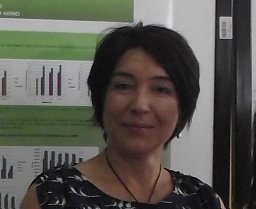 Gorkem Akinci合作论文数Faculty of Engineering Department of Environmental Engineering, Dokuz Eylul University2
 Asude Hanedar合作论文数a Faculty of Corlu Engineering, Namik Kemal University2Erdem Bilgili合作论文数2
 Huseyin Selcuk合作论文数Environmental Engineering Department, Pamukkale University2
 Serdar Aydın合作论文数Department of Civil Engineering and Building Materials, Faculty of Engineering, Dokuz Eylül University2
 Azize Ayol合作论文数1kadir sezer合作论文数1Hamda Mowlid Nur合作论文数1Canan Esin Koksal合作论文数1o aki̇nci̇lar合作论文数1Muhammet Buyukyildiz合作论文数1Yener Bakis合作论文数1Irde Cetinturk Gurtepe合作论文数1Gulsum Borucu合作论文数1
 Deniz Ucar Baycan合作论文数1
 Cemre Belit Cobanoglu Kayıkcı合作论文数1Ahmet Faruk Cullu合作论文数1
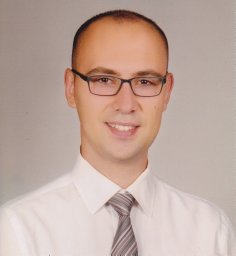 Ozcan Akın合作论文数1v z ki̇remi̇tci̇合作论文数1Belkis Cakar合作论文数1
 Hilal Arslan合作论文数Occupat Safety, Marmara Univ1
 Muhammet Aktas合作论文数1Kagan Ozdemir合作论文数1




