Palmitoylation of lignin imparts strong hydrophobicity and flexibility, enabling waterborne spray coatings with durable water repellency and enhanced wet strength, offering a sustainable route for paper protection and packaging.
Catalytic hydrodeoxygenation of biomass-derived oxygenates to deoxygenated chemicals and fuels is a major research area, but selective production of aromatic compounds remains challenging, because complete deoxygenation favors formation of saturated alkanes and cycloalkanes. In this study, a highly dispersed ruthenium‑titanium oxide aerogel catalyst was synthesized via co-gelation of ruthenium and titanium precursors for the hydrodeoxygenation of lignin-derived guaiacol, which demonstrated good selectivity toward aromatic compounds, yielding 23% benzene and 47% phenol, with 48% oxygen atom removal. The catalyst's complex structure, comprising titanium oxide and ruthenium nanoclusters, was characterized using experimental methods and density functional theory calculations, which suggest that the synergy between ruthenium single atoms, nanoclusters, particles, and titanium oxide improves the selective conversion of guaiacol to benzene.
This study presents a simplified single-additive strategy using multi-element (Si, N, C, O) functionalized cellulose nanofibers (CNFs) to address the traditional trade-off between fire safety and mechanical performance. CNFs were functionalized by a one-pot, two-step silylation using (3-aminopropyl)triethoxysilane and methyltrimethoxysilane; the resulting silylated CNFs (AMCNFs) were utilized to enhance the flame retardancy of polylactic acid (PLA) while maintaining its mechanical integrity. The hydrophobicity of AMCNFs was confirmed by a high-water contact angle (143°). The morphology and dispersibility of AMCNFs were analyzed using a scanning electron microscope (SEM). SEM analysis revealed that the nano-network structure of the AMCNFs was preserved during drying, which enhanced their dispersibility within the PLA matrix, as evidenced by the absence of fiber pull-out or aggregation at the interface. Thus, the silylation effectively preserved the nanofiber structure and reduced interfacial polarity.The PLA/AMCNFs composite containing 20 wt% AMCNFs exhibited significantly improved flame retardancy, maintaining a tensile strength of 50.3 MPa. The char yield of the composite was 10.8%, representing a 54-fold increase compared to neat PLA. X-ray photoelectron spectroscopy (XPS) confirmed that the char layer was primarily composed of Si, N, C and O, forming a robust Si-O-Si inorganic framework and nitrogen-containing moieties. Additionally, energy-dispersive spectroscopy (EDS) mapping revealed a homogeneous distribution of silicon. Consequently, the composite achieved a UL-94 V-2 rating, a 13% reduction in peak heat release rate, and a 15 °C increase in heat release onset temperature. These findings demonstrate that AMCNFs are effective multifunctional, single-component fillers for designing high-performance, eco-friendly polymer composites.
Sustainable mitigation of atmospheric CO2 requires not only efficient capture technologies but also environmentally responsible production of the materials that enable them. Many capture systems rely on materials synthesized via energy-intensive, multi-step processes from non-renewable feedstocks. To create truly sustainable solutions, there is a critical need for green synthetic pathways that minimize the overall carbon footprint of capture technologies from cradle to grave. Here, we report a diphenoquinone-based CO2 capture material synthesized from the lignin-derived monomer via an enzymatic coupling reaction, establishing a sustainable route under mild, aqueous conditions without complex purification. The reaction selectively forms a crystalline C4-C4 ' linked diphenoquinone, confirmed by comprehensive spectroscopic analyses, and avoids the structural heterogeneity typical of lignin-derived products. The resulting molecule exhibits a positive redox potential and robust reversibility, enabling electrochemical CO2 capture and release with a specific capacity of 1.9 mmol g-1. While initial performance is limited by the physical stability of the reduced species, this work establishes a new paradigm for lignin valorization by transforming renewable phenolics into discrete, functional molecules for CO2 capture, and offers a broadly applicable platform for green synthesis of bio-derived quinones, providing a foundation for sustainable technologies within a circular carbon economy.
Plastic waste has emerged as a global environmental crisis, prompting the search for sustainable alternatives to petroleum-based polymers. Within the context of the sustainable bioeconomy, lignin has gained significant attention as a promising biorenewable resource. However, the application of lignin is limited by its complex molecular structure and low compatibility with other polymers. In this study, lignin was structurally modified with palmitic groups to enhance its processability, compatibility, and hydrophobicity for use in film applications. The resulting palmitoylated lignin (p-lignin) was blended with polycaprolactone (PCL) and fabricated into films via solvent casting. Composite films containing up to 50 % p-lignin were successfully produced, with the 40 % plignin formulation exhibiting optimal performance. Water contact angles of fabricated films reached 119.4 degrees for palmitoylated hardwood kraft lignin (HK-P) and 124.5 degrees for palmitoylated hardwood organosolv lignin (HO-P), compared to 83.8 degrees for the neat PCL film. In addition to enhanced hydrophobicity, films demonstrated excellent UV blocking performance with an Ultraviolet Protection Factor of 50 or higher. While mechanical strength decreased due to lignin aggregation, the films maintained thermal stability and demonstrated solvent-based reprocessability, preserving their surface morphology and hydrophobic performance after re-casting. These findings highlight the potential of lignin-based hydrophobic films as sustainable materials for UV-protective and water-repellent packaging or coatings applications.
A biomimetic synthetic approach converts a lignin monomer into a functional diphenoquinone that electrochemically captures and releases CO 2 , offering a fully green route to renewable redox-active carbon-capture materials.
Natural deep eutectic solvents (NDESs) are promising biomass pretreatment media, but their industrial application is often hindered by high viscosity. To address this limitation, diol-enhanced ternary DESs (TDESs) were prepared by incorporating 1,4-butanediol (1,4-BDO) or ethylene glycol (EG) into a choline chloride (ChCl) and 3,4-dihydroxybenzoic acid (DHBA) system. The applied TDESs maintained a liquid state at room temperature and had significantly reduced viscosity compared to the binary DES (BDES). In addition, the applied diols increased lignin solubility and suppressed lignin condensation by intercepting reactive carbocation intermediates. As a result, the recovered lignins from diol-induced TDES pretreatments showed better preservation of β-O-4 linkages and reduced condensation, improving their potential for downstream valorization. The diol-assisted DES systems showed a synergistic effect from the reduced viscosity, enhanced lignin solubility, and suppression of unwanted condensation, resulting in more effective biomass pretreatment performance, including the enhanced delignification and higher enzymatic digestibility compared to BDES. The 1,4-BDO-enhanced DES was also successfully applied to DHBA-enriched transgenic poplar, highlighting its potential for the processing of engineered biomass feedstocks.
Selective electrochemical (E) oxidation of lignin, due to its complex and heterogeneous structure, remains a significant challenge in its valorization. 2,2,6,6-Tetramethylpiperidine-1-oxyl (TEMPO)-mediated systems have shown promise, but their relatively high oxidation potentials and limited applicability to structurally diverse alcohols hinder broader use in lignin upgrading. In this study, we focus on elucidating the fundamental base-controlled proton-coupled electron transfer (PCET) kinetics during the low-potential electrooxidation of lignin model compounds. We demonstrate that a Cu(II) complex coordinated with 2,2(')-bipyridine, denoted as (bpy)Cu(II), in combination with TEMPO, enables alcohol oxidation at significantly lower potentials than TEMPO alone, achieving a substantial cathodic shift of similar to 500 mV (vs. Cp2Fe+/(0)). The Cu(II) center acts as a redox mediator, facilitating the generation and regeneration of the TEMPO and promoting electron transfer (ET) from alcohol substrates. We further show that the choice of Br & oslash;nsted base plays a critical role in optimizing the Cu/TEMPO reactivity, as each base exhibits distinct effects depending on its basicity and compatibility with the redox environment. Systematic cyclic voltammetry studies reveal that the type of base significantly influences both oxidation potential and current, with clear correlations to the pK(a) of the base and the specific PCET behavior. By comparing three bases (2,6-lutidine, 1-methylimidazole, and triethylamine) across various alcohol substrates, including benzyl alcohol, vanillyl alcohol, methanol, and beta-O-4 lignin model compounds, we demonstrate pronounced base-dependent reactivity trends. This work presents selective oxidation of lignin model compounds at low potentials, offering new opportunities for the sustainable production of value-added chemicals from biomass.
Lignocellulose or lignin present significant potential as sustainable feedstocks to replace petroleum-derived resources through catalytic upgrading. Hydrodeoxygenation of phenolic molecules derived from lignocellulose or lignin can produce cycloalkanes, but often forms low-carbon-number hydrocarbons, which are more suitable for gasoline rather than high-carbon-number diesel or aviation fuels. This study investigates the production of high-carbon-number hydrocarbons in the aviation fuel range from lignin-derived compounds, using vanillin as a model. A two-step process was performed to achieve this: selective hydrogenation of vanillin to vanillyl alcohol and creosol using 1 wt% ruthenium on carbon, followed by non-catalytic condensation and subsequent hydrodeoxygenation of the condensates to cycloalkanes using 3 wt% ruthenium on HZSM-5. This process yielded C14 aviation fuel precursor (19%) and C14 deoxygenated hydrocarbon (5%) whereas the one-step process without the condensation step did not yield any C14 compounds. The reaction pathway was elucidated through density functional theory calculations and control experiments with intermediates, providing insights into the mechanisms of upgrading lignin-derived compounds for sustainable aviation fuel production.
Although lignocellulosic biomass is a renewable resource with the potential to replace fossil-derived fuels and chemicals, its recalcitrance, largely due to lignin, limits its utilization. Recent advancements in genetic engineering have produced transgenic trees with reduced lignin content and/or modified lignin structure without compromising growth traits. Here, three engineered poplar varieties are evaluated as feedstocks using a biocompatible one-pot deep eutectic solvent-mediated process that integrates biomass fractionation and enzymatic saccharification within a single reactor, eliminating water washing and reconditioning. All transgenic poplars exhibit higher fermentable sugar yields than wild-type (WT) trees. Notably, QsuB poplar, incorporating 3,4-dihydroxybenzoate in lignin, achieves the highest glucose conversion yield of 91.3% (vs. 73.0% from WT). AT5 and MdCHS3 poplars, incorporating ferulate esters and naringenin, also demonstrate improved glucose yields (86.7 and 84.7%, respectively), confirming reduced biomass recalcitrance. Additionally, residual lignins are valorized via hydrogenolysis into phenolic compounds, with comparable alkylphenol production across all lines. These findings demonstrate that the transgenic poplar lines not only serve as superior feedstocks for sugar conversion but also provide a rich resource for phenolic compound production, enhancing the operational and economic viability of integrated biorefinery processes.
The increasing adoption of wood as a sustainable construction material has given rise to concerns regarding its inherent flammability. This study proposes a novel approach to the development of an eco-friendly, waterborne intumescent flame-retardant coating, integrating ethanolaminemodified ammonium polyphosphate (ETA-APP) with wood-derived biochar (BC) within an acrylic resin matrix. The present study systematically investigated the functional synergy between ETA-APP and biochar, with a view to achieving enhanced flame resistance and environmental compatibility. Thermogravimetric and Py-GC/MS analyses revealed that ETA-APP promoted early acid-catalyzed dehydration and phosphate cross-linking, while biochar served as a carbon-rich scaffold, facilitating the formation of a robust P-N-C-rich char layer. The coating demonstrated a 49 % decrease in peak heat release rate (pHRR) and a 52 % reduction in total smoke release (TSR) when subjected to cone calorimeter testing (ISO 5660-1). This finding substantiates the efficacy of the coating in curtailing the generation of heat and smoke. Further analysis in the form of XPS and EDS mapping provided further evidence of uniform N/P dispersion and strong interfacial bonding. These outcomes are attributed to the enhanced compatibility resulting from the ethanolamine modification. Py-GC/MS analysis revealed the absence of free amine, formaldehyde, or heavy-metal-containing volatiles, thereby confirming the environmentally benign thermal degradation behavior of the material under investigation. It was confirmed that the cooperative interaction between ETA-APP and biochar enhances condensed-phase char integrity and improves flame-retardant efficiency, even at moderate additive loadings. The findings establish a sustainable coating strategy that couples high fire protection with low toxicity, offering promising applicability for engineered-wood and hybrid structural materials exposed to fire and aggressive environments.
To establish competitive biorefineries aligned with global climate goals, reliance on petroleum-derived solvents and the limitations imposed by lignocellulosic recalcitrance must be overcome. In this study, we present a sustainable and efficient biomass conversion strategy that integrates a green, biocompatible deep eutectic solvent (DES) with a mechanical ball-milling pretreatment to enable high-solid-loading, one-pot processing under ambient conditions. This combined approach achieved glucose yields of up to 83% from corn stover at 25 wt % solid loading, surpassing conventional pretreatment methods in both efficiency and process simplicity. Notably, sugar yields remained high without the need for external heat, pressure, or intermediate washing steps, demonstrating excellent process scalability. In addition, mild reaction conditions facilitated the near-complete preservation of native lignin structures. Structural analyses of residual lignins confirmed the retention of key interunit aryl-ether linkages and minimal lignin depolymerization. This ensures the downstream valorization potential of lignin as a high-value coproduct. Together, these findings demonstrate the feasibility of a synergistic mechanochemical route to unlock fermentable sugars and valorize lignin from lignocellulosic biomass, providing a compelling framework for next-generation biorefinery development.
Lignin is known to limit the enzyme-mediated hydrolysis of biomass by both restricting substrate swelling and binding to the enzymes. Pretreated mechanical pulp (MP) made from Aspen wood chips was incubated with either 16% sodium sulfite or 32% sodium percarbonate to incorporate similar amounts of sulfonic and carboxylic acid groups onto the lignin (60 mmol/kg substrate) present in the pulp without resulting in significant delignification. When Simon’s stain was used to assess potential enzyme accessibility to the cellulose, it was apparent that both post-treatments enhanced accessibility and cellulose hydrolysis. To further elucidate how acid group addition might influence potential enzyme binding to lignin, Protease Treated Lignin (PTL) was isolated from the original and modified mechanical pulps and added to a cellulose rich, delignified Kraft pulp. As anticipated, the PTLs from both the oxidized and sulfonated substrates proved less inhibitory and adsorbed less enzymes than did the PTL derived from the original pulp. Subsequent analyses indicated that both the sulfonated and oxidized lignin samples contained less phenolic hydroxyl groups, resulting in enhanced hydrophilicity and a more negative charge which decreased the non-productive binding of the cellulase enzymes to the lignin.
The growing demand for high-energy-density, safe, and sustainable lithium-ion batteries (LIBs) necessitates the development of innovative electrolytes. Herein, we present a facile in situ preparation strategy for fabricating a high-performance single-ion conductor (SC). This SC is based on hydroxypropyl cellulose (HPC) integrated with polyethylene glycol diacrylate cross-linker, in combination with sodium styrene sulfonate (NaSS) as a functional monomer. The introduction of NaSS is crucial, as it introduces sulfonate groups that are immobilized within the polymer network, enabling selective lithium-ion transport. This approach offers a significant advancement over conventional polyether-based gel polymer electrolytes (GPEs), which usually suffer from limited oxidative stability and require the use of separators, particularly in high-voltage battery applications. The in situ polymerization method presented here eliminates the need for a separator and offers several key advantages: rapid processability, excellent scalability, and the formation of a stable solid electrolyte interface. The result is a robust, separator-free GPE. Our HPC-based single-ion conductor (MHPC SC) exhibits a high lithium transference number of 0.89 and an ionic conductivity of 2.4 mS cm-1 at room temperature. These properties are attributed to efficient lithium-ion transport through its synergistic effect of the polyanionic conductor and HPC matrix. The mechanically robust and highly conformal polymer network effectively suppresses detrimental interfacial reactions and mitigates dendrite growth, resulting in an enhanced cycling stability. Notably, the MHPC SC enables stable operation with high-voltage cathodes up to 4.3 V, achieving 94% capacity retention over 100 cycles. These findings highlight the potential of cellulose-based GPEs as a sustainable and high-performance electrolyte that significantly enhances both the safety and performance of advanced LIBs.
Multilayered porous separators consisting of cellulose nanofibers (CNF) and SiO2 coating are fabricated for lithium-ion batteries (LIBs) as an eco-friendly alternative to conventional polyolefin separators. Employing a sol-gel synthesis method, SiO2 nanoparticles are intricately arranged on CNF to create core-shell structured CNF-SiO2 composites. Simple binder-free CNF-SiO2 surface coated composite separators are obtained via alternating sequential vacuum filtration of CNF suspensions and the nanocomposite coating functional layers, resulting in bi- and tri-layered separators. CNF entangled structure determines the pore architecture of CNF-SiO2 as a molecular template, while simultaneously tailoring the size distribution of pores and fibers within the separator, thus optimizing Li-ion transport pathways. By combining core-shell structured CNF-SiO2 nanocomposites as a functional layer with CNF separators, the resulting multilayer separators significantly improve the electrochemical stability of LIBs due to the effective suppression of electrolyte decomposition and dendrite growth on the Li metal surface. This approach simplifies material sourcing and production processes, making it particularly attractive for large-scale manufacturing for LIBs separators from carbohydrate precursors extracted from biomass. This study highlights the potential of chemically modified cellulose-based nanostructures as high-performing upcycled separators for energy storage, resulting in their possible commercial applications.
Lignocellulosic biomass has been well-acknowledged as a filler for making 3D printed composites. The technical performances of composites were influenced by the characteristics of the components. The correlations between poplar biomass properties and the mechanical and thermal performances of the 3D printed poplar-plastic composites were investigated. The characteristics of poplar were modified by different pretreatment methods, including using hot water, dilute acid, and organic solvent (organosolv), and each treated poplar biomass was applied as a filler in a polylactic acid (PLA) polymer matrix to produce eco-friendly materials. These solvent pretreatments increased the hydrophobicity and surface area of poplar. Organosolv treated poplar showed the highest cellulose content and significantly increased Young's modulus of its biocomposites. Principal component analysis revealed that the specific surface area and water contact angle of biomass contributed to the thermal stability of biocomposites. Additionally, the degree of polymerization of cellulose and xylan content within the biomass correlated with the biocomposites' break stress. Notably, the crystallinity of biocomposites impacted the modulus of these materials. The reported relationships between biomass characteristics and 3D printed composite behaviors provide guidance for optimizing biomass processing in biocomposite applications.
Lignin, a byproduct of pulping and lignocellulosic biorefineries, holds promise as a feedstock for producing aromatic chemicals that can replace petroleum-derived counterparts. Reductive catalytic depolymerization of lignin has been proposed as a sustainable approach to generate phenolic monomers. However, achieving high yields of these monomers is challenging because of the complexity of the product mixture and process deactivation. Additionally, the interplay between lignin depolymerization and repolymerization remains poorly understood. In this study, organosolv lignin extracted from oak was depolymerized using a hydrogen-form zeolite beta-supported ruthenium catalyst. By optimizing the catalyst-to-lignin ratio (0.25 w/w), a maximum phenolic monomer yield of 15.9 % (at 280 degrees C in 75 % (v/v) aqueous methanol) was achieved, independent of other reaction conditions. This finding highlights the catalyst-to-lignin ratio as a critical determinant of lignin conversion efficiency. Furthermore, the study emphasizes the need to optimize reaction conditions to mitigate repolymerization, which leads to the formation of non-degradable polymers and suppresses phenolic molecule production.
The sluggish kinetics of the oxygen reduction reaction (ORR) remain a major bottleneck for energy conversion systems such as fuel cells and metal–air batteries. Here, the synthesis of molybdenum single‐atom catalysts (Mo SACs) derived from abundant and low‐cost Kraft lignin is reported. By tuning nitrogen incorporation during carbonization, agglomerated Mo carbide clusters are progressively converted into atomically dispersed Mo active centers anchored on N‐doped carbon. Extensive spectroscopic analyses confirm this structural evolution, while density functional theory calculations reveal that the optimized Mo coordination environment downshifts the d‐band center, enabling the balanced adsorption of oxygen intermediates and thereby improving the intrinsic ORR activity. Electrochemical measurements demonstrate enhanced half‐wave potential, near‐four‐electron transfer pathway, superior selectivity, and excellent durability, with ≈85% current retention over 50 h. Beyond performance, the use of minimally processed Kraft lignin underscores both the economic and environmental advantages of this approach, offering a scalable and sustainable pathway to practical ORR electrocatalysts.
 Chang Soo Kim合作论文数Div Energy & Environm Technol, Korea Univ Sci & Technol30
 Yoo Chang Geun合作论文数Department of Agricultural and Biosystems Engineering, Iowa State University25
 Jeong-Myeong Ha合作论文数25
 Keunhong Jeong合作论文数Department of Chemistry, Seoul National University23
 Chun-Jae Yoo合作论文数Clean Energy Res Ctr, Korea Inst Sci & Technol22
 Hyunjoo Lee合作论文数Catalytic Materials and Process Lab, Department of Chemical and Biomolecular Engineering, Korea Advanced Institute of Science and Technology15
 Robert (Robert) C Brown合作论文数Bioeconomy Institute, Iowa State University;Departments of Mechanical Engineering, College of Engineering, Iowa State University14
 Joon Weon Choi合作论文数14
 Seema Singh合作论文数12
 Kyeongsu Kim合作论文数Clean Energy Research Center, Korea Institute of Science and Technology12
 Blake A. Simmons合作论文数Division of Biological Systems and Engineering, Lawrence Berkeley National Laboratory;Joint BioEnergy Institute;Erg Bio;Caribou Biofuels, Inc12
 Gyu Leem合作论文数11
 Bon-Wook Koo合作论文数College of Agriculture and Life Sciences, Seoul National University10
 Dong Jin Suh合作论文数Clean Energy Research Center, Korea Institute of Science and Technology10Soo Min Lee合作论文数8Yunxuan Wang合作论文数8
 Arthur J. Ragauskas合作论文数Center for Renewable Carbon, Department of Forestry, Wildlife and Fisheries, School of Natural Resources, The University of Tennessee Institute of Agriculture;Department of Chemical and Biomolecular Engineering, Tickle College of Engineering, The University of Tennessee8
 Tanmoy Dutta合作论文数7Geon-Soo Ha合作论文数7Bai Xianglan合作论文数Dept Mech Engn, Iowa State Univ7
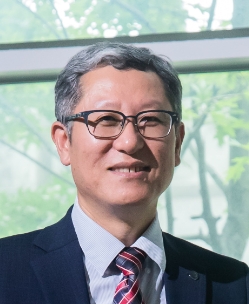 Byong-Hun Jeon (田秉勳)合作论文数Department of Earth Resources and Environmental, Hanyang University7In-Gyu Choi合作论文数7
 Aymerick Eudes合作论文数Lawrence Berkeley National Laboratory, Joint BioEnergy Institute7
 Jie Wu合作论文数6
 Wooseok Yang合作论文数6
 Jack Saddler合作论文数Department of Wood Science, Faculty of Forestry, The University of British Columbia6Ji-Ae Ryu合作论文数5Jingshun Zhuang合作论文数5
 Md Al Mamunur Rashid合作论文数5
 Jian Sun (孙剑)合作论文数School of Life Sciences, Beijing Institute of Technology5
 Jungkyu Choi合作论文数Department of Chemical and Biological Engineering, College of Engineering, Korea University5
 In-Yong Eom合作论文数5
 Shawn Mansfield合作论文数Department of Wood Science, Faculty of Forestry, The University of British Columbia;Department of Botany, Faculty of Science, The University of British Columbia4
 Xianzhi Meng合作论文数Dept Chem & Biomol Engn, Univ Tennessee4
 Richard P. Chandra合作论文数Faculty of Forestry, University of British Columbia Forest Products Biotechnology4
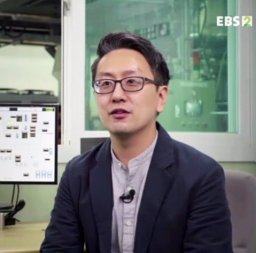 Han-Seob Jeong合作论文数Department of Forest Sciences, Seoul National University4Yunqiao Pu合作论文数4
 Ho Seok Park合作论文数School of Chemical Engineering, College of Engineering, Sungkyunkwan University;Young Korean Academy of Science and Technology4
 Jae Young Kim (金宰永)合作论文数Department of Civil and Environmental Engineering, College of Engineering, Seoul National University4Sun-Joo Moon合作论文数3
 Suraj Kumar Tripathy合作论文数3
 Ramesh Kumar合作论文数3
 Mairui Zhang合作论文数3
 Masatsugu Takada合作论文数3
 Rizki Insyani合作论文数Clean Energy Res Ctr, Korea Inst Sci & Technol3
 Jaemin Park合作论文数Yonsei Univ, Dept Mat Sci & Engn, 50 Yonsei Ro, Seoul 03722, South Korea3
 Sankha Chakrabortty合作论文数3
 John Ralph合作论文数Department of Biochemistry, College of Agricultural and Life Sciences, University of Wisconsin-Madison;Great Lakes Bioenergy Research Center, University of Wisconsin-Madison3Dalluge Dustin合作论文数3




