Inhaled nitric oxide (iNO), long used as a selective pulmonary vasodilator, has demonstrated potential antimicrobial and antiviral properties when administered at high concentrations (> 20 parts per million, ppm). While definitive evidence is still lacking, this narrative review synthesizes the emerging clinical and mechanistic properties supporting high-dose iNO as a potential therapeutic strategy for lower respiratory tract infections, including drug-resistant bacterial pneumonias, COVID-19, nontuberculous mycobacteria, and bronchiolitis. We summarize safety data from laboratory studies, Phase I trials, clinical findings from 27 predominantly early-phase studies, and highlight its as both hospital-based and home-based therapy. High-dose iNO acts through multiple pathways, including direct microbial killing, biofilm disruption, immune modulation, and mucociliary enhancement, and holds promise in addressing unmet needs in respiratory infection management. We also propose a roadmap for future research to optimize dosing, delivery, and efficacy endpoints in well-defined patient populations. High-dose inhaled nitric oxide is a potential antimicrobial therapy with broad-spectrum activity against bacteria, viruses, fungi, and parasites, and has been safely administered in diverse clinical contexts from ICU to outpatient care. This review summarizes translational and early clinical data and outlines a roadmap for future trials needed to define safety, efficacy, and optimal use in drug-resistant lung infections and acute respiratory failure.
Timely detection of pulmonary embolism (PE) is crucial, particularly in critical settings where rapid confirmation or exclusion is required and computerized tomography pulmonary angiography (CTPA) poses safety challenges. We assessed the experimental and clinical accuracy of electrical impedance tomography (EIT)-ventilation-perfusion (V̇/Q̇) maps and a novel wasted-ventilation index for detecting PE. Ten piglets underwent EIT–V̇/Q̇ mapping before and after proximal or distal pulmonary artery occlusions. EIT-perfusion maps were validated against dynamic contrast-enhanced CT (DCE-CT) and quantitative clot-burden analysis from whole-lung CTPA. To assess specificity, models of non-occlusive perfusion impairment were added (6 piglets). The wasted-ventilation index was refined across 114 piglet conditions (66 PE) and subsequently validated in 66 patients with acute respiratory failure (257 exams) and 10 patients with chronic thromboembolic disease (31 exams), totaling 288 EIT-exams. Strong positive correlations between estimates of regional perfusion obtained by EIT vs. DCE-CT or CTPA were found. Agreement showed mean bias of − 3.04 ± 3.02
BACKGROUND:High-dose inhaled nitric oxide (iNO) at 300 parts per million (iNO300) has shown antimicrobial and anti-inflammatory effects in preclinical models. Defining its safety profile in humans is essential for therapeutic development in respiratory infections. Human data specifically evaluating methemoglobin (MetHb) and nitrogen dioxide (NO2) kinetics during iNO are limited. This study investigated MetHb and NO2 formation in healthy adults exposed to iNO. METHODS:In this phase 1 trial, 10 healthy adults received iNO for 30 min, 3 times daily over 5 days. To simulate oxygen therapy in pneumonia, NO was delivered at 2 inspired oxygen fractions (FIO2): 0.21 at 50 L/min and 0.80 at 70 L/min. On day 5, subjects exercised on a stationary bike to simulate increased ventilation in critically ill adults. Continuous MetHb monitoring was performed with pulse CO-oximetry (0.5 Hz), and NO2 was measured using an ultrafast laser-induced fluorescence analyzer (15 Hz). RESULTS:One hundred forty-eight treatments were administered without major adverse effects. At rest, peak MetHb averaged 5.5 ± 1.2% (range 3.3-9.0%), increasing to 9.0 ± 1.1% (6.8-11.3%) during exercise. Six transient and asymptomatic MetHb elevations above 10% occurred in 3 out of 10 subjects, exclusively during exercise sessions, with all returning to baseline before the next dose. No MetHb accumulation was observed at day 7 follow-up. NO2 levels in the inspiratory limb remained <5 ppm during all treatments. Occasional brief NO2 spikes >5 ppm at the Y-piece occurred only at the inspiration-expiration transition or respiratory pause, representing 0.01-0.14% of sampling time. CONCLUSIONS:Intermittent administration of iNO was safe in healthy adults under real-time monitoring of MetHb and NO2. These findings support further clinical investigations into iNO as a potential inhaled therapy for lower respiratory tract infections.
OBJECTIVES:Methemoglobin (metHb) is routinely monitored as a safety marker during inhaled nitric oxide (NO) therapy but may also reflect systemic NO uptake. This study aims to investigate how different NO delivery systems influence metHb formation rates and systemic NO uptake. DESIGN:Retrospective analysis of a randomized controlled trial. SETTING:Single-center study at an academic institution. PARTICIPANTS:Adults undergoing cardiac surgery with preoperative signs/symptoms suggestive of endothelial dysfunction. INTERVENTIONS:Patients received 80 parts-per-million (ppm) of NO for 24 consecutive hours to prevent postoperative kidney injury. NO was subsequently administered via cardiopulmonary bypass (CPB), mechanical ventilation (MV), and nasal cannula (NC). Systemic metHb formation and NO uptake rates were assessed and compared across different NO delivery methods. MEASUREMENTS AND MAIN RESULTS:Data on metHb from 105 patients were analyzed. Median metHb levels were 0.6% during CPB, 2.1% during ICU MV, and 0.8% during NC administration. Duration of NO exposure significantly affected metHb levels (p < 0.001). The slope of metHb increase was higher during MV than during CPB (β = 8.354 * 10-3v β = 3.738 * 10-3, p < 0.001), whereas metHb levels declined during NC with a negative slope compared with CPB (β = -5.352 * 10-3v β = 3.738 * 10-3, p < 0.001). Estimated NO delivery rates were greater with MV than with CPB (median 25.1 v 8.2 μmol/min, p < 0.001). CONCLUSIONS:NO delivery modalities significantly influence metHb formation and systemic NO uptake. Monitoring biomarkers of NO uptake, such as metHb, may help optimize NO therapy beyond delivered concentration, particularly when extrapulmonary effects are desired.
BACKGROUND:Physiology-based interventions, including individualized mechanical ventilation and advanced monitoring, can improve outcomes in acute respiratory failure. A multidisciplinary team dedicated to physiologic assessment has emerged to support complex ventilatory management, yet factors influencing its recognition, understanding, and utilization within large ICU systems remain unknown. METHODS:We conducted a cross-sectional, self-administered survey of ICU clinicians, including attending physicians, fellows, residents, advanced practice providers, nurses, and respiratory therapists, across multiple adult intensive care units within a large academic medical center. The survey assessed provider demographics, awareness, utilization, and perceptions of a specialized physiology-based Lung Rescue Team (LRT). Descriptive statistics were used to summarize responses and stratifiy results by provider role and years of experience. RESULTS:Among 169 respondents, 62.7% reported awareness of the LRT, with awareness increasing with years of clinical experience. Of those aware, 93.4% reported moderate or high familiarity with the service, and 76.2% had requested at least 1 consultation in the prior year. Only 10.2% of respondents perceived the service as very well integrated into ICU workflows. The most frequently cited barriers to utilization were lack of awareness and uncertainty regarding consultation criteria, followed by workflow challenges and limited exposure to advanced physiologic monitoring. No respondents reported adverse patient outcomes related to consultation. CONCLUSIONS:A specialized physiology-based team is perceived as valuable and safe but may be underutilized without deliberate integration strategies. Awareness, clear consultation pathways, and workflow integration are perceived as fundamental to utilization. These findings offer practical insights for institutions seeking to develop or optimize similar multidisciplinary services to advance individualized respiratory care.
Antibiotic resistance in respiratory infections is an escalating global concern that requires innovative antimicrobial approaches. Pseudomonas aeruginosa is a common multidrug-resistant pathogen and a major cause of hospital-acquired pneumonia. Accumulating evidence suggests that, at high doses, inhaled nitric oxide (iNO) acts as a potent antimicrobial agent. This study evaluated the efficacy and safety of iNO at 300 parts per million (iNO300) as a treatment for P. aeruginosa infection. In vitro, P. aeruginosa exhibited a dose-dependent reduction when exposed to an NO donor. In a mechanically ventilated swine model of P. aeruginosa pneumonia, intermittent iNO300 therapy resulted in a two-log reduction in bacterial burden, improved oxygenation and lung compliance, and reduced histopathological lung injury. A phase 1 clinical trial in 10 healthy individuals confirmed the safety of intermittent iNO300 therapy with no adverse events. In two critically ill patients with multidrug-resistant bacteria, who were in the intensive care unit, iNO300 was well tolerated, demonstrating clinical feasibility. Long-term follow-up of patients exposed to high-dose iNO for more than 6 years revealed no adverse outcomes. Our findings establish iNO300 as a promising antimicrobial agent against P. aeruginosa pneumonia, warranting further clinical evaluation.
Background:Newborns who live at high altitudes are chronically exposed to low oxygen levels, which may impair lung development and induce vascular remodeling, often resulting in pulmonary hypertension, right ventricular hypertrophy, and right heart failure. Nitric oxide has a critical role in mediating pulmonary vasodilation and supporting healthy lung development. The potential therapeutic role of long-term inhaled NO in hypoxia-induced pulmonary hypertension and right ventricular disease has not been determined. The objective of this study was to investigate the therapeutic effects of long-term inhaled NO in a mouse model of pulmonary hypertension in the context of impaired lung development.Methods:Beginning on postnatal day 3 or 4, mice were exposed to either 21% or 11% inspired fraction of oxygen, with or without continuous inhaled NO at 10 ppm. This study assessed exhaled NO levels and plasma nitrite and nitrate concentrations on mice at the age of 2 to 3 months. Pulmonary hypertension, right ventricular hypertrophy, and cardiac function were evaluated using echocardiography and invasive hemodynamic measurements. Vascular and alveolar structure was analyzed by histology.Results:Chronic hypoxia impaired lung development and caused pulmonary hypertension. Levels of exhaled NO and plasma nitrite and nitrate concentrations were reduced by chronic hypoxia. Long-term inhaled NO therapy restored NO biomarkers and improved pulmonary hypertension, right ventricular hypertrophy, and right ventricular function. However, hypoxia-induced alveolar and vascular rarefaction were unaffected by inhaled NO.Conclusions:These findings support further investigation of prolonged inhaled NO as a potential therapeutic strategy for conditions associated with chronic hypoxia, such as those experienced at high altitude.
Obesity is a highly prevalent chronic disease that profoundly affects respiratory physiology. Excess adipose tissue alters lung volumes, chest-wall mechanics, and pleural pressures, leading to airway closure, atelectasis, and ventilation–perfusion mismatch. These changes have important implications for mechanical ventilation in both perioperative and critical care settings. This narrative review examines the impact of obesity on respiratory physiology during mechanical ventilation and discusses strategies for optimizing ventilatory management in patients with obesity and acute lung injury. Obesity primarily reduces functional residual capacity and expiratory reserve volume through cephalad displacement of the diaphragm and increased intra-abdominal pressure. These alterations promote airway collapse, impaired ventilation distribution, and mild hypoxemia. During general anesthesia, additional reductions in lung volume and increased pleural pressure further predispose patients with obesity to airway closure and atelectasis. Ventilatory management should include adequate preoxygenation, recruitment maneuvers when appropriate, and individualized positive end-expiratory pressure (PEEP) titration. In patients with acute hypoxemic respiratory failure or acute respiratory distress syndrome, excess adiposity may worsen respiratory mechanics by increasing superimposed pressure and the prevalence of airway closure. These mechanisms complicate interpretation of respiratory mechanics. Advanced bedside monitoring tools, including esophageal pressure manometry and electrical impedance tomography, may provide valuable insights for optimizing ventilatory settings and balancing lung recruitment with the risk of overdistension. In moderate-to-severe acute respiratory distress syndrome, prone positioning is feasible and safe. Furthermore, individualized weaning approaches, and early use of noninvasive ventilation after extubation may further improve respiratory management.
INTRODUCTION:Cardiac surgery remains a high-risk intervention, with postoperative complications, including ischemic events (myocardial infarction and stroke), acute kidney injury, respiratory failure, and neurocognitive dysfunction, affecting up to 30% of patients and resulting in increased mortality. While inhaled nitric oxide (NO) is traditionally used for pulmonary hypertension and right ventricular dysfunction, recent experimental and clinical studies suggest its organ-protective potential may mitigate ischemia-reperfusion injury and hemolysis induced toxicity. However, whether these physiological and mechanistic effects translate into improved patient-centered outcomes remains unproven in a large-scale setting. The NORISC trial aims to determine whether perioperative NO administration reduces major complications requiring intensive life support following cardiac surgery. METHOD AND ANALYSIS:This is an international, multicenter, double-blind, randomized (1:1), parallel-arm superiority trial. We will enroll 3650 patients undergoing elective cardiac surgery with cardiopulmonary bypass (CPB). The intervention group will receive NO at 80 parts per million (ppm) via the oxygenator sweep gas during CPB, followed by inhaled NO at 40-80 ppm via mechanical ventilation for up to 6 h postoperatively or until extubation, whichever occurs first. The control group will receive standard care with placebo gas. The primary outcome is a 30-d composite of all-cause mortality and major adverse events (MAEs) necessitating intensive life support (e.g., stage 3 AKI, mechanical circulatory support, or prolonged ventilation, etc). Based on a hypothesized 20% relative risk reduction (from 20% to 16%), a sample size of 3650 provides 80% power at a one-sided α of 0.025. Conclusion/Expected Impact: The NORISC trial will provide high-quality, definitive evidence on the clinical efficacy of NO in cardiac surgery. By targeting hemolysis-mediated organ injury through a standardized delivery strategy, this study has the potential to redefine perioperative management and reduce the global burden of postoperative morbidity. ETHICS AND DISSEMINATION:The protocol has received Institutional Review Board approval at all participating centers. Recruitment commenced in May 2025. Results will be disseminated through peer-reviewed publications and international scientific congresses. TRIAL REGISTRATION NUMBER:ClinicalTrials.gov NCT06702553.
Acute Respiratory Distress Syndrome (ARDS) is characterized by severe hypoxemia from heterogeneous impairments in regional ventilation and perfusion. Metabolic syndrome, a combination of central obesity, insulin resistance, hypertension, and dyslipidemia, affects over one-third of adults worldwide and is associated with systemic inflammation, endothelial dysfunction, and increased ARDS risk. Whether metabolic syndrome alters regional ventilation and perfusion distributions in ARDS remains unknown. We performed a retrospective cohort study of 25 mechanically ventilated patients with ARDS evaluated by the Massachusetts General Hospital Lung Rescue Team from 2020 to 2025. After a recruitment maneuver and decremental PEEP titration in the supine position, we quantified regional ventilation and perfusion distributions using electrical impedance tomography across a 32 × 32 pixel impedance matrix. We used Bayesian regression modeling adjusted for age, severity of illness, and ARDS etiology to define associations between metabolic syndrome and regional distributions. 25 patients were included, of whom 44
BACKGROUND:Many patients in intensive care units (ICUs) are clinically unstable during the first several days of ICU care. The goal of this study was to describe how the association between selected clinical variables and in-hospital mortality varied across short, sequential time periods during the early phase of ICU care. METHODS:Retrospective analysis of 19,439 ICU encounters among 17,769 patients, aged 18 to 102, who were treated in three ICUs at a single academic medical center during the years 2018 to 2023. Each encounter was segmented into brief intervals of care defined by time between complete blood count results. We analyzed 144,157 time intervals representing the early period of care up to the first 20 consecutive time intervals. For each time interval, we performed multivariable logistic regression to estimate the odds ratios of association between nine selected clinical variables and in-hospital death. Variables included patient demographics, laboratory results, and treatment modalities previously found to be associated with ICU survival in published studies. Both current and previous exposure to life-support treatments (mechanical ventilation, pressors, or dialysis) and interactions among life-support treatments were also investigated as variables. RESULTS:The mean duration of the analyzed time intervals of care was 512 ±215 minutes (median 574, IQR 326-720 minutes). One third of in-hospital mortality among ICU patients occurred during the first 20 time intervals of care. The odds ratios for death for age, sex, platelet count, hemoglobin, and transfusion ranged from 1.01 to 1.35 with small variations across periods of care, whereas the odds ratios for ventilator use, dialysis, pressors, and bilirubin varied more widely from 1.43 to 4.75. CONCLUSION:The strength of association between selected clinical variables and in-hospital mortality varied with time during early periods of ICU care.
Recent studies uncovered extrapulmonary effects of inhaled nitric oxide (NO) therapy. However, no method exists to quantify NO absorption. This study developed a breath-by-breath system for inhaled NO absorption measurement, which consists of a rapid chemiluminescent NO analyzer and a pneumotachograph. The accuracy of the system was validated in vitro and in an animal model, achieving excellent agreement with the reference gas-collection method (linear regression R2 0.98 and 0.97; mean bias 1.5% ± 15.4% and -3.6% ± 14.4%, respectively). We established a methemoglobin kinetic model that followed single-compartment first-order elimination kinetics, and included NO absorption rate, methemoglobin conversion factor, time constant, treatment duration, hemoglobin, and blood volume. The model was trained and validated in 11 pigs receiving 81 treatments at 20 - 300 parts per million (ppm) and 14 human subjects, including 10 healthy subjects and 4 patients who received 64 treatments at 20 - 300 ppm. The approach yielded stable parameters of elimination constant 0.012 min-1 (coefficient of variation [CV] 4.1%) and conversion factor 0.015 g/μmol (CV 2.3%). When comparing methemoglobin-estimated NO absorption and measured values, linear regression R2 reached 0.89, and the mean bias was 1.0% ± 26% in human subjects. Over 84% of estimates fell within ±30% of measured values, indicating strong estimation capability of the model. This study demonstrated methemoglobin as a bedside marker for NO absorption and provides a framework for optimizing NO dosing strategies and advancing dose-response studies in inhaled NO therapy.
 Edward A. Bittner合作论文数Department of Anesthesia, Critical Care and Pain Medicine, Massachusetts General Hospital and Harvard Medical School58
 Robert Kacmarek合作论文数The Division of Pulmonary and Critical Care Medicine, Massachusetts General Hospital;Department of Medicine, Massachusetts General Hospital;Harvard Medical School53
 Riccardo Pinciroli合作论文数Istituto di Anestesia e Rianimazione, Milan, Italy33
 Caio C. A. Morais合作论文数Harvard Med Sch, Boston, MA 02115 USA32
 Binglan Yu合作论文数Massachusetts General Hospital32
 Warren M. Zapol合作论文数Department of Anesthesia, Critical Care and Pain Medicine, Massachusetts General Hospital30
 Arora Pankaj合作论文数and VA Medical Center, University of Alabama at Birmingham29
 Ichinose Fumito合作论文数27Marcelo B. P. Amato合作论文数27
 Carroll Ryan W合作论文数25
 Emanuele Rezoagli合作论文数25
 Xin Yi合作论文数24
 Raffaele Di Fenza合作论文数23Marvin G. Chang合作论文数Johns Hopkins University23
 De Santis Roberta R合作论文数22
 Maurizio Cereda合作论文数Department of Anesthesiology and Critical Care, Perelman School of Medicine, University of Pennsylvania20
 Bijan Safaee Fakhr合作论文数19T Kolobow合作论文数18Massimiliano Pirrone合作论文数Università degli Studi di Milano, Azienda Ospedaliera San Paolo-Polo Universitario18Theodor Kolobow合作论文数18
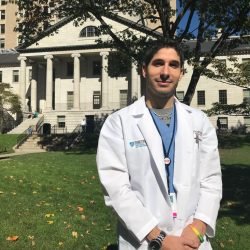 Stefano Spina合作论文数ASST Grande Osped Metropolitano Niguarda16Cristina Mietto合作论文数15
 Lauren Gibson合作论文数15
 David Imber合作论文数14Chong Lei合作论文数14
 Antonio Pesenti合作论文数Department of Pathophysiology and Transplantation, University of Milan14
 Gianluigi Li Bassi合作论文数National Institutes of Health Pulmonary and Critical Care Medicine Branch, NHLBI 9000 Rockville Pike 20892 Bethesda MD USA14M. Cereda合作论文数13M. Panigada合作论文数13
 Gaulton Timothy Glen合作论文数Brigham and Women's Hospital, Harvard University13
 Andrea Coppadoro合作论文数13Stefano Gianni合作论文数Istituto Pasteur-Fondazione Cenci Bolognetti e Centro di Biologia Molecolare del CNR, Università di Roma “La Sapienza”,13Hatus Vianna Wanderley合作论文数12Kenneth T Shelton合作论文数12
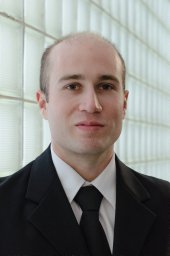 Marcus Victor合作论文数Lab Pneumol LIM 09, Univ Sao Paulo12Changsheng Zhang合作论文数12
 Luigi Grassi合作论文数Department of Neuroscience and Rehabilitation, University of Ferrara12
 Francesco Marrazzo合作论文数ASST Grande Osped Metropolitano Niguarda11Kenneth D. Bloch合作论文数Harvard Medical School11Massimo Cressoni合作论文数Istituto di Anestesiologia e Rianimazione, Università degli Studi di Milano11Roberta De Santis Santiago合作论文数10Alberto Zanella合作论文数Department of Experimental Medicine, University of Milan-Bicocca10
 Ulrich Schmidt合作论文数10
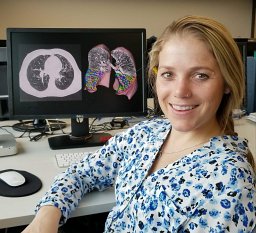 Sarah Gerard合作论文数Univ Iowa10T. Kim合作论文数9
 Gaetano Florio合作论文数Harvard Medical School Boston9
 Francesco Zadek合作论文数9Arora Garima合作论文数9
 Tilo Winkler合作论文数Department of Anesthesia and Critical Care, Massachusetts General Hospital and Harvard Medical School9




