PURPOSE:Cardiac rehabilitation (CR) is an effective but underused secondary prevention strategy. We evaluated where the relative gap in the implementation of CR occurs and characteristics related to CR utilization. METHODS:We analyzed electronic health records from a large academic health system (2017-2019). We included patients aged ≥18 years, hospitalized with a cardiac event, with an indication for CR. We evaluated crude proportions and used mixed-effects logistic regression to examine the association of characteristics with referral, enrollment (≥1 session), and completion (≥36 sessions), accounting for multiple admissions. RESULTS:Among 4084 patient encounters (mean age: 65.3 ± 14.6 years, 45% female, and 42% Black), 25% were referred, 29% of those referred, enrolled, and 21% of those enrolled, completed CR. We identified characteristics associated with lower CR referral, for example, Black patients (OR = 0.64: 95% CI, 0.50-0.80), female patients (OR = 0.68: 95% CI, 0.56-0.83), and discharge from noncardiology services (eg, OR = 0.07: 95% CI, 0.05-0.10 for general medicine). Post-discharge outpatient visits were associated with higher CR referrals (eg, OR = 1.94: 95% CI, 1.56-2.41 for cardiology follow-up visits). The pattern was largely similar for enrollment and completion, except for higher enrollment for cardiac surgery and lower enrollment for lower-income patients. CONCLUSIONS:In the CR care cascade, significant bottlenecks exist at each step, with the narrowest bottleneck noted at the completion stage. We also identified demographic and health system characteristics related to lower CR utilization, which can guide system- and individual-level efforts to promote CR use.
Objectives:Sociodemographic factors (SDFs) are associated with disparities in multiple sclerosis (MS) outcomes (eg, exacerbations, treatment status), yet the role of modifiable patient-reported health care experiences remains unclear. In this study, we explored neighborhood deprivation and race in relation to patient-reported SDFs and clinical characteristics as contributors to Black-White MS disparities. Methods:A cross-sectional study conducted between 2021 and 2022 with 80 Black and 106 White patients with MS whose data were linked with the Area Deprivation Index (ADI). Main Outcome Measures:SDFs (eg, race), clinical characteristics (eg, time between symptom onset and diagnosis, disease-modifying therapy [DMT] status), ADI. Results:The proportion of Black participants increased (33%-53%) while that of White participants decreased (66%-47%) as neighborhood deprivation increased. Among Black participants, those in the most deprived neighborhoods were more likely to be on a DMT than those in the least deprived neighborhoods (OR = 10.51; 95% CI, 1.85-59.63) for tertile 2 and 6.24 (95% CI, 1.51-25.80) for tertile 3). DMT status did not significantly differ across ADI among White participants. Within racial groups, compared to those in the least deprived neighborhoods, Black participants in the most deprived neighborhoods had 3.33 years between MS symptom onset and diagnosis while White participants had 1.43 years. Conclusions:Black participants from the most deprived neighborhoods experienced longer gaps between MS symptom onset and diagnosis, and were more likely to be on a DMT, which is indicative of greater disease severity. Consistent with the health disparities literature, our results suggest structural factors affect Black patients with MS more negatively than White patients.
Background:This tutorial paper demonstrates the application of a conceptual model to measure racial and ethnic disparities in treatment intensification among adults with hypertension consistent with the Institute of Medicine (IOM) definition. The IOM defines disparity as differences in health care quality that are not due to access-related factors, clinical needs, preferences, and appropriateness of intervention (referred to as allowable covariates).Methods:We used a conceptual model called the Target Study to estimate annual disparities in the probability of treatment intensification between Black and White patients seen at primary care clinics within a large healthcare system in the Mid-Atlantic region from 2018 to 2022, using electronic medical record data. We emulated the specified target study through an appropriate study design and the use of inverse probability weighting to balance allowable covariates while measuring disparities.Results:Unadjusted analyses showed a higher percentage of treatment intensification for Black patients compared with White patients, with annual differences ranging from 2 to 4 percentage points. For example, in 2020, the unadjusted difference was three percentage points (95% confidence interval: 1%, 5%). After adjusting for allowable covariates via the emulated target study, Black patients had consistently lower percentages of treatment intensification by 3-4 percentage points each year. For example, in 2020, the adjusted disparity was -3 percentage points (95% confidence interval: -4%, -1%).Conclusions:The Target Study can implement the IOM definition for measuring disparities in health care. Future research should explore its application across different populations to better understand and address health disparities.
BACKGROUND:Plasma ceramides are recognized biomarkers of cardiovascular risk; however, racial and ethnic differences in their levels, as well as their association with cardiovascular health (CVH) among African-American populations, remain insufficiently studied. OBJECTIVES:This study aimed to assess the association between ceramide scores and CVH, as well as atherosclerotic cardiovascular disease (ASCVD) risk, among African-American adults, and to compare ceramide scores between African-American and White adults. MATERIAL AND METHODS:We conducted a secondary analysis of 2 U.S. studies including African-American and White adults. Collected data encompassed demographics, behavioral factors (e.g., diet) and clinical measures (e.g., plasma ceramide levels). Atherosclerotic cardiovascular disease risk was assessed using the American College of Cardiology/American Heart Association (ACC/AHA) 10-year pooled cohort equations, while CVH was evaluated using the American Heart Association (AHA) Life's Essential 8 (LE8) scoring system. RESULTS:Fifty-eight African-American adults (mean age: 54.6 years; 67.2% women) and 1,103 White adults (mean age: 64.5 years; 52.1% women) were included. Compared with White participants, African-Americans had significantly higher prevalence of obesity, hypertension, diabetes, and hyperlipidemia, but similar ASCVD risk (12.8% vs 12.6%; p = 0.65). No significant associations were observed between ceramide scores and either LE8 or ASCVD risk in African-Americans. Ceramide levels differed by race/ethnicity, with African-Americans showing lower concentrations of 18:0 (0.08 vs 0.10 μmol/L) and 24:1 (0.91 vs 1.17 μmol/L) species compared with White adults (both p < 0.001). CONCLUSION:No association was observed between ceramide scores and CVH or ASCVD risk in African-American adults. Despite having a less favorable cardiometabolic profile, African-Americans exhibited lower ceramide levels than White adults. These findings suggest that ceramide scores may not accurately reflect cardiovascular risk in African-American populations.
[This corrects the article DOI: 10.3389/fpubh.2025.1622237.].
Background:Recruitment of underrepresented populations, including Black and Hispanic populations, for Food is Medicine (FIM) and cardiovascular trials, may pose significant challenges. Methods:We implemented a multi-component recruitment approach for the THRIVE (AdapTive personalized dietitian coacHing and messaging with pRoduce prescrIptions to improVE healthy dietary behaviors) pilot trial to engage primarily Black and Hispanic adults in a Food is Medicine for hypertension intervention. The recruitment approaches included community engagement at approximately 40 community events (cultural festivals and neighborhood gatherings); partnerships with 8 community and faith-based service hubs and food distribution sites; recruitment through safety net primary care clinics, digital outreach via the study website, and social media campaigns; and direct recruitment at places of worship. We report lessons learned from the community engagement process, recruitment efficiency, representativeness, and retention outcomes. Results:Within 6 months, the enrollment target was exceeded by 40%, with an accrual index of 1.04. Over 1,000 individuals were reached through the direct-to-community engagement process, while faith-based partnerships engaged about 900 adults. There were 2,673 visits to the study webpage, and social media achieved 12,259 impressions with 399 clicks. About 95% of participants resided within 10 miles of the faith-based recruitment sites. Face-to-face engagement at the food distribution sites within faith-based organizations or community service hubs outperformed digital methods. Faith leader endorsements and follow-up in-person meetings (following unsuccessful email outreach) dramatically increased recruitment. Regarding retention, pre-randomization attrition was 6%, and 82% of participants completed the study. Conclusion:Culturally tailored, community-engaged recruitment grounded in faith-based and local community partnerships, was highly effective in engaging Black and Hispanic populations in this FIM cardiovascular trial. This provides a replicable model for implementing equitable and sustainable cardiovascular health interventions.
Introduction: Effective and regular engagement of community partners (CPs) is critical to the success of community-based research projects. Informed by the National Academy of Medicine’s Assessing Community Engagement model, we describe the multi-tiered community engagement activities conducted by the RESTORE (AddREssing Social Determinants TO pRevent hypErtension) Network and the adoption of a novel data collection tool: the Community Engagement Tracking Form. Methods: RESTORE is a multi-site collaboration funded by the American Heart Association. It includes 5 independent, community-engaged research projects focusing on nutrition and groceries, physical activity, empowerment, access, linkage, and home blood pressure telemonitoring. In this study, we describe the frequency and type of CP engagement, topics discussed, and categories of CPs engaged. Results: Between September 21, 2021, and September 30, 2024, the Network carried out 758 engagement activities. Formats of engagement employed most were informal field meetings with CPs (n=238, 31.40%), electronic communication through email, phone, and text (n=211, 27.84%), and scheduled meetings partner(s) or partner group(s) (n=149, 19.66%). Of all primary topics discussed (n=915), study implementation was the most common (n=558, 60.98%). Across 28 community advisory board meetings, primary topics (n=68) discussed most frequently were describing, interpreting, and disseminating results (n=26, 38.24%) and study implementation (n=20, 29.41%). Community- and faith-based organizations, local businesses and healthcare organizations were the most frequently engaged CPs. Health insurance organizations, technology companies, private industry, and patients/caregivers were engaged least often. Conclusions: In conclusion, this adoption report highlights key learnings about CP engagement across a multi-site research network. Informal field meetings were used more commonly than both structured or scheduled meetings (possibly due to higher flexibility) and electronic contact (which is interesting given the rise of remote communication since the pandemic). Study implementation required the most attention from study teams and CPs. More holistic and multilateral CP engagement may be needed, with intentionality in inclusion and presence of payers, industry, frontline workers, patients, and caregivers. Future work will explore barriers and facilitators to engaging CPs, data completeness, and responsiveness of study teams to CP input.
Importance:Implicit bias recognition and management (IBRM) training is a promising strategy for improving clinician communication but is underevaluated. Objective:To describe the development and psychometric properties of the Respect, Empathize, Listen, Ask, Talk, and Engage (RELATE) rating scale, based on a theoretical framework of communication skills, to mitigate negative influences of implicit bias by using strategies for interrupting unconscious decision-making in patient-centered communication. Design, Setting, and Participants:In this cross-sectional study, between September 2019 and April 2022, standardized patients used the RELATE rating scale to evaluate communication skills of participating clinical trainees at an academic medical center who completed an IBRM training and engaged in simulated clinical encounters with standardized patients representing those with low socioeconomic status and African American, Latino or Hispanic, and African immigrant patients. Statistical analyses were ongoing from June 2021 to January 2024. Main Outcome and Measures:Gwet agreement coefficient (AC) was calculated using data from the 2019 to 2020 cohort year to assess standardized patient interrater reliability (IRR). To assess construct validity and internal consistency reliability, factor analysis techniques were used, and Cronbach α was calculated using data from 3 cohorts (2019-2020, 2020-2021, and 2021-2022). Results:Twenty-seven standardized patients generated 226 independent RELATE ratings for 123 consenting clinical trainees (14 family medicine residents [11.4%], 48 internal medicine residents [39.0%], and 61 doctor of nursing practice students [49.6%]; mean [SD] age, 30.4 [4.1] years; 82 [66.7%] female), who each had 2 RELATE scores. Of the 3-level item responses of whether a behavior was observed ("present," "partial," or "absent"), for all 19 items, at least 1 trainee (0.4%) was noted who did not complete the evaluated behavior, and all items had some responses of "partial" (range, 13 [5.8%] to 70 [31.0%]). Twelve of the 19 RELATE items (63.2%) showed either substantial or almost perfect IRR (Gwet AC, >0.60), and 6 items (31.6%) had moderate IRR (Gwet AC, 0.41-0.60). Factor analyses resulted in a final 4-factor solution with excellent model fit indices and strong factor loadings: respect (4 items), empathy (5 items), listening and talking (6 items), and engaging in partnership with patients (4 items). Each factor showed sound internal consistency (Cronbach α range, 0.64-0.77). Conclusions and Relevance:This cross-sectional study of the RELATE rating scale demonstrated high construct validity and good internal consistency in simulated clinician-patient encounters. The findings suggest that the RELATE rating scale is an efficient, theoretically consistent tool to evaluate implicit bias-management communication behavior among clinicians.
Background Chronic stress in African American individuals is multilayered amid the context of experiences of racism and discrimination. Cortisol dynamic range (CDR) may be an indicator of chronic stress, but CDR is understudied in African American populations compared with White populations, and is hypothesized to differ by sex. Objective Using a community-engaged approach within the Fostering African-American Improvement in Total Health! (FAITH!) Heart Health+ ancillary study, we assessed the feasibility of participant-centric CDR collection, and its association with measures for individual, interpersonal, and structural stress and exposure to racism in medically underserved African American women and men. Methods Participants residing in the Minneapolis-St Paul and Rochester, Minnesota areas provided survey data (everyday discrimination, perceived stress, mood, sleep quality, and high effort coping measures), and saliva samples (morning and afternoon) via at-home, self-collection kits for cortisol measurement. CDR was calculated as a difference in log cortisol levels (ie, log of the cortisol diurnal peak-to-nadir ratio). Geospatial Area Deprivation Index and the distance lived from George Floyd Square in Minneapolis were calculated. Linear regression examined the association between CDR and outcome variables. Results Of consented participants (n=53), 70% (37/53) provided cortisol samples. The final analytic sample included 32 participants with complete and physiological diurnal cortisol curves (mean age 57.5 years, 62.5% [20/32] women). Lower (less dynamic) CDR in women (n=20) was associated with greater perceived stress (β=–0.07, P=.01), greater anxiety (β=–0.06, P=.01), higher Superwoman Schema score (β=–0.02, P=.04), and greater distance from George Floyd Square (β=–0.02, P=.01). No associations were observed in men (P>.05). Conclusions The current results suggest that CDR from participant-led saliva collection is feasible and may serve as a biomarker of chronic and physiological stress in African American women, particularly those residing in underresourced areas.
BACKGROUND:Black men are underrepresented in hypertension trials, even though this population has higher prevalence and more adverse sequelae from hypertension, compared to other groups. In this article, we present recruitment and community engagement strategies for the Community-to-Clinic Linkage Implementation Program (CLIP), a cluster-randomized trial on hypertension prevention among Black men. METHODS:Using a 2-stage recruitment process, (i) we enrolled Black-owned barbershops from zip codes with high hypertension prevalence and (ii) recruited Black male participants who fulfilled the eligibility criteria and were customers of the barbershops. Barbershop and participant recruitment was conducted by a partner community-based organization. RESULTS:The study met the recruitment goals for barbershop enrollment (N = 22) and individual participants. Of eligible individuals (N = 461), 430 enrolled in the study (93% consent rate, exceeding the original enrollment goal of N = 420 participants). Throughout recruitment, the study team conducted 101 unique engagements (41 prior to recruitment and 60 during recruitment), totaling engagement with 180 partners across all events, including individual and group meetings, attendance at community events, and educational presentations. In addition to a primary partner community organization, the study team collaborated with a Community Advisory Council, comprised of residents, and civic and community leaders, and with the local health department and varied other organizations. CONCLUSIONS:In CLIP, a high number of academic-community engagement encounters and close collaboration with community partners contributed to successful recruitment of Black men at risk for hypertension and with adverse social determinants. Our experience may serve as to inform investigators focused on recruiting underserved populations in hypertension research trials. CLINICALTRIALS.GOV IDENTIFIER:NCT05447962.
Introduction: Social determinants of health (SDoH) contribute to cardiovascular outcomes and health disparities. Despite a recent focus on structural drivers of health disparities, the associations between SDoH and health behaviors among adults with multiple chronic diseases remains understudied. Objectives: To examine the association between SDoH and health behaviors in the “LINKED-HEARTS” (a Cardiometabolic Health Program LINKED with Community Health WorkErs and Mobile HeAlth TelemonitoRing To reduce Health DisparitieS) Program. Method: We conducted a cross-sectional analysis using baseline data from the “LINKED-HEARTS” Program, an ongoing cluster-randomized controlled trial of adults with uncontrolled hypertension in addition to diabetes or chronic kidney disease (CKD). The outcome was adherence to three or more cardiometabolic health promoting behaviors: healthy diet (Mediterranean Eating Pattern for Americans scale), moderate or vigorous physical activity (≥ 150 minutes/week), non-smoking, and recommended sleep duration (7–9 hours/night). The exposures were SDoH ( Table ). To examine the association between SDoH and health behaviors (> 3 vs. ≥ 3), we conducted a multivariable logistic regression analysis, adjusting for demographics (age, sex, race/ethnicity), marital status, and general health status. Adjusted odds ratios (aOR) and 95% confidence intervals (CI) were calculated. Results: The study included 214 adults with hypertension in addition to diabetes or CKD, with a mean age of 64 years (±SD 12.3), of whom 61.1% were female, 52.8% were non-Hispanic Black adults. Of the adults included, only 28% (n=60) reported engaging in three or more health behaviors. Participants who reported experiencing any financial strain were 64% less likely to adhere to three or more health behaviors (aOR 0.36, 95% CI: 0.14-0.96) compared to those who never experienced financial strain ( Table ). Additionally, those who reported frequent social isolation were 56% less likely to adhere to ≥ 3 health behaviors (aOR 0.44, 95% CI: 0.21-0.93) compared to those who reported no feelings of social isolation. Conclusion: Financial strain and social isolation were associated with fewer health behaviors among adults with multiple chronic diseases. These findings indicate the need to continually assess and address SDoH in interventions aimed at improving lifestyle behaviors and cardiovascular health outcomes in high-risk populations.
Understanding the experiences of frontline healthcare workers across different national and resource contexts is important for learning how to best support these providers to optimize their services during extended health emergencies. Using qualitative methods, we conducted 20 semi-structured interviews with frontline nurses and community healthcare workers to understand their working conditions, challenges, and supports during the COVID-19 pandemic. Ghana was selected as a leader in healthcare reform among African nations. Thematic analysis revealed the following themes: challenges and stressors, government support, overcoming challenges, and recommendations for leadership in healthcare organizations. Overall, healthcare workers experienced a plethora of challenges both at work and in their personal lives, including decreased access to food and medical care. They also contended with limited personal protective equipment and higher patient volumes. Despite these challenges, support from employers and the government remained limited. Participants provided several recommendations for healthcare systems and leadership to better support their workforce.
Background: Hypertension (HTN) remains a highly prevalent risk factor for cardiovascular disease. To reduce the burden of HTN and advance health equity, social determinants of health (SDOH) should be assessed and addressed. Methods: The LINKED-BP Program is an American Heart Association-funded cluster-randomized pragmatic trial among adults with elevated blood pressure (BP) or stage 1 HTN. Participants have been recruited from two community-based health systems in Maryland. The LINKED-BP Program compares the effectiveness of support from community health workers and home blood pressure (HMBP) telemonitoring via a mobile app to enhanced usual care with HMBP in preventing progression to stage 2 HTN. We used the Accountable Health Communities Health-Related Social Needs Screening Tool to measure SDOH through telephone-administered surveys in English or Spanish. SDOH factors were compared among non-Hispanic Black, non-Hispanic White, and Hispanic adults using chi-square tests. Statistical significance was set at p<0.05. Results: Among 325 adults, the mean age was 43.1 (±12.7) years, 66% were female, 18% were Hispanic, 32% were non-Hispanic Black, and 47% were non-Hispanic White. Hispanic adults had lower education levels: 32% had Conclusions: Racial and ethnic disparities in SDOH were evident among LINKED-BP participants, with Hispanic adults experiencing the highest burden, and non-Hispanic White adults the lowest. Lower education, income, and transportation access have potential negative impacts on HTN prevention because they could limit access to care, relevant health information, and medical devices (e.g., BP devices). Interventions to prevent HTN should prioritize addressing SDOH factors to achieve desired cardiovascular health outcomes and promote health equity.
Background:Multiple sclerosis is a neurodegenerative and neuroinflammatory disease causing a variety of symptoms, involving physical and cognitive domains. Previous research has demonstrated that racial disparities are prevalent in multiple sclerosis neurological outcomes, with Black individuals facing worse disease outcomes than their White counterparts. Objective:To examine the race- and place-based differences in experiences with multiple sclerosis care among Black and White participants. Methods:Qualitative data were collected from 20 adults with multiple sclerosis during four focus groups and ten individual semi-structured interviews. Focus groups and interviews were audio-recorded, transcribed, and coded in NVivo. Thematic analysis was used to identify dominant themes. Results:Thematic analysis resulted in the following themes: health care quality, health literacy, patient-provider communication, multiple sclerosis, place, and race. Similarities and differences between Black and White participants were identified that may be fruitful areas for intervention to reduce existing disparities. Conclusions:Both Black and White participants described positive experiences they have had with their multiple sclerosis care. However, only Black participants discussed the role of health insurance and facing discrimination. Only White participants reported residing in an area with access to many providers.
 Mary Catherine Beach合作论文数Department of Otolaryngology-Head and Neck Surgery, School of Medicine, Johns Hopkins University48
 Kathryn A. Carson合作论文数Johns Hopkins Bloomberg School of Public Health48
 Deidra Candice Crews合作论文数Department of Medicine, School of Medicine, Johns Hopkins University;Division of Nephrology, School of Medicine, Johns Hopkins University42
 Debra Roter合作论文数Johns Hopkins Bloomberg School of Public Health42
 Brewer LaPrincess C合作论文数40
 Yvonne Commodore-Mensah合作论文数School of Nursing, Johns Hopkins University;Center for Cardiovascular & Chronic Care, Johns Hopkins University;Johns Hopkins Center for Health Equity, Johns Hopkins University39Christi A. Patten合作论文数34
 Jill A. Marsteller合作论文数Health Policy and Management, Bloomberg School of Public Health, Johns Hopkins University32
 Hayes Sharonne N合作论文数Mayo Clinic28Clarence Jones合作论文数27
 Tanjala Purnell合作论文数Department of Otolaryngology-Head and Neck Surgery, School of Medicine, Johns Hopkins University23
 Nae-Yuh Wang合作论文数Welch Center for Prevention, Epidemiology and Clinical Research, Johns Hopkins University;The Johns Hopkins Institute for Clinical and Translational Research, Johns Hopkins University;Bloomberg School of Public Health, Johns Hopkins University22
 Cheryl R. Dennison-Himmelfarb合作论文数School of Nursing, Johns Hopkins University;Department of Health, Behavior and Society, Bloomberg School of Public Health, Johns Hopkins University;Hariri School of Nursing, Faculty of Medicine, American University of Beirut20
 Chidinma Ibe合作论文数20Dietz Katherine B合作论文数20Ebony Boulware合作论文数Epidemiology, Bloomberg School of Public Health, Johns Hopkins University18
 Romsai T. Boonyasai合作论文数Johns Hopkins University School of Medicine18
 Hsin-Chieh Yeh合作论文数Division of General Internal Medicine, School of Medicine, Johns Hopkins University;Bloomberg School of Public Health, Johns Hopkins University16Sarah Jenkins合作论文数15
 Eboni G Price-Haywood合作论文数Division of General Internal Medicine &Geriatrics, Tulane University School of Medicine;Division of General Internal Medicine & Geriatrics, Tulane University School of Medicine15
 Sara Naomi Bleich合作论文数Harvard T.H. Chan School of Public Health, Harvard University;Harvard Radcliffe Institute, Harvard University;Kennedy School of Government, Harvard University15
 Edgar Raymond Miller合作论文数School of Medicine, Johns Hopkins University15Jeanne Charleston合作论文数14Anika L. Hines合作论文数14Wendy L. Bennett合作论文数Population, Family and Reproductive Health, Bloomberg School of Public Health, Johns Hopkins University14Kimberly Gudzune合作论文数Health Policy and Management, Bloomberg School of Public Health, Johns Hopkins University14
 David M. Levine合作论文数Division of General Internal Medicine, Department of Medicine, Johns Hopkins University14
 Adil Haider合作论文数Center for Surgery and Public Health, Brigham and Women’s Hospital;Department of Surgery, Brigham and Women’s Hospital;Medical School, Aga Khan University14
 Oluwabunmi Ogungbe合作论文数School of Nursing, Johns Hopkins University;Center for Cardiovascular & Chronic Care, Johns Hopkins University;Welch Center for Prevention, Epidemiology and Clinical Research, Johns Hopkins University13
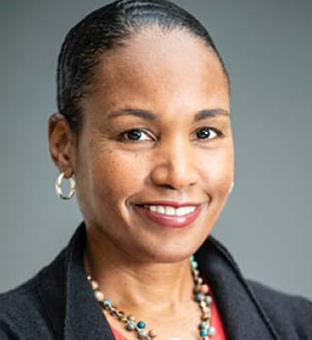 L. Ebony Boulware合作论文数School of Medicine, Wake Forest University;Advocate Health13
 Carmen Alvarez合作论文数Department of Family and Community Health, School of Nursing, Johns Hopkins University13
 Lee Bone合作论文数Program in Public Health Studies, Krieger School of Arts & Sciences, Johns Hopkins University13Edward E. Cornwell合作论文数13Somnath Saha合作论文数13Daniel E. Ford合作论文数Health Policy and Management, Bloomberg School of Public Health, Johns Hopkins University12
 Felicia Hill-Briggs合作论文数Institute of Health System Science, Feinstein Institutes for Medical Research12
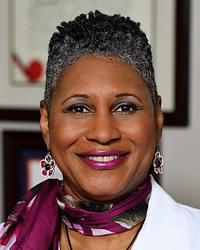 Sherita Hill Golden合作论文数Welch Center for Prevention, Epidemiology, and Clinical Research, Bloomberg School of Public Health, Johns Hopkins University;Department of Epidemiology, Bloomberg School of Public Health, Johns Hopkins University12
 Luo Xun合作论文数Department of Surgery, Johns Hopkins University School of Medicine12Michael T. Jaklitsch合作论文数12
 Neil Powe合作论文数School of Medicine, University of California, San Francisco12
 Dorry L. Segev合作论文数Department of Surgery, Grossman School of Medicine, New York University;Department of Population Health, Grossman School of Medicine, New York University12
 Raquel Greer合作论文数Department of Epidemiology, Johns Hopkins Bloomberg School of Public Health;Johns Hopkins University School of Medicine11
 Michael B. Albert合作论文数School of Medicine, Johns Hopkins University11
 Patti Ephraim合作论文数11NR Powe合作论文数10Sarah J. Flynn合作论文数10jennifer p halbert合作论文数10Eric B. Schneider合作论文数Epidemiology, Bloomberg School of Public Health, Johns Hopkins University10Noronha Gary合作论文数10




