Crop disease presents significant threats to global food security and agricultural sustainability. Traditional monitoring methods, reliant on visual inspections and laboratory analyses, are labor intensive and unsuitable for large-scale implementation. Hyperspectral remote sensing has emerged as a promising tool for operational crop disease monitoring. Here, we provide a broad review, starting with a hyperspectral-based description of observable symptoms of common crop disease and then examining hyperspectral features, including spectral and textural features, pigment light absorption, solar-induced chlorophyll fluorescence (SIF), temporal information, and auxiliary data. We also analyze the algorithms used for disease detection, including traditional statistical methods, machine learning (ML)-based methods, and physically based methods. The review highlights the effectiveness of these methods in distinguishing various stressors, detecting early disease, assessing crop resistance, and monitoring large-scale disease. Additionally, we present two case studies of uncrewed aerial vehicle (UAV)-based hyperspectral imaging for maize leaf spot monitoring. Based on a quantitative literature review, we summarize current research trends. Future research should emphasize integrating physical models with deep learning (DL), ensuring the sensitivity and robustness of spectral features and promoting international data sharing.
Triple-negative breast cancers (TNBCs) are the most aggressive, heterogeneous subtype of breast carcinoma with increased chemoradioresistance and a high rate of relapse. A compelling need exists to discover specific gene mutation(s) and the exomic mutational landscape associated with Indian TNBC patients to identify potential therapeutic target(s) for effective treatment of TNBC. Whole-exome sequencing (WES) was performed on 15 TNBC patients along with 5 random adjacent normal control tissue (ANCT) specimens. WES data alignment and mapping to the reference human genome (hg19) were done using BWA, SAMtools, and Picard tools. The data analysis and mutation calling were performed using the Genome Analysis Toolkit. The Signal Analyze and PANTHER pathways tools were utilized for mutational signature(s) and pathway(s) analysis, respectively. Our data revealed that the TNBC genomes carried an average of 106 mutations per sample. MutSig2CV analysis showed the most significant recurrent somatic mutations in CTNNB1 (47
INTRODUCTION:Prostate cancer is a major worldwide health concern, and existing treatments often face challenges such as drug resistance, systemic toxicity, and insufficient targeting. Polymeric nanocarriers are currently employed as sophisticated tools in the field of oncology, offering the possibility to augment the administration and efficacy of anticancer therapies. In order to effectively eradicate prostate cancer, this review delves into the function of polymeric nanocarriers. METHODS:Databases such as PubMed, ScienceDirect, and Google Scholar were utilized to do a comprehensive literature assessment. For this search, we used terms like "polymeric nanocarriers," "prostate cancer," "drug delivery," and "nanotechnology." RESULTS:Studies have shown that polymeric nanocarriers greatly improve the delivery and effectiveness of treatments for prostate cancer. Nanocarriers enhance the solubility, stability, and bioavailability of drugs, resulting in improved therapeutic effects. Functionalization using targeting ligands, such as folic acid and prostate-specific membrane antigen (PSMA) antibodies, has demonstrated the ability to enhance targeted specificity, resulting in a decrease in off-target effects and systemic toxicity. Polymeric nanocarriers facilitate precise and prolonged drug delivery, leading to elevated drug levels in tumor tissues. CONCLUSION:Polymeric nanocarriers are a notable breakthrough in the management of prostate cancer, providing precise medication administration, decreased toxicity, and improved therapy effectiveness. However, additional study is necessary to enhance the design of nanocarriers, evaluate their long-term safety, and enable their use in clinical applications. Continued interdisciplinary research and collaboration are essential for addressing current obstacles and maximizing the promise of polymeric nanocarriers in the treatment of prostate cancer.
Understanding soil–plant–microbe inter- and interactions is essential for ensuring proper soil health, quality, and soil-mediated ecosystem services (e.g., nutrient cycling) required for human–plant–animal life. Intensive and unsustainable farming practices can decrease soil microbial biodiversity, fertility, and quality leading to soil degradation, impaired nutrient cycling, and the incapability of soil to support plant growth. Under such a context, soil biological fertility can appear as a regenerative component that has the potential to harmonize and improve soil’s physical, chemical, and biological parameters. The review study expresses the micro biome in the rhizosphere, microbial nutrient cycling, and biological soil crusts as the major components of soil biological fertility, and explores the answers to the questions: (i) How does the rhizosphere promote plant growth, development, and nutrient cycling through soil microorganisms, (ii) How can soil microorganisms regulate macronutrient cycling and facilitate bio crust formation. Soil biological fertility is crucial for increasing crop resilience and productivity as well as sustainability in agriculture. Additionally, the reintroduction of plant growth promoting rhizo bacteria, a quantitative estimation of the root exudate’s composition, identifying the spatiotemporal dynamics of potassium solubilizing bacteria, and establishing biological soil crusts in agricultural lands remain the major tasks for improving soil biological fertility and the transition towards regenerative agriculture. Despite the promising potential of conservation tillage and biochar, the study meets problems such as diversity in soil types, climatic circumstances, and the long-term stability of biochar effects, which limit the generalization of results. However, by combining the most recent research on how these approaches boost crop productivity, encourage the formation of biocrusts, and enhance rhizospheric nutrient cycling, this review makes a substantial contribution and provides insightful information for long-term soil restoration plans.
MicroRNAs, small noncoding RNA molecules, are critical in modulating gene expression and contribute substantially to the initiation and progression of urinary bladder cancer (UBCa), a major malignancy affecting people globally. UBCa is known for its high recurrence rates and significant heterogeneity. The stability of miRNAs in body fluids such as urine and blood are excellent potential noninvasive markers for early detection, monitoring treatment progress, and predicting outcomes of patients with UBCa. In addition, miRNAs could also improve the effectiveness of immunotherapy and support the development of personalized treatment strategies. Despite their significant potential, challenges such as variability in the expression of miRNAs and shortcomings in their delivery systems must be carefully addressed. This strength, weakness, opportunity, and threat (SWOT) analysis highlights the crucial role of miRNAs in UBCa and explores their potential in advancing precision oncology.
PURPOSEPrevention of chemotherapy-induced nausea and vomiting with currently recommended NK1 receptor antagonist–based triplet during carboplatin (AUC ≥4) chemotherapy appears inadequate. A comparative study between olanzapine and NK1 receptor antagonist–based combination is lacking.METHODSThis was a single-center, phase III, prospective randomized, double-blind, placebo-controlled superiority study comparing olanzapine (olanzapine, ondansetron, dexamethasone [OOD]-experimental arm) with fosaprepitant (fosaprepitant, ondansetron, dexamethasone [FOD]-standard arm) in combination with ondansetron and dexamethasone among chemotherapy-naïve patients (age ≥18 years) receiving carboplatin (AUC ≥4) during the first cycle of single-day chemotherapy. The OOD arm received olanzapine 5 mg per oral once daily (day 1-4), ondansetron 8 mg with dexametahsone 12 mg intravenous (IV) once daily (20 mg with paclitaxel; day 1), and matching placebo for fosaprepitant (day 1). The FOD arm received fosaprepitant 150 mg IV once daily, with the combination (day 1) and matching placebo for olanzapine (days 1-4). The primary outcome was no nausea during the overall period (0-120 hours).RESULTSBetween April 2021 and August 2022, a total of 195 patients were evaluable. The proportion of patients without nausea (0 as per Edmonton Symptom Assessment System scale) in OOD versus FOD arms was 44.1% versus 34.4% (P = .19) in the overall period (0-120 hours). Complete response rates and total control rates were also similar in both arms. One patient had grade 3 sedation in the olanzapine arm.CONCLUSIONOlanzapine, in comparison with NK1 antagonist, is not superior for nausea control during carboplatin-induced emesis. It may act as an effective oral alternative for prevention.
An experiment was conducted in the Upper Gangetic Plain zone to study the effects of mustard oilcake (MC) application in combination with farm yard manure (FYM) and vermicompost (VC) on wheat growth, yield, and economics in organic farming. Results showed that mustard oilcake significantly improved wheat growth, yield attributes, and productivity. Plant height and tiller number increased by 20.1-44.8% and 22.8-64.9%, respectively, compared to the control. Mustard oilcake application also increased spike weight, number of grains per spike, and for MC treatments 1000-grain weight in wheat. Grain yield was highest with inorganic management, followed by mustard oilcake + biofertilizer, and the lowest in control. Mustard oilcake application improved wheat grain yield by 31.0-136.5% compared to the control. The treatment with a 50% recommended dose of nutrients (RDN) through FYM + 50% RDN through MC + biofertilizer showed the highest net return and benefit-cost ratio. Positive correlations were found between different growth and yield parameters of wheat with mustard oilcake application. Results inferred that integrating mustard oilcake with bulky organic manure can be an effective strategy to improve productivity and profitability in organic farming in the Upper Gangetic Plain zone.
Prostate cancer (PCa) diagnosis remains challenging due to overlapping clinical features with benign prostatic hyperplasia (BPH) and limitations of existing diagnostic tools like PSA tests, which yield high false-positive rates. This study investigates the potential of microRNA (miRNA) biomarkers, analyzed via reverse transcription polymerase chain reaction and machine learning (ML), to enhance diagnostic accuracy. miRNAs such as miR-21-5p, miR-141-3p, and miR-221-3p were identified as significant discriminators between PCa and BPH through a prospective cohort study. Whole blood miRNA profiling offered a robust systemic representation of disease states. A random forest ML model was trained on expression data, achieving notable performance metrics: an accuracy of 77.42%, AUC of 0.78 during verification, and 74.07% accuracy and 0.75 AUC in validation. The model’s use of miRNA expression ratios, such as miR-141-3p/miR-221-3p, demonstrated superior sensitivity and specificity over traditional PSA testing. Bioinformatics analysis confirmed the association of selected miRNAs with cancer pathways, including PD-L1/PD-1 checkpoint and androgen receptor signaling, validating the biological relevance of the findings. This novel integration of miRNA profiling and machine learning holds great potential for the clinical translation of miRNA-based non-invasive diagnostics, enhancing diagnostic precision. However, broader population studies and standardization of protocols are needed to ensure scalability and clinical applicability. This research provides a foundational framework for advancing miRNA-based diagnostics, bridging discovery and clinical implementation.
 Atul K. Sharma合作论文数Departments of Medical Oncology;Institute Rotary Cancer Hospital;India Institute of Medical Sciences;Institute Rotary Cancer Hospital, India Institute of Medical Sciences148
 Ritu Gupta合作论文数99
 Ajay Gogia合作论文数Institute Rotary Cancer Hospital, All India Institute of Medical Sciences67
 Sameer Bakhshi合作论文数Department of Pediatrics, All India Institute of Medical Sciences62
 Shabani Farzin合作论文数Sch Environm & Rural Sci, Univ New England42
 Vinod Raina合作论文数Institute Rotary Cancer Hospital, All India Institute of Medical Sciences36
 Subhashni Taylor合作论文数School of Environmental and Rural Science, University of New England31Sanjay Thulkar合作论文数31Ranjit Kumar Sahoo合作论文数29
 Lata Rani合作论文数Chitkara University Institute of Engineering & Technology, Chitkara University27Sunesh Kumar合作论文数Department of Obstetrics and Gynecology, All India Institute of Medical Sciences27Prabhat Singh Malik合作论文数25Pramanik Raja合作论文数24
 Sandeep Mathur合作论文数Department of Pathology, All India Institute of Medical Sciences23
 Richard Koech合作论文数Dept Agr Sci & Environm, Cent Queensland Univ22
 Sreenivas Vishnubhatla合作论文数ALL India Institute of Medical Sciences21
 Gurvinder KAUR Bains合作论文数Department of Neurological Surgery, University of California at San Francisco21
 Khormi Hassan M合作论文数School of Environmental and Rural Science, University of New England19
 Priyakant Sinha合作论文数School of Environmental and Rural Science, University of New England19
 Mallick Saumyaranjan合作论文数Department of Pathology, All India Institute of Medical Sciences18Neerja Bhatla合作论文数Department of Obstetrics and Gynaecology, All India Institute of Medical Sciences18
 Rajive Kumar合作论文数18
 Nick C. H. Reid合作论文数School of Environmental and Rural Science, University of New England17
 Raif S. Geha合作论文数Division of Medical Sciences, Harvard Medical School;Department of Pediatrics, Harvard Medical School;Division of Immunology, Boston Children's Hospital17
 Sharma Om Dutt合作论文数16
 Ahitagni Biswas合作论文数Department of Radiotherapy, All India Institute of Medical Sciences16
 Roopa Hariprasad合作论文数Department of Obstetrics and Gynecology, All India Institute of Medical Sciences16
 A.K. Skidmore (Andrew)合作论文数Department of Natural Resources, Faculty of Geo-Information Science and Earth Observation, University of Twente;School of Natural Sciences, Macquarie University15Nitin Mathur合作论文数15
 Sandeep Rai合作论文数Dept Lab Oncol, Inst Rotary Canc Hosp14
 Champika S. Kariyawasam合作论文数Minist Environm14
 Sujith Ratnayake合作论文数14
 Benjamin Kipkemboi Kogo合作论文数Sch Environm & Rural Sci, Univ New England14
 Mehar Sharma合作论文数14Ranjit Sahoo合作论文数13
 Sadeeka Jayasinghe合作论文数Dept Export Agr, Uva Wellassa Univ13
 Pramod Lamsal合作论文数Himalayan Geo‐En Pvt. Ltd.13
 Mohammad Saud Afzal合作论文数Dept Civil Engn, Indian Inst Technol Kharagpur13Meetu Dahiya合作论文数12
 Saroj Singh合作论文数12
 Tharani Gopalakrishnan合作论文数Dept Ecosyst Management, Univ New England12
 Gajendra Smeeta合作论文数Dr B.R.A. Institute Rotary Cancer Hospital, All India Institute of Medical Sciences12
 Onisimo Mutanga合作论文数School of Agricultural, Earth and Environmental Sciences, University of KwaZulu-Natal12
 Shivani Verma合作论文数12
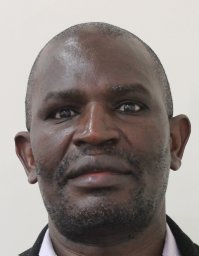 Philip K Langat合作论文数Faculty of Engineering and Surveying, University of Southern Queensland12
 Kishor Atreya合作论文数Aquatic Ecology Center, Kathmandu University12
 Sanjeev Gupta合作论文数11
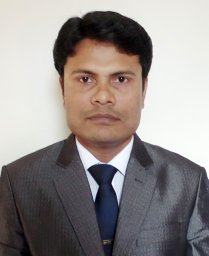 Md Kamrul Hasan合作论文数University of New England11
 Nupur Das合作论文数11




