INTRODUCTION:This study was aimed at evaluating the potential otoprotective effects of resveratrol (Changsha Huir Biological-Tech) on noise-induced hearing loss (NIHL) in a Wistar rat model. METHODS:The study employed a randomized controlled design. The noise used for stimulation was white noise, centered at a frequency of 4000 Hz (3564-4490 Hz), with an intensity of 100 dB SPL, for a period of 10 consecutive days at 8 h/day. Thirty rats were randomly assigned to three groups: a control nonexposed-to-noise group (n = 10) that received a vehicle solution of DMSO (dimethyl sulfoxide) (Sigma-Aldrich), a noise-exposed study group (n = 10) that received a vehicle solution of DMSO, and a resveratrol study group that was exposed to noise and received 10 mg/kg/day of resveratrol. All groups underwent distortion product otoacoustic emission (DPOAE) and auditory brainstem response (ABR) assessments at three time points: initial examination (D0), examination after 10 consecutive days of noise exposure (D15), and examination after 15 days of acoustic rest (D30). Histological evaluations were conducted on cochlear tissues after euthanasia. Statistical analyses were performed using Prism software to determine differences between groups and across time points. RESULTS:The amplitude values, signal-to-noise ratios of DPOAE, ABR thresholds, and cochlear morphology between the experimental and control groups were significantly different from each other. CONCLUSION:The findings suggest that resveratrol exerts a partial otoprotective effect, possibly delaying the onset of NIHL. However, further research, particularly molecular research, is needed to better understand its therapeutic mechanism and its specific impact on auditory metabolic processes.
OBJECTIVE:To evaluate the feasibility, effectiveness, and safety of in-office tympanostomy tube placement (TTP) performed in awake pediatric patients without general anesthesia. DATA SOURCES:We searched PubMed, Embase, Web of Science, and the Cochrane Library from inception through March 20, 2025. REVIEW METHODS:We screened the abstracts of potentially eligible studies and subsequently assessed the full-text reports of those deemed relevant in detail. The study adhered to the Preferred Reporting Items for Systematic Reviews and Meta-analyses (PRISMA) guidelines. Study quality and risk of bias were assessed using the ROBINS-I tool for non-randomized studies and the AXIS tool for the single cross-sectional study. Meta-analyses of proportions were conducted in R using the meta package. RESULTS:Eleven studies met inclusion criteria. Office-based TTP demonstrated a high pooled procedural success rate of 97% (95% CI, 0.89-0.99; P < .01; I2 = 86.4%). Pain levels were low, with a mean Face, Legs, Activity, Cry, and Consolability (FLACC) score of 1.26 (95% CI, 1.10-1.45; I2 = 0%), consistent with mild discomfort. Parental satisfaction was uniformly high at 95% (95% CI, 0.92-0.97; I2 = 0%). Adverse events were infrequent, generally mild, and comparable in severity to those reported for operating-room tympanostomy under general anesthesia. CONCLUSION:Office-based TTP in awake pediatric patients appears to be a safe, effective, and well-tolerated alternative to operative tympanostomy under general anesthesia, offering high success rates, minimal discomfort, and strong caregiver acceptance while reducing anesthesia exposure and healthcare costs.
Long‐term exposure to sounds ≥85 dB causes noise-induced hearing loss, which can be temporary or permanent, and it can be improved through the use of magnesium. This study aimed to determine whether noise in the dental laboratory negatively affects dental students’ auditory system and whether magnesium ion supplementation prevents hearing loss. Sound pressure levels (SPLs) were monitored during the laboratory class and expressed in logarithmic function. Students attending regular dental practical classes were randomized into two groups: the study group (received 200 mg of magnesium 1 h before the laboratory class) and the control group (received 200 mg placebo at the same time). Distortion product otoacoustic emission (DPOAE) tests were performed before and after noise exposure during the class. The mean SPL equivalent was 75.3 dB; however, SPL peaked at 97.3 dB. DPOAE parameters did not change after approximately 3 h of exposure. There were no significant differences between the groups in all the frequencies studied for the amplitude (p=0.82) and S/N ratio (p=0.08) analyses. A single magnesium supplementation did not produce any side effects; however, no benefit was observed in hearing preservation. Occupational noise and magnesium supplementation did not alter DPOAE results.
Introduction:Cisplatin is an effective chemotherapeutic drug. Its side effects, ototoxicity and genotoxicity, limit widespread application. Melatonin could reduce these toxic effects due to its antioxidant activity. Objective:To determine the effect of melatonin against cisplatin-induced ototoxicity and genotoxicity in rats. Methods:To assess ototoxicity, 33 rats were randomly divided into: group 1 (saline), group 2 (melatonin), group 3 (cisplatin + saline), and group 4 (cisplatin + melatonin). Groups 3 and 4 received a single dose of 10 mg/kg of cisplatin. Groups 2 and 4 received daily doses of 1 mg/kg of melatonin. The number of viable neurons and their average diameter in the spiral and vestibular ganglia were analyzed. In the stria vascularis and spiral ligament, the number of viable cells was evaluated. To assess genotoxicity, 12 animals were randomly divided into: group A (saline), group B (cisplatin + saline), and group C (cisplatin + melatonin). The rats in groups B and C received a single dose of 10 mg/kg of cisplatin. Group C received a single dose of 1 mg/kg of melatonin. Results:The micronucleus count and percentage of polychromatic erythrocytes in the bone marrow of rat femurs were analyzed. The animals in group 3 presented a greater loss of cells than the animals in other groups regarding all cochlear structures evaluated. Furthermore, the diameters of neurons were smaller in the animals in group 3. Melatonin-treated rats presented a lower micronucleus count and a higher number of polychromatic erythrocytes than animals treated with cisplatin alone. Conclusion:Melatonin reduces cisplatin-induced cyto-histopathological damage in the bone marrow and inner ear; therefore, it could be used as a tumor adjuvant treatment.
Objective: In consideration of the benefits of antioxidant substances, this study evaluated the effect of resveratrol and melatonin in Wistar rats with or without exposure to high sound pressure levels (HISHLs). Methods: This work is a prospective, comparative, longitudinal, in vivo experimental study involving Wistar rats. On Day 0, the animals underwent general health assessments, otoscopic examination and baseline hearing evaluations based on distortion-product otoacoustic emissions (DPOAEs) and auditory brainstem responses (ABRs). They were divided into groups and treated with or without melatonin or resveratrol (10 mg/kg/day) for 14 consecutive days. From Day 5 onwards, the noise, resveratrol noise and melatonin noise groups were exposed to white noise (4 kHz; 100 ± 3 dB) for 8 hours per day for 10 days. Hearing assessments were repeated on Day 15 (D15) and Day 30 (D30). Data were analysed by using t-tests or Mann–Whitney U tests, depending on distribution and normality. Results: D15 and D30 evaluations revealed that the groups exposed to noise had statistically significantly worsened amplitude and signal-to-noise ratio of DPOAE compared with the groups that were not subjected to noise exposure. The analysis of the noise-exposed animals showed that DPOAE recovered partially in the melatonin and resveratrol groups at the end of the experiment (D30). The melatonin and resveratrol groups showed a statistically significant difference from the noise group, although their medians were even lower than those of the control group. ABR analysis showed that the electrophysiological auditory thresholds in the melatonin and resveratrol groups recovered at D30. Conclusion: Melatonin and resveratrol demonstrated otoprotective effects on the hearing of Wistar rats exposed to HISHL.
INTRODUCTION:The vocal folds are intrinsically associated with the thyroarytenoid muscle. During phonation, microlesions and inflammations can occur due to excessive voice use, which can hinder the correct vibration of the mucosa and alter the voice quality. In addition to vocal hygiene and exercises to reduce phonatory effort, resources such as low-level laser therapy (LLLT) are being used in clinical settings. LLLT has been reported to have a biomodulatory action that can reduce pain and edema in the larynx by accelerating the inflammatory process through temperature variation. This study aimed to evaluate the temperature before and after the application of single or multiple doses of red (RL) and infrared (IRL) in the laryngeal tissues of swine. MATERIALS AND METHODS:This descriptive and comparative study was conducted at NuPMIA-FM/UnB and at Granja Miunça, located in the rural region of Brasília. The animals were randomly divided into 13 groups (n = 5) to evaluate the temperature of the larynx before and after LLLT treatment using photothermographic analysis. RESULTS:The study showed the thermoregulatory effect of the laser as an acute response to 1 and 8 doses of LLLT in the swine larynx. One dose of RL increased the temperature of the young animals (P = 0.0318); multiple doses of IRL increased the laryngeal temperature of the adult group by 2.1%, with differences between the applications (paired t test, P = 0.0208). In the combination of lasers (RL + IRL), the laryngeal temperature in the group of adult animals increased by 0.9%, between the minimum and maximum temperature before application, and between the minimum and maximum temperature after LLLT. There was a difference between the mean temperatures before (P = 0.0010) and after the combined (RL + IRL) (P = 0.0025). Also, the results showed that young animals with no LLLT treatment had 12% higher temperature (35.7 ± 1.7 ºC) than adult animals with no treatment (31.2 ± 1.9). INTERPRETATION:The results demonstrated that there is an increase and decrease in laryngeal temperature after different low-level laser therapy application protocols and at different doses. These findings could provide a clinical guide for the use of LLLT in humans.
Objective: To determine the occurrence of otoprotective effect of the use of antioxidants on noise exposure in experimental models with rodents through a systematic review. Methods: An electronic search was conducted in EMBASE, LILACS, PubMed/Medline, Scopus, Web of Science databases, and in the grey literature of articles published up to June 2022. In the PICO strategy, the studied population consisted of rodent animals exposed to high levels of sound pressure, the intervention consisted of the use of antioxidants, the comparison with the concomitant use of placebo and the results of audiological tests such as Evoked Otoacoustic Emissions and Brainstem Auditory Evoked Potential and the results of histological and immunohistochemical evaluations were collected as outcomes. The analysis of the numerical data was performed according to the Review Manager (Cochrane), using the mean difference as a measure of effect. Results: 35 studies were included in the qualitative synthesis and 27 in the quantitative synthesis. The analysis carried out by CAMARADES indicates that most of the included studies demonstrate methodological quality, and the SYRCLE RoB risk of bias assessment protocol revealed a high risk of bias in all eligible studies. In the analysis of the meta-analysis, the effect generated by the use of antioxidants was notorious in comparison with groups that were exposed to the same noise, without the use of antioxidant. Using the ABR responses at the most commonly used frequencies of 2,000–32,000 Hz as outcomes, it was possible to observe in all analyses an otoprotective effect caused by the use of the antioxidant. Conclusion: This systematic review with meta-analysis demonstrated the variable otoprotective effect of the use of antioxidants on exposure to sound pressure levels in experimental studies with rodents, despite the high risk of bias and great heterogeneity of the selected studies. Level of Evidence: 1.
INTRODUÇÃO: A avaliação perceptivoauditiva (APA) da voz é realizada no contexto clínico e de pesquisa e é considerada padrão ouro na avaliação da voz, enquanto a análise acústica extrai medidas que quantificam a perturbação de curto prazo e o ruído, com a determinação clara dos ciclos glóticos. OBJETIVO: Explorar as características perceptivoauditivas e acústicas da voz de surdos adultos usuários de implante coclear (IC) em três tarefas de fala diferentes: emissão sustentada, fala encadeada e conversa espontânea. MÉTODO: Foi utilizado o banco de vozes de surdos adultos que compôs outro estudo da área. Os participantes foram divididos em 2 grupos: ouvintes ou controle (GC) e usuários de IC ou experimental (GE), pareados em faixa etária e sexo. Foi utilizado o Protocolo de Avaliação da Voz do Deficiente Auditivo (PAV-DA) para a APA, realizada por três profissionais especialistas e com experiência na análise de voz nos contextos clínico e de pesquisa, e o PRAAT, para a análise acústica e filtragem cepstral foram determinados os seguintes parâmetros: frequência fundamental (F0, em Hz), jitter ppq5 (em %), shimmer apq5 (em %), proporção harmônico-ruído (PHR, em dB), intensidade (em dB), os formantes F1, F2, F3 e F4 (em Hz), anti-formantes e formantes nasais. RESULTADOS: A APA difere a depender da tarefa fonatória analisada e do sexo. Não há diferenças entre o GC e o GE feminino na vogal sustentada. Os homens apresentam vozes mais tensas, hiponasais, com pitch e loudness mais elevados. Na fala encadeada, o grau geral de alteração vocal é percebido em ambos os sexos, com presença de tensão vocal. Foram encontradas mais características com diferença significante entre as mulheres (ressonâncias laríngea, faríngea, hiponasal, hipernasal e anterior; instabilidade) que entre os homens (ressonâncias faríngea, hipernasal e posterior). Na conversa espontânea, o grau geral de alteração vocal é percebido em ambos os sexos, com presença de tensão vocal e instabilidade. São diferentes as características com diferença significante entre as mulheres (ressonânciasfaríngea, hipernasal e posterior; rugosidade e loudness) e, entre os homens (coordenação pneumofonoarticulatória, ressonâncias laríngea, hiponasal, hipernasal e posterior e soprosidade). A frequência fundamental é mais aguda entre ambos os grupos (127,0Hz, p=0,035 entre os homens / 213,6Hz, p = 0,011 entre as mulheres), os demais parâmetros avaliados (jitter, shimmer, proporção harmônico-ruído, intensidade e formantes – F1, F2, F3 e F4) não mostraram diferenças entre os GC e GE, independente do sexo. Não foi observada a presença de antiformantes e/ou aumento das larguras de banda, sugestivos de nasalidade, na filtragem cepstral. CONCLUSÃO: A APA e a análise acústica apresentam caráter complementar na avaliação da voz dos surdos adultos usuários de IC, pois a ação conjunta dos articuladores favorece a identificação perceptiva de nasalidade percebida em suas vozes. Palavras-chave: Qualidade da Voz; Acústica da Fala; Voz; Perda Auditiva; Implante Coclear.
Introduction Many protocols carried out in animal studies use equipment developed for humans. Therefore, the equipment available on the market must be known in detail, as well as how the criteria to be evaluated are presented. Objective To analyze the existence of an association between the amplitude and signal-to-noise ratios of distortion-product otoacoustic emissions using two methodologies (diagnostic and portable/screening equipment) in animal models. Methods Experimental study approved by the Animal Use Ethics Committee, with a sample of 28 female Wistar rats, which were subjected to anesthesia, manual otoscopy, and distortion-product otoacoustic emission (DPOAE) examination at 4 to 8 kHz with the 2 pieces of equipment. Results The mean amplitude values with the ILO (Otodynamics Ltd., Hatfield, United Kingdom) and OtoRead equipment (Interacoustics A/S, Middelfart, Denmark) were respectively 20.5 dB and 7.1 dB at 4 kHz; 31.8 dB and 19.37 dB at 6 kHz; and 31.4 dB and 25.1 dB at 8 kHz. The mean signal-to-noise ratios with the ILO and OtoRead equipment were respectively 20.9 dB and 25.1 dB at 4 kHz; 35.8 dB and 37.0 dB at 6 kHz; and 39.7 dB and 40.6 dB at 8 kHz. There was no statistically significant difference in signal-to-noise ratios at 6 and 8 kHz. When the data were classified as normal/abnormal, 100% agreement was found between the methodologies. Conclusion An association was found in the analysis of the mean signal-to-noise ratio at 6 and 8 kHz between the 2 methodologies (diagnosis and portable/screening equipment).
OBJECTIVE:The aim of the present study was to evaluate the effects of different doses of broadband white noise in a group of Wistar rats. METHODS:The sample consisted of 6 male Wistar rats. The animals went through sequential exposures at the intensity of 95 dB for 60 min, 100 dB for 60 min and 100 dB for 120 min. Audiological evaluation was performed by Distortion Product Otoacoustic Emissions (DPOAE) exams at frequencies from 2 to 12 KHz, after each exposure/pause protocol. Statistical analysis was performed based on the values found in the DPOAE and Signal-to-Noise Ratio (S/N) in the nine exams performed over 50 days of research. RESULTS:The study concluded that there was a compound threshold shift induced by long-term sequential noise exposure at the intensity of 100 dB for 60 min and for 120 min, with a "plateau/' observed in the DPOAE and S/N results that coincide with the exposure period of 6 days at the intensity of 100 dB for 120 min. CONCLUSION:Thus, we established the proposal of an exposure protocol for research with wistar rats exposed to noise.
"Among the most common occupations, schooteachers are the ones who experience the most changes throughout their career. Considering this, the present study aims to verify whether dysphonia in three different degrees may compromise the speech intelligibility of schoolteachers in the classroom.METHOD:Overall, 39 students, average age 10 years, randomly selected from a public school in the Federal District, Brazil (Distrito Federal, Brasil) performed a transcription task of 20 sentences spoken by four distinct female voices in a classroom, one with a control voice (normal), another with mild dysphonia, 1 with moderate dysphonia and another with severe dysphonia. None of the voices in the study presented changes, neither in fluency nor articulation nor neurological changes. The sentences were previously recorded in an acoustically treated booth, with a microphone on a pedestal 5 cm away from the speaker's mouth. For each sentence to be recorded, the speech model was provided by the speech therapist and then repeated by the speaker according to the model. Each voice recorded 5 different sentences, phonetically balanced and with equivalent number of words. The students included in the study underwent auditory, auditory processing, sequential memory for verbal sounds and sound source location tests, fulfilling the normality criteria. They also did not have neurological or motor disorders or learning, speech or language disorders. Academic success was also taken into account. For the experiment, a speaker was placed in front of the classroom, 1 m from the wall and 1 m from the floor, and students were randomly assigned to the classroom seats. After listening to each sentence, some time was assigned for its transcription by each student.RESULTS:The occurrence of errors was higher in voices with moderate and severe dysphonia, in which a significant difference was found (P ≤0.003) showing that voices with moderate and severe dysphonia were less intelligible than the normal voice (control voice). No difference was found between the normal voice and the mild dysphonic voice. Binary logistic regression analysis also showed that students had a 2.55 times higher chance of making mistakes with moderate dysphonic voice (P ≤0.011), and that this chance was 3.06 times greater for severe dysphonic voice (P ≤0.002) when compared to the normal voice (control voice).CONCLUSION:Moderate and severe dysphonia in the voices of schoolteachers interferes with the intelligibility of students, and the greater the degree of dysphonia of the teacher, the greater the chance that the student will make intelligibility errors."
Objective: To review key evidence-based recommendations for the diagnosis and treatment of peripheral facial palsy in children and adults. Methods: Task force members were educated on knowledge synthesis methods, including electronic database search, review and selection of relevant citations, and critical appraisal of selected studies. Articles written in English or Portuguese on peripheral facial palsy were eligible for inclusion. The American College of Physicians’ guideline grading system and the American Thyroid Association’s guideline criteria were used for critical appraisal of evidence and recommendations for therapeutic interventions. Results: The topics were divided into 2 main parts: (1) Evaluation and diagnosis of facial palsy: electrophysiologic tests, idiopathic facial palsy, Ramsay Hunt syndrome, traumatic peripheral facial palsy, recurrent peripheral facial palsy, facial nerve tumors, and peripheral facial palsy in children; and (2) Rehabilitation procedures: surgical decompression of the facial nerve, facial nerve grafting, surgical treatment of long-term peripheral facial palsy, and non-surgical rehabilitation of the facial nerve. Conclusions: Peripheral facial palsy is a condition of diverse etiology. Treatment should be individualized according to the cause of facial nerve dysfunction, but the literature presents better evidence-based recommendations for systemic corticosteroid therapy.
Objectives: To provide an overview of the main evidence-based recommendations for the diagnosis of hearing loss in children and adolescents aged 0 to 18 years. Methods: Task force members were educated on knowledge synthesis methods, including electronic database search, review and selection of relevant citations, and critical appraisal of selected studies. Articles written in English or Portuguese on childhood hearing loss were eligible for inclusion. The American College of Physicians’ guideline grading system and the American Thyroid Association’s guideline criteria were used for critical appraisal of evidence and recommendations for therapeutic interventions. Results: The evaluation and diagnosis of hearing loss: universal newborn hearing screening, laboratory testing, congenital infections (especially cytomegalovirus), genetic testing and main syndromes, radiologic imaging studies, vestibular assessment of children with hearing loss, auditory neuropathy spectrum disorder, autism spectrum disorder, and noise-induced hearing loss. Conclusions: Every child with suspected hearing loss has the right to diagnosis and appropriate treatment if necessary. This task force considers 5 essential rights: (1) Otolaryngologist consultation; (2) Speech assessment and therapy; (3) Diagnostic tests; (4) Treatment; (5) Ophthalmologist consultation.
ABSTRACT Purpose: to analyze the hearing habits of a group of students between public and private schools and compare the degree of exposure to sound stimuli via earphones. Methods: 1,085 public and private school students received a questionnaire on hearing habits and exposure to amplified music. Their answers to these questions were analyzed and compared between the groups of students. The chi-square test compared hearing habits between public and private schools, with the statistical significance level set at 5% (p < 0.05). Result: in general, most students (92%) reported hearing habits of exposure to amplified music. Questionnaire answers indicated a high prevalence of both earphone use (92%) and attendance at places with loud music (63.6%). Conclusion: private school students use earphones more often than those from public schools.
Os autores externos submeteram sua publicação para apresentação de trabalho no evento “International Symposium on Immunobiologicals”, que foi coordenado e organizado pelo Instituto de Tecnologia em Imunobiológicos (Bio-Manguinhos), da Fundação Oswaldo Cruz. Apresentador do material: Natália Pereira da Rocha. Tipo de material apresentado: Pôster.
RESUMO Objetivo: analisar os hábitos auditivos de um grupo de alunos e comparar o grau de exposição ao estímulo sonoro via fones de ouvido entre escolas públicas e privadas. Métodos: foram distribuídos questionários contendo perguntas referentes a hábitos auditivos de exposição à música amplificada, aos 1085 alunos de escolas pública e privada. Em seguida, as respostas aos questionamentos foram analisadas e comparadas entre os grupos de alunos. Utilizou-se o teste Qui-quadrado com um nível de significância estatística estabelecido em 5% (p<0,05) para se comparar os hábitos auditivos entre as escolas públicas e privadas. Resultado: de modo geral, a maioria dos alunos (92%) respondeu que tem hábitos auditivos de exposição à música amplificada. Tanto o uso de fones de ouvido (92%) quanto as idas a lugares com música alta (63,6%) tiveram alta prevalência nas respostas aos questionários. Conclusão: alunos de escolas particulares utilizam mais fones de ouvido frequentemente comparados aos alunos de escolas públicas.
Os autores externos submeteram sua publicação para apresentação de trabalho no evento “International Symposium on Immunobiologicals”, que foi coordenado e organizado pelo Instituto de Tecnologia em Imunobiológicos (Bio-Manguinhos), da Fundação Oswaldo Cruz. Apresentador do material: Gabriel Mustafá Misirli. Tipo de material apresentado: Pôster.
OBJECTIVES:To determinate the otoprotective efficacy of melatonin.in experimental models of rodents through a systematic review of the literature. METHODS:Altogether, 154 articles were found in four databases. The PICOS strategy (Population, Intervention, Comparison, and Outcome) was used to define the eligibility criteria. Studies that met the inclusion criteria for the second step were included in a qualitative synthesis. Each study type was analyzed with the CAMARADES quality of assessment's checklist and the SYRCLE RoBS risk of bias. RESULTS:Seven articles were selected, and four were included in the meta-analysis. It was possible to obtain seven outcomes according to the standard auditory frequencies presented among the studies, considering a minimum of three standard frequencies. The outcomes analyzed were for the frequencies of 1500, 2000, 3000, 4000, 5000, 6000, and 8000 Hz. CONCLUSION:Melatonin can provide protection against the ototoxic effects of cisplatin and aminoglycosides at 5000 Hz, 6000 Hz, and 8000 Hz, thereby minimizing the reduction in Otoacustic Emissions (OAE) amplitude. The same effect was not observed in the lower frequencies. Despite the limited number of studies that were evaluated, the results appeared consistent in higher frequencies. However, the methodology of the available studies did not meet the necessary methodological rigor that promotes the safe replicability of these studies.
 Carlos Augusto Costa Pires De Oliveira合作论文数30
 Lucieny Serra合作论文数20
 Carlos Oliveira合作论文数Department of Pediatrics, Yale School of Medicine, Yale University12Granjeiro Ronaldo C合作论文数12
 Selma Aparecida Souza Kuckelhaus合作论文数Faculdade de Medicina, Universidade de Brasília9
 Alessandra Venosa合作论文数6Kehrle Helga Moura合作论文数6
 Eduardo Magalhaes da Silva合作论文数6Valéria Gomes da Silva合作论文数5Juliana Gusmão de Araújo合作论文数5
 Pedro Tauil合作论文数5
 Fayez Bahmad合作论文数5Maria Luiza Queiroz Sampaio合作论文数4Marlene Escher Boger合作论文数4Melissa Ferreira Vianna合作论文数4Ana Carolina Nascimento Fernandes合作论文数4Vítor Yamashiro Rocha Soares合作论文数universal forest products4Vagner Antonio Rodrigues da Silva合作论文数4
 Chone Carlos Takahiro合作论文数Medical School, the Campinas State University;Neck Discipline, Unicamp;Unicamp, Medical School of the Campinas State University4
 Henrique Furlan Pauna合作论文数Faculdade de Ciências Médicas, Universidade Estadual de Campinas4Joel Lavinsky合作论文数Surgical Sciences, Universidade Federal do Rio Grande do Sul;†Otolaryngology Service, Hospital de Clínicas de Porto Alegre;Graduate Program in Epidemiology, Universidade Federal do Rio Grande do Sul;School of Medicine, Universidade Federal do Rio Grande do Sul;Universidade Federal do Rio Grande do Sul, Universidade Federal do Rio Grande do Sul4Sebahattin Cureoglu合作论文数Otitis Media Research Center, University of Minnesota4M. F. S. Araujo合作论文数4André Farias Pessoa合作论文数4
 Arthur Castilho合作论文数Medical School, University of São Paulo4Carlos Augusto Costa Pires Oliveira合作论文数3pedro luiz tauil合作论文数3
 Marta Regueira Dias Prestes合作论文数3
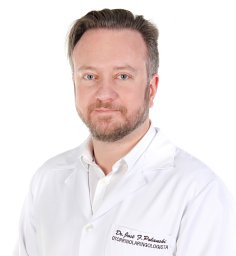 José Fernando Polanski合作论文数Dept Otolaryngol Head & Neck Surg, Univ Fed Parana3Silva Isabella Monteiro de Castro合作论文数3
 Helga Kehrle合作论文数3
 Nakanishi Marcio合作论文数3Novanta Gabriela合作论文数Department of Otolaryngology, Universidade de Brasília3Carvalho Maria de Fátima Coelho合作论文数3
 Ana Cristina Coelho合作论文数3Jansen Glaucia Magalhães Brito合作论文数3
 Maria Angela Guimaraes Feitosa合作论文数3
 Raimundo Nonato Rodrigues合作论文数3Takeshi Kusunoki合作论文数3Silva Pitta合作论文数3
 Paulo Tavares合作论文数Arquiteto e Urbanista;Faculdade de Engenharia;Civil Arquitetura e Urbanismo;Faculdade de Engenharia, Civil Arquitetura e Urbanismo3Danielle Barreto合作论文数3PA Schachern合作论文数2Taciana Sarmento Cardoso de Oliveira合作论文数2raul vitor rossi zanini合作论文数2Virginia Silva合作论文数2
 Vanessa Mazanek Santos合作论文数2Mauricio Noschang Lopes da Silva合作论文数2Daniela Malta de Souza Medved合作论文数2




