To facilitate conversation and raise awareness on climate resilience, the ARSINOE project developed a serious card game - ‘Let’s talk about our town’s future’, which provided a structured yet engaging environment that encouraged participants to discuss and explore town-scale climate resilience interventions. By adopting personas that differ from their usual personal or professional roles, the game simulates diverse stakeholder perspectives. This enables players to gain an understanding of the complex and often competing opinions involved in decision-making related to climate mitigation. In the context of this study, climate mitigation was defined as the actions taken to limit or reduce the impact of climate change. A key consideration for game development was balancing complexity with understandability of content, particularly when designing the intervention cards. The aim was to create a game that was straightforward, engaging, easy to learn and play with others, with a typical playtime of around 30-60 minutes. The design of the game ensures that, through interactive and enjoyable gameplay, participants continue to engage with critical resilience challenges. Playtesting demonstrated the game’s effectiveness, with positive feedback demonstrating its ability to foster open dialogue, even on contentious climate-related topics. The game is freely available on GitHub, enabling broad accessibility and potential for adaptation.
Several data and knowledge management services have recently been produced to address the challenges related to climate change. However, many of the proposed solutions are not made openly available or consider their operation over a set of assumptions in terms of data usage, limiting the potential for their adoption by a wider community. Furthermore, most of the existingwork is operational in the form of software or data silos, without giving high importance to interoperability and extensibility features and with a high level of obscurity in the supported mechanisms. This article details the Knowledge Management Framework developed in the ARSINOE project, which is an EU-funded project aimed at creating climate resilient-regions through systemic solutions and innovations. The ARSINOE Knowledge Management Framework leverages modern technologies such as Knowledge Graphs and Digital Twins. It includes a Data Hub to host and make available heterogeneous environmental and climate data, a Knowledge Graph that tracks information related to the Sustainable Development Goals and enables the development of participatory socio-ecological modeling and analysis, interfaces for the development of Digital Twins that onboard socio-ecological models, as well as visualization and analysis services. The ARSINOE Knowledge Management Framework is open, modular and extensible by design, while it addresses data quality assessment and management challenges, strengthening its adoption, comparability, and replicability in different locations. The general framework is presented, focusing on the functionality of each component, their interplay, and its applicability in specific case studies throughout Europe.
Within the field of water engineering, digital twins represent an exciting new technology that offers opportunities within both simulation and visualisation to create applications that allow non-expert users (in water engineering) to visualise and hypothesise potential scenarios based on real-world situations allowing for both short-term tactical and longer-term strategic decision making and policy setting to be considered. However, digital twin implementation presents both developers and users with clear issues: what is and isn’t a digital twin, what is the scope of their functionality to typical use cases and how can real-world data be used as inputs for simulation and to drive hypothetical what-if scenarios? This paper presents the design, implementation and operation of a flooding digital twin for the ARSINOE project based on flood, traffic and cascading failure modelling for the Torbay region of Devon. Simulation results are presented through a Mapbox-based website, and considerations are given to future development steps.
This paper presents the design of a web-based decision co-creation platform to showcase water treatment technologies connected via industrial symbiosis for a circular economy approach. The platform is developed as part of the EU H2020-funded ULTIMATE project. This system initially investigates three case studies focusing respectively on: water and nutrient recovery in greenhouses, pre-treatment of wastewater from olive mills before integration into communal wastewater systems, and value-added compound recovery from wastewater in a juice factory. These cases are then merged into one abstract composite example showing all three aspects of the problem, connecting greenhouses, juice factories, and olive mills, describing a pioneering form of industrial 'metabolic network' of the circular economy. This work describes the modelling framework, the online platform and the interactive visualisations that allow users to explore the industrial symbiosis configurations enabled by the metabolic pathway. The platform thus serves as a decision support tool that merges circular economy and industrial symbiosis, as well as a pedagogical tool.
Industrial Symbiosis (InSym) capitalises on the proximity of entities to gain a competitive advantage through collective strategies. Within the Circular Economy, this involves the circular exchange and reuse of water, energy, and resources among participating businesses, enhancing resource valorisation in manufacturing. However, as a distinct business model, InSym requires collaboration among multiple stakeholders working toward a shared goal, posing challenges in achieving mutually beneficial outcomes. Operations Research (OR) - particularly computer modelling and simulation techniques - can help mitigate risks in InSym implementation by enabling an experimental approach to decision-making. This paper presents a hybrid modelling framework to support InSym decision-making. The framework integrates four OR techniques: Agent-Based Simulation (ABS), Discrete-Event Simulation (DES), System Dynamics (SD), and Multiple Criteria Decision Analysis (MCDA) to develop a hybrid InSym model. ABS captures stakeholder behaviour, DES simulates operational processes, SD represents dynamic interactions, and MCDA incorporates stakeholder perspectives. The model evaluates collective treatment strategies for olive mill wastewater, addressing key challenges such as scattered small-scale olive mills, seasonal wastewater discharge, and high organic loading. This innovative framework addresses InSym decision-making at operational, tactical, and strategic levels, transforming the economy-environment dilemma into a win-win scenario for olive oil businesses and local authorities.
Food processing industries confront challenges in dealing with wastewater due to seasonal fluctuations. This can lead to potentially untreated wastewater discharge and regulatory non-compliance. Untreated water can also adversely affect the efficiency of municipal wastewater treatment and the local environment. A mobile rental wastewater treatment service for the food processing industry has been proposed as an innovative solution, simultaneously promoting the Circular Economy through water reuse and material recovery. It enables on- demand and on-site wastewater processing, particularly during peak operation. Moreover, it provides additional services for extracting value-added compounds (e.g., polyphenols), delivering further financial benefits. To assess the sustainability of this new business model, this paper presents a hybrid simulation study using agent- based, discrete-event simulation, system dynamics, and Multiple Criteria Decision Analysis. The hybrid model is applied to a new mobile wastewater service being trialled in the Peloponnesian region of Greece. By considering factors such as customer composition and the volume of wastewater to be treated, logistics (mobile units and hubs), and staggered investments in capacity boosting, the model supports the commercialisation efforts of the rental business model put forward in the case study. The paper contributes to modelling methodology, especially in the use of hybrid simulation within the context of the circular economy of water; it also contributes to the practice of modelling and simulation by exploring their role in assessing the feasibility of novel business models.
Critical infrastructures are complex socio-technical systems that provide essential services to modern societies. These systems are often highly interdependent, making them prone to cascading failures that originate elsewhere in the system. Additionally, the risks to these systems are increasing globally, which creates a need to enhance their resilience. The herein presented work addresses these issues through an asset criticality ranking methodology, which considers the different ways in which infrastructures interact, various criticality dimensions, as well as hazard characteristics. More specifically, the complex infrastructure system (which includes multiple infrastructures) is represented as a node-weighted directed multiplex graph, where nodes represent assets and their interactions are shown as links. Three different types of infrastructure interactions are considered. The methodology is applied to a case study of urban flooding hazards in three municipalities in the UK, where several assets of high criticality are identified. These assets belong to multiple infrastructures (e.g. water, power, transport etc.). The approach and methodology are general in nature and can be applied to enhance infrastructure resilience in urban and peri-urban regions.
Planning for Emergency Response is crucial to a region’s preparedness for climate resilience. It involves multiple government sectors and necessitates effective cooperation between them. Collective management of emergency response resources can improve resource allocation at a regional scale and overcome local constraints. However, prioritising resources is challenging when a collective sharing strategy is applied. When emergency events are still evolving, another challenge is the estimation of future demands and resource shortages, which trigger further requests for external support. In modelling resource flow dynamics, we are implementing an emergency response Digital Twin that combines a Resource Allocation Model with short-term predictions concerning weather-related emergency events and real-time updates. This paper focuses on the resource allocation model for hybrid simulation. It is applied to a flooding case study from the city of Torbay (UK). It enables a holistic assessment of emergency response, considering the cascading effects of the failure of critical infrastructures for better addressing regional resilience.
Sustainable resource management in the face of climate change is a pressing challenge for our society. This paper delves into the water-energy-food-ecosystems (WEFE) nexus, a scientific framework that supports the integrated assessment and management of the interconnected resources. Shifting from sectoral to cross-sectoral and transdisciplinary perspectives, the WEFE nexus addresses interdependencies and interactions among water, energy, food, ecosystems, and climate. This paper focuses on the extended nexus, incorporating ecosystems as a fourth pillar, underscoring the importance of considering ecosystems on an equal footing with water, energy, and food sectors. In addition, the paper emphasizes the significance of monitoring and modelling techniques, laying the foundations for understanding the nexus complexities and assessing uncertainty. The paper offers an overview of integrated nexus modelling, system analysis and socio-economic modelling, bridging the gap between nexus science and practice. It highlights the role of multifaceted stakeholder engagement methods, policy assessment, and institutional analysis in nexus models. Quantifying the nexus through indicators, and its alignment with the Sustainable Development Goals, EU Green Deal, and EU Blue Deal are also key focal points. Finally, the last part of the paper addresses challenges in existing nexus modelling attempts, advocates for the integration of transdisciplinary information, and presents lessons learned. The paper concludes with recommendations for the future of the WEFE nexus, emphasizing its potential in fostering transformative change toward sustainable resource management and inclusive policymaking.
Industrial symbiosis (InSym) can further the goal of water sustainability by leveraging geographic proximity and developing solutions that allow the exchange of recycled water among businesses. However, InSym decision-making is complex as it involves multiple agents representing different stakeholder groups and displaying non-linear interacting behaviours. Operations Research (OR) techniques can capture such dynamic and emergent behaviour and help assess the feasibility of InSym formation. For example, multiple criteria decision analysis (MCDA) can evaluate conflicting criteria in decision-making problems, and computer simulation can model the operational processes, emergence and non-linear system feedback using approaches such as discrete-event simulation (DES), agent-based simulation (ABS) and system dynamics (SD). The paper proposes an OR framework that combines MCDA with a hybrid simulation (DES, ABS and SD) to support InSym decision-marking. The case study region in De Volt, The Netherlands, is poised to face stricter national regulations regarding discharges. It also experiences a water deficit during dry seasons, substantially worsened by climate change. Both challenges reveal the urgent demand for better water reuse and the deployment of OR tools to assess InSym formation. Our study contributes to the literature on deploying hybrid methods to maximise opportunities for shared value creation.
The LOTUS project was concerned with the development of low-cost innovative technology for water quality and resource management in urban and rural water systems in India. This paper is concerned with the development of a digital twin for the public water distribution network of Guwahati that will enable researchers from the Guwahati Institute of Technology to develop and test leak detection algorithms.
This study presents a collaborative framework developed by the Water Futures team of researchers for the “Battle of the Water Demand Forecasting” challenge at the 3rd International WDSA-CCWI Joint Conference. The framework integrates an ensemble of machine learning forecasting models into a deterministic outcome consistent with the competition formulation. The water demand trajectory over a week exhibits complex overlapping patterns and non-linear dependencies to multiple features and time-dependent events that a single model cannot accurately predict. As such, the reconciled forecast from an ensemble of models exceeds the performance of the individual ones and exhibits higher stability across the weeks of the year and district metered areas considered.
In the UK, combined sewer overflows (CSOs) are currently a hot topic, with the UK’s water regulator (OFWAT) mandating greater visibility and reporting on such incidents. However, there is often little existing support for this given a historic lack of CSO-related data collection. This paper looks to build a model of water quality to capture different key CSO versus agricultural runoff events and to develop a digital twin for Totnes and swimming areas of the river Dart.
The over-arching goal of the WATERLINE project is the creation of a European Digital Water Higher Education Institution (HEI) Alliance, with a core part of this goal being the development and delivery of meaningful water engineering education through extended reality technology, allowing students to engage with virtualised water engineering models, such as flume tanks and water distribution networks in a manner that will promote engaged deep learning. To realise this goal, researchers need to engage with pedagogic, creative, and technical considerations to ensure that water engineering students are presented with engaging applications that provide the “right” knowledge and provide experiences where deep and memorable learning can take place.
WATERVERSE utilize Multi-Stakeholder Forums (MSFs) to engage diverse stakeholders from the water sector. Forums foster dialogue to establish a current state and future vision of data ecosystems. Upcoming forums will explores risks, barriers, opportunities, and governance needs. In the Netherlands pilot, PWN developed a chloride prediction model, using WDME for streamlined data processing and dashboard insights. This initial implementation demonstrates the WDME’s potential, addressing key stakeholder requirements and supporting data-driven water management decisions with future developments planned through 2025.
The management of water resources often involves with spatially and temporally varied information collected from various providers with different data formats. Although certain software or applications such as QGIS[1] and EPANET[2] have been developed to support the analyses and decision making, these solutions do have some critical weaknesses: 1) it can take users considerable time to become proficient in using a given application, 2) applications generally assume a level of domain-specific knowledge, 3) applications may require customisation through plug-ins to provide suitable information and 4) applications are often tied to specific hardware / operating system configurations. To address these issues, the aqua3s and Fiware4Water research programmes were developed as ‘cloud first’ projects, using the cloud/web to deliver functionality. In this work, we developed approaches for integrating and visualising information to support water management, specifically developing a web-based EPANET simulation and visualisation for large water networks (c30,000 EPANET nodes and links), and a web-based visualisation of regional flood data shapefiles for Trieste and surrounding regions. In both cases, data was processed and balanced between client and server to minimise client loading and maximise responsiveness.
Understanding the Circular Economy for water is challenging. It requires being acquainted with the individual components involved in the urban water cycle such as stormwater, water conveyance, groundwater, water drainage, wastewater treatment and discharge. In addition, to appreciate benefits and tradeoffs in the context of Circular Economy, one also needs to factor the interrelations between water and other factors such as material recovery, energy use, expenses, and environmental impacts. On top of it, the fact that each catchment has a different geography, hydrology and urban setup can lead to difficulties in transferring gathered knowledge to other situations. In response to this challenge of developing a holistic understanding of applying Circular Economy to the urban water cycle, the NextGen Serious Game has been created. It is a simulation based online educational tool with a digital user interface that allows participants to explore the implications of applying circular economy strategies such as "Reduce" (for waste), Reuse (for materials), and Recovery (of energy though biogas generation) to the water urban cycle in different virtual catchments representing different settings. Several physical and online game-playing events took place where participants were able to take the appropriate measures to maximise Circular Economy for water when a virtual catchment was exposed to challenging scenarios, e.g., lower rainfalls and population growth. The players included students, environmental scientists, engineers, policy makers, and members of the public. The serious game was successfully used as a teaching tool in student classrooms (leading to an average improvement of about 26% in the number of correct answers). Furthermore, it made an effective debate facilitation tool contributing to the discussion of a multi-disciplinary expert panel by bringing new insights to the discussion. Finally, the Serious Game was used to organize the first e-sport competitive tournament between water professionals at an industry conference, paving the way for a novel form of engagement. This is a considerable contribution to public understanding at a time where the water industry struggles to sensitize a wider audience to the problems and reality of water in the context of climate change, growing resources scarcity, and environmental decline.
<p>Data-driven decision making, and the use of data-intensive technologies are on the rise within the water sector. Such a paradigm shift warrants for more efficient management of data. To address this, within the European Union Horizon Europe project WATERVERSE, Water Data Management Ecosystems (WDME) are being developed. The aim of this project is to research a way to make water data management affordable, accessible, secure, fair and easy to use.&#160; WATERVERSE has demonstration cases in six different countries (Cyprus, Finland, Germany, The Netherlands, Spain, and the UK).</p> <p>Stakeholder engagement is key to ensure the proper development of WDME. Each stakeholder is bound to strict regulations, policies, societal norm, etc. Through proper stakeholder management, this project aims to implement a strategic policy and commitment across stakeholders to reduce data management risks and provide data sharing opportunities. These goals were accomplished through the mapping of the main actors (e.g. end-users, policy makers, citizens) along with the challenges and expectations. In the Dutch case, stakeholder engagement involves gathering all the main actors in the development of a digital twin of the IJsselmeer for chloride predictions. &#160;</p> <p>Many challenges and drivers effect the technological development of a digital twin of the Ijsselmeer. Challenges such as tough data ownership rules and security polices hinder water data management and transfer. There are drivers for more data from new sources and advanced analytics. &#160;</p> <p>Additionally, to foster communication, Multi-Stakeholder Forums (MSF) are used to facilitate the dialogue process. MSF arranged dialogue on the topics of objectives and roles, challenges, and future vision of digital spaces in the water sector. &#160;Stakeholders established in the MSFs their level of commitment, interest, and influence in data management.</p> <p>Data gathered through stakeholder engagement will provide the technical side of WATERVERSE to develop critical infrastructure for the development of data spaces. This will ultimately lead to better decision making and more resilience water utilities in the water sector.&#160;</p>
The water sector faces great challenges and stresses on the major water system due to climate change and increasing population. As a result, water utilities are increasingly undergoing a digital transformation, to achieve more resilient and sustainable water services while implementing more data-driven decisions. To tackle challenges such as cybersecurity, data ownership and poor quality of data, the European Commission proposes the creation of Data Spaces, as part of the European strategy for Data. Within the Horizon Europe project called WATERVERSE, a holistic approach is being developed to drive the development of data spaces for water utilities. The project involves the development of a Water Data Management Ecosystem (WDME) to enhance the adoption of data management practices that are affordable, accessible, secure, fair and easy to use, while improving the usability of data. In this work, the piloting of a WDME for the Netherlands case study will be presented. The lake IJsselmeer, is used by the water company PWN as a crucial source of drinking water supply for almost 2 million customers in the North-West region of the Netherlands. However, due to population growth, sea level rise, and climate change, the lake IJsselmeer faces extreme variability in water quality in the future. Furthermore, the lake IJsselmeer is at the end of the Rhine Delta, and therefore faces varying water quality challenges from upstream users and stakeholders and saltwater intrusion from the Wadden Sea. Therefore, the development of a digital twin for the lake IJsselmeer is needed to predict chloride (Cl-) and other important water quality parameters for operational (daily basis) and strategic (coming decades) decision making. Such a digital twin requires various data as input from heterogeneous sources. Therefore, to enable the deployment and efficient use of the digital twin as part of a decision support system, the Cl- source prediction model is being piloted within the WDME. An open-source data exchange system called FIWARE is deployed within the pilot. FIWARE serves as the primary broker to exchange contextual information between the various components. Raw data from various sources such as – PWN’s internal data on water quality, data from the national weather agency, water level data of lake Ijsselmeer from the governmental water management agency, are accessed in real-time and fed into the WDME. The data is then processed and prepared as input to the digital twin, which provides predictions over multiple forecasting horizons. Finally, all relevant data, including the predictions, are relayed to a dashboard.
The world grapples with immediate crises like COVID-19, Russia's invasion of Ukraine, floods, droughts and wildfires. However, a longer-term crisis looms due to humanity's overstepping of planetary boundaries and its disruptive consequences. Growing awareness of the potential collapse of societies due to planetary boundary violations has prompted increased attention in the scientific literature. In the water sector, where infrastructure built today might persist during a future collapse, we must therefore ask ourselves how a (basic) level of water supply can be maintained in a collapsing society. This paper explores this question and proposes research directions to address it in the short to medium term. Despite the seeming remoteness of a societal collapse scenario, it is imperative to incorporate it urgently into water infrastructure research and planning.
 Dragan Savic合作论文数KWR Watercycle Research Institute;Centre for Water Systems, University of Exeter65
 Zoran Kapelan合作论文数Department of Water Management, Faculty of Civil Engineering and Geosciences, Delft University of Technology29
 Sušnik Janez合作论文数College of Engineering, Mathematics and Physical Sciences, University of Exeter20
 Slobodan Djordjevic合作论文数University of Exeter, Centre for Water Systems20
 Albert S. Chen合作论文数Centre for Water Systems, University of Exeter16
 Mehdi Khoury合作论文数Institute of Industrial Research, University of Portsmouth15
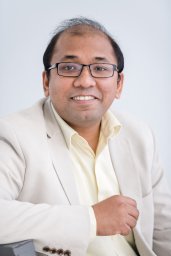 Navonil Mustafee合作论文数University of Exeter8
 Floor Brouwer合作论文数Part of Wageningen UR, LEI8
 Gareth Lewis合作论文数7
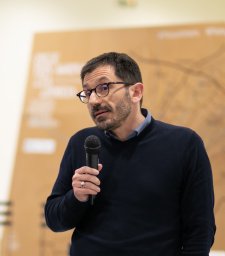 Christos Makropoulos合作论文数Imperial College London7
 Chrysi S. Laspidou合作论文数Laboratory of Hydrology and Watersystems Analysis, University of Thessaly7
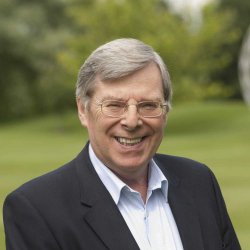 Barry Evans合作论文数Institute for Communication Systems, University of Surrey6
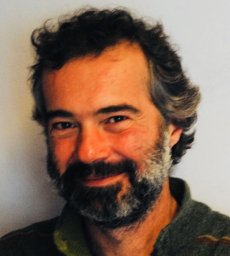 Simone Mereu合作论文数Department of Economics and Woody Plant Ecosystems, University of Sassari6
 Enrico Fortunato Creaco合作论文数Dipartimento Di Ingegneria Civile E Architettura, Università degli Studi di Pavia6J. Bicik合作论文数5
 Panagiotis Kossieris合作论文数Dept Wat Resources & Environm Engn, Natl Tech Univ Athens5
 C. J. Hutton合作论文数5
 Mark S. Morley合作论文数University of Exeter, University of Exeter5Raziyeh Farmani合作论文数Centre for Water Systems, University of Exeter5
 Antonio Trabucco合作论文数Euro-Mediterranean Center on Climate Change, Euro-Mediterranean Center on Climate Change4Xavier Domingo合作论文数4Siddharth Seshan合作论文数3Eva Alexandri合作论文数3
 Cheng Zi Chew合作论文数3
 Irina Ribarova合作论文数3
 Roberto Roson合作论文数Dipartimento Scienze Economiche, Universita' Ca' Foscari3
 Albert Y. Chen合作论文数Department of Radiology, University of California at San Francisco3Georg Fischer合作论文数2Badr Mabrouk合作论文数2
 Clemens Strehl合作论文数2
 Sara Masia合作论文数IHE Delft Inst Water Educ2Maria Papadopoulou合作论文数2
 Brett Snider合作论文数Univ Guelph, Sch Engn, Guelph, ON N1G 2W1, Canada2
 Dimitrios Kofinas合作论文数Univ Thessaly, Dept Civil Engn, Volos 38334, Greece2Michael J. Gibson合作论文数2
 Sartori Martina合作论文数School of International Studies, University of Trento;Center for Research on Energy and Environmental Economics and Policy - IEFE, Bocconi University;University of Trento, Bocconi University2Kloos Julia合作论文数2
 Ralf Ludwig合作论文数Dept Geog, Ludwig Maximilians Univ Munchen2
 Maria Blanco合作论文数ETSI Agronomos, Universidad Politecnica de Madrid2
 Stefano Alvisi合作论文数University of Ferrara2
 Luigi Berardi合作论文数Department of Civil Engineering and Architecture, Technical University of Bari2
 Isabelle La Jeunesse合作论文数Department of Geography;Universite Catholique de Louvain;Department of Geography, Universite Catholique de Louvain2
 Elad Salomons合作论文数OptiWater2
 D. Assimacopoulos合作论文数Department of Chemical Engineering;National Technical University of Athens;Department of Chemical Engineering, National Technical University of Athens2Godfrey Walters合作论文数School of Engineering and Computer Science
North Park Road
University of Exeter2
D. Assimacopoulos合作论文数Department of Chemical Engineering;National Technical University of Athens;Department of Chemical Engineering, National Technical University of Athens2Godfrey Walters合作论文数School of Engineering and Computer Science
North Park Road
University of Exeter2 Daniele Laucelli合作论文数Engineering Faculty of Taranto, Technical University of Bari2
 Jose-Luis Molina合作论文数Divisió d'Antropologia Social;Universitat Autònoma de Barcelona;Divisió d'Antropologia Social, Universitat Autònoma de Barcelona2
 Orazio Giustolisi合作论文数Department of Civil Engineering and Architecture, Engineering Faculty of Taranto, Technical University of Bari2
 Eleftheria Katsiri合作论文数Department of Electrical and Computer Engineering, School of Engineering, Democritus University of Thrace2




